



PARP Activator
-
Cyproheptadine hydrochloride sesquihydrate (Standard)
 0 Images
Cyproheptadine hydrochloride sesquihydrate (Standard) is the analytical standard of Cyproheptadine hydrochloride sesquihydrate (HY-B1165). This product is intended for research and analytical applications. Cyproheptadine hydrochloride sesquihydrate acts as a p38 MAP kinase activator, CHK2 activator, histamine H1 receptor inhibitor and serotonin receptor inhibitor. Cyproheptadine hydrochloride sesquihydrate mediates cell cycle arrest via G1 phase arrest, G1/S transition arrest, G0/G1 phase arrest, reduced expression of cyclins D1/D2/D3, upregulated expression of HBP1, p16, p21, p27, and decreased phosphorylation of retinoblastoma protein. Cyproheptadine hydrochloride sesquihydrate induces Apoptosis by increasing PARP and cleaved PARP, as well as activating the mitochondrial caspase pathway. Cyproheptadine hydrochloride sesquihydrate inhibits tumor growth with extremely low toxicity to normal cells. Cyproheptadine hydrochloride sesquihydrate can be used in research related to hepatocellular carcinoma, multiple myeloma and acute myeloid leukemia.
-
5,7,4'-Trimethoxyflavone (Standard)
 0 Images
5,7,4'-Trimethoxyflavone (Standard) is the analytical standard of 5,7,4'-Trimethoxyflavone. This product is intended for research and analytical applications. 5,7,4’-Trimethoxyflavone can be isolated from the medicinal plant Kaempferia parviflora (KP). 5,7,4’-Trimethoxyflavone is a CFTR activator and EC50 is 64 μM. 5,7,4’-Trimethoxyflavone induces apoptosis, increases proteolytic activation of caspase-3, and degradation of ADP-ribose polymerase (PARP) protein. 5,7,4’-Trimethoxyflavone has antitumor activity. 5,7,4’-Trimethoxyflavone can be used to prevent skin aging and oxidative stress.
-
Atiprimod
 0 ImagesCat. No.: HY-13559CAS No.: 123018-47-3Synonyms: Azaspirane ; SKF 106615-12; SKF 106615A12
Atiprimod (Azaspirane) is a STAT3 inhibitor with antitumor, anti-inflammatory, and anti-angiogenic activities. Atiprimod blocks the signaling pathways of IL-6 and VEGF by inhibiting the phosphorylation of signal transducer and activator of STAT3. Atiprimod blocks the JAK-STAT signaling pathway by inhibiting the phosphorylation of JAK2 and JAK3. Atiprimod also inhibits cell proliferation, induces cell cycle arrest, and induces autophagy and apoptosis. Atiprimod triggers persistent ER stress-mediated apoptosis in breast cancer cells by activating the PERK/eIF2α/ATF4/CHOP axis and inhibiting the nuclear translocation of STAT3/NF-κB. Atiprimod shows great anti-tumor activities in tumor xenograft mouse models. Atiprimod can be used for the study of pituitary adenoma, breast cancer, multiple myeloma and acute myeloid leukemia (AML).
-
Trijuganone C
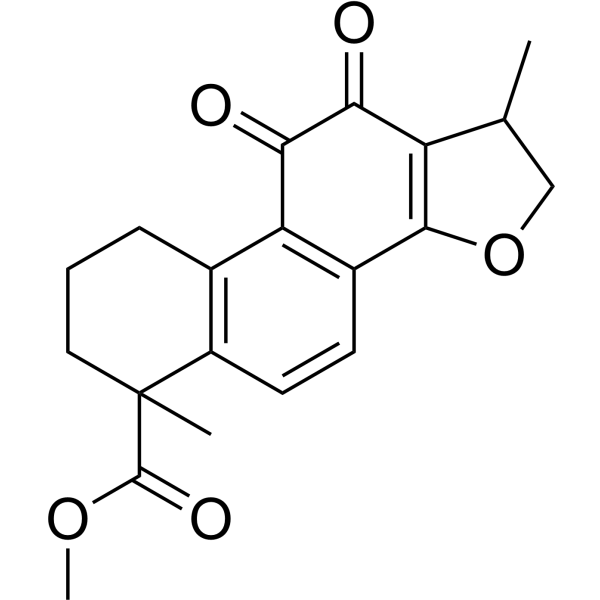 0 ImagesCat. No.: HY-N8617CAS No.: 135247-94-8
Trijuganone C is a tanshinone-type diterpenoid compound. Trijuganone C can be isolated from the roots of Salvia miltiorrhiza Bunge. Trijuganone C induces chromatin condensation, DNA fragmentation, activation of Caspase-3, -8 and -9, as well as cleavage of PARP. Trijuganone C activates Bid and Bax, leading to loss of mitochondrial membrane potential and inducing the release of cytochrome c from mitochondria into the cytosol. Trijuganone C exerts antiproliferative effects through Apoptosis induction mediated by Mitochondrial dysfunction and Caspase activation. Trijuganone C exhibits significant antiproliferative activity against leukemia cells and colon cancer cells.
-
Echinoside A
 0 ImagesCat. No.: HY-N17442CAS No.: 75410-53-6
Echinoside A is a saponin. Echinoside A can be isolated from sea cucumber. Echinoside A inhibits the catalytic activity of Top2α, reduces the noncovalent binding of Top2α to DNA. Echinoside A activates Caspase-3 and induces PARP cleavage. Echinoside A induces Apoptosis. Echinoside A has anticancer activity against prostate cancer, hepatocellular carcinoma, and S-180 sarcoma. Echinoside A exhibits antifungal activity against a variety of fungi, with a minimum growth inhibitory concentration range of 3.12 to 50.0 μg/mL, including potent activity against Aspergillus and Penicillium species.
-
LD5097
 0 ImagesCat. No.: HY-179234
LD5097 is a highly effective and selective PROTAC degrader targeting RIPK1. LD5097 can rapidly and efficiently downregulate RIPK1 and significantly enhance TNFα-mediated apoptosis in Jurkat cells. LD5097 significantly increases the levels of cleaved caspase-3/7 and PARP. LD5097 can be used for the study of acute T-lymphoblastic leukemia.
-
Topoisomerase I/II inhibitor 8
 0 ImagesCat. No.: HY-169509CAS No.: 355400-87-2
Topoisomerase I/II Inhibitor 8 (Compound Ru7) is a dual catalytic inhibitor of Topoisomerase I/II, capable of inducing DNA damage and PARP-1 activation, which subsequently leads to the activation of RIPK1, RIPK3, and MLKL, ultimately triggering necroptosis. Topoisomerase I/II Inhibitor 8 demonstrates remarkable anticancer activity by effectively targeting the nuclei of cancer cells and inducing cell death through necroptosis, showing great clinical potential in circumventing drug resistance in cancer treatment.
-
AC-45594
 0 ImagesSynonyms: 4-(Hexyloxy)phenol
AC-45594 (4-(Hexyloxy)phenol) is a UPR activator. AC-45594 induces endoplasmic reticulum stress, activates the unfolded protein response (UPR), and drives the transition from adaptive stress signaling to terminal stress signaling, ultimately leading to cell Apoptosis. AC-45594 activates Caspase-3, induces PARP cleavage, and increases the protein level of DR5. AC-45594 selectively inhibits the growth of Ewing sarcoma cells.
-
Quinidine gluconic acid
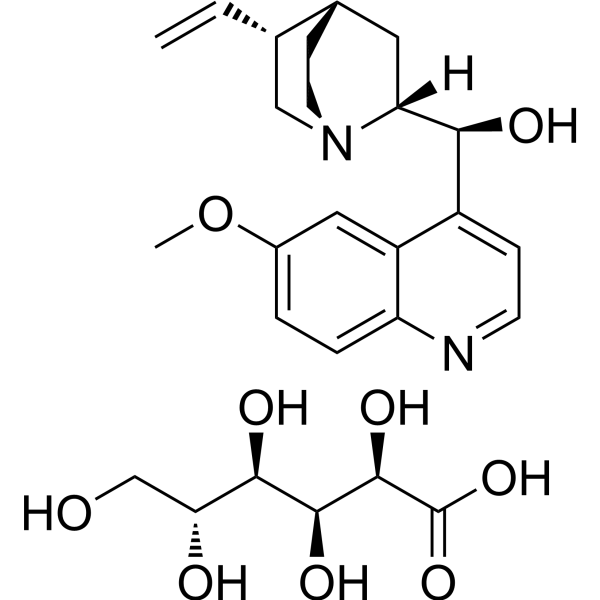 0 Images
Quinidine gluconic acid is an orally active antiarrhythmic agent. Quinidine gluconic acid reduces the expression level of P-gp, inhibits P-gp-mediated efflux, increases the intracellular accumulation of P-gp substrates, induces PARP cleavage and Caspase-3 activation, and elevates the proportion of Apoptotic cells at the sub-G1 phase. Quinidine gluconic acid exerts sustained block and open-channel block effects on IK(f). Quinidine gluconic acid alters the urinary metabolic ratio of Amphetamine, modulates the Pentylenetetrazol-induced seizure threshold, and regulates the anticonvulsant effect of Dextromethorphan. Quinidine gluconic acid can be used in studies related to uterine sarcoma and seizures.
-
Jujuboside B (Standard)
 0 ImagesCat. No.: HY-N0660RCAS No.: 55466-05-2
Jujuboside B (Standard) is the analytical standard of Jujuboside B. This product is intended for research and analytical applications. Jujuboside B is a bioactive saponin component isolated from Ziziphi Spinosae Semen (sour jujube seed), with oral efficacy and blood-brain barrier permeability. Jujuboside B induces acute leukemia cell death and drives necroptosis apoptosis by activating the RIPK1/RIPK3/MLKL pathway. Jujuboside B upregulates the expression of NOXA, PARP and caspase-3, activates AMPK, inhibits the proliferation of breast cancer cells, and induces cell apoptosis and autophagy. Jujuboside B inhibits angiogenesis and tumor growth by blocking the VEGFR-2 signaling pathway. Jujuboside B alleviates liver injury in mice by regulating the Nrf2-STING signaling pathway. Jujuboside B alleviates liver injury by regulating anti-inflammatory responses and downregulating the expression of 11β-HSD2. Jujuboside B induces ferroptosis and overcomes radioresistance in non-small cell lung cancer via the PPARγ-ATF3-Gpx4 signaling pathway. Jujuboside B exerts inhibitory effects on platelet aggregation. Jujuboside B inhibits febrile seizures by suppressing the activity of AMPA receptors. Jujuboside B reverses chronic unpredictable mild stress-promoted tumor progression by blocking the PI3K/Akt and MAPK/ERK pathways and dephosphorylating CREB signaling. Jujuboside B is applicable to related studies on acute leukemia, breast cancer, PM2.5-induced lung injury, hepatotoxicity, liver injury, colorectal cancer, non-small cell lung cancer, thromboembolic diseases, cardiovascular diseases associated with high platelet aggregation, febrile seizures, and depressive-like phenotypes.
-
HSP90-IN-11
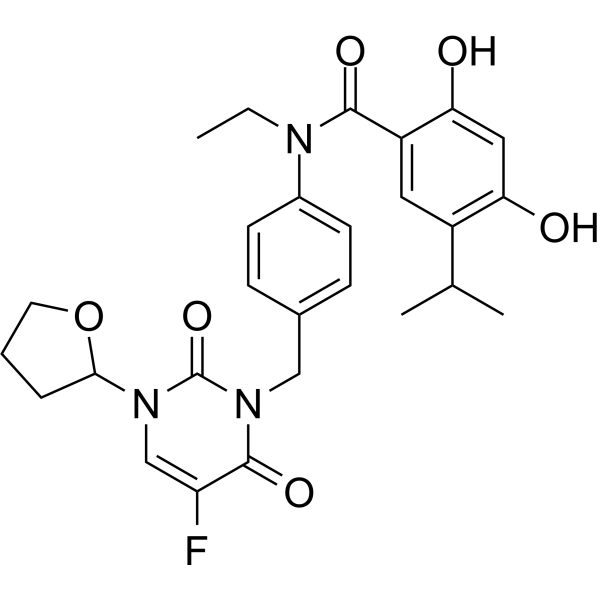 0 ImagesCat. No.: HY-146325CAS No.: 2986564-20-7
HSP90-IN-11 is a HSP90 inhibitor with an IC50 of 27.8 nM. HSP90-IN-11 inhibits the activity of HSP90, which in turn induces rapid degradation of EGFR and Akt proteins in non-small cell lung cancer (NSCLC) cells. HSP90-IN-11 induces accumulation of the G1 subphase cell population in NSCLC cells, activates caspase-3, caspase-8, caspase-9 and PARP, thereby triggering apoptosis. HSP90-IN-11 exhibits antiproliferative activity in colorectal cancer and NSCLC cells. HSP90-IN-11 can be used for the research of colorectal cancer and non-small cell lung cancer.
-
FMP
 0 ImagesCat. No.: HY-168877
FMP is a Platinum(IV) complexe. FMP significantly upregulates the expression of γ-H2AX and p53. FMP increases the production of ROS. FMP markedly upregulates the expressions of Apoptosis-related proteins (DR5, Fas, caspase-8, Cyt-c, caspase-3, cleaved-PARP1, Bax). FMP shows antiproliferative activity against breast cancer.
-
PROTAC CDK9 degrader-11
 0 ImagesCat. No.: HY-170978CAS No.: 3039540-19-4
PROTAC CDK9 degrader-11 is an orally active, selective CDK9 PROTAC degrader with a DC50 of 1.09 nM. PROTAC CDK9 degrader-11 recruits CRBN to form a ternary complex and degrades CDK9 via the ubiquitin-proteasome pathway, thereby inhibiting RNA polymerase II phosphorylation and downregulating the expression of anti-apoptotic and pro-oncogenic genes, ultimately inducing apoptosis. PROTAC CDK9 degrader-11 is suitable for research on small-cell lung cancer (SCLC).
-
Cyproheptadine-d3
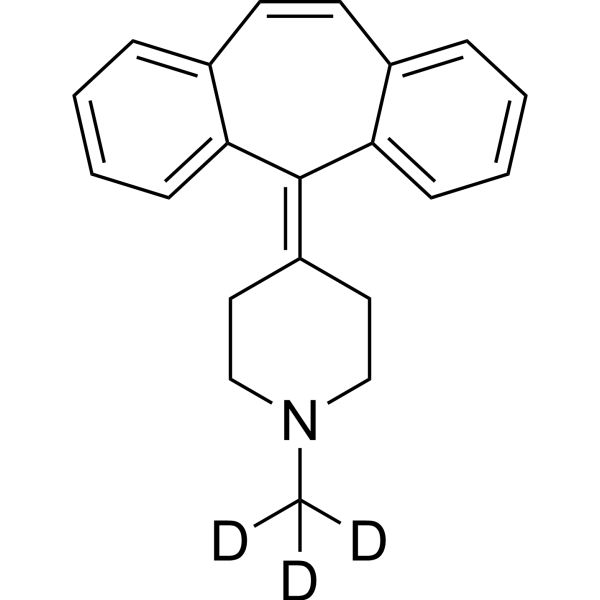 0 ImagesCat. No.: HY-B1622SCAS No.: 2712455-05-3
Cyproheptadine-d3 is the d3-labeled Cyproheptadine (HY-B1622). Cyproheptadine acts as a p38 MAP kinase activator, CHK2 activator, histamine H1 receptor inhibitor and serotonin receptor inhibitor. Cyproheptadine mediates cell cycle arrest via G1 phase arrest, G1/S transition arrest, G0/G1 phase arrest, reduced expression of cyclins D1/D2/D3, upregulated expression of HBP1, p16, p21, p27, and decreased phosphorylation of retinoblastoma protein. Cyproheptadine induces Apoptosis by increasing PARP and cleaved PARP, as well as activating the mitochondrial caspase pathway. Cyproheptadine inhibits tumor growth with extremely low toxicity to normal cells. Cyproheptadine can be used in research related to hepatocellular carcinoma, multiple myeloma and acute myeloid leukemia.
-
SKLB70326
 0 ImagesCat. No.: HY-116204CAS No.: 1257317-77-3
SKLB70326 is a small molecule inhibitor of cell cycle progression that induces cell cycle arrest and apoptosis in human hepatocellular carcinoma cells. SKLB70326 is involved in downregulating cyclin-dependent kinase (CDK) 2, CDK4, and CDK6, while also activating PARP, caspase-3, caspase-9, and Bax, and downregulating Bcl-2.
-
Bcl-2/Mcl-1-IN-5
 0 ImagesCat. No.: HY-181746
Bcl-2/Mcl-1-IN-5 (Compound S6) is a Bcl-2 and Mcl-1 inhibitor. Bcl-2/Mcl-1-IN-5 promotes Apoptosis, downregulates anti-apoptotic proteins Bcl-2 and Mcl-1, induces mitochondrial membrane potential depolarization, and activates the Caspase-dependent apoptotic cascade, as evidenced by Caspase-3 activation and PARP1 cleavage. Bcl-2/Mcl-1-IN-5 has anti-hepatocellular carcinoma activity.
-
BTK-IN-47
 0 ImagesCat. No.: HY-181996
BTK-IN-47 (Compound 9e) is a covalent, selective BTK inhibitor with an IC50 of 5.15 nM against BTK. BTK-IN-47 inhibits the BTK signaling pathway, induces cell cycle arrest, and activates the canonical Caspase-dependent Apoptotic pathway (promoting the cleavage of Caspase-3, Caspase-7 and PARP), without inducing necroptosis, pyroptosis or ferroptosis. BTK-IN-47 exerts dose-dependent antiproliferative activity against hematologic tumor cell lines. BTK-IN-47 exhibits dose-dependent in vivo antitumor activity in a Ramos cell xenograft model in BALB/c nude mice. BTK-IN-47 can be used for the research of hematologic malignancies.
-
Quinidine-d3
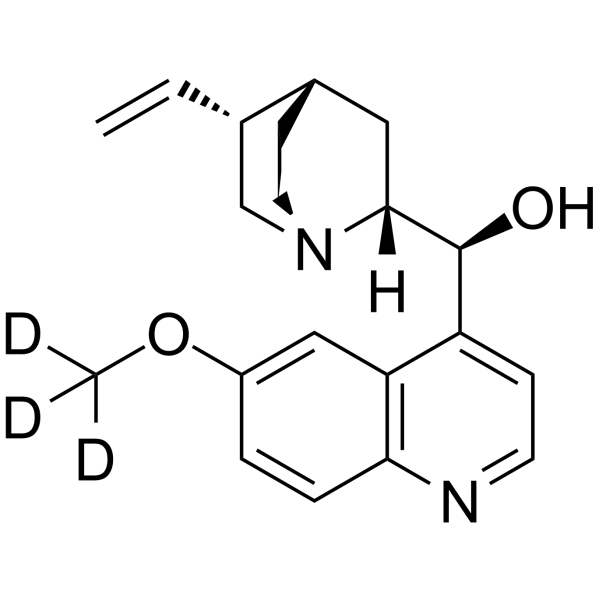 0 ImagesCat. No.: HY-B1751SCAS No.: 1267657-68-0
Quinidine-d3 is the d3-labeled Quinidine (15% dihydroquinidine) (HY-B1751). Quinidine (15% dihydroquinidine) is an orally active antiarrhythmic agent. Quinidine (15% dihydroquinidine) reduces the expression level of P-gp, inhibits P-gp-mediated efflux, increases the intracellular accumulation of P-gp substrates, induces PARP cleavage and Caspase-3 activation, and elevates the proportion of Apoptotic cells at the sub-G1 phase. Quinidine (15% dihydroquinidine) exerts sustained block and open-channel block effects on IK(f). Quinidine (15% dihydroquinidine) alters the urinary metabolic ratio of Amphetamine, modulates the Pentylenetetrazol-induced seizure threshold, and regulates the anticonvulsant effect of Dextromethorphan. Quinidine (15% dihydroquinidine) can be used in studies related to uterine sarcoma and seizures.
-
RPS6-IN-1
 0 ImagesCat. No.: HY-161874
RPS6-IN-1 (Compound 22o) inhibits cell metastasis, induces cell apoptosis (increases the expression of Bax, p53, cleaved-caspase 3, and cleaved-PARP). RPS6-IN-1 decreases mitochondrial membrane potential. RPS6-IN-1 activates autophagy through the PI3K-Akt-mTOR signaling pathway, damages intracellular mitochondria and lysosomes, and cause ER stress. RPS6-IN-1 inhibits RPS6 phosphorylation. RPS6-IN-1 is an anticancer agent with low systemic toxicity.



