



Phospholipase
Phospholipase is a member of a very complex group of enzymes that break down phospholipids into fatty acids and other compounds. Phospholipases are defined by the enzymatic reaction they catalyze. The classes are phospholipase A, which has members A1 and A2; phospholipase B, which can carry out the reactions of both A1 and A2; phospholipase C; and phospholipase D.
Phospholipase A2 (PLA2) catalyses the hydrolysis of the sn-2 position of glycerophospholipids to yield fatty acids and lysophospholipids. Phospholipase C (PLC) converts phosphatidylinositol 4,5-bisphosphate (PIP2) to inositol 1,4,5-trisphosphate (IP3) and diacylglycerol (DAG). DAG and IP3 each control diverse cellular processes and are also substrates for synthesis of other important signaling molecules. PLC is thus central to many important interlocking regulatory networks. Phospholipase D (PLD) is an essential enzyme responsible for the production of the lipid second messenger phosphatidic acid (PA), which is involved in fundamental cellular processes, including membrane trafficking, actin cytoskeleton remodeling, cell proliferation and cell survival.
Phospholipase Isoform Specific Products
All Product Categories
-
Phospholipase Related Products (336)
Related Products (336)

-
Antibodies (9)
-
Phospholipase Isoform Comparison
-
LY-311727
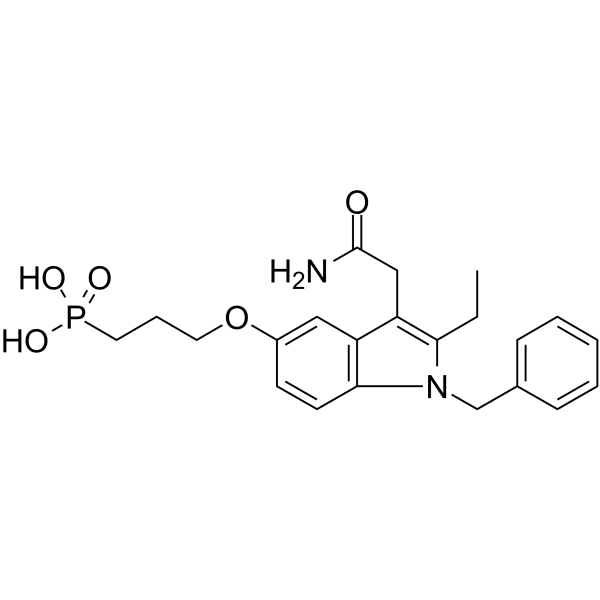 0 ImagesLY-311727 is a potent secretory non-pancreatic phospholipase A2 (sPLA2) inhibitor (IC50 <1 μM for group IIA sPLA2). sPLA2 is an important proinflammatory enzyme.
-
Benzylideneacetone
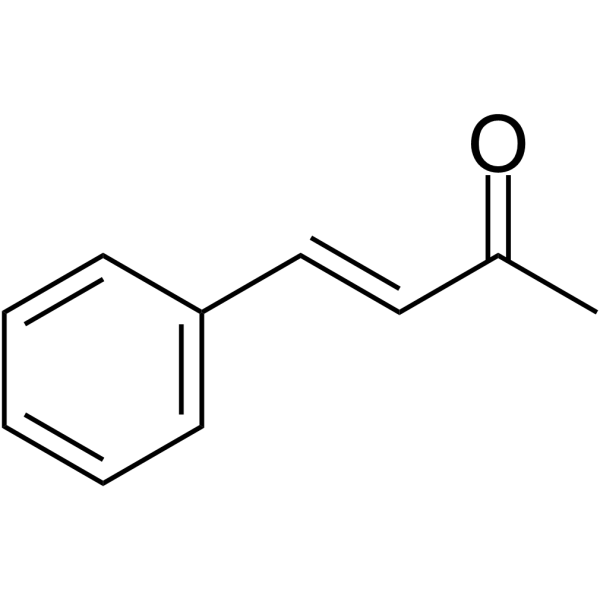 0 ImagesSynonyms: BenzalacetoneBenzylideneacetone (Benzalacetone) is an orally active antibiotic, tyrosinase inhibitor, phospholipase A2 inhibitor, and immunosuppressant. Benzylideneacetone has antibacterial activity against some gram-negative plant-pathogenic bacteria. Benzylideneacetone can also be used in the synthesis of chemicals and drugs, and as a flavoring additive for some foods.

-
GSK2647544
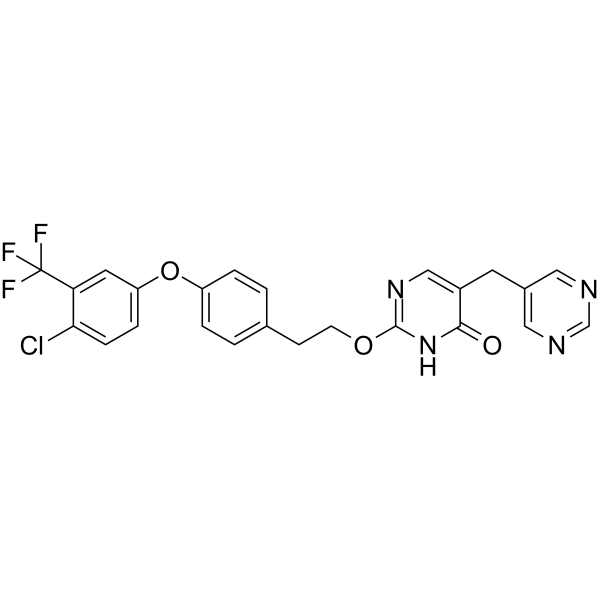 0 ImagesGSK2647544 is an orally available, selective inhibitor of Lp-PLA2. Lipoprotein-associated phospholipase (Lp-PLA2) is a calcium-independent phospholipase A2 with proinflammatory activities that is primarily secreted by monocyte-derived macrophages.
-
nSMase2-IN-1
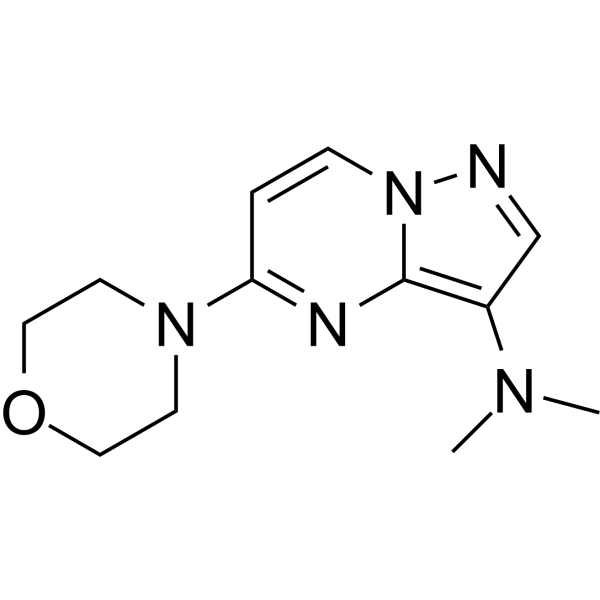 0 ImagesnSMase2-IN-1 is an orally active Neutral sphingomyelinase 2 (nSMase2) inhibitor with an IC50 value of 0.13 ± 0.06 μM. nSMase2-IN-1 is metabolically stable in liver microsomes and orally available with a favorable brain-to-plasma ratio. nSMase2-IN-1 can be used for nervous system disease research.
-
ABC47
 0 ImagesABC47 is a potent inhibitor of serine hydrolases. ABC47 shows IC50s of 0.03 and 0.1 μM for ABHD4 and ABHD3, respectively. ABC47 plays an important role in infantile neuronal ceroid lipofuscinosis research.
-
Choline tosylate
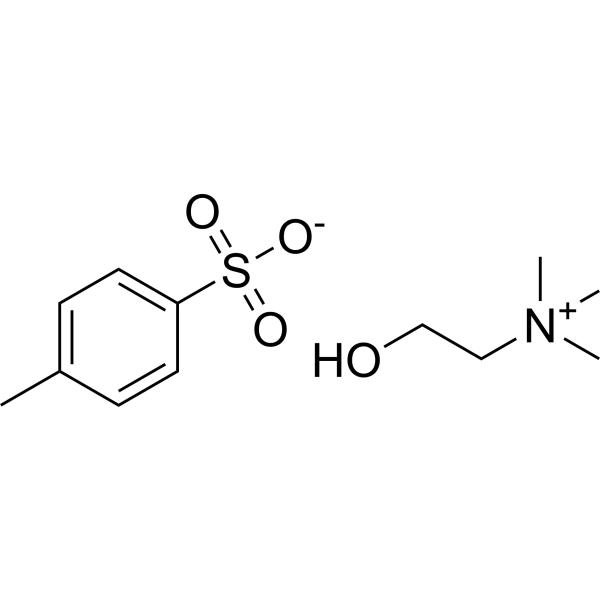 0 ImagesSynonyms: Choline p-toluenesulfonateCholine tosylate (Choline p-toluenesulfonate) is an intermediate and also a substrate of choline acetyltransferase (CHAT). Choline tosylate inhibits phospholipase A2 and phospholipase C.
-
7-Hydroxycoumarinyl arachidonate
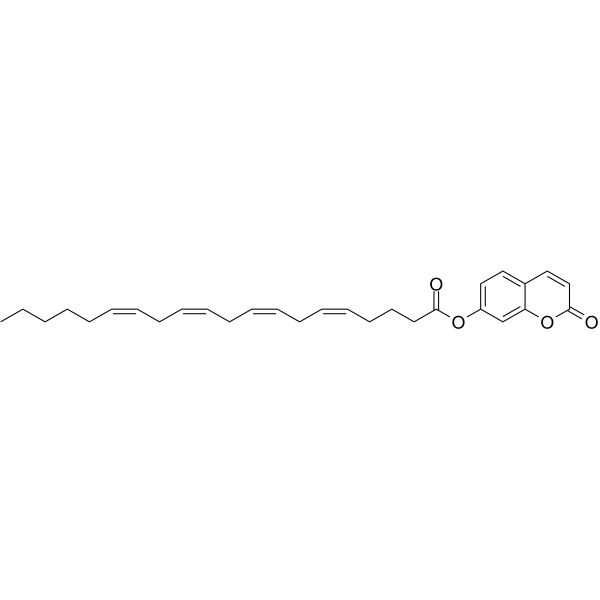 0 ImagesSynonyms: 7-HCA; Umbelliferyl Arachidonate; 7-HC-arachidonate7-Hydroxycoumarinyl arachidonate (7-HCA) is a fluorogenic substrate of cytosolic phospholipase A2 (PLA2). 7-Hydroxycoumarinyl arachidonate is also a fluorogenic substrate for monoacylglycerol lipase (MAGL). MAGL protein catalyzes the hydrolysis of 7-Hydroxycoumarinyl arachidonat to generate Arachidonic acid (AA) and the highly fluorescent 7-hydroxyl coumarin (7-HC; HY-N0573). Release of 7-HC can be measured using a fluorometer.
-
Rapanone
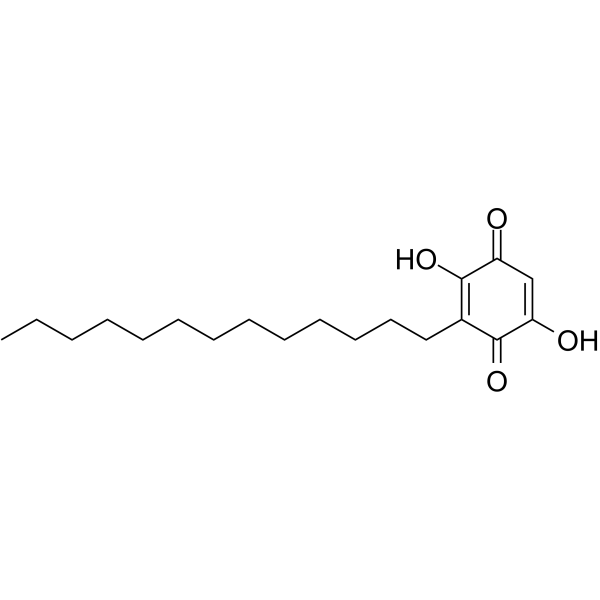 0 ImagesRapanone is a natural benzoquinone. Rapanone exhibits a broad spectrum of biological actions, including anti-tumor, antioxidant, anti-inflammatory, antibacterial and antiparasitic. Rapanone also is a potent and selective human synovial PLA2 inhibitor, with an IC50 of 2.6 μM.
-
trans-Benzylideneacetone
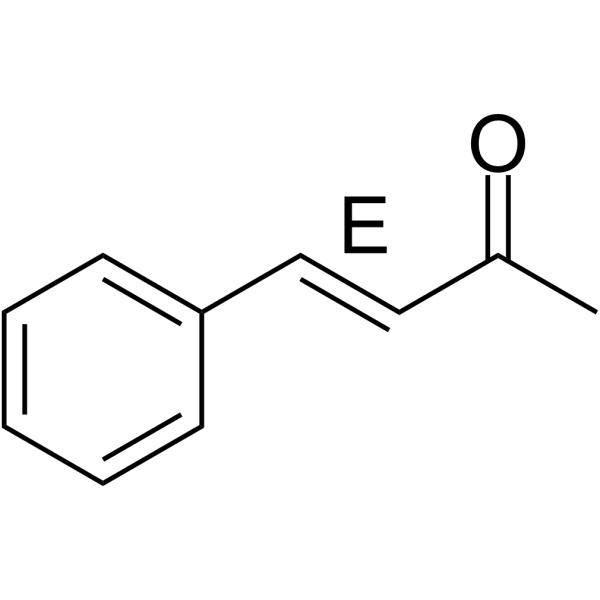 0 ImagesSynonyms: trans-Benzalacetonetrans-Benzylideneacetone (trans-Benzalacetone), a metabolite of gram-negative entomopathogenic bacterium Xenorhabdus nematophila, is an enzyme inhibitor against phospholipase A2 (PLA2). trans-Benzylideneacetone is an immunosuppressant.
-
Lp-PLA2-IN-13
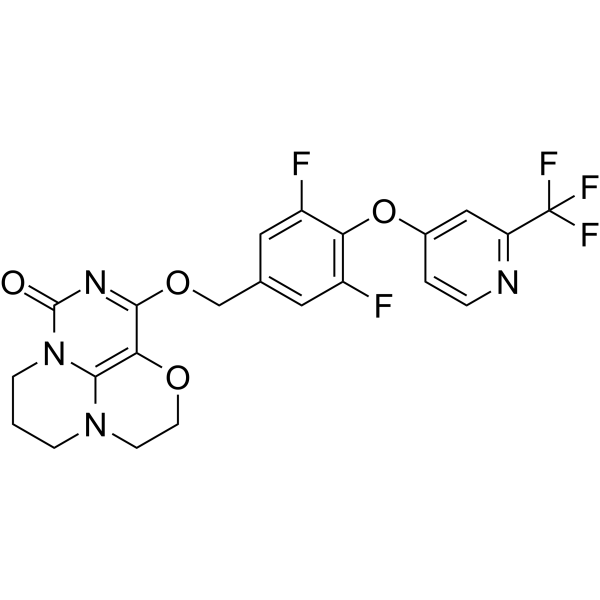 0 ImagesLp-PLA2-IN-13 (compound 15) is a potent Lp-PLA2 inhibitor. Lp-PLA2-IN-13 has the potential for the research of neurodegenerative related diseases.
-
2-Methylbutyrylcarnitine chloride
 0 ImagesCat. No.: HY-W654264Purity: 98.92%Synonyms: 2MBC chloride2-Methylbutyrylcarnitine chloride (2MBC chloride) is an orally active short-chain branched-chain acylcarnitine and a gut microbiota co-metabolite produced from 2-methylbutyric acid via branched-chain amino acid catabolism. 2-Methylbutyrylcarnitine chloride activates platelet integrin α2β1 (Kd = 10.6 μM), initiates the downstream p38‑cPLA2 signaling cascade, elevates TXA2 production, and thereby enhances platelet hyperreactivity. 2-Methylbutyrylcarnitine chloride can be used in research on atherosclerosis and thrombosis.
-
DL-erythro-Dihydrosphingosine
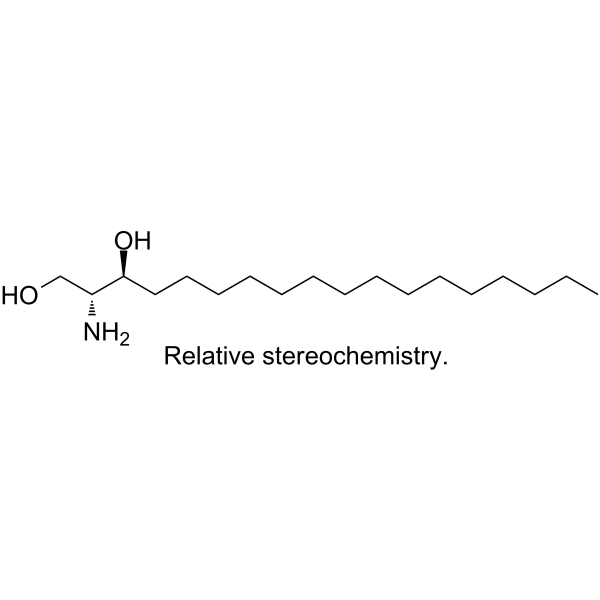 0 ImagesDL-erythro-Dihydrosphingosine is a sphingosine-based PKC inhibitor. DL-erythro-Dihydrosphingosine directly inhibits the enzymatic activity of PLA2. DL-erythro-Dihydrosphingosine inhibits the activity of Bcl-2 protein involved in apoptosis. DL-erythro-Dihydrosphingosine inhibits the activity of matrix metalloproteinases (MMP). DL-erythro-Dihydrosphingosine is applicable for research on cancer and inflammatory diseases.
-
PACOCF3
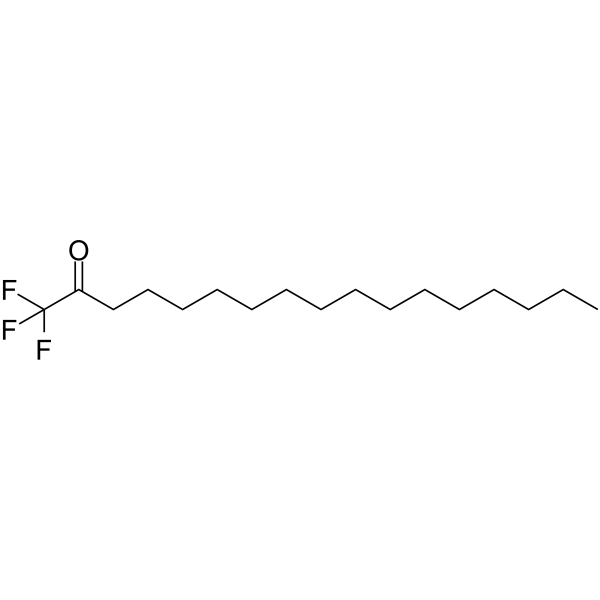 0 ImagesSynonyms: PalmityltrifluoromethylketonePACOCF3 (Palmityltrifluoromethylketone) is a selective phospholipase A2 inhibitor with an IC50 of 3.8 μM. PACOCF3 alters Ca2+ signaling in renal tubular cells.
-
KARI 201 hydrochloride
 0 ImagesKARI 201 hydrochloride is a selective, brain penetrant pand competitive acid sphingomyelinase (ASM) inhibitor with an IC50 of 338.3?nM. KARI 201 hydrochloride is a ghrelin receptor agonist. KARI 201 hydrochloride improves neuropathological features of Alzheimer's disease.
-
VU533
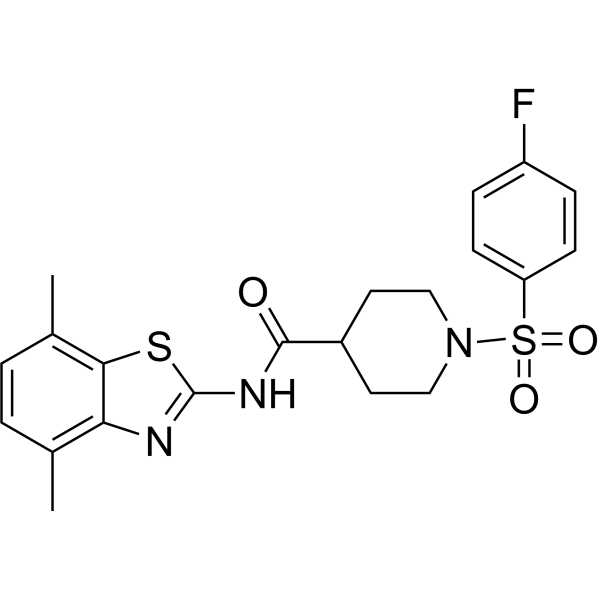 0 ImagesAPE-PLD (VU533) activator is a potent NAPE-PLD activator with an EC50 value of 0.30 µM. NAPE-PLD activator (VU533) can enhance NAPE-PLD activity and increase efferocytosis by macrophages. NAPE-PLD activator (VU533) can be used for cardiometabolic diseases research.
-
Halopemide
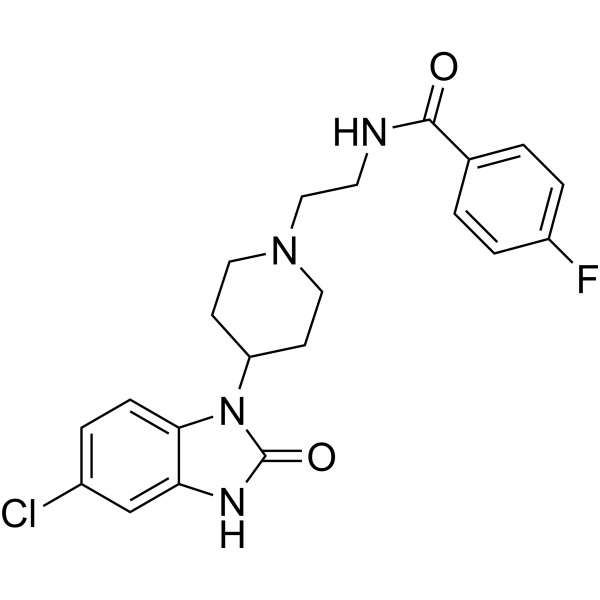 0 ImagesHalopemide is a potent phospholipase D (PLD) inhibitor, with IC50s of 220 and 310 nM for human PLD1 and PLD2, respectively. Halopemid is a dopamine receptors antagonist, and acts a psychotropic agent.




