



VEGFR
All Product Categories
-
VEGFR Inhibitors
(337)
View all products
-
VEGFR Agonists
(5)
View all products
-
VEGFR Antagonists
(4)
View all products
-
VEGFR Activators
(7)
View all products
-
VEGFR Modulators
(6)
View all products
-
VEGFR Chemical
(1)
View all products
-
VEGFR Inducer
(1)
View all products
-
VEGFR Ligands
(3)
View all products
-
VEGFR Related Products (402)
Related Products (402)

-
6'-Sialyllactose
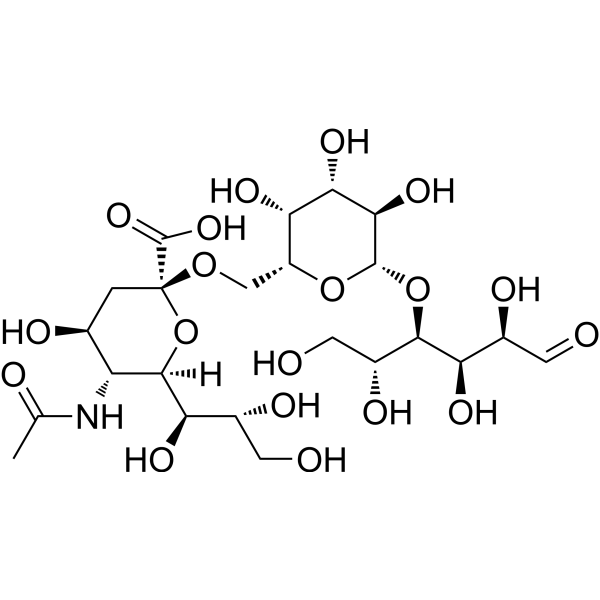 0 Images6'-Sialyllactose promotes the growth of beneficial bacteria (such as Bifidobacterium and lactobacillus) and inhibits the proliferation of harmful bacteria. 6'-Sialyllactose exhibits anti-inflammatory and anti-angiogenic activities. 6'-Sialyllactose promotes the muscle health.
-
PDRN
 0 ImagesCat. No.: HY-W250160CAS No.: 100403-24-5Synonyms: PolydeoxyribonucleotidePDRN (Polydeoxyribonucleotide) is a deoxynucleotide polymer mainly derived from the sperm of rainbow trout or salmon. PDRN inhibits pro-inflammatory factors and promotes VEGF expression via the cAMP-PKA pathway by activating the adenosine A2A receptor (A2AR), thereby driving angiogenesis and collagen deposition in fibroblasts. Degradation products of PDRN provide DNA raw materials for proliferating cells through the salvage synthesis pathway, accelerating re-epithelialization. PDRN reduces melanin synthesis and cell apoptosis by upregulating ERK/AKT phosphorylation and inhibiting the activities of MITF and tyrosinase, and resists skin aging by attenuating nuclear autophagy and blocking the interaction between LC3-SIRT1. PDRN is mainly used for wound repair, post-aesthetic surgery recovery and anti-aging research.
-
Glycine (Standard)
 0 ImagesGlycine (Standard) is the analytical standard of Glycine. This product is intended for research and analytical applications. Glycine is an inhibitory neurotransmitter in the CNS and also acts as a co-agonist along with glutamate, facilitating an excitatory potential at the glutaminergic N-methyl-D-aspartic acid (NMDA) receptors. Glycine is orally active. Glycine can be used to study cell protection, cancer, neurological diseases, and angiogenesis.
-
Parsatuzumab
 0 ImagesCat. No.: HY-P99215CAS No.: 1312797-14-0Synonyms: Anti-EGFL7; RG 7414Parsatuzumab (Anti-EGFL7; RG 7414) is a humanized monoclonal antibody, acts as an immunomodulator and binds to EGFL7. Parsatuzumab selectively blocks the interaction between EGFL7 and endothelial cells, potentially inhibiting vascular regrowth and reducing vascular endothelial growth factor (VEGF) inhibition.
-
BIBF 1202
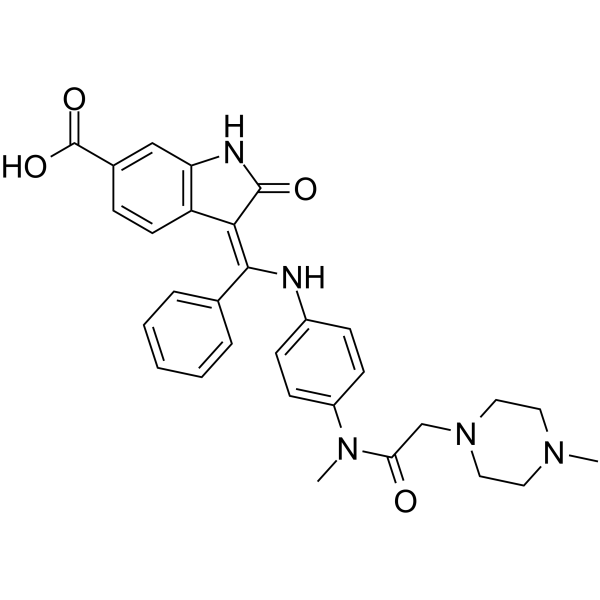 0 ImagesBIBF 1202 is the carboxylate metabolite of Nintedanib (HY-50904) which inhibits VEGFR2 kinase with an IC50 of 62 nM.
-
ST6GAL1-IN-1
 0 ImagesST6GAL1-IN-1 is an orally active selective ST6GAL1 inhibitor (IC50 = 20 μM). ST6GAL1-IN-1 exhibits high antimetastatic potential, effectively inhibiting the migration of MDA-MB-231 cells at noncytotoxic concentrations. ST6GAL1-IN-1 can disrupt integrin sialylation in MDA-MB-231 cells. ST6GAL1-IN-1 inhibits tumor angiogenesis and cancer metastasis via the Integrin/VEGFR2-mediated signaling pathway. ST6GAL1-IN-1 effectively suppresses both tumor growth and cancer metastasis on the MDA-MB-231 xenograft model. ST6GAL1-IN-1 can be used for the study of Triple-negative breast cancer (TNBC).
-
5-O-Methylvisammioside
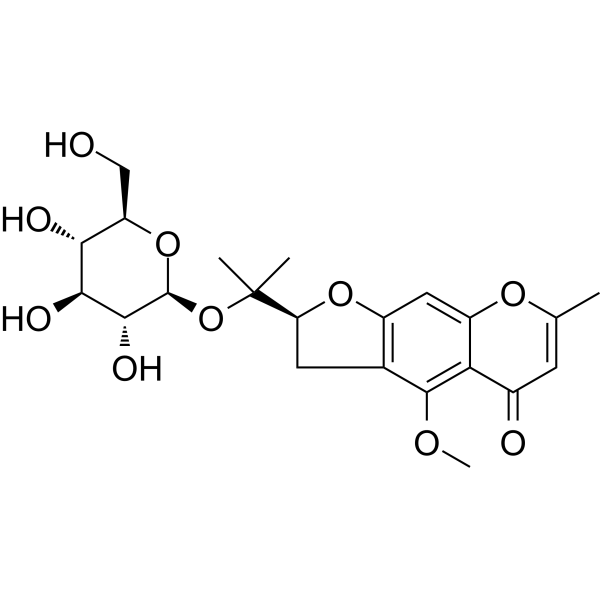 0 ImagesSynonyms: 4'-O-β-D-Glucosyl-5-O-methylvisamminol5-O-Methylvisammioside (4'-O-β-D-Glucosyl-5-O-methylvisamminol) is an orally active natural chromone glycoside and multiple biological activities. 5-O-Methylvisammioside inhibits ferroptosis by activating the Nrf2/HO-1 signaling axis. 5-O-Methylvisammioside alleviates intestinal barrier damage by inhibiting the ROS/NF-κB/NLRP3 pathway. 5-O-Methylvisammioside exerts a protective effect against acute liver injury by reducing ALT/AST, decreasing inflammatory infiltration, and inhibiting IκB-α phosphorylation and NF-κB nuclear translocation. 5-O-Methylvisammioside blocks the HMGB1/RAGE/MEK/ERK signaling axis to exert anti-tumor and anti-angiogenic effects. 5-O-Methylvisammioside improves depression-like behaviors by inhibiting Src kinase and the NF-κB pathway.
-
Brolucizumab
 0 ImagesSynonyms: DLX1008; ESBA 1008; RTH258
-
ATWLPPR Peptide
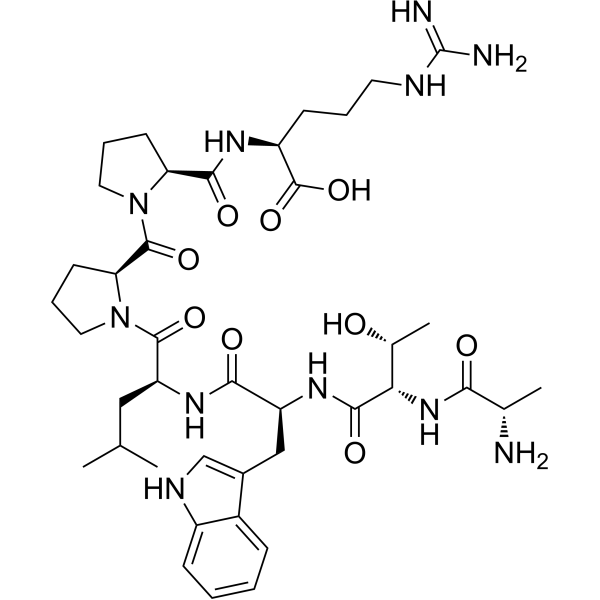 0 ImagesATWLPPR Peptide is a biological active peptide. (This peptide is a specific VEGFR2/KDR heptapeptide antagonist, it binds VEGFR2 (KDR/flk), completely inhibiting VEGF binding to KDR and preventing VEGF-induced angiogenesis in-vivo. It specifically inhibits human endothelial cell proliferation in-vitro and totally abolishes VEGF-induced angiogenesis in-vivo.)
-
Vanucizumab
 0 ImagesCat. No.: HY-P99330CAS No.: 1448221-05-3Synonyms: Anti-Human VEGFA Recombinant Antibody; RO5520985Vanucizumab is a first-in-class, bispecific IgG1-like monoclonal antibody that simultaneously blocks VEGF-A and angiopoietin-2 (Ang-2) from interacting with their receptors. Vanucizumab has antiangiogenic and anticancer effects.
-
Fursultiamine
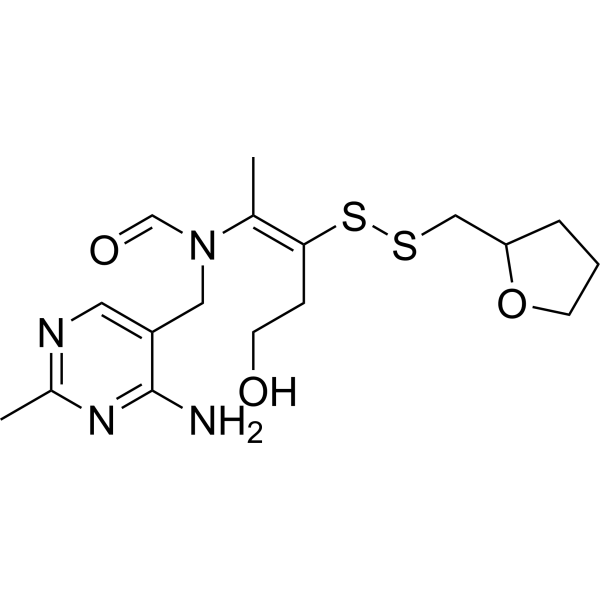 0 ImagesFursultiamine is a vitamin B1 derivative, has anti-nociceptive and antineoplastic activity. Fursultiamine can be used for vitamin B1?deficiency, osteoarthritis (OA) and cancer research.
-
MG-262
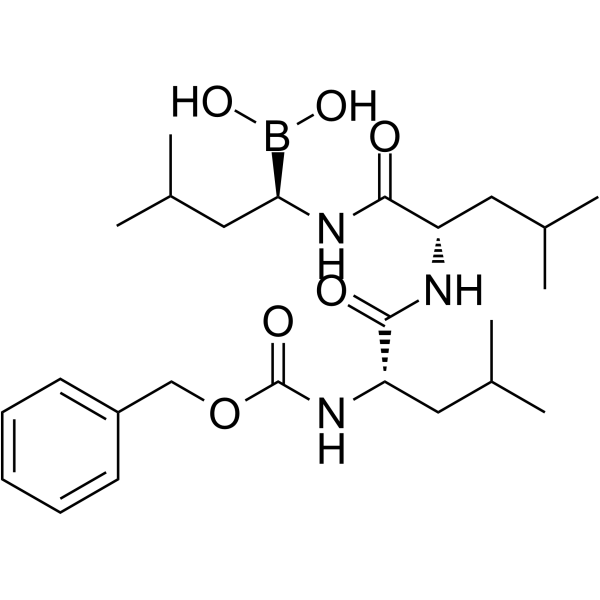 0 ImagesCat. No.: HY-108551CAS No.: 179324-22-2Synonyms: Z-Leu-Leu-LeuB(OH)2; ZL3BMG-262 (Z-Leu-Leu-LeuB(OH)2; ZL3B) is a reversible proteasome inhibitor. MG-262 down-regulates VEGF receptor Flt-1. MG-262 inhibits cell growth and induces apoptosis in malignant cells. MG-262 induces reactive oxygen species (ROS). MG-262 can be used for anti-cancer study.
-
Bucillamine
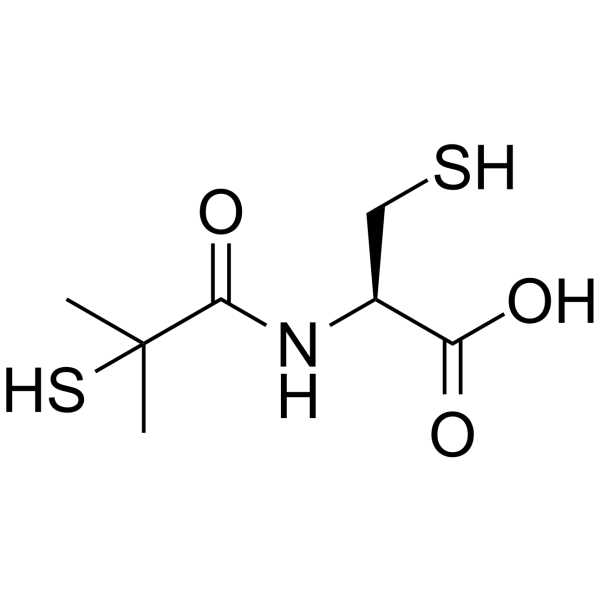 0 ImagesSynonyms: SA96; ThiobutaritBucillamine (SA96) is an orally active and potent sulfhydryl donor and antioxidant. Bucillamine is also an antirheumatic agent with antiangiogenic properties. Bucillamine can protect against Ischemia/reperfusion (I/R) injury in high-risk organ transplants. Bucillamine inhibits the production of VEGF. Bucillamine can be used for the research of choroidal neovascularization (CNV) and rheumatoid arthritis (RA).
-
RC148
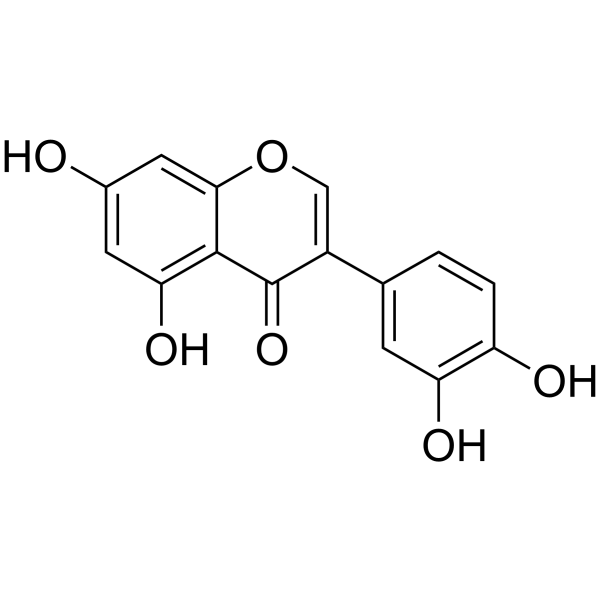
 0 ImagesCat. No.: HY-P991739Purity: 99.87%RC148 is a humanized IgG1 bispecific antibody targeting VEGF and PD-1. RC148 blocks PD-1-PD-L1 and VEGF-VEGFR interactions, triggers VEGF-dependent enhanced PD-1 binding, enables VEGF crosslinking, and inhibits PD-1-mediated immunosuppression. RC148 can be used for the research of metastatic gastric/gastroesophageal junction adenocarcinoma, non-small cell lung cancer, and metastatic breast cancer.

-
Palverafusp alfa
 0 ImagesSynonyms: IMM-2510; SYN-2510Palverafusp alfa (IMM-2510; SYN-2510) is a PD-L1/VEGF-targeting IgG1κ type humanized antibody. Palverafusp alfa blocks PD-1/PD-L1 binding, relieves immune suppression, mediates PD-L1-directed antibody-dependent cellular cytotoxicity (ADCC). Palverafusp alfa blocks VEGF/VEGFR binding, inhibits angiogenic signaling, relieves VEGF-induced immune suppression. Palverafusp alfa reduces endothelial cell proliferation, enhances ADCC and antibody-dependent cellular phagocytosis (ADCP), inhibits tumor growth, reverses T cell immune suppression. Palverafusp alfa exhibits immune stimulatory, antiangiogenic, and anti-tumor activity in the tumor microenvironment. Palverafusp alfa can be used for the research of cancer, such as solid tumors, non-small cell lung cancer.

-
Flavokawain C
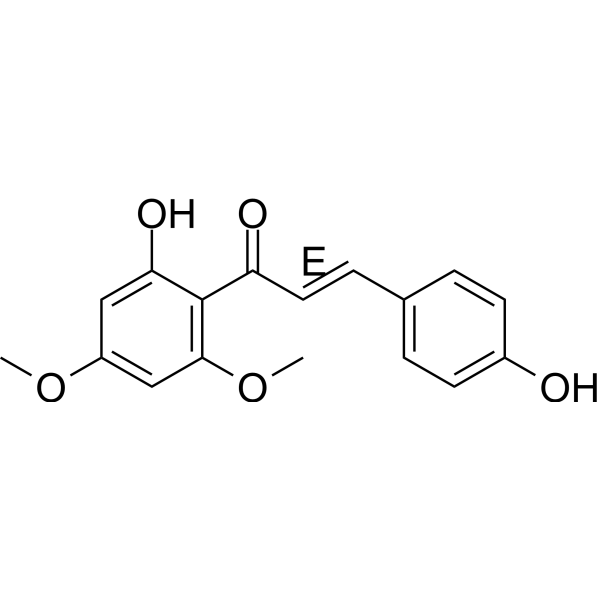 0 ImagesFlavokawain C is an orally active natural chalcone. Flavokawain C inhibits the proliferation of various cancer cells. Flavokawain C upregulates GADD153 in cancer cells, inhibits the phosphorylation of Akt and JNK, suppresses early ERK phosphorylation, activates late ERK phosphorylation, activates caspase related subtypes, induces PARP-1 cleavage, causes upregulation of p21 and p27, downregulation of mutant p53 and anti-apoptotic IAP proteins, elevates intracellular ROS levels, reduces SOD activity, and induces apoptosis. Flavokawain C downregulates FABP4, induces autophagy in cancer cells, and activates the AMPK/mTOR pathway. Flavokawain C decreases the expression of glycolysis-related proteins GLUT1 and HK2, and inhibits glycolysis in nasopharyngeal carcinoma cells. Flavokawain C inhibits the activation of the EGFR/PI3K/Akt/mTOR signaling pathway and reduces the expression of HSP90B1. Flavokawain C inhibits angiogenesis by decreasing the expression of angiogenic proteins Ang-1 and VEGF in human umbilical vein endothelial cells. Flavokawain C increases γ-H2AX levels in cells, inhibits the phosphorylation of FAK, PI3K and AKT in cells, and induces DNA damage in cells. Flavokawain C exerts anti-tumor activity in multiple tumor xenograft mouse models. Flavokawain C is applicable to research related to colorectal cancer, colon adenocarcinoma, nephroblastoma, nasopharyngeal carcinoma and liver cancer.



