



Necroptosis Inducer
-
JP-11646
 0 Images
JP-11646 is a pan-PIM inhibitor with increased potency against PIM2 (IC50 = 0.5 nM). JP11646 is freely reversible and ATP non-competitive. JP-11646 results in a decrease of PIM1, 2, and 3 mRNA. JP-11646 can effectively inhibit cell viability in small cell lung cancer (SCLC) and large cell neuroendocrine carcinomas of the lung (LCNEC). JP-11646 can cause a decrease in p-4EBP-1 protein, increasing the cleavage of caspases while decreasing caspase-3. JP-11646 induces apoptosis or necroptosis in cells. JP-11646 leads to reductions in MYC paralogs. JP-11646 can be used for the study of SCLC, LCNEC, human acute leukemia (AML), multiple myeloma (MM), and triple-negative breast cancer (TNBC).
-
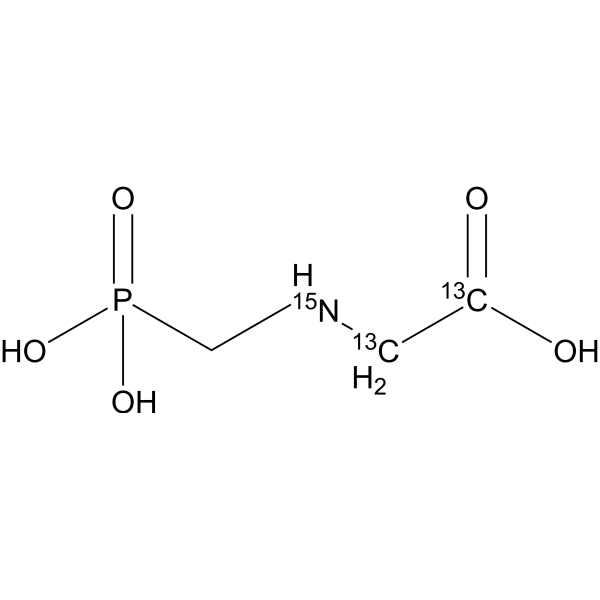
Glyphosate-13C2,15N
 0 Images
Glyphosate-13C2,15N is the 13C and 15N labled Glyphosate (HY-B0863). Glyphosate is an herbicidal derivative of the amino acid glycine. Glyphosate targets and blocks a plant metabolic pathway not found in animals, the shikimate pathway, required for the synthesis of aromatic amino acids in plants.
-
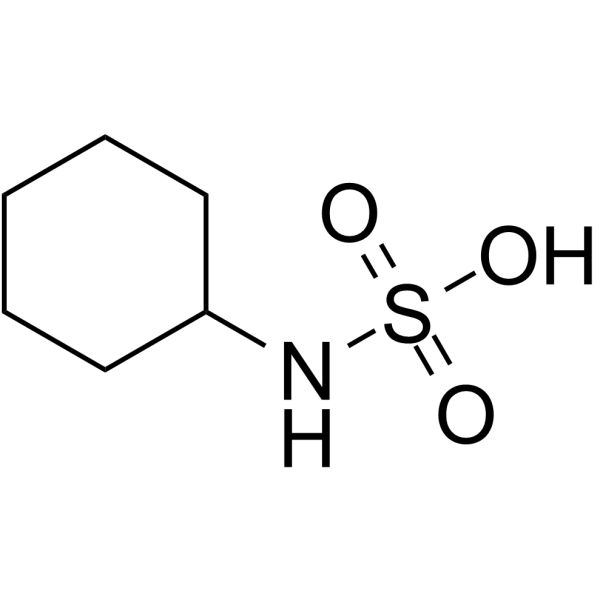
Cyclamic acid
 0 Images
Cyclamic acid (Cyclamate) is a commonly used sweetener. Cyclamic acid sodium is toxic to osteoblasts and can inhibit cell proliferation, induce apoptosis and reduce cell mineralization. Cyclamic acid sodium causes focal necrosis of bladder organs in rats in vitro, which can promote bladder cancer, but some studies have shown that low doses of Cyclamic acid sodium have no carcinogenic effect. In addition, Cyclamic acid sodium has no effect on insulin and glucagon secretion induced by arginine.
-
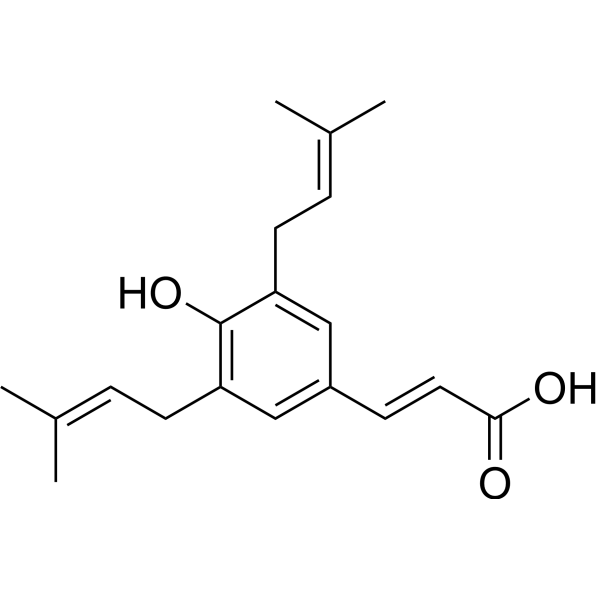
Artepillin C
 0 Images
Artepillin C is an orally active CREB/CRTC2 inhibitor and TRPA1 covalent agonist (EC50=1.8 μM). Artepillin C inhibits CREB/CRTC2-mediated gene transcription and downregulates BMAL1 expression to regulate glucose and lipid metabolism. Artepillin C can also activate TRPA1 channels to induce spicy taste signals. Artepillin C can inhibit tumor cell proliferation, induce necroptosis, improve insulin resistance and inhibit liver lipid synthesis. Artepillin C can be used in the study of metabolic syndrome, tumor prevention and treatment, and inflammation.
-
p,p'-DDD
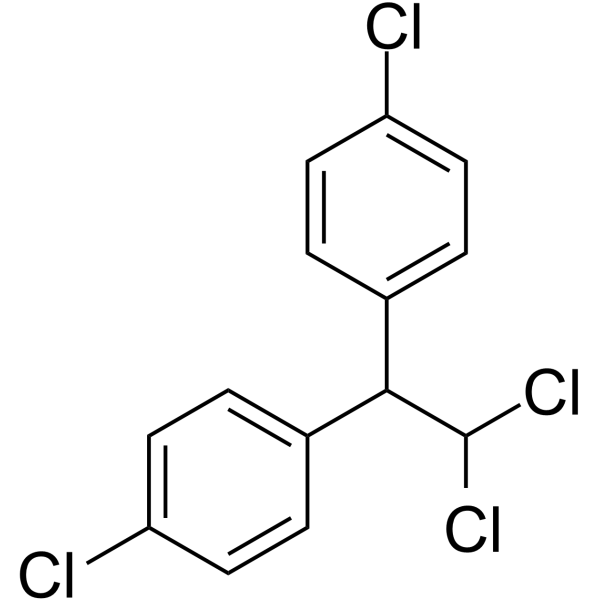 0 ImagesSynonyms: 4,4'-DDD; p,p'-Dichlorodiphenyl dichloroethane
p,p'-DDD (4,4’-DDD) is an organochlorine insecticide, a major metabolite of p,p'-DDT. p,p'-DDD is an agonist at estrogen receptor α(ERα) and ERβ. p,p'-DDD increases DNA damage, apoptosis and necrosis in peripheral blood. p,p'-DDD stimulates cell proliferation in SKBR3 cells. p,p'-DDD activates the AP-1 transcription factor. p,p'-DDD decreases sleep times of barbiturates and steroids in rats.
-
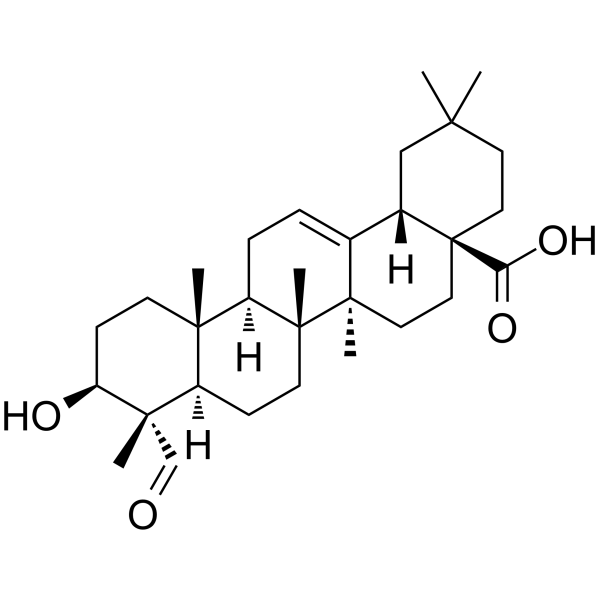
Gypsogenin
 0 Images
Gypsogenin is a selective mixed-type BChE inhibitor (Ki=19.99 μM) that also exhibits significant cytotoxicity against various human cancer cell lines. Gypsogenin inhibits tumor growth by inducing cell cycle arrest and triggering apoptosis. Gypsogenin displays antibacterial activity against bacteria such as Bacillus subtilis and Bacillus thuringiensis, and often serves as a key parent nucleus for the synthesis of anticancer compounds. Gypsogenin is widely used in research on Alzheimer's disease and various cancers including colon cancer, melanoma, and leukemia.
-
Methyl methanesulfonate (Standard)
 0 Images
Methyl methanesulfonate (Standard) is the analytical standard of Methyl methanesulfonate (HY-W004702). This product is intended for research and analytical applications. Methyl methanesulfonate is an alkylating agent which transfers methyl groups, and induces DNA damage. Methyl methanesulfonate is a biochemical reagent that can be used as a biological material or organic compound for life science related research.
-
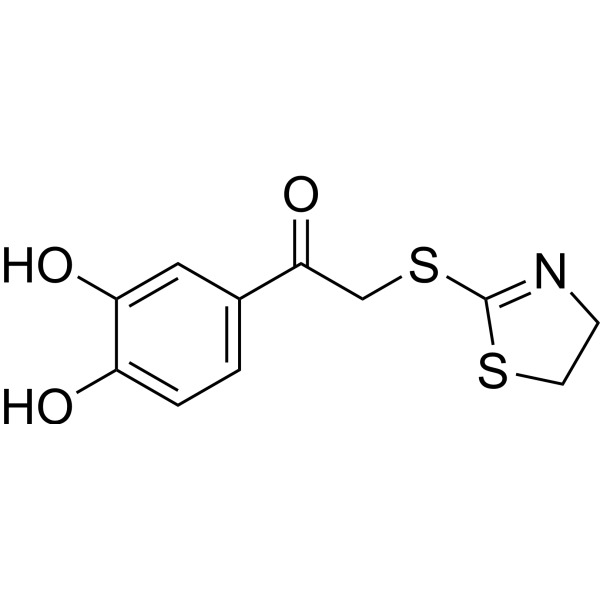
RETRA
 0 Images
RETRA is a RIPK1/RIPK3/MLKL and p73 activator. RETRA mediates plasma membrane disruption, induces ROS accumulation, triggers early mitochondrial hyperpolarization, and synergistically drives necroptosis. RETRA inhibits cancer cells carrying mutant p53 via a p73-dependent salvage pathway. RETRA can be used in research related to cervical cancer and cancers with mutant p53.
-
Glyphosate-d2
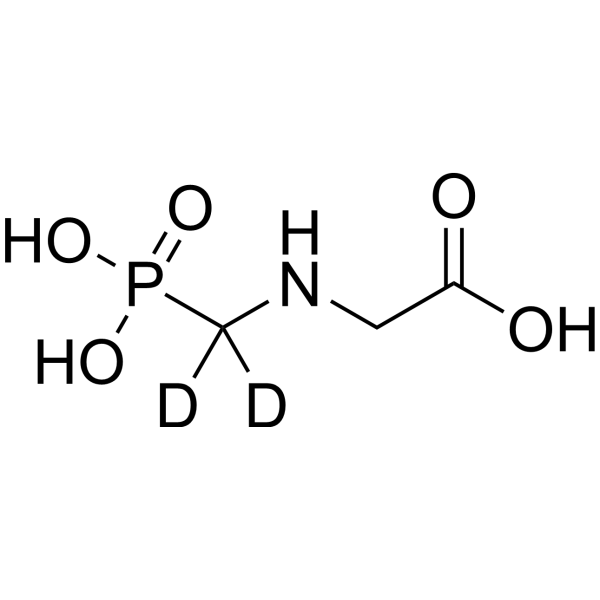 0 ImagesCat. No.: HY-B0863SCAS No.: 2733532-11-9
Glyphosate-d2 is the deuterium labeled Glyphosate. Glyphosate is an herbicidal derivative of the amino acid glycine. Glyphosate targets and blocks a plant metabolic pathway not found in animals, the shikimate pathway, required for the synthesis of aromatic amino acids in plants.
-
Cyclopentenylcytosine
 0 ImagesSynonyms: CPEC; NSC 375575
Cyclopentenylcytosine (CPEC), a carbocyclic nucleoside analog of cytosine, is a potent inhibitor of CTP synthetase and causes depletion of CTP and dCTP pools. Cyclopentenylcytosine shows broad-spectrum (both DNA and RNA viruses) antiviral activity. Cyclopentenyl cytosine increases Gemcitabine (HY-17026) radiosensitisation in human pancreatic cancer cells. Cyclopentenylcytosine shows effective antiviral activity in the Ad5/NZW rabbit ocular replication model and shows anti-tumor activity in various tumor xenografts model. Cyclopentenylcytosine can be used for the study of infection and cancer.
-
Chlorhexidine (Standard)
 0 Images
Chlorhexidine (Standard) is the analytical standard of Chlorhexidine (HY-B1248). This product is intended for research and analytical applications. Chlorhexidine is a orally active cationic antimicrobial agent that targets microbial cell membranes. Chlorhexidine binds to cell membrane phospholipids non-specifically, destroys membrane structure and induces leakage of cell contents. Chlorhexidine has broad-spectrum bactericidal activity against both Gram-positive and Gram-negative bacteria. Chlorhexidine can interfere with membrane permeability, cause protein precipitation and energy metabolism disorders, such as rapid inhibition of microbial growth and induction of cell death (necrosis or apoptosis).
-
Glyphosate-d2-1
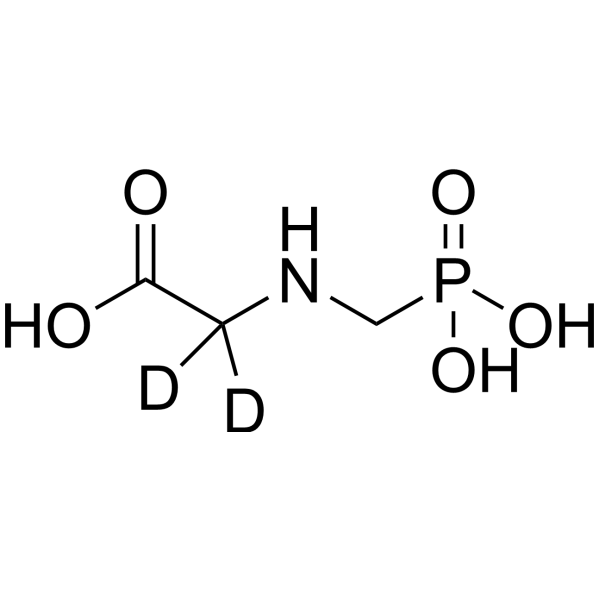 0 ImagesCat. No.: HY-B0863S2CAS No.: 2734001-36-4
Glyphosate-d2-1 is the deuterium labeled Glyphosate. Glyphosate is an herbicidal derivative of the amino acid glycine. Glyphosate targets and blocks a plant metabolic pathway not found in animals, the shikimate pathway, required for the synthesis of aromatic amino acids in plants.
-
Chlorhexidine-d8 dihydrochloride
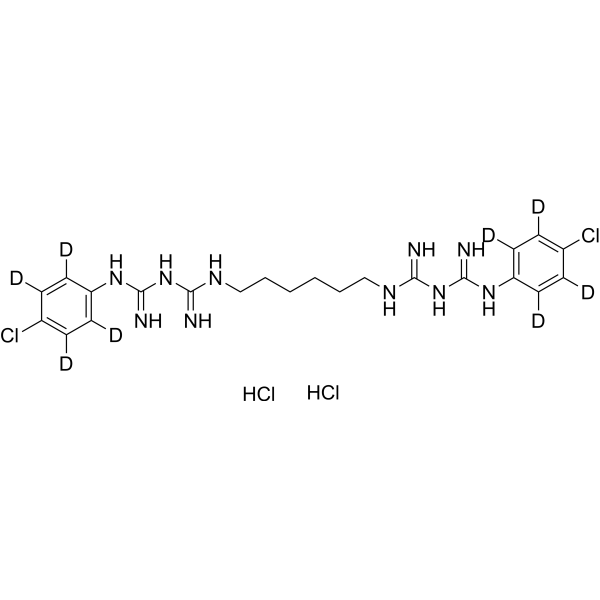 0 ImagesCat. No.: HY-B1145SCAS No.: 2012598-75-1
Chlorhexidine-d8 (dihydrochloride) is the deuterium labeled Chlorhexidine dihydrochloride (HY-B1145). Chlorhexidine dihydrochloride is a orally active cationic antimicrobial agent that targets microbial cell membranes. Chlorhexidine dihydrochloride binds to cell membrane phospholipids non-specifically, destroys membrane structure and induces leakage of cell contents. Chlorhexidine dihydrochloride has broad-spectrum bactericidal activity against both Gram-positive and Gram-negative bacteria. Chlorhexidine dihydrochloride can interfere with membrane permeability, cause protein precipitation and energy metabolism disorders, such as rapid inhibition of microbial growth and induction of cell death (necrosis or apoptosis).
-
Pectic acid
 0 Images
Pectic acid (Methyl protopectin), a polygalacturonic acid, induces cell apoptosis and necrosis in pituitary tumor cells. Pectic acid can be used in the research of cancers and autoimmune disease.
-
CIL62
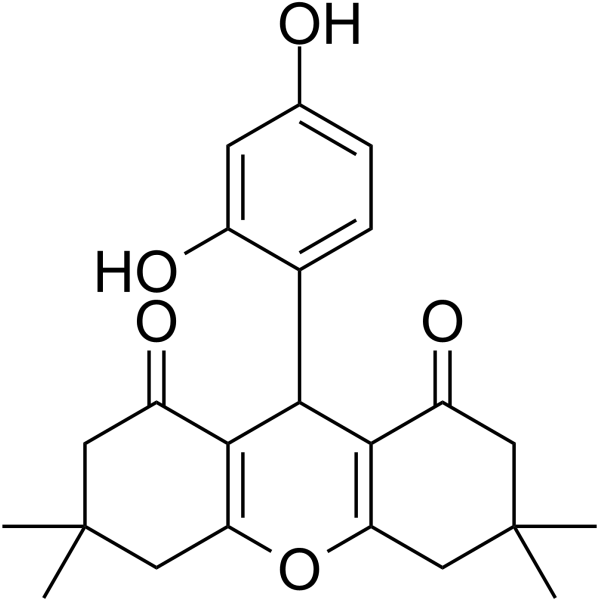 0 ImagesCat. No.: HY-136509CAS No.: 117593-36-9
CIL62 is a caspase-3/7-independent cell death inducer. The mechanism of action of CIL62 is Necrostatin-1 dependent cell death.
-
Citronellol (Standard)
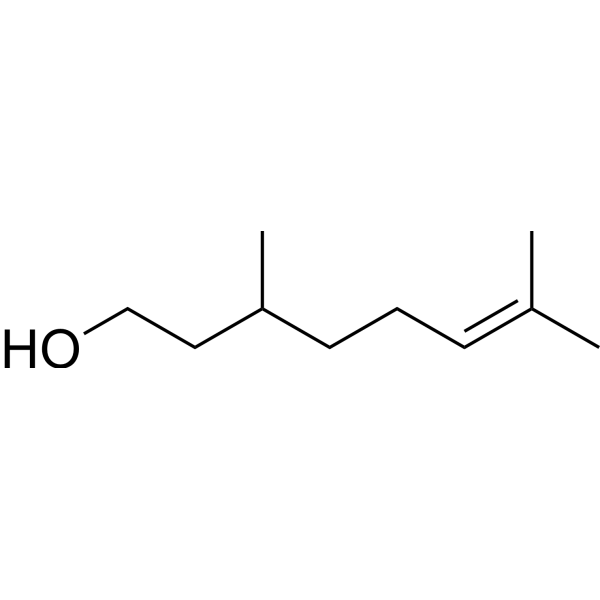 0 ImagesCat. No.: HY-W010201RCAS No.: 106-22-9Synonyms: (±)-Citronellol (Standard); (±)-β-Citronellol (Standard)
Citronellol (Standard) is the analytical standard of Citronellol. Citronellol (Standard) is an orally active inducer of apoptosis. Citronellol (Standard) can prevent oxidative stress, mitochondrial dysfunction, and apoptosis in the SH-SY5Y cell Parkinson's disease model induced by 6-OHDA by regulating the ROS-NO, MAPK/ERK, and PI3K/Akt signaling pathways. Citronellol (Standard) can induce necroptosis in human lung cancer cells through the TNF-α pathway and accumulation of ROS. Citronellol (Standard) can reduce the levels of LC-3 and p62 to regulate the autophagy pathway, inhibit oxidative stress and neuroinflammation, and thus have neuroprotective effects on Parkinson's rats. Citronellol (Standard) exhibits anti-fungal activity against Trichophyton rubrum by inhibiting ergosterol synthesis.
-
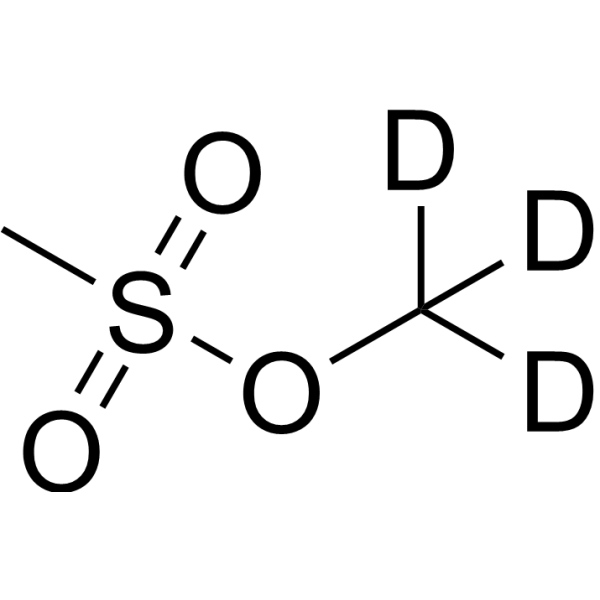
Methyl methanesulfonate-d3
 0 ImagesSynonyms: METHYLMETHANE SULPHONATE-d3
Methyl methanesulfonate-d3 is the deuterium labeled Methyl methanesulfonate (HY-W004702). Methyl methanesulfonate is an alkylating agent which transfers methyl groups, and induces DNA damage. Methyl methanesulfonate is a biochemical reagent that can be used as a biological material or organic compound for life science related research.
-
Necroptosis inducer 1
 0 ImagesCat. No.: HY-181718
Necroptosis inducer 1 is a necroptosis inducer. Necroptosis inducer 1 inhibits the activity of thioredoxin reductase (TrxR), elevates intracellular ROS levels, triggers ROS-mediated necroptosis, and induces necroptosis-dependent immunogenic cell death. Necroptosis inducer 1 inhibits tumor growth, remodels the tumor immune microenvironment, and exerts a synergistic effect with anti-PD-1 in animal models. Necroptosis inducer 1 is applicable to the research of colon cancer.
-
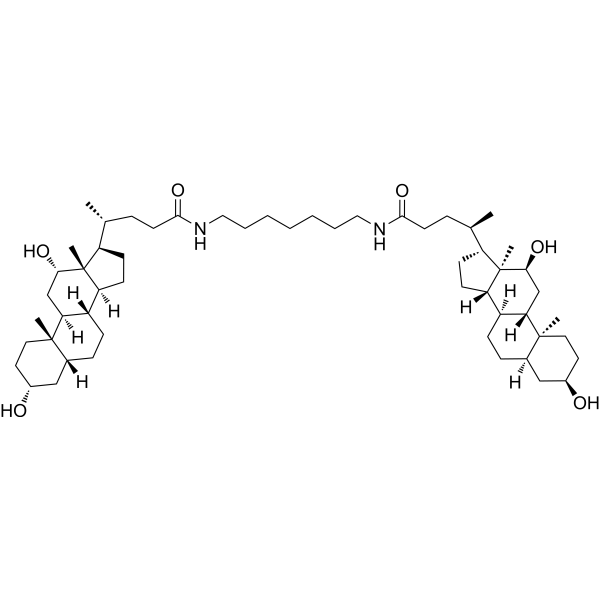
Cholicamideβ (GMP)
 0 ImagesCat. No.: HY-156087GCAS No.: 3036578-71-6
Cholicamideβ (GMP) is a GMP grade of Cholicamideβ. Cholicamideβ (compound 6) is a self-assembling, small molecule, cancer vaccine adjuvant. Cholicamideβ can form virus-like particles with low cytotoxicity. Cholicamideβ, upon binding to peptide antigens, enhances antigen presentation by dendritic cells and induces antigen-specific T cells. Cholicamideβ can induce apoptosis and necrosis.
-
Topoisomerase I/II inhibitor 8
 0 ImagesCat. No.: HY-169509CAS No.: 355400-87-2
Topoisomerase I/II Inhibitor 8 (Compound Ru7) is a dual catalytic inhibitor of Topoisomerase I/II, capable of inducing DNA damage and PARP-1 activation, which subsequently leads to the activation of RIPK1, RIPK3, and MLKL, ultimately triggering necroptosis. Topoisomerase I/II Inhibitor 8 demonstrates remarkable anticancer activity by effectively targeting the nuclei of cancer cells and inducing cell death through necroptosis, showing great clinical potential in circumventing drug resistance in cancer treatment.



