



ONO-5334 (Standard)
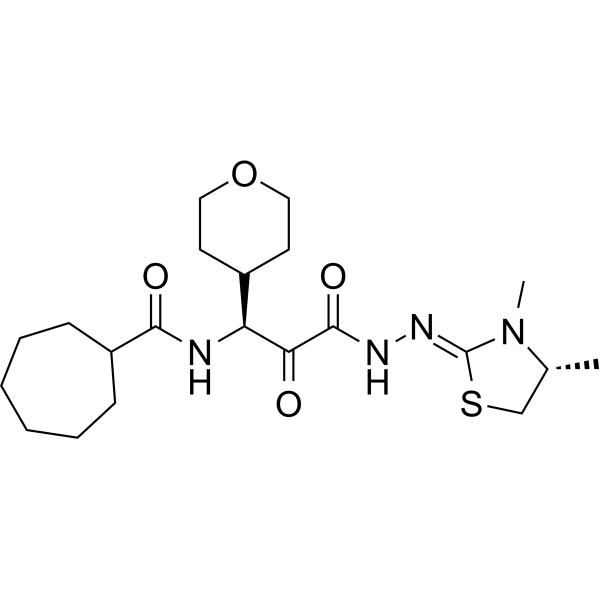
ONO-5334 (Standard) is the analytical standard of ONO-5334 (HY-108044). This product is intended for research and analytical applications. ONO-5334 is a potent, selective and orally active cathepsin K inhibitor with Ki values of 0.10 nM, 0.049 nM and 0.85 nM for human, rabbit and rat cathepsin K, respectively. ONO 5334 is an effective antiviral compound against SAR-COV-2 virus activity with an EC50 value of 500 nM. ONO-5334 has the potential for the study of osteoporosis and COVID-19 disease.
Nos produits utilisent uniquement pour la recherche. Nous ne vendons pas aux patients.
- CAS No.: 868273-90-9
- Formule: C21H34N4O4S
- Masse moléculaire:438.58
-
Stockage:
Please store the product under the recommended conditions in the Certificate of Analysis.


To place orders, for customer services and technical support, please contact: MedChemExpress USA
Tel: 609-228-6898 E-mail: [email protected] [email protected]


-
 Activité biologique
-
Chemical Information
- Protocole
- Pureté et documentation
- Références
-
 Help & FAQs


-
HY-100229
AloxistatinCysteine Protease Inhibitor -
HY-18234A
Leupeptin hemisulfateProtease Inhibitor -
HY-108044
ONO-5334Cathepsin K Inhibitor -
HY-100350
CA-074 methyl esterCathepsin B Inhibitor -
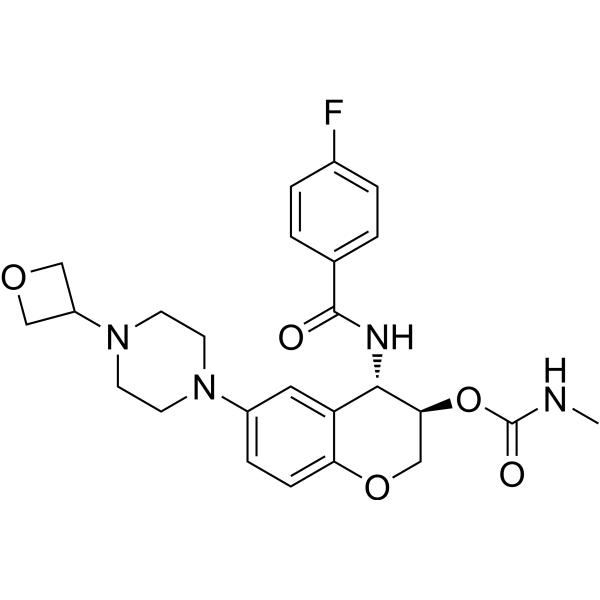
HY-15533
LY 3000328Cathepsin S Inhibitor -
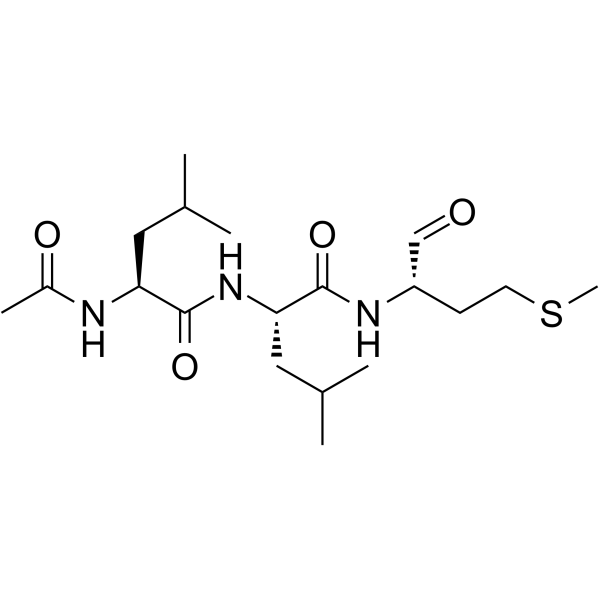
HY-118355
ALLMCalpain/Cathepsin Inhibitor -
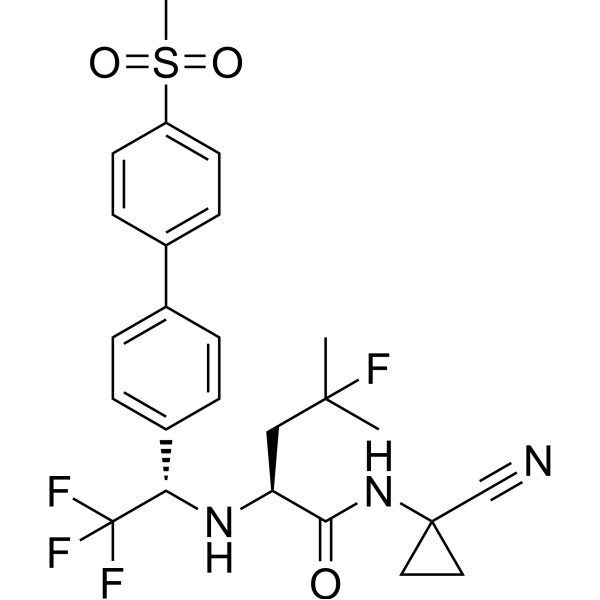
HY-10042
OdanacatibCathepsin K Inhibitor -
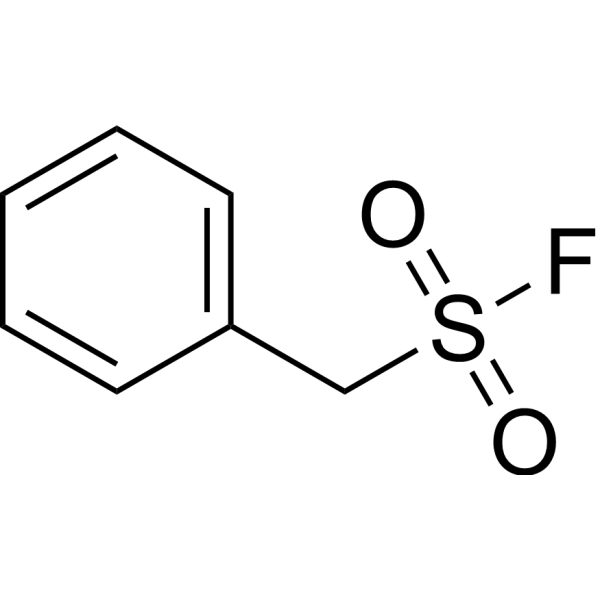
HY-B0496
PMSFCathepsin Inhibitor -
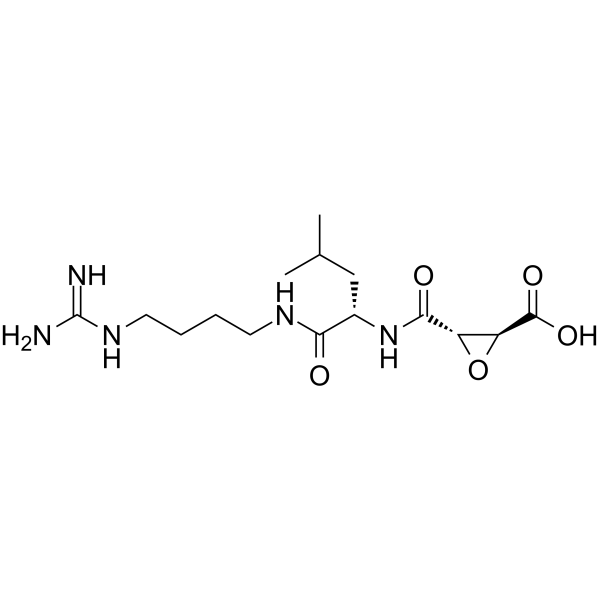
HY-15282
E-64Cysteine Peptidase Inhibitor -
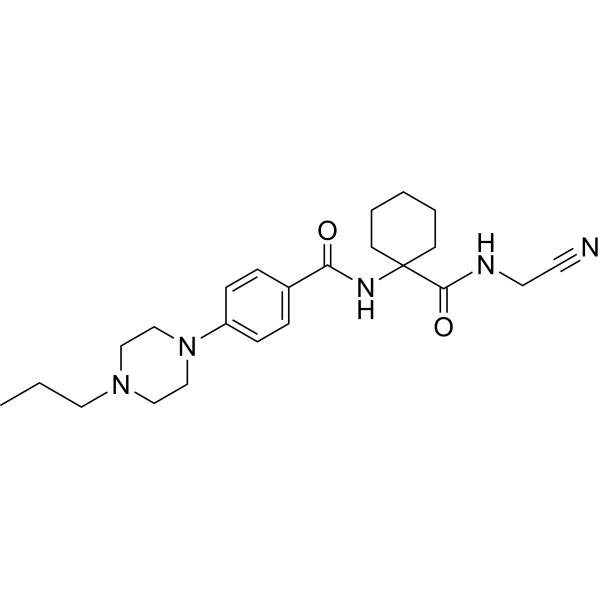
HY-15100
BalicatibCathepsin K Inhibitor -
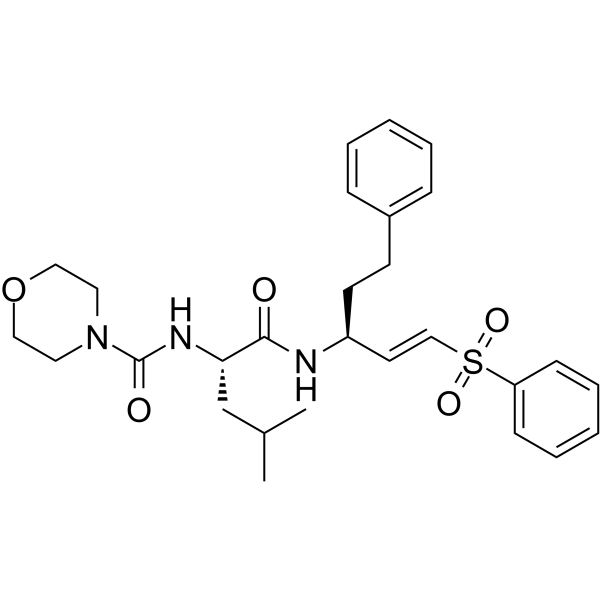
HY-128971
LHVSCathepsin Inhibitor -
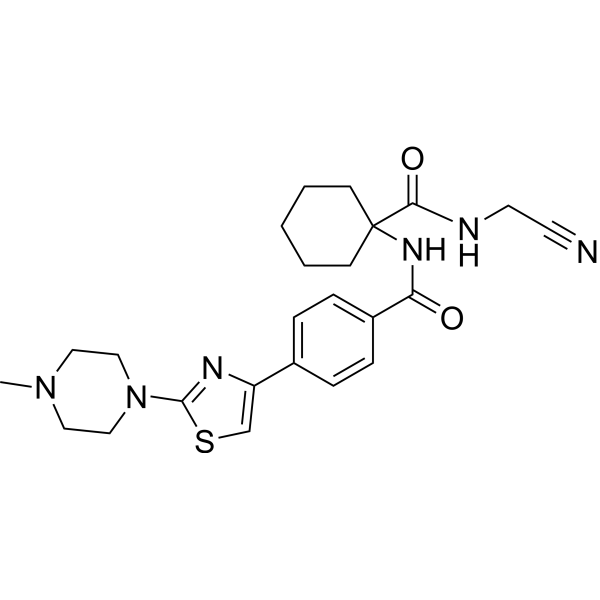
HY-103352
L-006235Cathepsin K Inhibitor
Voir tous les produits spécifiques à Isoform Cathepsin
More

Activité biologique
Description
IC50 & Target
Ki: 0.10 nM (human cathepsin K)Ki: 0.049 nM (rabbit cathepsin K)Ki: 0.85 nM (rat cathepsin K)[1]


Chemical Information
-
CAS No. 868273-90-9
-
Masse moléculaire 438.58
-
Formule C21H34N4O4S
-
SMILES
O=C(C(N/N=C(SC[C@H]1C)/N1C)=O)[C@H](C2CCOCC2)NC(C3CCCCCC3)=O
-
Livraison
Room temperature in continental US; may vary elsewhere.
-
Stockage
Please store the product under the recommended conditions in the Certificate of Analysis.

Protocole
-
Research Protocol for Infectious Diseases
Infectious-disease experiments test how pathogens interact with host barriers, innate immune receptors, inflammatory signaling, pathogen replication, and tissue injury; pattern-recognition receptors such as TLRs, RIG-I-like receptors, NOD-like receptors, and inflammasomes detect microbial molecules and activate NF-κB, interferon, and cytokine responses. The central hypothesis is that infection severity reflects the balance between pathogen burden and host response: protective inflammation restricts pathogen growth, whereas excessive or mislocalized inflammation contributes to tissue damage and disease phenotype. Unresolved questions include which host pathways are protective versus pathogenic, why some infection models fail to translate to human disease, and which combined readouts best predict clinically relevant infection outcomes.


Pureté et documentation
Références

Calculators
Concentration (start) × Volume (start) = Concentration (final) × Volume (final)


ONO-5334 (Standard) Related Classifications
HY-108044R Related Classifications
 Powered by Bioz