

125 Results for "

surface expression

" in MedChemExpress (MCE) Product Catalog:
Products (125)

125 Results for "surface expression" in MCE Product Catalog:

176
176 Publications Verification
Art. -Nr.: HY-B0240
CAS. Nr.: 97-77-8
Synonyms: Tetraethylthiuram disulfide; TETD
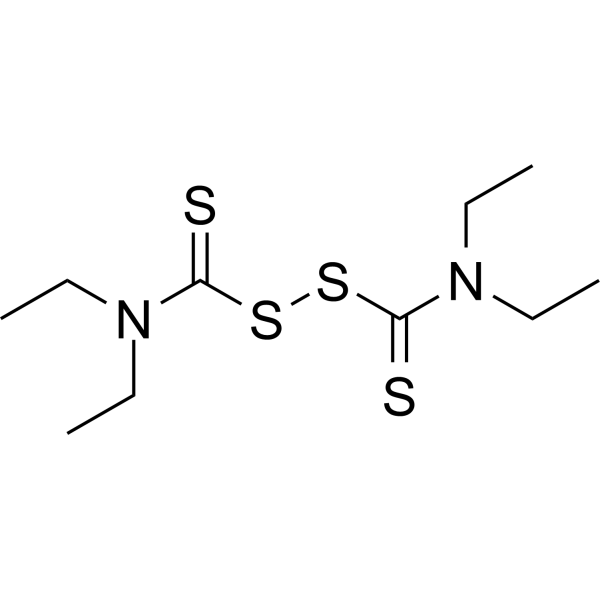
Disulfiram (Tetraethylthiuram disulfide) is an orally active aldehyde dehydrogenase (ALDH) inhibitor. Disulfiram covalently modifies the active-site cysteine to block ethanol detoxification, and inhibits the chymotrypsin-like activity of the 20S proteasome in a copper-dependent manner by forming a complex with copper ions. Disulfiram inhibits NF-κB nuclear translocation/DNA binding, NLRP3 inflammasome activation, gasdermin D polymerization/pore formation, and IL-1β release, while increasing MerTK surface expression and blocking FROUNT-CCR2/CCR5 interactions. Disulfiram reduces Akt/mTOR/HIF-1α signaling and Nrf2 expression, and induces JNK phosphorylation, apoptosis (apoptosis), and autophagy (autophagy). Disulfiram is a copper ionophore; when combined with Cu 2+, it increases ROS in cancer cells and triggers cuproptosis. Disulfiram can be used in research on alcoholism, breast cancer, colorectal cancer, melanoma, ovarian cancer, atherosclerosis, TRALI/COVID-19, anxiety, acute kidney injury, radiation-induced intestinal injury, osteosarcoma, and lymphoid malignancies .
loading...
    loading...
6
6 Cited Publications
Art. -Nr.: HY-B0507A
CAS. Nr.: 144-74-1
Target:  

Antibiotic Bacterial

Forschungsgebiete:  

Endocrinology Cancer

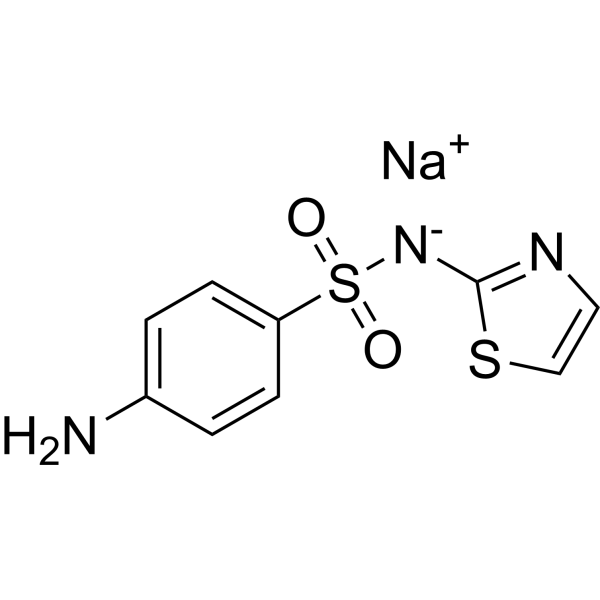
Sulfathiazole sodium is an orally active, endocrine disruptor targeting the steroidogenic pathway, specifically enhancing the activity of CYP19 in human adrenal cancer cells (H295R) and upregulating the mRN expression of CYP17, CYP19, and 3β-HSD. Sulfathiazole sodium increases the production of 17-estradiol (E2) and has endocrine disrupting effects on aquatic organisms such as the Japanese medaka fish. Sulfathiazole sodium is also a cathodic corrosion inhibitor. It inhibits the corrosion of copper by chloride ions through chemical and physical adsorption on the copper surface, reduces the corrosion current density and shifts the corrosion potential negatively .
loading...
    loading...
4
4 Cited Publications
Art. -Nr.: HY-N0699
CAS. Nr.: 2034-69-7
Synonyms: Dephnoretin; Thymelol
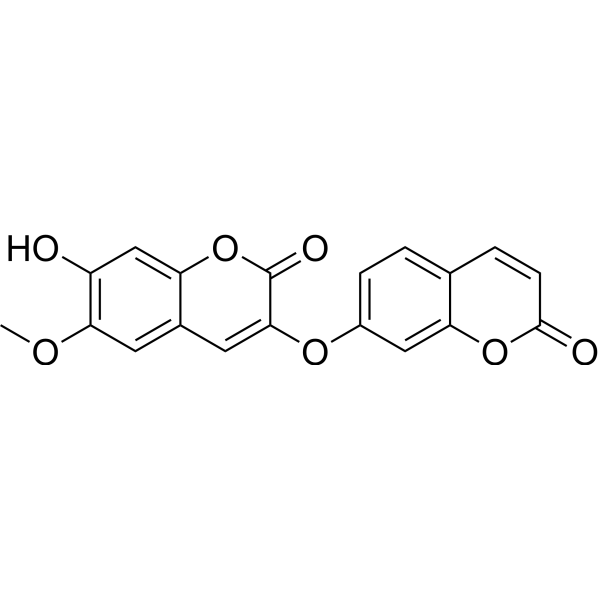
Daphnoretin (Dephnoretin; Thymelol) is a protein kinase C (PKC) activator that inhibits the expression of hepatitis B virus (HBV) surface antigen (HBsAg) and exhibits antiviral activity. Daphnoretin exerts its antitumor effects by inhibiting the activation of the PI3K/AKT signaling pathway and triggers the mitochondrial apoptosis pathway. Daphnoretin alleviates chondrocyte apoptosis and inflammatory responses by inhibiting endoplasmic reticulum stress and activation of the NLRP3 inflammasome. Daphnoretin regulates the differentiation and maturation of dendritic cells, inhibits their immunostimulatory function by downregulating the phosphorylation level of JNK, and thus exerts a protective effect in skin graft rejection .
loading...
    loading...
4
4 Cited Publications
Art. -Nr.: HY-135474
CAS. Nr.: 304481-60-5
Reinheit:  99.67%
Forschungsgebiete:  

Others

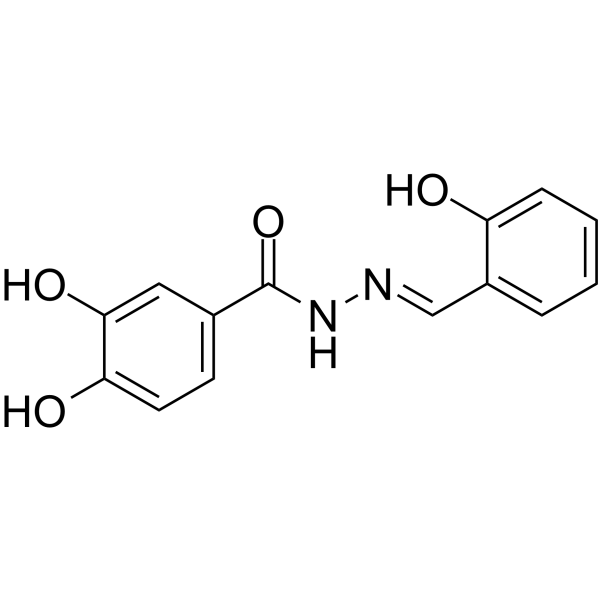
KM91104 is a cell-permeable V-ATPase a3-b2 inhibitor (IC50 = 2.3 µM). KM91104 reduces the metabolic activity, cell proliferation capacity and V-ATPase subunit protein expression levels of primary human hepatic stellate cells, increases intracellular ATP levels and decreases cytoplasmic pH. KM91104 reduces TLR4 expression on the surface of oligodendrocyte precursor cells, blocks the ENV-TLR4 interaction, and reverses oligodendrocyte myelination defects induced by ENV protein .
loading...
    loading...
4
4 Cited Publications
Art. -Nr.: HY-109061
CAS. Nr.: 1903008-80-9
Reinheit:  99.87%
Synonyms: YH25448; GNS-1480
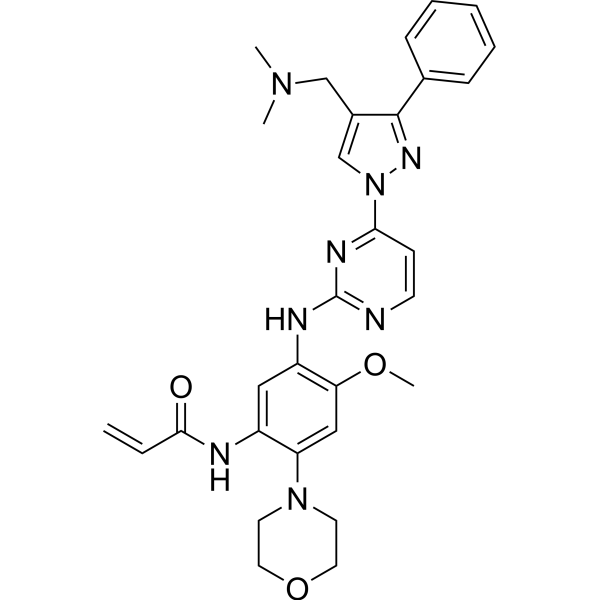
Lazertinib (YH25448; GNS-1480) is an orally active, blood-brain barrier permeable third-generation EGFR tyrosine kinase inhibitor, as well as an ABCB1/ABCG2 inhibitor and a TRPA1 activator. Lazertinib exhibits IC50 values of 0.4 mM and 0.2 mM against human ABCB1 and ABCG2, respectively. By inhibiting mutant EGFR signaling, EGFR phosphorylation and the downstream ERK/AKT pathway, as well as upregulating surface expression of EGFR/MET, Lazertinib induces cell cycle arrest, apoptosis, spontaneous calcium responses, hyperexcitability of dorsal root ganglion (DRG) neurons, and TRPA1-dependent pain-like behaviors. Lazertinib competitively binds to the substrate-binding sites of ABCB1/ABCG2, stimulates their ATPase activity without altering their expression or plasma membrane localization, thereby enhancing ADCC activity, acting as a chemosensitizer, and reversing ABCB1-mediated multidrug resistance. It exerts antitumor activity as a single agent or in combination with other drugs. Lazertinib is applicable to research related to non-small cell lung cancer, multidrug-resistant cancers, and paresthesia .
loading...
    loading...
4
4 Cited Publications
Art. -Nr.: HY-109061B
CAS. Nr.: 2247995-37-3
Synonyms: YH25448 mesylate; GNS-1480 mesylate
Forschungsgebiete:  

Cancer

Lazertinib (YH25448; GNS-1480) mesylate is an orally active, blood-brain barrier permeable third-generation EGFR tyrosine kinase inhibitor, as well as an ABCB1/ABCG2 inhibitor and a TRPA1 activator. Lazertinib mesylate exhibits IC50 values of 0.4 mM and 0.2 mM against human ABCB1 and ABCG2, respectively. By inhibiting mutant EGFR signaling, EGFR phosphorylation and the downstream ERK/AKT pathway, as well as upregulating surface expression of EGFR/MET, Lazertinib mesylate induces cell cycle arrest, apoptosis, spontaneous calcium responses, hyperexcitability of dorsal root ganglion (DRG) neurons, and TRPA1-dependent pain-like behaviors. Lazertinib mesylate competitively binds to the substrate-binding sites of ABCB1/ABCG2, stimulates their ATPase activity without altering their expression or plasma membrane localization, thereby enhancing ADCC activity, acting as a chemosensitizer, and reversing ABCB1-mediated multidrug resistance. It exerts antitumor activity as a single agent or in combination with other drugs. Lazertinib mesylate is applicable to research related to non-small cell lung cancer, multidrug-resistant cancers, and paresthesia .
loading...
    loading...
2
2 Cited Publications
Art. -Nr.: HY-161111
CAS. Nr.: 3056394-59-0
Target:  

Ser/Thr Kinase

Forschungsgebiete:  

Cancer

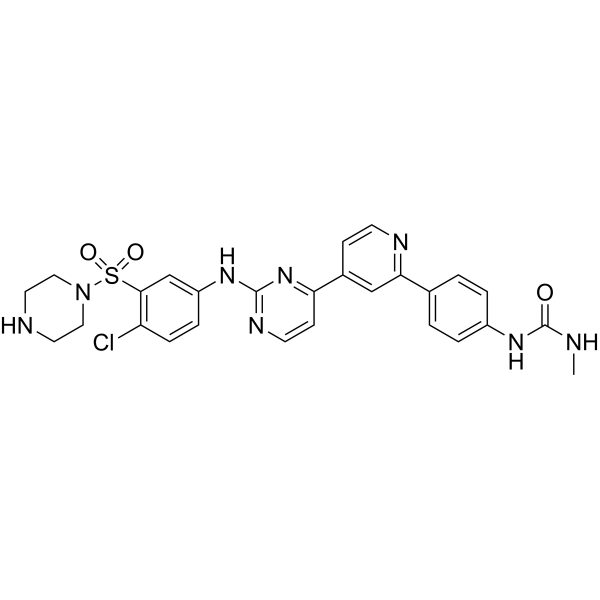
KVS0001 is a selective SMG1 inhibitor. KVS0001 elevates the expression of transcripts and proteins resulting from truncating mutations. KVS0001 increased the presentation of immune-targetable HLA class I-associated peptides from nonsense-mediated decay (NMD)-downregulated proteins on the surface of cancer cells. KVS0001 exerts anti-tumor properties and can be studied in research for NMD-related diseases, including cancer and inherited diseases .
loading...
    loading...
1
1 Cited Publications
Art. -Nr.: HY-10624
CAS. Nr.: 312637-48-2
Reinheit:  98.28%
Target:  

Melanocortin Receptor

Forschungsgebiete:  

Metabolic Disease

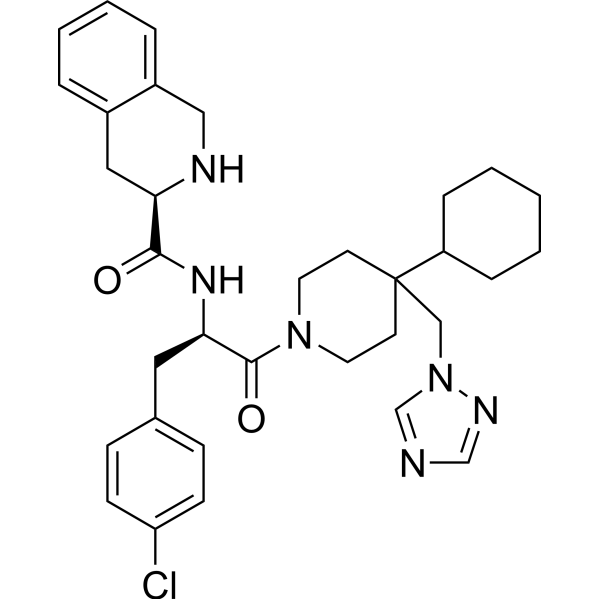
THIQ is the first selective agonist of the melanocortin-4 receptor (MC4R), with high affinity and potency for hMC4R (IC50=1.2 nM, EC50=2.1 nM) and rMC4R (IC50=0.6 nM, EC50=2.9 nM). THIQ maintains low potency at MC1R, MC3R and MC5R. THIQ plays a role in eliciting erectile activity in rodents. THIQ acts as a pharmacoperone of the MC4R rescuing the cell surface expression and signaling of some intracellularly retained MC4R mutants .
loading...
    loading...
1
1 Cited Publications
Art. -Nr.: HY-W133898
CAS. Nr.: 73049-73-7
Tryptone is a peptide-rich bacterial culture medium component that can regulate bacterial cell surface proteins and biofilm-related genes. Tryptone promotes the expression and assembly of bacterial adhesion proteins (such as LapA and LapF) by providing peptide substances as structural factors, enhancing cell surface hydrophobicity and intercellular adhesion, thereby stabilizing the biofilm matrix and supporting the maturation and maintenance of bacterial biofilms. The peptide mixture contained in Tryptone can specifically regulate the transcription of bacterial adhesion-related genes (such as activating LapA and inhibiting LapF), affecting the synthesis and localization of biofilm structural proteins .
loading...
    loading...
1
1 Cited Publications
Art. -Nr.: HY-NP006
CAS. Nr.: 308083-69-4
Synonyms: SPA
Protein A (SPA) is an immunoglobulin (Ig)-binding protein that exists on the bacterial surface and can be freely secreted into the extracellular environment. Protein A blocks opsonophagocytosis and induces B cell apoptosis in vitro by binding to the Fc region of antibodies and the Fab region of B cell receptors. Protein A can form toxic immune complexes with IgG, thereby inducing leukocyte necrosis. Protein A contributes to the virulence expression of Staphylococcus aureus. Protein A triggers allergic reactions in IgG-pretreated mouse models. Protein A can be used in studies related to immune system diseases .
loading...
    loading...
1
1 Cited Publications
Art. -Nr.: HY-W854385A
Synonyms: SLeA sodium
Forschungsgebiete:  

Cancer

Sialyl Lewis A (SLeA) sodium is a tumor-associated carbohydrate antigen, also known as carbohydrate antigen 19-9 (CA19-9), that binds to E-selectin (ELAM-1) and selectins to mediate cell-endothelium adhesion. Sialyl Lewis A sodium promotes cancer cell-vascular endothelium adhesion, and its surface presence correlates with increased tumorigenicity and invasiveness in cancer cells. Sialyl Lewis A sodium shows elevated expression in human adenocarcinomas of the colon, pancreas, and stomach, with expression levels linked to tumor progression and poor prognosis in colorectal and gastric carcinomas. Sialyl Lewis A sodium can be used for the research of cancers, such as colon, pancreas, stomach, and squamous lung cancer .
loading...
    loading...
1
1 Cited Publications
Art. -Nr.: HY-122578
CAS. Nr.: 922150-12-7
Reinheit:  99.93%
Target:  

MDM-2/p53

Forschungsgebiete:  

Cancer

P53R3 is a potent p53 reactivator and restores sequence-specific DNA binding of p53 hot spot mutants, including p53 R175H, p53 R248W and p53 R273H. P53R3 induces p53-dependent antiproliferative effects with much higher specificity than PRIMA-1. P53R3 enhances the recruitment of wild-type p53 and p53 M237I to several target gene promoters. P53R3 strongly enhances the mRNA, total protein and cell surface expression of the death receptor death receptor 5 (DR5). P53R3 is used for cancer research .
loading...
    loading...
1
1 Cited Publications
Art. -Nr.: HY-NP160
Recombinant Humanized Type I Collagen is a recombinant humanized type I collagen. Recombinant Humanized Type I Collagen primarily serves as a tissue engineering scaffold and exhibits activity in promoting cell attachment, proliferation, and differentiation. Recombinant Humanized Type I Collagen specifically binds to integrins (α1β1/α2β1) and receptors (DDR1/DDR2) on the cell surface, activates intracellular signaling to regulate cytoskeletal rearrangement and gene expression, thereby achieving repair and regeneration of tissues such as bone and cartilage. Recombinant Humanized Type I Collagen can be used in tissue engineering and regenerative medicine research, including bone graft substitutes, dental guided tissue regeneration, cartilage reconstruction, and skin substitutes .
loading...
    loading...
1
1 Cited Publications
Art. -Nr.: HY-B0240R
CAS. Nr.: 97-77-8
Synonyms: Tetraethylthiuram disulfide (Standard); TETD (Standard)
Disulfiram (Standard) (Tetraethylthiuram disulfide (Standard)) is the analytical standard of Disulfiram (HY-B0240). This product is intended for research and analytical applications. Disulfiram (Tetraethylthiuram disulfide) is an orally active aldehyde dehydrogenase (ALDH) inhibitor. Disulfiram covalently modifies the active-site cysteine to block ethanol detoxification, and inhibits the chymotrypsin-like activity of the 20S proteasome in a copper-dependent manner by forming a complex with copper ions. Disulfiram inhibits NF-κB nuclear translocation/DNA binding, NLRP3 inflammasome activation, gasdermin D polymerization/pore formation, and IL-1β release, while increasing MerTK surface expression and blocking FROUNT-CCR2/CCR5 interactions. Disulfiram reduces Akt/mTOR/HIF-1α signaling and Nrf2 expression, and induces JNK phosphorylation, apoptosis (apoptosis), and autophagy (autophagy). Disulfiram is a copper ionophore; when combined with Cu 2+, it increases ROS in cancer cells and triggers cuproptosis. Disulfiram can be used in research on alcoholism, breast cancer, colorectal cancer, melanoma, ovarian cancer, atherosclerosis, TRALI/COVID-19, anxiety, acute kidney injury, radiation-induced intestinal injury, osteosarcoma, and lymphoid malignancies.
loading...
    loading...
Art. -Nr.: HY-N0466
CAS. Nr.: 58543-16-1
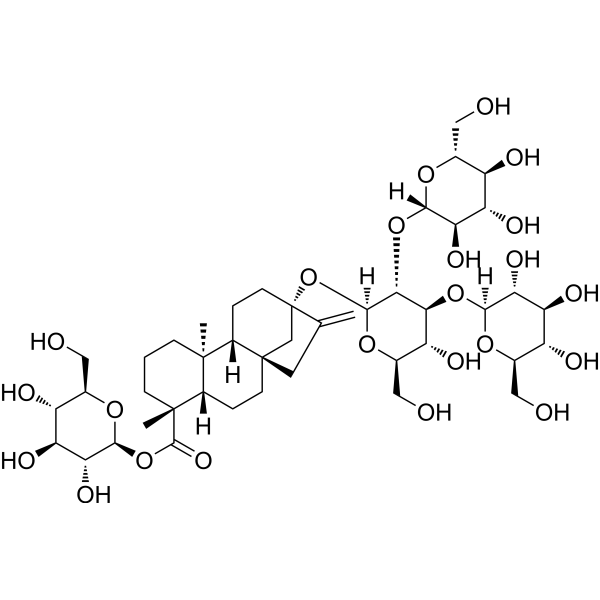
Rebaudioside A is an orally effective steviol glycoside with high sweetness. Rebaudioside A acts as an inhibitor of α-glucosidase with an IC50 value of 35.01 μg/mL. Rebaudioside A increases the ATP/ADP ratio in β cells in a glucose-dependent manner, thereby inhibiting KATP channels, leading to membrane depolarization, calcium influx, and ultimately stimulating insulin secretion. Rebaudioside A activates the SREBP signaling pathway by inhibiting HMGCR, the rate-limiting enzyme in cholesterol synthesis, resulting in increased expression of LDLR on the cell surface, thus promoting the uptake of LDL-C in the blood. Rebaudioside A can be used for studies on blood glucose and lipid regulation as well as anti-obesity .
loading...
    loading...
Art. -Nr.: HY-N6790
CAS. Nr.: 6833-84-7
Synonyms: Ammonium ionophore I
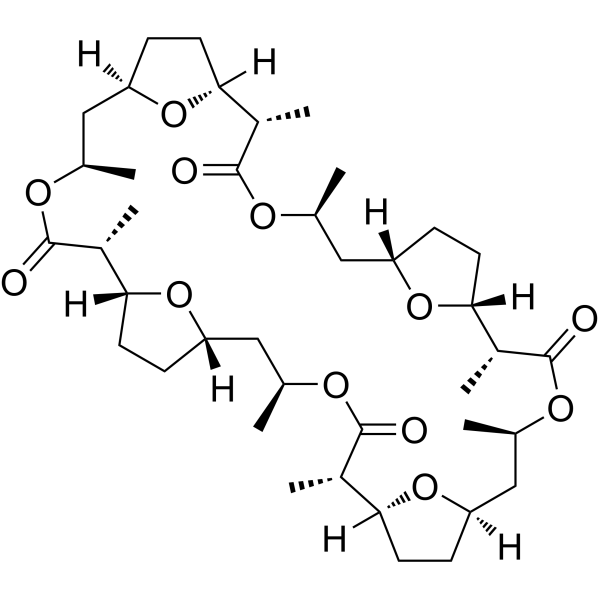
Nonactin is a macrotetrolide antibiotic and mitochondrial uncoupler with antibacterial, insecticidal, and acaricidal activities. Nonactin acts as an ionophore for monovalent cations, including K +, and NH4 +, and it can also inhibit the surface expression of endogenous HSP60. In addition, Nonactin can induce apoptosis in β-catenin mutant tumor cells and has anti-tumor activity .
loading...
    loading...
Art. -Nr.: HY-P991734
VHB937 is a potent and selective TREM2 agonist, a human monoclonal antibody, with sub-nanomolar affinity. VHB937 enhances TREM2 surface expression and downstream signaling, such as Syk phosphorylation and calcium mobilization. VHB937 exhibits robust neuroprotective effects in vivo, significantly reducing pathology and pro-inflammatory markers across a broad range of animal models of neuroinflammation and neurodegeneration. VHB937 can be used for neurodegenerative diseases research .
loading...
    loading...
Art. -Nr.: HY-N2055
CAS. Nr.: 19895-95-5
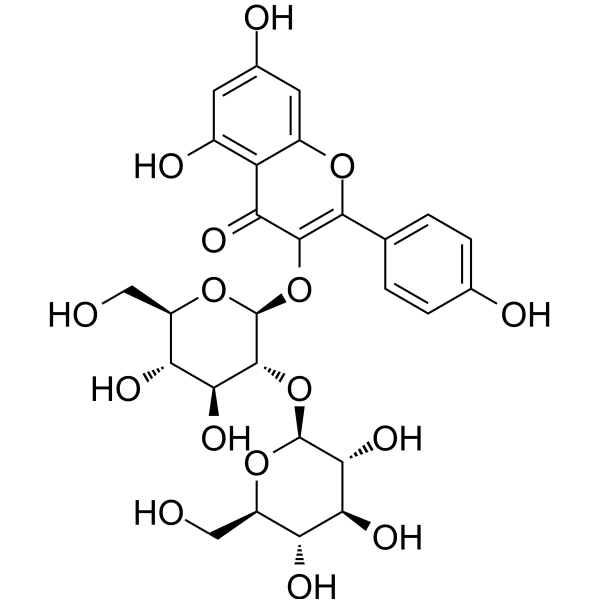
Kaempferol 3-O-sophoroside is an orally active derivative of Kaempferol. It exhibits anti-inflammatory, analgesic, and antidepressant effects. Kaempferol 3-O-sophoroside is an inhibitor of the cell surface receptor toll-like receptor (TLR) 2/4 for High mobility group box 1 (HMGB1), and it also exerts anti-inflammatory effects by blocking the activation of NF-κB expression and the production of TNF-α. Kaempferol 3-O-sophoroside promotes the production of brain-derived neurotrophic factor (BDNF) and enhances autophagy by binding to AMP-activated protein kinase (AMPK), thereby exerting antidepressant effects. Kaempferol 3-O-sophoroside holds promise for research in the fields of inflammation and neurodegenerative diseases .
loading...
    loading...
Art. -Nr.: HY-P11146
CAS. Nr.: 175483-64-4
Synonyms: Sakacin P inducer peptide
Target:  

Bacterial

Forschungsgebiete:  

Infection

SppIP (Sakacin P inducer peptide) is a peptide consisting of 19 amino acids . SppIP is an essential inducer for sakacin P production . SppIP can induce the expression of PRRSV GP5 and SARS-CoV-2 spike protein in recombinant Lactobacillus plantarum. SppIP can activate the transcription of the sakacin P promoter to drive the expression of downstream heterologous capsid proteins, increasing the proportion of PCV2d capsid proteins displayed on the cell surface of Lactobacillus plantarum. SppIP can be used in studies related to sakacin P induction .
loading...
    loading...
Art. -Nr.: HY-P11117
CAS. Nr.: 2899218-49-4
Forschungsgebiete:  

Neurological Disease

TAT-EE3 is a neuroprotective peptide which can uncouple TRPM2-NMDARs interaction. TAT-EE3 inhibits TRPM2-induced enhancement of NMDAR surface expression and current amplitude.TAT-EE3 protects neurons against ischemic injury in vitro and in vivo. TAT-EE3can be used for the study of ischemic stroke .
loading...
    loading...

