



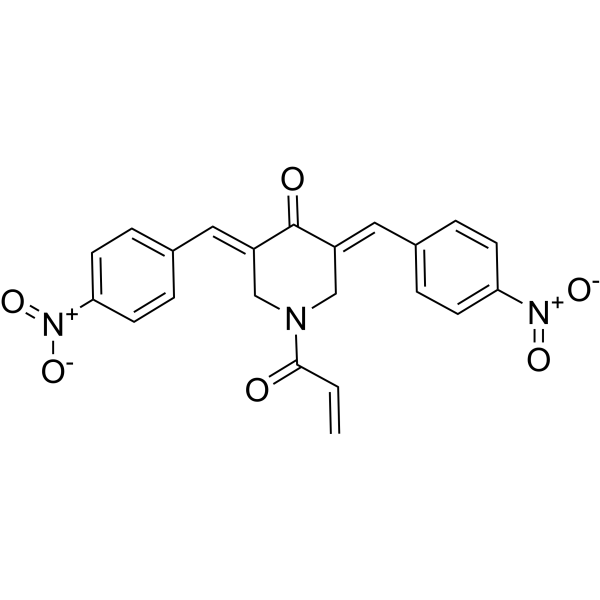
b-AP15
Based on 15 publication(s) in Google Scholar
b-AP15 is a specific inhibitor of the deubiquitinating enzymes UCHL5 and Usp14.
Para uso exclusivo en investigación. No vendemos a pacientes.
- Pureza : 98.05%
- No. CAS: 1009817-63-3
- Fòrmula: C22H17N3O6
- Peso molecular:419.39
-
Almacenamiento:Powder -20°C, 3 years , 4°C, 2 years
* The compound is unstable in solutions, freshly prepared is recommended.

To place orders, for customer services and technical support, please contact: MedChemExpress USA
Tel: 609-228-6898 E-mail: [email protected] [email protected]


-
 Actividad biológica
-
Chemical Information
-
Solvente y solubilidad
- Pureza y Documentación
- Referencias
-
 Help & FAQs


-
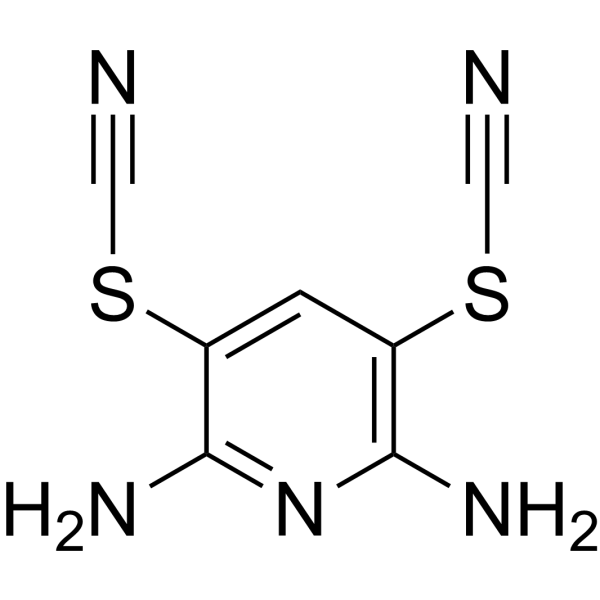
HY-13814
PR-619DUB Inhibitor -
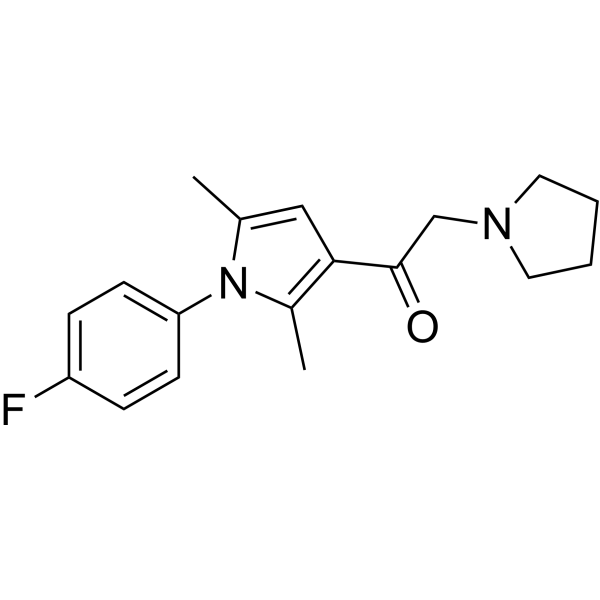
HY-13817
IU1USP14 Inhibitor -
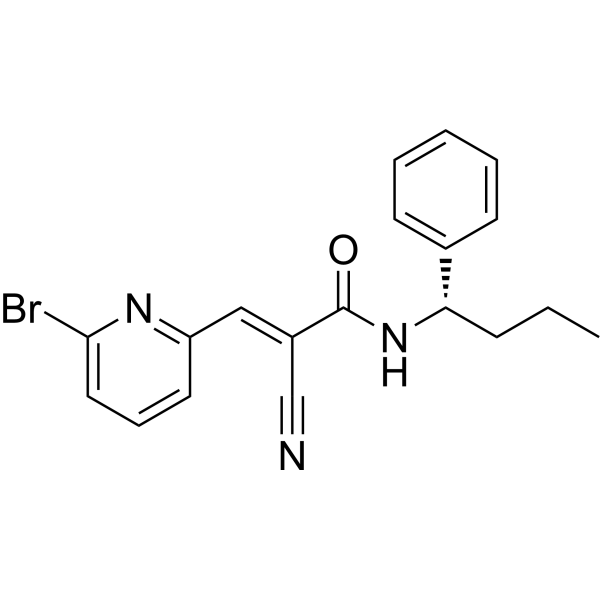
HY-13264
DegrasynDeubiquitinase Inhibitor -
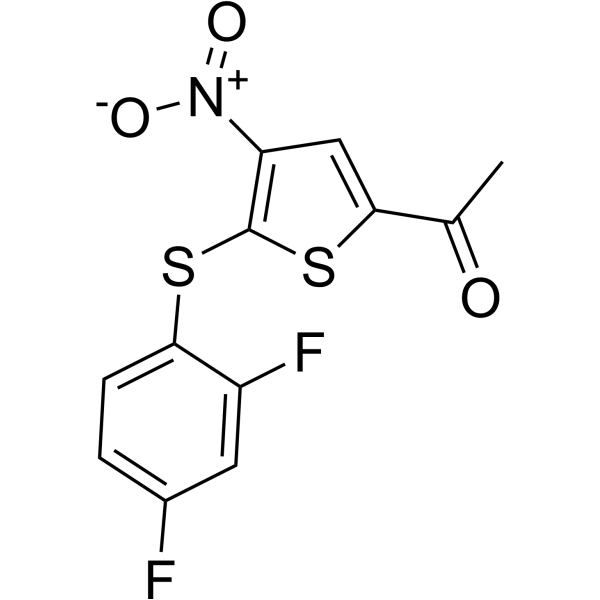
HY-13865
P 22077USP7/47 Inhibitor -
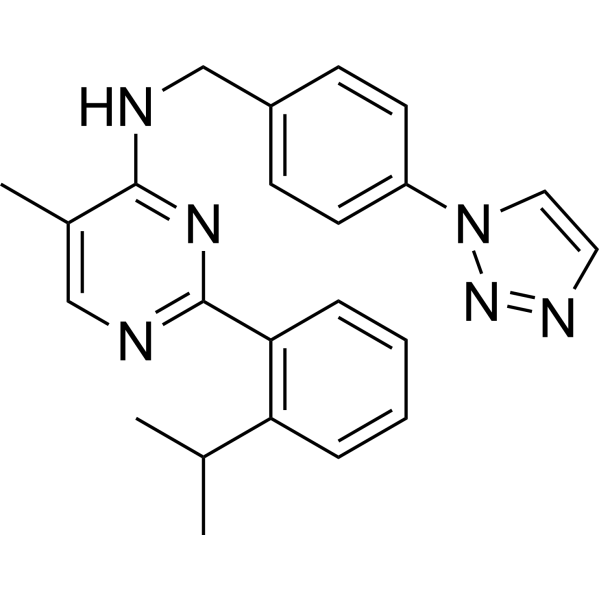
HY-17543
ML-323USP1-UAF1 Inhibitor -
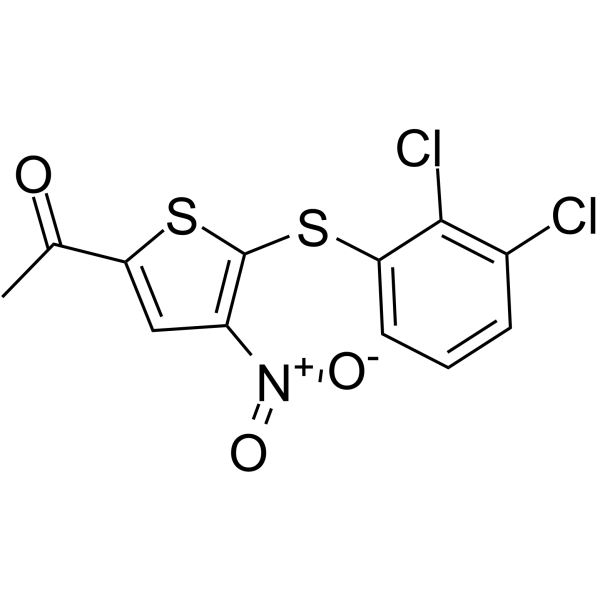
HY-15667
P005091USP7 Inhibitor -
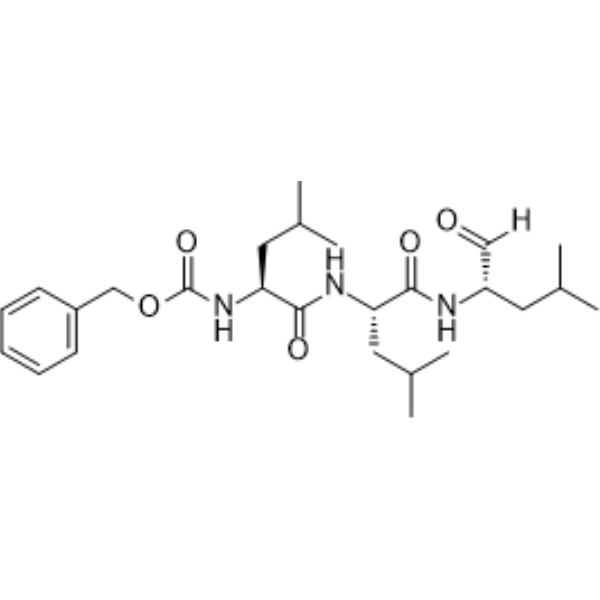
HY-13259
MG-132Proteasome Inhibitor -
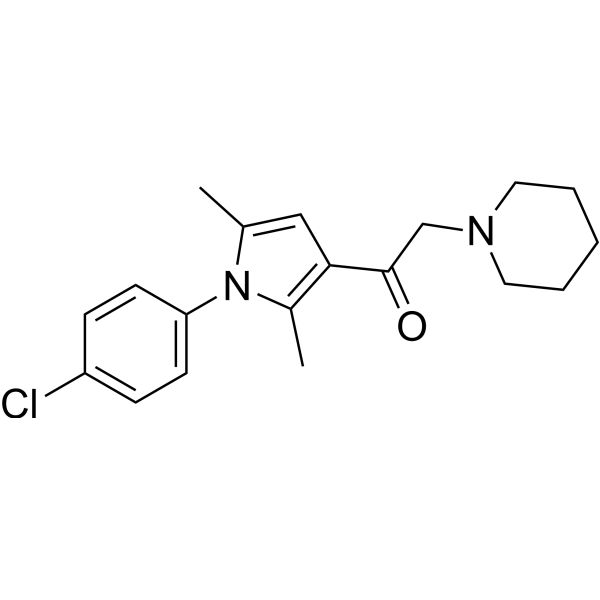
HY-122243
IU1-47USP14 Inhibitor -
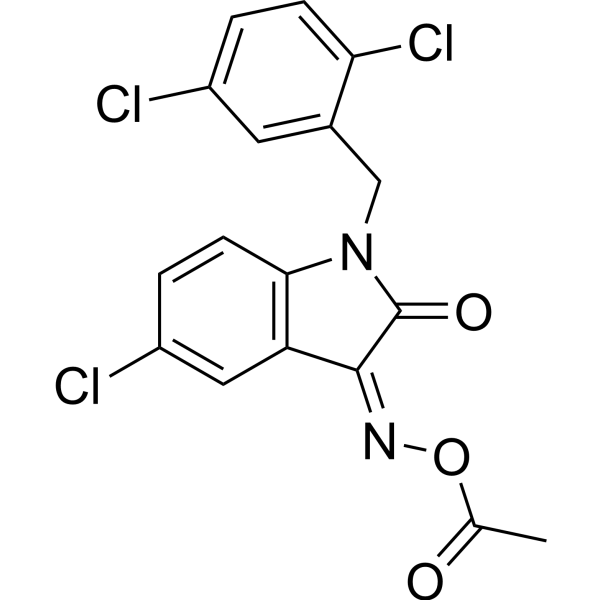
HY-18637
LDN-57444Deubiquitinase Inhibitor -
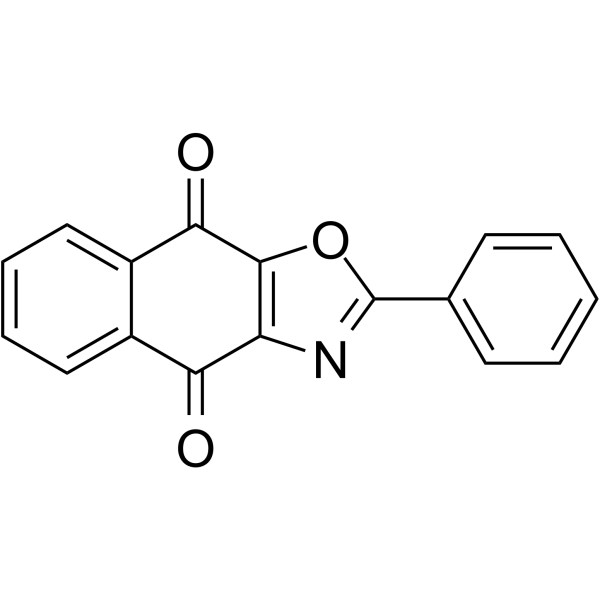
HY-15757
SJB2-043Deubiquitinase Inhibitor -
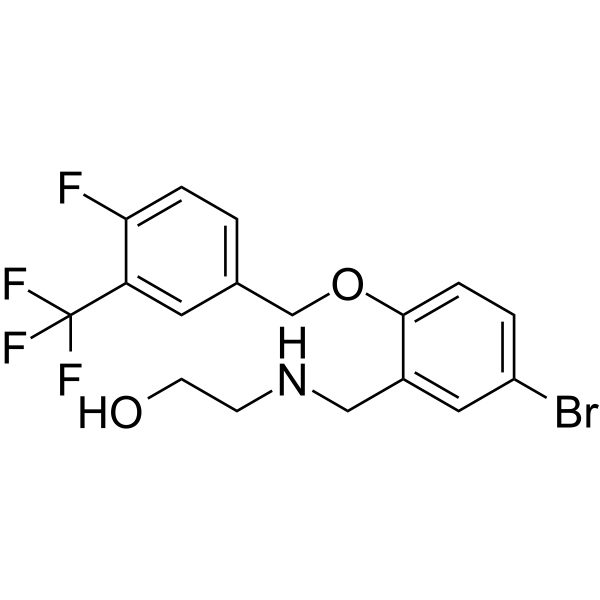
HY-117370
USP25/28 inhibitor AZ1Deubiquitinase Inhibitor -
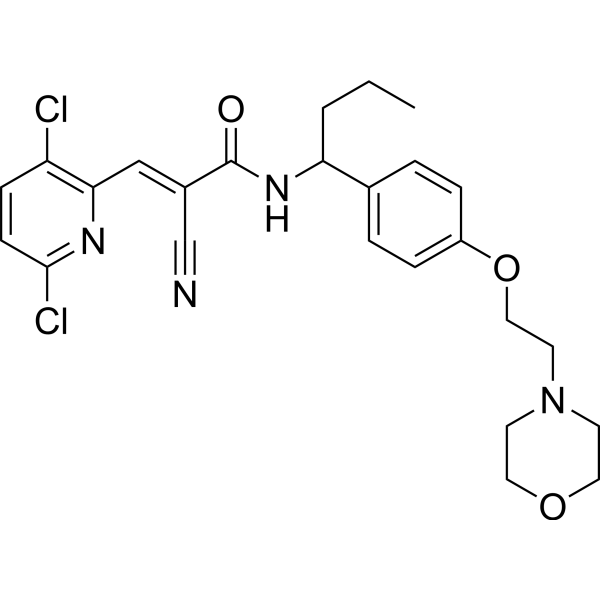
HY-111408
EOAI3402143DUB Inhibitor
Publications Citing Use of MedChemExpress (MCE) b-AP15
More- Redox Biol. 2026 May:92:104086. [Abstract]
- Apoptosis. 2019 Oct;24(9-10):826-836. [Abstract]
- EMBO J. 2022 Aug 16;41(16):e108791. [Abstract]
- Cancer Gene Ther. 2026 May 2. [Abstract]
- Eur J Pharmacol. 2025 Dec 5:1008:178303. [Abstract]
- Sci Rep. 2025 Jan 13;15(1):1165. [Abstract]
- FASEB J. 2021 Aug;35(8):e21800. [Abstract]
- FEBS J. 2026 Aug 29.
- PLoS Negl Trop Dis. 2019 Aug 20;13(8):e0007681. [Abstract]
- Chem Asian J. 2024 Dec 2;19(23):e202400824. [Abstract]
- Biochem Biophys Res Commun. 2022 Jan 15:588:147-153. [Abstract]
- Cell Physiol Biochem. 2017;42(3):965-973. [Abstract]
- Cell Press Blue. 2026 Jul 3.
- bioRxiv. 2025 May 14.
- bioRxiv. 2024 August 21.
 Customer Validation & Images

-
WB

-
Cell Proliferation/Viability Assay

-
Cell Imaging/Staining

-
Cell Imaging/Staining

-
WB


Actividad biológica
Descripciòn
IC50 & Target
UCHL5/Usp14[1]
Cellular Effect
|
Cell Line

|
Type | Value | Description | References |
|---|---|---|---|---|
| CCRF-CEM | IC50 |
0.26 μM
Compound: 2e
|
Cytotoxicity against CEM T-lymphocytes.
Cytotoxicity against CEM T-lymphocytes.
|
[PMID: 11170648] |
| CCRF-CEM | IC50 |
0.26 μM
Compound: 2e
|
Cytotoxicity against human CEM cells
Cytotoxicity against human CEM cells
|
[PMID: 19819135] |
| CCRF-CEM | IC50 |
0.28 μM
Compound: 417
|
Antiproliferative activity against human CEM cells assessed as cell growth inhibition
Antiproliferative activity against human CEM cells assessed as cell growth inhibition
|
[PMID: 32172081] |
| HCT-116 | EC50 |
1.05 μM
Compound: b-AP15
|
Cytotoxicity in human HCT116 cells assessed as reduction in cell viability incubated for 72 hrs by FMCA analysis
Cytotoxicity in human HCT116 cells assessed as reduction in cell viability incubated for 72 hrs by FMCA analysis
|
[PMID: 31682427] |
| HL-60 | CC50 |
0.13 μM
Compound: 2c
|
Cytotoxicity against human HL60 cells in presence of RPMI1640 containing 10% fetal bovine serum by trypan blue exclusion test
Cytotoxicity against human HL60 cells in presence of RPMI1640 containing 10% fetal bovine serum by trypan blue exclusion test
|
[PMID: 17499885] |
| HSC-2 | CC50 |
0.094 μM
Compound: 2c
|
Cytotoxicity against human HSC2 by MTT method
Cytotoxicity against human HSC2 by MTT method
|
[PMID: 17499885] |
| HSC-4 | CC50 |
0.56 μM
Compound: 2c
|
Cytotoxicity against human HSC4 cells by MTT method
Cytotoxicity against human HSC4 cells by MTT method
|
[PMID: 17499885] |
| L1210 | IC50 |
0.28 μM
Compound: 417
|
Antiproliferative activity against mouse L1210 cells assessed as cell growth inhibition
Antiproliferative activity against mouse L1210 cells assessed as cell growth inhibition
|
[PMID: 32172081] |
| L1210 | IC50 |
0.42 μM
Compound: 2e
|
Cytotoxicity against murine L1210 cells.
Cytotoxicity against murine L1210 cells.
|
[PMID: 11170648] |
| L1210 | IC50 |
0.42 μM
Compound: 2e
|
Cytotoxicity against mouse L1210 cells
Cytotoxicity against mouse L1210 cells
|
[PMID: 19819135] |
| L1210 | IC50 |
2.77 μM
Compound: 2e
|
Inhibitory effect on the biosyntheses of DNA in murine L1210 cells.
Inhibitory effect on the biosyntheses of DNA in murine L1210 cells.
|
[PMID: 11170648] |
| L1210 | IC50 |
3.21 μM
Compound: 2e
|
Inhibitory effect on the biosyntheses of protein in murine L1210 cells.
Inhibitory effect on the biosyntheses of protein in murine L1210 cells.
|
[PMID: 11170648] |
| L1210 | IC50 |
5.73 μM
Compound: 2e
|
Inhibitory effect on the biosyntheses of RNA in murine L1210 cells.
Inhibitory effect on the biosyntheses of RNA in murine L1210 cells.
|
[PMID: 11170648] |
| MOLT-4 | IC50 |
0.15 μM
Compound: 2e
|
Cytotoxicity against human Molt4/C8 cells
Cytotoxicity against human Molt4/C8 cells
|
[PMID: 19819135] |
| P388 | IC50 |
0.05 μM
Compound: 2e
|
Cytotoxicity against murine P388 cells.
Cytotoxicity against murine P388 cells.
|
[PMID: 11170648] |
| P388 | IC50 |
0.28 μM
Compound: 417
|
Antiproliferative activity against mouse P388 cells assessed as cell growth inhibition
Antiproliferative activity against mouse P388 cells assessed as cell growth inhibition
|
[PMID: 32172081] |
In Vitro
Purified 19S proteasomes (5 nM) are treated with indicated concentrations of b-AP15 and DUB activity is determined by detectionof Ub-AMC cleavage. The IC50 value (2.1±0.411 μM) is determined from log concentration curves in Graph Pad Prism using non linear regression analysis. b-AP15 as a previously unidentified class of proteasome inhibitor that abrogates the deubiquitinating activity of the 19S regulatory particle. b-AP15 inhibited the activity of two 19S regulatory-particle-associated deubiquitinases, ubiquitin C-terminal hydrolase 5 (UCHL5) and ubiquitin-specific peptidase 14 (USP14), resulting in accumulation of polyubiquitin. b-AP15 induced tumor cell apoptosis that is insensitive to TP53 status and overexpression of the apoptosis inhibitor BCL2[1]. The ability of b-AP15 is determined to inhibit proteasome deubiquitinase activity using Ub-AMC as the substrate. An IC50 of 16.8±2.8 μM is observed[2]. b-AP15 is a specific USP14 and UCHL5 inhibitor, which blocks growth and induces apoptosis in MM cells[3].
MedChemExpress (MCE) has not independently confirmed the accuracy of these methods. They are for reference only. .
In Vivo
MedChemExpress (MCE) has not independently confirmed the accuracy of these methods. They are for reference only.


Chemical Information
-
No. CAS 1009817-63-3
-
Appearance Solid
-
Peso molecular 419.39
-
Fòrmula C22H17N3O6
-
Color Light yellow to yellow
-
SMILES
O=C1/C(CN(C(C=C)=O)C/C1=C\C2=CC=C([N+]([O-])=O)C=C2)=C/C3=CC=C([N+]([O-])=O)C=C3
-
Synonyms
NSC 687852
-
Envío
Room temperature in continental US; may vary elsewhere.
-
Almacenamiento
Powder -20°C 3 years 4°C 2 years * The compound is unstable in solutions, freshly prepared is recommended.


Publications (15)
-
Journal Impact Factor
-
Most Recent
-
Redox Biol
USP20 governs tyrosine kinase inhibitors resistance through ferroptosis evasion by targeting GPX4 in cancers. [Abstract]2026 May:92:104086. PMID: 41844497
b-AP15 purchased from MedChemExpress. Usage Cited in: Redox Biol. 2026 May:92:104086. [Abstract]
Immunoblot analysis of target proteins in sorafenib-resistant 769-P and A549 cells following 24 h treatment with specific deubiquitinase inhibitors. ML-323: 10 μM, GSK2643943A: 10 μM, XL177A: 10 μM, Spautin-1: 10 μM, IU1: 10 μM, AZ1: 10 μM, MF-094: 10 μM, LDN-57444: 10 μM, TCID: 10 μM, PR-619: 10 μM, BAY11-7082: 10 μM, EOAI3402143: 2.5 μM, ML364: 10 μM, b-AP15: 0.5 μM.
-
Apoptosis
Deubiquitylatinase inhibitor b-AP15 induces c-Myc-Noxa-mediated apoptosis in esophageal squamous cell carcinoma. [Abstract]2019 Oct;24(9-10):826-836. PMID: 31342239 -
EMBO J
USP8 promotes cancer progression and extracellular vesicle-mediated CD8+ T cell exhaustion by deubiquitinating the TGF-β receptor TβRII. [Abstract]2022 Aug 16;41(16):e108791. PMID: 35811497 -
Cancer Gene Ther
b-AP15 enhances TRAIL-induced cell death in HNSCC via the induction of ROS/JNK/DR5 signalling. [Abstract]2026 May 2. PMID: 42069980
b-AP15 purchased from MedChemExpress. Usage Cited in: Cancer Gene Ther. 2026 May 2. [Abstract]
CCK8 cell viability analysis of HNSCC cell lines treated with increasing doses of b-AP15 and/or TRAIL for 48 h. Values below the combination are Combination Indices (CI) as described in the text.
b-AP15 purchased from MedChemExpress. Usage Cited in: Cancer Gene Ther. 2026 May 2. [Abstract]
Colony formation assay of HNSCC cell lines treated with b-AP15 (250 nM) and/or TRAIL (50 ng/mL) for 24 h. Representative images are shown with quantification below.
b-AP15 purchased from MedChemExpress. Usage Cited in: Cancer Gene Ther. 2026 May 2. [Abstract]
Annexin V analysis of HNSCC cell lines after treated with b-AP15 (250 nM) and/or TRAIL (50 ng/mL) for 24 and 48 h.
b-AP15 purchased from MedChemExpress. Usage Cited in: Cancer Gene Ther. 2026 May 2. [Abstract]
Representative western blot of the expression of DR4/TRAILR1 and DR5/TRAILR2 in HNSCC cell lines treated with increasing doses of b-AP15 for 24 h. GAPDH was used as a loading control.

b-AP15 purchased from MedChemExpress. Usage Cited in: Cancer Gene Ther. 2026 May 2. [Abstract]
Flow cytometry analysis of DR4/TRAILR1 and DR5/TRAILR2 expression in HNSCC cell lines treated with increasing doses of b-AP15 for 24 h.

b-AP15 purchased from MedChemExpress. Usage Cited in: Cancer Gene Ther. 2026 May 2. [Abstract]
Flow cytometry analysis ROS in HNSCC cell lines treated with increasing doses of b-AP15 (0-1000 nM) for 24 h. The fluorescent probe DCFH-DA was added to cells for the detection of ROS.
-
Eur J Pharmacol
Doxorubicin-mediated retardation of aggresome formation enhances Carfilzomib-induced cell death synergistically by augmenting ER stress and proapoptotic signaling. [Abstract]2025 Dec 5:1008:178303. PMID: 41183585 -
Sci Rep
Enhancing proteasome activity by NMDAR antagonists explains their therapeutic effect in neurodegenerative and mental diseases. [Abstract]2025 Jan 13;15(1):1165. PMID: 39805913 -
FASEB J
2021 Aug;35(8):e21800. PMID: 34324733 -
-
PLoS Negl Trop Dis
Identification of anti-flaviviral drugs with mosquitocidal and anti-Zika virus activity in Aedes aegypti. [Abstract]2019 Aug 20;13(8):e0007681. PMID: 31430351 -
Chem Asian J
Selective Protein Degradation through Tetrazine Ligation of Genetically Incorporated Unnatural Amino Acids. [Abstract]2024 Dec 2;19(23):e202400824. PMID: 39221720 -
Biochem Biophys Res Commun
The CDK4/6-UCHL5-BRD4 axis confers resistance to BET inhibitors in MLL-rearranged leukemia cells by suppressing BRD4 protein degradation. [Abstract]2022 Jan 15:588:147-153. PMID: 34954522 -
Cell Physiol Biochem
The Deubiquitinating Enzyme USP14 Regulates Leukemic Chemotherapy Drugs-Induced Cell Apoptosis by Suppressing Ubiquitination of Aurora Kinase B. [Abstract]2017;42(3):965-973. PMID: 28662510 -
-
-


Solvente y solubilidad
In Vitro:
DMSO : 20 mg/mL (47.69 mM; Need ultrasonic; Hygroscopic DMSO has a significant impact on the solubility of product, please use newly opened DMSO)
Please refer to the solubility information to select the appropriate solvent. The compound is unstable in solutions, freshly prepared is recommended.
Please refer to the solubility information to select the appropriate solvent. The compound is unstable in solutions, freshly prepared is recommended.
Concentration (start) × Volume (start) = Concentration (final) × Volume (final)
In Vivo:
Select the appropriate dissolution method based on your experimental animal and administration route.
- For the following dissolution methods, please ensure to first prepare a clear stock solution using an In Vitro approach and then sequentially add co-solvents:
- To ensure reliable experimental results, the clarified stock solution can be appropriately stored based on storage conditions. As for the working solution for In Vivo experiments, it is recommended to prepare freshly and use it on the same day.
- The percentages shown for the solvents indicate their volumetric ratio in the final prepared solution. If precipitation or phase separation occurs during preparation, heat and/or sonication can be used to aid dissolution.
Add each solvent one by one: 10% DMSO 40% PEG300 5% Tween-80 45% Saline
Solubility: 2.08 mg/mL (4.96 mM); Suspended solution; Need ultrasonic
This protocol yields a suspended solution of 2.08 mg/mL. Suspended solution can be used for oral and intraperitoneal injection.
Taking 1 mL working solution as an example, add 100 μL DMSO stock solution (20.8 mg/mL) to 400 μL PEG300, and mix evenly; then add 50 μL Tween-80 and mix evenly; then add 450 μL Saline to adjust the volume to 1 mL.
Preparation of Saline: Dissolve 0.9 g sodium chloride in ddH₂O and dilute to 100 mL to obtain a clear Saline solution.
In Vivo Dissolution Calculator
Please enter the basic information of animal experiments:
-
-
-
-
Recommended: Prepare an additional quantity of animals to account for potential losses during experiments.
Please enter your animal formula composition:
-
%DMSO +
Recommended: Keep the proportion of DMSO in working solution below 2% if your animal is weak.
-
%+
-
+%Tween-80 + +
-
%Saline +
The co-solvents required include: DMSO, . All of co-solvents are available by MedChemExpress (MCE). , Tween 80. All of co-solvents are available by MedChemExpress (MCE).
Working solution concentration: 0.22 mg/mL
Method for preparing stock solution: mg drug dissolved in μL DMSO. Stock solution concentration: mg/mL. * The compound is unstable in solutions, freshly prepared is recommended.
1. Take μL DMSO stock solution;
2. Add μL .
μL , mix evenly;
3. Then add μL Tween 80, mix evenly;
4. Then add μL
Please ensure that the stock solution in the first step is dissolved to a clear state, and add co-solvents in sequence. You can use ultrasonic heating (ultrasonic cleaner, recommended frequency 20-40 kHz), vortexing, etc. to assist dissolution.


Pureza y Documentación
-
Ficha de datos (281 KB)
-
SDS (393 KB)
- English - EN (393 KB)
- Français - FR (393 KB)
- Deutsch - DE (393 KB)
- Norwegian - NO (393 KB)
- Español - ES (393 KB)
- Swedish - SV (393 KB)
- Italian - IT (393 KB)
- Korean - KR (393 KB)
- Portuguese - PT (393 KB)
-
Instrucciones de manejo (2659 KB)
Referencias
[1]. D'Arcy P, et al. Inhibition of proteasome deubiquitinating activity as a new cancer therapy. Nat Med. 2011 Nov 6;17(12):1636-40. [Content Brief]
[2]. Wang X, et al. The 19S Deubiquitinase Inhibitor b-AP15 is Enriched in Cells and Elicits Rapid Commitment to Cell Death. Mol Pharmacol. 2014 Jun;85(6):932-45. [Content Brief]
[3]. Tian Z, et al. A novel small molecule inhibitor of deubiquitylating enzyme USP14 and UCHL5 induces apoptosis in multiple myeloma and overcomes bortezomib resistance. Blood. 2014 Jan 30;123(5):706-16. [Content Brief]


Complete Stock Solution Preparation Table
Please refer to the solubility information to select the appropriate solvent. The compound is unstable in solutions, freshly prepared is recommended.
| Optional Solvent | Concentration Solvent Mass | 1 mg | 5 mg | 10 mg | 25 mg |
|---|---|---|---|---|---|
| DMSO | 1 mM | 2.3844 mL | 11.9221 mL | 23.8442 mL | 59.6104 mL |
| 5 mM | 0.4769 mL | 2.3844 mL | 4.7688 mL | 11.9221 mL | |
| 10 mM | 0.2384 mL | 1.1922 mL | 2.3844 mL | 5.9610 mL | |
| 15 mM | 0.1590 mL | 0.7948 mL | 1.5896 mL | 3.9740 mL | |
| 20 mM | 0.1192 mL | 0.5961 mL | 1.1922 mL | 2.9805 mL | |
| 25 mM | 0.0954 mL | 0.4769 mL | 0.9538 mL | 2.3844 mL | |
| 30 mM | 0.0795 mL | 0.3974 mL | 0.7948 mL | 1.9870 mL | |
| 40 mM | 0.0596 mL | 0.2981 mL | 0.5961 mL | 1.4903 mL |


b-AP15 Related Classifications
HY-13989 Related Classifications
 Powered by Bioz