



SILAC Reagents
Stable isotope labeling by amino acids in cell culture (SILAC) is the most commonly used method for quantitative proteomic analysis, thanks to its simplicity and high reproducibility. It was first used in quantitative proteomics by Ong et al. from the Mann Laboratory in Denmark in 2022. It can provide accurate relative quantification without any chemical derivatization or other operations, and is widely used in research on cell biology, biochemistry, pharmacology, etc [1][2].
Workflow for SILAC experiments
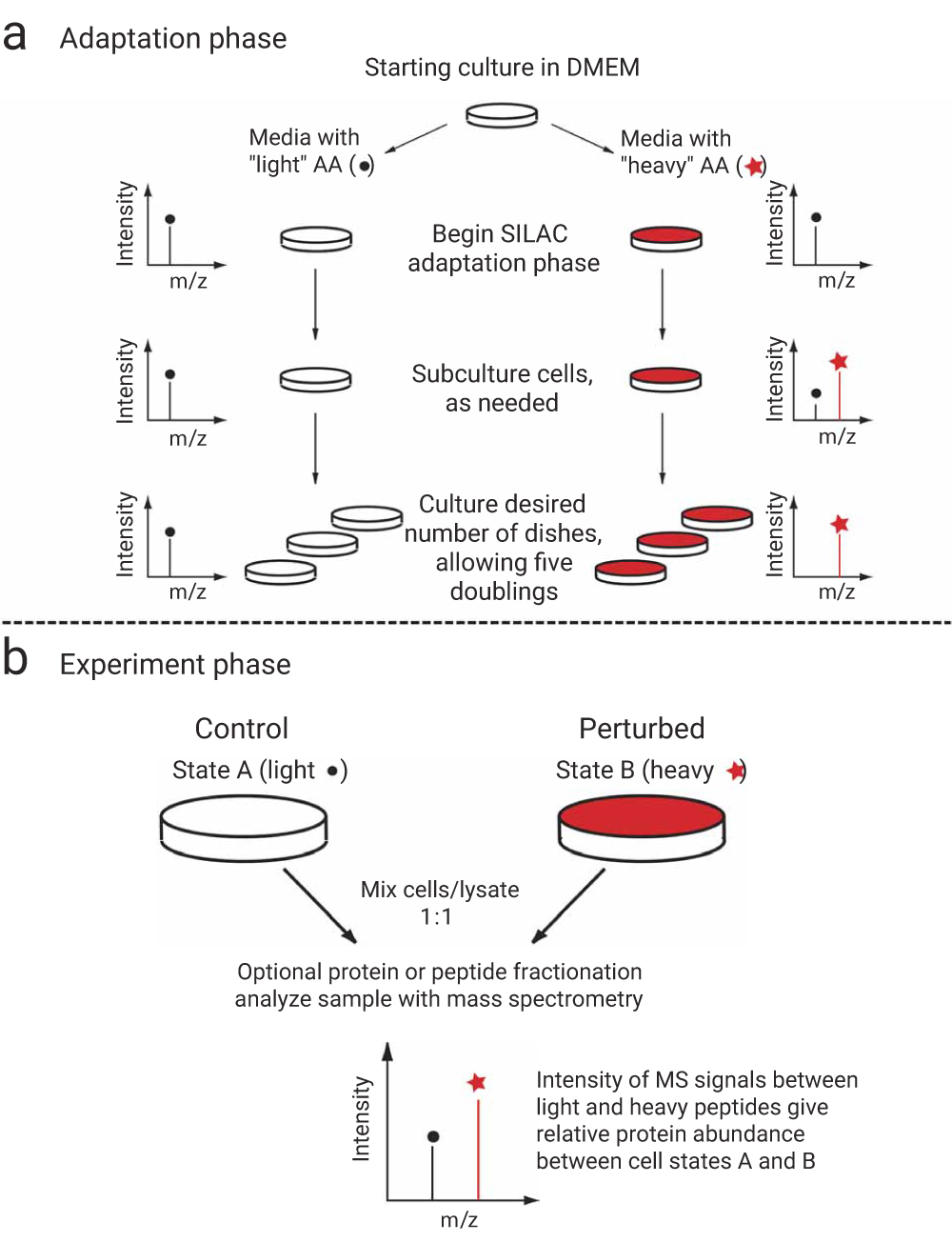
Figure 1. Workflow for SILAC
References:
[1] Nat Protoc. 2006; 1(6):2650-60.
[2] Proteomics. 2015 Sep; 15(18):3175-92.
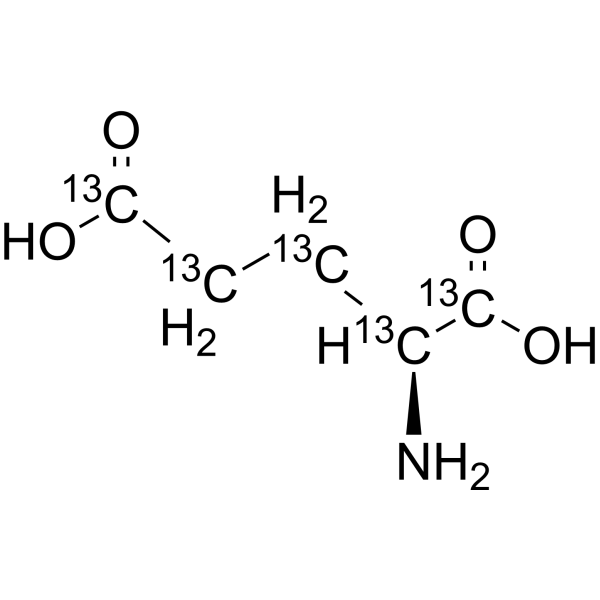
- Formula: 13C5H9NO4
- Molecular Weight: 152.09
L-Glutamic acid-13C5 is the 13C-labeled L-Glutamic acid. L-Glutamic acid acts as an excitatory transmitter and an agonist at all subtypes of glutamate receptors (metabotropic, kainate, NMDA, and AMPA). L-Glutamic acid shows a direct activating effect on the release of DA from dopaminergic terminals.
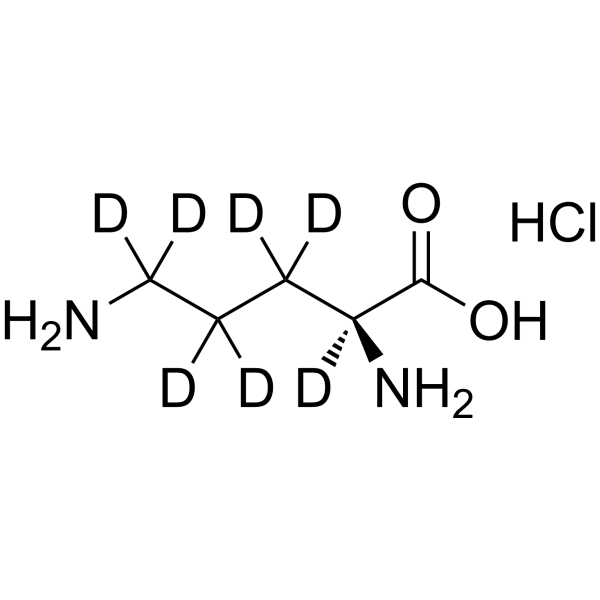
- Formula: C5H6D7ClN2O2
- Molecular Weight: 175.67
L-Ornithine-d7 hydrochloride is the d7-labeled L-Ornithine hydrochloride (HY-W017018). L-Ornithine hydrochloride is an orally active CaSR and p38 activator. L-Ornithine hydrochloride inhibits ROS and supports urea cycle function. L-Ornithine hydrochloride can be used to study kidney diseases involving proximal tubular cell damage caused by oxidative stress or crystallopathy, as well as research related to anxiety disorders.
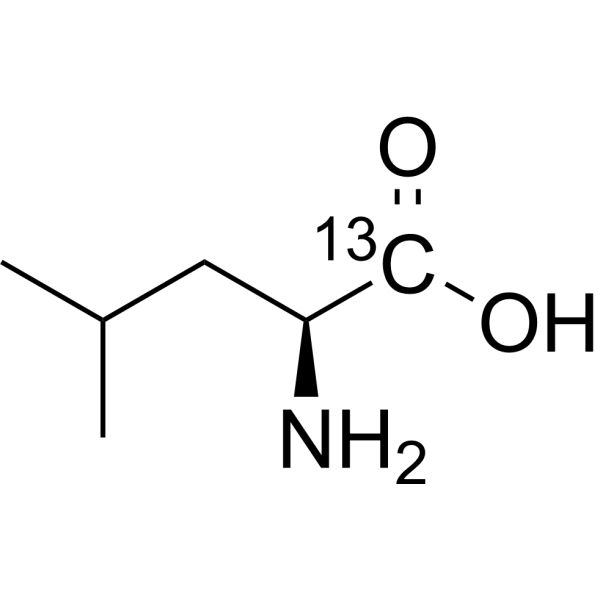
- Formula: C513CH13NO2
- Molecular Weight: 132.17
L-Leucine-13C is the 13C-labeled L-Leucine. L-Leucine is an essential branched-chain amino acid (BCAA), which activates the mTOR signaling pathway.
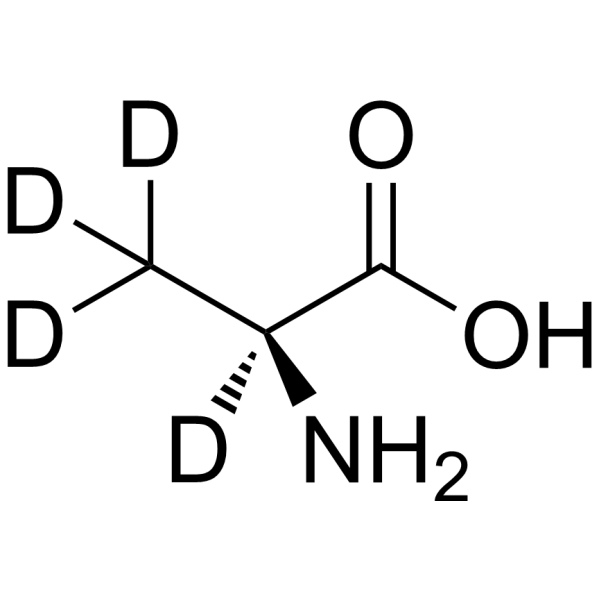
- Formula: C3H3D4NO2
- Molecular Weight: 93.12
L-Alanine-d4 is the deuterium labeled L-Alanine. L-Alanine is a non-essential amino acid, involved in sugar and acid metabolism, increases immunity, and provides energy for muscle tissue, brain, and central nervous system.
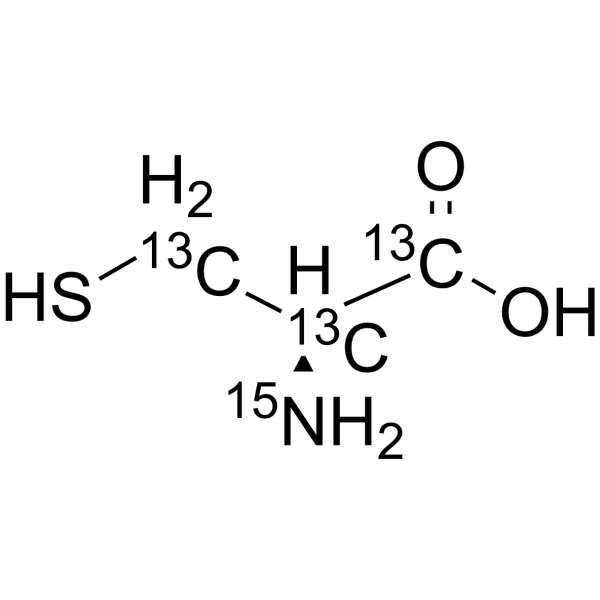
- Formula: 13C3H7 15NO2S
- Molecular Weight: 125.13
L-Cysteine-13C3,15N is the 13C- and 15N-labeled L-Cysteine. L-Cysteine is a conditionally essential amino acid, which acts as a precursor for biologically active molecules such as hydrogen sulphide (H2S), glutathione and taurine. L-Cysteine suppresses ghrelin and reduces appetite in rodents and humans.
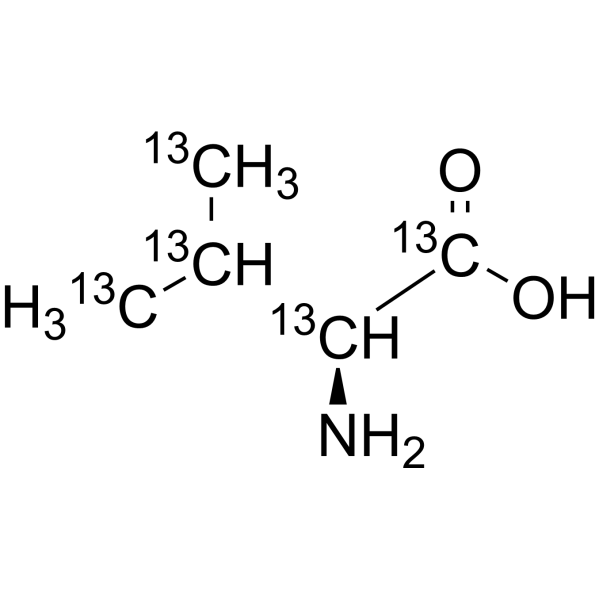
- Formula: 13C5H11NO2
- Molecular Weight: 122.11
L-Valine-13C5 ((S)-Valine-13C5) is the 13C-labeled L-Valine (HY-N0717). L-Valine ((S)-Valine) is a nonlinear semiorganic material. L-Valine causes lipid peroxidation and accumulation of malondialdehyde (MDA), exhibits inhibitory activity against cyanobacteria. L-Valine inhibits multidrug-resistant bacteria through activation of PI3K/Akt signaling pathway and inhibition of arginase.
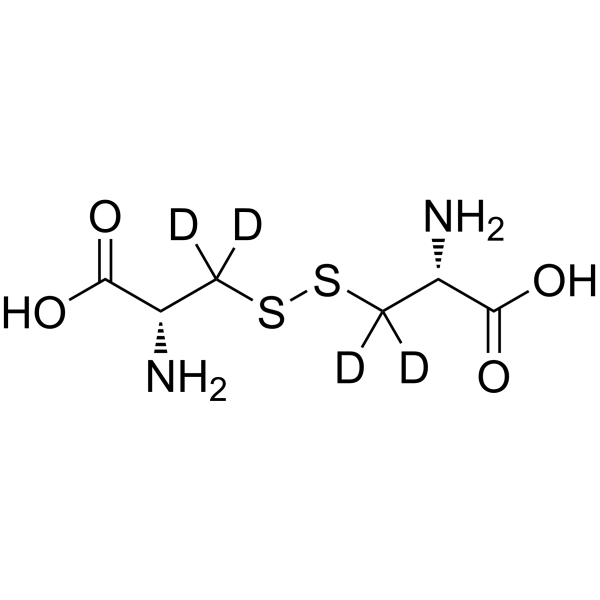
- Formula: C6H8D4N2O4S2
- Molecular Weight: 244.33
L-Cystine-d4 is the deuterium labeled L-Cystine. L-Cystine is an amino acid and intracellular thiol, which plays a critical role in the regulation of cellular processes.
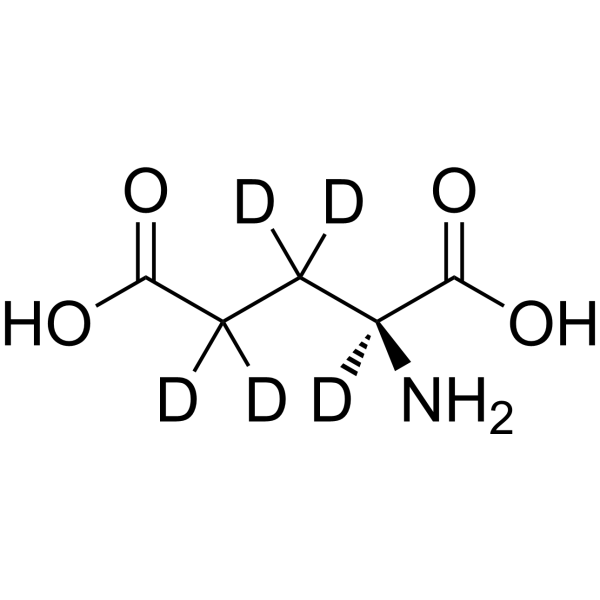
- Formula: C5H4D5NO4
- Molecular Weight: 152.16
L-Glutamic acid-d5 is the deuterium labeled L-Glutamic acid. L-Glutamic acid acts as an excitatory transmitter and an agonist at all subtypes of glutamate receptors (metabotropic, kainate, NMDA, and AMPA). L-Glutamic acid shows a direct activating effect on the release of DA from dopaminergic terminals.
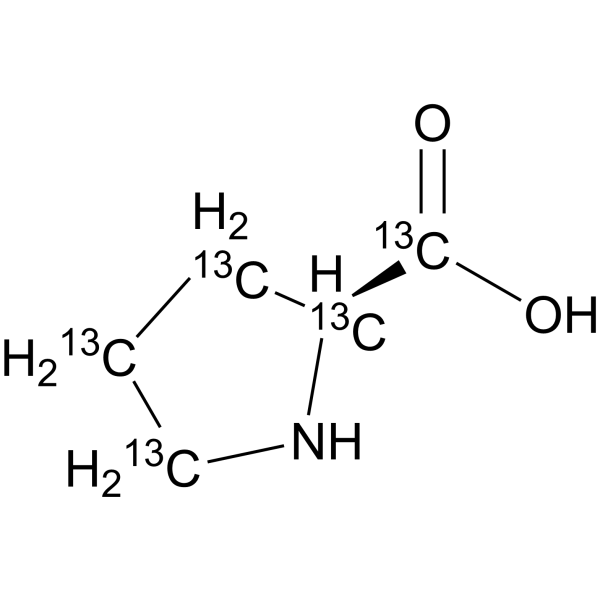
- Formula: 13C5H9NO2
- Molecular Weight: 120.09
L-Proline-13C5 is the 13C-labeled L-Proline. L-Proline is one of the twenty amino acids used in living organisms as the building blocks of proteins.
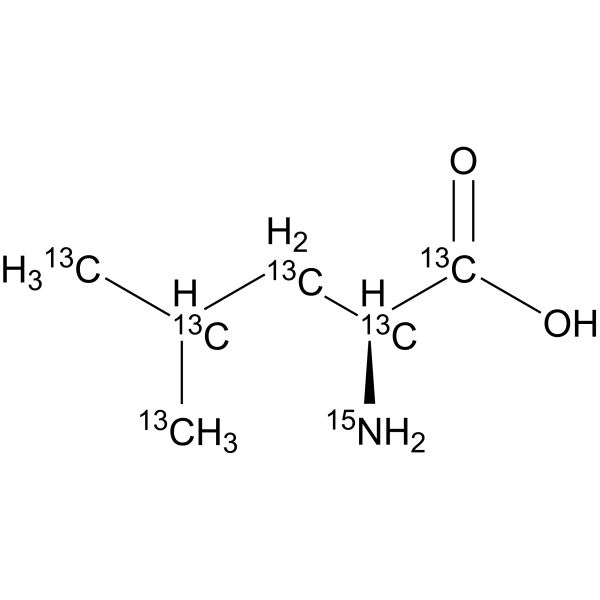
- Formula: 13C6H1315NO2
- Molecular Weight: 138.12
L-Leucine-13C6,15N is the 13C- and 15N-labeled L-Leucine. L-Leucine is an essential branched-chain amino acid (BCAA), which activates the mTOR signaling pathway.
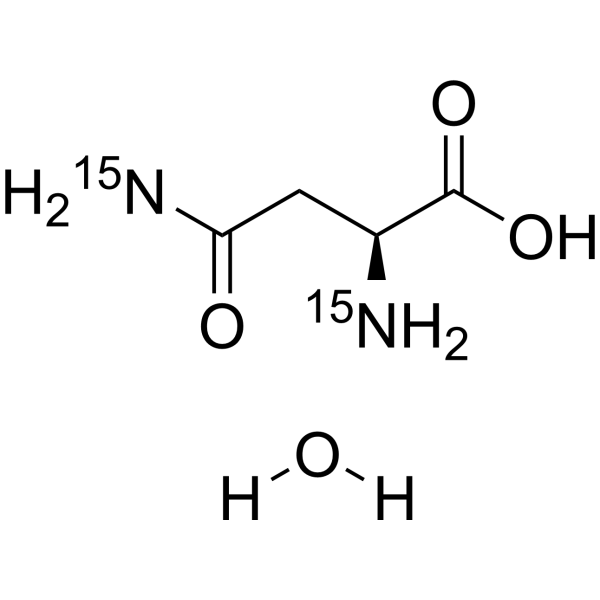
- Formula: C4H1015N2O4
- Molecular Weight: 152.12
L-Asparagine-15N2 monohydrate is the 15N-labeled L-Asparagine monohydrate (HY-W017443). L-Asparagine monohydrate is an essential amino acid for leukemic cells and a substrate for L-Asparaginase. L-Asparaginase is a potent anti-leukemic enzyme that promotes asparagine (Asn) and glutamine (Gln) depletion and inhibits protein biosynthesis in lymphoblasts. Removal of L-asparagine from plasma by L-Asparaginase results in inhibition of RNA and DNA synthesis and subsequent apoptosis. L-Asparaginase has cell-killing ability in vitro and in vivo, and selectively inhibits the growth of cancer cells with low asparagine synthetase (AASNS) expression. L-Asparagine monohydrate can be used as a biomarker and sensor for the study of childhood acute lymphoblastic leukemia.
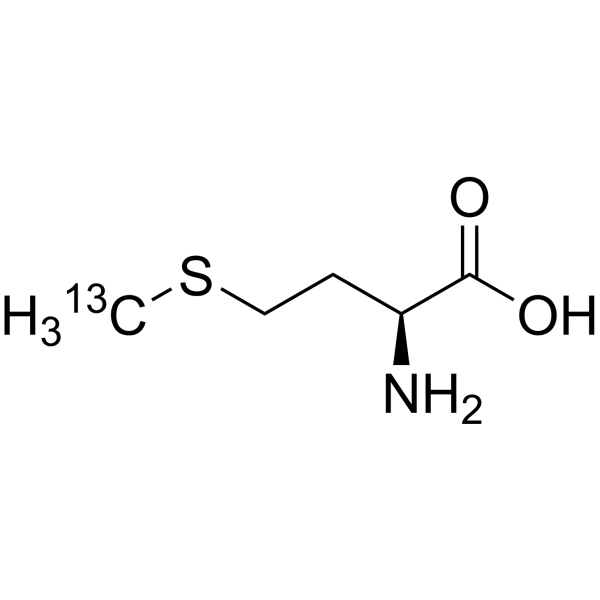
- Formula: C413CH11NO2S
- Molecular Weight: 150.20
L-Methionine-13C is the 13C-labeled L-Methionine. L-Methionine is the L-isomer of Methionine, an essential amino acid for human development. Methionine acts as a hepatoprotectant.
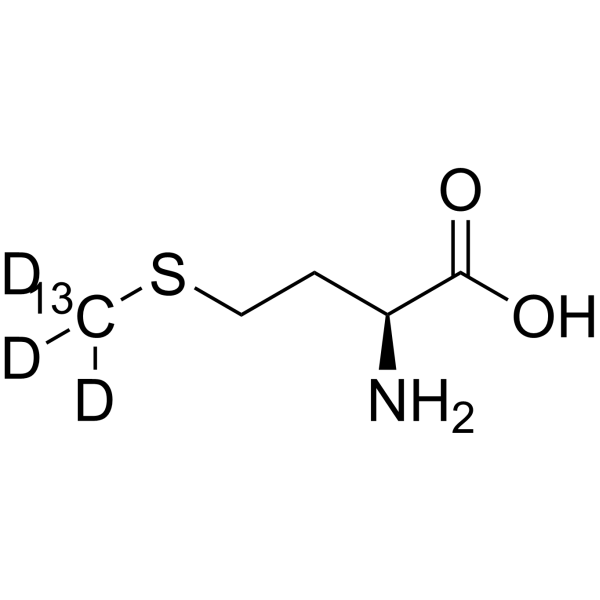
- Formula: C413CH8D3NO2S
- Molecular Weight: 153.22
L-Methionine-13C,d3 is the 13C- and deuterium labeled L-Methionine. L-Methionine is the L-isomer of Methionine, an essential amino acid for human development. Methionine acts as a hepatoprotectant.
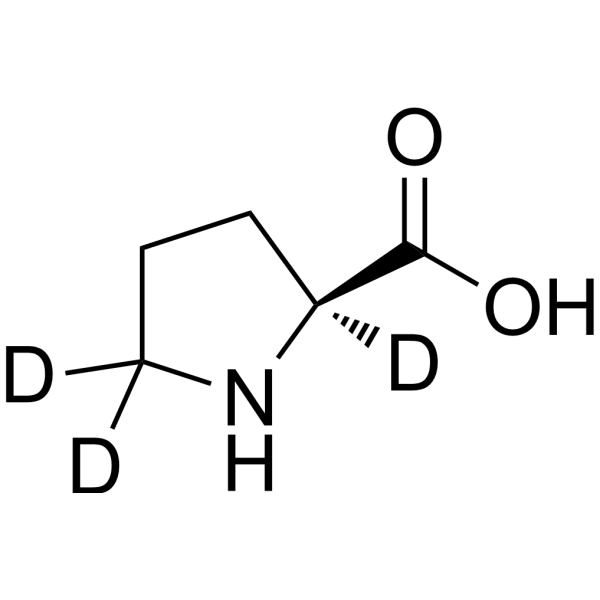
- Formula: C5H6D3NO2
- Molecular Weight: 118.15
L-Proline-d3 is the deuterium labeled L-Proline. L-Proline is one of the twenty amino acids used in living organisms as the building blocks of proteins.
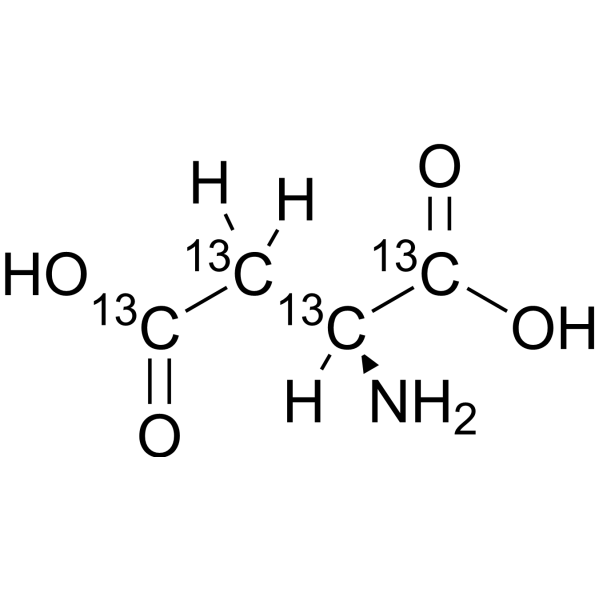
- Formula: 13C4H7NO4
- Molecular Weight: 137.07
L-Aspartic acid-13C4 is the 13C-labeled L-Aspartic acid (HY-N0666). L-Aspartic acid is a NMDA receptor agonist and acidic amino acid. L-Aspartic acid has no independent analgesic activity. L-Aspartic acid can antagonize the analgesic effects of D-Aspartic acid and Morphine. L-Aspartic acid regulates polymorph transformation, crystal growth/aggregation and nucleation processes of calcium carbonate, and can serve as a biomineralization template. L-Aspartic acid promotes burst firing of central neurons. L-Aspartic acid can be used in studies related to cerebral ischemia and epilepsy.
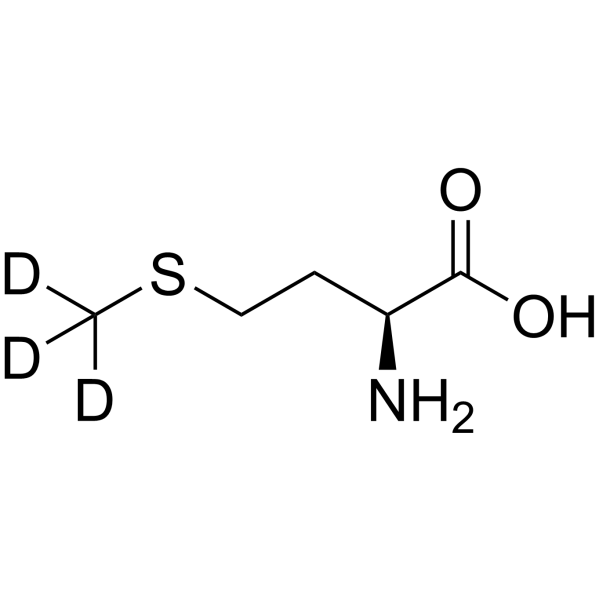
- Formula: C5H8D3NO2S
- Molecular Weight: 152.23
L-Methionine-d3 is the deuterium labeled L-Methionine. L-Methionine is the L-isomer of Methionine, an essential amino acid for human development. Methionine acts as a hepatoprotectant.
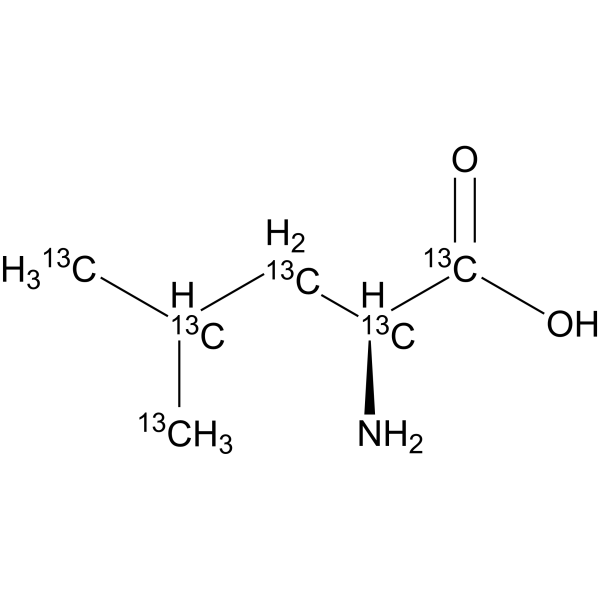
- Formula: 13C6H13NO2
- Molecular Weight: 137.13
Leucine-13C6 is the 13C-labeled L-Leucine. L-Leucine is an essential branched-chain amino acid (BCAA), which activates the mTOR signaling pathway.
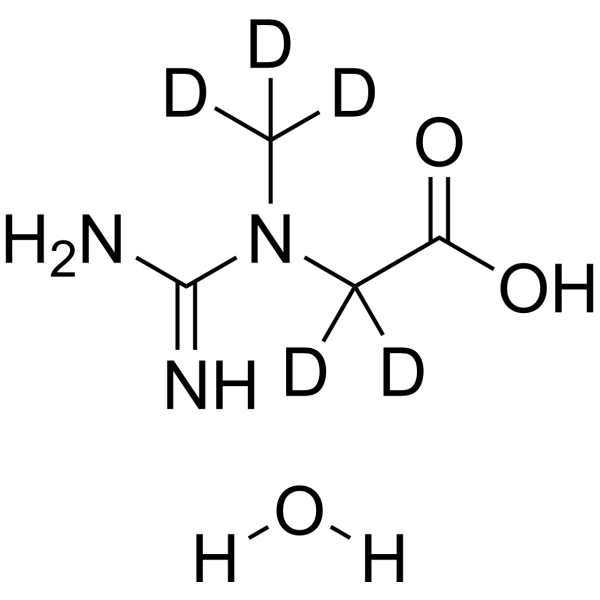
- Formula: C4H6D5N3O3
- Molecular Weight: 154.18
Creatine-d5 (monohydrate) is the deuterium labeled Creatine monohydrate. Creatine monohydrate, an endogenous amino acid derivative, plays an important role in cellular energy, especially in muscle and brain.
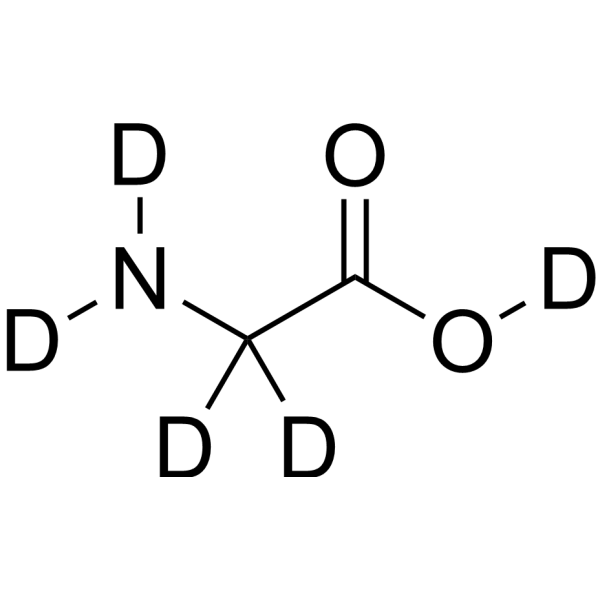
- Formula: C2D5NO2
- Molecular Weight: 80.10
Glycine-d5 is the deuterium labeled Glycine. Glycine is an inhibitory neurotransmitter in the CNS and also acts as a co-agonist along with glutamate, facilitating an excitatory potential at the glutaminergic N-methyl-D-aspartic acid (NMDA) receptors.
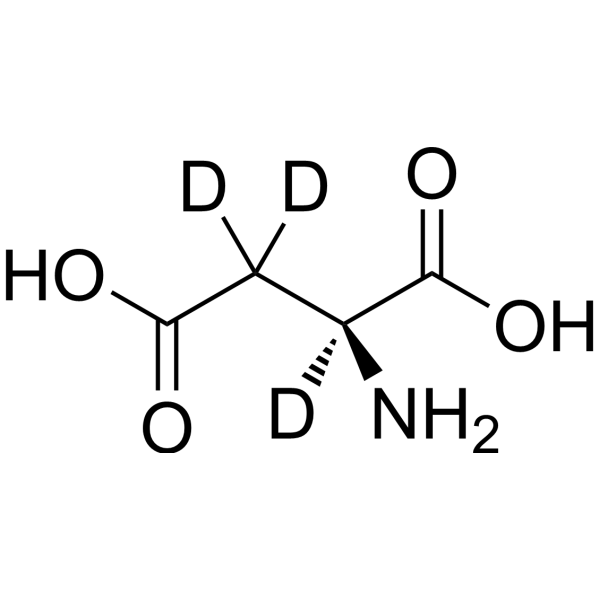
- Formula: C4H4D3NO4
- Molecular Weight: 136.12
L-Aspartic acid-d3 is the d3-labeled L-Aspartic acid (HY-N0666). L-Aspartic acid is a NMDA receptor agonist and acidic amino acid. L-Aspartic acid has no independent analgesic activity. L-Aspartic acid can antagonize the analgesic effects of D-Aspartic acid and Morphine. L-Aspartic acid regulates polymorph transformation, crystal growth/aggregation and nucleation processes of calcium carbonate, and can serve as a biomineralization template. L-Aspartic acid promotes burst firing of central neurons. L-Aspartic acid can be used in studies related to cerebral ischemia and epilepsy.



