



PPACK
Based on 4 publication(s) in Google Scholar
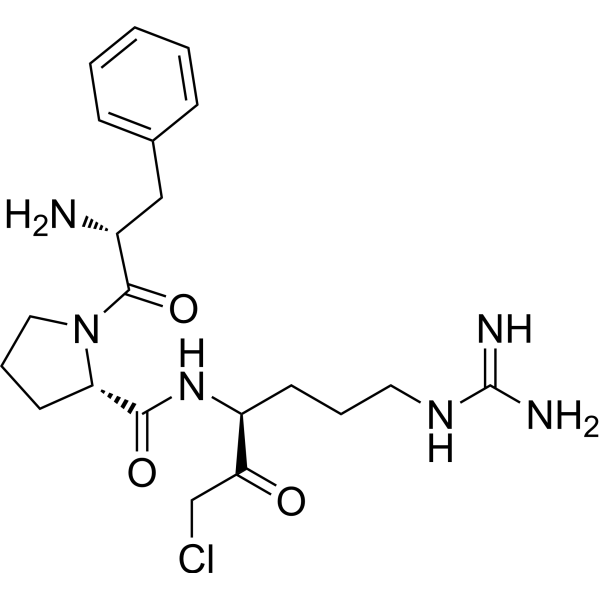
PPACK is a potent, peptidic inhibitor targeting thrombin and granzyme GZMK. PPACK specifically blocks the activities of thrombin and GZMK, thereby inhibiting thrombin-mediated PAR-1 cleavage, as well as downstream inflammatory and procoagulant signaling pathways. Through stabilizing IκB proteins, blocking NF-κB activation and reducing systemic levels of proinflammatory/procoagulant biomarkers, PPACK exerts multiple effects including anti-inflammatory, antithrombotic, barrier repair, and inhibition of atherosclerotic plaque progression. PPACK binds to platelets without interference from kininogen, effectively limiting acute thrombus growth and reducing eosinophil infiltration and goblet cell hyperplasia in asthma models. PPACK is an important tool molecule for investigating the mechanisms of atherosclerosis, asthma and related thromboinflammatory diseases.
商品は「研究用試薬」です。人や動物の医療用・臨床診断用・食品用の製品ではありません。
研究用途以外に使用した場合、当社は一切の責任を負いかねます。
- CAS 番号: 71142-71-7
- 分子式: C21H31ClN6O3
- 分子量:450.96
-
保管条件:
Please store the product under the recommended conditions in the Certificate of Analysis.

To place orders, for customer services and technical support, please contact: MedChemExpress USA
Tel: 609-228-6898 E-mail: [email protected] [email protected]


-
 生物活性
生物活性
-
化学情報
- プロトコル
- 純度とドキュメンテーション
- 参考文献
-
 Help & FAQs


-
HY-N1504
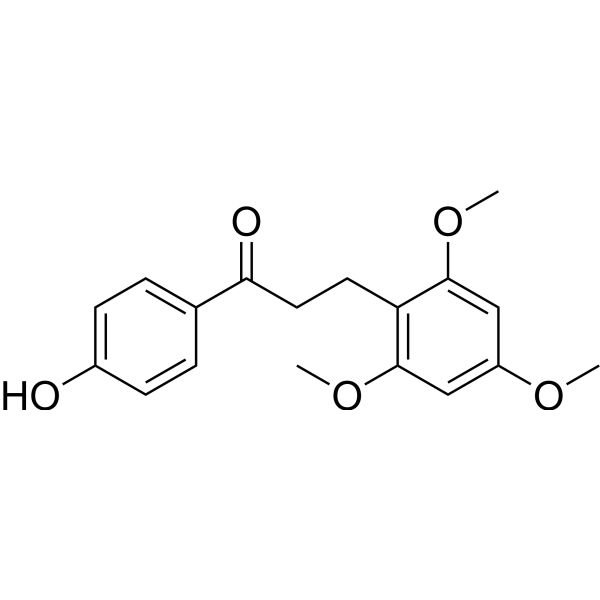
Loureirin BPAI-1 Inhibitor -

HY-P2813
HirudinThrombin Inhibitor -
HY-10787
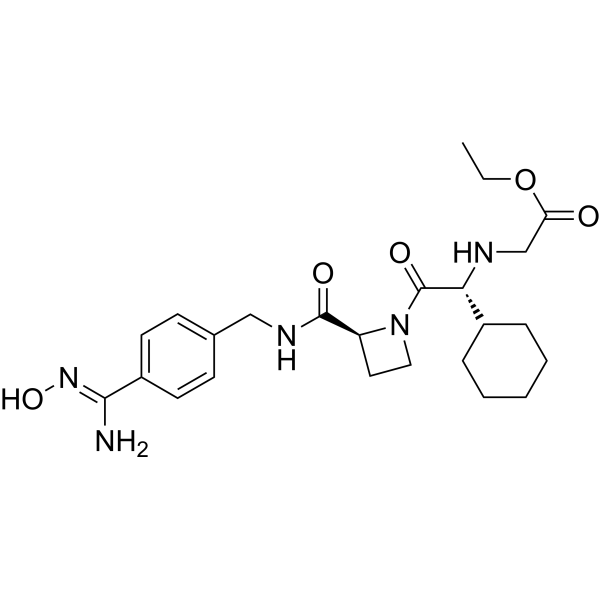
XimelagatranThrombin Inhibitor -
HY-10277
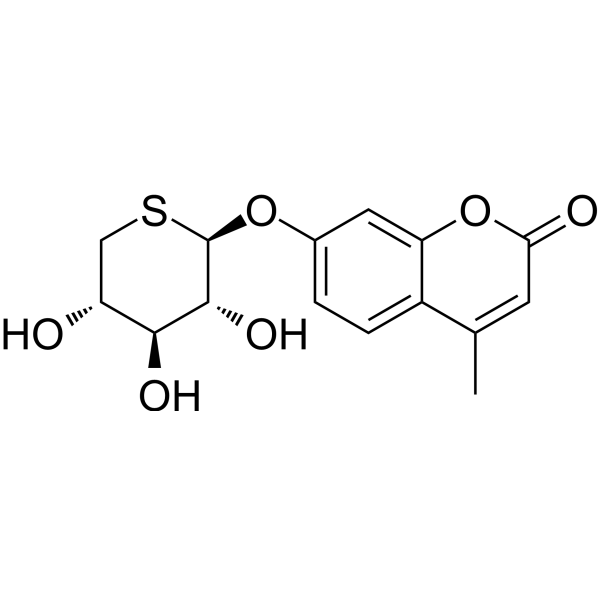
Odiparcilβ-D-xyloside Derivative -
HY-10274A
Dabigatran etexilate mesylateAntithrombotic Agent -

HY-N1504R
Loureirin B (Standard)PAI-1 Inhibitor -

HY-10787R
Ximelagatran (Standard)Reference Standard -

HY-10274AR
Dabigatran etexilate mesylate (Standard)Antithrombotic Agent -

HY-10277R
Odiparcil (Standard)Reference Standard
MedChemExpress(MCE)の使用を引用している文献 PPACK
More Customer Validation & Images

-
Flow Cytometry
-
In Vivo Efficacy Study
-
Histological Imaging/Staining
-
Cell Imaging/Staining


生物活性
製品説明
IC50 & Target
|
PAR1 |
体外実験
PPACK nanoparticles completely inhibit thrombin-induced cleavage of the PAR-1 receptor on human aortic endothelial cells, as well as tissue factor expression on the surface of THP-1 monocytes[1].
PPACK nanoparticles inhibit thrombin-induced NF-κB activation in human aortic endothelial cells and THP-1 monocytes[1].
PPACK (5-fold molar excess; room temperature; 1 h) inactivates the amidolytic activity of human α-thrombin after 1 h of incubation at room temperature, generating PPACK-thrombin that does not interfere with the enzymatic function of unmodified α-thrombin[4].
PPACK (200 μM, 100 μM, 10 μM) exerts anticoagulant effects, and exhibits stronger anticoagulant activity on a molar basis than the factor Xa inhibitor GGACK (HY-137495) used alone at the same concentrations[5].
MedChemExpress (MCE) has not independently confirmed the accuracy of these methods. They are for reference only. Further protocols information, click here.
-
Cell Line:Human aortic endothelial cells and THP-1 monocytes
-
Concentration:PPACK nanoparticle
-
Incubation Time:6 h
-
Result:Inhibited thrombin-induced NF-κB activation in human aortic endothelial cells and THP-1 monocytes.
Resulted in little to no observable posi- tive staining for intracellular phospho-p65 and preservation of IkB protein.
体内実験
PPACK (62.5 μg; i.p.; every 2 days; 8 to 18 days post-immunization) significantly attenuates airway eosinophilia, goblet cell hyperplasia and airway hyperresponsiveness in a mouse model of asthma[3].
MedChemExpress (MCE) has not independently confirmed the accuracy of these methods. They are for reference only.
-
Animal Model:C57BL/6J mice with Asthma (sex- and age-matched)[3]
-
Dosage:62.5 μg
-
Administration:i.p.; every 2 days; 8 to 18 days post-immunization
-
Result:Significantly reduced eosinophil counts in bronchoalveolar lavage fluid (BALF).\nSignificantly reduced goblet cell hyperplasia in lung tissue.\nSignificantly improved lung function via reduced airway resistance in response to methacholine challenge.


化学情報
-
CAS 番号 71142-71-7
-
分子量 450.96
-
分子式 C21H31ClN6O3
-
配列
{d-Phe}-Pro-{Arg-Chloromethylketone}
-
シーケンスの短縮
{d-Phe}-P-{Arg-Chloromethylketone}
-
輸送条件
Room temperature in continental US; may vary elsewhere.
-
保管条件
Please store the product under the recommended conditions in the Certificate of Analysis.


Publications (4)
-
Journal Impact Factor
-
Most Recent
-
Nature
2025 Feb;638(8050):490-498. PMID: 39814882
PPACK purchased from MedChemExpress. Usage Cited in: Nature. 2025 Feb;638(8050):490-498. [Abstract]
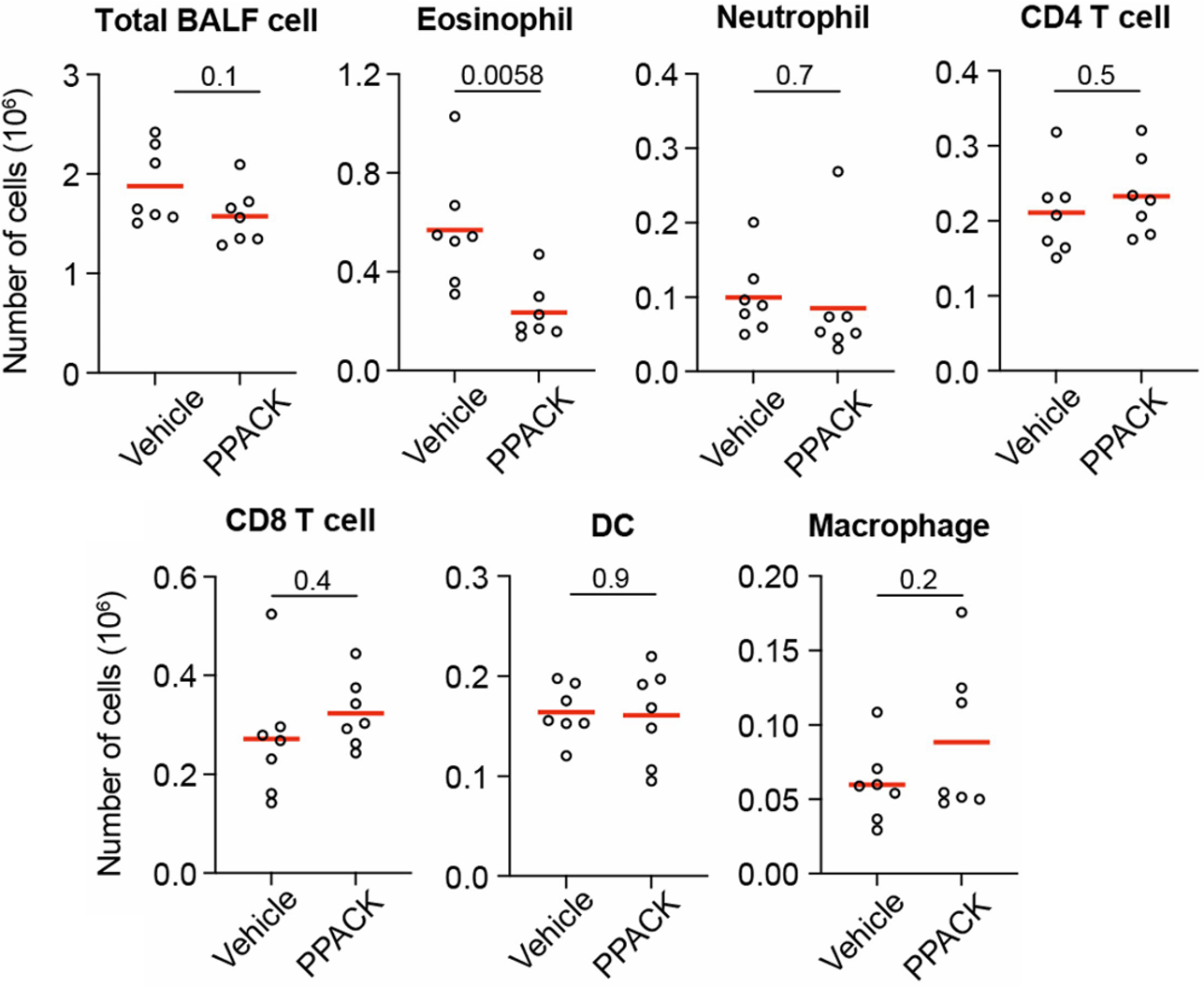
Summary statistics showing the number of different immune cells in the BALF of PPACK (PPACK TFA) (62.5 μg per mouse; i.p.; every 2 days) treated mice. Each symbol indicates one mouse, and lines denote means.
PPACK purchased from MedChemExpress. Usage Cited in: Nature. 2025 Feb;638(8050):490-498. [Abstract]
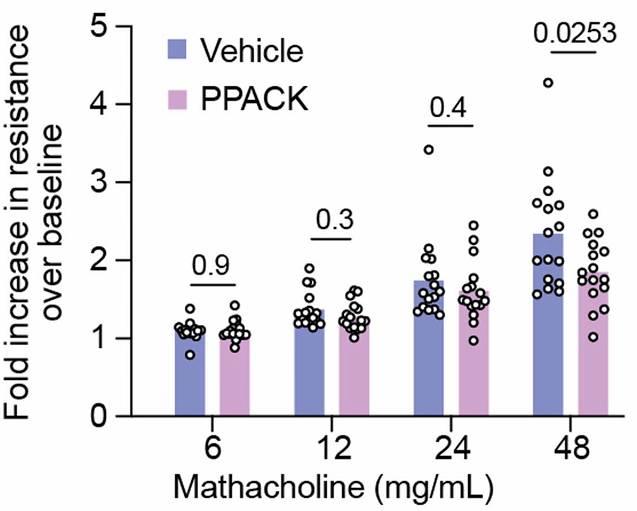
Airway hypersensitivity of the vehicle or PPACK (PPACK TFA) (62.5 μg per mouse; i.p.; every 2 days) treated mice measured using the forced oscillation technique. Each symbol indicates one mouse, and bars denote means.
PPACK purchased from MedChemExpress. Usage Cited in: Nature. 2025 Feb;638(8050):490-498. [Abstract]
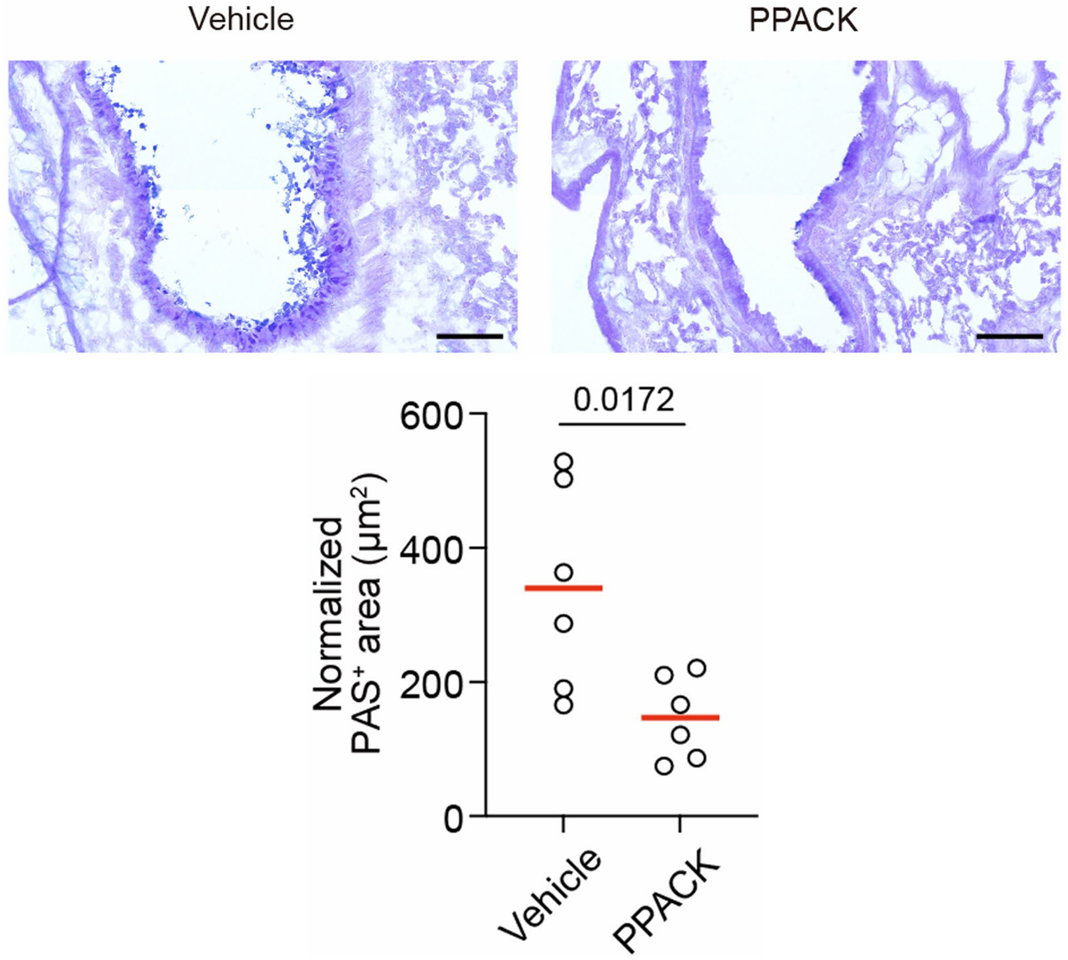
Representative AB-PAS staining of lung tissue sections of vehicle or PPACK (PPACK TFA) (62.5 μg per mouse; i.p.; every 2 days) treated mice. Scale bar, 100 μm. Statistics summarizing the PAS+ areas in the airway of indicated mice. Each symbol indicates one mouse, and lines denote means.
-
-
-
J Thromb Thrombolysis
The inhibitory effect of antiplatelet drugs on spontaneous platelet aggregation on glass surfaces: an analysis based on microscopic three-dimensional topography. [Abstract]2025 Sep 9. PMID: 40924280
PPACK purchased from MedChemExpress. Usage Cited in: J Thromb Thrombolysis. 2025 Sep 9. [Abstract]
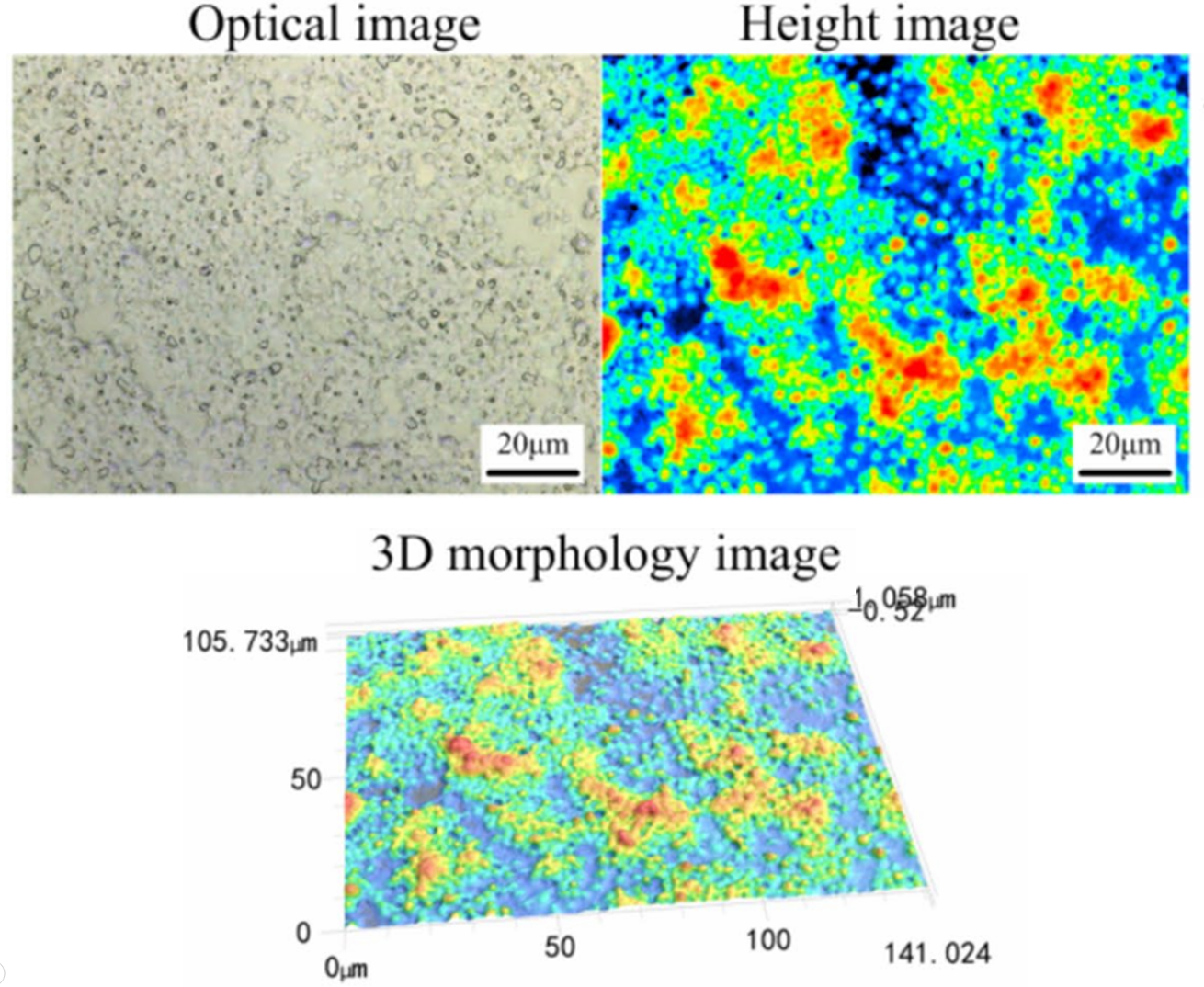
PPACK (PPACK TFA)-anticoagulated PRP droplets deposited on the glass surface. The results showed that 100 μM PPACK-anticoag-ulated PRP on the glass surface retained the ability to form platelet aggregates on the glass surface.

プロトコル
-
Research Protocol for Cardiovascular Diseases
Cardiovascular disease can be modeled as maladaptive cardiac remodeling, where ischemic injury or pressure overload activates inflammatory signaling, fibroblast activation, extracellular-matrix deposition, cardiomyocyte hypertrophy, vascular remodeling, and progressive ventricular dysfunction. The TGF-β/SMAD axis is a central profibrotic pathway after myocardial injury and pressure overload, while innate immune and cytokine pathways regulate leukocyte recruitment, scar formation, and adverse remodeling. Key unresolved questions include which inflammatory signals are reparative versus harmful, when fibrosis is protective versus maladaptive, and whether pathway inhibition improves function without weakening necessary infarct healing or compensatory remodeling.
-
Research Protocol for Inflammation-related Diseases
The NLRP3 inflammasome is a cytosolic innate immune signaling platform that integrates priming signals and danger-signal activation to promote caspase-1 activation, maturation of IL-1β and IL-18, and gasdermin D-mediated pyroptotic cell death. The core experimental logic is to determine whether inflammatory disease phenotypes are driven by increased NLRP3 expression, ASC-containing inflammasome assembly, caspase-1 cleavage, GSDMD cleavage, and extracellular release of IL-1β/IL-18 rather than by nonspecific cell injury alone. The pathway is strongly linked to inflammation-related disease phenotypes because monosodium urate crystals activate NALP3/NLRP3 inflammasome signaling in gout-like crystal inflammation, cholesterol crystals activate NLRP3 inflammasomes in atherogenesis models, and DSS-induced intestinal inflammation has been reported to involve NLRP3 inflammasome activity. However, experimental colitis studies also show context-dependent protective effects of NLRP3 inflammasome co


純度とドキュメンテーション
参考文献
[1]. Palekar RU, et al. Inhibition of Thrombin With PPACK-Nanoparticles Restores Disrupted Endothelial Barriers and Attenuates Thrombotic Risk in Experimental Atherosclerosis. Arterioscler Thromb Vasc Biol. 2016;36(3):446-455. [Content Brief]
[2]. Wu Y, et al. The inhibitory effect of antiplatelet drugs on spontaneous platelet aggregation on glass surfaces: an analysis based on microscopic three-dimensional topography. J Thromb Thrombolysis. Published online September 9, 2025. [Content Brief]
[3]. Lan F, et al. GZMK-expressing CD8+ T cells promote recurrent airway inflammatory diseases. Nature. 2025;638(8050):490-498. [Content Brief]
[4]. Schmaier AH, et al. PPACK-thrombin is a noncompetitive inhibitor of alpha-thrombin binding to human platelets. Thromb Res. 1992;67(5):479-489. [Content Brief]
[5]. Lyon ME, et al. Evaluation of the thrombin inhibitor D-phenylalanyl-L-prolyl-L-arginine chloromethylketone (PPACK) with the factor Xa inhibitor 1,5-dansyl-L-glutamyl-L-glycyl-L-arginine chloromethylketone (GGACK) as anticoagulants for critical care clinical chemistry specimens. Clin Chim Acta. 1999 Feb;280(1-2):91-9. [Content Brief]

Calculators
濃度 (開始) × 体積 (開始) = 濃度 (終了) × 体積 (終了)


PPACK 関連分類
HY-122542 関連分類
 Powered by Bioz