



Captan

Based on 1 Customer Validation
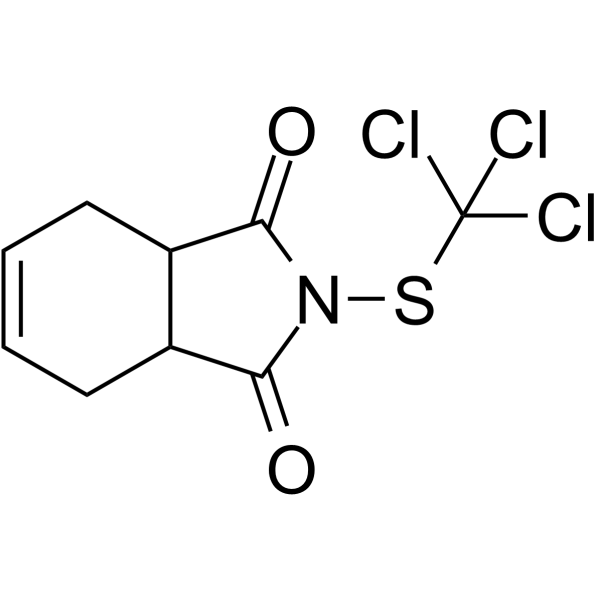
Captan is a thiol-reactive fungicide. Captan irreversibly depletes protein and non-protein thiols (including glutathione), reducing enzyme activity and fungal respiration/metabolism. Captan inhibits DNA synthesis and replication fork progression, and induces ROS accumulation, oxidative stress, inflammation, ER stress, mitochondrial dysfunction, autophagy, DNA damage, and apoptosis as well as loss of membrane integrity with necrosis. Captan is used to control fungal diseases of various fruits, vegetables, and ornamental plants.
연구목적의 판매만을 진행합니다. 환자를 대상으로 한 판매는 하지 않습니다.
- Purity : 99.97%
- CAS No.: 133-06-2
- 화학식: C9H8Cl3NO2S
- 분자량:300.59
-
보관:Powder -20°C, 3 years , 4°C, 2 years ; In solvent -80°C, 6 months , -20°C, 1 month

To place orders, for customer services and technical support, please contact: MedChemExpress USA
Tel: 609-228-6898 E-mail: [email protected] [email protected]


-
 Biological Activity
-
Chemical Information
-
용액&용해도
- Protocol
- 순도&문서
- References
-
 Help & FAQs


-
HY-B1584R
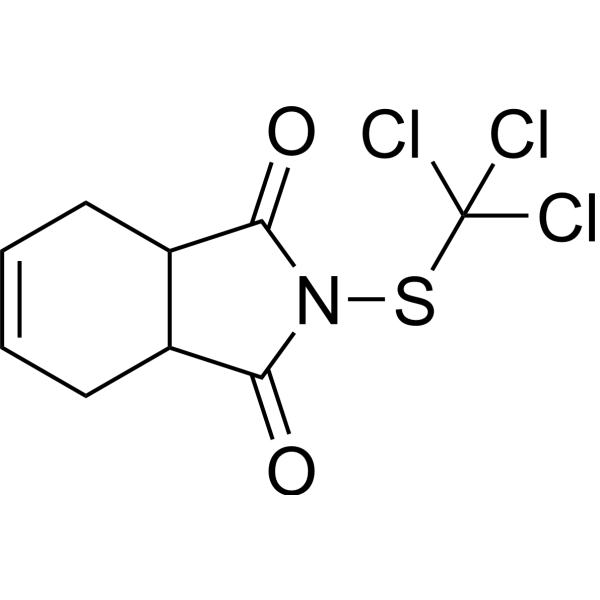
Captan (Standard)Reference Standard -
HY-118065
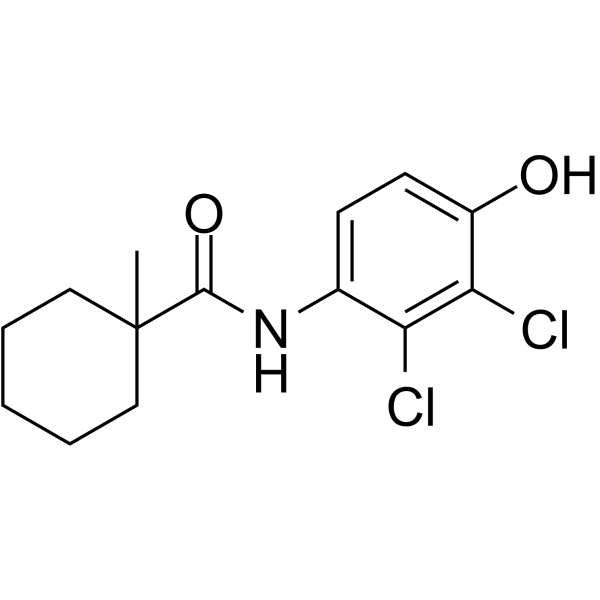
FenhexamidAntifungal Agent -
HY-N7091
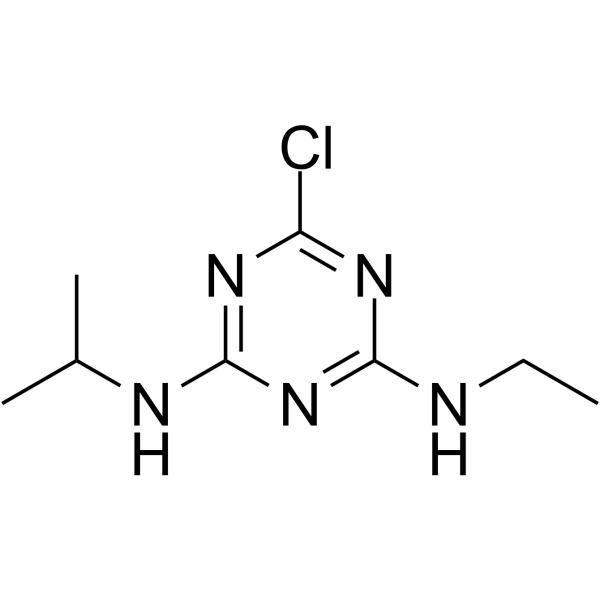
AtrazinePhotophosphorylation Inhibitor -
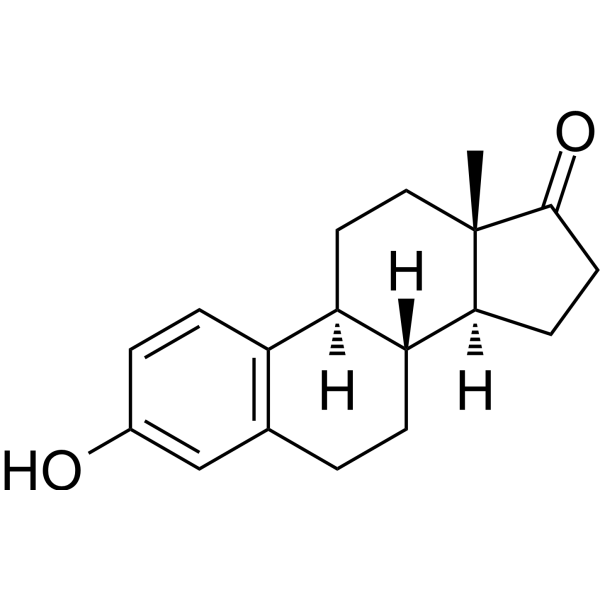
HY-B0234
EstroneEndogenous Metabolite -
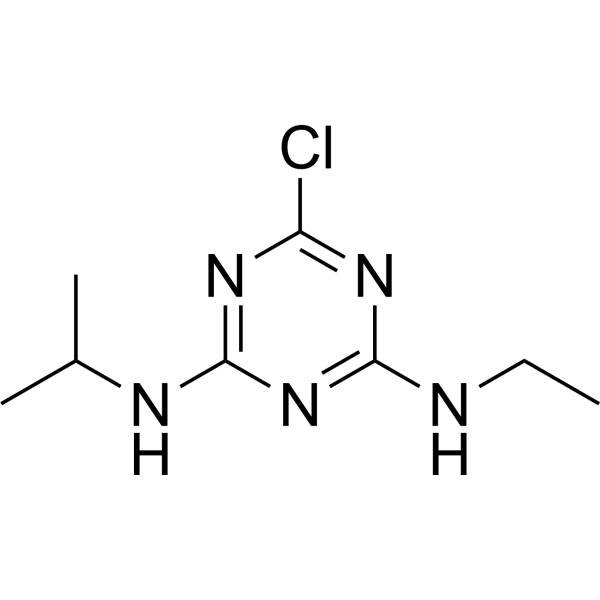
HY-N7091R
Atrazine (Standard)Photophosphorylation Inhibitor -
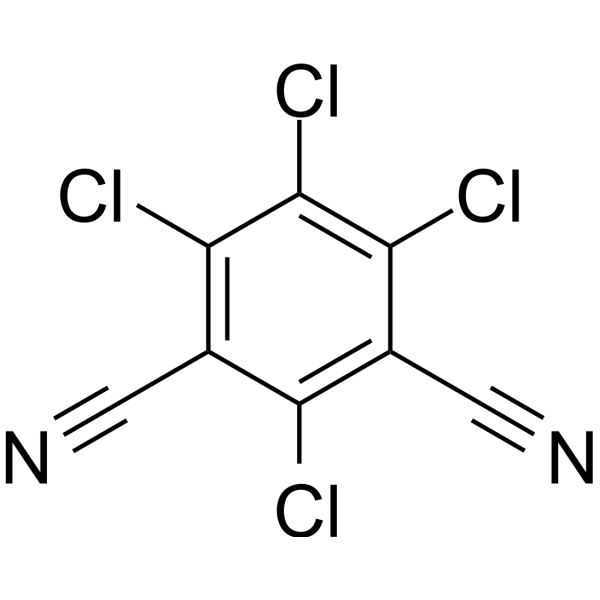
HY-N6625
ChlorothalonilBroad-spectrum foliar fungicide -
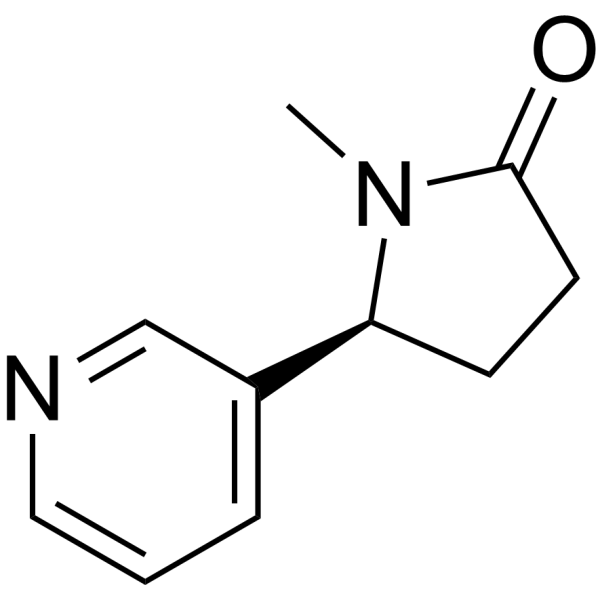
HY-B1178
CotinineEndogenous Metabolite -
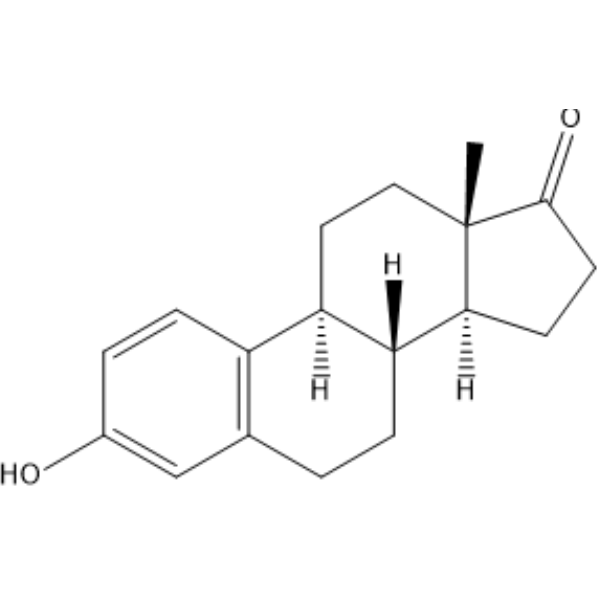
HY-B0234R
Estrone (Standard) -
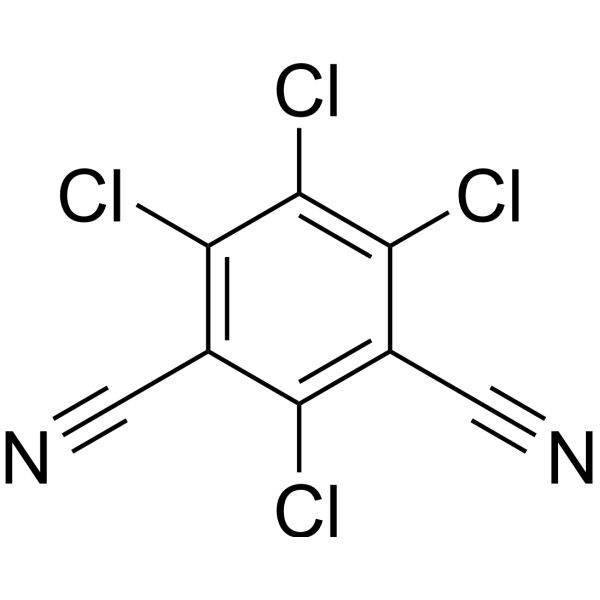
HY-N6625R
Chlorothalonil (Standard)Broad-spectrum foliar fungicide -

HY-118065R
Fenhexamid (Standard)Antifungal Agent -

HY-B1178R
Cotinine (Standard)Endogenous Metabolite


Biological Activity
제품 설명
In Vitro
Captan (1-20 µM; 2 h) induces γH2AX and 53BP1 DNA damage responses in HeLa cells, with a γH2AX-positive/53BP1-negative subpopulation[2].
Captan (20 µM; 2 h) activates replicative-stress markers pCHK1 and FANCD2 monoubiquitylation in HeLa cells[2].
Captan (10 µM; 2 h) induces 53BP1 foci in HeLa cells, with a higher proportion after ATR depletion[2].
Captan (10-30 μM; 1 h; 0.5 h annexin V-FITC/PI) induces annexin V-positive living rat thymic lymphocytes before cell death at 30 μM, consistent with an apoptotic process[4].
Captan (1-30 μM; 1.5 h total) lowers cellular nonprotein thiol content in rat thymic lymphocytes at 10 and 30 μM[4].
Captan (10-30 μM; 1.5 h) increases superoxide anion levels in rat thymic lymphocytes at 10 and 30 μM[4].
Captan (3-10 μM; 3 h) increases the cytotoxicity of 300 μM H2O2 toward rat thymic lymphocytes at 3 and 10 μM[4].
Captan (1-10 µM; 24 h) increases micronucleus formation in CHO cells, with greater induction in XRCC1-deficient EM9 cells[2].
Captan (1 µM; 2 h; 0-60 min recovery) induces Fpg-sensitive base lesions in AA8 and EM9 CHO cells whose repair requires XRCC1[2].
Captan (1 µM; 2 h) increases alkaline comet DNA damage in human PBMC[2].
Captan (1-30 μM; 1 h) raises intracellular Ca2+ in rat thymic lymphocytes at 10 and 30 μM by increasing membrane Ca2+ permeability dependent on external Ca2+[4].
Captan (1-30 μM; 1 h) raises intracellular Zn2+ in rat thymic lymphocytes at 10 and 30 μM by increasing intracellular Zn2+ release independently of external Zn2+[4].
MedChemExpress (MCE) has not independently confirmed the accuracy of these methods. They are for reference only.
-
Cell Line:HeLa cells transfected with control or XRCC1 siRNA
-
Concentration:0.2, 0.5, and 1 µM
-
Incubation Time:66-90 h post-transfection
-
Result:XRCC1-depleted HeLa cells showed lower clonogenic survival than control siRNA cells; at 1 µM, XRCC1-depleted cells were more sensitive than controls.
-
Cell Line:HeLa cells
-
Concentration:1, 10, and 20 µM
-
Incubation Time:2 h
-
Result:A dose-dependent increase in both γH2AX-positive and 53BP1-positive HeLa cells was observed at 1-20 µM.
A subclass of cells accumulated γH2AX without 53BP1 foci.
-
Cell Line:HeLa cells
-
Concentration:20 µM
-
Incubation Time:2 h
-
Result:CHK1 phosphorylation at S345 and FANCD2 monoubiquitylation were increased compared with non-treated cells.
-
Cell Line:HeLa cells transfected with control or ATR siRNA
-
Concentration:0.2, 0.5, and 1 µM
-
Incubation Time:66-90 h post-transfection
-
Result:ATR-depleted HeLa cells showed lower clonogenic survival than control siRNA cells, with reduced viability at 1 µM.
-
Cell Line:HeLa cells transfected with control or ATR siRNA
-
Concentration:10 µM
-
Incubation Time:2 h
-
Result:The proportion of 53BP1-positive cells increased; the proportion was higher after ATR depletion than in control siRNA cells.
In Vivo
MedChemExpress (MCE) has not independently confirmed the accuracy of these methods. They are for reference only.
- Annexin V plus membrane-impermeant dye apoptosis staining
- BrdU Incorporation Assay
- ROS/oxidative-stress fluorescent staining
- Research Protocol for Inflammation-related Diseases
- EdU Incorporation Assay (Click Chemistry-Based DNA Synthesis Measurement)
- Detection of Apoptosis
- TUNEL staining for apoptotic DNA fragmentation
- Mitochondrial membrane-potential and mitochondrial mass staining
- Autophagy
- Apoptosis Solutions
- Lysosome and acidic-vesicle live-cell staining
- Macroautophagy Solutions
- Genotoxicity/Mutagenicity Study


Chemical Information
-
CAS No. 133-06-2
-
Appearance Solid
-
분자량 300.59
-
화학식 C9H8Cl3NO2S
-
Color Off-white to light yellow
-
SMILES
O=C1N(SC(Cl)(Cl)Cl)C(C2CC=CCC12)=O
-
선적
Room temperature in continental US; may vary elsewhere.
-
보관
Powder -20°C 3 years 4°C 2 years In solvent -80°C 6 months -20°C 1 month


용액&용해도
In Vitro:
DMSO : 16.67 mg/mL (55.46 mM; ultrasonic and warming and heat to 60°C; Hygroscopic DMSO has a significant impact on the solubility of product, please use newly opened DMSO)
Please refer to the solubility information to select the appropriate solvent. Once prepared, please aliquot and store the solution to prevent product inactivation from repeated freeze-thaw cycles.
Storage method and period of stock solution: -80°C, 6 months; -20°C, 1 month. When stored at -80°C, please use it within 6 months. When stored at -20°C, please use it within 1 month.
Concentration (start) × Volume (start) = Concentration (final) × Volume (final)
In Vivo:
Select the appropriate dissolution method based on your experimental animal and administration route.
- For the following dissolution methods, please ensure to first prepare a clear stock solution using an In Vitro approach and then sequentially add co-solvents:
- To ensure reliable experimental results, the clarified stock solution can be appropriately stored based on storage conditions. As for the working solution for In Vivo experiments, it is recommended to prepare freshly and use it on the same day.
- The percentages shown for the solvents indicate their volumetric ratio in the final prepared solution. If precipitation or phase separation occurs during preparation, heat and/or sonication can be used to aid dissolution.
Add each solvent one by one: 10% DMSO 90% (20% SBE-β-CD in Saline)
Solubility: ≥ 1.67 mg/mL (5.56 mM); Clear solution
This protocol yields a clear solution of ≥ 1.67 mg/mL (saturation unknown).
Taking 1 mL working solution as an example, add 100 μL DMSO stock solution (16.7 mg/mL) to 900 μL 20% SBE-β-CD in Saline, and mix evenly.
Preparation of 20% SBE-β-CD in Saline (4°C, storage for one week): 2 g SBE-β-CD powder is dissolved in 10 mL Saline, completely dissolve until clear.
In Vivo Dissolution Calculator
Please enter the basic information of animal experiments:
-
-
-
-
Recommended: Prepare an additional quantity of animals to account for potential losses during experiments.
Please enter your animal formula composition:
-
%DMSO +
Recommended: Keep the proportion of DMSO in working solution below 2% if your animal is weak.
-
%+
-
+%Tween-80 + +
-
%Saline +
The co-solvents required include: DMSO, . All of co-solvents are available by MedChemExpress (MCE). , Tween 80. All of co-solvents are available by MedChemExpress (MCE).
Working solution concentration: 0.22 mg/mL
Method for preparing stock solution: mg drug dissolved in μL DMSO. Stock solution concentration: mg/mL.
1. Take μL DMSO stock solution;
2. Add μL .
μL , mix evenly;
3. Then add μL Tween 80, mix evenly;
4. Then add μL
Please ensure that the stock solution in the first step is dissolved to a clear state, and add co-solvents in sequence. You can use ultrasonic heating (ultrasonic cleaner, recommended frequency 20-40 kHz), vortexing, etc. to assist dissolution.


순도&문서


References

Complete Stock Solution Preparation Table
Please refer to the solubility information to select the appropriate solvent. Once prepared, please aliquot and store the solution to prevent product inactivation from repeated freeze-thaw cycles.
Storage method and period of stock solution: -80°C, 6 months; -20°C, 1 month. When stored at -80°C, please use it within 6 months. When stored at -20°C, please use it within 1 month.
| Optional Solvent | Concentration Solvent Mass | 1 mg | 5 mg | 10 mg | 25 mg |
|---|---|---|---|---|---|
| DMSO | 1 mM | 3.3268 mL | 16.6340 mL | 33.2679 mL | 83.1698 mL |
| 5 mM | 0.6654 mL | 3.3268 mL | 6.6536 mL | 16.6340 mL | |
| 10 mM | 0.3327 mL | 1.6634 mL | 3.3268 mL | 8.3170 mL | |
| 15 mM | 0.2218 mL | 1.1089 mL | 2.2179 mL | 5.5447 mL | |
| 20 mM | 0.1663 mL | 0.8317 mL | 1.6634 mL | 4.1585 mL | |
| 25 mM | 0.1331 mL | 0.6654 mL | 1.3307 mL | 3.3268 mL | |
| 30 mM | 0.1109 mL | 0.5545 mL | 1.1089 mL | 2.7723 mL | |
| 40 mM | 0.0832 mL | 0.4158 mL | 0.8317 mL | 2.0792 mL | |
| 50 mM | 0.0665 mL | 0.3327 mL | 0.6654 mL | 1.6634 mL |


Captan Related Classifications
HY-B1584 Related Classifications
 Powered by Bioz
Keywords