



Prostaglandin E3

Based on 1 Customer Validation
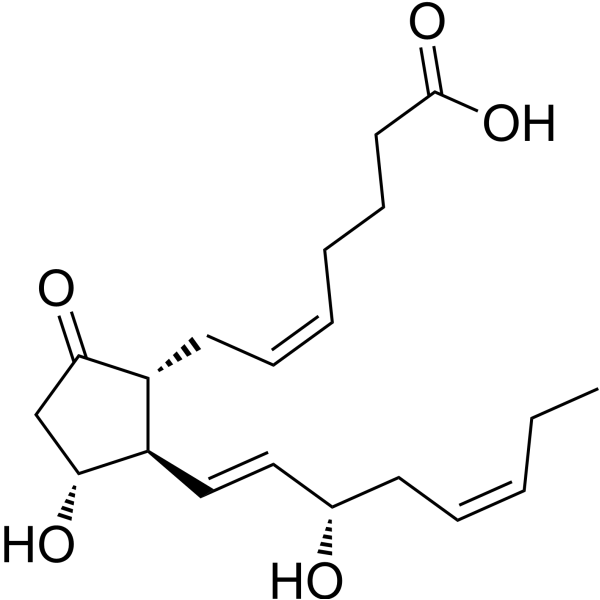
Prostaglandin E3 is an eicosanoid derived from eicosapentaenoic acid. Prostaglandin E3 inhibits polarization towards M1 but promotes polarization of M2a macrophages. Prostaglandin E3 shows anti-inflammatory and anti-tumor activity.
연구목적의 판매만을 진행합니다. 환자를 대상으로 한 판매는 하지 않습니다.
- Purity : 98.4%
- CAS No.: 802-31-3
- 화학식: C20H30O5
- 분자량:350.45
-
보관:
Solution, -20°C, 2 years

To place orders, for customer services and technical support, please contact: MedChemExpress USA
Tel: 609-228-6898 E-mail: [email protected] [email protected]


-
 Biological Activity
-
Chemical Information
- Protocol
- 순도&문서
- References
-
 Help & FAQs


-
HY-14648A
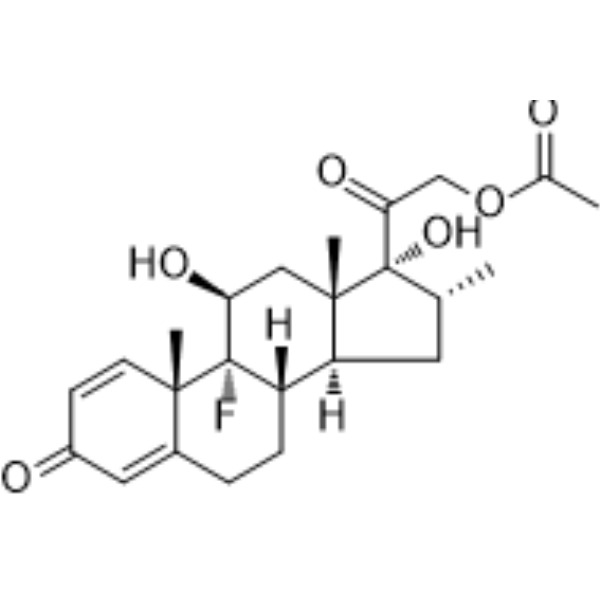
Dexamethasone acetateCorticosteroid Ester -
HY-B0336
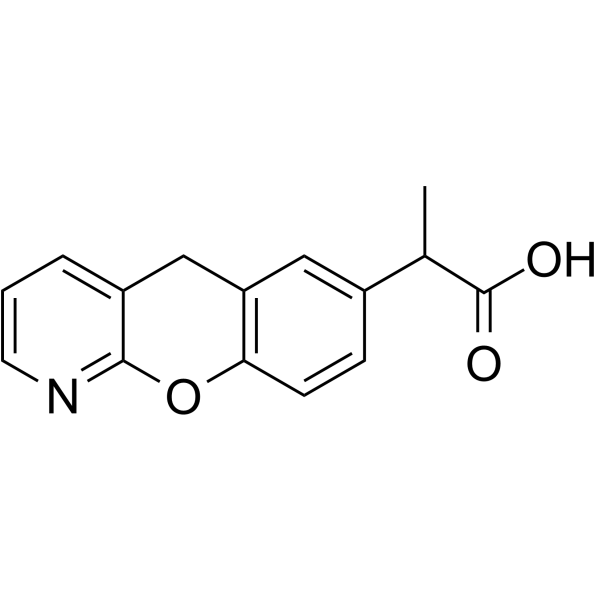
PranoprofenAnti-Inflammatory Agent -
HY-B0577
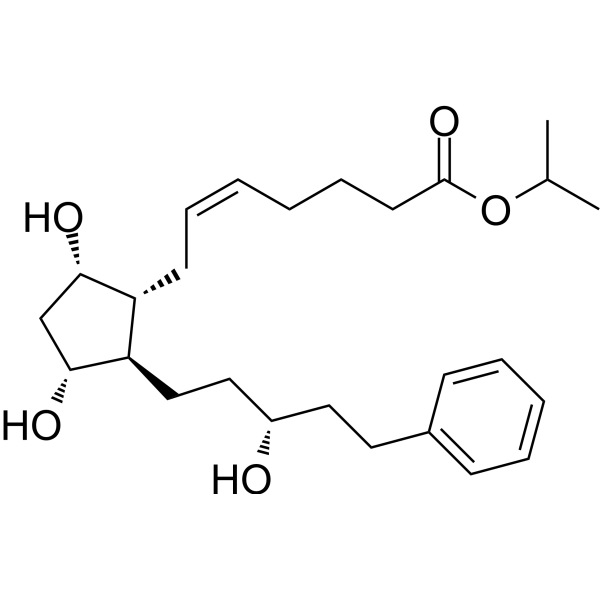
LatanoprostProstaglandin Receptor Agonist -
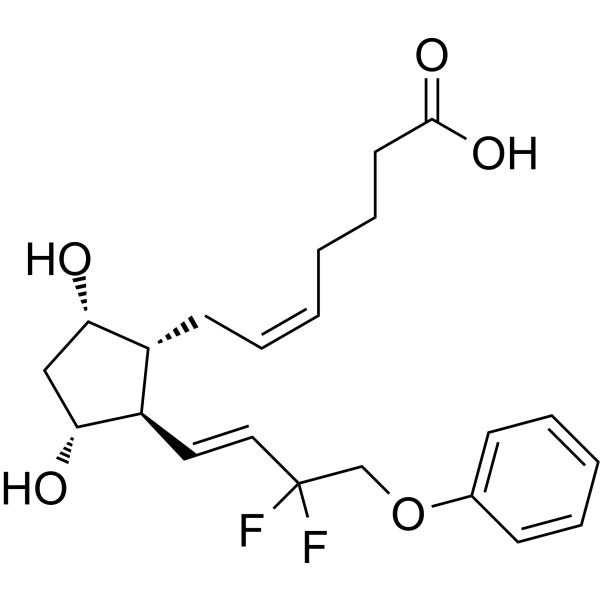
HY-B0601
Tafluprost acidFP Receptor Agonist -

HY-125774
Bimatoprost acidProstaglandin FP Receptor Agonist -
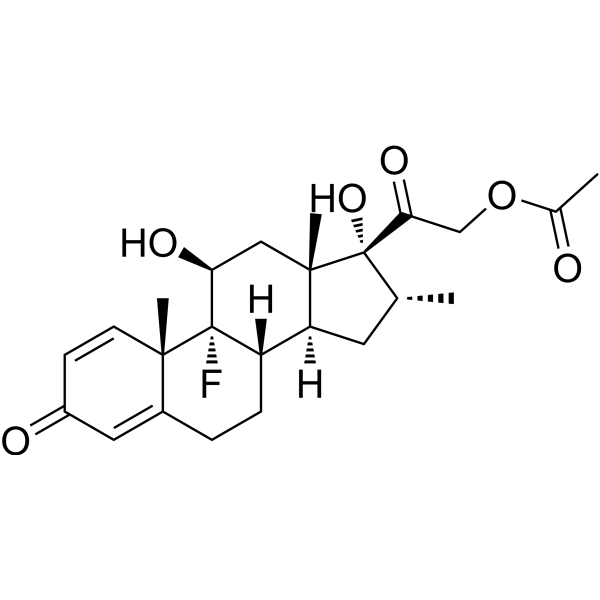
HY-14648AR
Dexamethasone acetate (Standard)Analytical Standard -
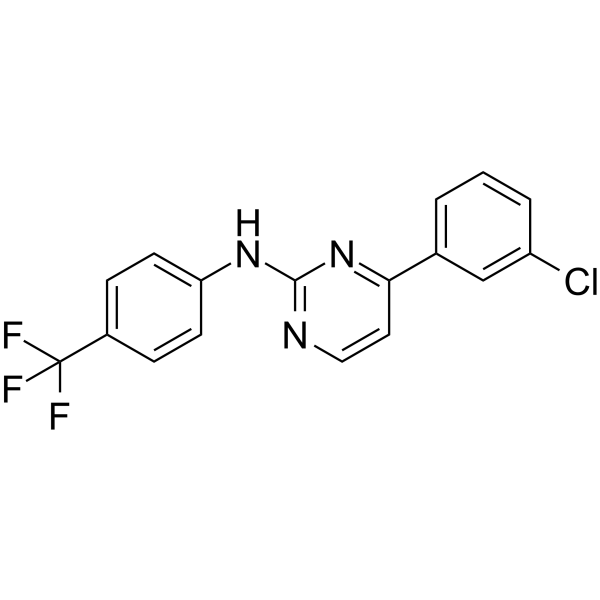
HY-135750
VAF347AhR Agonist -
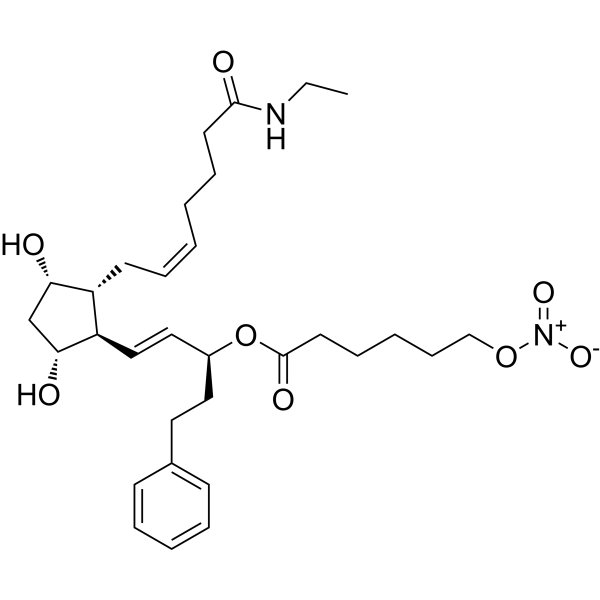
HY-139419
Bimatoprost grenodLower Intraocular Pressure Agent -
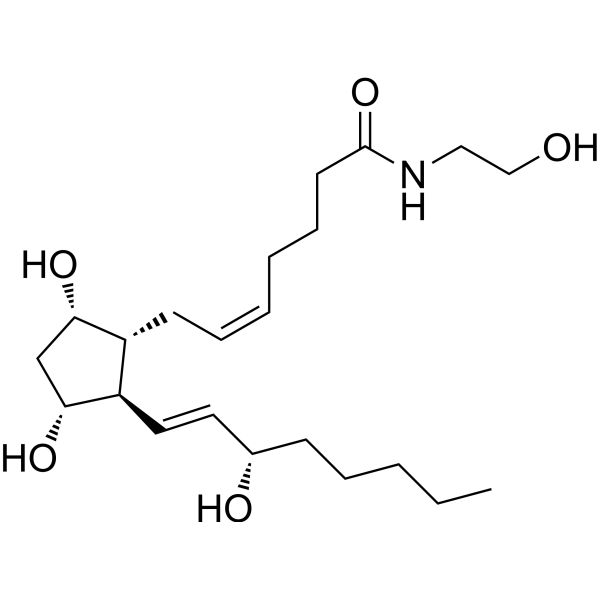
HY-130660
Prostaglandin F2α ethanolamideEndogenous Hormone -
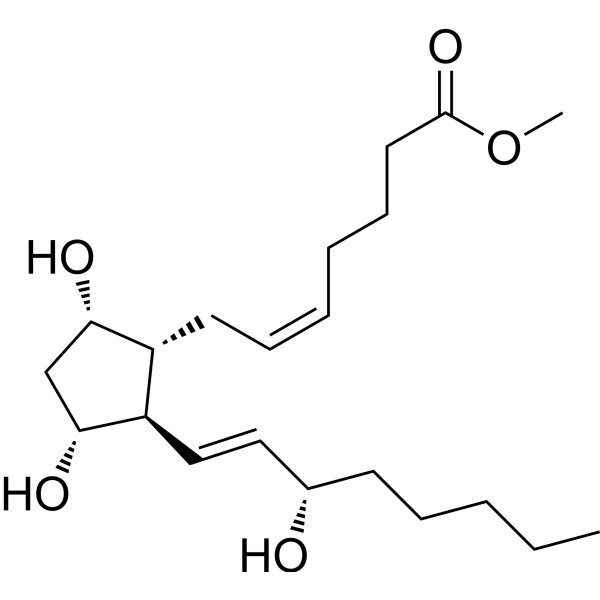
HY-118648
Prostaglandin F2α methyl esterIOP Lowering Agent -
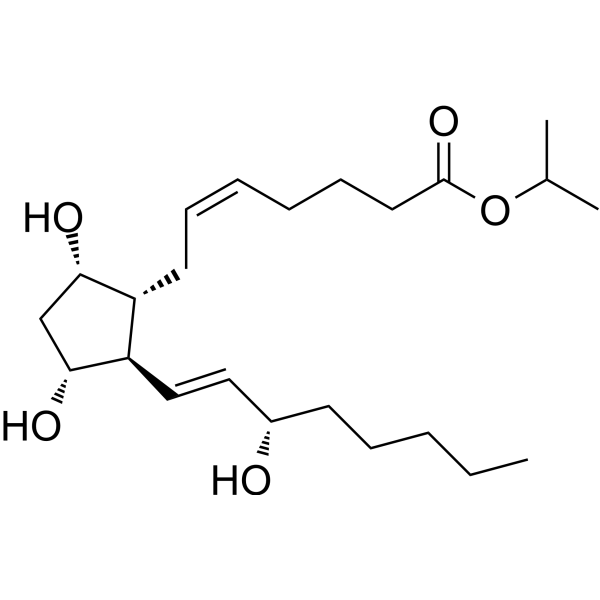
HY-106037
PGF2α-isopropyl esterIOP Reducing Agent -
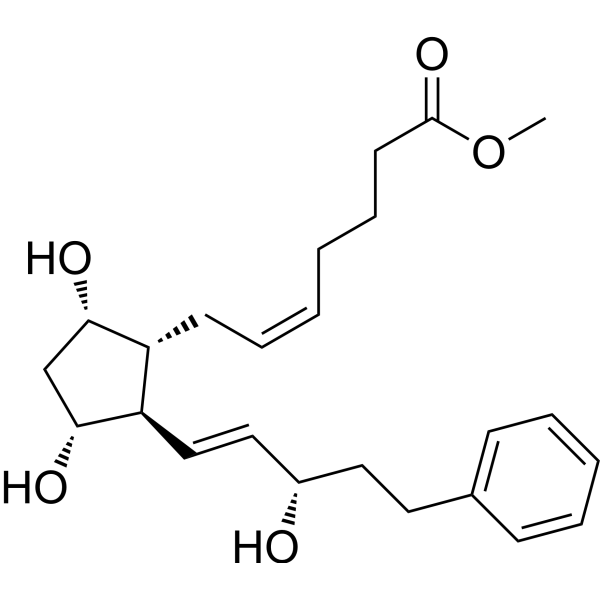
HY-B0191B
Bimatoprost methyl esterBimatoprost Prodrug


Biological Activity
제품 설명
In Vitro
Prostaglandin E3 (1-10000 nM) suppresses M1 and induces M2a marker expression in polarized macrophages[1].
MedChemExpress (MCE) has not independently confirmed the accuracy of these methods. They are for reference only.
In Vivo
Prostaglandin E3 (1 µmol/L; every 3 days for 4 weeks) shows anti-tumor activity by regulates macrophage polarization[1].
MedChemExpress (MCE) has not independently confirmed the accuracy of these methods. They are for reference only.
-
Animal Model:5 weeks, Nude mice (BABL/c) (PC3 xenograft model)[1]
-
Dosage:1 µmol/L for 50 µL
-
Administration:Injected next to the tumour, every 3 days for 4 weeks
-
Result:Decreased the weights of transplanted tumours, inhibits the expression of CD68 and CD206.
-
Animal Model:6-8-week-old C57BL6/J mice[1]
-
Dosage:LPS+ PGE3 (5 mg/kg + 1 µmol/L)
-
Administration:I.p.; once
-
Result:Significantly reduced MPMs with an M1-like phenotype and increased M2-like MPMs, inhibited inflammatory cytokine secretion in both the serum and MPM cell lysates.


Chemical Information
-
CAS No. 802-31-3
-
Appearance Liquid
-
분자량 350.45
-
화학식 C20H30O5
-
Color Colorless to light yellow
-
SMILES
CC/C=C\C[C@H](O)/C=C/[C@@H]1[C@H](C(C[C@H]1O)=O)C/C=C\CCCC(O)=O
-
선적
Room temperature in continental US; may vary elsewhere.
-
보관
Solution, -20°C, 2 years


순도&문서
-
Data Sheet (275 KB)
-
SDS (393 KB)
- English - EN (393 KB)
- Français - FR (393 KB)
- Deutsch - DE (393 KB)
- Norwegian - NO (393 KB)
- Español - ES (393 KB)
- Swedish - SV (393 KB)
- Italian - IT (393 KB)
- Korean - KR (393 KB)
- Portuguese - PT (393 KB)
-
Handling Instructions (2659 KB)
References

Calculators
Concentration (start) × Volume (start) = Concentration (final) × Volume (final)


Prostaglandin E3 Related Classifications
HY-113481 Related Classifications
 Powered by Bioz