



Cuprizone
Based on 5 publication(s) in Google Scholar
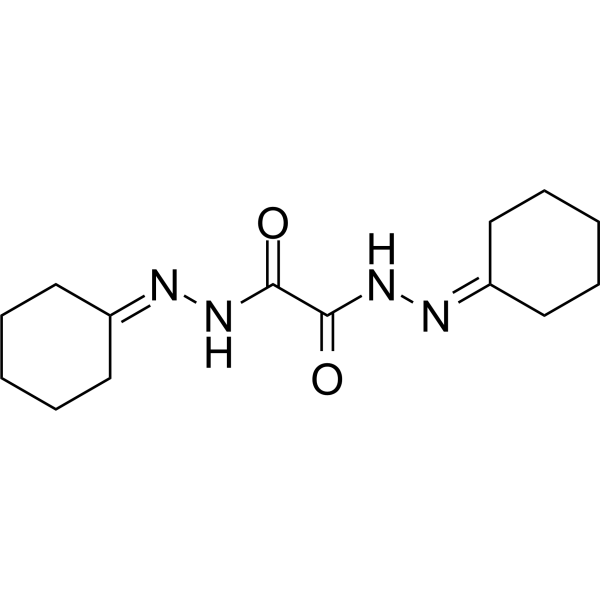
Cuprizone is a copper-chelating agent that induces selective mature oligodendrocyte apoptosis and robust demyelination in C57BL/6 mouse brain, widely used as a toxic animal model of multiple sclerosis (MS) for studying de-and remyelination mechanisms.
For research use only. We do not sell to patients.
- Purity : 99.61%
- CAS No.: 370-81-0
- Formula: C14H22N4O2
- Molecular Weight:278.36
-
Storage:Powder -20°C, 3 years , 4°C, 2 years ; In solvent -80°C, 6 months , -20°C, 1 month

To place orders, for customer services and technical support, please contact: MedChemExpress USA
Tel: 609-228-6898 E-mail: [email protected] [email protected]


-
 Biological Activity
-
Chemical Information
-
Solvent & Solubility
- Protocols
- Purity & Documentation
- References
-
 Help & FAQs


-
HY-14188
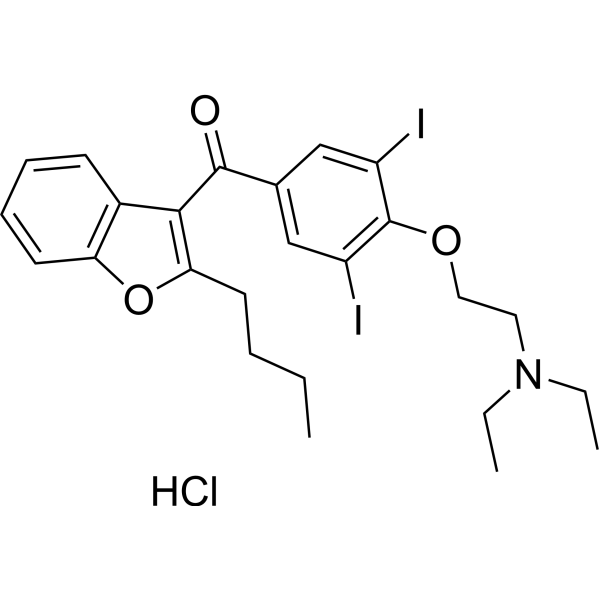
Amiodarone hydrochlorideAntiarrhythmic Agent -

HY-W115718R
Cuprizone (Standard)Reference Standard -
HY-B1368
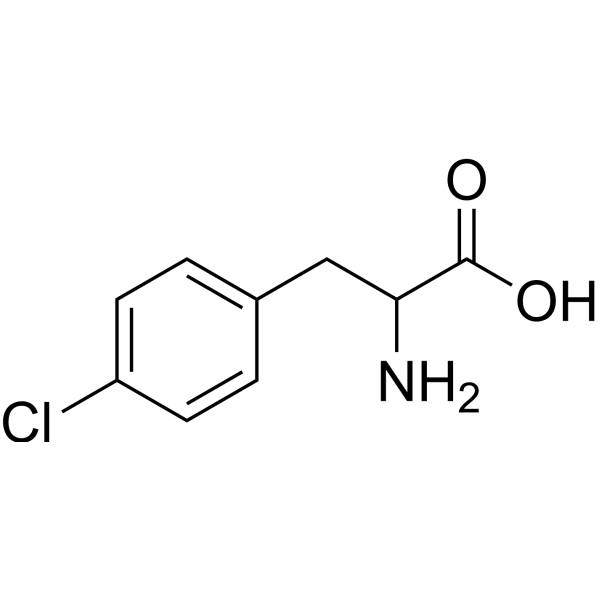
FenclonineTrp Hydroxylase Inhibitor -
HY-13289A
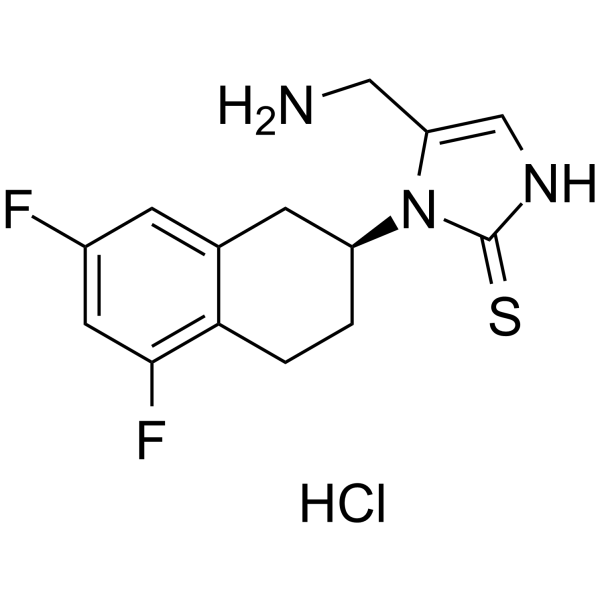
Nepicastat hydrochlorideDopamine β-Hydroxylase Inhibitor -
HY-W040144
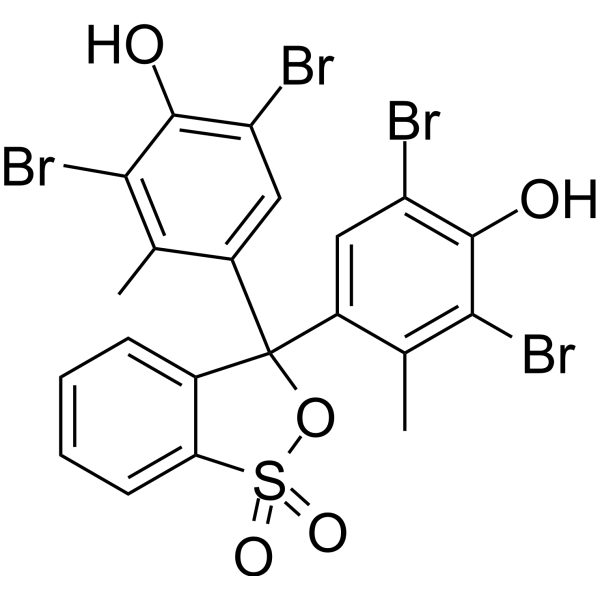
Bromocresol greenpH Indicator -

HY-D0221
2,4,6-Tri-2-pyridinyl-1,3,5-triazineIron Colorimetric Reagent -
HY-102065
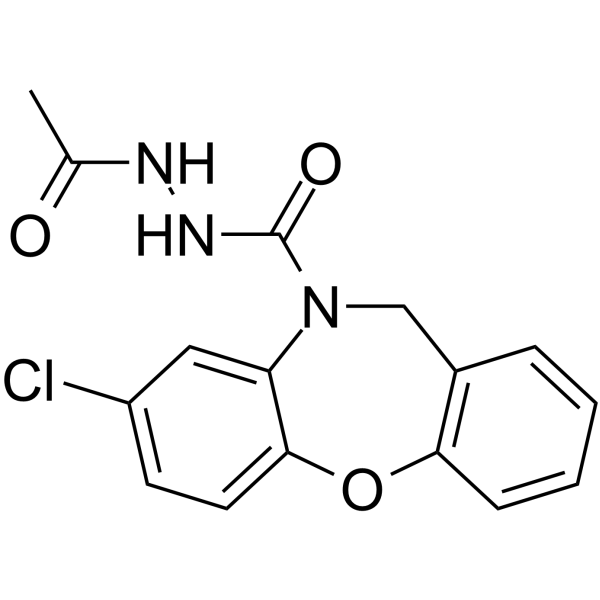
SC-19220EP1 Antagonist -
HY-W088069
Dipotassium hydrogen phosphate trihydratePharmaceutical Excipient -
HY-W010795
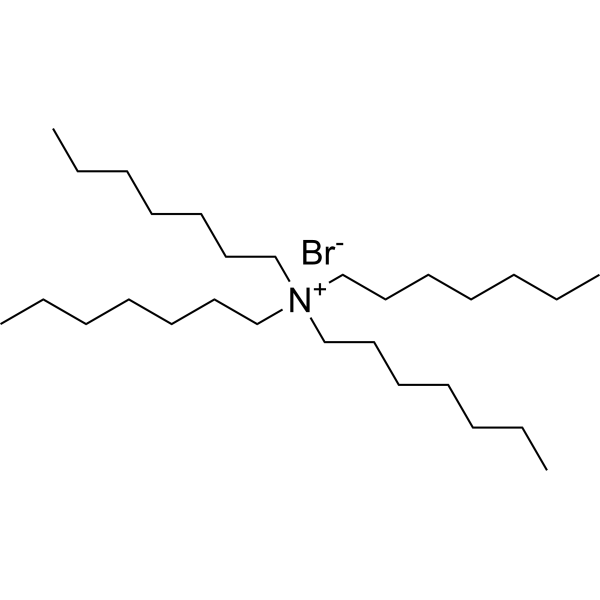
Tetraheptylammonium bromide (>98%,BC)Biochemical Assay Reagent
Publications Citing Use of MedChemExpress (MCE) Cuprizone
More Customer Validation & Images

-
WB

-
In Vivo Efficacy Study

-
WB

-
IF

-
Histological Imaging/Staining


Biological Activity
Description
In Vitro
MedChemExpress (MCE) has not independently confirmed the accuracy of these methods. They are for reference only.
Induced Disease Models
Please do not refer to only one article to determine the experimental conditions. It is recommended to determine the optimal experimental conditions (animal strain, age, dosage, frequency and cycle, detection time and indicators, etc.) through preliminary experiments before the formal experiment.
Administration: Cuprizone 0.2% (w/w) mixed into ground rodent chow, fed ad libitum for 5-6 weeks
(2) Control animals receive identical ground chow without cuprizone.
(3) Tissues are typically collected at week 5-6, when corpus callosum demyelination is maximal.
Histology analysis: Luxol Fast Blue (LFB) and MBP/PLP immunohistochemistry showing demyelination of corpus callosum, cingulate cortex, hippocampus and superior cerebellar peduncles; electron microscopy showing intramyelinic edema and megamitochondria.
Histology analysis: Behavioral readouts: motor dysfunction, cognitive deficits and altered locomotor activity on Rotarod, open-field, Morris water maze.
Administration: Cuprizone 0.2% (w/w) in ground chow, fed ad libitum continuously for 12 weeks
(2) Axonal loss and neuronal degeneration are more pronounced in aged C57BL/6 mice on this protocol.
Administration: Cuprizone 0.2% (w/w) in ground chow for 5-6 weeks, followed by normal (Cuprizone-free) chow for 4-6 weeks.
MedChemExpress (MCE) has not independently confirmed the accuracy of these methods. They are for reference only.


Chemical Information
-
CAS No. 370-81-0
-
Appearance Solid
-
Molecular Weight 278.36
-
Formula C14H22N4O2
-
Color White to off-white
-
SMILES
O=C(C(N/N=C1CCCCC\1)=O)N/N=C2CCCCC/2
-
Synonyms
CPZ
-
Shipping
Room temperature in continental US; may vary elsewhere.
-
Storage
Powder -20°C 3 years 4°C 2 years In solvent -80°C 6 months -20°C 1 month


Publications (5)
-
Journal Impact Factor
-
Most Recent
-
J Nanobiotechnology
Eriodictyol-cisplatin coated nanomedicine synergistically promote osteosarcoma cells ferroptosis and chemosensitivity. [Abstract]2025 Feb 14;23(1):109. PMID: 39953537 -
Pharmacol Res
Plumbagin ameliorates multiple sclerosis by inducing DDX3X-mediated stress granule assembly in mice. [Abstract]2026 Jul:229:108257. PMID: 42167385 -
Acta Pharmacol Sin
Activation of TRPV1 receptor facilitates myelin repair following demyelination via the regulation of microglial function. [Abstract]2023 Apr;44(4):766-779. PMID: 36229601
Cuprizone purchased from MedChemExpress. Usage Cited in: Acta Pharmacol Sin. 2023 Apr;44(4):766-779. [Abstract]
Cuprizone (CPZ) (0.3%; p.o.; 5 weeks) increased the expression of TRPV1 protein in the corpus callosum of C57BL/6 mice.
Cuprizone purchased from MedChemExpress. Usage Cited in: Acta Pharmacol Sin. 2023 Apr;44(4):766-779. [Abstract]
Cuprizone (CPZ) (0.3%; p.o.; 5 weeks) caused significant body weight loss in C57BL/6 and Trpv1-/- mice.
Cuprizone purchased from MedChemExpress. Usage Cited in: Acta Pharmacol Sin. 2023 Apr;44(4):766-779. [Abstract]
Cuprizone (CPZ) (0.3%; p.o.; 5 weeks) significantly decreased the protein levels of MBP in the corpus callosum of Trpv1-/- mice.
Cuprizone purchased from MedChemExpress. Usage Cited in: Acta Pharmacol Sin. 2023 Apr;44(4):766-779. [Abstract]
Representative immunofluorescent images of MBP staining in the corpus callosum of Trpv1-/- mice treated with Cuprizone (CPZ) (0.3%; p.o.; 5 weeks).
Cuprizone purchased from MedChemExpress. Usage Cited in: Acta Pharmacol Sin. 2023 Apr;44(4):766-779. [Abstract]
Cuprizone (CPZ) (0.3%; p.o.; 5 weeks) significantly decreased myelinated axons in C57BL/6 and Trpv1-/- mice.
-
Mol Med
CYFIP1 coordinate with RNMT to induce osteosarcoma cuproptosis via AURKAIP1 m7G modification. [Abstract]2025 Feb 21;31(1):74. PMID: 39984834 -


Solvent & Solubility
In Vitro:
DMSO : 6.67 mg/mL (23.96 mM; ultrasonic and warming and heat to 60°C; Hygroscopic DMSO has a significant impact on the solubility of product, please use newly opened DMSO)
Please refer to the solubility information to select the appropriate solvent. Once prepared, please aliquot and store the solution to prevent product inactivation from repeated freeze-thaw cycles.
Storage method and period of stock solution: -80°C, 6 months; -20°C, 1 month. When stored at -80°C, please use it within 6 months. When stored at -20°C, please use it within 1 month.
Concentration (start) × Volume (start) = Concentration (final) × Volume (final)
In Vivo:
Select the appropriate dissolution method based on your experimental animal and administration route.
- For the following dissolution methods, please ensure to first prepare a clear stock solution using an In Vitro approach and then sequentially add co-solvents:
- To ensure reliable experimental results, the clarified stock solution can be appropriately stored based on storage conditions. As for the working solution for In Vivo experiments, it is recommended to prepare freshly and use it on the same day.
- The percentages shown for the solvents indicate their volumetric ratio in the final prepared solution. If precipitation or phase separation occurs during preparation, heat and/or sonication can be used to aid dissolution.
Add each solvent one by one: 10% DMSO 90% (20% SBE-β-CD in Saline)
Solubility: ≥ 0.67 mg/mL (2.41 mM); Clear solution
This protocol yields a clear solution of ≥ 0.67 mg/mL (saturation unknown).
Taking 1 mL working solution as an example, add 100 μL DMSO stock solution (6.7 mg/mL) to 900 μL 20% SBE-β-CD in Saline, and mix evenly.
Preparation of 20% SBE-β-CD in Saline (4°C, storage for one week): 2 g SBE-β-CD powder is dissolved in 10 mL Saline, completely dissolve until clear.
In Vivo Dissolution Calculator
Please enter the basic information of animal experiments:
-
-
-
-
Recommended: Prepare an additional quantity of animals to account for potential losses during experiments.
Please enter your animal formula composition:
-
%DMSO +
Recommended: Keep the proportion of DMSO in working solution below 2% if your animal is weak.
-
%+
-
+%Tween-80 + +
-
%Saline +
The co-solvents required include: DMSO, . All of co-solvents are available by MedChemExpress (MCE). , Tween 80. All of co-solvents are available by MedChemExpress (MCE).
Working solution concentration: 0.22 mg/mL
Method for preparing stock solution: mg drug dissolved in μL DMSO. Stock solution concentration: mg/mL.
1. Take μL DMSO stock solution;
2. Add μL .
μL , mix evenly;
3. Then add μL Tween 80, mix evenly;
4. Then add μL
Please ensure that the stock solution in the first step is dissolved to a clear state, and add co-solvents in sequence. You can use ultrasonic heating (ultrasonic cleaner, recommended frequency 20-40 kHz), vortexing, etc. to assist dissolution.


Purity & Documentation
-
Data Sheet (291 KB)
-
SDS (761 KB)
- English - EN (761 KB)
- Français - FR (761 KB)
- Deutsch - DE (761 KB)
- Norwegian - NO (761 KB)
- Español - ES (761 KB)
- Swedish - SV (761 KB)
- Italian - IT (761 KB)
- Korean - KR (761 KB)
- Portuguese - PT (761 KB)
-
Handling Instructions (2659 KB)
References
[1]. Vega-Riquer JM, et al. Five Decades of Cuprizone, an Updated Model to Replicate Demyelinating Diseases. Curr Neuropharmacol. 2019;17(2):129-141. [Content Brief]
[2]. Zirngibl M, et al. Oligodendrocyte death and myelin loss in the cuprizone model: an updated overview of the intrinsic and extrinsic causes of cuprizone demyelination. Mol Neurodegener. 2022 May 7;17(1):34. [Content Brief]
[3]. Kipp M, et al. The cuprizone animal model: new insights into an old story. Acta Neuropathol. 2009 Dec;118(6):723-36. [Content Brief]
[5]. Goldberg J, et al. Anatomical Distribution of Cuprizone-Induced Lesions in C57BL6 Mice. J Mol Neurosci. 2015 Oct;57(2):166-75. [Content Brief]
[6]. Benetti F, et al. Cuprizone neurotoxicity, copper deficiency and neurodegeneration. Neurotoxicology. 2010 Sep;31(5):509-17. [Content Brief]
[7]. Zatta P, et al. Copper and zinc dismetabolism in the mouse brain upon chronic cuprizone treatment. Cell Mol Life Sci. 2005 Jul;62(13):1502-13. [Content Brief]
[9]. Matsushima GK, et al. The neurotoxicant, cuprizone, as a model to study demyelination and remyelination in the central nervous system. Brain Pathol. 2001 Jan;11(1):107-16. [Content Brief]
[10]. Zhan J, et al. The Cuprizone Model: Dos and Do Nots. Cells. 2020 Mar 31;9(4):843. [Content Brief]
[11]. Praet J, et al. Cellular and molecular neuropathology of the cuprizone mouse model: clinical relevance for multiple sclerosis. Neurosci Biobehav Rev. 2014 Nov;47:485-505. [Content Brief]


Complete Stock Solution Preparation Table
Please refer to the solubility information to select the appropriate solvent. Once prepared, please aliquot and store the solution to prevent product inactivation from repeated freeze-thaw cycles.
Storage method and period of stock solution: -80°C, 6 months; -20°C, 1 month. When stored at -80°C, please use it within 6 months. When stored at -20°C, please use it within 1 month.
| Optional Solvent | Concentration Solvent Mass | 1 mg | 5 mg | 10 mg | 25 mg |
|---|---|---|---|---|---|
| DMSO | 1 mM | 3.5925 mL | 17.9624 mL | 35.9247 mL | 89.8118 mL |
| 5 mM | 0.7185 mL | 3.5925 mL | 7.1849 mL | 17.9624 mL | |
| 10 mM | 0.3592 mL | 1.7962 mL | 3.5925 mL | 8.9812 mL | |
| 15 mM | 0.2395 mL | 1.1975 mL | 2.3950 mL | 5.9875 mL | |
| 20 mM | 0.1796 mL | 0.8981 mL | 1.7962 mL | 4.4906 mL |


Cuprizone Related Classifications
HY-W115718 Related Classifications
 Powered by Bioz
Keywords