



Nintedanib (Standard)

Based on 1 Customer Validation
Nintedanib (Standard) is the analytical standard of Nintedanib. This product is intended for research and analytical applications. Nintedanib (BIBF 1120) is a potent triple angiokinase inhibitor for VEGFR1/2/3, FGFR1/2/3 and PDGFRα/β with IC50s of 34 nM/13 nM/13 nM, 69 nM/37 nM/108 nM and 59 nM/65 nM, respectively.
Para uso exclusivo en investigación. No vendemos a pacientes.
- Pureza : 99.56%
- No. CAS: 656247-17-5
- Fòrmula: C31H33N5O4
- Peso molecular:539.62
-
Almacenamiento:
Please store the product under the recommended conditions in the Certificate of Analysis.


To place orders, for customer services and technical support, please contact: MedChemExpress USA
Tel: 609-228-6898 E-mail: [email protected] [email protected]


-
 Product Information
-
Chemical Information
- Pureza y Documentación
-
 Help & FAQs


-
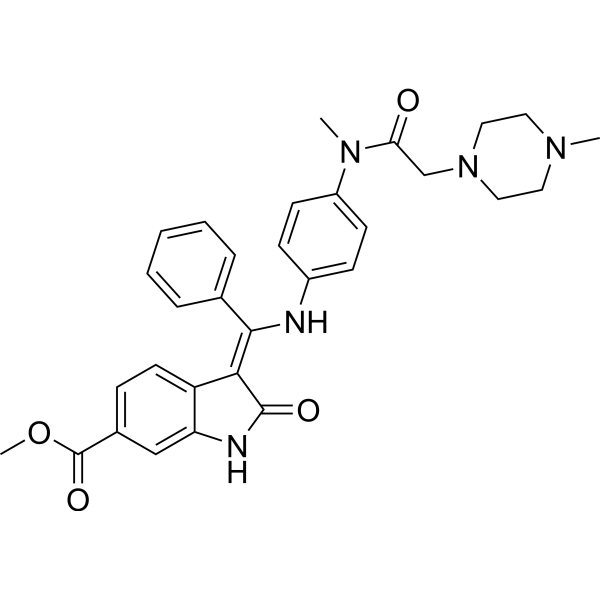
HY-50904
NintedanibPDGFR/VEGFR/FGFR Inhibitor -
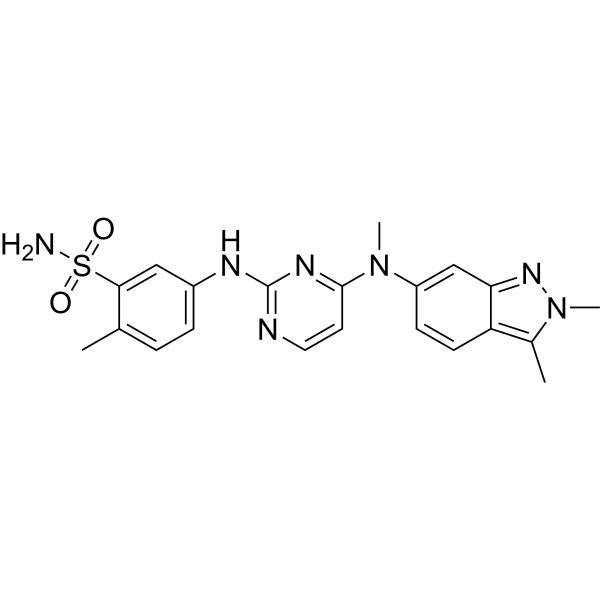
HY-10208
PazopanibVEGFR Inhibitor -
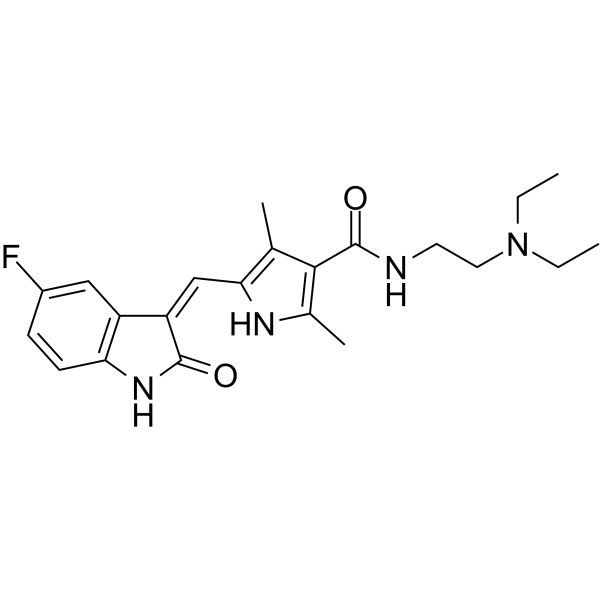
HY-10255A
SunitinibMulti-targeted RTK Inhibitor -
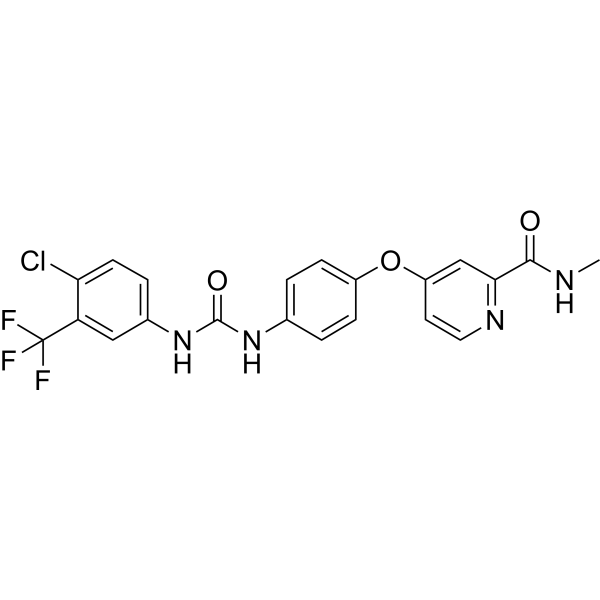
HY-10201
SorafenibMultikinase Inhibitor -
HY-11106
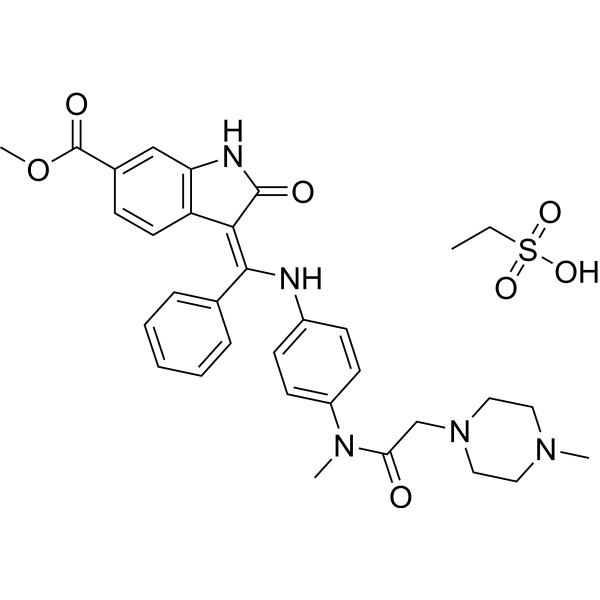
Nintedanib esylatePDGFR/VEGFR/FGFR Inhibitor -
HY-10331
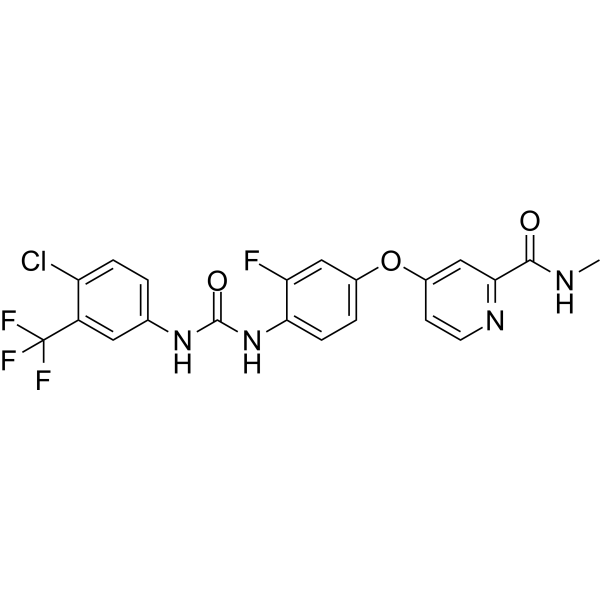
RegorafenibMulti-kinase Inhibitor -
HY-13016
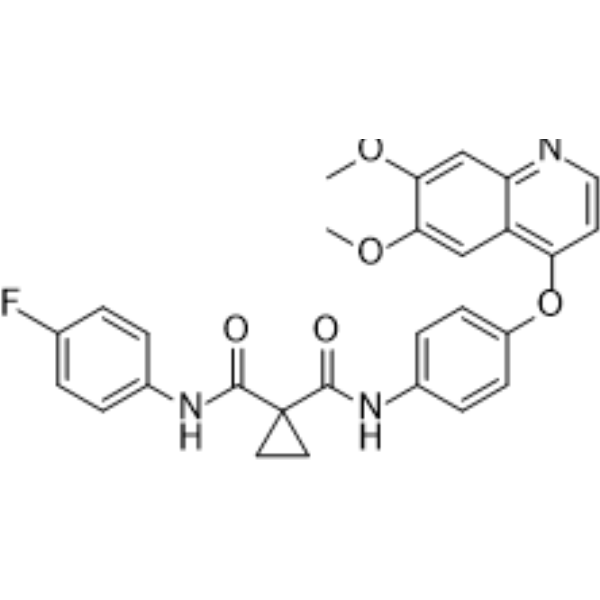
CabozantinibVEGFR2/MET Inhibitor -
HY-10407
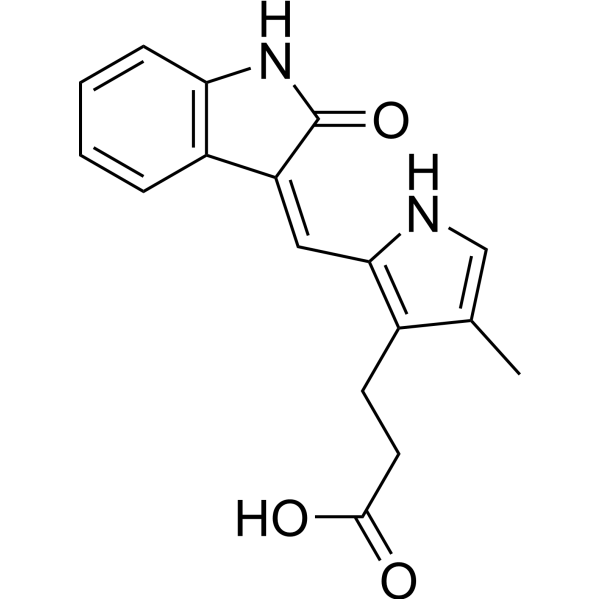
SU 5402Tyrosine Kinase Inhibitor -
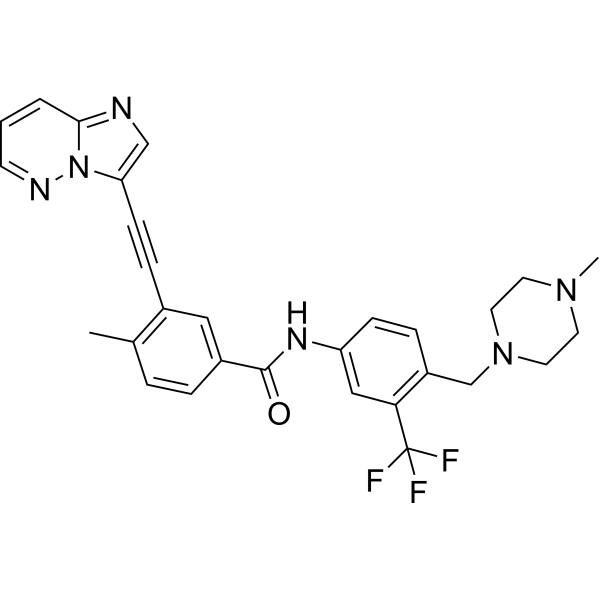
HY-12047
PonatinibMulti-targeted Kinase Inhibitor -
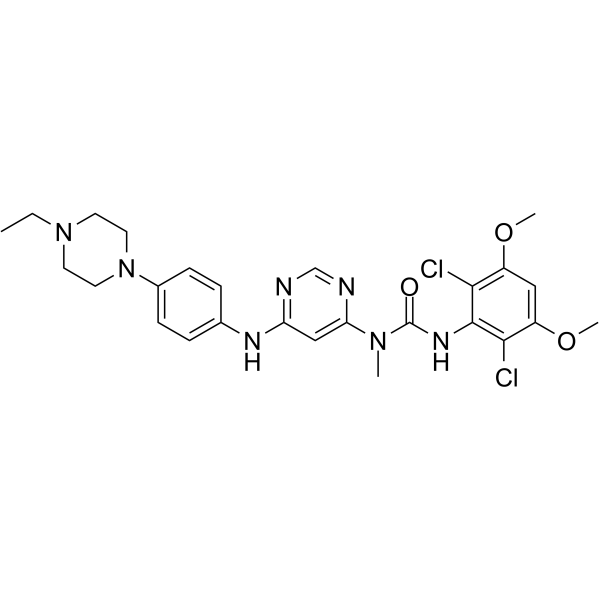
HY-13311
InfigratinibFGFR Inhibitor -
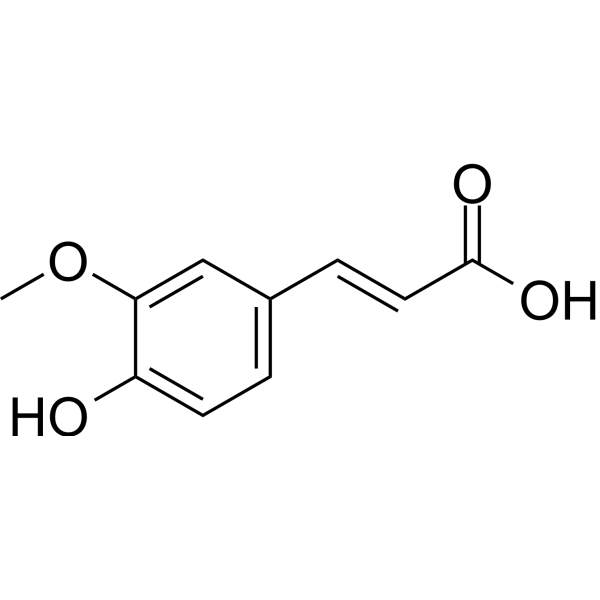
HY-N0060
Ferulic acidFGFR1 Inhibitor -
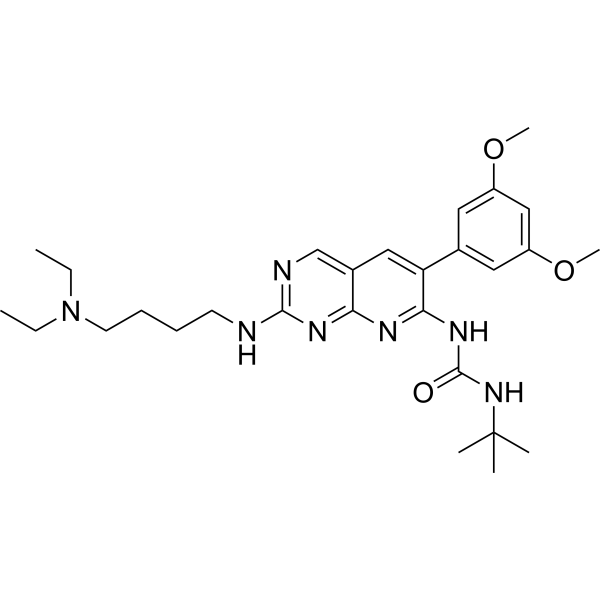
HY-10321
PD173074FGFR1 Inhibitor


Product Information
Information
Aplicación
The compound is the grade of analytical standard, which is the reference standard supplied assay. It is commonly used in qualitative, quantitative and methodological research experiments in HPLC, GC and MS.


Chemical Information
-
No. CAS 656247-17-5
-
Appearance Solid
-
Peso molecular 539.62
-
Fòrmula C31H33N5O4
-
Color Light yellow to yellow
-
SMILES
O=C1NC2=CC(C(OC)=O)=CC=C2/C1=C(NC3=CC=C(N(C(CN4CCN(C)CC4)=O)C)C=C3)\C5=CC=CC=C5
-
Synonyms
BIBF 1120 (Standard)
-
Envío
Room temperature in continental US; may vary elsewhere.
-
Almacenamiento
Please store the product under the recommended conditions in the Certificate of Analysis.


Pureza y Documentación
-
SDS (805 KB)
- English - EN (805 KB)
- Français - FR (805 KB)
- Deutsch - DE (805 KB)
- Norwegian - NO (805 KB)
- Español - ES (805 KB)
- Swedish - SV (805 KB)
- Italian - IT (805 KB)
- Korean - KR (805 KB)
- Portuguese - PT (805 KB)
-
Instrucciones de manejo (2659 KB)
Referencias
[1]. Hilberg F, et al. BIBF 1120: triple angiokinase inhibitor with sustained receptor blockade and good antitumor efficacy. Cancer Res, 2008, 68(12), 4774-4782. [Content Brief]
[2]. Roth GJ, et al. Design, synthesis, and evaluation of indolinones as triple angiokinase inhibitors and the discovery of a highly specific 6-methoxycarbonyl-substituted indolinone (BIBF 1120). J Med Chem, 2009, 52(14), 4466-4480. [Content Brief]

Calculators
Concentration (start) × Volume (start) = Concentration (final) × Volume (final)


Nintedanib (Standard) Related Classifications
HY-50904R Related Classifications
 Powered by Bioz