
87 Results for "

endogenous compounds

" in MedChemExpress (MCE) Product Catalog:
Products (87)

87 Results for "endogenous compounds" in MCE Product Catalog:

5
5 Cited Publications
Cat. No.: HY-100560
CAS No.: 21293-29-8
Purity:  99.64%
Synonyms: (S)​-​(+)​-​Abscisic acid; ABA
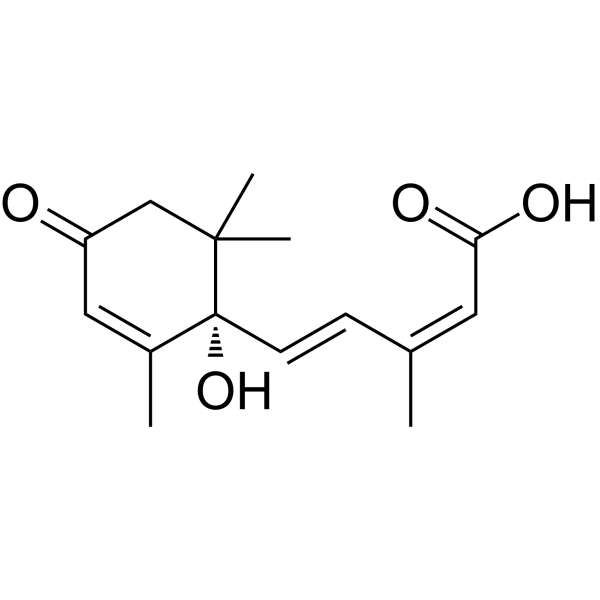
Abscisic acid ((S)-(+)-Abscisic acid), an orally active phytohormone in fruits and vegetables, is an endogenously produced mammalian hormone. Abscisic acid is a growth inhibitor and can regulate many aspects of plant growth and development. Abscisic acid inhibits proton pump (H +-ATPase) and leads to the plasma membrane depolarization in a Ca 2+-dependent manner. Abscisic acid, a LANCL2 natural ligand, is a potent insulin-sensitizing compound and has the potential for pre-diabetes, type 2 diabetes and metabolic syndrome .
loading...
    loading...
5
5 Cited Publications
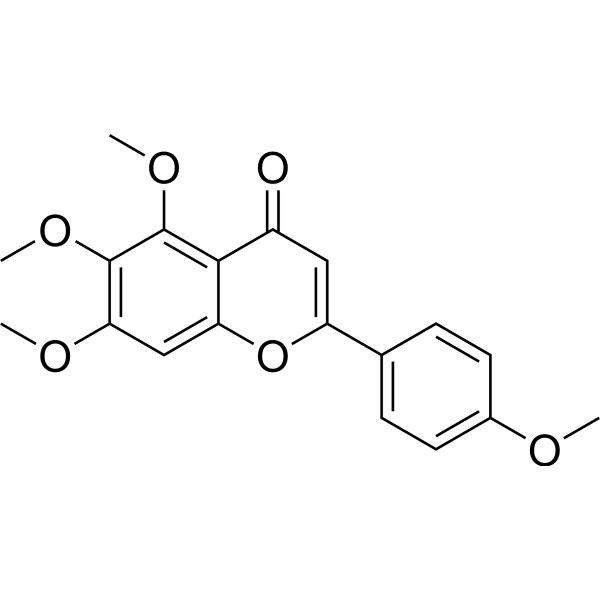
Cat. No.: HY-N4314
CAS No.: 1168-42-9
Synonyms: 4',5,6,7-Tetramethoxyflavone
Scutellarein tetramethyl ether (4',5,6,7-Tetramethoxyflavone) is a bioactive compound extracted from Eupatorium odoratum. Scutellarein tetramethyl ether exhibits anti-inflammatory, antibacterial, pro-coagulant, and anti-tumor activities. Scutellarein tetramethyl ether exerts its anti-inflammatory effects by modulating the NF-κB pathway and regulates bacterial resistance through the inhibition of efflux pumps. Additionally, Scutellarein tetramethyl ether accelerates coagulation time via the endogenous coagulation pathway. Studies have shown that Scutellarein tetramethyl ether can effectively inhibit the growth of the liver cancer cell line HepG2 (IC50= 20.08 μg/mL) .
loading...
    loading...
3
3 Cited Publications
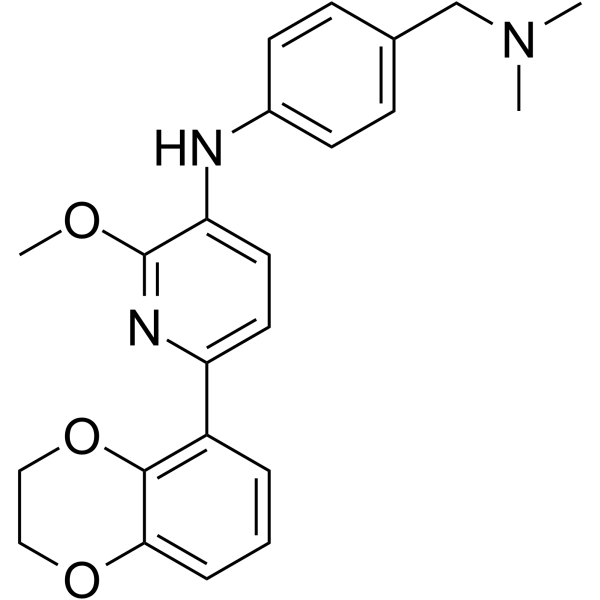
Cat. No.: HY-122862
CAS No.: 2351843-48-4
Purity:  99.57%
Target:  

Ras

Research Areas:  

Cancer

RAS inhibitor Abd-7, a potent RAS-binding compound (Kd=51 nM), is a RAS-effector protein-protein interaction (PPI) inhibitor. RAS inhibitor Abd-7 interacts with RAS inside the cells, prevents RAS-effector interactions and inhibits endogenous RAS-dependent signaling. RAS inhibitor Abd-7 impairs the PPI of various mutant KRAS proteins with PI3K, CRAF and RALGDS as well as NRAS Q61H and HRAS G12V .
loading...
    loading...
2
2 Cited Publications
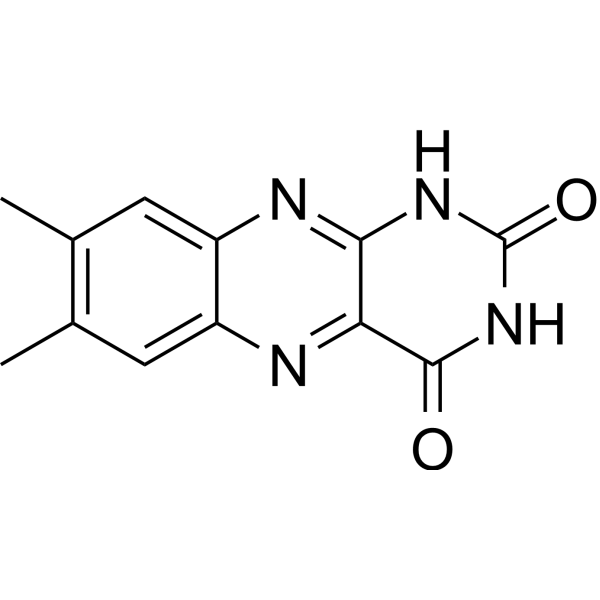
Cat. No.: HY-115385
CAS No.: 1086-80-2
Purity:  99.72%
Lumichrome, a photodegradation product of Riboflavin, is an endogenous compound in humans. Lumichrome inhibits human lung cancer cell growth and induces apoptosis via a p53-dependent mechanism. Lumichrom is the inhibitor for AKT/β-catenin signaling pathway .
loading...
    loading...
1
1 Cited Publications
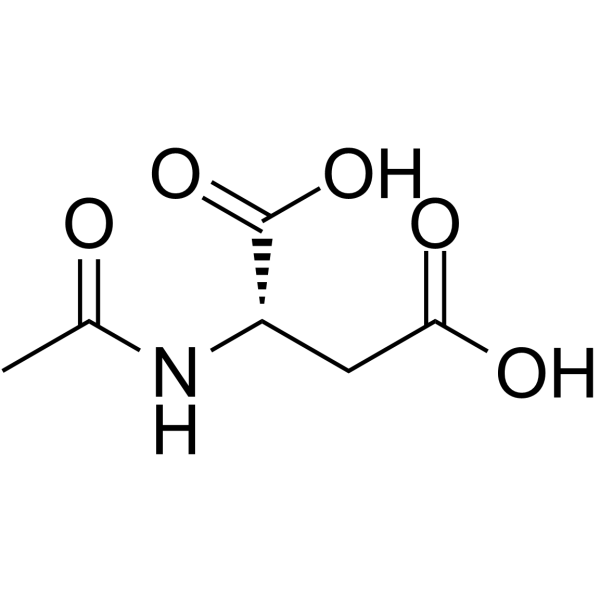
Cat. No.: HY-113524
CAS No.: 997-55-7
Purity:  99.45%
N-Acetyl-L-aspartic acid is a derivative of Aspartic acid (HY-N0666) and endogenous compound. N-Acetyl-L-aspartic acid acts as an acetyl donor. N-Acetyl-L-aspartic acid is involved in brain metabolism. N-Acetyl-L-aspartic acid is used in the research of neurodegenerative diseases (such as Canavan disease) .
loading...
    loading...
1
1 Cited Publications
Cat. No.: HY-113437A
CAS No.: 169051-60-9
Purity:  ≥98.0%
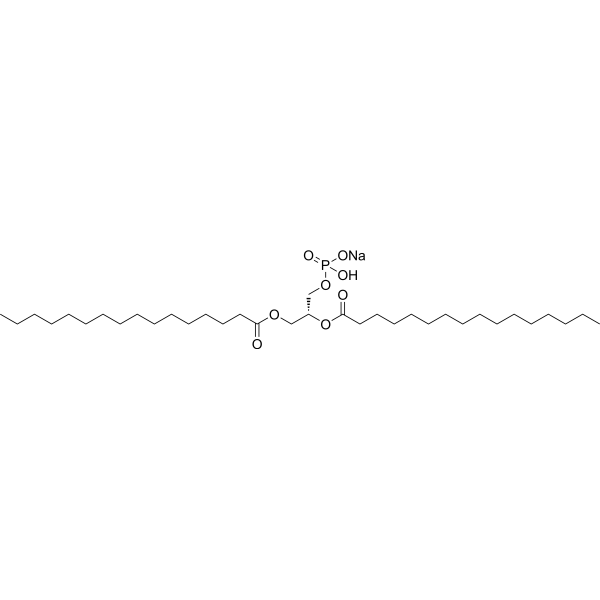
1,2-Dipalmitoyl-sn-glycerol 3-phosphate sodium (compound 3-F7) is a phosphatidic acid and a human endogenous metabolite . It is used in the generation of micelles, liposomes, and artificial membranes.
loading...
    loading...
Cat. No.: HY-20685
CAS No.: 544-31-0
Synonyms: Palmidrol; Loramine P 256
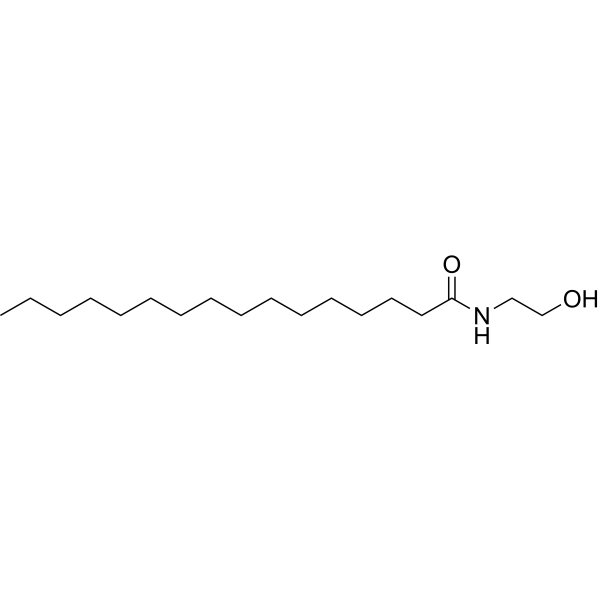
Palmitoylethanolamide (Palmidrol) is an active endogenous compound which can used for preventing virus infection of the respiratory tract.
loading...
    loading...
Cat. No.: HY-W011819
CAS No.: 821-38-5
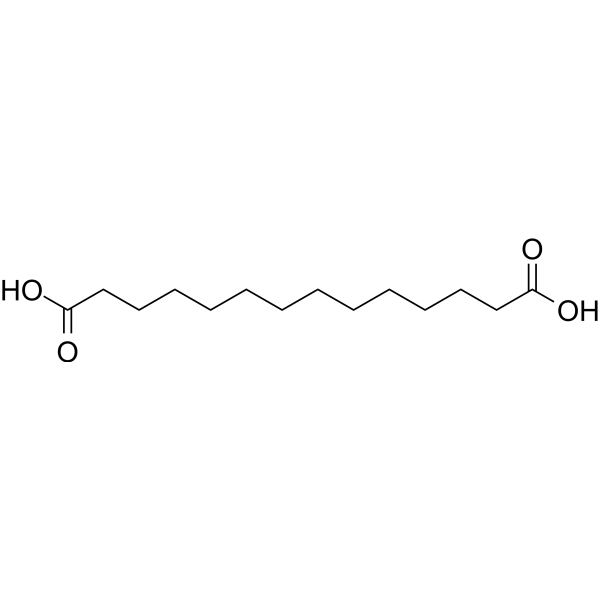
Tetradecanedioic acid is an endogenous metabolite and belongs to the class of organic compounds known as long-chain fatty acids. Tetradecanedioic acid is an endogenous biomarker for assessing the activity of organic anion transporting polypeptides (OATPs) .
loading...
    loading...
Cat. No.: HY-150097
Purity:  ≥99.0%
Recombinant Human Serum Albumin (rHSA) is a non-glycosylated monomeric plasma protein that acts as a core factor for maintaining plasma colloid osmotic pressure. Recombinant Human Serum Albumin (rHSA) possesses multiple physiological functions including carrier, metabolic regulation, detoxification, antioxidation and enzyme mimicking. Recombinant Human Serum Albumin (rHSA) not only scavenges reactive oxygen and nitrogen species via specific residues and binds a variety of endogenous and exogenous compounds to maintain redox homeostasis, but also serves as a biomarker for multiple diseases such as cancer and inflammation. Recombinant Human Serum Albumin (rHSA) broadly supports the development of implantable materials, surgical adhesives and ligand capture, and can be used for research on critical illnesses including hypovolemia, liver failure, severe sepsis and various types of trauma resuscitation .
loading...
    loading...
Cat. No.: HY-W010435
CAS No.: 110-93-0
Synonyms: 6-Methyl-5-hepten-2-one
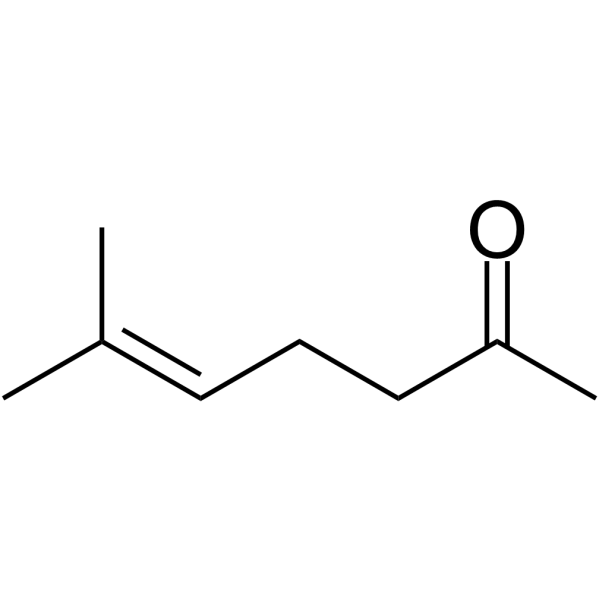
Sulcatone (6-Methyl-5-hepten-2-one) is a plant-derived volatile organic compound with activities such as insecticidal, antifungal, and blood pressure-lowering effects. Sulcatone also serves as an insect pheromone and an endogenous metabolite, which can be found in feces. Changes in Sulcatone levels can be used for the auxiliary diagnosis of ulcerative colitis .
loading...
    loading...
Cat. No.: HY-W089800
CAS No.: 18829-56-6
Synonyms: trans-2-Nonen-1-al
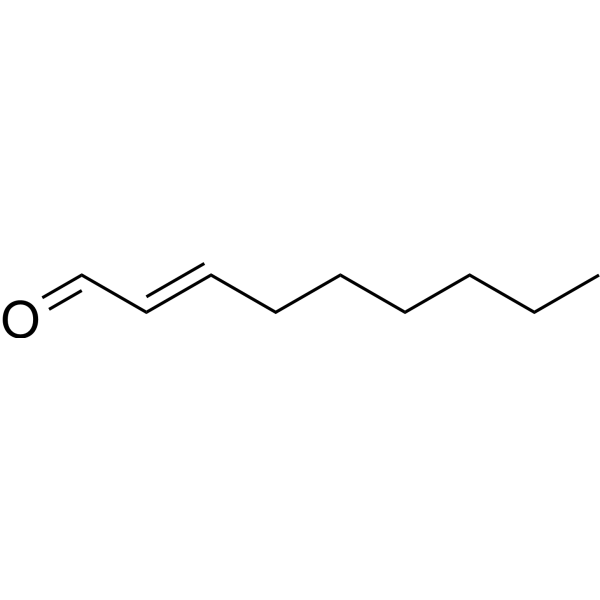
trans-2-Nonenal (trans-2-Nonen-1-al) is an endogenous peroxidation product of polyunsaturated fatty acids, acting as an inhibitor of COX and 12-LOX, as well as an inducer of apoptosis. trans-2-Nonenal is also a malodorous compound secreted by the human body, and its content gradually increases with aging. trans-2-Nonenal inhibits the activities of multiple enzymes such as platelet membrane-bound PTPase, preferentially covalently modifies proteins at lysine residues to form immunogenic adducts, and regulates platelet Arachidonic acid (HY-109590) metabolism. trans-2-Nonenal also exhibits significant cytotoxicity, reduces the viability of keratinocytes, promotes their apoptosis, and effectively decreases the thickness of epidermal models and the number of proliferating cells. trans-2-Nonenal is commonly used in studies of thrombotic, atherosclerotic diseases, renal adenocarcinoma, etc. .
loading...
    loading...
Cat. No.: HY-112624K
CAS No.: 9004-54-0
Synonyms: Dextran 5; Dextran D5; Dextran T5(MW 4500-5500)
Dextran T5 (MW 5,000) is a sulfated polysaccharide anti-apoptotic and autophagic agent. Dextran T5 (MW 5,000) has sulfated groups and interacts with cell membranes by mimicking endogenous glycosaminoglycans, inhibiting the mitochondrial apoptotic pathway and delaying DNA fragmentation to exert anti-apoptotic activity. Dextran T5 (MW 5,000) also promotes the conversion of LC3-I to LC3-II and the formation of autophagosomes to activate the autophagic pathway. Dextran T5 (MW 5,000) can prolong the survival cycle of CHO cells and increase the production of recombinant erythropoietin (EPO). The Dextran series of compounds are also natural polysaccharide drug carriers that can be connected to drugs through covalent bonding methods such as ester bonds, amide bonds or click chemistry, or self-assembled to form carriers such as nanoparticles and hydrogels. Dextran is biodegradable and biocompatible, and can achieve targeted delivery and controlled release of drugs. Dextran derivatives can prolong drug half-life, increase local concentration and reduce immune clearance activity. The Dextran series of compounds are also natural polysaccharide drug carriers that can be connected to drugs through covalent bonding methods such as ester bonds, amide bonds or click chemistry, or self-assembled to form carriers such as nanoparticles and hydrogels. Dextran is biodegradable and biocompatible, and can achieve targeted delivery and controlled release of drugs. Dextran derivatives can prolong the half-life of drugs, increase local concentrations, and reduce the activity of immune clearance .
loading...
    loading...
Cat. No.: HY-N6022
CAS No.: 482-25-7
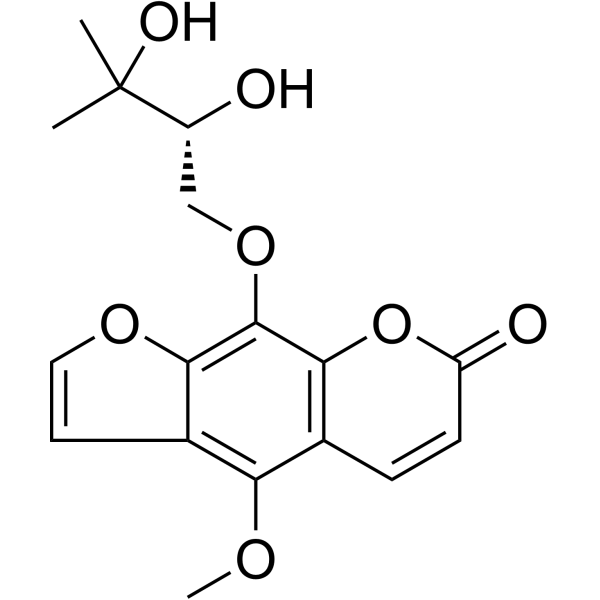
Byakangelicin, one of the active compounds found in the roots of Angelica gigas, can serve as a modulator to improve brain accumulation of diverse active compounds (Umb, Cur, and Dox) and enhance therapeutic effects . Byakangelicin is likely to increase the expression of all PXR target genes (such as MDR1) and induce a wide range of agent-agent interactions. Byakangelicin can inhibit the effects of sex hormones, it may increase the catabolism of endogenous hormones .
loading...
    loading...
Cat. No.: HY-Y1129
CAS No.: 109-00-2
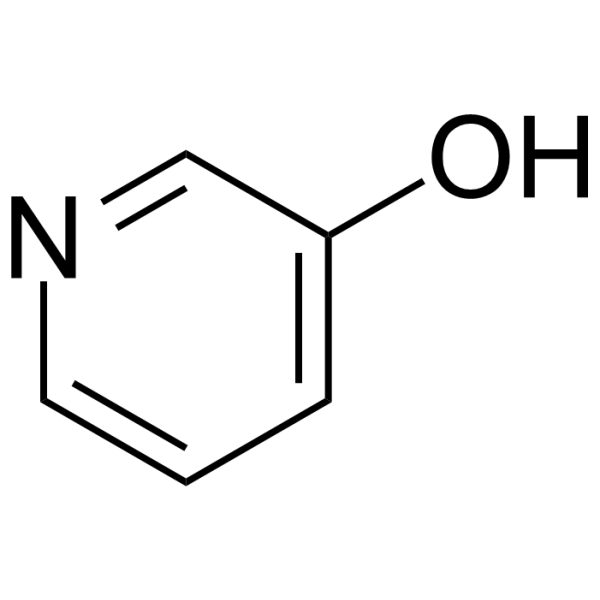
3-Hydroxypyridine is a compound that can be isolated from bamboo grass. As an endogenous photosensitizer present in human skin, 3-hydroxypyridine can mediate oxidative stress, proliferation inhibition and apoptosis of skin cells through UVA/UVB excitation .
loading...
    loading...
Cat. No.: HY-W011819S
CAS No.: 130348-88-8
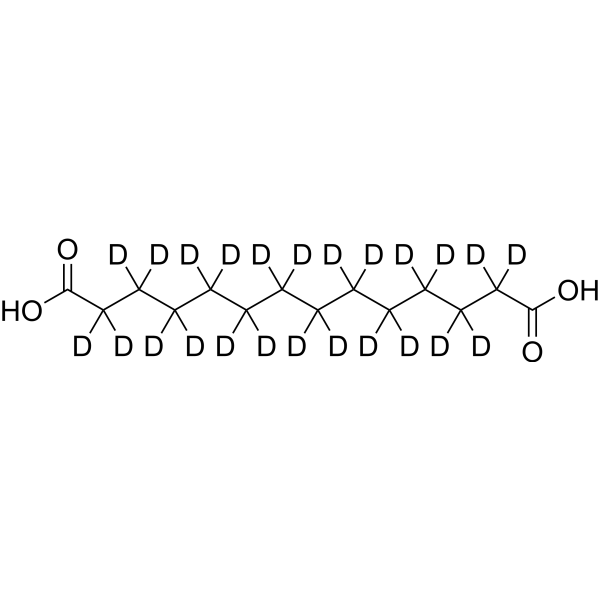
Tetradecanedioic acid-d24 is the deuterium labeled Tetradecanedioic acid . Tetradecanedioic acid is an endogenous metabolite and belongs to the class of organic compounds known as long-chain fatty acids. Tetradecanedioic acid can act as a candidate biomarker for organic anion-transporting polypeptide mediated agent-agent interactions .
loading...
    loading...
Cat. No.: HY-W017511
CAS No.: 582-60-5
5,6-Dimethyl-1H-benzo[d]imidazole is an endogenous metabolite. 5,6-Dimethyl-1H-benzo[d]imidazole is also a benzimidazole derivative and can be used in the synthesis of other active compounds .
loading...
    loading...
Cat. No.: HY-113524S
CAS No.: 284665-15-2
Purity:  99.77%
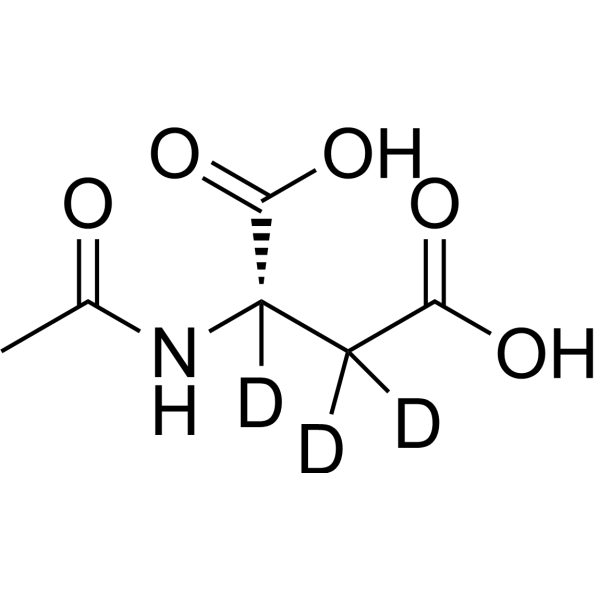
N-Acetyl-L-aspartic acid-d3 is the deuterium labeled N-Acetyl-L-aspartic acid (HY-113524). N-Acetyl-L-aspartic acid is a derivative of Aspartic acid (HY-N0666) and endogenous compound. N-Acetyl-L-aspartic acid acts as an acetyl donor. N-Acetyl-L-aspartic acid is involved in brain metabolism. N-Acetyl-L-aspartic acid is used in the research of neurodegenerative diseases (such as Canavan disease) .
loading...
    loading...
Cat. No.: HY-W007539
CAS No.: 95-01-2
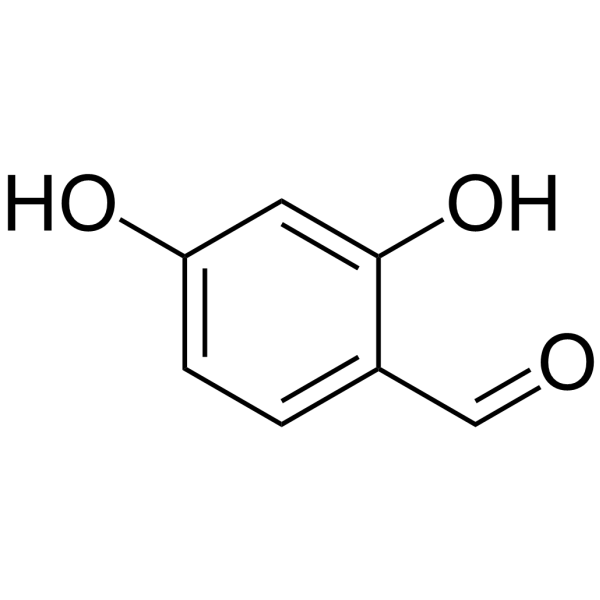
2,4-Dihydroxybenzaldehyde is an endogenous metabolite. 2,4-Dihydroxybenzaldehyde is a pharmaceutical intermediate that can be used to synthesize various Schiff base compounds. 2,4-Dihydroxybenzaldehyde exhibits significant anti angiogenic, anti-inflammatory, and analgesic activities. 2,4-Dihydroxybenzaldehyde reduces the production of NO and ROS by inhibiting the expression of iNOS and COX-2. 2,4-Dihydroxybenzaldehyde is commonly used in the study of inflammatory conditions .
loading...
    loading...
Cat. No.: HY-W013014
CAS No.: 2758-18-1
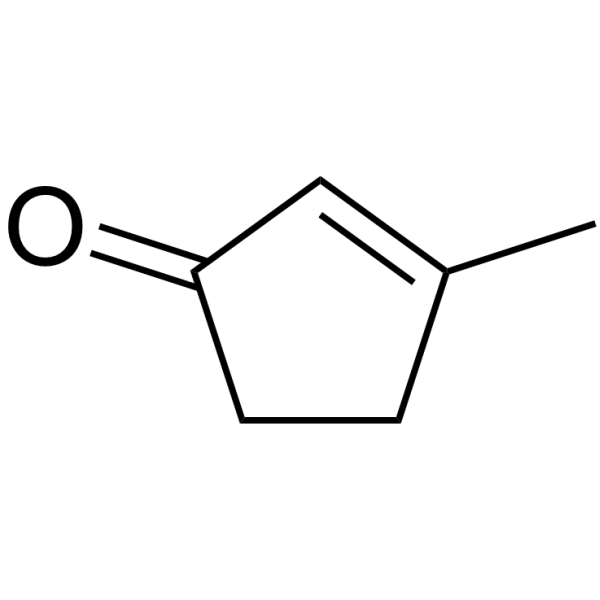
3-Methyl-2-cyclopenten-1-one is an α,β-unsaturated carbonyl compound and an endogenous metabolite. 3-Methyl-2-cyclopenten-1-one exhibits weak glutathione (GSH) reactivity and urease (Urease) inhibitory activity. 3-Methyl-2-cyclopenten-1-one can be used in research on peptic ulcers and colorectal cancer .
loading...
    loading...
Cat. No.: HY-100560R
CAS No.: 21293-29-8
Synonyms: (S)​-​(+)​-​Abscisic acid (Standard); ABA (Standard)
Abscisic acid (Standard) is the analytical standard of Abscisic acid. This product is intended for research and analytical applications. Abscisic acid ((S)-(+)-Abscisic acid), an orally active phytohormone in fruits and vegetables, is an endogenously produced mammalian hormone. Abscisic acid is a growth inhibitor and can regulate many aspects of plant growth and development. Abscisic acid inhibits proton pump (H+-ATPase) and leads to the plasma membrane depolarization in a Ca2+-dependent manner. Abscisic acid, a LANCL2 natural ligand, is a potent insulin-sensitizing compound and has the potential for pre-diabetes, type 2 diabetes and metabolic syndrome .
loading...
    loading...