

173 Results for "

DNA dye

" in MedChemExpress (MCE) Product Catalog:
Products (173)

173 Results for "DNA dye" in MCE Product Catalog:

3
3 Cited Publications
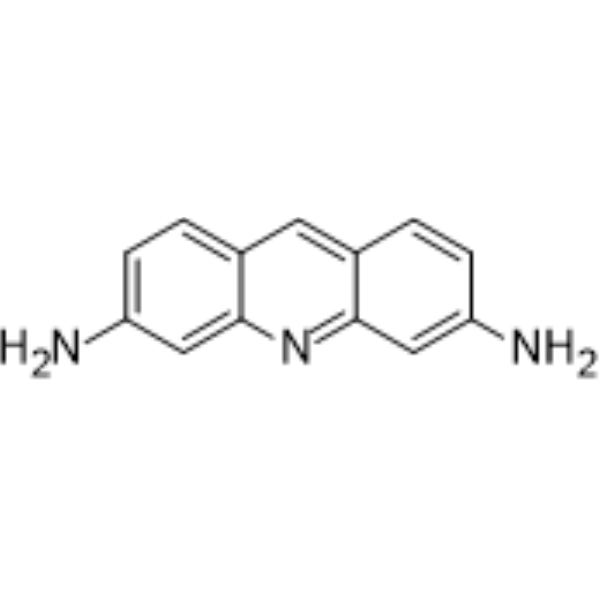
Cat. No.: HY-B1741
CAS No.: 92-62-6
Research Areas:  

Infection Cancer

3,6-Diaminoacridine is a versatile acridine compound. 3,6-Diaminoacridine exerts antibacterial activity by intercalating into bacterial DNA, interfering with replication and transcription, and inducing bacterial lysis. 3,6-Diaminoacridine is an acridine dye and also a DNA intercalator .
loading...
    loading...
3
3 Cited Publications
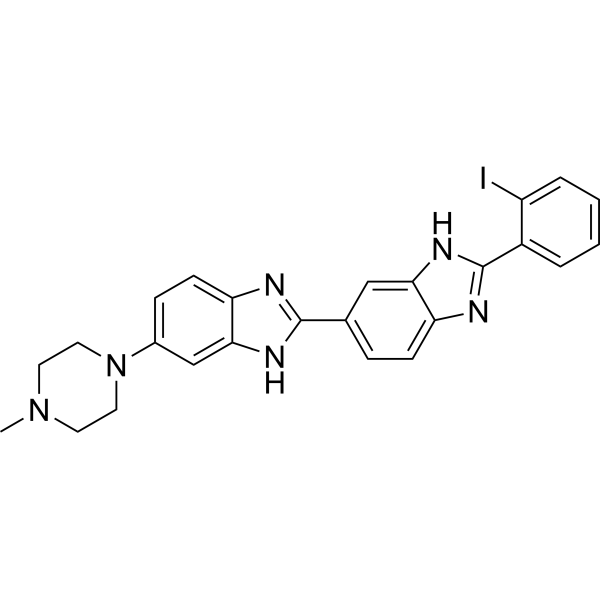
Cat. No.: HY-15626
CAS No.: 158013-41-3
Purity:  98.01%
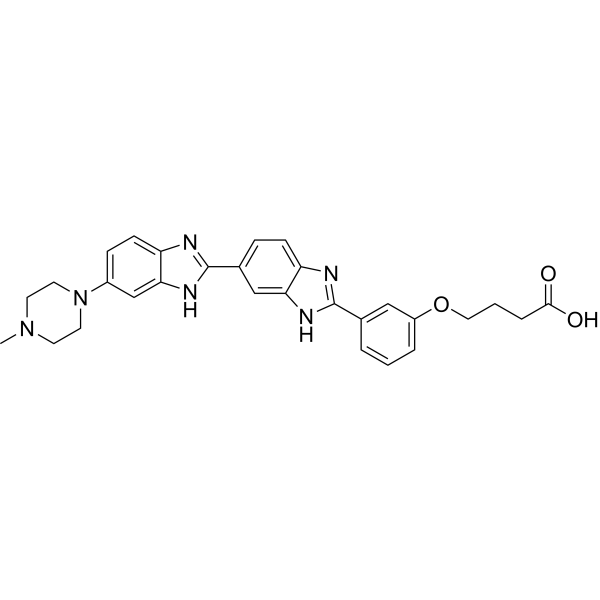
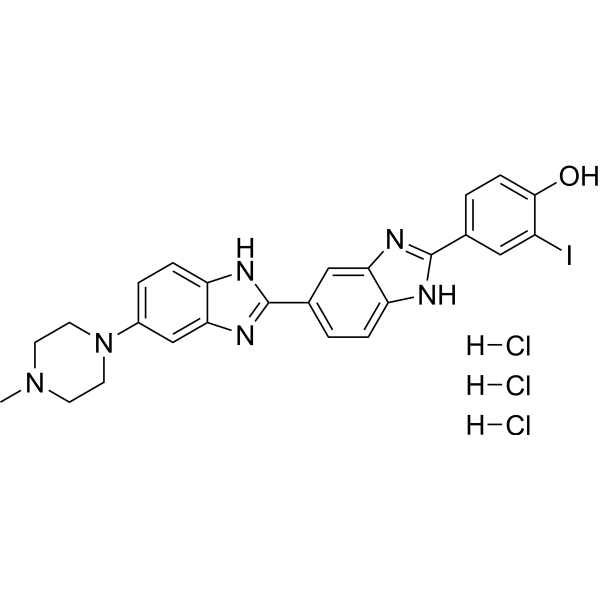
ortho-iodoHoechst 33258 is a marker dye in Hoechst series. Hoechst is A live nuclear marker dye. Hoechst binds to the grooves in the DNA double strand, which tends to be A/ T-rich DNA strand. Although it binds to all nucleic acids, the A/ T-rich double strand DNA significantly enhances fluorescence intensity Therefore,Hoechst dye can be used for living cell labeling. The fluorescence intensity of Hoechst dye increases with the increase of pH of solution .
loading...
    loading...
3
3 Cited Publications
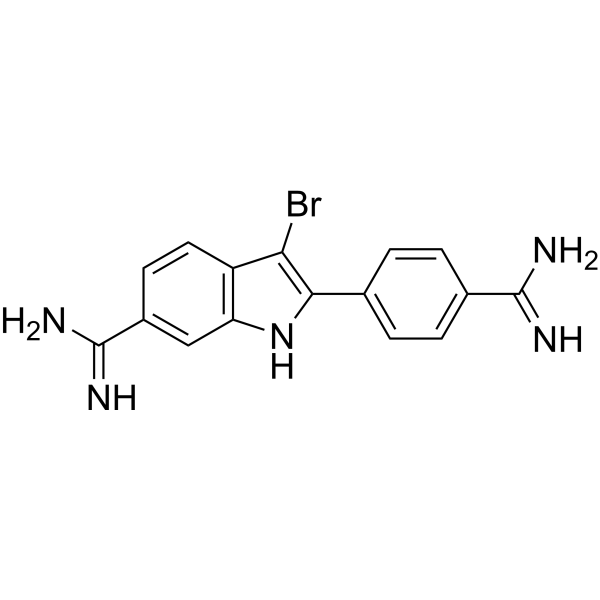
Cat. No.: HY-D1396
CAS No.: 2387906-44-5
Research Areas:  

Others

Br-DAPI is a marker dye in DAPI series. DAPI is a fluorescent dye that binds strongly to DNA. It binds to the AT base pair of the double-stranded DNA minor groove, and one DAPI molecule can occupy three base pair positions. The fluorescence intensity of DAPI molecules bound to double-stranded DNA is increased by about 20 times, and it is commonly observed with fluorescence microscopy, and the amount of DNA can be determined based on the intensity of fluorescence. DAPI cannot penetrate intact cell membranes and is commonly used for staining damaged and fixed cells . Storage: Keep away from light.
loading...
    loading...
3
3 Cited Publications
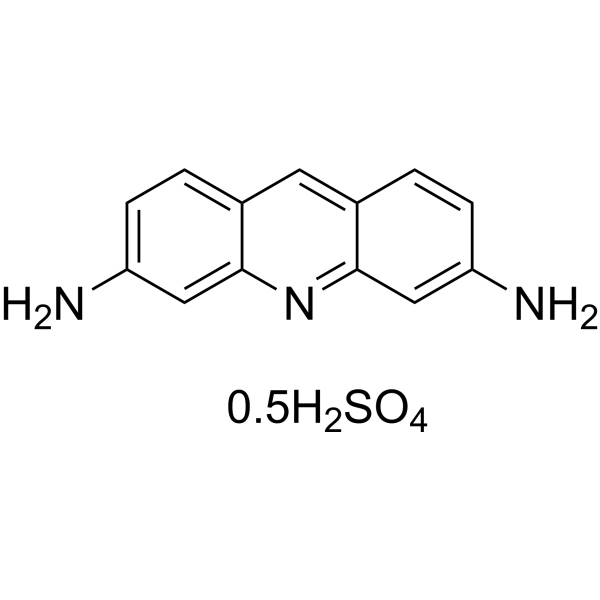
Cat. No.: HY-B0883
CAS No.: 1811-28-5
3,6-Diaminoacridine hemisulfate is a multifunctional acridine compound. 3,6-Diaminoacridine hemisulfate is an acridine dye and also a DNA inserter. 3,6-Diaminoacridine hemisulfate is a potent broad-spectrum antibacterial agent. Its mechanism is to insert into bacterial DNA, interfering with replication and transcription, leading to bacterial lysis. 3,6-Diaminoacridine hemisulfate is a Kir3.2 potassium channel blocker and can be used to study the neurological phenotype of Down syndrome. 3,6-Diaminoacridine hemisulfate can penetrate the stratum corneum of the skin and accumulate in the cell nucleus. Long-term exposure may induce skin cancer or other malignant tumors .
loading...
    loading...
3
3 Cited Publications
Cat. No.: HY-N0354
CAS No.: 84-65-1
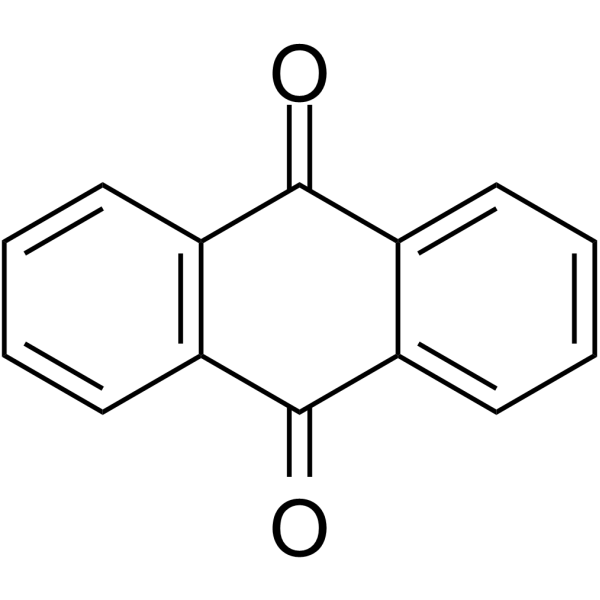
Anthraquinone is used as a precursor for dye formation and agrochemicals, existing in different organisms, such as bacteria, fungi, plants, and some animals. Anthraquinone has biological activities: anticancer, antiinflammatory, diuretic, antiarthritic, antifungal, antibacterial, antimalarial and antioxidant. Anthraquinone also plays an important role in the primary metabolism of plants by acting on the electron transport chain through the inhibition of energy transfer in the photosynthetic process. Anthraquinone can intercalates into DNA and inhibits the topoisomerase II (topo II) enzyme, resulting in cell death via Apoptosis .
loading...
    loading...
2
2 Cited Publications
Cat. No.: HY-15623
CAS No.: 258843-62-8
Purity:  99.96%
Hoechst 33258 analog is a marker dye in Hoechst series. Hoechst is A live nuclear marker dye. Hoechst binds to the grooves in the DNA double strand, which tends to be A/ T-rich DNA strand. Although it binds to all nucleic acids, the A/ T-rich double strand DNA significantly enhances fluorescence intensity Therefore,Hoechst dye can be used for living cell labeling. The fluorescence intensity of Hoechst dye increases with the increase of pH of solution .
loading...
    loading...
2
2 Cited Publications
Cat. No.: HY-K0531

MCE 2× PCR Master Mix (with Dye) is provided as a simple-to-use, stabilized 2× formulation that includes all components for PCR except sample DNA, primers and water, in which bromophenol blue dye is included. The 1 mL is defined as the base specification. All larger sizes correspond to incremental volumes of this base.

loading...
    loading...
2
2 Cited Publications
Cat. No.: HY-K0532

MCE 2× Fast PCR Master Mix (with Dye) is provided as a simple-to-use, stabilized 2× formulation that includes all components for fast PCR except sample DNA, primers and water, in which bromophenol blue dye is included. The 1 mL is defined as the base specification. All larger sizes correspond to incremental volumes of this base.

loading...
    loading...
2
2 Cited Publications
Cat. No.: HY-D0914
CAS No.: 2353-45-9
Synonyms: FD&C Green No. 3; Food green 3; C.I. 42053
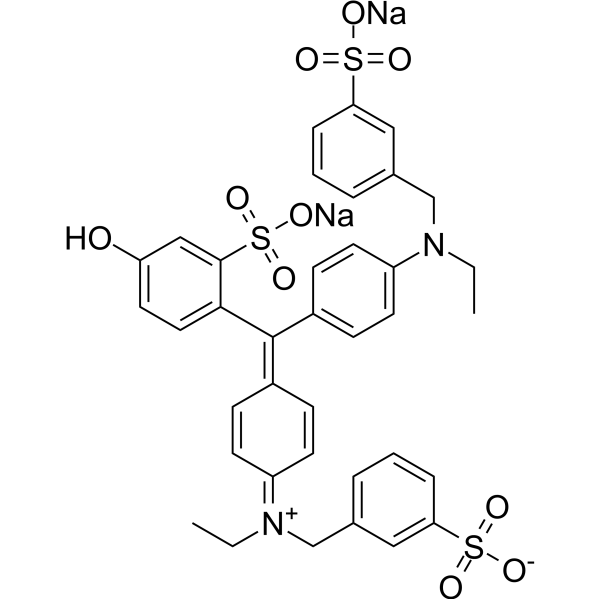
Fast Green FCF is a sea green triarylmethane food dye, with absorption maximum ranging from 622 to 626 nm. Fast Green FCF inhibits α-synuclein aggregation, as well as Aβ and P2X4 receptor, and TLR4/Myd88/NF-κB. Fast Green FCF is widely used as a staining agent like quantitative stain for histones at alkaline pH after acid extraction of DNA, and as a protein stain in electrophoresis. Fast Green FCF improves cognitive impairment, depression, relieves pain allergies, and promotes reproductive function .
loading...
    loading...
2
2 Cited Publications
Cat. No.: HY-D0150
CAS No.: 107091-89-4
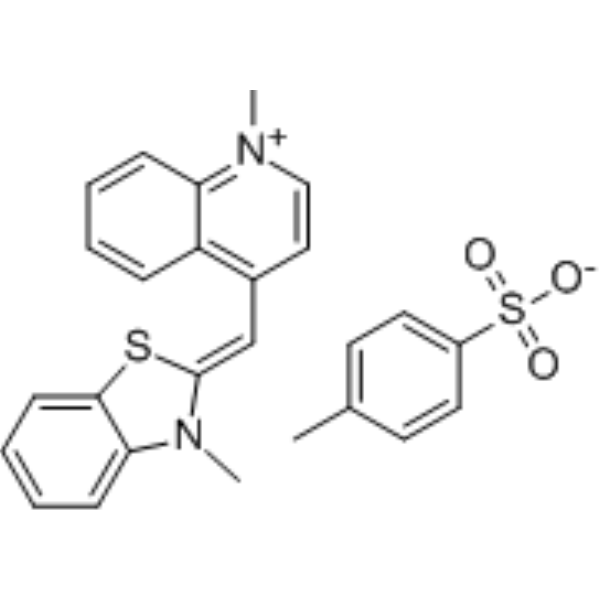
Thiazole Orange is an asymmetric anthocyanin dye that can be coupled with oligonucleotides (ONs) to prepare fluorescent hybridization probes. Thiazole Orange has been widely used in biomolecular detection and staining of DNA/ RNA in gels and can be used for reticulocyte analysis. Thiazole orange generates a significant fluorescence enhancement and high quantum yield when it binds with nucleic acids, especially RNA. Thiazole orange can permeate living cell membranes. Thiazole orange can use UV light for detection, but can also be detected with blue light. The excitation and emission of Thiazole orange are λex = 510 nm (488 nm and 470 nm also show strong excitation) and λem = 527 nm, respectively .
loading...
    loading...
1
1 Cited Publications
Cat. No.: HY-D0049
CAS No.: 150810-69-8
Synonyms: 6-TAMRA-NHS ester; 6-Carboxytetramethylrhodamine N-succinimidyl ester
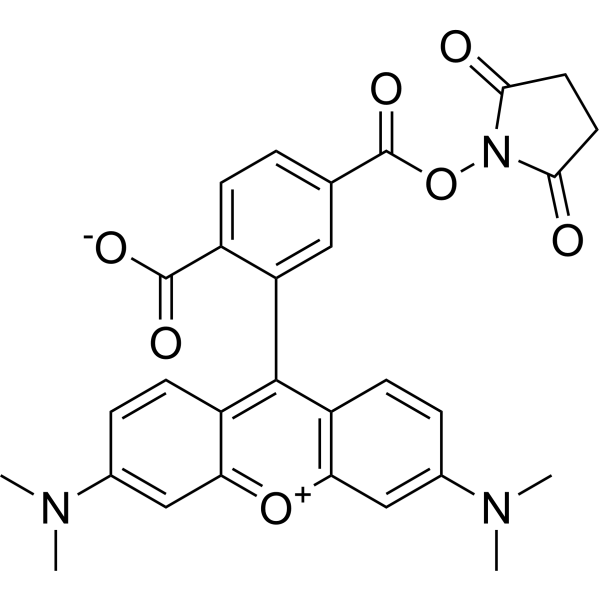
6-TAMRA-SE (6-TAMRA-NHS ester) is a fluorescent dye carrying the amine reactive group. 6-TAMRA-SE is one of the traditional fluorophores used for automated DNA sequencing .
loading...
    loading...
1
1 Cited Publications
Cat. No.: HY-D0945
CAS No.: 2650-17-1
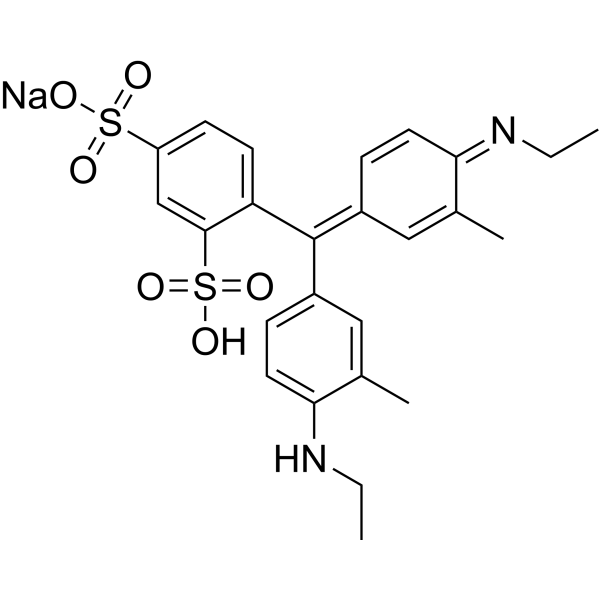
Xylene Cyanol FF is an acid triphenylmethane dye. Xylene Cyanol FF can be used for histochemical staining of hemoglobin peroxidase or as a tracking dye for DNA sequencing in electrophoresis. Xylene Cyanol FF will be catalyzed by Fe and Al to accelerate oxidation under the addition of double oxidant hydrogen peroxide and potassium periodate. Xylene Cyanol FF thus enables the spectrophotometric determination of Fe and Al in the solution to be tested .
loading...
    loading...
1
1 Cited Publications
Cat. No.: HY-15630A
CAS No.: 155815-98-8
Purity:  98.02%
Hoechst 33342 analog 2 trihydrochloride is a marker dye in Hoechst series. Hoechst is A live nuclear marker dye. Hoechst binds to the grooves in the DNA double strand, which tends to be A/ T-rich DNA strand. Although it binds to all nucleic acids, the A/ T-rich double strand DNA significantly enhances fluorescence intensity Therefore,Hoechst dye can be used for living cell labeling. The fluorescence intensity of Hoechst dye increases with the increase of pH of solution .
loading...
    loading...
1
1 Cited Publications
Cat. No.: HY-D2208
SYTM Green is a cell impermeant DNA dye that fluoresces green by binding to dsDNA (Ex/Em=503/530 nm). SYTM Green can also be used to stain bacteria, including Gram-positive and Gram-negative bacteria. Note: SYTM Green cannot penetrate living cells, and this product is equivalent to (Ex/Em=488/530 nm) .
loading...
    loading...
1
1 Cited Publications
Cat. No.: HY-D1444
CAS No.: 91416-20-5
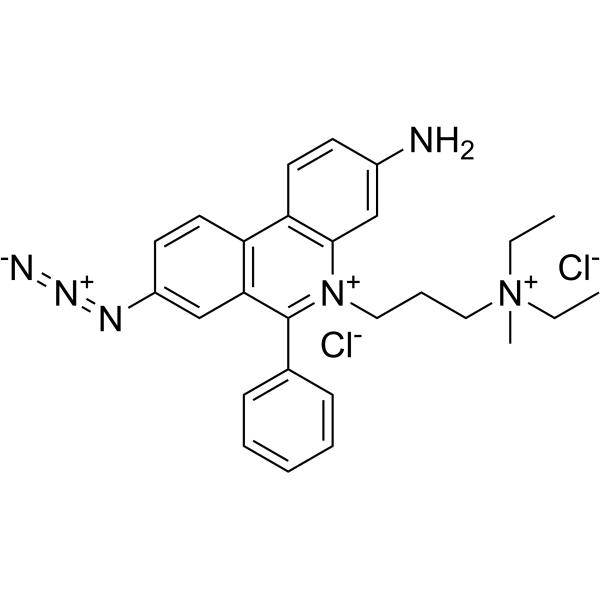
Propidium monoazide is a cell-impermeant photoreactive DNA-binding dye that preferentially binds to dsDNA. Propidium monoazide (PMA) prevents DNA from dead bacteria from being amplified during the PCR. PMA-PCR enhanced both the specificity and the sensitivity of PCR . Propidium monoazide is a click chemistry reagent, it contains an Azide group and can undergo copper-catalyzed azide-alkyne cycloaddition reaction (CuAAc) with molecules containing Alkyne groups. It can also undergo strain-promoted alkyne-azide cycloaddition (SPAAC) reactions with molecules containing DBCO or BCN groups.
loading...
    loading...
1
1 Cited Publications
Cat. No.: HY-D0162
CAS No.: 2437-29-8
Synonyms: MCCK1
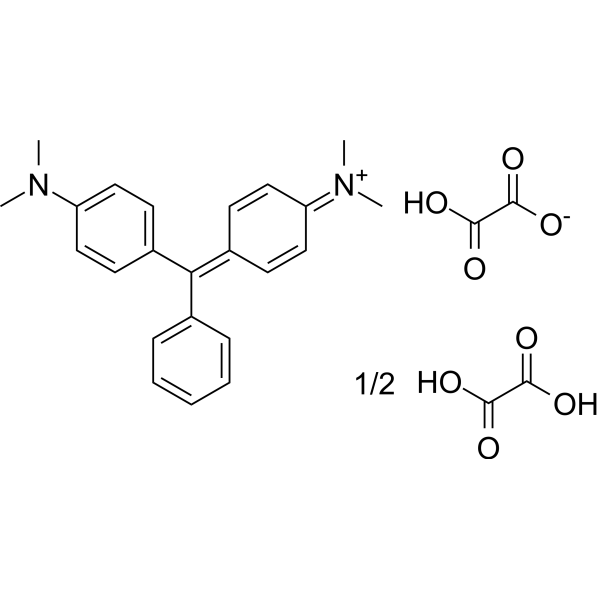
Malachite green hemioxalate (MCCK1) is a triphenylmethane dye which can be used to detect the release of phosphate in enzymatic reactions. Malachite green hemioxalate has antibacterial activity, which is attributed to inhibition of intracellular enzymes, insertion into DNA and/or interaction with cell membranes. Malachite green hemioxalate is also a potent and selective inhibitor of IKBKE, and inhibits its downstream targets such as IκBα, p65 and IRF3. Malachite green hemioxalate exhibits antitumor activity in vitro and in vivo .
loading...
    loading...
Cat. No.: HY-DY1005
CAS No.: 875756-97-1
Hoechst 33342 trihydrochloride (solution) is a marker dye in Hoechst series. Hoechst is A live nuclear marker dye. Hoechst binds to the grooves in the DNA double strand, which tends to be A/ T-rich DNA strand. Although it binds to all nucleic acids, the A/ T-rich double strand DNA significantly enhances fluorescence intensity Therefore,Hoechst dye can be used for living cell labeling. The fluorescence intensity of Hoechst dye increases with the increase of pH of solution .
Solvent and Concentration: Sterile water: 10 mg/mL
loading...
    loading...
Cat. No.: HY-D1742
DeepRed Nucleus Dye is a novel cell permeant and far red-fluorescing DNA probe. DeepRed Nucleus Dye excites at a wavelength of 647 nm, close to the Ex, and produces a fluorescence spectrum extending from 665 nm out to beyond 780 nm wavelengths. DeepRed Nucleus Dye fluorescence reflects cellular DNA content. DeepRed Nucleus Dye can be used in combination with FITC and RPE-labelled antibodies, without the need for fluorescence compensation .
loading...
    loading...
Cat. No.: HY-D1725
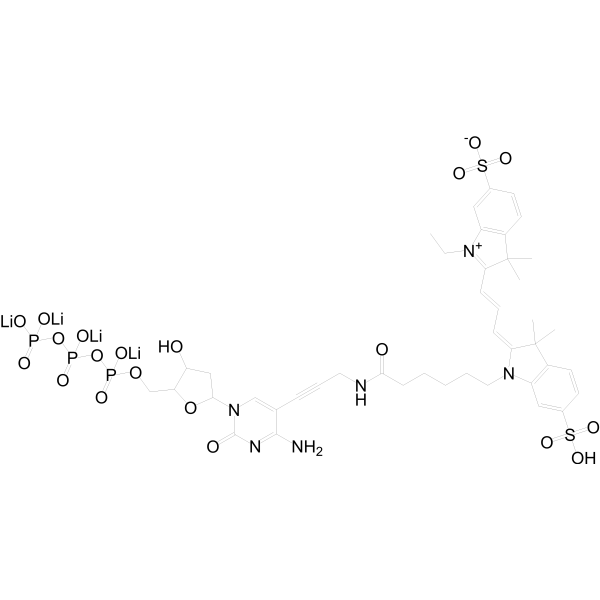
Cy3-dCTP is a directly fluorescently labeled deoxyribonucleotide, in which Cy3 is a cyanine fluorescent dye. Cy3-dCTP is used for direct enzymatic labeling of DNA and cDNA: with the aid of DNA polymerases, this modified nucleotide is incorporated into the extending DNA strand during processes such as reverse transcription, PCR, nick translation or random primer labeling .
loading...
    loading...
Cat. No.: HY-118907
CAS No.: 547-58-0
Purity:  99.41%
Target:  

Fluorescent Dye

Research Areas:  

Others

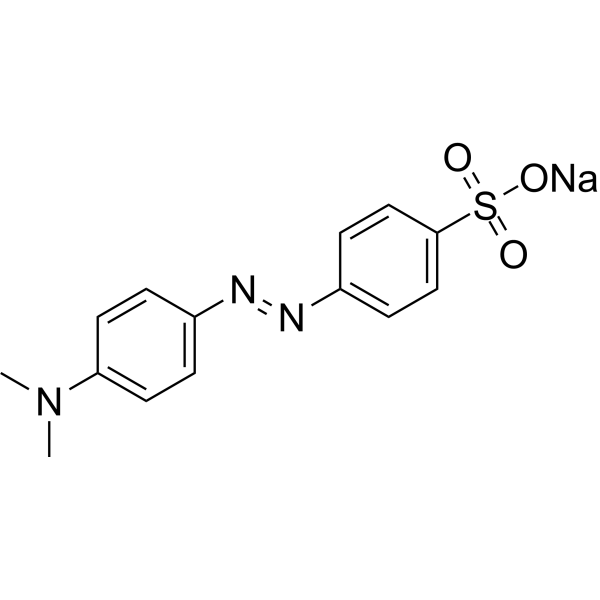
Methyl Orange is a soluble azo dye commonly used as an acid-base indicator and for staining cells and tissue sections, as well as for dyeing textiles. Methyl Orange appears red at a pH of 3.1 and changes to bright yellow as the pH increases to 4.4. Methyl Orange (500 mg/L) exhibits cytotoxicity and can cause DNA damage .
loading...
    loading...

