481 Results for "

Indicator

" in MedChemExpress (MCE) Product Catalog:
Products (481)

481 Results for "Indicator" in MCE Product Catalog:

4
4 Cited Publications
Art. -Nr.: HY-D0014
CAS. Nr.: 6104-58-1
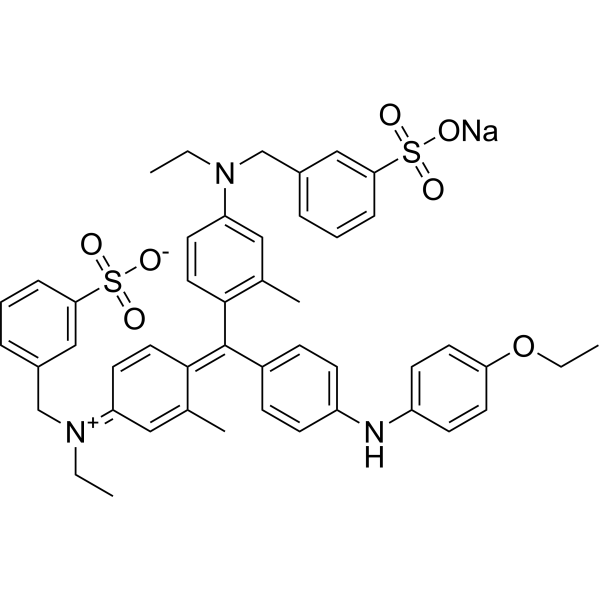
Brilliant Blue G-250 is a dye commonly used for the visualization of proteins separated by SDS-PAGE, offering a simple staining procedure and high quantitation. In the Bradford protein assay, protein concentrations are determined by the absorbance at 595 nm due to the binding of Brilliant Blue G-250 to proteins. Brilliant Blue G-250 is a safe highly selective P2×7R antagonist with promising consequent inactivation of NLRP3 inflammasome .
loading...
    loading...
4
4 Cited Publications
Art. -Nr.: HY-N0772
CAS. Nr.: 24699-16-9
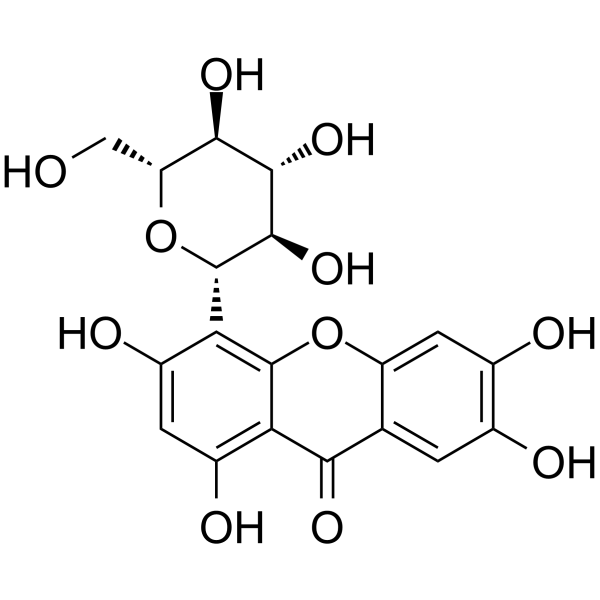
Isomangiferin is an orally active xanthone C-glucoside, and its chemical structure is similar to Mangiferin (HY-N0290). Isomangiferin is an effective VEGFR-2 kinase inhibitor, which can induces cell apoptosis, inhibit the growth, metastasis and angiogenesis of breast cancer. Isomangiferin exerts anti-inflammatory effects by inhibiting the HMGB1/NLRP3/NF-κB signaling pathway, thereby improving the renal function indicators of diabetic mice. Isomangiferin exhibits inhibitory effects on various bacteria and herpes simplex virus type 1 (HSV-1). Isomangiferin promotes the migration and osteogenic differentiation of bone marrow mesenchymal stem cells (BMSCs) and reduces cell apoptosis and the production of ROS by activating the AMPK/ACC pathway, thereby facilitating fracture healing .
loading...
    loading...
3
3 Cited Publications
Art. -Nr.: HY-D1498
CAS. Nr.: 1097709-31-3
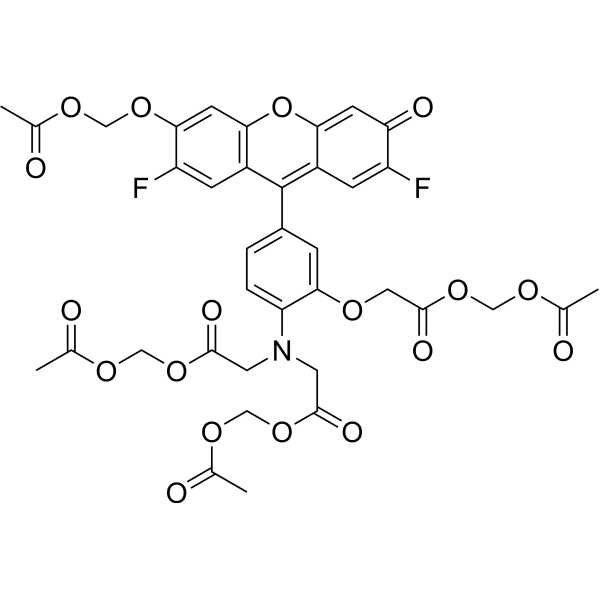
Mag-Fluo-4 AM, an analog of Fluo-4 AM (HY-101896), is an intracellular Mg 2+ (Kd = 4.7 mM) indicator and a Ca 2+ (Kd = 22 μM) indicator. Mag-Fluo-4 AM suitable for monitoring high concentrations and rapidly changing Ca 2+ signals, and changes in intracellular Mg 2+ homeostasis (Ex/Em = 496/525 nm).
loading...
    loading...
3
3 Cited Publications
Art. -Nr.: HY-126831
CAS. Nr.: 129423-53-6
Reinheit:  98.0%
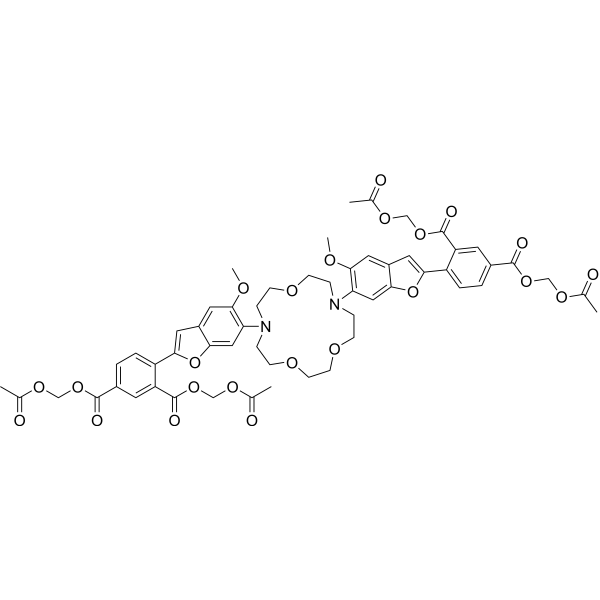
SBFI-AM is a Na + selective fluorescent indicator. SBFI-AM shows selectivity for Na + over K + with Kd values of 6.7 and 166 mM, respectively (Ex = 340/380 nm; Em = 500 nm) .
loading...
    loading...
3
3 Cited Publications
Art. -Nr.: HY-137805
CAS. Nr.: 69898-45-9
Reinheit:  99.96%
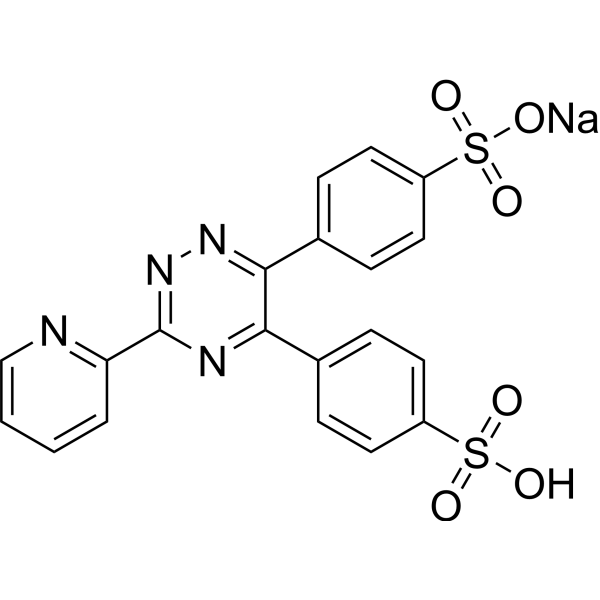
Ferrozine is a spectrophotometric reagent for iron ions, can react with divalent Fe to form a stable magenta complex species. The complex has an absorption peak at 562 nm . Ferrozine-based colorimetric assays can quantify iron in cells
loading...
    loading...
2
2 Cited Publications
Art. -Nr.: HY-D0023
CAS. Nr.: 6358-69-6
Synonyms: HPTS; Solvent Green 7
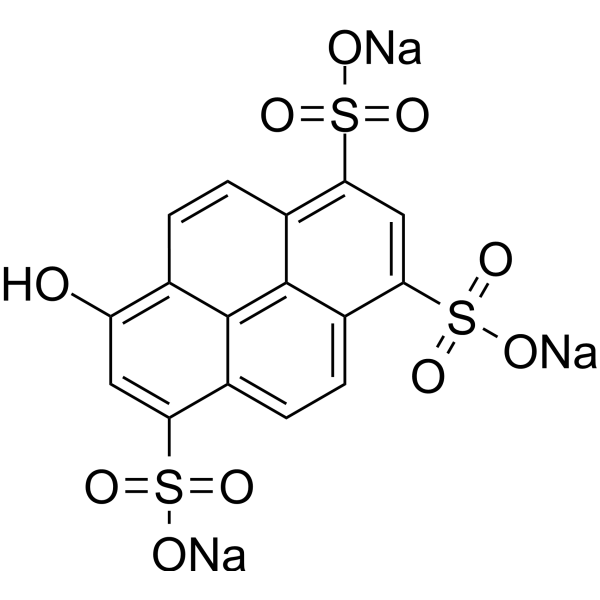
Pyranine (HPTS; Solvent Green 7) is a cell-impermeant pH-sensitive fluorescent indicator. Pyranine acts as a class of fluorescent chemosensor for the Cu + ion. Pyranine is used as a coloring agent, biological stain, optical detecting reagent, and pH indicator (Ex/Em = 450/510 nm) .
loading...
    loading...
2
2 Cited Publications
Art. -Nr.: HY-32349
CAS. Nr.: 21343-40-8
Synonyms: 25-Hydroxy Vitamin D2
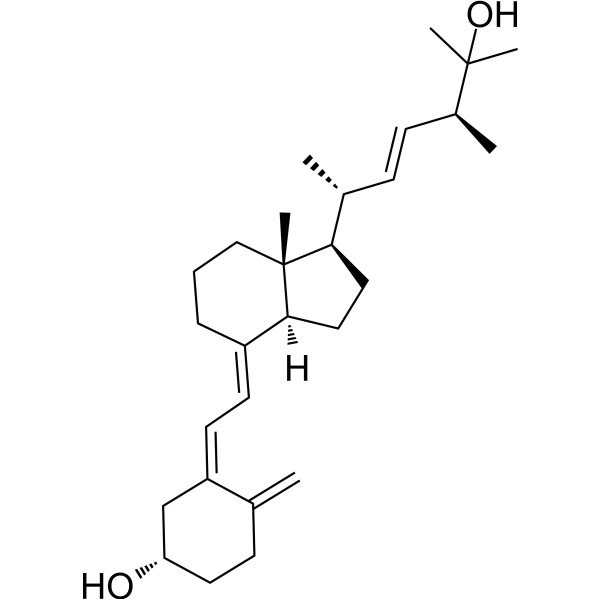
Ercalcidiol is a metabolite of vitamin D2, is regarded as an indicator of vitamin D nutritional status.
loading...
    loading...
2
2 Cited Publications
Art. -Nr.: HY-W017006
CAS. Nr.: 332-80-9
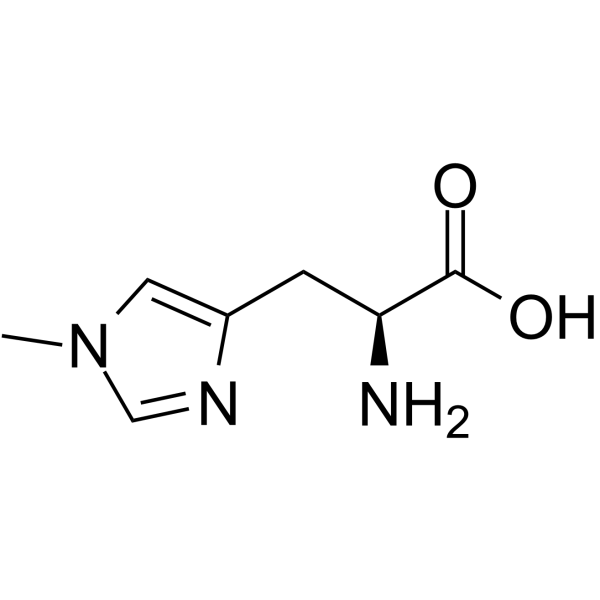
1-Methyl-L-histidine is an objective indicator of meat ingestion and exogenous 3-methylhistidine (3MH) intake.
loading...
    loading...
2
2 Cited Publications
Art. -Nr.: HY-101887
CAS. Nr.: 54375-47-2
Reinheit:  97.04%
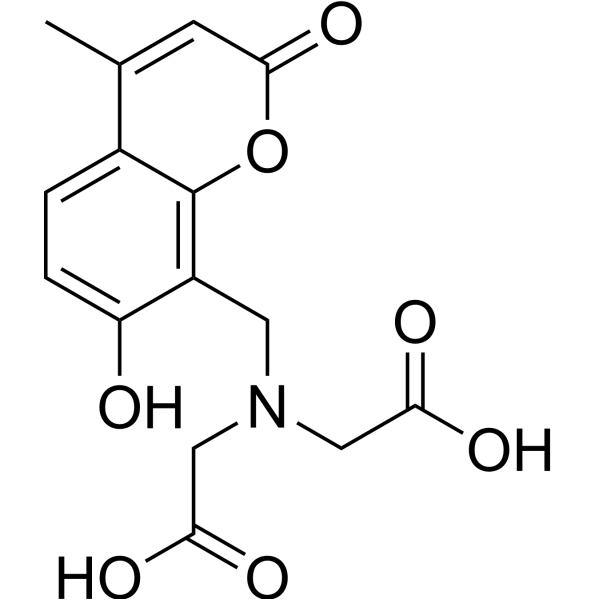
Calcein Blue, a membrane-impermeant fluorescent dye, is a coumarin derivative that contains an iminodiacetic acid structure. Calcein Blue is also a metallofluorochromic indicator .
loading...
    loading...
2
2 Cited Publications
Art. -Nr.: HY-N0091S7
CAS. Nr.: 77910-30-6
Synonyms: Purin-6-ol-15N4; Sarcine-15N4
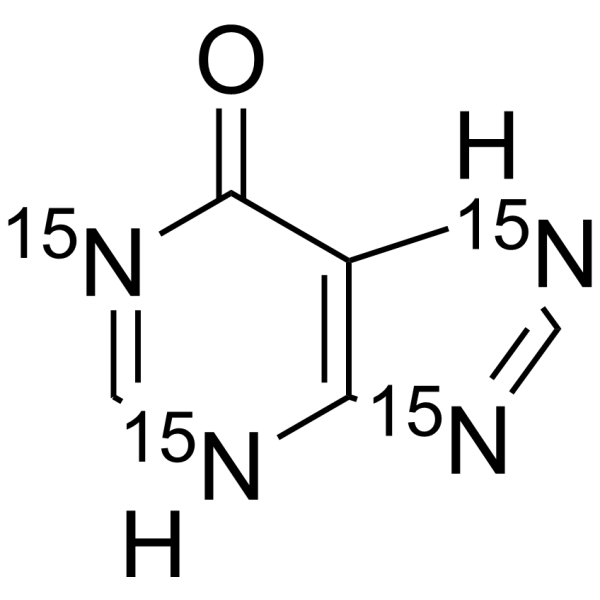
Hypoxanthine- 15N4 is the 15N labeled Hypoxanthine . Hypoxanthine, a purine derivative, is a potential free radical generator and could be used as an indicator of hypoxia .
loading...
    loading...
2
2 Cited Publications
Art. -Nr.: HY-113323
CAS. Nr.: 534-82-7
Reinheit:  97.85%
Synonyms: HMPG; MHPG; MOPEG
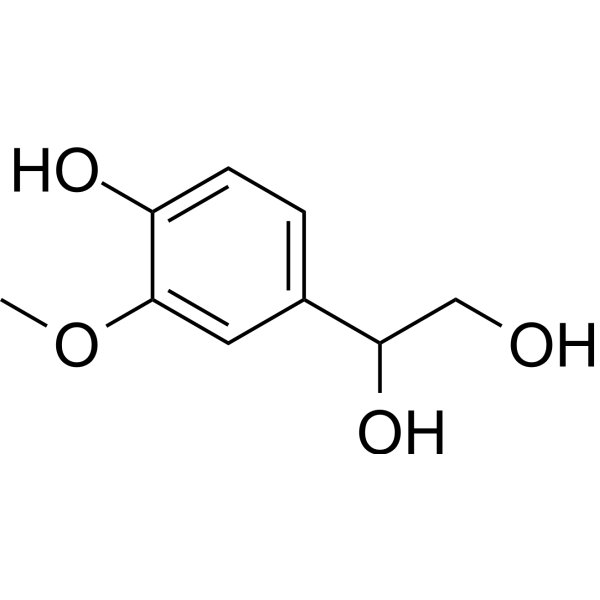
3-Methoxy-4-hydroxyphenylglycol (HMPG) is a metabolite of norepinephrine degradation in the brain. 3-Methoxy-4-hydroxyphenylglycol is an indicators of central nervous system noradrenergic activity. 3-Methoxy-4-hydroxyphenylglycol can be used for research of depression, chronic schizophrenia, etc .
loading...
    loading...
2
2 Cited Publications
Art. -Nr.: HY-KD1006

MCE offers a variety of multiplex fluorescence detection kits, featuring high quenching resistance, low cross-contamination, and strong stability. The five-color multiplex fluorescence staining kit can stain four indicators. (MCE offers six VF series dyes: VF 480, VF 520, VF 570, VF 620, VF 690, and VF 780; you can flexibly select according to your actual needs.)

loading...
    loading...
1
1 Cited Publications
Art. -Nr.: HY-D0169
CAS. Nr.: 143-74-8
Synonyms: Phenolsulfonephthalein
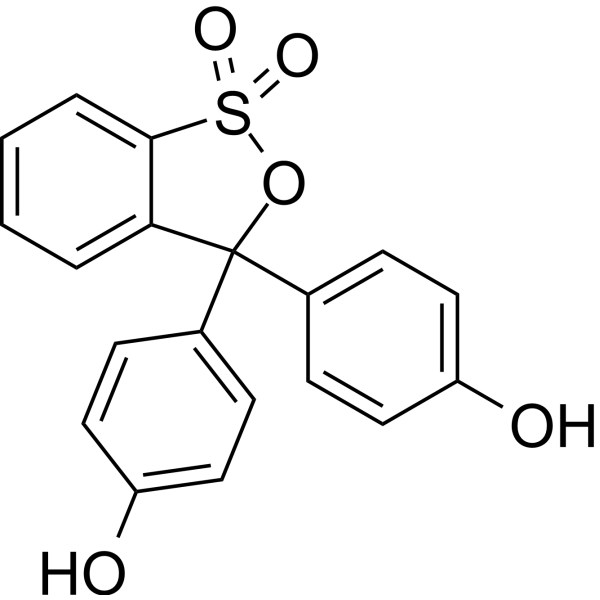
Phenol red (Phenolsulfonephthalein) is a pH indicator dye, relying on a distinct color change from pink to yellow in case of a positive reaction .
loading...
    loading...
1
1 Cited Publications
Art. -Nr.: HY-113409
CAS. Nr.: 625-08-1
Reinheit:  ≥97.0%
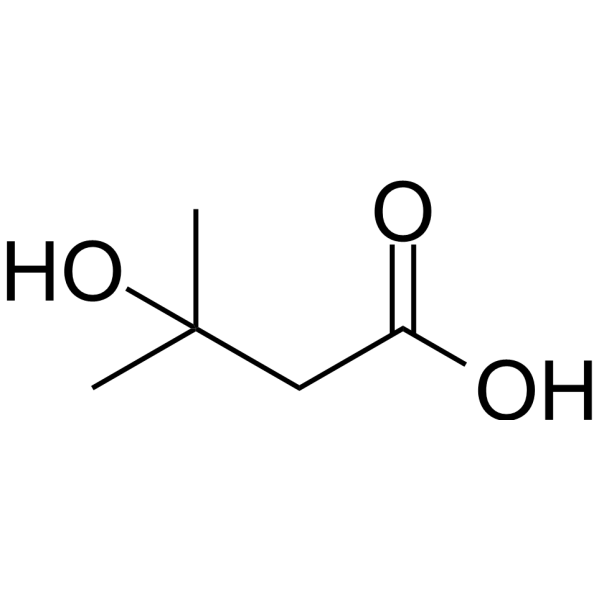
3-Hydroxyisovaleric acid is a normal endogenous metabolite excreted in the urine. The urinary excretion of 3-hydroxyisovaleric acid is early and sensitive indicator of biotin deficiency .
loading...
    loading...
1
1 Cited Publications
Art. -Nr.: HY-B1359A
CAS. Nr.: 7220-79-3
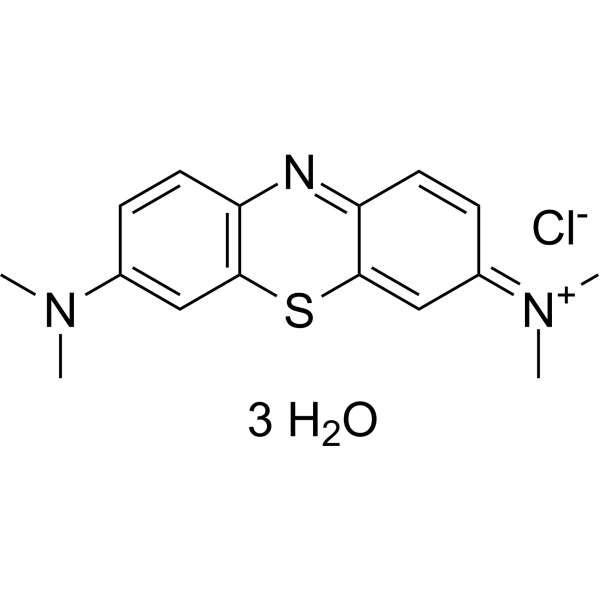
Methylene blue indicator is a biochemical reagent that can be used as a biological material or organic compound for life science related research.
loading...
    loading...
1
1 Cited Publications
Art. -Nr.: HY-W110798
CAS. Nr.: 115-39-9
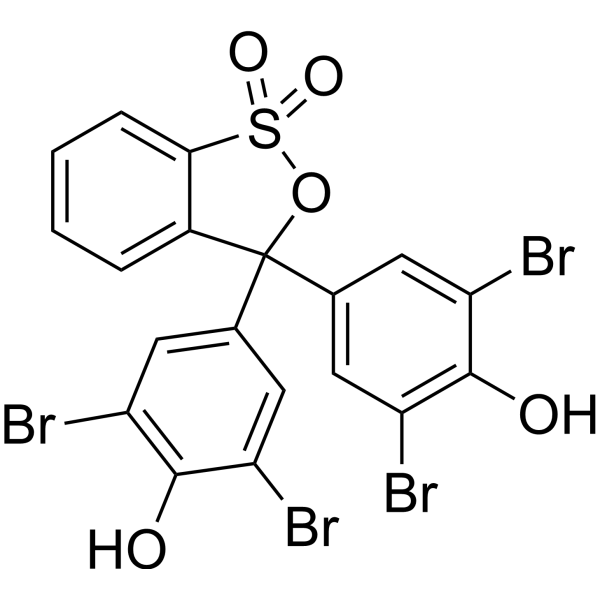
Bromophenol blue indicator (3.0-4.6) is a synthetic dye commonly used as an acid-base indicator with a transition range of pH 3.0-4.6. Bromophenol blue indicator (3.0-4.6) is water soluble and changes color from yellow to blue as the pH of the solution changes from acidic to basic. Its unique chemical properties make it an important ingredient in a variety of scientific applications, especially in biochemistry and molecular biology. In addition, it can be used as a stain in microbiology and histology. However, Bromophenol blue indicator (3.0-4.6) has potential irritating and staining properties.
loading...
    loading...
1
1 Cited Publications
Art. -Nr.: HY-W129633
CAS. Nr.: 1266615-56-8
Synonyms: DCIP sodium hydrate; DPIP sodium hydrate
2,6-Dichlorophenolindophenol (DCIP; DPIP) sodium hydrate is a redox chromogenic indicator with a redox potential of +217 mV relative to SHE, and it acts as a substrate for reduction reactions. During the metabolic process of nutrient consumption by Saccharomyces cerevisiae, 2,6-Dichlorophenolindophenol sodium hydrate is reduced from dark blue to colorless, resulting in a decrease in absorbance. 2,6-Dichlorophenolindophenol sodium hydrate is widely used in spectrophotometric biochemical oxygen demand determination and preclinical colorimetric toxicity analysis for heavy metal ion detection based on Saccharomyces cerevisiae .
loading...
    loading...
1
1 Cited Publications
Art. -Nr.: HY-W012982
CAS. Nr.: 80-65-9
Synonyms: AOZ
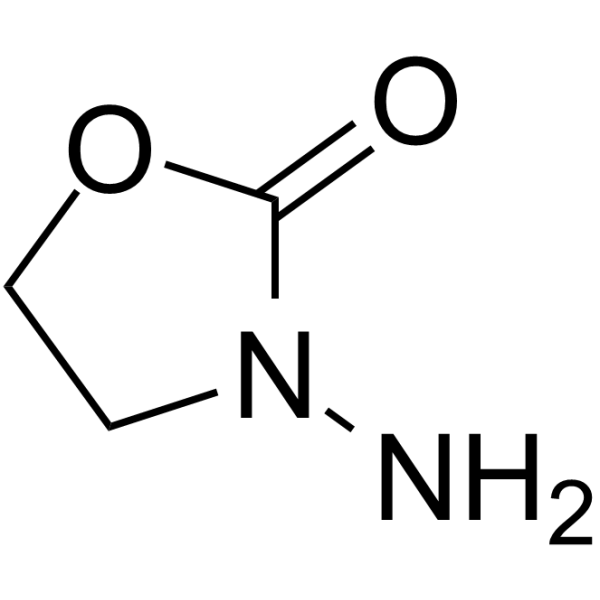
3-Amino-2-oxazolidinone (AOZ) is the metabolite of Furazolidone (HY-B1336). 3-Amino-2-oxazolidinone is always be detected as a indicator of furazolidone residues in vivo. 3-Amino-2-oxazolidinone is orally active .
loading...
    loading...
1
1 Cited Publications
Art. -Nr.: HY-D0169A
CAS. Nr.: 34487-61-1
Synonyms: Phenolsulfonephthalein sodium salt
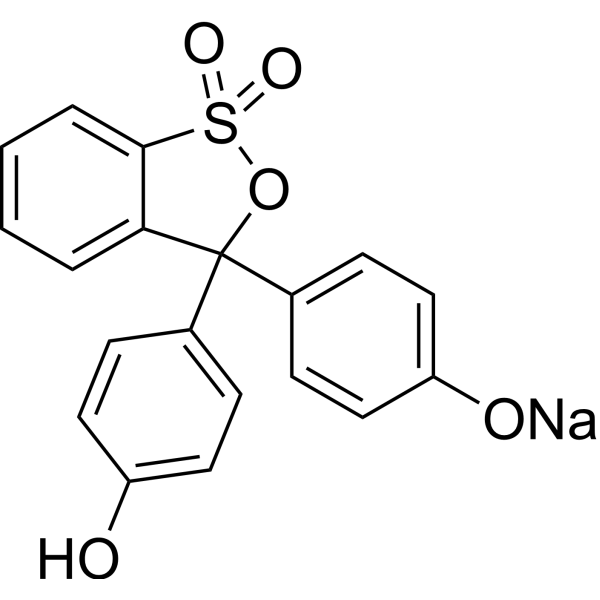
Phenol red (Phenolsulfonephthalein) sodium salt is a pH indicator dye. Phenol Red sodium salt is also an antagonist of rat P2X1R. Phenol Red sodium salt enhances the halogenating activity of myeloperoxidase. Phenol Red sodium salt shows a distinct color change from pink to yellow in a positive pH reaction .
loading...
    loading...
1
1 Cited Publications
Art. -Nr.: HY-D1445
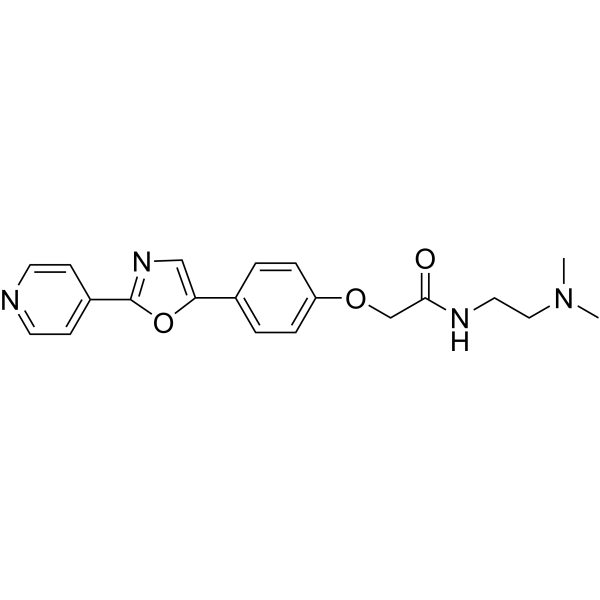
PDMPO, a lysosome pH indicator, is an excellent fluorescent acidotropic reagent for fluorescence imaging. PDMPO is a potent tool with which to study acidic organelles of live cells. PDMPO exhibits pH-dependent dual-excitation and dual-emission spectral peaks. PDMPO produces a blue fluorescence in weakly acidic organelles and shifts to yellow in more acidic lysosomes. (Abs=329 nm; Em=440/540 nm) .
loading...
    loading...

