


110 Results for "

TH17

" in MedChemExpress (MCE) Product Catalog:
Products (110)

110 Results for "TH17" in MCE Product Catalog:

1
1 Cited Publications
Cat. No.: HY-N7501
CAS No.: 486-63-5
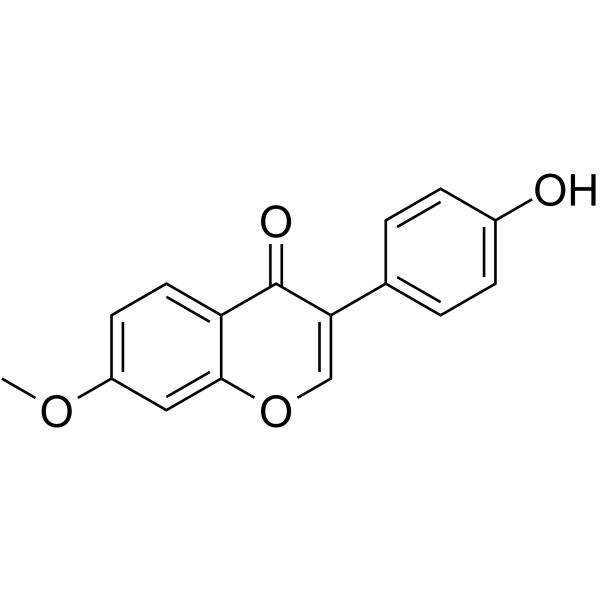
Isoformononetin is an analog of Daidzein (HY-N0019) and has immunoprotective effects. Isoformononetin inhibits the differentiation of Th17 and B-cells lymphopoesis to promote osteogenesis in estrogen-deficient bone loss conditions .
loading...
    loading...
1
1 Cited Publications
Cat. No.: HY-P10441A
Research Areas:  

Inflammation/Immunology

S-palm P0(180-199) TFA is an S-palmitoylated peptide derived from P0 protein. S-palm P0(180-199) TFA induces IL-17+ cells, macrophage infiltration, and anti-P0 antibodies. S-palm P0(180-199) TFA induces chronic inflammatory demyelinating polyneuropathy in rats via active immunization, manifesting as a relapsing-remitting disease driven by persistent T cells, macrophages, Th17 cells and related cytokines, and P0-specific IgG . S-palm P0(180-199) TFA can be used in research related to chronic inflammatory demyelinating polyneuropathy .
loading...
    loading...
1
1 Cited Publications
Cat. No.: HY-103637A
CAS No.: 1802678-42-7
Purity:  98.39%
Synonyms: VTP-43742 hydrochloride
Target:  

ROR Interleukin Related

Research Areas:  

Inflammation/Immunology

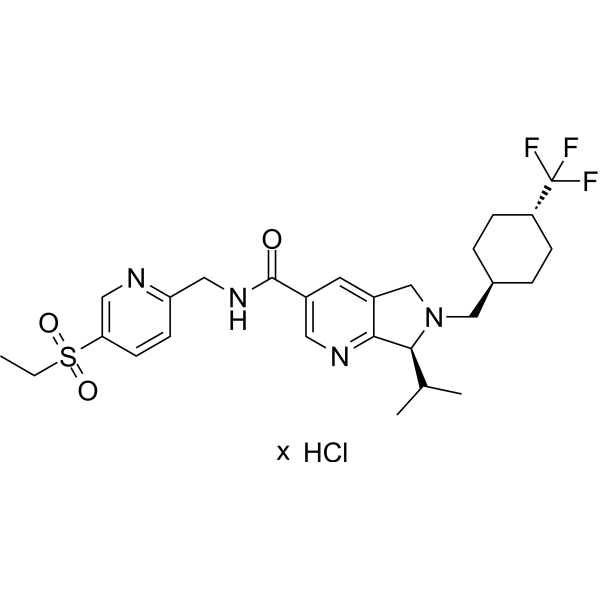
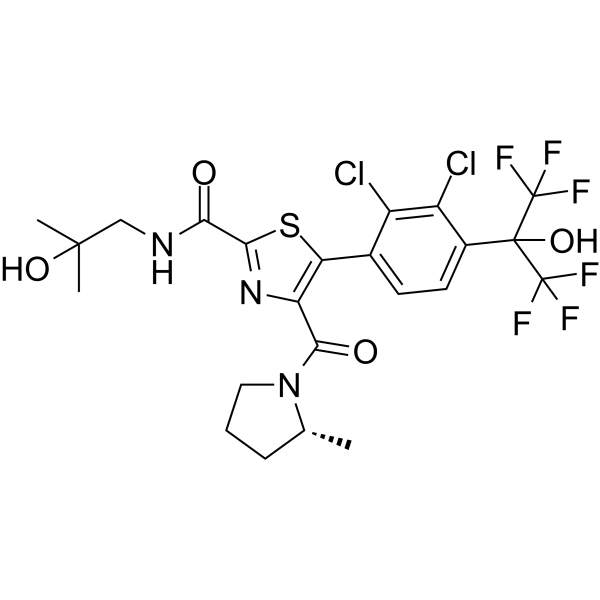
Vimirogant hydrochloride (VTP-43742 hydrochloride) is a potent, selective, and orally active RORγt inhibitor with a Ki of 3.5 nM for binding to RORγt. VTP-43742 blocks Th17 cell differentiation and reduces IL-17A production by inhibiting RORγt-mediated transcriptional activity, thereby suppressing the RORγt/Th17/IL-17 inflammatory axis. VTP-43742 can be used for research on autoimmune diseases and inflammation-related diseases .
loading...
    loading...
Cat. No.: HY-P99396
CAS No.: 2097104-58-8
Synonyms: BI 655130

Target:  

Interleukin Related

Research Areas:  

Inflammation/Immunology

Spesolimab (BI 655130) is a mouse-derived humanized IgG1k antibody against IL-36R. IL-36 plays an important role in the immune system and Spesolimab is being investigated in palmoplantar pustulosis (PPP). Spesolimab was associated with a reduction in biomarkers associated with the innate, Th1/Th17 and neutrophil pathways .
loading...
    loading...
Cat. No.: HY-P10408
CAS No.: 1906866-53-2
Candidalysin is a cytolytic peptide toxin secreted by the fungus Candida albicans. Candidalysin drives epithelial immune responses by activating the EGFR-MAPK signaling pathway, inducing MMP expression and calcium influx, and regulating the c-Fos transcription factor and MKP1 via p38 MAPK and ERK1/2 respectively. Candidalysin is essential for mucosal and systemic infections, activating NLRP3 to promote inflammatory responses, neutrophil recruitment, and Th17 immunity. Candidalysin activates LDH causing membrane damage and exhibiting cytotoxicity
loading...
    loading...
Cat. No.: HY-W017982
CAS No.: 55965-84-9
Synonyms: CMI/MI
CMIT/MIT (14.5% in water) (CMI/MI) is a mixture of CMIT and MIT, and is also a preservative and skin sensitizer. CMIT/MIT (14.5% in water) increases the levels of phosphorylated ERK1/2, p38, JNK1/2, p53, p21 and Bax, decreases the level of Bcl-2, and activates the Nrf-2/HO-1 signaling pathway. CMIT/MIT (14.5% in water) increases LDH release and lipid peroxidation levels, impairs antioxidant defense capacity, promotes pro-inflammatory cytokine release, induces apoptosis, triggers cell cycle arrest, exhibits neurotoxicity in neuroblastoma cells, and causes dysregulation of Th2/Th17 immune responses. CMIT/MIT (14.5% in water) can be used in studies related to allergy, atopic dermatitis and lung injury .
loading...
    loading...
Cat. No.: HY-W010520
CAS No.: 2682-20-4
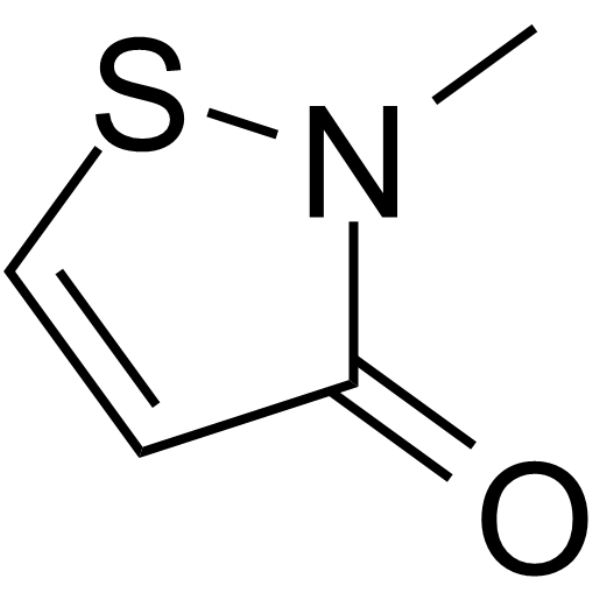
Methylothiazolinone is a bacterial and fungal inhibitor and preservative, as well as a sensitizer. Methylisothiazolinone can activate matrix metalloproteinases (MMPs) in human bronchial epithelial cells to induce apoptosis and inflammatory response. Methylisothiazolinone can promote the development of atopic dermatitis in mice by disrupting Th2/Th17 related immune responses. Methylisothiazolinone can cause mitochondrial damage in the endothelium of rat cerebral blood vessels .
loading...
    loading...
Cat. No.: HY-P99256
CAS No.: 1326244-10-3
Synonyms: SCH 900222; MK 3222; Anti-Human IL23 Recombinant Antibody
Target:  

Interleukin Related

Research Areas:  

Inflammation/Immunology Cancer

Tildrakizumab (SCH 900222) is a humanized anti-IL-23 (p19 subunit) monoclonal antibody. IL-23 is a critical cytokine to maintain the Th17 cell phenotype. Tildrakizumab has high-affinity for single-chain IL-23 (Kd: 136 pM). Tildrakizumab is effective against moderate to severe plaque psoriasis .
loading...
    loading...
Cat. No.: HY-16734A
CAS No.: 942398-84-7
Synonyms: MT-1303 hydrochloride
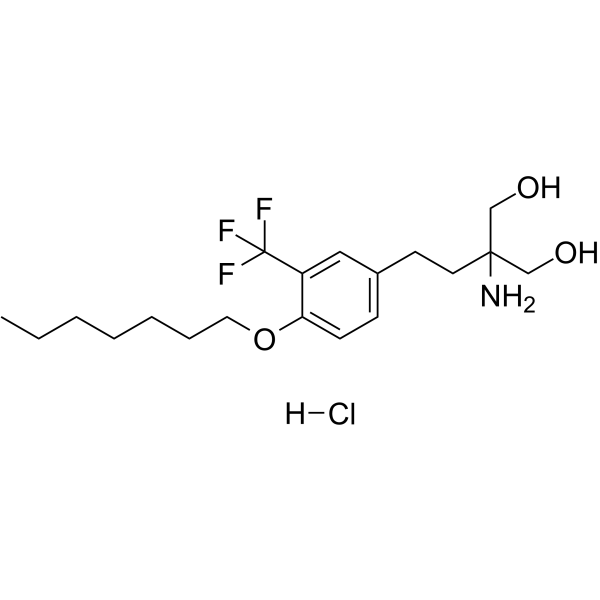
Amiselimod (MT-1303) hydrochloride is converted to its active metabolite Amiselimod phosphate by sphingosine kinases in vivo. Amiselimod hydrochloride is an orally active and high selectivity sphingosine 1-phosphate receptor-1 (S1P1) agonist, designed to reduce the bradycardia effects associated with fingolimod and other S1P receptor modulators. Amiselimod hydrochloride inhibits chronic colitis via inhibiting infiltration of colitogenic Th1 and Th17 cells into the colon. Amiselimod hydrochloride inhibits lupus nephritis by reducing the infiltration of autoreactive T cells into the kidneys. Amiselimod hydrochloride is promising for research of autoimmune diseases .
loading...
    loading...
Cat. No.: HY-113238A
CAS No.: 64936-81-8
Purity:  99.93%
Synonyms: SulfoliTHocholic acid disodium; LCAS disodium
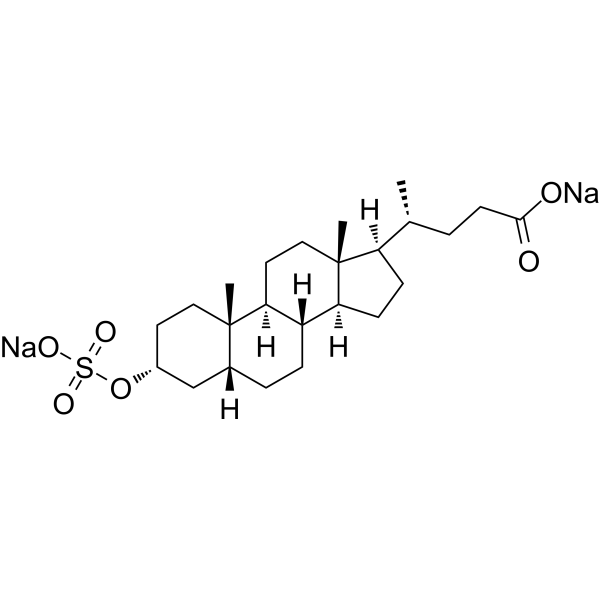
Lithocholic acid 3-sulfate disodium is a GPR39 agonist, with EC50 values of 41 μM and 42.4 μM in M39-20 and hGPR39-2 cells, respectively, in the absence of Zn 2+, and 0.88 μM and 0.97 μM in the presence of Zn 2+. Lithocholic acid 3-sulfate disodium acts as a RORγt ligand. Lithocholic acid 3-sulfate disodium stimulates the GPR39 receptor to initiate intracellular calcium signaling, independent of the Zn 2+-binding sites H17 and H19. LCA-3-S selectively inhibits Th17 cell differentiation by targeting RORγt. Lithocholic acid 3-sulfate disodium can be used in the research of cholestatic liver diseases .
loading...
    loading...
Cat. No.: HY-139780
CAS No.: 1917306-14-9
Purity:  99.88%
Target:  

ROR

Research Areas:  

Inflammation/Immunology

JNJ-61803534 is a potent and orally active RORγt inverse agonist with an IC50 of 9.6  nM. JNJ-61803534 has anti-inflammatory activity. JNJ-61803534 inhibits IL-17A production in human CD4+ T cells under Th17 differentiation conditions .
loading...
    loading...
Cat. No.: HY-P990023
CAS No.: 2622254-57-1
Synonyms: ADX-914
Target:  

Interleukin Related

Research Areas:  

Inflammation/Immunology

Bempikibart (ADX-914) is a fully human IgG1-κ monoclonal antibody targeting IL-7Rα. Bempikibart binds to the IL-7 receptor alpha and blocks IL-7 and TSLP signaling. Bempikibart reduces T cell populations while relatively preserving regulatory T cells. Bempikibart inhibits Th1, Th2, and Th17 immune pathways. Bempikibart can be used in research on alopecia areata and atopic dermatitis .
loading...
    loading...
Cat. No.: HY-W010243
CAS No.: 26172-54-3
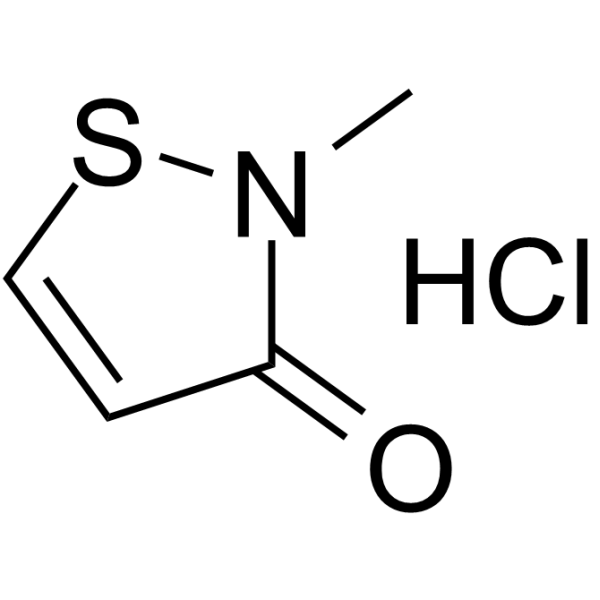
Methylisothiazolinone hydrochloride is a bacterial and fungal inhibitor and preservative, as well as a sensitizer. Methylisothiazolinone hydrochloride can activate matrix metalloproteinases (MMPs) in human bronchial epithelial cells to induce apoptosis and inflammatory response. Methylisothiazolinone hydrochloride can promote the development of atopic dermatitis in mice by disrupting Th2/Th17 related immune responses. Methylisothiazolinone hydrochloride can cause mitochondrial damage in the endothelium of rat cerebral blood vessels .
loading...
    loading...
Cat. No.: HY-P990145

Target:  

VISTA

Research Areas:  

Inflammation/Immunology Cancer

Anti-Mouse VISTA Antibody (13F3) is an anti-mouse VISTA IgG monoclonal antibody. Anti-Mouse VISTA Antibody (13F3) can reverse the immunosuppressive effect of VISTA by blocking its binding to ligands such as VSIG3. Anti-Mouse VISTA Antibody (13F3) exacerbates pulmonary fibrosis (PF) by promoting Th17 cell differentiation. Anti-Mouse VISTA Antibody (13F3) can be used for research on cancer such as breast cancer and PF .
loading...
    loading...
Cat. No.: HY-B1346
CAS No.: 6899-04-3
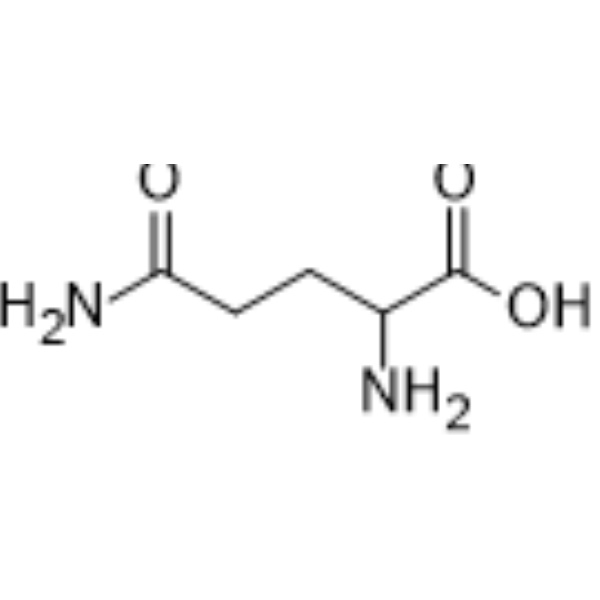
Synonyms: (±)-Glutamine; DL-Gl
DL-Glutamine ((±)-Glutamine; DL-Gl) is an amino acid metabolite. DL-Glutamine is a plasma metabolic biomarker associated with Treg/Th17 balance in an OVA-induced eosinophilic asthma mouse model. DL-glutamine positively correlates with muscle quality parameters such as muscle water-holding capacity and shear force, and negatively correlates with oxidative stress markers and apoptotic gene expression. DL-Glutamine is associated with periodontal pathogens and oral microbial communities in saliva/serum. DL-Glutamine can be used in research related to asthma, muscle quality, and periodontal disease .
loading...
    loading...
Cat. No.: HY-126328
CAS No.: 1160501-81-4
Purity:  99.73%
Target:  

PKC Interleukin Related

Research Areas:  

Inflammation/Immunology

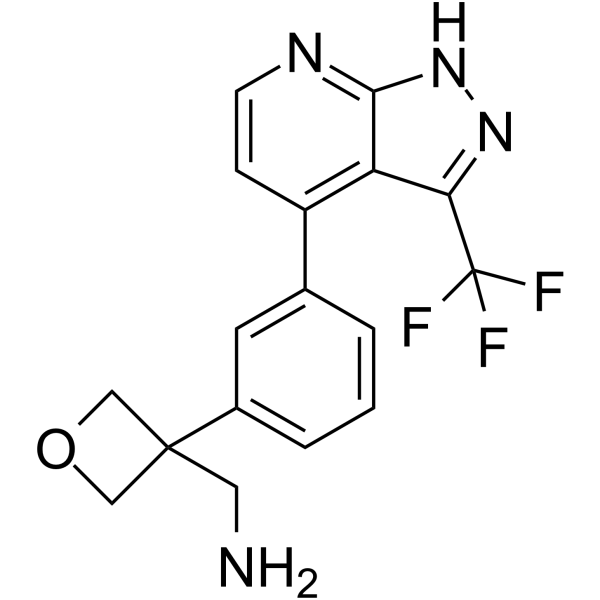
PKC-theta inhibitor 1 is an orally active and selective ATP-competitive inhibitor of Protein Kinase Cθ (PKCθ), with a Ki value of 6 nM. PKC-theta inhibitor 1 inhibits T-cell-mediated inflammatory responses by suppressing the release of proinflammatory cytokines (IL-2 IC50 = 0.21 μM in anti-CD3/CD28-stimulated PBMCs; IL-17 IC50 = 1 μM in CD3/CD28-stimulated Th17 cells) PKC-theta inhibitor 1 significantly reduces symptoms in mice with ongoing experimental autoimmune encephalomyelitis (EAE). PKC-theta inhibitor 1 can be used for the study of T-cell-mediated inflammatory diseases such as multiple sclerosis .
loading...
    loading...
Cat. No.: HY-138115
CAS No.: 240129-43-5
Synonyms: 7β, 27-OHC
Target:  

ROR

Research Areas:  

Inflammation/Immunology

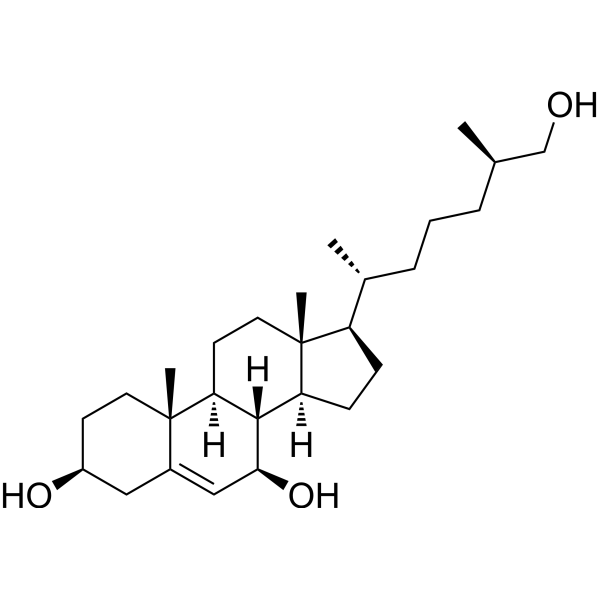
7ß,27-Dihydroxycholesterol (7β, 27-OHC) is a potent and selective activator of RORγt (Ki=120 nM). 7ß,27-Dihydroxycholesterol promotes the differentiation of mouse and human CD4 + Th17 cells. 7ß,27-Dihydroxycholesterol also increases the production of IL-17 depended on CYP27A1 .
loading...
    loading...
Cat. No.: HY-P10109
CAS No.: 1174631-35-6
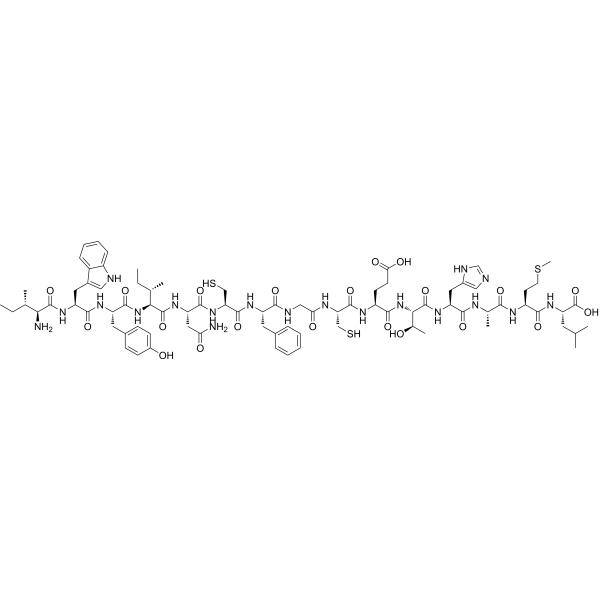
G6PI 325-339 (human) is an efficient inducer of arthritis in B10.Q mice. G6PI 325-339 (human) primes Th1 and Th17 cells cross-reacted with the murine G6PI protein. G6PI 325-339 (human) induces arthritis model operating through a T and B cell-dependent pathway but without antibody effector mechanisms .
loading...
    loading...
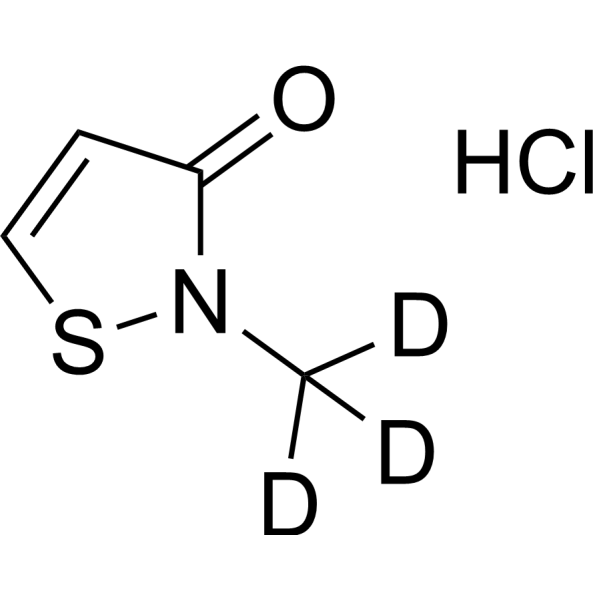
Cat. No.: HY-W010243S
CAS No.: 1329509-49-0
Methylisothiazolinone-d3 hydrochloride is the deuterium labeled Methylisothiazolinone hydrochloride (HY-W010243). Methylisothiazolinone hydrochloride is a bacterial and fungal inhibitor and preservative, as well as a sensitizer. Methylisothiazolinone hydrochloride can activate matrix metalloproteinases (MMPs) in human bronchial epithelial cells to induce apoptosis and inflammatory response. Methylisothiazolinone hydrochloride can promote the development of atopic dermatitis in mice by disrupting Th2/Th17 related immune responses. Methylisothiazolinone hydrochloride can cause mitochondrial damage in the endothelium of rat cerebral blood vessels .
loading...
    loading...
Cat. No.: HY-174903
CAS No.: 2616666-32-9
Target:  

Itk

Research Areas:  

Inflammation/Immunology

ITK-IN-6 is a highly potent and selective ITK inhibitor (Kd = 387 nM). ITK-IN-6 directly binds to the ITK kinase domain. ITK-IN-6 blocks the release of pro-inflammatory cytokines and the activation and differentiation of Th2 and Th17 cells. ITK-IN-6 improves asthma progression by reducing inflammatory cell infiltration, mucus and IgE production. ITK-IN-6 significantly inhibits airway inflammation and is used in asthma research .
loading...
    loading...

