367 Results for "

cell-viability

" in MedChemExpress (MCE) Product Catalog:
Products (367)

367 Results for "cell-viability" in MCE Product Catalog:

8
8 Cited Publications
Cat. No.: HY-111152
CAS No.: 912798-42-6
Purity:  99.89%
Target:  

STAT

Research Areas:  

Cancer

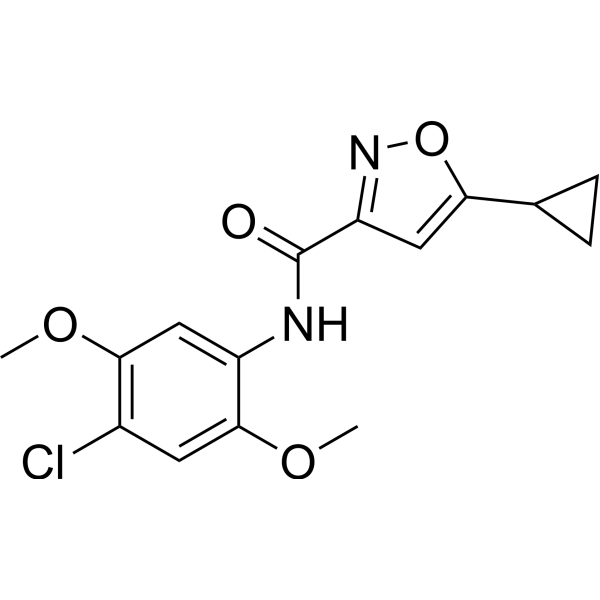
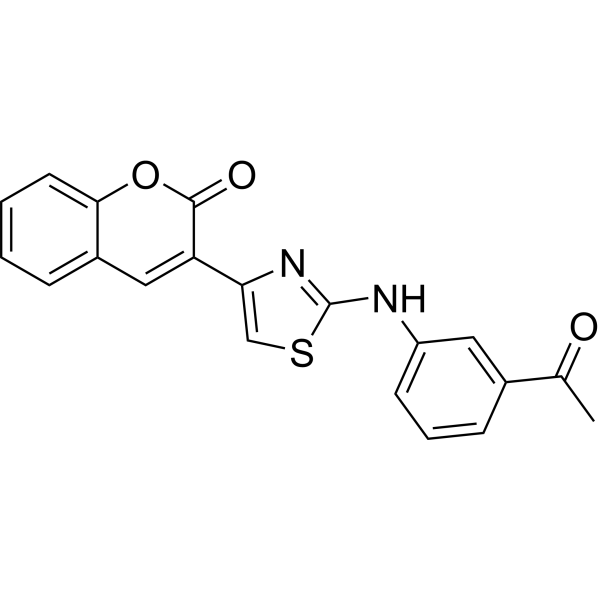
ML115, a molecular probe of the signal transducer, is a selective STAT3 agonist, with an EC50 of 2 nM. ML115 increases the expression of BCL3, a known STAT3-dependent oncogene. ML115 is inactive against the related STAT1, STAT5 and NF-κB anti-targets. ML115 counteracts the effects of Ginsenoside Rc (HY-N0042) on cell viability and inflammatory responses in LPS (HY-D1056)-stimulated H9c2 and RAW264.7 cells, while altering oxidative stress markers. ML115 can be used for the study of breast and prostate cancers .
loading...
    loading...
6
6 Cited Publications
Cat. No.: HY-151361
CAS No.: 2417674-27-0
Purity:  98.00%
Target:  

AMPK

Research Areas:  

Cancer

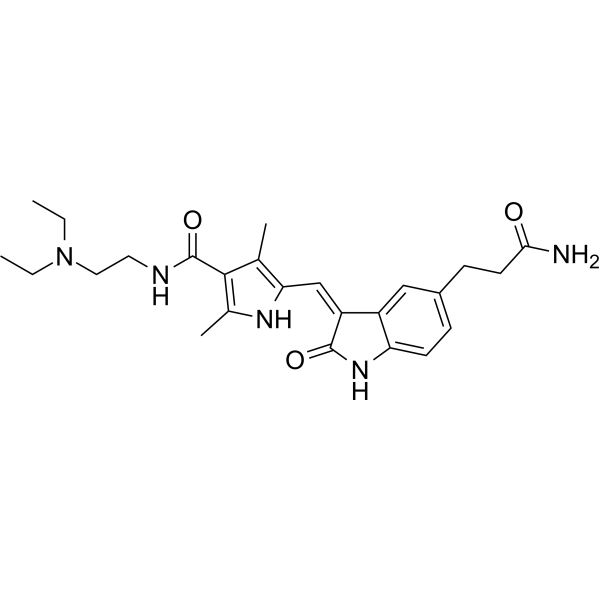
AMPK-IN-3 (compound 67) is a potent and selective AMPK inhibitor with IC50s of 60.7, 107 and 3820 nM for AMPK (α2), AMPK (α1) and KDR, respectively. AMPK-IN-3 inhibits AMPK does not affect cell viability or cause significant cytotoxicity in K562 cells. AMPK-IN-3 can be used in study of cancer .
loading...
    loading...
5
5 Cited Publications
Cat. No.: HY-163541
Research Areas:  

Cancer

SMS121 is a CD36 inhibitor with a KD values of about 5 µM. SMS121 reduces the uptake of lipids and inhibits cell viability in acute myeloid leukemia cells. SMS121 has antitumor activity .
loading...
    loading...
5
5 Cited Publications
Cat. No.: HY-19832
CAS No.: 871361-88-5
Target:  

MOFs Akt Apoptosis

Research Areas:  

Cancer

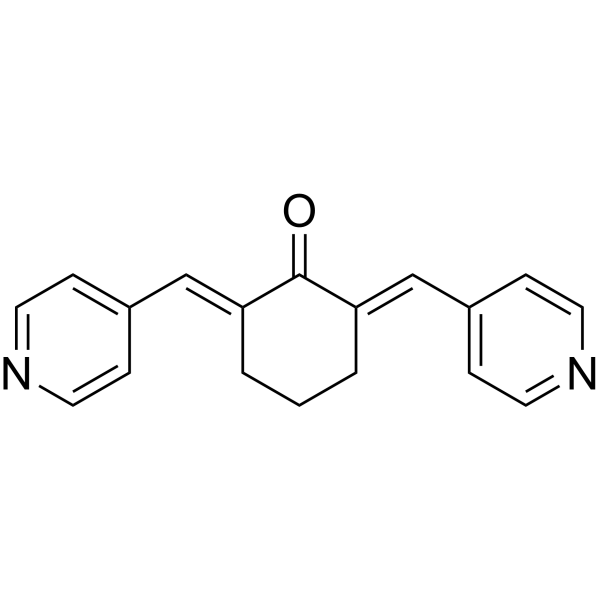
SC66 is an Akt inhibitor, reduces cell viability in a dose- and time-dependent manner, inhibits colony formation and induces apoptosis in hepatocellular carcinoma (HCC) cells.
loading...
    loading...
4
4 Cited Publications
Cat. No.: HY-122131
CAS No.: 111072-31-2
Purity:  99.90%
Research Areas:  

Others

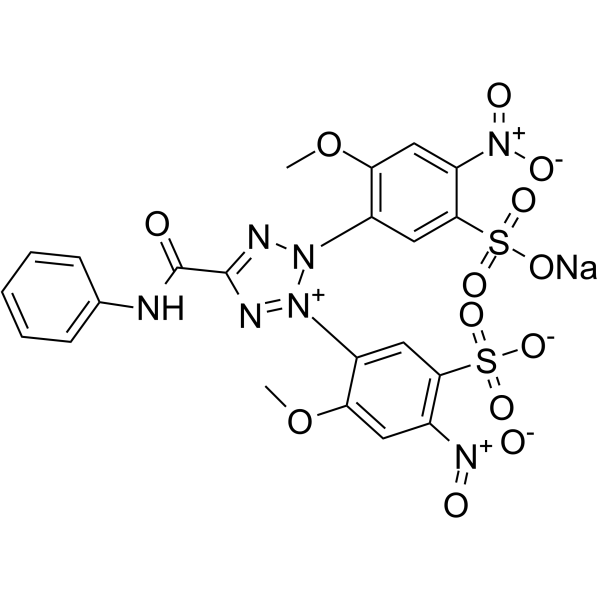
XTT (sodium) is used to assess cell viability as a function of redox potential. Actively respiring cells convert the water-soluble XTT to a water-soluble, orange colored formazan product.
loading...
    loading...
4
4 Cited Publications
Cat. No.: HY-N0457
CAS No.: 6537-80-0
Synonyms: Cichoric acid; Dicaffeoyltartaric acid
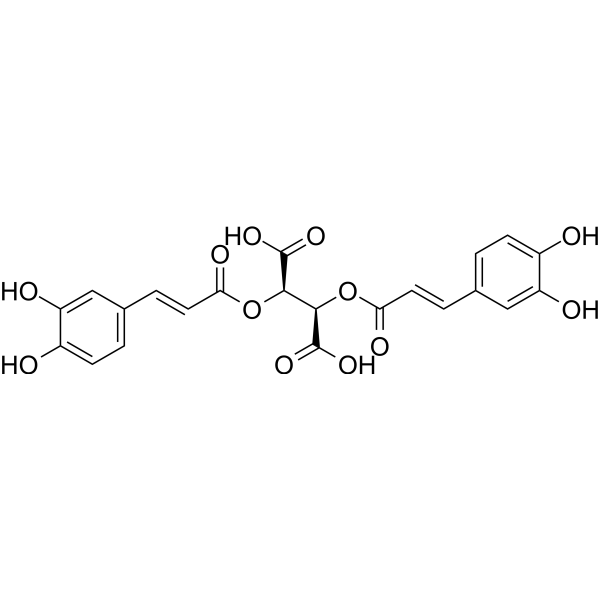
Chicoric acid (Cichoric acid), an orally active dicaffeyltartaric acid, induces reactive oxygen species (ROS) generation. Chicoric acid inhibits cell viability and induces mitochondria-dependent apoptosis in 3T3-L1 preadipocytes through ROS-mediated PI3K/Akt and MAPK signaling pathways. Chicoric acid increases glucose uptake, improves insulin resistance, and attenuates glucosamine-induced inflammation. Chicoric acid has antidiabetic properties and antioxidant, anti-inflammatory effects .
loading...
    loading...
4
4 Cited Publications
Cat. No.: HY-100958
CAS No.: 1952-15-4
Purity:  99.96%
Synonyms: 4-DAMP methiodide
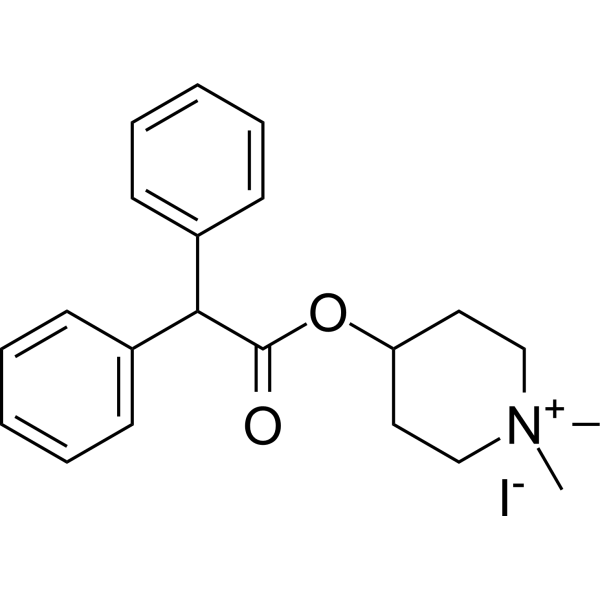
4-DAMP (4-DAMP methiodide) is a potent and selective antagonist of M3 receptors and also has a high affinity for the closely-related M5 receptors. 4-DAMP combined with 5-Fluorouracil (5-Fu) (HY-90006) could significantly reduce the cell viability and enhance apoptosis in MKN45 and BGC823 gastric cancer cells. 4-DAMP inhibits lipopolysaccharide (LPS)- and tobacco-induced pulmonary inflammation and reduces mucin 5AC (MUC5AC), oligomeric mucus/gel-forming secretion .
loading...
    loading...
4
4 Cited Publications
Cat. No.: HY-N0712
CAS No.: 104472-68-6
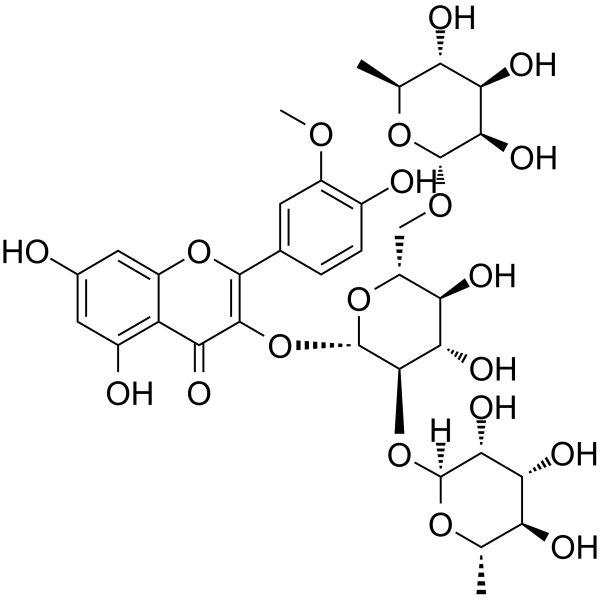
Typhaneoside is an orally active activator of PI3K/Akt/mTOR and farnesoid X receptor. Typhaneoside promotes the activation of AMPK and Caspase-3, induces apoptosis, ferroptosis, autophagy, ROS accumulation, cell cycle arrest at the G2/M phase, and reduces cancer cell viability. Typhaneoside improves glucose and lipid metabolism, alleviates inflammatory responses, oxidative stress and hepatic lipid accumulation, and exerts hepatoprotective effects. Typhaneoside can be used in research related to heart failure after myocardial infarction, acute myeloid leukemia, non-alcoholic fatty liver disease and neurological disorders .
loading...
    loading...
4
4 Cited Publications
Cat. No.: HY-101519
CAS No.: 2093388-62-4
Purity:  99.59%
Synonyms: ZBC 260
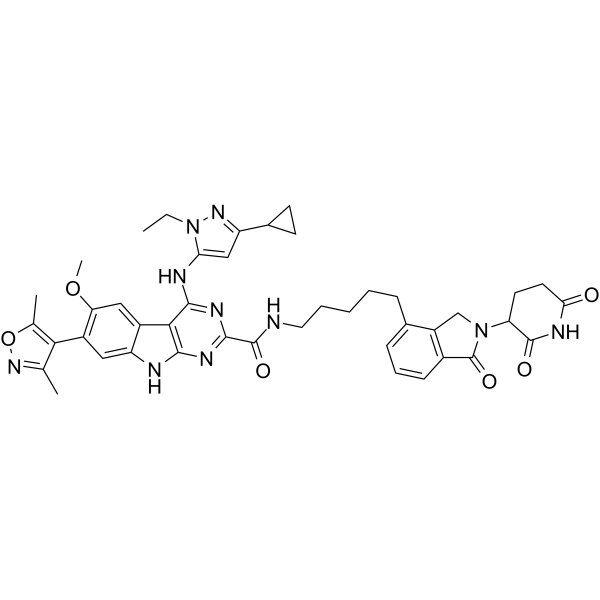
BETd-260 (ZBC 260) is a BET PROTAC degrader. BETd-260 recruits BRD2, BRD3, and BRD4 to the CUL4-RBX1-DDB1-CRBN E3 ubiquitin ligase complex, driving cereblon-, proteasome-, and NEDD8-activating enzyme-dependent ubiquitination and degradation, with a DC50 of approximately 30-100 pM in RS4;11 cells. BETd-260 induces cancer cell apoptosis via endogenous signaling pathways, regulates the expression of the Bcl-2 family, inhibits the oncogene c-Myc, and reduces cell viability. BETd-260 suppresses tumor growth in mouse xenograft models with good biosafety. BETd-260 can be used in research related to acute leukemia, hepatocellular carcinoma, osteosarcoma, and triple-negative breast cancer .
loading...
    loading...
3
3 Cited Publications
Cat. No.: HY-114989
CAS No.: 1362243-70-6
Purity:  99.77%
Target:  

Apoptosis

Research Areas:  

Cancer

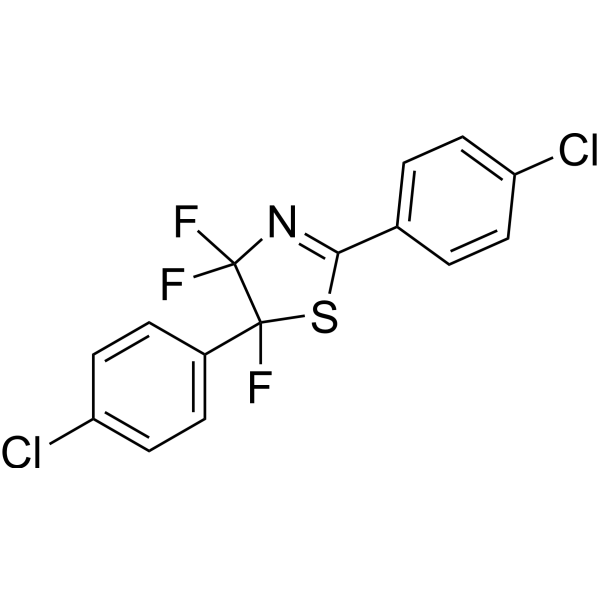
Fluorizoline selectively and directly binds to prohibitin 1 (PHB1) and 2 (PHB2), and induces apoptosis. Fluorizoline reduces chronic lymphocytic leukemia (CLL) cell viability through the upregulation of NOXA and BIM. Fluorizoline exerts antitumor action in a p53-independent manner .
loading...
    loading...
3
3 Cited Publications
Cat. No.: HY-K6016

MCE Organoid Vitality Assay Kit is a fluorescence-based assay kit specifically designed for measuring cell viability in organoids.

loading...
    loading...
3
3 Cited Publications
Cat. No.: HY-17593
CAS No.: 760981-83-7
Synonyms: CEM-101; OP-1068
Target:  

Bacterial Antibiotic

Research Areas:  

Infection

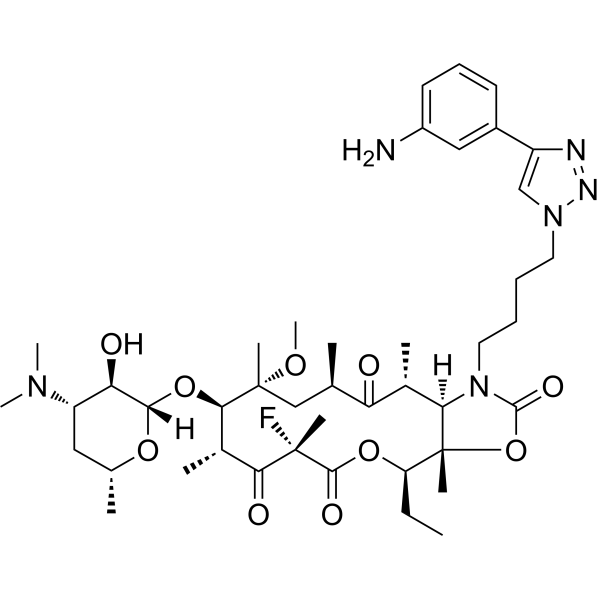
Solithromycin (CEM-101) is an orally bioavailable, effective antimicrobial agent, with IC50s for inhibition of cell viability, protein synthesis, and growth rate are 7.5 ng/mL, 40 ng/mL, and 125 ng/mL for Streptococcus pneumonia, Staphylococcus aureus, and Haemophilus influenzae, respectively. Solithromycin binds to the large 50S subunit of the ribosome and inhibits protein biosynthesis .
loading...
    loading...
3
3 Cited Publications
Cat. No.: HY-119358
CAS No.: 6402-36-4
Purity:  99.85%
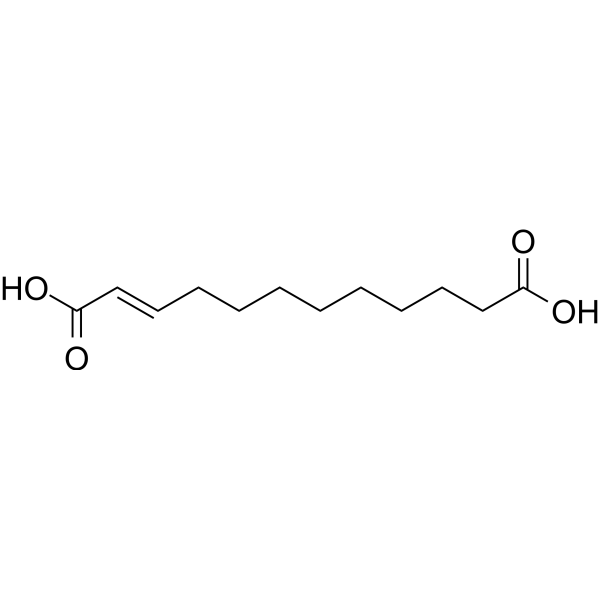
Traumatic Acid is a wound healing agent and a cytokinin (phytohormone). Traumatic Acid enhances the biosynthesis of collagen in cultured human skin fibroblasts. Traumatic Acid inhibits MCF-7 breast cancer cells viability and enhances apoptosis and oxidative stress. Traumatic Acid can be used in studies of cancer, circulatory disorders (including arterial hypertension), and skin diseases associated with oxidative stress and impaired collagen biosynthesis .
loading...
    loading...
3
3 Cited Publications
Cat. No.: HY-149897
CAS No.: 3009761-01-4
Purity:  99.36%
Research Areas:  

Cancer

HA-CD44 interaction inhibitor 2 is a CD44 inhibitor that can inhibit the interaction between Hyaluronic acid (HA) (HY-B0633A) and CD44. HA-CD44 interaction inhibitor 2 acts as an antiproliferative agent against CD44 + cancer cells. HA-CD44 interaction inhibitor 2 can disrupt the integrity of cancer spheres and reduce cancer cell viability in a dose-dependent manner. HA-CD44 interaction inhibitor 2 is applicable for tumor research .
loading...
    loading...
3
3 Cited Publications
Cat. No.: HY-B0852
CAS No.: 107534-96-3
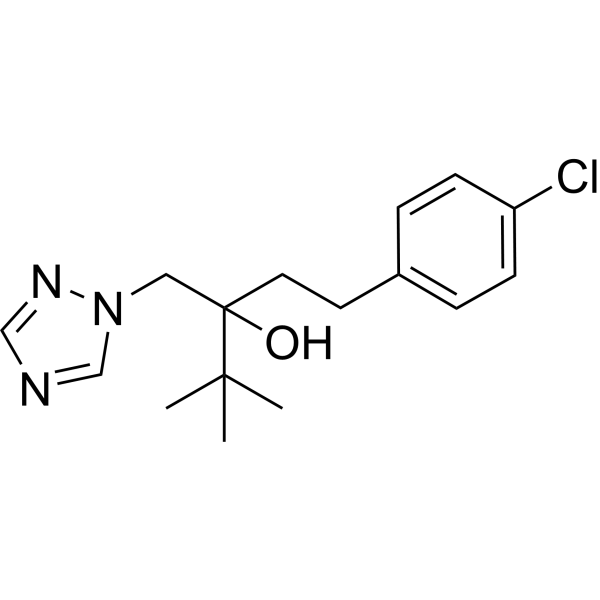
Tebuconazole is an orally active agricultural azole fungicide which can also inhibit CYP51 with IC50s of 0.9 and 1.3 μM for Candida albicans CYP51 (CaCYP51) and truncated Homo sapiens CYP51 (Δ60HsCYP51), respectively. Tebuconazole induces lipid accumulation and oxidative stress in HepG2 Cells. Tebuconazole decreases MAC-T cells viability and proliferation, induces ER-stress-mediated apoptosis and increases oxidative stress levels in MAC-T cells .
loading...
    loading...
3
3 Cited Publications
Cat. No.: HY-D0970
CAS No.: 72-57-1
Synonyms: Direct Blue 14; Trypan Blue
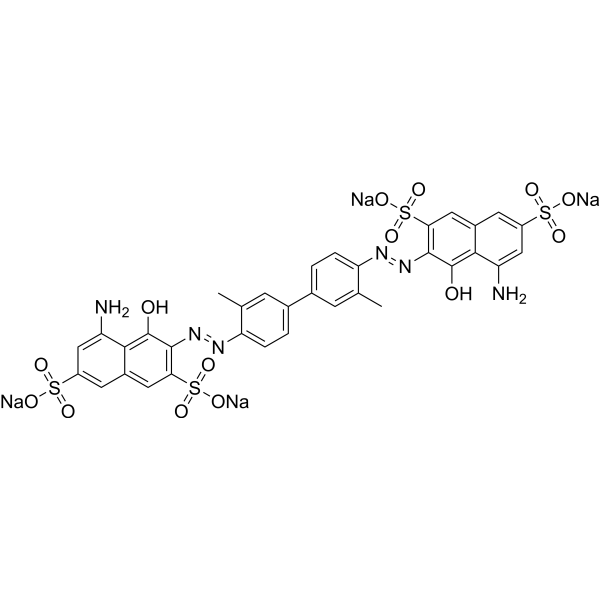
Diphenyl Blue (Trypan Blue) is a cell active dye, the most commonly used dye for the identification of dead cells, of en used to test cell membrane integrity and cell viability. Diphenyl Blue staining is one of the methods for tissue and cell culture. When cells are deactivated or have incomplete cell membranes, Diphenyl Blue can stain them Blue. Normal living cells with intact cell membranes reject Diphenyl blue and do not stain them blue. However, macrophages are capable of phagocytosis of Diphenyl Blue, so it can be used as a living stain for macrophages .
loading...
    loading...
3
3 Cited Publications
Cat. No.: HY-N6954
CAS No.: 76996-27-5
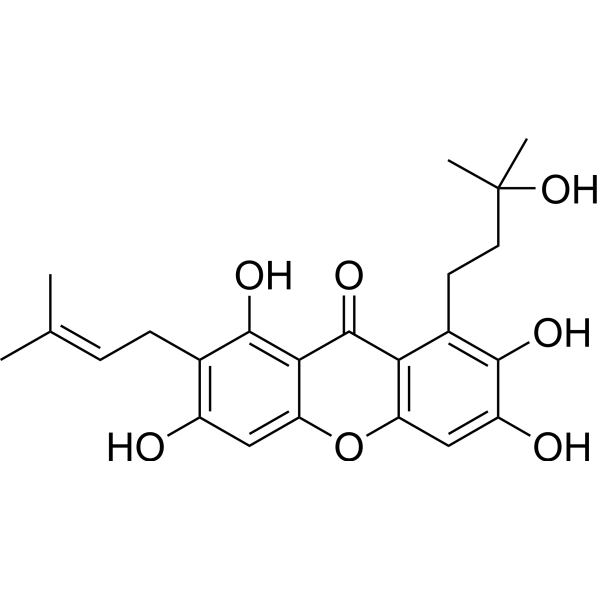
Garcinone C, a xanthone derivative, is a natural compound extracted from Garcinia oblongifolia that is used as an anti-inflammatory, astringency and granulation-promoting medicine, and has potential cytotoxic effects on certain cancers. Garcinone C stimulates the expression levels of ATR and 4E-BP1, arrests the cell cycle, inhibits cell viability of the human Nasopharyngeal carcinoma (NPC) cell lines CNE1, CNE2, HK1 and HONE1 in a time‑ and dose‑dependent manner through inhibition of Hedgehog signaling pathway. Garcinone C is orally active .
loading...
    loading...
2
2 Cited Publications
Cat. No.: HY-138536
CAS No.: 2484739-48-0
Purity:  98.30%
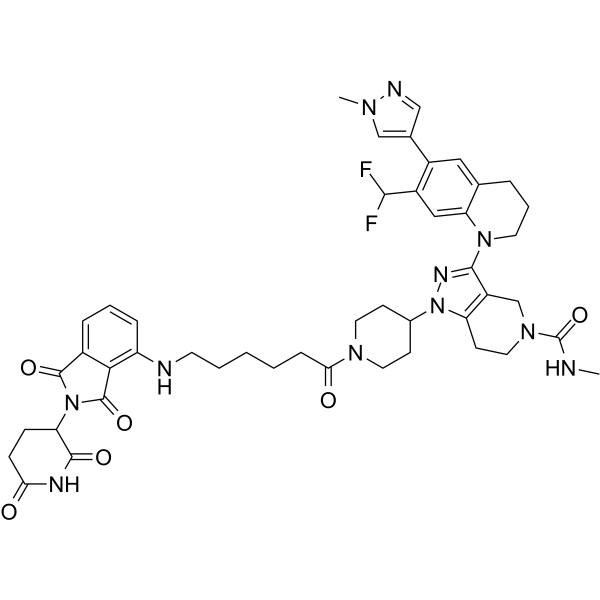
PROTAC CBP/P300 Degrader-1 is a potent PROTAC CBP/P300 degrader. PROTAC CBP/P300 Degrader-1 potently inhibited cell viability of multiple cancer cell lines .
loading...
    loading...
2
2 Cited Publications
Cat. No.: HY-148364
CAS No.: 317328-17-9
Purity:  99.96%
Target:  

Lipocalin Family Akt

Research Areas:  

Cancer

ZINC00784494 is a specific Lipocalin-2 (LCN2) inhibitor. ZINC00784494 inhibits cell proliferation, cell viability and reduces AKT phosphorylation levels in SUM149 cells. ZINC00784494 has good potential for research in inflammatory breast cancer (IBC) .
loading...
    loading...
2
2 Cited Publications
Cat. No.: HY-13981
CAS No.: 1165910-22-4
Purity:  99.93%
Synonyms: LGD-4033
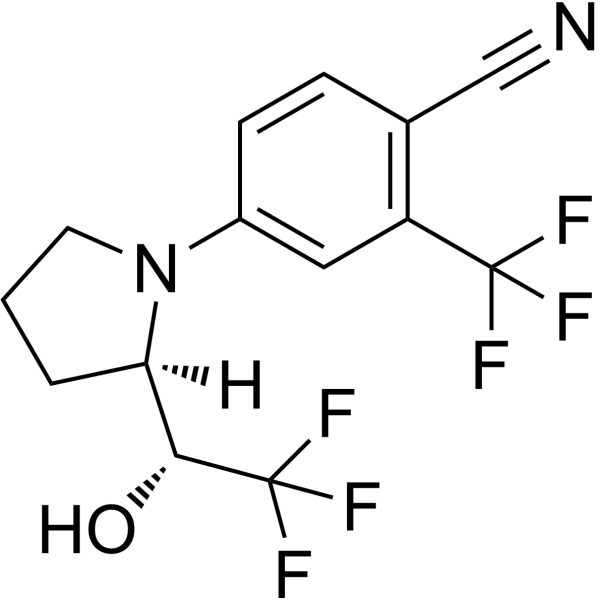
Ligandrol is an orally active, selective androgen receptor (AR) agonist. Ligandrol enhances protein synthesis, inhibits muscle breakdown and oxidative stress, improves muscle cell viability and bone tissue microstructure, and reduces Cisplatin (HY-17394)-induced muscle toxicity and apoptosis. Ligandrol promotes muscle growth, protects bone structure, and has anti-diabetic, anti-apoptotic and antioxidant effects. Ligandrol can antagonize Streptozotocin (HY-13753) damage to pancreatic islets and improve the symptoms of type 2 diabetes .
loading...
    loading...

