
101 Results for "

central neuron

" in MedChemExpress (MCE) Product Catalog:
Products (101)

101 Results for "central neuron" in MCE Product Catalog:

1
1 Cited Publications
Cat. No.: HY-N0666R
CAS No.: 56-84-8
L-Aspartic acid (Standard) is the analytical standard of L-Aspartic acid (HY-N0666). This product is intended for research and analytical applications. L-Aspartic acid is a NMDA receptor agonist and acidic amino acid. L-Aspartic acid has no independent analgesic activity. L-Aspartic acid can antagonize the analgesic effects of D-Aspartic acid and Morphine. L-Aspartic acid regulates polymorph transformation, crystal growth/aggregation and nucleation processes of calcium carbonate, and can serve as a biomineralization template. L-Aspartic acid promotes burst firing of central neurons. L-Aspartic acid can be used in studies related to cerebral ischemia and epilepsy .
loading...
    loading...
1
1 Cited Publications
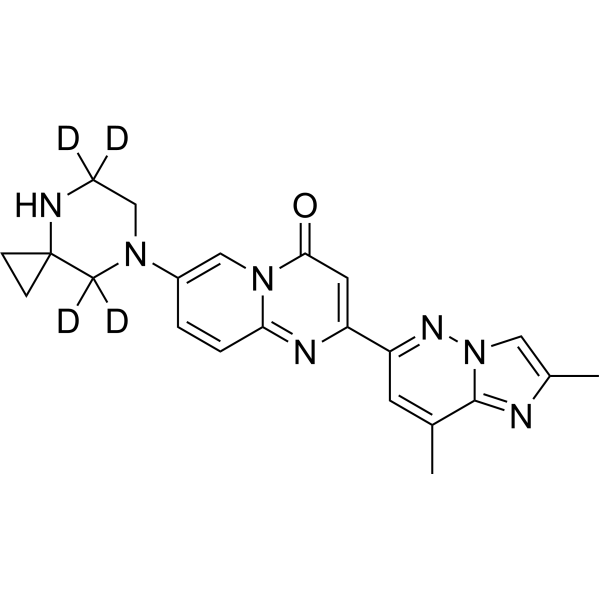
Cat. No.: HY-109101S
Purity:  98.88%
Risdiplam-d4 is deuterium labeled Risdiplam. Risdiplam (RG7916) is an orally administered, centrally and peripherally distributed SMN2 pre-mRNA splicing modifier that increases survival motor neuron (SMN) protein levels .
loading...
    loading...
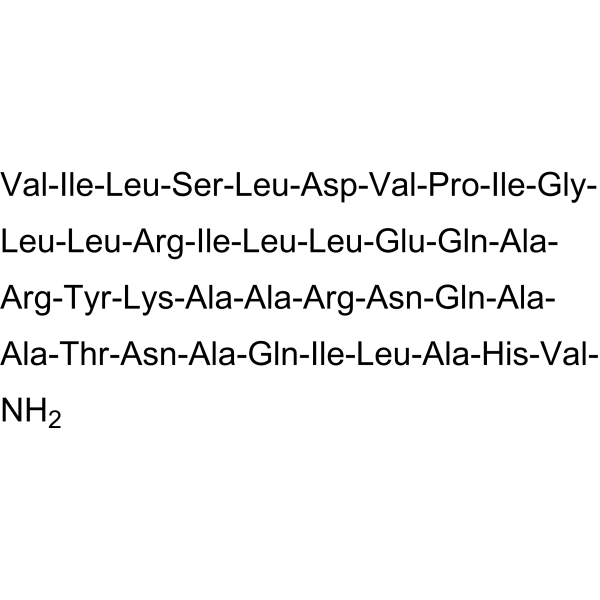
Cat. No.: HY-P2847
CAS No.: 330648-32-3
Target:  

CRFR

Research Areas:  

Metabolic Disease Endocrinology

Urocortin II, mouse is a potent and selective endogenous peptide agonist of type-2 corticotropin-releasing factor (CRF2) receptor with Ki values of 0.66 nM and ﹥100 nM for CRFR2 and CRFR1, respectively. Urocortin II, mouse activates CRF2 receptors in a cAMP/PKA- and Ca 2+/CaMKII-dependent manner.Urocortin II, mouse is expressed in discrete areas of the central nervous system, and activates central neurons involved in the processing of visceral sensory information, and in modulating autonomic outflow .
loading...
    loading...
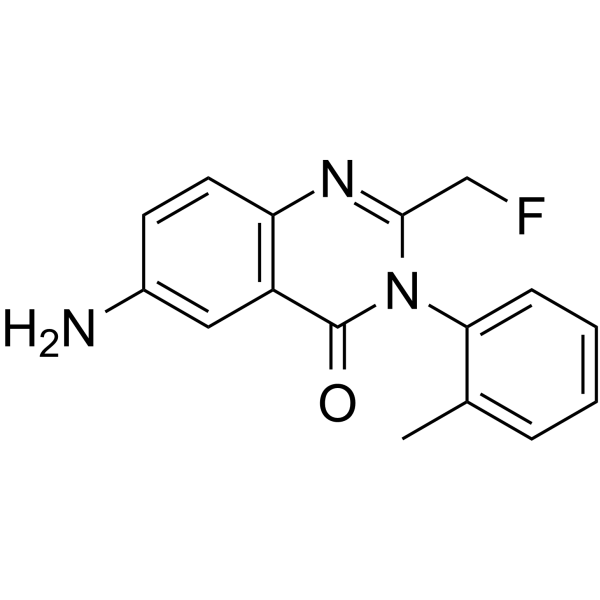
Cat. No.: HY-B1833
CAS No.: 56287-74-2
Synonyms: HQ-495
Target:  

GABA Receptor

Research Areas:  

Neurological Disease

Afloqualone (HQ-495) is an orally active central muscle relaxant and antivertiginous agent that can increase the sensitivity of GABA receptors in neurons of the lateral vestibular nucleus. Afloqualone (HQ-495) can be used in the research of low back pain and neck-arm-shoulder syndrome .
loading...
    loading...
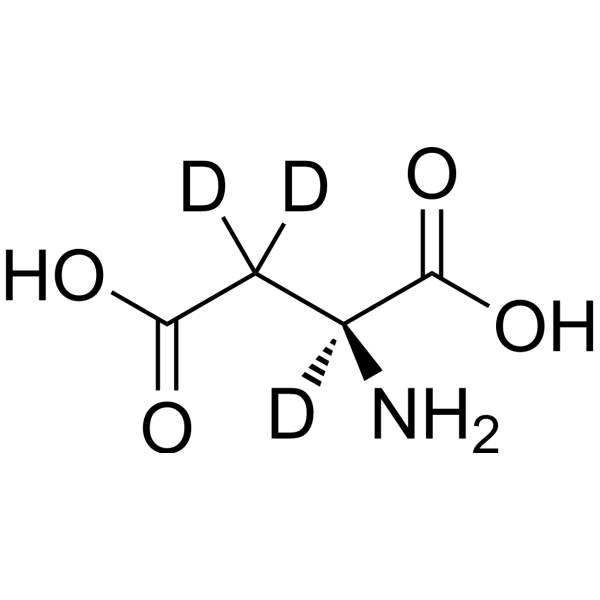
Cat. No.: HY-N0666S8
CAS No.: 3842-25-9
L-Aspartic acid-d3 is the d3-labeled L-Aspartic acid (HY-N0666). L-Aspartic acid is a NMDA receptor agonist and acidic amino acid. L-Aspartic acid has no independent analgesic activity. L-Aspartic acid can antagonize the analgesic effects of D-Aspartic acid and Morphine. L-Aspartic acid regulates polymorph transformation, crystal growth/aggregation and nucleation processes of calcium carbonate, and can serve as a biomineralization template. L-Aspartic acid promotes burst firing of central neurons. L-Aspartic acid can be used in studies related to cerebral ischemia and epilepsy .
loading...
    loading...
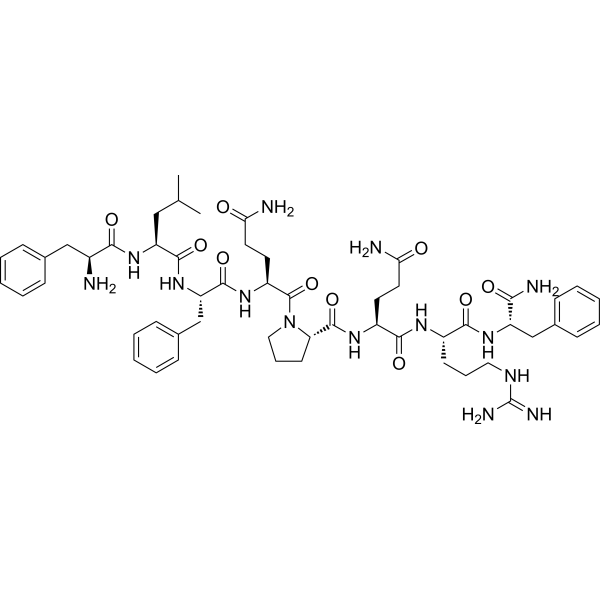
Cat. No.: HY-P1248
CAS No.: 99566-27-5
Synonyms: NPFF
Neuropeptide FF (NPFF), an octapeptide belonging to the RF-amide family of peptides, is a NPFF1 and NPFF2 receptors agonist with Ki values of 2.82 nM and 0.21 nM, respectively. Neuropeptide FF induces abstinence syndrome, exerts antiopioid and analgesic effects, releases via calcium-dependent mechanisms from rat spinal cord, regulates memory, autonomic function, and neuroendocrine function, modulates pain and opioid antinociception, reduces food intake, stimulates water intake, alters cardiovascular parameters, and shows differential activity in hypothalamic paraventricular nucleus neurons. Neuropeptide FF is present in mammalian central nervous system and periphery, with NPFF-immunoreactivity increases in rat cerebrospinal fluid during opiate tolerance, and its NPFF gene and NPFF-R2 gene are up-regulated in rat spinal cord and dorsal root ganglia during peripheral inflammation. Neuropeptide FF can be used for the research of opioid tolerance, morphine-induced analgesia, abstinence syndrome, pain, hypertension, nociception, inflammatory pain, and neuropathic pain .
loading...
    loading...
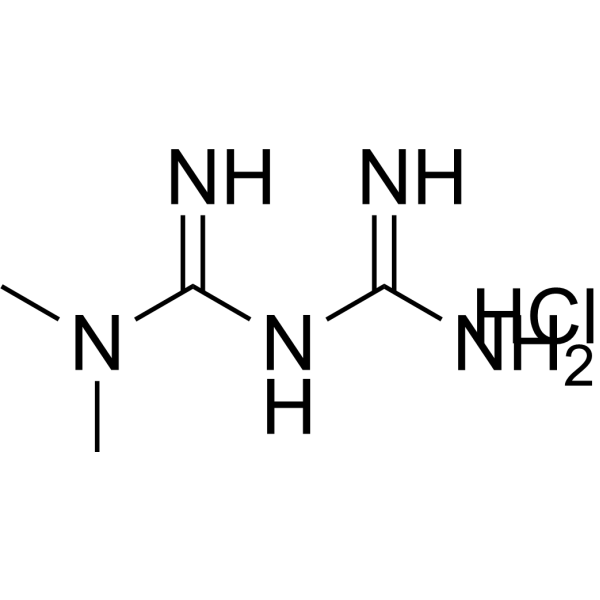
Cat. No.: HY-17471AR
CAS No.: 1115-70-4
Synonyms: 1,1-Dimethylbiguanide hydrochloride (Standard)
Metformin hydrochloride (Standard) is the analytical standard of Metformin hydrochloride (HY-17471A). This product is intended for research and analytical applications. Metformin (1,1-Dimethylbiguanide) hydrochloride inhibits the mitochondrial respiratory chain in the liver, leading to AMPK activation and enhancing insulin sensitivity, and can be used in the study of type 2 diabetes. Metformin hydrochloride exerts central glucose-lowering effects by inhibiting Ras-related protein 1 (Rap1) in SF1 hypothalamic neurons. Metformin hydrochloride also inhibits liver oxidative stress, nitrosative stress, inflammation, and apoptosis caused by liver ischemia/reperfusion injury. In addition, Metformin hydrochloride regulates the expression of autophagy-related proteins by activating AMPK and inhibiting the mTOR signaling pathway, thereby inducing tumor cell autophagy and inhibiting the growth of renal cell carcinoma in vitro and in vivo .
loading...
    loading...
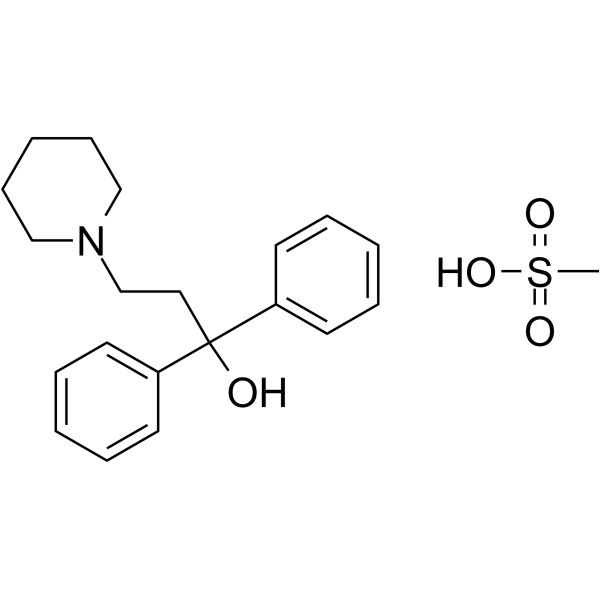
Cat. No.: HY-B1343
CAS No.: 6856-31-1
Target:  

Cholinesterase (ChE)

Research Areas:  

Neurological Disease

Pridinol mesylate is an orally active, blood-brain permeable, muscarinic acetylcholine receptor (mAChR)-directed muscle relaxant. Pridinol mesylate reduces the conduction of impulses to spinal motor neurons and exerts muscle relaxant activity. Pridinol mesylate inhibits skeletal muscle contractures in diseases of both central and peripheral origin and can be used in research in the field of musculoskeletal diseases .
loading...
    loading...
Cat. No.: HY-164795
CAS No.: 1849603-79-7
SBI-810 is a blood-brain barrier-permeable NTSR1 modulator. SBI-810 promotes the recruitment of β-arrestin-2 to NTSR1 and antagonizes NTSR1-mediated Gq activation. SBI-810 inhibits excitatory synaptic transmission, NMDA receptor and extracellular signal-regulated kinase (ERK) signaling in spinal nociceptive neurons, reduces surface expression of Nav1.7 and action potential firing in primary sensory neurons, and attenuates C-fiber responses. SBI-810 effectively alleviates acute and chronic pain in various rodent models through peripheral and central modulation. SBI-810 is applicable to research related to multiple pain disorders .
loading...
    loading...
Cat. No.: HY-164795A
CAS No.: 2772746-58-2
SBI-810 hydrochloride is a blood-brain barrier-permeable NTSR1 modulator. SBI-810 hydrochloride promotes the recruitment of β-arrestin-2 to NTSR1 and antagonizes NTSR1-mediated Gq activation. SBI-810 hydrochloride inhibits excitatory synaptic transmission, NMDA receptor and extracellular signal-regulated kinase (ERK) signaling in spinal nociceptive neurons, reduces surface expression of Nav1.7 and action potential firing in primary sensory neurons, and attenuates C-fiber responses. SBI-810 hydrochloride effectively alleviates acute and chronic pain in various rodent models through peripheral and central modulation. SBI-810 hydrochloride is applicable to research related to multiple pain disorders .
loading...
    loading...
Cat. No.: HY-164288
CAS No.: 2287331-29-5
Synonyms: TDI-006570
TDI-6570 (TDI-006570) is a blood-brain barrier-permeable, orally active cGAS inhibitor with an IC50 of 1.64 μM. TDI-6570 exhibits high gastrointestinal absorption and a long brain half-life in mice, and shows no toxicity to primary neurons. By inhibiting the cGAS-STING-IFN signaling pathway, TDI-6570 reduces STING levels and the activation of TBK1, blocks double-stranded DNA-induced cGAS activation and downstream interferon-stimulated gene expression, thereby reducing tau protein spread and improving synaptic loss. TDI-6570 reverses memory deficits, increases the amplitude of long-term potentiation, enhances the MEF2C transcriptional network, restores PSD-95 and vGAT punctate structures, and significantly improves cognitive resilience. TDI-6570 can be applied to the research of Alzheimer's disease, Parkinson's disease, systemic lupus erythematosus, as well as various central nervous system and autoimmune diseases .
loading...
    loading...
ISIS 626112 sodium
0 Images
ION-626112 (sodium)
Cat. No.: HY-159693A
Synonyms: ION-626112 sodium
ISIS 626112 sodium (ION-626112 sodium) is a blood-brain barrier-permeable MOE-gapmer antisense oligonucleotide and also an inhibitor of the Malat1 long non-coding RNA. ISIS 626112 sodium triggers RNase H1-mediated cleavage and degradation of complementary Malat1 RNA. ISIS 626112 sodium dose-dependently reduces Malat1 RNA levels in all tested central nervous system regions and major central nervous system cell types in mice, with glial cells showing higher sensitivity than neurons .
loading...
    loading...
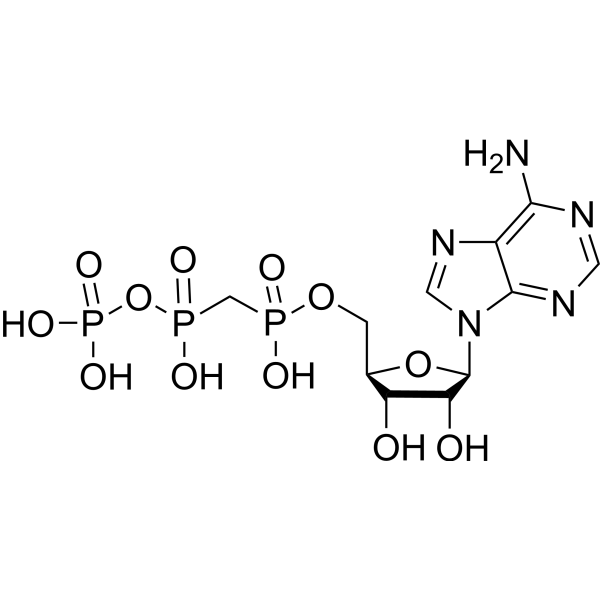
Cat. No.: HY-134440A
CAS No.: 7292-42-4
Target:  

P2X Receptor

Research Areas:  

Inflammation/Immunology

α,β-Methylene-ATP is an agonist of P2X1 and P2X3 receptors and can cross the blood-brain barrier. α,β-Methylene-ATP can trigger a reflex pressor response by activating P2X receptors in peripheral muscles and the central locus coeruleus (LC); this effect can be blocked by the P2X antagonist PPADS (HY-108960). α,β-Methylene-ATP also activates noradrenergic neurons in the central locus coeruleus, mediating antinociceptive effects; this effect can be attenuated by the locus coeruleus damaging agent DSP-4 (HY-103210/HY-121602). α,β-Methylene-ATP can be used to study the pathological mechanisms of neuropathic pain, cardiovascular reflex regulation, and antinociceptive effects of the central nervous system .
loading...
    loading...
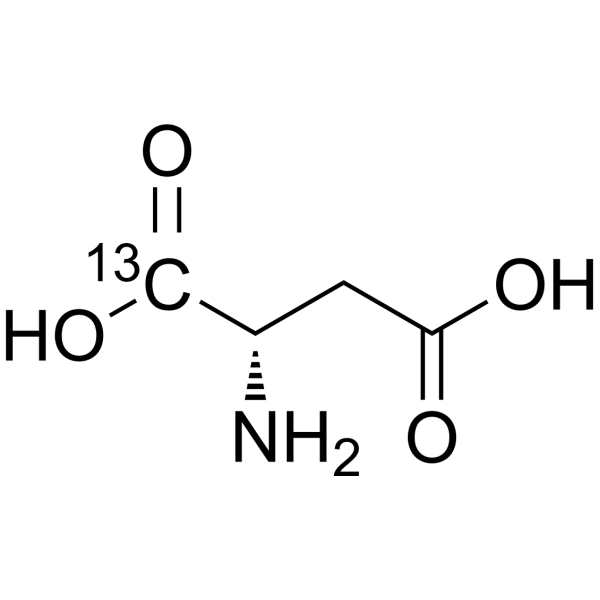
Cat. No.: HY-N0666S
CAS No.: 81201-97-0
L-Aspartic acid- 13C is the 13C-labeled L-Aspartic acid (HY-N0666). L-Aspartic acid is a NMDA receptor agonist and acidic amino acid. L-Aspartic acid has no independent analgesic activity. L-Aspartic acid can antagonize the analgesic effects of D-Aspartic acid and Morphine. L-Aspartic acid regulates polymorph transformation, crystal growth/aggregation and nucleation processes of calcium carbonate, and can serve as a biomineralization template. L-Aspartic acid promotes burst firing of central neurons. L-Aspartic acid can be used in studies related to cerebral ischemia and epilepsy .
loading...
    loading...
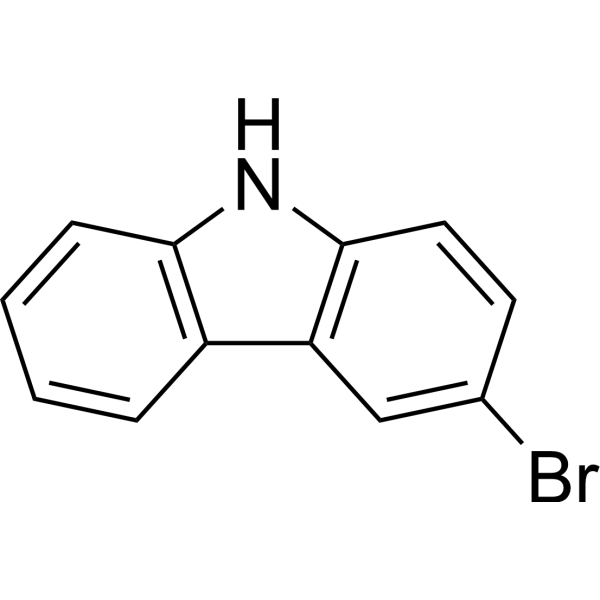
Cat. No.: HY-33798
CAS No.: 1592-95-6
3-Bromocarbazole is an inhibitor of the aryl hydrocarbon receptor (AHR). 3-Bromocarbazole induces the mRNA expression of CYP1A1 and CYP1B1, with EC50 values of 2500 nM and 1100 nM, respectively. 3-Bromocarbazole inhibits motor neuron axon length by downregulating the mRNA transcription levels of α1-tubulin, Gap43, Syn2a and shha in zebrafish larvae. 3-Bromocarbazole reduces central nervous system neurogenesis by downregulating the mRNA transcription levels of elavl3, nrd, mbp and gfap in zebrafish larvae. 3-Bromocarbazole induces developmental neurotoxicity and decreases body length in zebrafish larvae or embryos; at high concentrations, it also reduces hatching rate, and increases mortality and malformation rate. 3-Bromocarbazole can be used in studies related to developmental neurotoxicity and breast cancer .
loading...
    loading...
Cat. No.: HY-B0627S
CAS No.: 1185512-92-8
Synonyms: 1,1-Dimethylbiguanide-d6
Metformin-d6 (1,1-Dimethylbiguanide-d6) is a deuterated labeled Metformin (HY-B0627). Metformin (1,1-Dimethylbiguanide) inhibits the mitochondrial respiratory chain in the liver, leading to AMPK activation and enhancing insulin sensitivity, and can be used in the study of type 2 diabetes. Metformin exerts central glucose-lowering effects by inhibiting Ras-related protein 1 (Rap1) in SF1 hypothalamic neurons. Metformin also inhibits liver oxidative stress, nitrosative stress, inflammation, and apoptosis caused by liver ischemia/reperfusion injury. In addition, Metformin regulates the expression of autophagy-related proteins by activating AMPK and inhibiting the mTOR signaling pathway, thereby inducing tumor cell autophagy and inhibiting the growth of renal cell carcinoma in vitro and in vivo .
loading...
    loading...
Cat. No.: HY-P3009
CAS No.: 9002-05-5
Bovine Factor Xa is a serine protease that plays a central role in blood coagulation, with prothrombin as its physiological substrate. Bovine Factor Xa catalyzes the conversion of prothrombin to thrombin, activates factor VIII, and hydrolyzes peptide, thioester, and amide substrates. Bovine Factor Xa cleaves protease-activated receptors 1 and 2 to activate intracellular signal transduction. Bovine Factor Xa regulates multiple cellular pathways, mediates various cellular activities, tissue remodeling and cancer cell migration, and inhibits apoptosis in some cancer cells. Bovine Factor Xa protects hippocampal neurons against glutamate-induced damage. Bovine Factor Xa participates in embryonic vascular development and regulates immune hematopoiesis; its activity is inhibited by soybean trypsin inhibitor, and cannot be enhanced by phospholipids. Bovine Factor Xa regulates immune responses and macrophage polarization, and participates in fibrosis, vascular remodeling and tumor progression through non-coagulant effects. Bovine Factor Xa can be used in research related to atherosclerosis, fibrosis, asthma, cancer, thromboinflammation, sepsis, etc .
loading...
    loading...
Cat. No.: HY-B0836R
CAS No.: 91465-08-6
λ-Cyhalothrin (Standard) is the analytical standard of λ-Cyhalothrin. This product is intended for research and analytical applications. λ-Cyhalothrin is a high efficiency, broad-spectrum type II synthetic pyrethroid insecticide containing α-cyano group. λ-Cyhalothrin is used to control a wide range of pests in a variety of applications. λ-Cyhalothrin is a neurotoxin that targets sodium channels in the membranes of neurons in the central nervous system .
loading...
    loading...
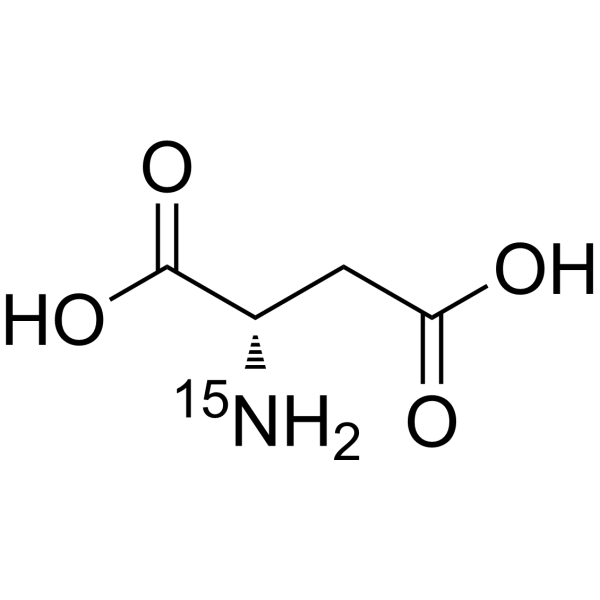
Cat. No.: HY-N0666S3
CAS No.: 3715-16-0
L-Aspartic acid- 15N is the 15N-labeled L-Aspartic acid (HY-N0666). L-Aspartic acid is a NMDA receptor agonist and acidic amino acid. L-Aspartic acid has no independent analgesic activity. L-Aspartic acid can antagonize the analgesic effects of D-Aspartic acid and Morphine. L-Aspartic acid regulates polymorph transformation, crystal growth/aggregation and nucleation processes of calcium carbonate, and can serve as a biomineralization template. L-Aspartic acid promotes burst firing of central neurons. L-Aspartic acid can be used in studies related to cerebral ischemia and epilepsy .
loading...
    loading...
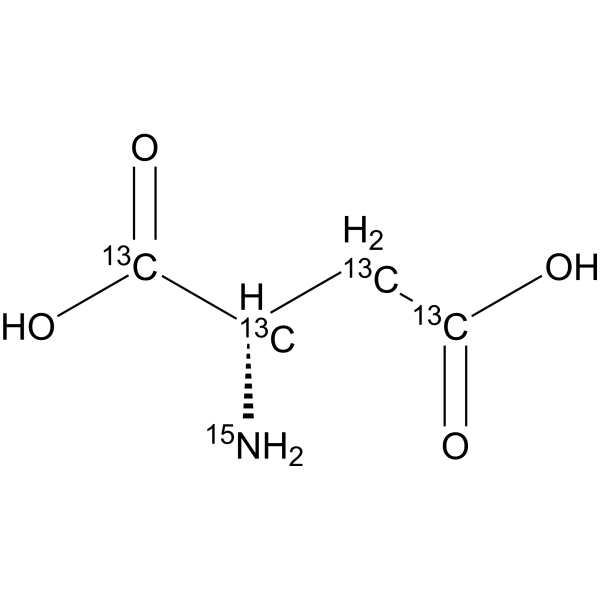
Cat. No.: HY-N0666S1
CAS No.: 202468-27-7
L-Aspartic acid- 13C4, 15N is the 15N, 13C-labeled L-Aspartic acid (HY-N0666). L-Aspartic acid is a NMDA receptor agonist and acidic amino acid. L-Aspartic acid has no independent analgesic activity. L-Aspartic acid can antagonize the analgesic effects of D-Aspartic acid and Morphine. L-Aspartic acid regulates polymorph transformation, crystal growth/aggregation and nucleation processes of calcium carbonate, and can serve as a biomineralization template. L-Aspartic acid promotes burst firing of central neurons. L-Aspartic acid can be used in studies related to cerebral ischemia and epilepsy .
loading...
    loading...

