141 Results for "

HCC cell

" in MedChemExpress (MCE) Product Catalog:
Products (141)

141 Results for "HCC cell" in MCE Product Catalog:

1
1 Cited Publications
Cat. No.: HY-130173
CAS No.: 88979-61-7
Purity:  ≥99.0%
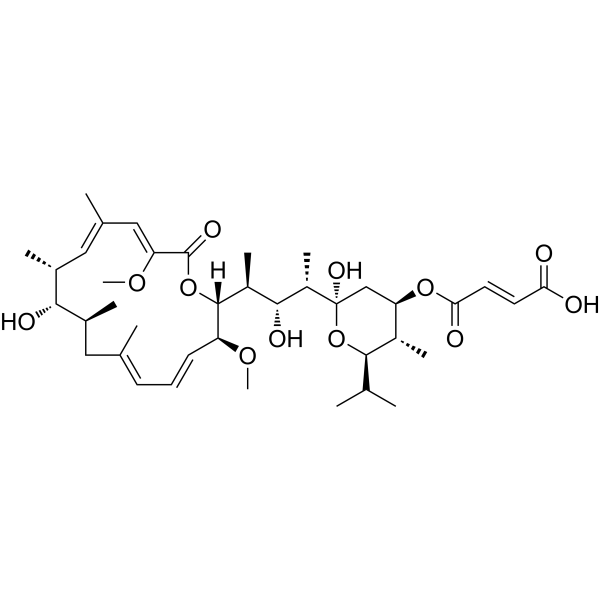
Bafilomycin C1 is a macrolide antibiotic isolated from Streptomyces sp. Bafilomycin C1 is a potent, specific and reversible inhibitor of vacuolar-type H +-ATPases (V-ATPases). Bafilomycin C1 inhibits growth of gram-positive bacteria and fungi . Bafilomycin C1 induces cell apoptosis and can be used for the study of hepatocellular carcinoma (HCC) .
loading...
    loading...
1
1 Cited Publications
Cat. No.: HY-132177
CAS No.: 9037-65-4
Synonyms: EC 3.2.1.51; FUC
Target:  

Glycosidase

Research Areas:  

Cancer

α-L-Fucosidase, Microorganism (EC 3.2.1.51) is an enzyme that catalyzes the chemical reaction. Serum activity of α-L-Fucosidase, Microorganism, a lysosomal enzyme present in all mammalian cells, has been proposed as a marker of hepatocellular carcinoma (HCC) .
loading...
    loading...
1
1 Cited Publications
Cat. No.: HY-P11050
CAS No.: 1309883-67-7
Target:  

Inhibitory Antibodies

Research Areas:  

Cancer

SP94 peptide, Cys conjugated is a hepatocellular carcinoma (HCC)-targeting peptide conjugated with Cys. SP94 peptide, Cys conjugated can be used for synthesis of stimuli-responsive peptide nanomaterials (SRPNs) like platinum nanocluster assemblies (PT-NA) and it promotes the entry of PT-NA into HCC cells by mediating endocytosis. SP94 peptide, Cys conjugated can be used for cancers research .
loading...
    loading...
1
1 Cited Publications
Cat. No.: HY-15485
CAS No.: 101975-10-4
Purity:  98.59%
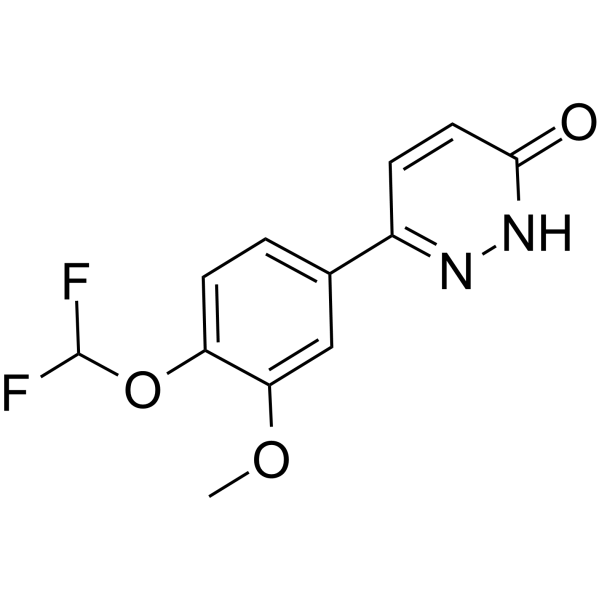
Zardaverine is an orally active and selective PDE3/4 inhibitor (IC50)=0.58 uM/0.17 uM) with potent bronchodilator activity. Zardaverine also selectively inhibits the proliferation of HCC cells and induces apoptosis and cycle arrest (G0/G1 phase). Zardaverine has good antitumor potential and is effective in both bronchial relaxation and reduction of inflammation in asthma .
loading...
    loading...
1
1 Cited Publications
Cat. No.: HY-111126
CAS No.: 2046250-48-8
Purity:  98.26%
Target:  

p62 Keap1-Nrf2

Research Areas:  

Cancer

K67 is a selective the interaction between Keap1 and S349 phosphorylated p62 inhibitor, with an IC50 of 1.5 μM. K67 has a weaker inhibitory effect on the interaction between Keap1 and Nrf2 (IC50 is 6.2 μM). K67 competitively binds to the binding site of Keap1 with p-p62, blocking the abnormal activation of the p62-dependent Nrf2 pathway. K67 inhibits tumor cell proliferation and enhances the sensitivity of hepatocellular carcinoma (HCC) to chemotherapeutic drugs by restoring Keap1-mediated ubiquitination and degradation of Nrf2 .
loading...
    loading...
1
1 Cited Publications
Cat. No.: HY-125254
CAS No.: 2313525-90-3
Purity:  99.72%
Target:  

HRASLS Phospholipase

Research Areas:  

Metabolic Disease Cancer

LEI110 is a pan-inhibitor of the HRASLS family and an inhibitor of AP-2α, with a Ki of 20 nM against PLA2G16. LEI110 exhibits inhibitory activity against PLA2G16, HRASLS2, RARRES3 and iNAT, with pIC50 values of 7.0, 6.8, 6.8 and 7.6, respectively. LEI110 binds to the active site of PLA2G16, reduces intracellular arachidonic acid levels, and attenuates oleic acid-induced lipolysis. LEI110 stabilizes AP-2α, impairs its DNA-binding ability, inhibits the transcription of DNA damage repair genes, induces the accumulation of oxidative DNA damage, suppresses cell proliferation and clonogenicity, and sensitizes HCC cells to DNA-damaging agents. LEI110 can be used in research related to obesity, fatty liver disease, the common cold and hepatocellular carcinoma .
loading...
    loading...
1
1 Cited Publications
Cat. No.: HY-P990297

Target:  

CCR HIV

Anti-Mouse/Rat/Human CCL2/MCP-1 Antibody (2H5) is an anti-mouse/rat/human CCL2/MCP-1 IgG monoclonal antibody. Anti-Mouse/Rat/Human CCL2/MCP-1 Antibody (2H5) can reverse the immunosuppressive microenvironment by blocking the CCL2 signaling pathway. Anti-Mouse/Rat/Human CCL2/MCP-1 Antibody (2H5) can reduce the secretion of IFN-γ and the infiltration of macrophages. CCL2/MCP-1 Antibody (2H5) can reduce the amount of HIV virus by increasing the proportion of T cells. Anti-Mouse/Rat/Human CCL2/MCP-1 Antibody (2H5) can be used for researches on inflammation conditions, virus infection and cancer such as inflammatory bowel disease (IBD), hepatocellular carcinoma (HCC) and HIV .
loading...
    loading...
Cat. No.: HY-175842
CAS No.: 3030279-55-8
Target:  

PROTACs CDK

Research Areas:  

Cancer

PROTAC CDK2 Degrader-2 is an orally active CDK2 PROTAC degrader, with DC50 values of 13 nM (MKN1cells) and 17 nM (TOV21G cells). PROTAC CDK2 Degrader-2 induces G1 phase arrest in MKN1 cells. PROTAC CDK2 Degrader-2 achieves tumor stasis in HCC1569 (CCNE1-amplified) xenograft models. PROTAC CDK2 Degrader-2 can be used for the study of CCNE1-amplified cancers .
loading...
    loading...
Cat. No.: HY-178018
CAS No.: 1269110-12-4
Synonyms: iOXCT1
Research Areas:  

Cancer

D574-0246 is a dual-activity inhibitor of OXCT1, inhibiting both the ketolytic and succinyltransferase activities of OXCT1. D574-0246 reduces substrate-specific (LACTB K284) and global protein succinylation and decreases OXCT1 ketolytic activity in HepG2 cells. D574-0246 inhibits the viability of HCC cells (IC50: 16.49 μM in PLC cells, 6.656 μM in HepG2 cells). D574-0246 exerts anti-tumor efficacy in nude mice bearing OXCT1-overexpressing HepG2 xenograft tumors. D574-0246 can be used for the study of hepatocellular carcinoma (HCC) .
loading...
    loading...
Cat. No.: HY-157581
CAS No.: 2675490-92-1
Purity:  99.89%
Target:  

EGFR PROTACs

Research Areas:  

Cancer

MS39 (compound 6) is a PROTAC targeting EGFR. MS39 reduces the expression of EGFR and downstream signaling in HCC-827 and H3255 cells. MS39 inhibits the proliferation of H3255 cells .
loading...
    loading...
Cat. No.: HY-175839
Target:  

PROTACs EGFR ATP Synthase

Research Areas:  

Inflammation/Immunology Cancer

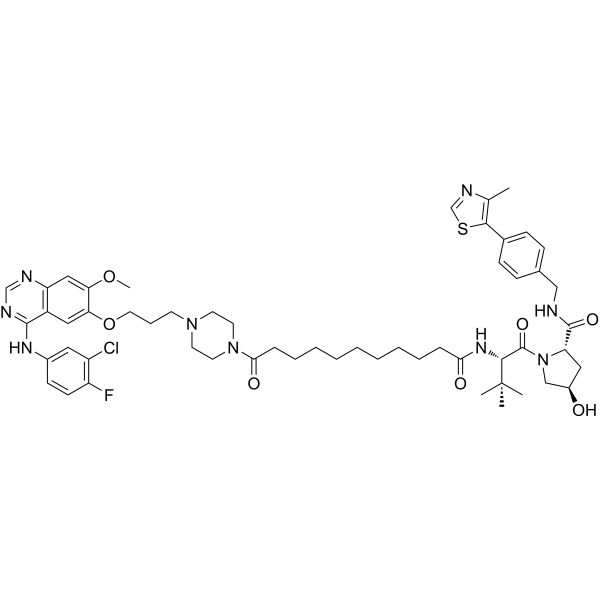
PROTAC EGFR degrader 15 is a Pomalidomide (HY-10984)-based Gefitinib (HY-50895) EGFR PROTAC degrader. PROTAC EGFR degrader 15 triggers EGFR degradation via ubiquitin-proteasome-dependent proteolysis and autophagy-lysosome activation pathways. PROTAC EGFR degrader 15 targets ETFA to enhance ATP production. PROTAC EGFR degrader 15 significantly suppresses tumor growth in a Gefitinib-acquired resistant HCC-827 xenograft model. PROTAC EGFR degrader 15 can be used for the study of non-small cell lung cancer (NSCLC) .
loading...
    loading...
Cat. No.: HY-N1244
CAS No.: 71933-54-5
Synonyms: Sarmentosine; Sarmentosine (glycoside)
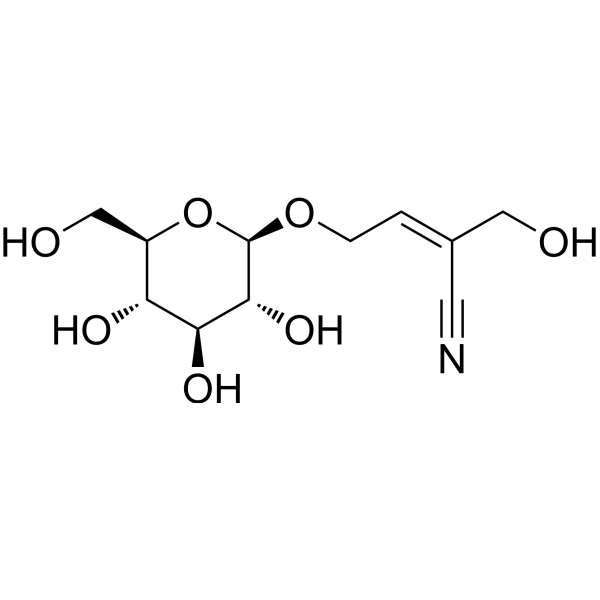
Sarmentosin is an activator of Nrf2. Sarmentosin inhibits mTOR signaling and induces autophagy-dependent apoptosis in human HCC cells .
loading...
    loading...
Cat. No.: HY-170791
CAS No.: 1082942-70-8
Target:  

PTEN TGF-beta/Smad Akt

Research Areas:  

Cancer

CIB-L43 is an orally active TRBP inhibitor (KD = 4.78 nM) and enhances disruption of TRBP-Dicer interactions (IC50 = 2.34 μM). CIB-L43 suppresses oncogenic miR-21 biosynthesis, increasing PTEN and Smad7 expression and inhibiting AKT and TGF-β signaling, thereby reducing HCC cell proliferation and migration .
loading...
    loading...
Cat. No.: HY-147187
CAS No.: 2055078-49-2
Purity:  99.76%
Research Areas:  

Cancer

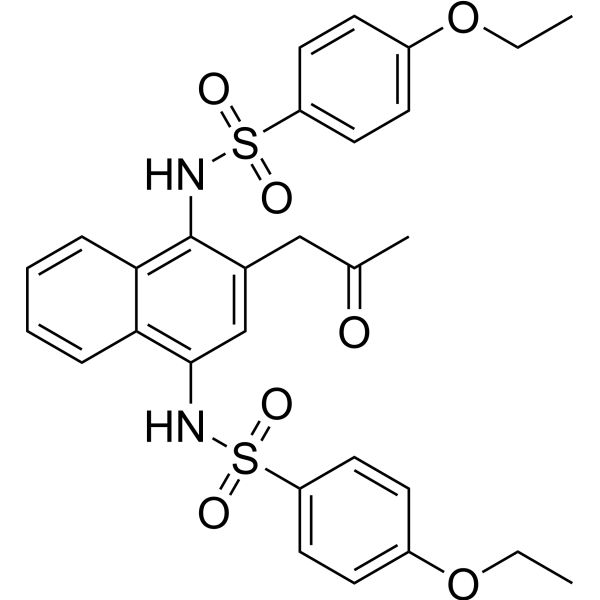
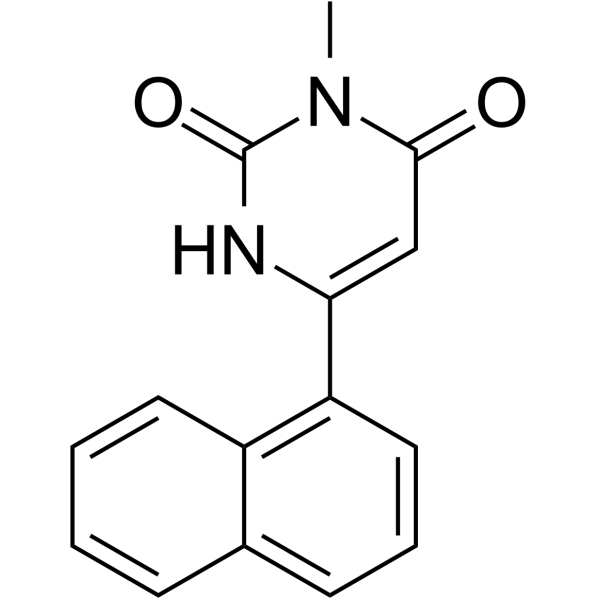
MNK8 is a potent STAT3 (signal transducer and activator of transcription 3) inhibitor. MNK8 inhibits STAT3 activation and reduced its DNA binding ability. MNK8 shows good growth inhibition against hepatocellular carcinoma (HCC) cells. MNK8 induces apoptosis in HCC cells. MNK8 reduces prosurvival proteins expression and migration/invasion of HCC cells .
loading...
    loading...
Cat. No.: HY-N1260
CAS No.: 176520-13-1
Synonyms: (-)-Scutebarbatine A
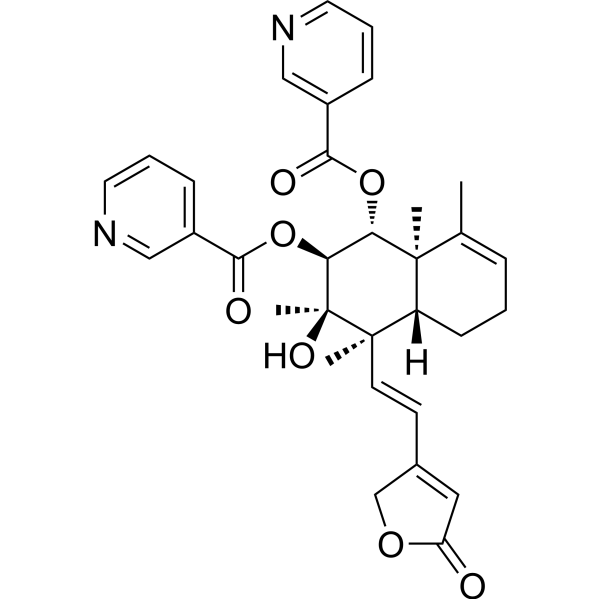
Scutebarbatine A inhibits the proliferation of HCC cells and triggers their apoptosis via the activation of MAPK and ER stress .
loading...
    loading...
Cat. No.: HY-164410
CAS No.: 1585217-40-8
Target:  

Notch

Research Areas:  

Cancer

MO-I-1100 is an inhibitor of ASPH (Aspartyl-(Asparaginyl)-β-hydroxylase) enzymatic activity. MO-I-1100 suppresses HCC cell migration, invasion and anchorage independent growth. MO-I-1100 shows antitumor effects through inhibiting Notch signaling cascade in HCC .
loading...
    loading...
Cat. No.: HY-N4168B
CAS No.: 29708-87-0
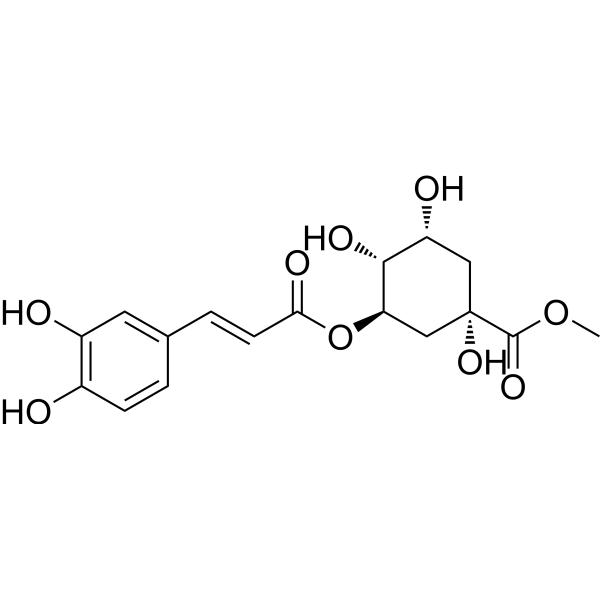
Methyl chlorogenate is an antioxidant, and has radical scavenging activity. Methyl chlorogenate is an anti-inflammatory agent. Methyl chlorogenate also inhibits hepatocellular carcinoma (HCC) cell proliferation and metastasis .
loading...
    loading...
Cat. No.: HY-N8540
CAS No.: 12689-26-8
Ilicicolin H is a selective and non-ATP-competitive phosphoglycerate kinase 1 (PGK1) (IC50 = 9.02 μM) and mitochondrial cytochrome bc1 reductase (IC50 = 2-3 ng/mL) inhibitor. Ilicicolin H directly binds to PGK1 with KD of 60 μM .Ilicicolin H can inhibit cell proliferation and induce apoptosis. Ilicicolin H can inhibit the lactate production and glucose uptake of hepatocellular carcinoma (HCC) cells. Ilicicolin H has a broad antifungal spectrum including C. albicans, Cryptococcus and A. fumigatus. Ilicicolin H can be used for the researches of cancer and infection, such as hepatocellular carcinoma (HCC) and C. albicans infection .
loading...
    loading...
Cat. No.: HY-W266188
CAS No.: 84600-66-8
Decanoic acid- 13C is the 13C-labeled Decanoic acid (HY-W015309). Decanoic acid is a key component of the medium-chain triglyceride (MCT) found in coconut oil. Decanoic acid is a brain-penetrant and non-competitive inhibitor of AMPA receptor showing antiseizure activity in rats. Decanoic acid reduces tyrosinase activity and inhibits melanosome maturation. Decanoic acid suppresses the phosphorylation of c-Met and induced apoptosis in hepatocellular carcinoma (HCC) cells by inhibiting the expression of various oncogenic proteins, which is promising for research in the field of mTORC1 signaling, HCC and epilepsy .
loading...
    loading...
Cat. No.: HY-16196
CAS No.: 864668-87-1
Synonyms: IRC-110160
Research Areas:  

Cancer

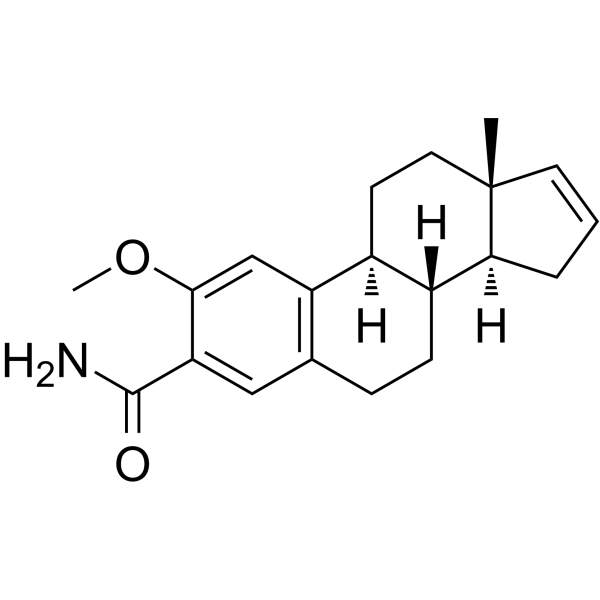
ENMD-1198 (IRC-110160), an orally active microtubule destabilizing agent, is a 2-methoxyestradiol analogue with antiproliferative and antiangiogenic activity. ENMD-1198 is suitable for inhibiting HIF-1alpha and STAT3 in human HCC cells and leads to reduced tumor growth and vascularization.
loading...
    loading...

