604 Results for "

SCO2 mutations

" in MedChemExpress (MCE) Product Catalog:
Products (604)

604 Results for "SCO2 mutations" in MCE Product Catalog:

Cat. No.: HY-187519
Target:  

Ras

Research Areas:  

Cancer

KRAS-IN-61 is an orally effective pan-KRAS inhibitor that potently inhibits SOS1-mediated KRAS nucleotide exchange (IC50 <10 nM for KRAS G12D/G12V/G12C/WT). KRAS-IN-61 inhibits pERK signaling and cell proliferation in KRAS-mutant tumor cells. KRAS-IN-61 can inhibit tumor growth in vivo. KRAS-IN-61 can be used in studies of KRAS mutation-related cancers, such as colorectal cancer .
loading...
    loading...
Cat. No.: HY-P11357A
Target:  

IFNAR

Research Areas:  

Cancer

KRAS G12C Peptide TFA is the trifluoroacetate salt of KRAS G12C Peptide (HY-P11357). KRAS G12C Peptide is a specific peptide derived from the Kirsten rat sarcoma virus (KRAS) gene carrying the G12C oncogenic mutation. KRAS G12C Peptide induces responses like IFN-γ secretion and cytotoxicity. KRAS G12C Peptide can be used for the study of immune responses against KRAS G12C-mutant tumors .
loading...
    loading...
Cat. No.: HY-170576
Target:  

FLT3 STAT Apoptosis

Research Areas:  

Cancer

FLT3-IN-28 (Compound 12y) is an orally active FLT3 inhibitor with antitumor activity. FLT3-IN-28 selectively inhibits cancer cells harboring the FLT3 internal tandem duplication (ITD) mutation, with IC50 values of 85, 290, 130, 65, and 220 nM for BaF3-FLT3-ITD, BaF3-TEL-VEGFR2, MV4-11, MOLM-13, and MOLM-14 cell lines respectively (MV4-11 and MOLM-13/14 are acute myeloid leukemia (AML) cell lines carrying the FLT3-ITD mutation). Additionally, FLT3-IN-28 can downregulate the phosphorylation levels of FLT3 and STAT5 in MOLM-13 cells and induce cell cycle arrest and Apoptosis. FLT3-IN-28 has an oral bioavailability of 19.2% in SD rats and can prolong survival in a dose-dependent manner in NSG mice xenografted with MOLM-13 cells. FLT3-IN-28 holds promise for research in cancer fields related to FLT3-ITD .
loading...
    loading...
Cat. No.: HY-112417
CAS No.: 347155-76-4
Purity:  99.30%
Ki11502 is a multi-targeted receptor tyrosine kinase (RTK) inhibitor that selectively inhibits the activity of PDGF β/α receptors with IC50 values less than 10 nM. Ki11502 selectively inhibits PDGF β receptor phosphorylation, proliferation, and proteoglycan synthesis in human vascular smooth muscle cells. Ki11502 can induce Apoptosis) and exhibits profound antiproliferative effects on select subsets of leukemia, including those with Imatinib (HY-15463) resistant mutations. Ki11502 is highly suitable for studying the role of PDGF in vascular diseases, particularly the role of proteoglycans in atherosclerosis [2].
loading...
    loading...
Cat. No.: HY-145645A
Synonyms: NI-0102 (N325S/L328F)
Research Areas:  

Inflammation/Immunology

Paridiprubart (N325S/L328F) is a humanized anti-TLR4 monoclonal antibody. The Fc region of Paridiprubart (N325S/L328F) incorporates the K214R/N325S/L328F mutations, which are designed to enhance its affinity for the inhibitory receptor FcγRIIB. Paridiprubart (N325S/L328F) can be used in research on rheumatoid arthritis.
loading...
    loading...
Cat. No.: HY-155112
CAS No.: 2713553-88-7
Research Areas:  

Cancer

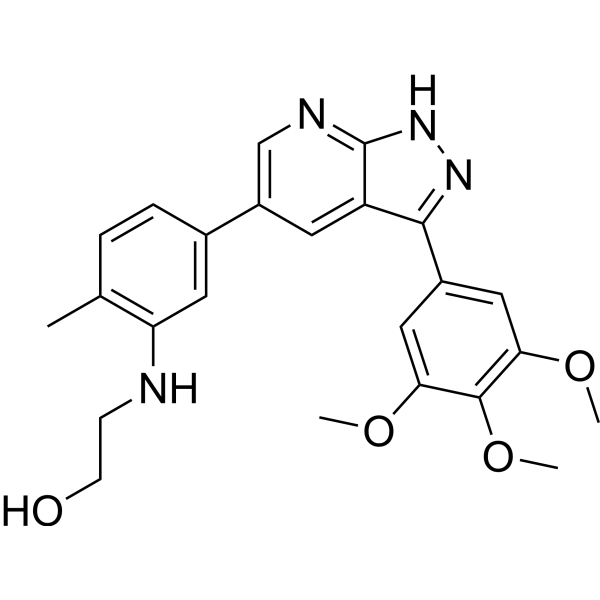
Antiproliferative agent-30 (Compound 8g) inhibits tubulin assembly and inhibits FLT3 and Abl1. Antiproliferative agent-30 has vascular-disrupting activity. Antiproliferative agent-30 has broad antiproliferative activities against cancer cell lines (IC50s: 0.054 nM, 0.008 nM, 0.144 nM for HCT-116, K562, MV-4-11 cells respectively). Antiproliferative agent-30 also has anticancer effect against AML with FLT3-ITD-TKD mutation .
loading...
    loading...
Cat. No.: HY-159127
CAS No.: 2836263-09-1
Target:  

Ras MEK PERK Apoptosis

Research Areas:  

Cancer

HRS-4642 is a high affinity, selective, long-acting, and non-covalent KRAS G12D inhibitor with a Kd value of 0.083 nM. HRS-4642 inhibits the binding of KRAS G12D to SOS1 or RAF1, thereby blocking the downstream MEK-ERK signaling pathway. HRS-4642 promotes Apoptosis. HRS-4642 alone or combined with Carfilzomib (HY-10455) effectively shapes the tumor microenvironment. HRS-4642 has an anti-cancer effect on pancreatic and colorectal cancers carrying the KRAS G12D mutation [2] .
loading...
    loading...
Cat. No.: HY-161431
CAS No.: 3035072-48-8
Target:  

DNA/RNA Synthesis

Research Areas:  

Cancer

RTx-152 is a potent and selective Polθ-pol allosteric inhibitor with an IC50 of 6.2 nM. RTx-152 binds to the allosteric pocket of the Polθ-pol finger domain, locking it in a closed conformation on the DNA substrate, thereby effectively inhibiting its catalytic cycle. RTx-152 synergizes with Olaparib (HY-10162) in BRCA2-deficient cells and synergizes with PARP inhibitors in homologous recombination-deficient cells. RTx-152 can be used for research on homologous recombination-deficient cancers such as BRCA2 mutations .
loading...
    loading...
Cat. No.: HY-169400
Research Areas:  

Cancer

HDACs/EZH2-IN-1 (Compound 22a) is a HDACs/EZH2 inhibitor (EZH2 Y641N inhibition rate at 50 nM: 98%), with selective inhibition against HDAC1 and HDAC6 (IC50: 0.23 μM and 0.07 μM, respectively). HDACs/EZH2-IN-1 exerts a antiproliferative effect on diffuse large B-cell lymphoma cells harboring an EZH2 mutation and on various acute myeloid leukemia cells. HDACs/EZH2-IN-1 has the ability to induce cell differentiation and Apoptosis .
loading...
    loading...
Cat. No.: HY-174850
CAS No.: 2941611-57-8
Target:  

Btk

Research Areas:  

Cancer

CFON-026 is a selective, orally active and non-covalent BTK inhibitor with an IC50 of 0.27  nM. CFON-026 has significant antitumor activity against wild-type BTK (TMD8 and REC-1) and all clinically relevant BTK resistance mutations (BTK C481S, T474I, L528W and V416L). CFON-026 induces complete tumor regression in TMD8 xenograft mice model. CFON-026 can be used for research of hematological cancers like chronic lymphocytic leukemia and waldenström macroglobulinemia [2].
loading...
    loading...
Cat. No.: HY-178155
Research Areas:  

Cancer

AP232 is a selective U2AF1-UHM Inhibitor with an IC50 of 7.96 μM. AP232 exhibits 2.8-24-fold selectivity against other UHM-containing proteins. AP232 exerts anti-leukemia activity and shows higher activities in cell lines carrying splicing factor mutations. AP232 can induce leukemia cells G2/M and G1 arrest, impair lysosome acidification, and inhibit autophagy. AP232 can be used for the research of cancer, such as Leukemia .
loading...
    loading...
Cat. No.: HY-178155A
Research Areas:  

Cancer

AP232 dihydrochloride is a selective U2AF1-UHM Inhibitor with an IC50 of 7.96 μM. AP232 dihydrochloride exhibits 2.8-24-fold selectivity against other UHM-containing proteins. AP232 dihydrochloride exerts anti-leukemia activity and shows higher activities in cell lines carrying splicing factor mutations. AP232 dihydrochloride can induce leukemia cells G2/M and G1 arrest, impair lysosome acidification, and inhibit autophagy. AP232 dihydrochloride can be used for the research of cancer, such as Leukemia .
loading...
    loading...
Cat. No.: HY-178939
Target:  

EGFR Akt PERK Apoptosis

Research Areas:  

Neurological Disease Cancer

EGFR-IN-181 is an orally active, potent, brain-penetrant EGFRL858R/T790M/C797S triple mutations inhibitor (IC50 = 1.32 nM). EGFR-IN-181 can inhibit EGFR phosphorylation (p-EGFR) and phosphorylation of its downstream signaling proteins AKT (p-AKT) and ERK (p-ERK). EGFR-IN-181 can induce apoptosis and cause G2 phase arrest. EGFR-IN-181 can be used for the study of non-small cell lung cancer (NSCLC) and brain metastases .
loading...
    loading...
Cat. No.: HY-B0614C
CAS No.: 12001-72-8
Mafenide propionate is a dual inhibitor of dihydropteroate synthase (Dihydropteroate synthase) and carbonic anhydrase (Carbonic anhydrase). Mafenide propionate disrupts nucleotide biosynthesis by inhibiting the de novo base synthesis pathway, thereby exerting broad-spectrum antibacterial and cytotoxic effects without inducing mutations. Mafenide propionate can be used for wound assessment and promotes the formation of healthy granulation tissue, making it suitable for scenarios such as mesh skin grafting. Mafenide propionate has been widely used in studies on diseases associated with burn wound infections, acute and chronic wounds, blast injuries, open fractures, and necrotizing fasciitis [2].
loading...
    loading...
Cat. No.: HY-N13366
CAS No.: 6712-03-4
3-Methylcrotonyl CoA is a key metabolic intermediate in the leucine degradation pathway, converted to 3-Methylglutaconyl CoA by 3-Methylcrotonyl CoA Carboxylase. Normally, 3-Methylglutaconyl CoA is catalyzed by 3-Methylglutaconyl-CoA Hydratase into 3-Hydroxy-3-methylglutaryl-CoA (HMG CoA). However, mutations in 3-Methylglutaconyl-CoA Hydratase lead to the accumulation of 3-Methylglutaconyl CoA, causing metabolic disorders associated with 3MGA-uria. 3-Methylcrotonyl CoA is useful for research into metabolic diseases related to the leucine degradation pathway .
loading...
    loading...
Cat. No.: HY-N7065
CAS No.: 7327-87-9
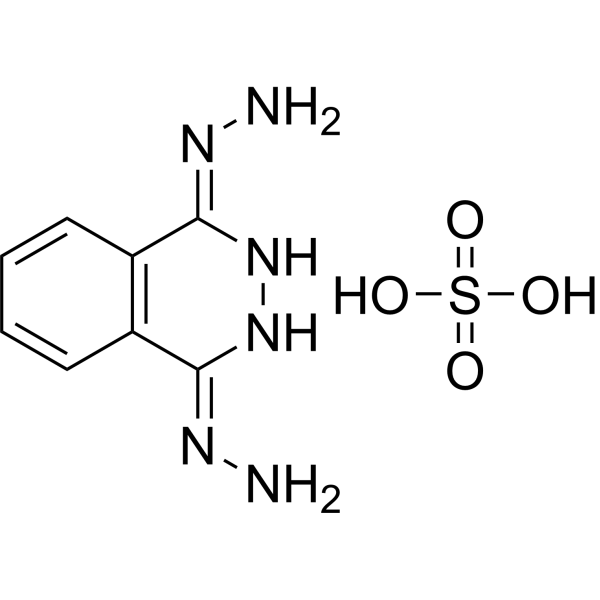
Dihydralazine sulfate is an antihypertensive hydrazine derivative and also a low-potency genotoxic agent. Dihydralazine sulfate is a direct-acting mutagen with a mixed gene mutation mechanism, which induces DNA fragmentation in the lung, kidney and spleen of mice, and induces sister chromatid exchange in mouse bone marrow cells. Dihydralazine sulfate specifically kills DNA repair-deficient bacteria. Dihydralazine sulfate is a vasodilator and antihypertensive agent that reduces systemic vascular resistance, increases cardiac output and heart rate, thereby lowering blood pressure. Dihydralazine sulfate can be used in research related to hypertension and severe early-onset preeclampsia [2].
loading...
    loading...
Cat. No.: HY-P992474
TAVO101 is a humanized anti-TSLP antibody with an EC50 of 0.19 nM against hTSLP. TAVO101 inhibits STAT5 activation and CCL17 release. TAVO101 carries Fc region mutations that enhance its binding to FcRn while reducing its binding to FcγRI, FcγRIIIA and C1q, thereby attenuating effector functions. TAVO101 reduces the levels of inflammatory markers, cell infiltration and histopathological damage in preclinical models of asthma, psoriasis and atopic dermatitis. TAVO101 can be used for research related to asthma, psoriasis and atopic dermatitis [2] .
loading...
    loading...
Cat. No.: HY-W587663
CAS No.: 21253-58-7
Research Areas:  

Infection

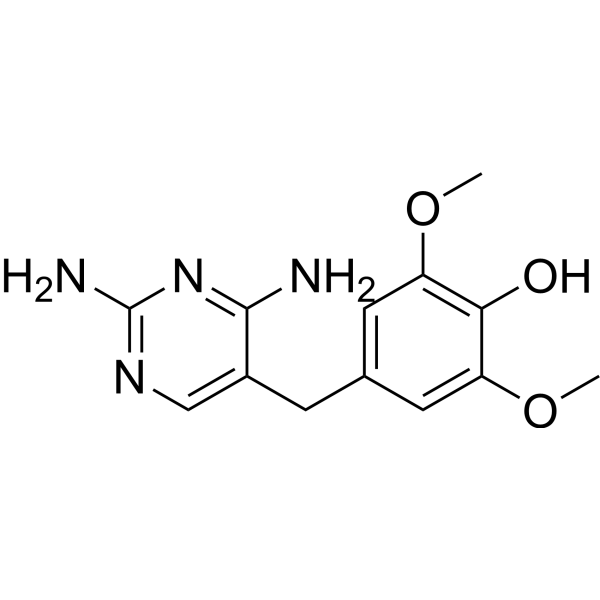
4′-DTMP is a bacterial DHFR inhibitor with Ki values of 5.1 nM and 34.3 nM for binding to wild-type and L28R E. coli DHFR, respectively. 4′-DTMP blocks dihydrofolate reduction and exhibits enhanced affinity for L28R. 4′-DTMP inhibits the growth of drug-resistant E. coli, preferentially accumulates in L28R mutant cells, and impedes the evolution of resistance by selecting against the L28R genotype and redirecting the evolutionary trajectory toward alternative DHFR mutations. 4′-DTMP is useful for research related to Escherichia coli infection [2].
loading...
    loading...
Cat. No.: HY-114162B
CAS No.: 2169919-27-9
Synonyms: SNDX-50469 mesylate
Research Areas:  

Cancer

VTP50469 mesylate is a potent, and selective Menin-MLL1 inhibitor that effectively targets MLL-rearranged and NPM1c+ leukemia. VTP50469 mesylate selectively kills cell lines with MLL rearrangements and NPM1c+ mutations. VTP50469 mesylate displaces Menin from protein complexes and inhibits MLL's chromatin occupancy at specific genes, leading to significant changes in gene expression, differentiation, and apoptosis. VTP50469 demonstrates dramatic reductions in leukemia burden in patient-derived xenograft models of MLL-r acute myeloid leukemia and MLL-r acute lymphoblastic leukemia, with some mice remaining disease-free for over a year post-treatment.
loading...
    loading...
Cat. No.: HY-128105
CAS No.: 574-00-5
Purity:  ≥95.0%
Synonyms: 1,2-Naphthalenediol
1,2-Dihydroxynaphthalene (1,2-Naphthalenediol) is a metabolic intermediate of Naphthalene and a precursor for the formation of 1,2-Naphthoquinone, and is also the most sensitive biomarker of Naphthalene exposure in humans. 1,2-Dihydroxynaphthalene inhibits the AMPK/SIRT3 pathway and activates acetylated p53 and NF-κB by inducing oxidative stress, leading to G2/M cell cycle arrest, senescence, and apoptosis, while also damaging DNA through the formation of depurination adducts, thereby causing mutations. 1,2-Dihydroxynaphthalene can be used in research on cancer and cataracts [2] .
loading...
    loading...

