511 Results for "

Biomarker

" in MedChemExpress (MCE) Product Catalog:
Products (511)

511 Results for "Biomarker" in MCE Product Catalog:

1
1 Cited Publications
Cat. No.: HY-113405
CAS No.: 641-77-0
Purity:  99.62%
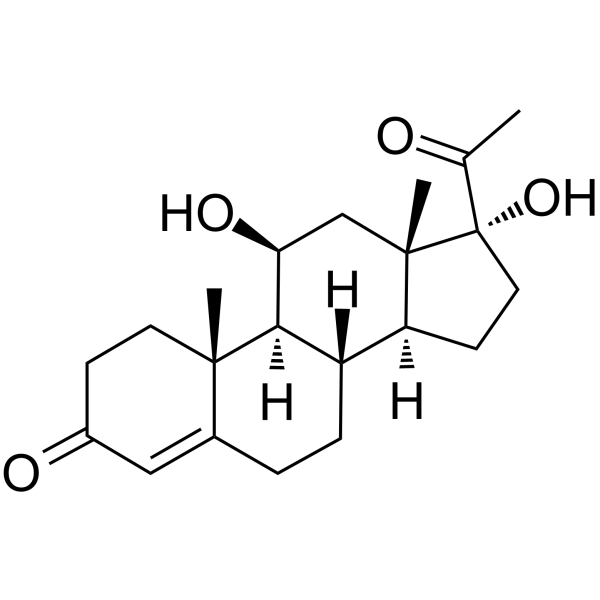
21-Deoxycortisol is an adrenal-specific C21 steroid that accumulates via alternative pathways due to 21-hydroxylase (CYP21A2/P450c21) deficiency. 21-Deoxycortisol serves as a sensitive and specific biomarker for steroid 21-hydroxylase deficiency (21OHD) .
loading...
    loading...
1
1 Cited Publications
Cat. No.: HY-113217
CAS No.: 303-43-5
Purity:  ≥99.0%
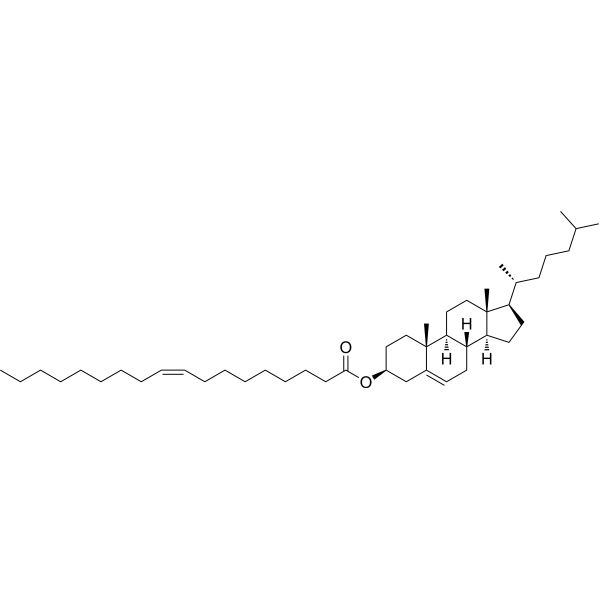
Cholesteryl oleate is an ester compound formed from Cholesterol (HY-N0322) and Oleic acid (HY-N1446), which is involved in lipid transport, storage and cell membrane formation in living organisms. Cholesteryl oleate may serve as a potential biomarker for prostate cancer. Cholesteryl oleate can also prepare cationic solid lipid nanoparticles (SLNs) for efficient gene silencing .
loading...
    loading...
1
1 Cited Publications
Cat. No.: HY-W329357
CAS No.: 108273-89-8
15:0 Lyso PC is a lysophosphatidylcholine (Lyso PC), a product of phospholipase A2 (PLA2) hydrolysis of phosphatidylcholine (PC) and is involved in cell membrane remodeling and inflammatory signaling. 15:0 Lyso PC demonstrates significant lipid metabolism disturbances in the serum with ischemic heart disease (IHD) and ischemic cardiomyopathy (ICM). 15:0 Lyso PC can be used as a lipid biomarker for cardiovascular disease .
loading...
    loading...
1
1 Cited Publications
Cat. No.: HY-113202
CAS No.: 25597-09-5
Purity:  99.91%
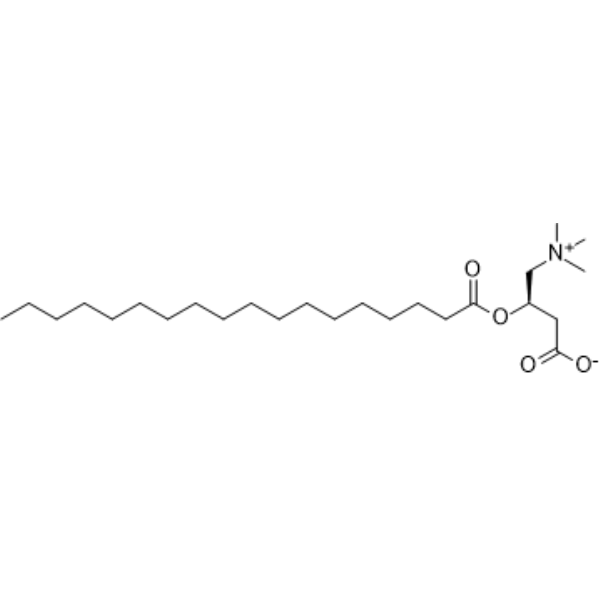
Stearoylcarnitine, a fatty ester lipid molecule, is an endogenous metabolite. Stearoylcarnitine can be used as PKC inhibitor. Stearoylcarnitine accumulates in β cells, leading to arrest of insulin synthesis and energy deficiency in type 2 diabetes mouse. Stearoylcarnitine inhibits lecithin cholesterol acyltransferase (LCAT) in rat and rabbits plasma. Stearoylcarnitine acts as a metabolomics biomarker for Parkinson’s disease. Stearoylcarnitine is a less potent inhibitor of GlyT2 .
loading...
    loading...
1
1 Cited Publications
Cat. No.: HY-N9410
CAS No.: 22252-07-9
Synonyms: 1-Linoleoyl-2-Hydroxy-sn-glycero-3-PC; LPC(18:2/0:0); LysoPC(18:2)
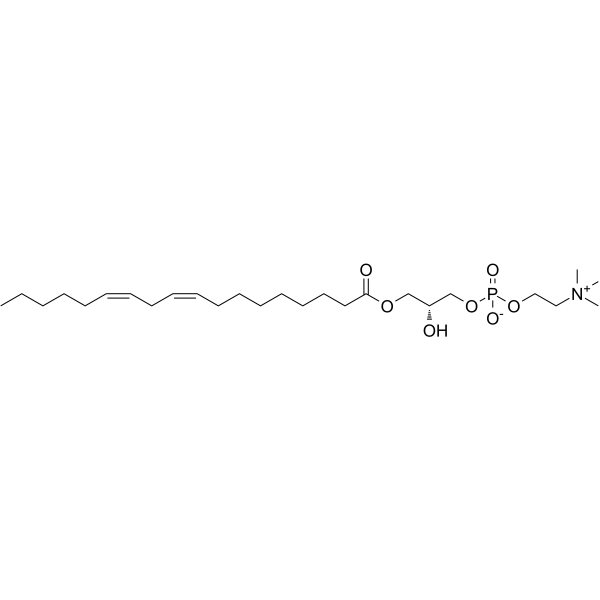
Lysophosphatidylcholine 18:2 (1-Linoleoyl-2-Hydroxy-sn-glycero-3-PC), a lysophospholipid, is a potential biomarker identified from insulin resistance (IR) polycystic ovary syndrome (PCOS). Low plasma Lysophosphatidylcholine 18:2 also has been shown to predict impaired glucose tolerance, insulin resistance, type 2 diabetes, coronary artery disease, and memory impairment .
loading...
    loading...
1
1 Cited Publications
Cat. No.: HY-108750
CAS No.: 8001-22-7
Synonyms: VT 18 (oil); Vegetoil; Wesson
Soybean oil (VT 18 (oil); Vegetoil; Wesson) is an edible vegetable oil. Soybean oil reduces circulating blood cholesterol levels when it replaces dietary saturated fats. Soybean oil does not affect inflammatory biomarkers or increase oxidative stress. Soybean oil contains γ-tocopherol and δ-tocopherol, which possess antioxidant properties. Soybean oil can be used in research related to coronary heart disease .
loading...
    loading...
1
1 Cited Publications
Cat. No.: HY-W016647
CAS No.: 4289-98-9
Synonyms: N-Formylmethionine
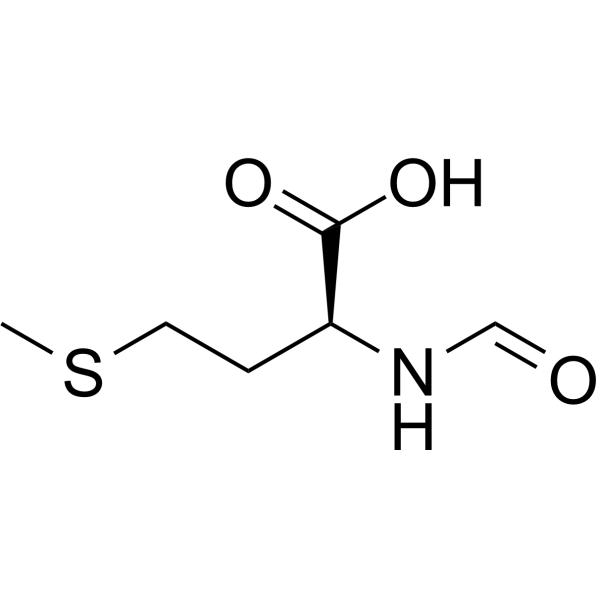
For-Met-OH (N-Formylmethionine) can be involved in the translation process of bacteria, chloroplasts, and mitochondria. For-Met-OH plays different roles in different species and organelles, such as promoting the formation of protein complexes in mitochondria and acting as a degradation signal in bacteria and yeast. The level of For-Met-OH is closely related to certain diseases, for example, For-Met-OH is a potential biomarker for metabolic disorders and poor prognosis in critically ill patients .
loading...
    loading...
1
1 Cited Publications
Cat. No.: HY-113085
CAS No.: 1637-75-8
Purity:  99.83%
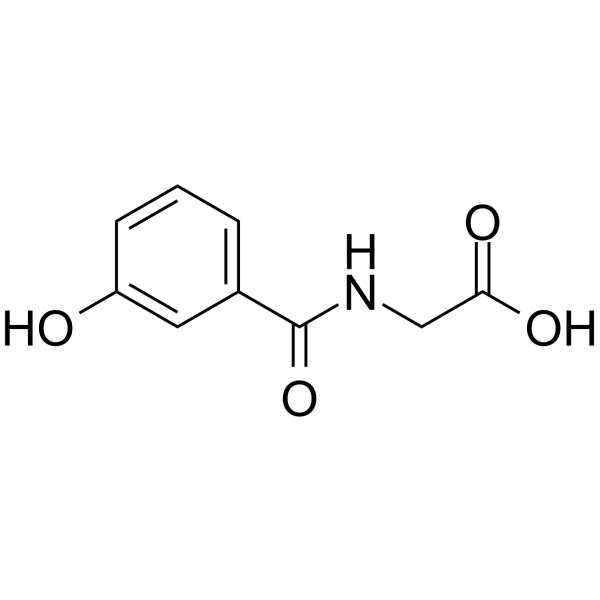
3-Hydroxyhippuric acid is an acylglycine. 3-Hydroxyhippuric acid inhibits kynureninase (Ki=60 μM). The concentration of 3-Hydroxyhippuric acid in autistic experimental groups is higher than that in control groups. 3-Hydroxyhippuric acid is a biomarker for Clostridium and is positively correlated with the content of Clostridium. 3-Hydroxyhippuric acid is one of the major metabolites of catechin-rich and wine polyphenol-rich diets. 3-Hydroxyhippuric acid can be used in the research of neurodegenerative diseases and autism spectrum disorders .
loading...
    loading...
1
1 Cited Publications
Cat. No.: HY-113289
CAS No.: 474-67-9
Purity:  98.71%
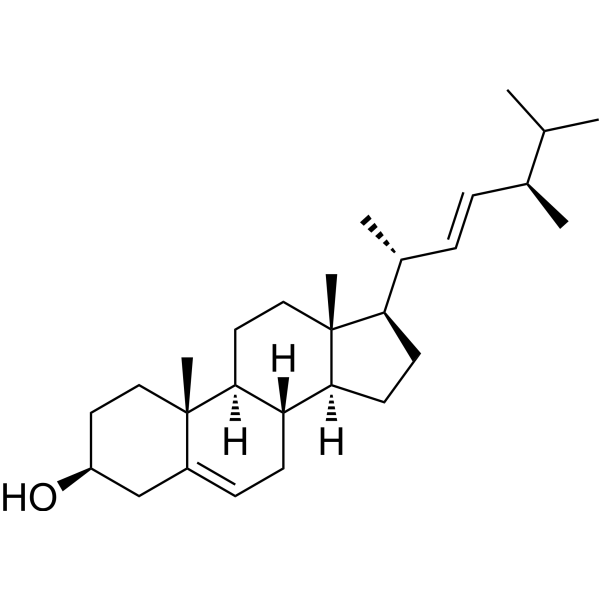
Brassicasterol is a metabolite of Ergosterol and has cardiovascular protective effects. Brassicasterol exerts anticancer effects in prostate cancer through dual targeting of AKT and androgen receptor signaling pathways. Brassicasterol inhibits HSV-1 (IC50=1.2 μM) and Mycobacterium tuberculosis. Brassicasterol also inhibits sterol δ 24-reductase, slowing the progression of atherosclerosis. Brassicasterol is also a cerebrospinal fluid biomarker for Alzheimer's disease .
loading...
    loading...
1
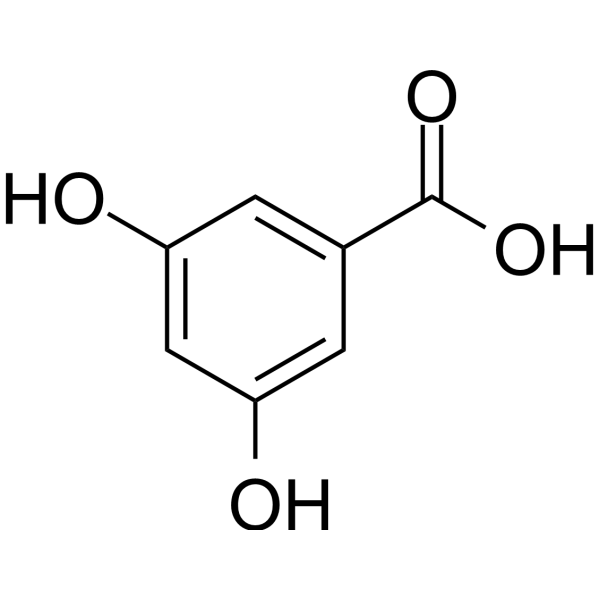
1 Cited Publications
Cat. No.: HY-W015560
CAS No.: 99-10-5
3,5-Dihydroxybenzoic acid a potential biomarker for the consumption of many food products, including beer, nuts, peanut, and pulses. 3,5-Dihydroxybenzoic acid is the agonist for hydroxycarboxylic acid receptor 1 (HCA1, also known as GPR81) that inhibits lipolysis in adipocytes. 3,5-Dihydroxybenzoic acid is the competitive inhibitor for tyrosine phenol-lyase (TPL), exhibits an affinity of Ki=25.7 μM. 3,5-Dihydroxybenzoic acid is orally active .
loading...
    loading...
1
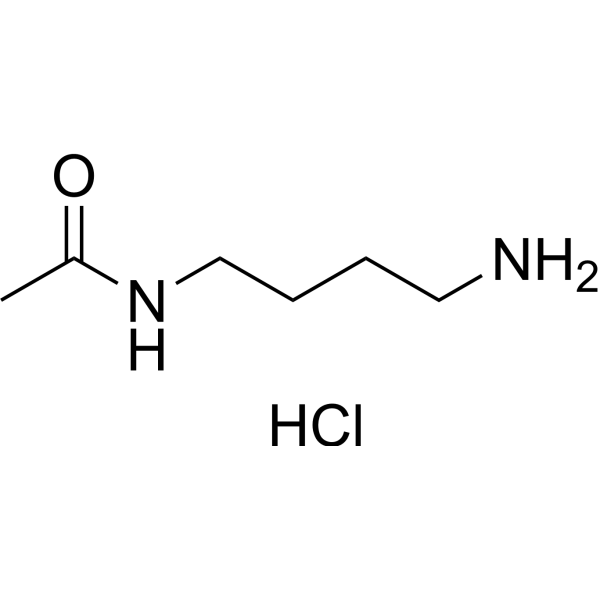
1 Cited Publications
Cat. No.: HY-113100
CAS No.: 18233-70-0
Purity:  ≥99.0%
N-Acetylputrescine hydrochloride is a polyamine metabolite that regulates cell proliferation and signal transduction mainly by participating in polyamine acetylation modification. N-Acetylputrescine hydrochloride may reduce the positive charge of polyamines, affect protein-nucleic acid interactions, and promote cell growth. The concentration changes of N-Acetylputrescine hydrochloride can help disease diagnosis (such as early screening and efficacy evaluation of lung cancer) and microbial cell wall structure research. N-Acetylputrescine hydrochloride can be used as a potential biomarker for the progression of squamous cell carcinoma of the lung (SCCL) and Parkinson's disease (PD) .
loading...
    loading...
1
1 Cited Publications
Cat. No.: HY-159688
CAS No.: 104145-95-1
Cefditoren is a broad-spectrum oral active cephalosporin that acts as a penicillin-binding protein (PBP) inhibitor. Cefditoren binds to specific PBPs in Gram-positive and Gram-negative bacteria, thereby inhibiting cell wall synthesis. Cefditoren also reduces serum levels of the inflammatory biomarkers IL-6 and KL-6. Cefditoren can be used in research related to acute exacerbation of chronic bronchitis, pharyngitis-tonsillitis, uncomplicated skin and skin structure infections, respiratory tract infections, acute pyelonephritis, and enterococcal endocarditis .
loading...
    loading...
1
1 Cited Publications
Cat. No.: HY-E70005I
CAS No.: 9001-12-1
Synonyms: Type VI collagenase
Target:  

MMP

Research Areas:  

Cancer

Collagenase, Type VI (EC 3.4.24.3) is a collagenase that can degrade type VI collagen. Type VI collagen is a component of cell membranes in various tissues (such as skin, heart, blood vessels, cartilage, and synovial fluid). Excessive collagenase can cause extracellular matrix lesions. Collagenase is also a biomarker for tumor invasion and metastasis. Collagenase, Type VI can specifically act on the peptide bond between proline and glycine. This feature can be used to quickly and sensitively detect its concentration level in experiments using corresponding modified electrodes .
loading...
    loading...
1
1 Cited Publications
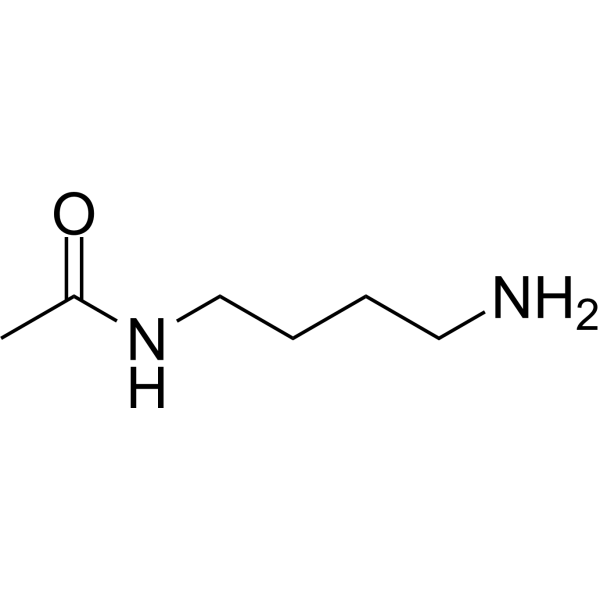
Cat. No.: HY-W342604
CAS No.: 5699-41-2
Synonyms: NAP
N-Acetylputrescine is a polyamine metabolite that regulates cell proliferation and signal transduction mainly by participating in polyamine acetylation modification. N-Acetylputrescine may reduce the positive charge of polyamines, affect protein-nucleic acid interactions, and promote cell growth. The concentration changes of N-Acetylputrescine can help disease diagnosis (such as early screening and efficacy evaluation of lung cancer) and microbial cell wall structure research. N-Acetylputrescine can be used as a potential biomarker for the progression of squamous cell carcinoma of the lung (SCCL) and Parkinson's disease (PD) .
loading...
    loading...
1
1 Cited Publications
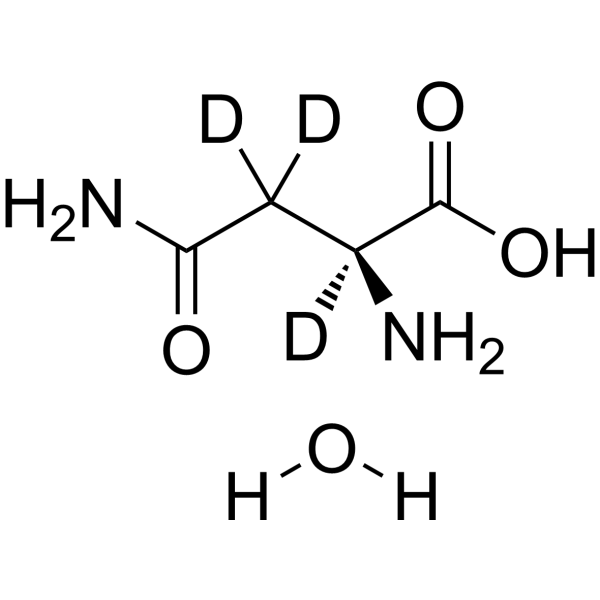
Cat. No.: HY-N0667S5
CAS No.: 2483831-59-8
L-Asparagine-d3 hydrate is the deuterium labeled L-Asparagine (HY-N0667). L-Asparagine is an essential amino acid for leukemic cells and a substrate for L-Asparaginase. L-Asparaginase is a potent anti-leukemic enzyme that promotes asparagine (Asn) and glutamine (Gln) depletion and inhibits protein biosynthesis in lymphoblasts. Removal of L-asparagine from plasma by L-Asparaginase results in inhibition of RNA and DNA synthesis and subsequent apoptosis. L-Asparaginase has cell-killing ability in vitro and in vivo, and selectively inhibits the growth of cancer cells with low asparagine synthetase (AASNS) expression. L-Asparagine can be used as a biomarker and sensor for the study of childhood acute lymphoblastic leukemia .
loading...
    loading...
1
1 Cited Publications
Cat. No.: HY-N0667S2
CAS No.: 287484-32-6
Synonyms: (-)-Asparagine-15N2 monohydrate; Asn-15N2 monohydrate; Asparamide-15N2 monohydrate
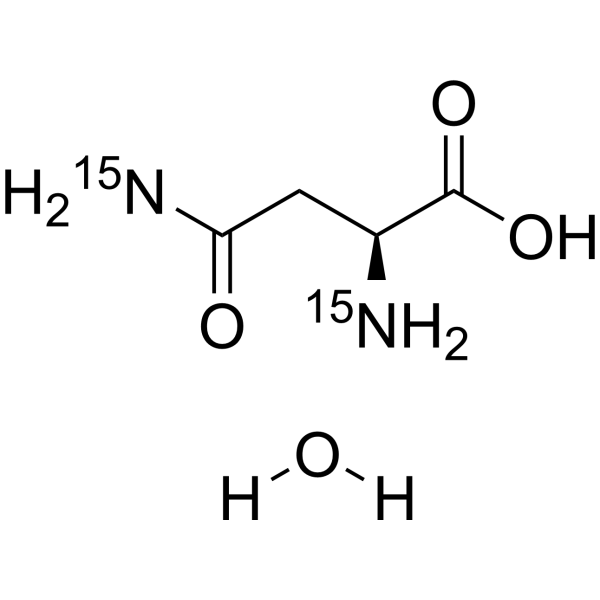
L-Asparagine- 15N2 monohydrate is the 15N-labeled L-Asparagine monohydrate (HY-W017443). L-Asparagine monohydrate is an essential amino acid for leukemic cells and a substrate for L-Asparaginase. L-Asparaginase is a potent anti-leukemic enzyme that promotes asparagine (Asn) and glutamine (Gln) depletion and inhibits protein biosynthesis in lymphoblasts. Removal of L-asparagine from plasma by L-Asparaginase results in inhibition of RNA and DNA synthesis and subsequent apoptosis. L-Asparaginase has cell-killing ability in vitro and in vivo, and selectively inhibits the growth of cancer cells with low asparagine synthetase (AASNS) expression. L-Asparagine monohydrate can be used as a biomarker and sensor for the study of childhood acute lymphoblastic leukemia .
loading...
    loading...
1
1 Cited Publications
Cat. No.: HY-113166
CAS No.: 25518-54-1
Purity:  99.75%
Synonyms: (-)-Lauroylcarnitine
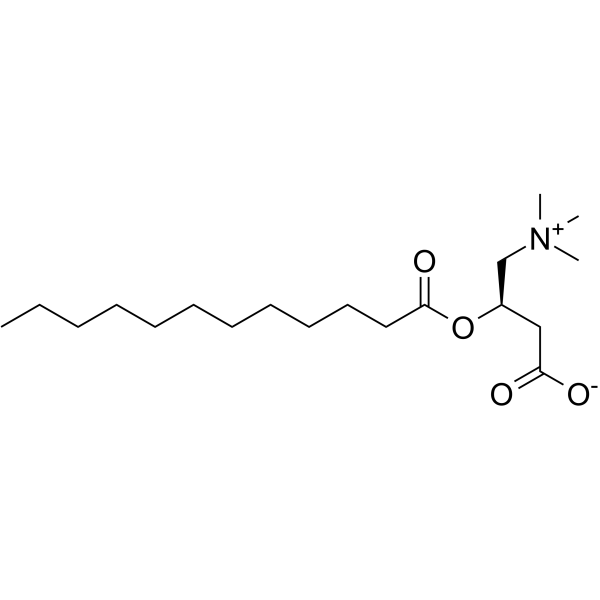
Dodecanoylcarnitine ((-)-Lauroylcarnitine) is a medium long-chain acylcarnitine, an intermediate product in key energy metabolic pathways of fatty acid β-oxidation and amino acids catabolism. The abnormal decrease in the Dodecanoylcarnitine levels indicats that mitochondrial fuel metabolism, including fatty acid oxidation is significantly disturbed. Changes in plasma concentrations of Dodecanoylcarnitine are not only associated with type II diabetes, but also with pre-diabetes status. Dodecanoylcarnitine is present in fatty acid oxidation disorders such as long-chain acyl CoA dehydrogenase deficiency, carnitine palmitoyltransferase I/II deficiency, and is also associated with celiac disease. Dodecanoylcarnitine deomonstrates high sensitivities and specificities in predicting asthma. Combined model of Decanoylcarnitine (HY-113069), Dodecanoylcarnitine, PC (16:0/0:0), and Asp Arg Pro can be used as a potential biomarker for the diagnosis of Yin-deficiency-heat syndrome .
loading...
    loading...
1
1 Cited Publications
Cat. No.: HY-N0857
CAS No.: 79233-15-1
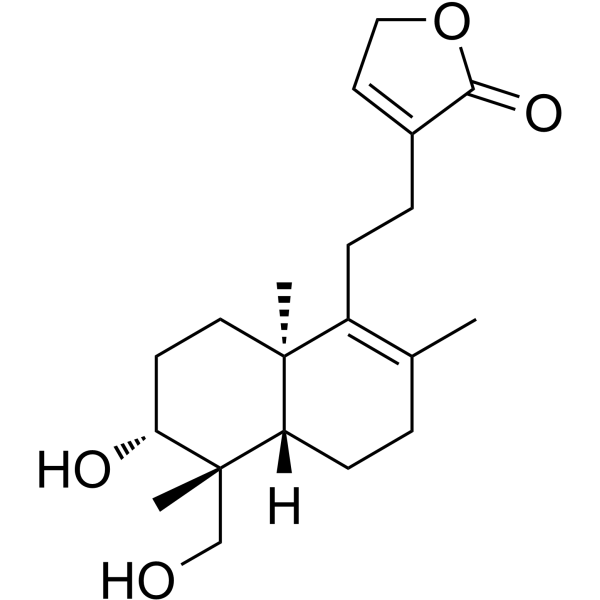
Deoxyandrographolide is an orally active lactone found in the Andrographis paniculata Nees. Deoxyandrographolide shows a KD of 38.4 μM of HDAC1. Deoxyandrographolide enhances GLUT4 plasma membrane translocation, activates PI3K and AMPK-dependent signaling pathways, suppresses fasting blood glucose, serum insulin, triglycerides, and LDL-cholesterol levels. Deoxyandrographolide enhances HDAC1 expression via inhibited ubiquitination degradation, represses H3K4me3, improves chromosome stability, and restrains aging biomarkers p16, p21, γH2A.X, p53 and ROS production. Deoxyandrographolide interacts with Foot-and-Mouth Disease Virus 3Cpro active site, inhibits protease and IFN-antagonist activity, derepresses ISG expression, and inhibits viral replication. Deoxyandrographolide can be used for the researches of type 2 diabetes mellitus, vascular senescence and virus infection .
loading...
    loading...
1
1 Cited Publications
Cat. No.: HY-113416R
CAS No.: 651-48-9
Synonyms: DHEA sulfate (Standard); Prasterone sulfate (Standard)
Dehydroepiandrosterone sulfate (DHEA sulfate; Prasterone sulfate) (Standard) is the analytical standard of Dehydroepiandrosterone sulfate (HY-113416). This product is intended for research and analytical applications. Dehydroepiandrosterone sulfate (DHEA sulfate; Prasterone sulfate) is a neurosteroid and the main secretion product of the adrenal gland. Dehydroepiandrosterone sulfate has both non-competitive antagonist activity of GABAA receptor and agonist activity of σ1 receptor. Dehydroepiandrosterone sulfate can partially penetrate the blood-brain barrier, inhibit GABAA receptor-mediated chloride influx, enhance NMDA receptor activity through σ1 receptors, exert anti-inflammatory, anti-glucocorticoid and antidepressant effects, and increase convulsive sensitivity. Dehydroepiandrosterone sulfate participates in neuroprotection, neurite growth regulation and catecholamine secretion regulation, and can be used in the study of depression, post-traumatic stress disorder (PTSD), Alzheimer's disease, etc. Dehydroepiandrosterone sulfate may also be a biomarker for cardiovascular disease mortality, and its concentration is independently and negatively correlated with mortality .
loading...
    loading...
Cat. No.: HY-113092
CAS No.: 17298-37-2
Purity:  ≥98.0%
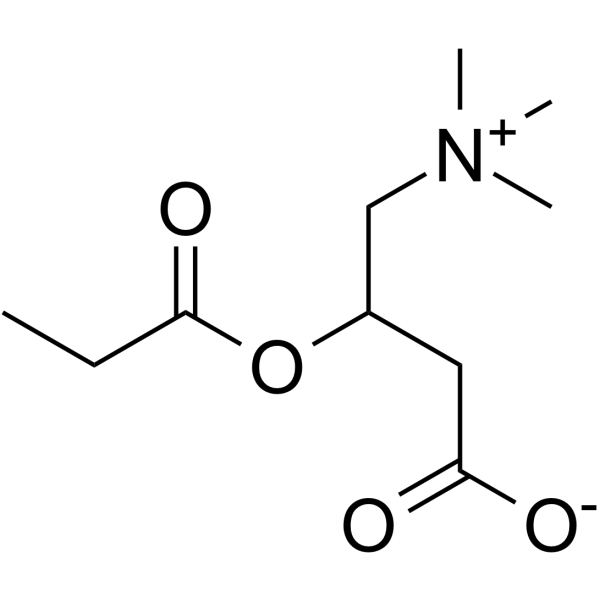
Propionylcarnitine is metabolized by carnitine acetyltransferase from propionyl-CoA. Increased propionylcarnitine is regarded as a biomarker of vitamin B12 deficiency .
loading...
    loading...

