521 Results for "

Triple Negative

" in MedChemExpress (MCE) Product Catalog:
Products (521)

521 Results for "Triple Negative" in MCE Product Catalog:

1
1 Cited Publications
Cat. No.: HY-157913
CAS No.: 771467-00-6
Purity:  99.77%
Research Areas:  

Cancer

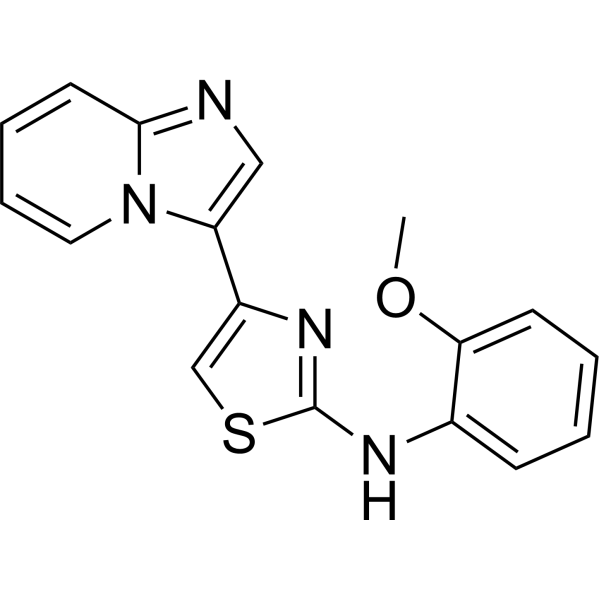
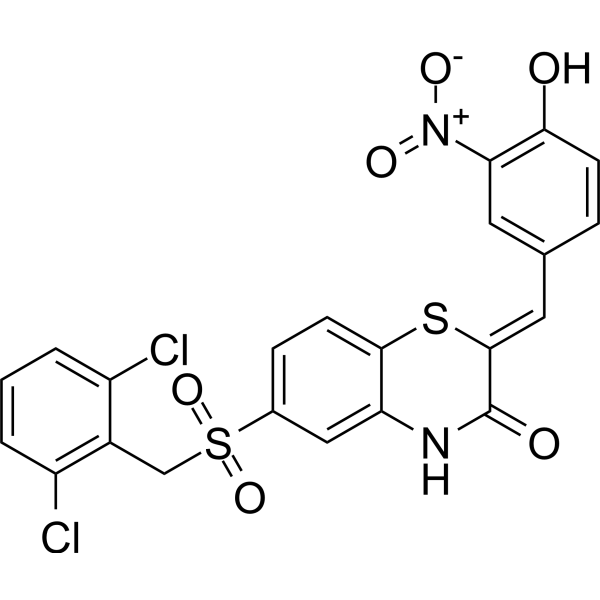
PKM2-IN-6 (compound 7d) is a potent and orally active PKM2 inhibitor with an IC50 value of 23 nM. PKM2-IN-6 induces apoptosis and cell cycle arrest at G2 phase. PKM2-IN-6 reduces the level of PKM1 and PKM2 at the mRNA level. PKM2-IN-6 shows anticancer activity and has the potential for the research of triple-negative breast cancer .
loading...
    loading...
1
1 Cited Publications
Cat. No.: HY-N0554
CAS No.: 123748-68-5
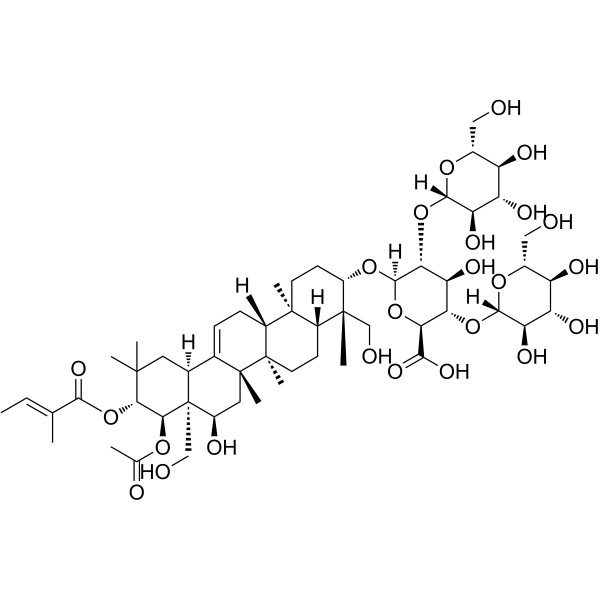
Escin IA is an oral LOXL2 inhibitor and EMT inhibitor, with selectivity for LOXL2-expressing cells. Escin IA suppresses invasion, migration, and metastasis of breast cancer cells, and acts as the primary anti-TNBC metastasis constituent of Aesculus chinensis Bunge fruit saponin fraction. Escin IA can be used for the research of triple-negative breast cancer, acute inflammation, and ethanol-induced gastric mucosal lesions .
loading...
    loading...
1
1 Cited Publications
Cat. No.: HY-123467
CAS No.: 28957-08-6
Purity:  99.68%
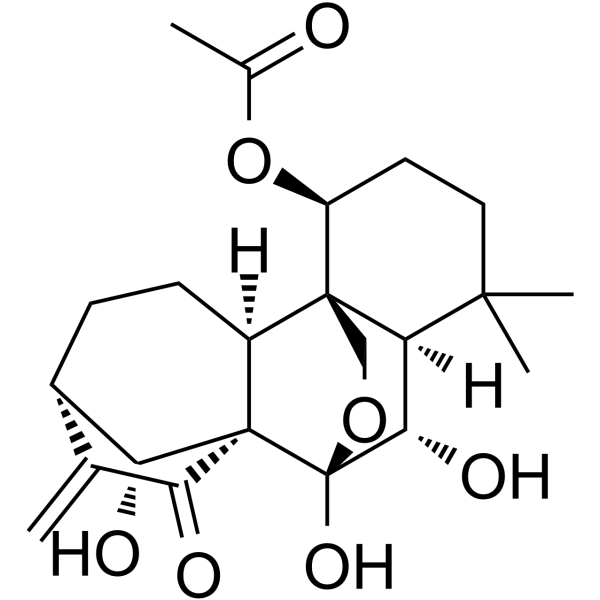
Lasiokaurin is an anticancer agent. Lasiokaurin can be isolated from Rabdosia rubescens (Hemsl.) H. Hara. Lasiokaurin inhibits the function of the PDPK1-AKT axis, with a Kd value of 75.93 μM for PDPK1. Lasiokaurin inhibits mTOR, STAT3, MAPK and NF-κB. Lasiokaurin reduces the mRNA and protein expression levels of PLK1. Lasiokaurin decreases DNA synthesis levels, induces cell Apoptosis, and regulates Autophagy processes. Lasiokaurin inhibits tumor growth in xenograft models. Lasiokaurin can be used in research related to nasopharyngeal carcinoma, triple-negative breast cancer .
loading...
    loading...
1
1 Cited Publications
Cat. No.: HY-164789
CAS No.: 2768350-77-0
Synonyms: SKB264; MK-2870
Research Areas:  

Cancer

Sacituzumab tirumotecan (SKB264) is an antibody-drug conjugate and TROP2-directed, topoisomerase I inhibitor payload-delivering agent, with a TROP2 EC50 of 2.787 ng/mL, TROP2 Kd of 0.3083 nM, and topoisomerase I IC50 of 0.7 μM. Sacituzumab tirumotecan is composed of the humanized anti-TROP2 antibody Sacituzumab (HY-P99045), the drug-linker conjugate for ADC is TL033 TFA (HY-147340A). Sacituzumab tirumotecan can be used for the research of metastatic triple-negative breast cancer, and metastatic non-small cell lung cancer .
loading...
    loading...
1
1 Cited Publications
Cat. No.: HY-P990211

Target:  

Interleukin Related

Research Areas:  

Inflammation/Immunology Cancer

Anti-Mouse IL-6R Antibody (15A7) is a rat-derived anti-mouse IL-6R IgG2b κ type antibody inhibitor. Anti-Mouse IL-6R Antibody (15A7) blocks IL-6 binding to IL-6Rα and inhibits both IL-6 classic and trans-signaling. Anti-Mouse IL-6R Antibody (15A7) can be used for the researches of cancer and inflammation, such as triple-negative breast cancer .
loading...
    loading...
1
1 Cited Publications
Cat. No.: HY-N7694
CAS No.: 97871-44-8
Isotoosendanin is an orally active TGFβR1 inhibitor and abrogating its kinase activity (IC50 = 6732 nM). Isotoosendanin inhibits the JAK/STAT3 signaling pathway by directly targeting SHP-2, enhancing its stability, and reducing its ubiquitination. Isotoosendanin inhibits TGF-β-induced reduces the migration, invasion, and metastasis in triple-negative breast cancer (TNBC) cells. Isotoosendanin exhibits anti-tumor efficacy in TNBC xenograft models and A549 xenograft tumors. Isotoosendanin exhibits significant anti-inflammatory effects in acetic acid-induced vascular permeability and λ-carrageenan-induced hind paw edema tests. Isotoosendanin can be used for the study of non-small cell lung cancer (NSCLC), TNBC and inflammation .
loading...
    loading...
Cat. No.: HY-124909A
CAS No.: 35954-65-5
Purity:  ≥95.0%
Target:  

Phosphatase

Research Areas:  

Cancer

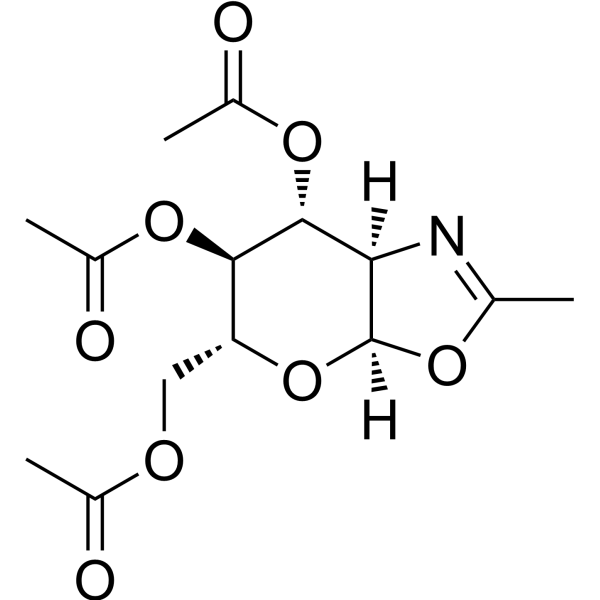
FR054 is an inhibitor of the HBP enzyme PGM3, with a remarkable anti-breast cancer effect .
loading...
    loading...
Cat. No.: HY-108692
CAS No.: 78473-71-9
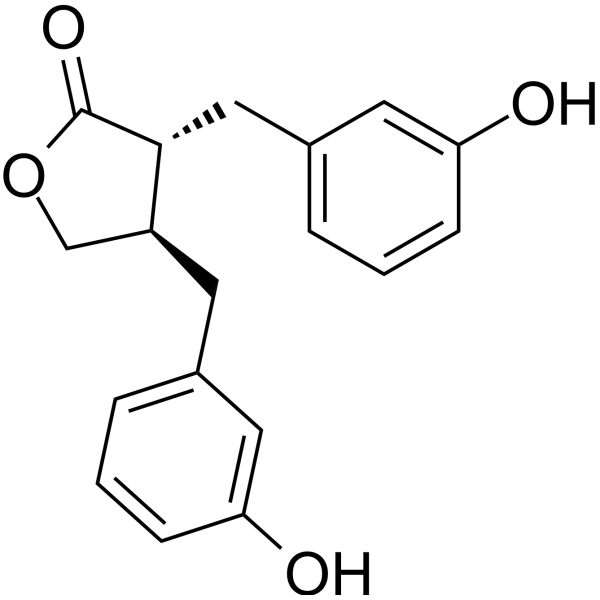
Enterolactone is a bioactive phenolic metabolite known as a mammalian lignan derived from dietary lignans. Enterolactone has estrogenic properties and anti-breast cancer activity . Enterolactone is a radiosensitizer for human breast cancer cell lines through impaired DNA repair and increased apoptosis .
loading...
    loading...
Cat. No.: HY-W011725
CAS No.: 2002-35-9
Synonyms: m6dA
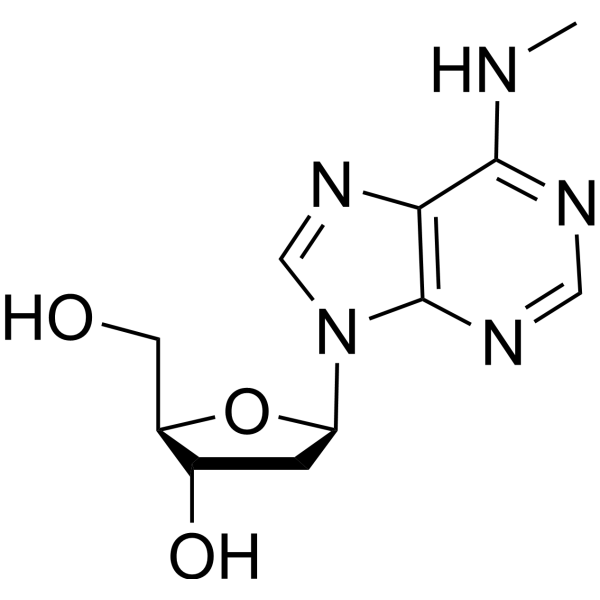
N-6-Methyl-2-deoxyadenosine (m6dA) is an adenine nucleoside analogue. N-6-Methyl-2-deoxyadenosine targets nuclear processes and DNA replication machineries including WER, SATB1, TFAM, Jumu, SSBP1, DNA polymerase η and phage polymerase Gp90 exo . N-6-Methyl-2-deoxyadenosine acts as a multifunctional epigenetic regulator that modulates transcription, DNA damage response, cell cycle, transposon silencing, stress adaptation, epigenetic crosstalk, and nucleosome organization in both prokaryotes and eukaryotes. N-6-Methyl-2-deoxyadenosine regulates mitochondrial epigenetic inheritance and is required for fear extinction memory in mice. N-6-Methyl-2-deoxyadenosine exhibits dysregulated levels in cancers. N-6-Methyl-2-deoxyadenosine can be used for the research of glioblastoma, triple negative breast cancer, and conditioned fear (fear extinction impairment) .
loading...
    loading...
Cat. No.: HY-P991621
Synonyms: EOS-215
Target:  

TREM receptor

Research Areas:  

Cancer

EOS006215 (EOS-215) is a humanized monoclonal antibody targeting TREM-2. EOS006215 competes with TREM2 ligands, prevents TREM2 multimerization, and blocks downstream signaling. EOS006215 inhibits efferocytosis, reprograms transcriptomic profiles of monocyte-derived macrophages, alters metabolism and immune response genes, and increases pro-inflammatory marker secretion. EOS006215 reduces metastasis burden, delays tumor growth, and reprograms the tumor microenvironment to overcome anti-PD-1 resistance. EOS006215 can be used for the research of triple negative breast cancer and colorectal cancer .
loading...
    loading...
Cat. No.: HY-162250
CAS No.: 3050872-59-5
Research Areas:  

Cancer

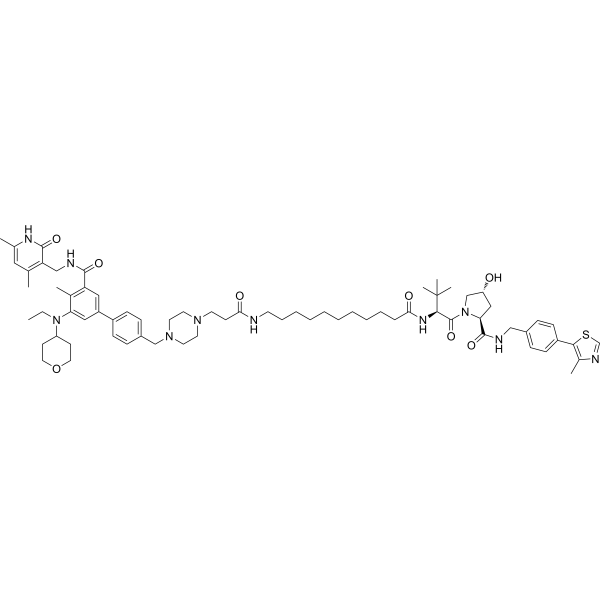
MS8847 is a PROTAC degrader and antiproliferative agent targeting EZH2 (DC50=34.4 nM in EOL-1 MLL-rAML cells). MS8847 recruits the E3 ligase von Hippel-Lindau (VHL) to mediate the degradation of EZH2 via the ubiquitin-proteasome system. MS8847 induces antiproliferative effects in MLL-rearranged acute myeloid leukemia cells and inhibits the growth of triple-negative breast cancer cell lines or 3D triple-negative breast cancer models. MS8847 is applicable to research related to MLL-rearranged acute myeloid leukemia and triple-negative breast cancer .
loading...
    loading...
Cat. No.: HY-130851
CAS No.: 1562024-11-6
Purity:  98.48%
Target:  

HSP

Research Areas:  

Cancer

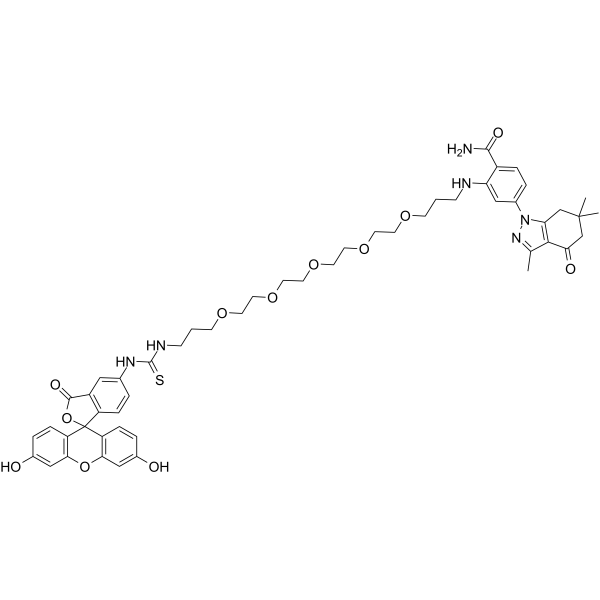
HS-27, a fluorescently-tethered Hsp90 inhibitor, assays surface Hsp90 expression on intact tissue specimens. HS-27 is made up of the core elements of SNX-5422, an Hsp90 inhibitor, tethered via a PEG linker to a fluorescein derivative (fluorescein isothiocyanate or FITC), that binds to ectopically expressed Hsp90. HS-27 has potential use in a see-and-treat paradigm in breast cancer .
loading...
    loading...
Cat. No.: HY-163944
CAS No.: 3081311-94-3
LL-K12-18 is a CDK12 kinase inhibitor and a dual-site molecular glue. LL-K12-18 inhibits human CDK12 with an IC50 value of 283.9 nM, and selectively degrades cyclin K via the ubiquitin-proteasome system by stabilizing the CDK12-DDB1 complex. LL-K12-18 downregulates DNA damage response genes, reduces the phosphorylation level of CTD Ser2 in RNA polymerase II, and modulates biomarkers such as ATM, RAD51, γ-H2AX and cleaved PARP, thereby effectively inducing apoptosis and inhibiting proliferation of breast cancer cells. LL-K12-18 exhibits high target selectivity and serves as a research tool for studies on triple-negative breast cancer .
loading...
    loading...
Cat. No.: HY-158208
CAS No.: 2209036-28-0
Research Areas:  

Cancer

PMMB276, a Shikonin (HY-N0822) derivative, is a potent Tubb3 inhibitor. PMMB276 inhibits microtubule polymerization, induces G2/M cell cycle arrest and apoptosis in TNBC cells through the Cdc20/AKT2/Bcl-2 signaling axis. PMMB276 suppresses MDA-MB-231 tumor growth in mice without causing significant toxicity. PMMB276 can be used for the study of triple-negative breast cancer (TNBC) .
loading...
    loading...
Cat. No.: HY-114324
CAS No.: 2369022-68-2
Purity:  99.74%
Target:  

PROTACs PARP Apoptosis

Research Areas:  

Cancer

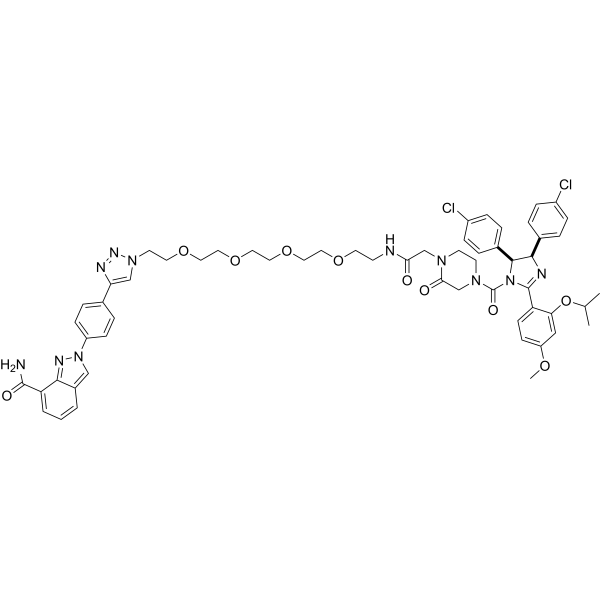
PROTAC PARP1 degrader is a PROTAC PARP1 degrader. PROTAC PARP1 degrader mediates the interaction between PARP1 and MDM2 E3 ubiquitin ligase, thereby inducing ubiquitination of PARP1 and subsequent proteasome-mediated degradation. PROTAC PARP1 degrader selectively inhibits the growth of breast cancer cells. PROTAC PARP1 degrader induces cell apoptosis by activating caspase-3 and phosphatidylserine externalization. PROTAC PARP1 degrader can be used in the research of triple-negative breast cancer .
loading...
    loading...
Cat. No.: HY-177760
CAS No.: 1252037-41-4
Research Areas:  

Cancer

PrCP-7414 is a prolyl carboxypeptidase (PRCP) inhibitor. PrCP-7414 blocks PRCP-mediated activation of the IGF1R/HER3 signaling pathway and subsequent AKT activation. PrCP-7414 exhibits pro-apoptotic, anti-tumor and synergistic cytotoxic activities, and inhibits the proliferation and survival of triple-negative breast cancer cells. PrCP-7414 can be used for the research of breast cancer .
loading...
    loading...
Cat. No.: HY-158239
CAS No.: 3037165-65-1
Purity:  98.36%
Research Areas:  

Cancer

MS181 is a BMI1 and RING1B degrader with antiproliferative activity. MS181 induces degradation via an EED-, CRBN-, and ubiquitin-proteosome system-dependent pathway, with preferential targeting over PRC2 components. MS181 acts in VHL-defective cancer cells. MS181 serves as a chemical biology tool to study PRC1 roles in cancer. MS181 can be used for the research of myelogenous leukemia, renal cell carcinoma, metastatic prostate cancer, triple negative breast cancer .
loading...
    loading...
Cat. No.: HY-156816
CAS No.: 1585246-23-6
Purity:  99.73%
Synonyms: 108600
Research Areas:  

Cancer

ON 108600 (108600) is a CK2 (CK2α1: IC50 = 50 nM; CK2α2 = 5 nM), TNIK (IC50 = 5 nM) and DYRK (DYRK1A: IC50 = 16 nM; DYRK1B = 7 nM; DYRK2: = 28 nM). ON 108600 suppresses the growth of CD44high/CD24low breast cancer stem cell (BCSC) populations, induces G2/M arrest and apoptosis in triple negative breast cancer (TNBC) cells, and inhibits tubulin polymerization. ON 108600 can be used for the study of chemotherapy-resistant and metastatic TNBC .
loading...
    loading...
Cat. No.: HY-114979
CAS No.: 25683-07-2
Purity:  99.90%
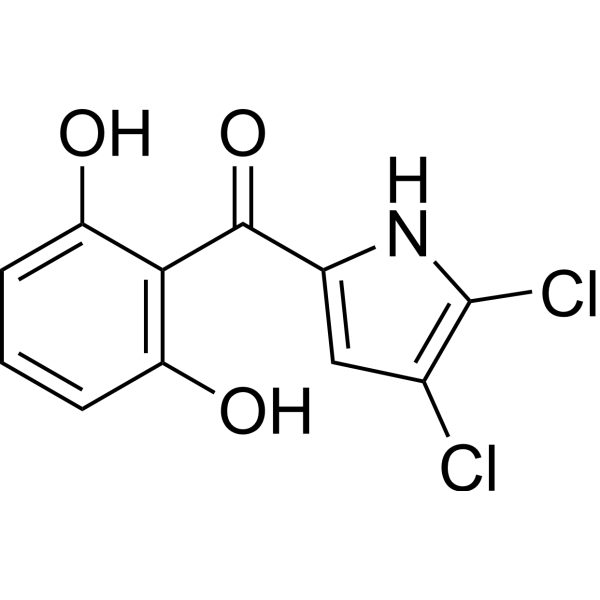
Pyoluteorin is an antibiotic that inhibits Oomycete fungi, including the plant pathogen Pythium ultimum, and suppresses plant diseases caused by this fungus . Pyoluteorin induces human triple-negative breast cancer MDA-MB-231 cells apoptosis in vitro. Pyoluteorin can be used for the research of human triple-negative breast cancer .
loading...
    loading...
Cat. No.: HY-113884A
CAS No.: 18104-45-5
Purity:  ≥99.0%
Synonyms: (±)-13-HODE
Target:  

Endogenous Metabolite

Research Areas:  

Inflammation/Immunology Cancer

(±)-Coriolic acid ((±)-13-HODE) is one of the two racemic monohydroxy fatty acids produced by non-enzymatic oxidation of linoleic acid. (±)-Coriolic acid induces TNF production in macrophages and upregulates Scavenger Receptor, thereby promoting the uptake of oxidized low-density lipoprotein. (±)-Coriolic acid induces the expression of cell adhesion molecules in endothelial cells. (±)-Coriolic acid can be used in research on psoriasis, atherosclerosis, and triple-negative breast cancer .
loading...
    loading...

