154 Results for "

cellular proliferation

" in MedChemExpress (MCE) Product Catalog:
Products (154)

154 Results for "cellular proliferation" in MCE Product Catalog:

Cat. No.: HY-138993A
CAS No.: 3031756-18-7
Purity:  98.21%
Research Areas:  

Cancer

NNMT-IN-6 hydrochloride is a selective nicotinamide N-methyltransferase (NNMT) inhibitor with an IC50 of 1.41 μM and a Kd of 5.55 μM. NNMT-IN-6 hydrochloride exhibits selectivity over PRMT1 and NSD2. NNMT-IN-6 hydrochloride inhibits cancer cell proliferation and reduces cellular N-methylnicotinamide (MNA) production. NNMT-IN-6 hydrochloride can be used for the research of oral cancer .
loading...
    loading...
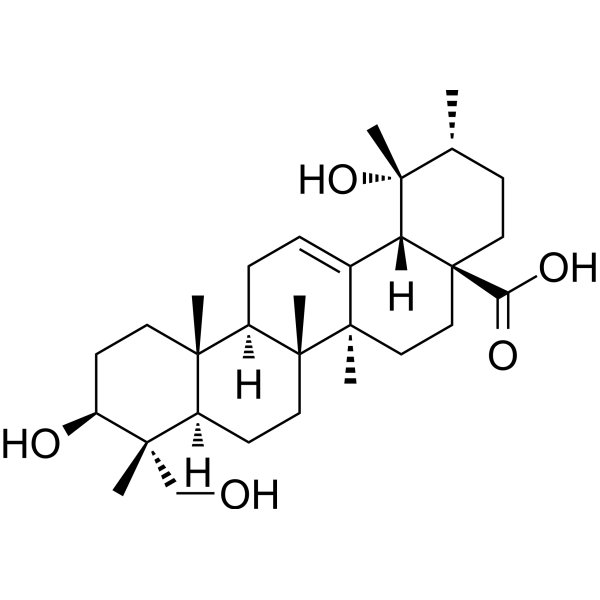
Cat. No.: HY-N2217
CAS No.: 20137-37-5
Rotundic acid is an orally effective triterpenoid with a Kd value of 51.3 µM for PTP1B. Rotundic acid downregulates the AKT/mTOR pro-survival pathway and modulates the MAPK pathway. Rotundic acid induces cell cycle S-phase arrest, DNA damage and apoptosis; it inhibits migration, invasion, angiogenesis and proliferation of cancer cells. Rotundic acid improves leptin sensitivity, regulates gut microbiota and reduces cellular senescence. Rotundic acid can be used in research related to hepatocellular carcinoma, obesity, aging, acute lung injury and type 2 diabetes .
loading...
    loading...
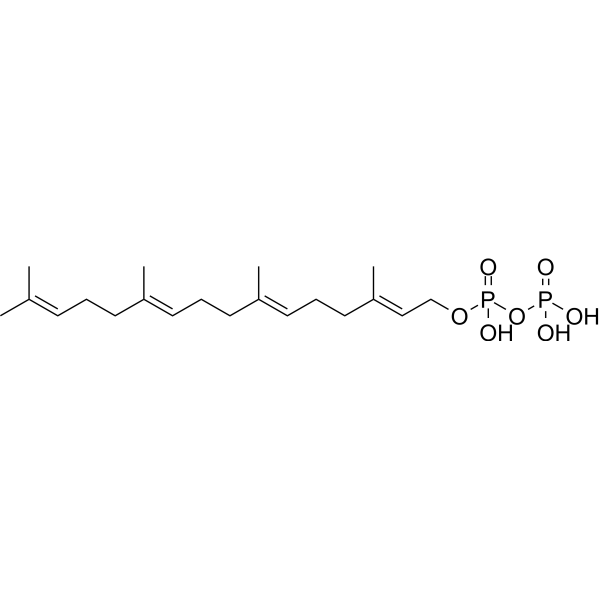
Cat. No.: HY-126370
CAS No.: 6699-20-3
Geranylgeranyl pyrophosphate is a type of isoprenoid metabolic intermediate, mainly synthesized through the mevalonate pathway. Geranylgeranyl pyrophosphate is a key precursor in various biological synthesis processes, especially as a necessary substrate for post-translational modification of proteins - geranylgeranyl phosphorylation. Geranylgeranyl pyrophosphate regulates various cellular processes and disease progression through protein geranylgeranyl phosphorylation, such as activating the YAP signaling pathway, promoting cell proliferation and inhibiting apoptosis; promoting IL-2 production and STAT5 phosphorylation; and influencing metabolic homeostasis and cancer, etc .
loading...
    loading...
Cat. No.: HY-NP132
Recombinant Humanized Type III Collagen 28.6kDa is a 28.6 kDa recombinant humanized type III collagen. Recombinant Humanized Type III Collagen possesses a variety of biological functions, such as promoting the regeneration of the skin extracellular matrix and improving the cellular microenvironment. Recombinant Humanized Type III Collagen can also inhibit the proliferation, migration and invasion of breast cancer cells. Recombinant Humanized Type III Collagen plays a role in cell adhesion, migration, proliferation and differentiation by interacting with Integrin .
loading...
    loading...
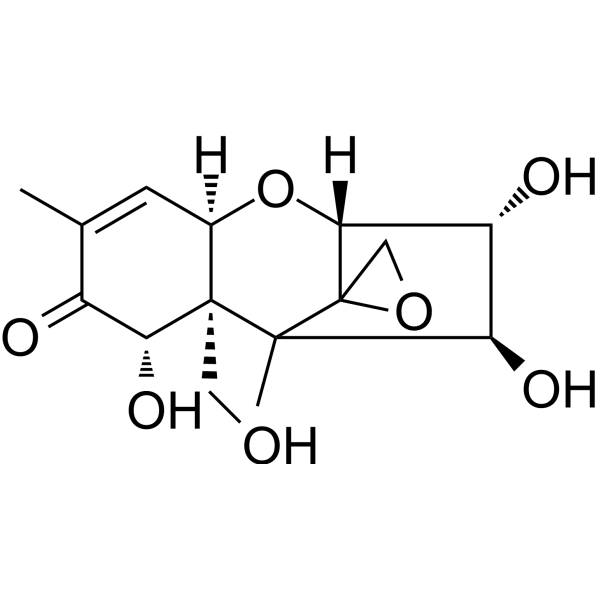
Cat. No.: HY-N6801
CAS No.: 23282-20-4
Nivalenol, a trichothecene mycotoxin that can be produced by Fusarium graminearum, is a fungal metabolite present in agricultural product. Nivalenol modulates apoptotic pathway, cell cycle regulation, Bax, ERK, caspase-3, and poly-ADP-ribose synthase activity in macrophages. Nivalenol inhibits ribosomal peptidyltransferase site, protein synthesis, DNA synthesis, and cell proliferation. Nivalenol induces late-stage apoptotic morphological changes, reduces cellular metabolism, and decreases cell proliferation in erythroleukemia cells. Nivalenol induces lymphocyte apoptosis in murine thymus, spleen, and Peyer's patches. Nivalenol can be used for the research of erythroleukemia .
loading...
    loading...
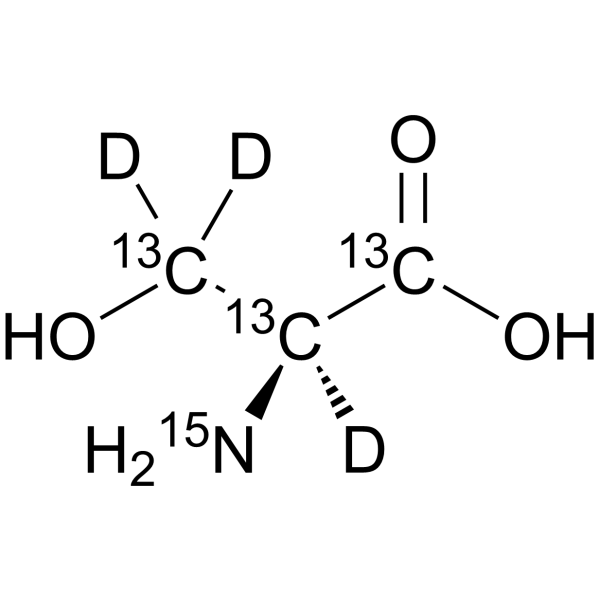
Cat. No.: HY-N0650S3
CAS No.: 1994299-33-0
Synonyms: (-)-Serine-13C3,15N,d3; (S)-Serine-13C3,15N,d3
L-Serine- 13C3, 15N,d3 is the deuterium, 13C-, and 15-labeled L-Serine. L-Serine ((-)-Serine; (S)-Serine), one of the so-called non-essential amino acids, plays a central role in cellular proliferation.
loading...
    loading...
Cat. No.: HY-104000
CAS No.: 1445830-50-1
Purity:  99.74%
Target:  

Ser/Thr Protease

Research Areas:  

Cancer

BAY-320 is a selective and ATP-competitive Bub1 inhibitor that inhibits the kinase activity of Bub1 with an IC50 of 680 nM. BAY-320 inhibits endogenous Bub1-mediated Sgo1 localization. BAY-320 affects cellular mitotic chromosome arrangement and spindle assembly. BAY-320 inhibits cell proliferation. BAY-320 can be used in the study of cancer such as ovarian cancer and cervical cancer .
loading...
    loading...
Cat. No.: HY-P2982
CAS No.: 128543-23-7
Target:  

Liposome

Research Areas:  

Metabolic Disease

Ceramide 1-phosphate is a bioactive lipid and one of the key components of sphingolipids. Ceramide 1-phosphate playing diverse roles in cellular behaviors such as cell differentiation, migration, proliferation and death .
loading...
    loading...
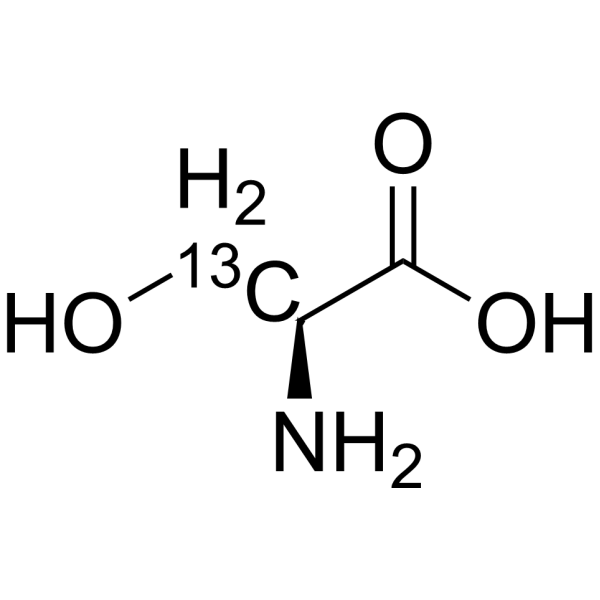
Cat. No.: HY-N0650S1
CAS No.: 89232-77-9
Synonyms: (-)-Serine-13C; (S)-Serine-13C
L-Serine- 13C is the 13C-labeled L-Serine. L-Serine ((-)-Serine; (S)-Serine), one of the so-called non-essential amino acids, plays a central role in cellular proliferation.
loading...
    loading...
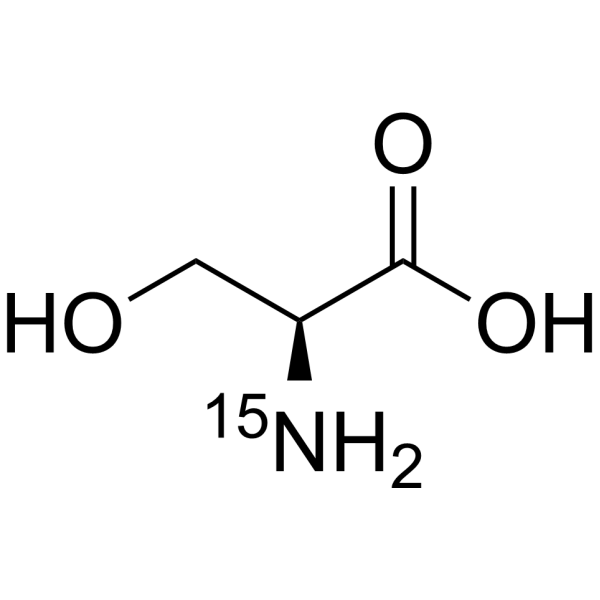
Cat. No.: HY-N0650S10
CAS No.: 59935-32-9
Synonyms: (-)-Serine-15N; (S)-Serine-15N
L-Serine- 15N is the 15N-labeled L-Serine. L-Serine ((-)-Serine; (S)-Serine), one of the so-called non-essential amino acids, plays a central role in cellular proliferation.
loading...
    loading...
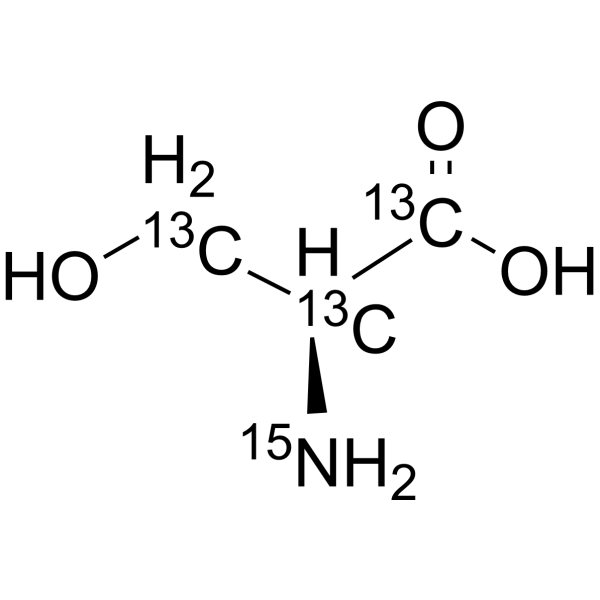
Cat. No.: HY-N0650S5
CAS No.: 202407-34-9
Synonyms: (-)-Serine-13C3,15N; (S)-Serine-13C3,15N
L-Serine- 13C3, 15N is the 13C- and 15N-labeled L-Serine. L-Serine ((-)-Serine; (S)-Serine), one of the so-called non-essential amino acids, plays a central role in cellular proliferation.
loading...
    loading...
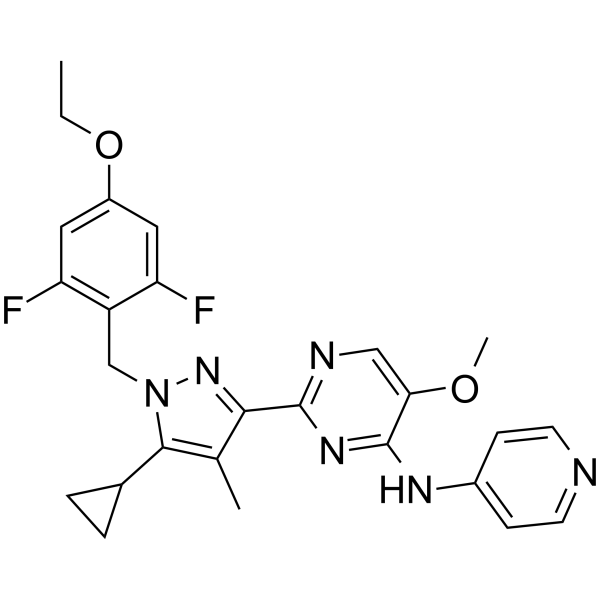
Cat. No.: HY-138993
CAS No.: 2368247-39-4
Research Areas:  

Cancer

NNMT-IN-6 is a selective nicotinamide N-methyltransferase (NNMT) inhibitor with an IC50 of 1.41 μM and a Kd of 5.55 μM. NNMT-IN-6 hydrochloride exhibits selectivity over PRMT1 and NSD2. NNMT-IN-6 inhibits cancer cell proliferation and reduces cellular N-methylnicotinamide (MNA) production. NNMT-IN-6 can be used for the research of oral cancer .
loading...
    loading...
Cat. No.: HY-161767
CAS No.: 3069975-17-0
Research Areas:  

Cancer

JWJ-01-306 is a CRBN-recruiting ZBTB11 Molecular Glues degrader. JWJ-01-306 degrades ZBTB11 and reprograms cellular metabolism, thereby reducing the level of Oxidative Phosphorylation and the activity of the tricarboxylic acid cycle. JWJ-01-306 enhances the response of organoids to K-Ras inhibition. JWJ-01-306 inhibits the proliferation of pancreatic ductal adenocarcinoma cells and melanoma cells. JWJ-01-306 can be used in studies related to pancreatic ductal adenocarcinoma and melanoma .
loading...
    loading...
Cat. No.: HY-N0650S7
CAS No.: 95034-57-4
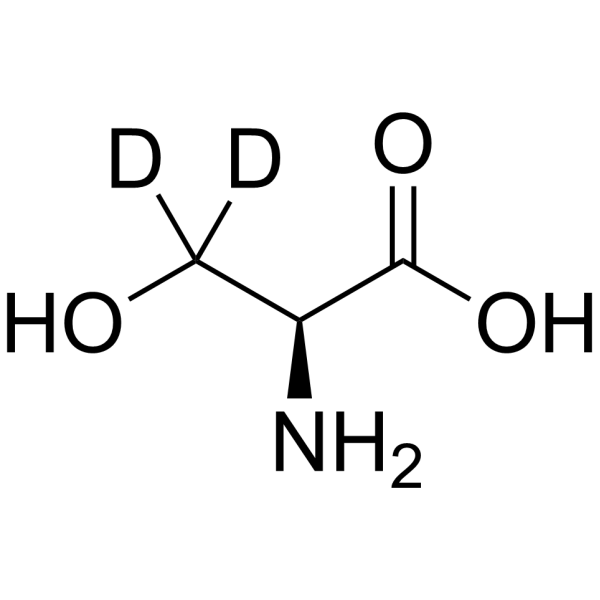
Synonyms: (-)-Serine-d2; (S)-Serine-d2
L-Serine-d2 is the deuterium labeled L-Serine. L-Serine ((-)-Serine; (S)-Serine), one of the so-called non-essential amino acids, plays a central role in cellular proliferation.
loading...
    loading...
Cat. No.: HY-N0650S2
CAS No.: 81201-84-5
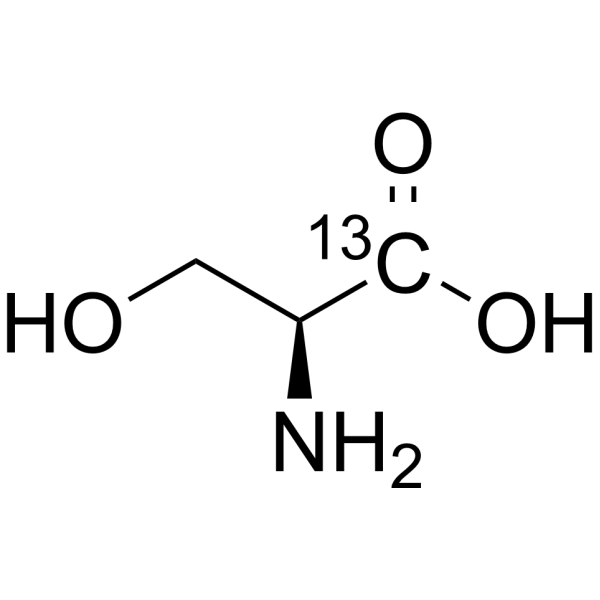
Synonyms: (-)-Serine-1-13C; (S)-Serine-1-13C
L-Serine-1- 13C is the 13C-labeled L-Serine. L-Serine ((-)-Serine; (S)-Serine), one of the so-called non-essential amino acids, plays a central role in cellular proliferation.
loading...
    loading...
Cat. No.: HY-N6801S
CAS No.: 911392-40-0
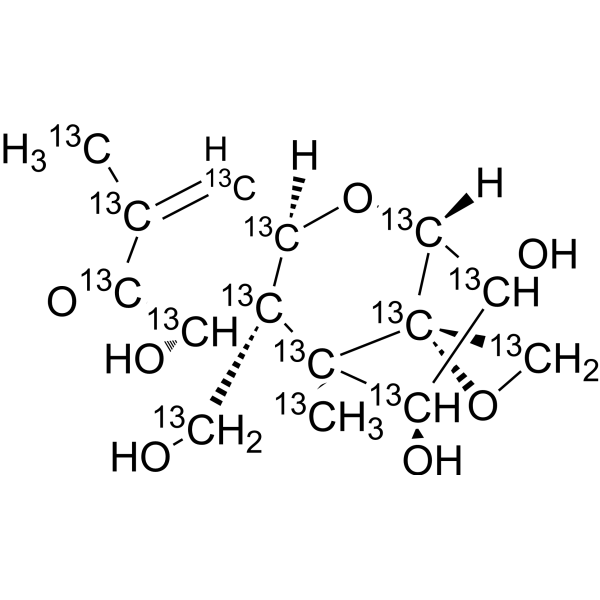
Nivalenol- 13C15 is the 13C labeled Nivalenol (HY-N6801) . Nivalenol, a trichothecene mycotoxin that can be produced by Fusarium graminearum, is a fungal metabolite present in agricultural product. Nivalenol modulates apoptotic pathway, cell cycle regulation, Bax, ERK, caspase-3, and poly-ADP-ribose synthase activity in macrophages. Nivalenol inhibits ribosomal peptidyltransferase site, protein synthesis, DNA synthesis, and cell proliferation. Nivalenol induces late-stage apoptotic morphological changes, reduces cellular metabolism, and decreases cell proliferation in erythroleukemia cells. Nivalenol induces lymphocyte apoptosis in murine thymus, spleen, and Peyer's patches. Nivalenol can be used for the research of erythroleukemia.
loading...
    loading...
Cat. No.: HY-W012856
CAS No.: 620-14-4
Synonyms: 3-Methylethylbenzene
3-Ethyltoluene (3-Methylethylbenzene) is an isomer of Ethyltoluenes. 3-Ethyltoluene inhibits cell survival and proliferation and increases ROS production. 3-Ethyltoluene upregulates cellular inflammatory gene expression. 3-Ethyltoluene induces cell fibrosis with increased level of AST, FGF-23, Cyt-7 p21, TGFβ, TIMP2, and MMP2. 3-Ethyltoluene can be used for liver diseases such as NAFLD research .
loading...
    loading...
Cat. No.: HY-N6739S
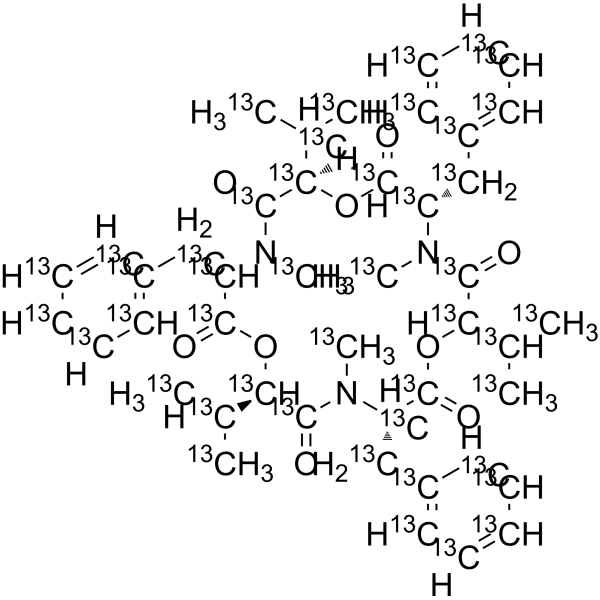
Beauvericin- 13C45 is 13C labeled Beauvericin (HY-N6739). Beauvericin is a cyclohexapeptide Fusarium toxin with insecticidal, antibacterial, anticancer, antiviral and cytotoxic activities. Beauvericin causes cellular genotoxicity by producing DNA breaks, chromosomal aberrations and micronuclei, and inhibits the PI3K/AKT pathway to induce apoptosis, thereby inhibiting the growth of HCC. In addition, Beauvericin affects immune function by inhibiting lymphocyte proliferation and interfering with the differentiation process of human monocytes into macrophages .
loading...
    loading...
Cat. No.: HY-178748
PKM2-IN-12 is an orally active PKM2 inhibitor with an IC50 of 10 nM. PKM2-IN-12 inhibits COLO-205 cell proliferation and migration, arrests the cell cycle, and induces apoptosis. PKM2-IN-12 significantly reduces cellular levels of lactate, pyruvate, and ROS. PKM2-IN-12 directly kills cancer cells and restores disrupted gut microbiota balance in mice model. PKM2-IN-12 can be used to study colorectal cancer .
loading...
    loading...
Cat. No.: HY-N0650S6
CAS No.: 2483830-04-0
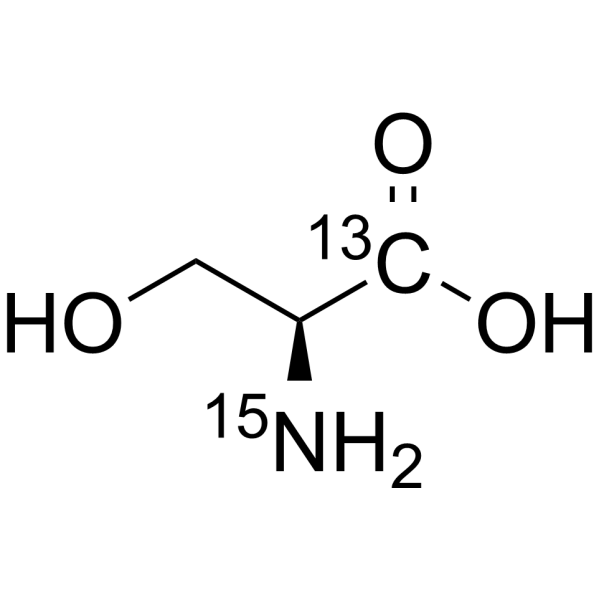
Synonyms: (-)-Serine-13C,15N; (S)-Serine-13C,15N
L-Serine1- 13C, 15N is the 13C- and 15N-labeled L-Serine. L-Serine ((-)-Serine; (S)-Serine), one of the so-called non-essential amino acids, plays a central role in cellular proliferation.
loading...
    loading...

