


344 Results for "

GLUT2-null hepatocytes

" in MedChemExpress (MCE) Product Catalog:
Products (344)

344 Results for "GLUT2-null hepatocytes" in MCE Product Catalog:

1
1 Cited Publications
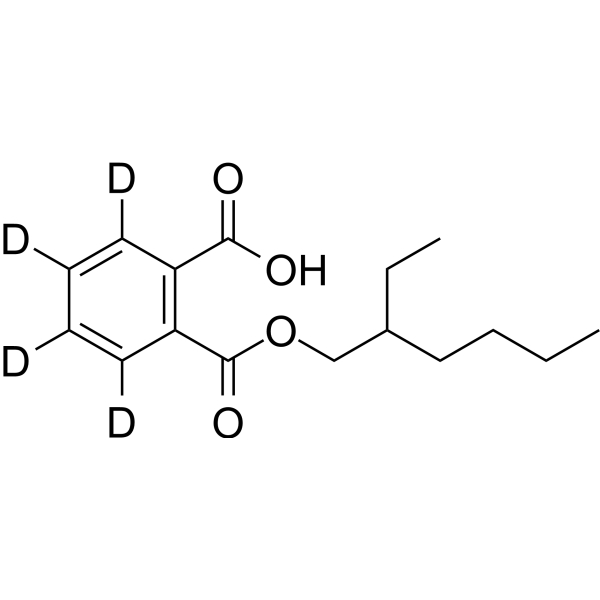
Cat. No.: HY-W018392S
CAS No.: 1276197-22-8
Synonyms: MEHP-d4; Phthalic acid mono-2-ethylhexyl ester-d4
Mono-(2-ethylhexyl) phthalate-d4 is a deuterium labeled Mono-(2-ethylhexyl) phthalate (HY-W018392). Mono-(2-ethylhexyl) phthalate (MEHP) is a major bioactive metabolite of diethylhexyl phthalate (DEHP). Mono-(2-ethylhexyl) phthalate can promote fatty acid synthesis in hepatocytes by regulating the expression of relevant genes and proteins, contributing to non-alcoholic fatty liver disease (NAFLD) [2].
loading...
    loading...
1
1 Cited Publications
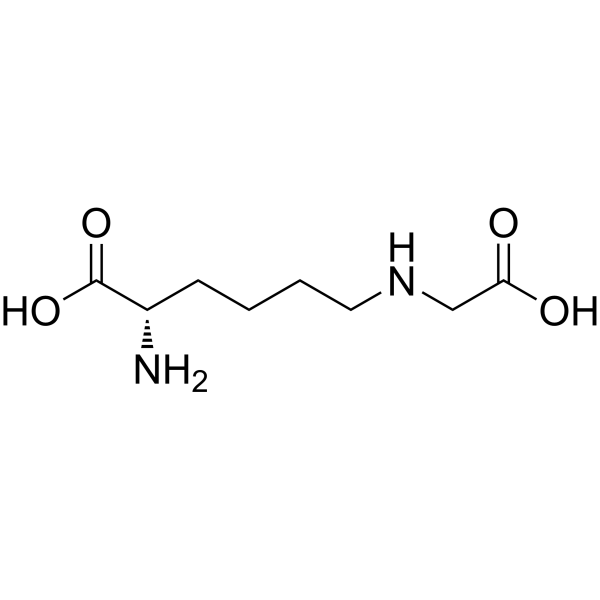
Cat. No.: HY-W286743
CAS No.: 5746-04-3
Synonyms: CML; N6-(Carboxymethyl)-L-lysine; Nε-(1-Carboxymethyl)-L-lysine
Nε-(Carboxymethyl)-L-lysine (CML) is an orally active advanced glycation end product. Nε-(Carboxymethyl)-L-lysine upregulates the expression of PLK1 and CEP20, and induces the activation of RAGE and ERK/NFκB. Nε-(Carboxymethyl)-L-lysine drives centrosome amplification. Nε-(Carboxymethyl)-L-lysine induces malignant transformation of hepatocytes and promotes the development of hepatocellular carcinoma. Nε-(Carboxymethyl)-L-lysine induces epithelial-mesenchymal transition in osteosarcoma cells and enhances their migration and invasion properties [2].
loading...
    loading...
1
1 Cited Publications
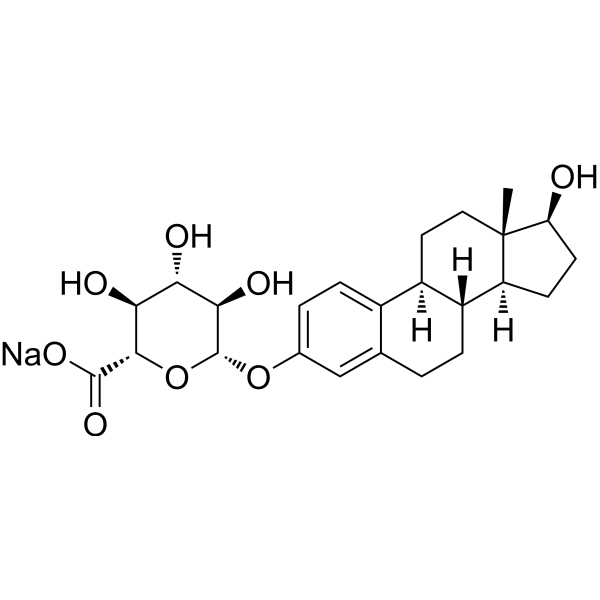
Cat. No.: HY-N7755
CAS No.: 14982-12-8
Estradiol 3-glucuronide sodium is an estrogen metabolite, which is a glucuronide conjugate formed by the catalysis of uridine diphosphate glucuronosyltransferase in tissues such as the liver from Estradiol (HY-B0141). Estradiol 3-glucuronide sodium is a potent substrate of Mrp2, with an S50 of 55.7 μM. Estradiol 3-glucuronide sodium achieves hepatobiliary transport in hepatocytes through basolateral uptake via OATP1B1, OATP1B3 and OATP2B1, as well as apical efflux via MRP2 and BCRP [2] .
loading...
    loading...
1
1 Cited Publications
Cat. No.: HY-W585842
CAS No.: 15270-30-1
Estradiol 3-glucuronide is an estrogen metabolite, which is a glucuronide conjugate formed from Estradiol (HY-B0141) via catalysis by uridine diphosphate glucuronosyltransferases in tissues such as the liver. Estradiol 3-glucuronide is a potent substrate of Mrp2, with an S50 value of 55.7 μM. Estradiol 3-glucuronide achieves hepatobiliary transport in hepatocytes through basolateral uptake via OATP1B1, OATP1B3 and OATP2B1, as well as apical efflux via MRP2 and BCRP [2] .
loading...
    loading...
1
1 Cited Publications
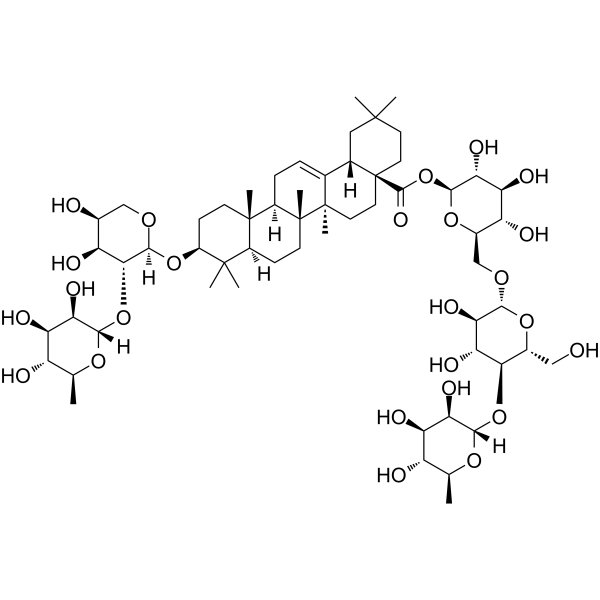
Cat. No.: HY-N0306
CAS No.: 36284-77-2
Hederasaponin B is an orally active oleanane-type triterpenoid saponin and antiviral agent. Hederasaponin B is isolated from the leaves of Acanthopanax senticosus, Hedera nepalensis var. sinensis, and the rhizomes of Souliea vaginata. Hederasaponin B inhibits the expression of the viral capsid protein VP2 and attenuates virus-induced cytopathic effects. Hederasaponin B exhibits activity against Enterovirus 71 subtypes C3 and C4a. Hederasaponin B shows no hepatoprotective effect against CCl4-induced hepatocyte injury. Hederasaponin B is used in research on hand, foot, and mouth disease [2] .
loading...
    loading...
1
1 Cited Publications
Cat. No.: HY-123581
CAS No.: 81810-66-4
Purity:  98.00%
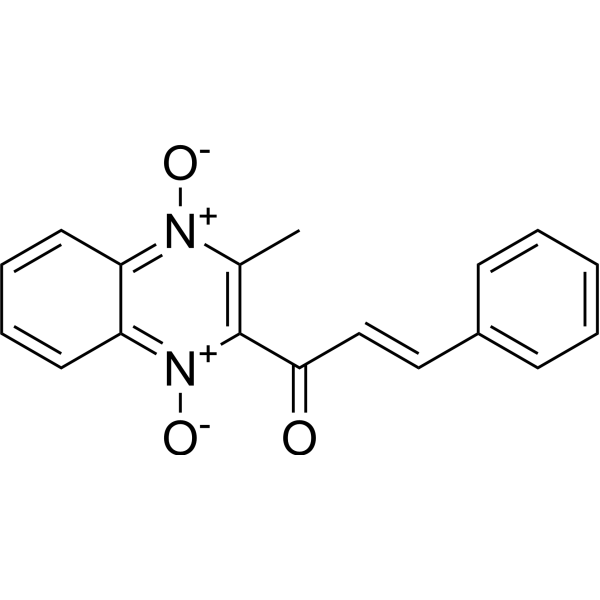
Quinocetone is an orally active animal feed additive used to increase the meat production of livestock and poultry. Quinocetone exhibits antibacterial activity against a variety of pathogenic microorganisms. Quinocetone exhibits tissue-specific (liver, lymphocyte) toxicity. Quinocetone induces autophagy in cells through the ATF6/DAPK1 pathway. Quinocetone activates the NF-κB and iNOS pathways, leading to cell apoptosis, hepatocyte vacuolar degeneration and fibrosis. Quinocetone can inhibit Nrf2/HO-1 and induce the generation of reactive oxygen species (ROS), leading to oxidative stress and DNA damage [2] .
loading...
    loading...
1
1 Cited Publications
Cat. No.: HY-155539
CAS No.: 2916371-59-8
Purity:  99.17%
Research Areas:  

Inflammation/Immunology

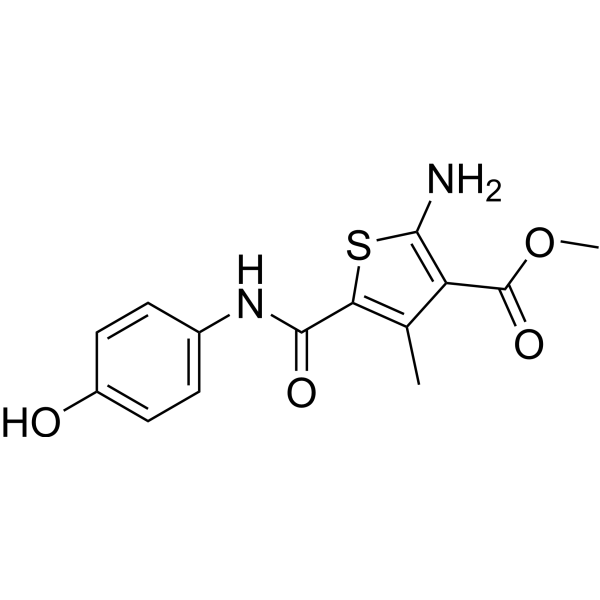
Cisd2 agonist 2 (compound 6) is a Cisd2 activator (EC50=191 nM), and Cisd2 levels are associated with non-alcoholic fatty liver disease (NAFLD). Cisd2 agonist 2 has no significant in vivo toxicity in Cisd2hKO-het mice (heterozygous hepatocyte-specific Cisd2 knockout). Cisd2 (CDGSH iron sulfur domain 2) is a zinc finger protein that is mainly localized in the endoplasmic reticulum or mitochondrial membrane. Cisd2 participates in mitochondrial function by forming homodimers containing two redox-active 2Fe-2S clusters [2].
loading...
    loading...
1
1 Cited Publications
Cat. No.: HY-113308AS
CAS No.: 2410279-97-7
Purity:  99.4%
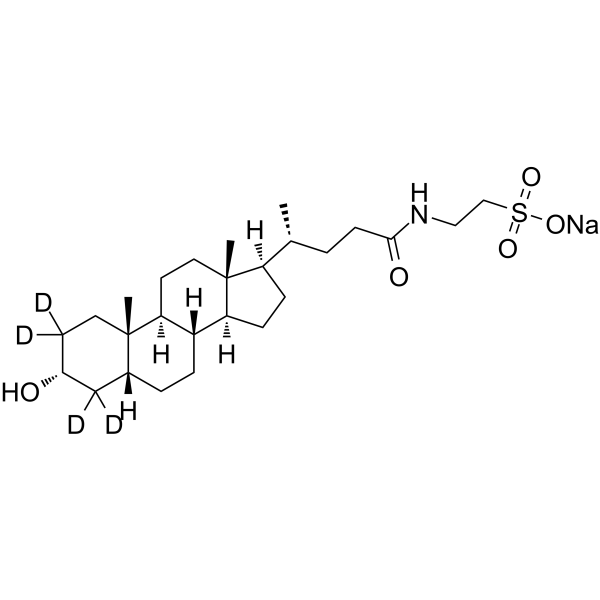
Taurolithocholic acid-d4 (sodium) is the deuterium labeled Taurolithocholic acid (sodium salt). Taurolithocholic acid sodium is an orally active bile acid and antiviral agent. Taurolithocholic acid sodium upregulates FADS2 by activating the TGR5-PI3K/AKT-SREBP2 signaling axis, inhibits SFTSV-induced ferroptosis, viral replication and viral entry of HBV/HDV, while reducing the release of IL-1β, lipid ROS and LDH. While exerting antiviral protective effects, Taurolithocholic acid sodium also stimulates the recycling of hepatocellular membrane transporters, impairs canalicular bile acid secretion function, and induces hepatocyte cholestasis, apoptosis and acute hepatocellular injury. Taurolithocholic acid sodium serves as an experimental model compound for hepatocellular cholestasis. At concentrations ≤200 μM, Taurolithocholic acid sodium shows no cytotoxicity and does not activate the interferon pathway. Taurolithocholic acid sodium not only protects mice from lethal SFTSV infection but also is suitable for studies related to severe fever with thrombocytopenia syndrome and cholestasis [2] .
loading...
    loading...
1
1 Cited Publications
Cat. No.: HY-113308S1
CAS No.: 2410279-96-6
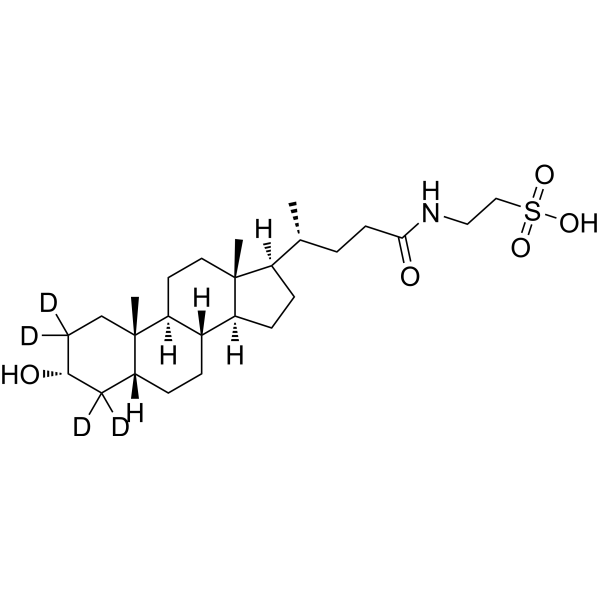
Taurolithocholic acid-d4 is deuterium labeled Taurolithocholic acid. Taurolithocholic acid is an orally active bile acid and antiviral agent. Taurolithocholic acid upregulates FADS2 by activating the TGR5-PI3K/AKT-SREBP2 signaling axis, inhibits SFTSV-induced ferroptosis, viral replication and viral entry of HBV/HDV, while reducing the release of IL-1β, lipid ROS and LDH. While exerting antiviral protective effects, Taurolithocholic acid also stimulates the recycling of hepatocellular membrane transporters, impairs canalicular bile acid secretion function, and induces hepatocyte cholestasis, apoptosis and acute hepatocellular injury. Taurolithocholic acid serves as an experimental model compound for hepatocellular cholestasis. At concentrations ≤200 μM, Taurolithocholic acid shows no cytotoxicity and does not activate the interferon pathway. Taurolithocholic acid not only protects mice from lethal SFTSV infection but also is suitable for studies related to severe fever with thrombocytopenia syndrome and cholestasis [2] .
loading...
    loading...
Cat. No.: HY-12423
CAS No.: 1190836-34-0
Purity:  98.28%
Synonyms: TAS-115
Target:  

VEGFR c-Met/HGFR

Research Areas:  

Cancer

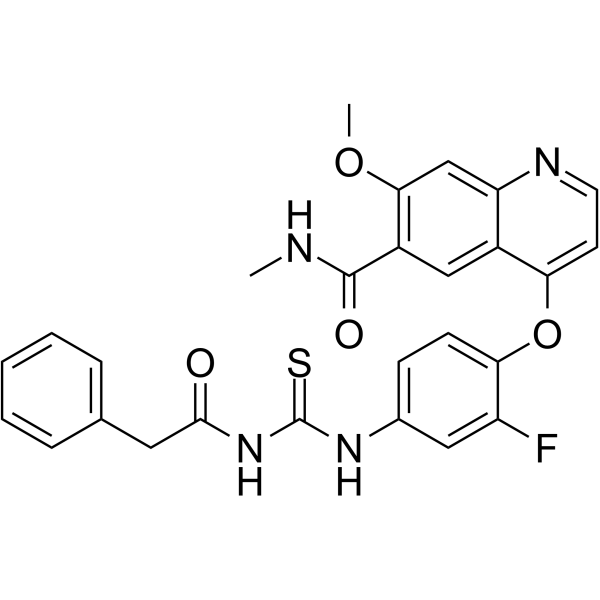
Pamufetinib (TAS-115) is a potent VEGFR and hepatocyte growth factor receptor (c-Met/HGFR)-targeted kinase inhibitor with IC50s of 30 and 32 nM for rVEGFR2 and rMET, respectively.
loading...
    loading...
Cat. No.: HY-132587
CAS No.: 1499251-18-1
Purity:  94.68%
Synonyms: ALN-AT3SC; SAR439774
Fitusiran (ALN-AT3SC) is a siRNA strategy. Fitusiran delivers siRNA targeting the SERPINC1 gene in hepatocytes to inhibit antithrombin synthesis. Fitusiran enhances thrombin activity and increases Thrombin generation, thereby restoring hemostatic function. Fitusiran can be used in hemophilia-related research [2] .
loading...
    loading...
Cat. No.: HY-149055
CAS No.: 1967811-46-6
Purity:  99.49%
Target:  

CXCR

Research Areas:  

Inflammation/Immunology

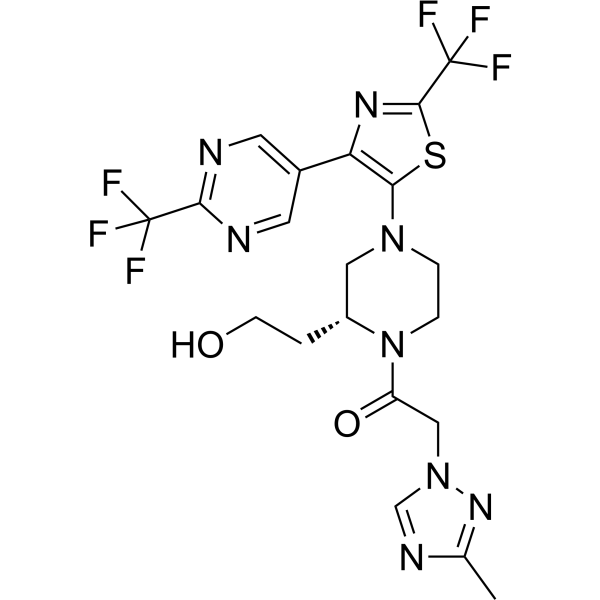
ACT-777991 is an orally active and selective CXCR3 antagonist. ACT-777991 has microsomes and hepatocytes stability across animal models. ACT-777991 inhibits the migration of activated T cells toward CXCL11 .
loading...
    loading...
Cat. No.: HY-137455
CAS No.: 1070881-42-3
Purity:  99.89%
Synonyms: ANG-3777
Target:  

c-Met/HGFR

Research Areas:  

Inflammation/Immunology

Terevalefim (ANG-3777), an hepatocyte growth factor (HGF) mimetic, selectively activates the c-Met receptor [2].
loading...
    loading...
Cat. No.: HY-Y0651
CAS No.: 7757-83-7
Sodium sulfite is an inorganic salt used as an antioxidant and preservative. Sodium sulfite is also used in sulfonation and sulfomethylation reactions. Sodium sulfite can also be used as a bleaching agent, desulfurizer, and dechlorinator. Sodium sulfite inhibits hepatocyte proliferation, promotes hepatocyte apoptosis and necrosis, and impairs mitochondrial integrity. Sodium sulfite induces superoxide anion production, primes neutrophils for enhanced superoxide anion generation, and induces neutrophil gene expression. Sodium sulfite can be used in studies related to pulmonary inflammation and gastric tissue injury [2] .
loading...
    loading...
Cat. No.: HY-12346
CAS No.: 2719-05-3
Purity:  99.17%
Synonyms: NSC 12407; BRD-K4477
Target:  

Quinone Reductase

Research Areas:  

Others

FH1 (NSC 12407) is a NQO2 inhibitor with hepatoprotective effects. FH1 enhances hepatocyte function and promotes differentiation of induced pluripotent stem (iPS)-derived hepatocytes to a more mature phenotype and maturation of well-differentiated hepatocyte-like cell (iHeps) cultures. FH1 protects against Acetaminophen (HY-66005)-induced hepatotoxicity in both embryos and adult zebrafish [2] .
loading...
    loading...
Cat. No.: HY-12281
CAS No.: 957485-64-2
Purity:  99.29%
Synonyms: BRD-9424
Research Areas:  

Metabolic Disease Cancer

FPH2 induces of functional proliferation of primary human hepatocytes and may lead to the development of new therapeutics for liver diseases.
loading...
    loading...
Cat. No.: HY-P99217
CAS No.: 872514-65-3
Synonyms: AMG 102

Target:  

c-Met/HGFR

Research Areas:  

Cancer

Rilotumumab (AMG 102) is an anti-HGF (anti-hepatocyte growth factor) monoclonal antibody, inhibits HGF/MET-driven signaling. Rilotumumab shows anti-tumor activity, and can be used in castration-resistant prostate cancer (CRPC) and solid tumor research [2].
loading...
    loading...
Cat. No.: HY-147012
CAS No.: 1159408-62-4
Purity:  ≥97.0%
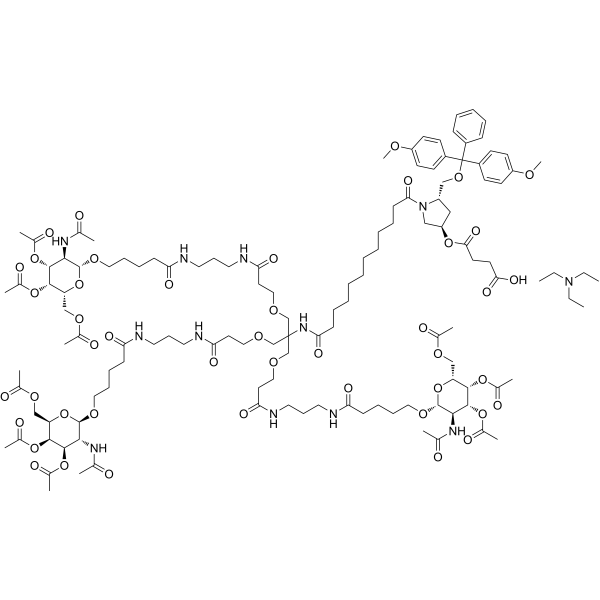
GalNAc-L96 is a conjugate of GalNAc and its ligand L96. When conjugated with the A-rich HCV sequence (H12), GalNAc-L96 binds potently to ASGPR, with a Ki value of 10.4 nM. GalNAc-L96 promotes siRNA delivery to hepatocytes .
loading...
    loading...
Cat. No.: HY-153492A
Purity:  98.82%
Synonyms: AMG 890 sodium; ARC-LPA sodium
Research Areas:  

Inflammation/Immunology

Olpasiran (AMG 890, ARC-LPA) sodium is an N-acetyl galactosamine (GalNAc)-conjugated, hepatocyte-targeted siRNA. Olpasiran sodium directly inhibits LPA messenger RNA translation in hepatocytes and potently reduce Lp(a) concentration. Olpasiran sodium can be used for the research of cardiovascular disease, such as atherosclerosis [2].
loading...
    loading...
Cat. No.: HY-P99196
CAS No.: 1174900-84-5

Target:  

c-Met/HGFR

Research Areas:  

Cancer

Ficlatuzumab is a monoclonal antibody (McAb) targeting human hepatocyte growth factor (HGF). Ficlatuzumab blocks the activation of the HGF/c-Met signaling pathway, and inhibits c-Met receptor-mediated cancer cell proliferation, migration, and invasion .
loading...
    loading...

