
302 Results for "

superoxide

" in MedChemExpress (MCE) Product Catalog:
Products (302)

302 Results for "superoxide" in MCE Product Catalog:

  • Categories Recommended:
    More
2
2 Cited Publications
Cat. No.: HY-132580
CAS No.: 2088232-70-4
Purity:  96.53%
Synonyms: BIIB067; ISIS-SOD1Rx; ISIS 333611
Target:  

SOD

Research Areas:  

Neurological Disease

Tofersen (BIIB067) is an antisense oligonucleotide and SOD1 mRNA inhibitor with an IC50 of 320 pM. Tofersen mediates RNase H-dependent degradation of SOD1 mRNA to reduce SOD1 protein levels in cerebrospinal fluid and serum. Tofersen downregulates cerebrospinal fluid neurofilament light chain, neurofilament heavy chain, amyloid-beta 1-40, amyloid-beta 1-42, neuropeptide Y, ubiquitin C-terminal hydrolase L1, neuropentraxins 1, 2, R, corticotropin-releasing hormone, IL-15, and serum neurofilament light chain, neurofilament heavy chain. Tofersen can be used for the research of superoxide dismutase 1-associated amyotrophic lateral sclerosis .
loading...
    loading...
2
2 Cited Publications
Cat. No.: HY-132580A
CAS No.: 1898254-60-8
Purity:  97.19%
Synonyms: BIIB067 sodium; ISIS-SOD1Rx sodium; ISIS 333611 sodium
Target:  

SOD

Research Areas:  

Neurological Disease

Tofersen (BIIB067) sodium is an antisense oligonucleotide and SOD1 mRNA inhibitor with an IC50 of 320 pM. Tofersen sodium mediates RNase H-dependent degradation of SOD1 mRNA to reduce SOD1 protein levels in cerebrospinal fluid and serum. Tofersen sodium downregulates cerebrospinal fluid neurofilament light chain, neurofilament heavy chain, amyloid-beta 1-40, amyloid-beta 1-42, neuropeptide Y, ubiquitin C-terminal hydrolase L1, neuropentraxins 1, 2, R, corticotropin-releasing hormone, IL-15, and serum neurofilament light chain, neurofilament heavy chain. Tofersen sodium can be used for the research of superoxide dismutase 1-associated amyotrophic lateral sclerosis .
loading...
    loading...
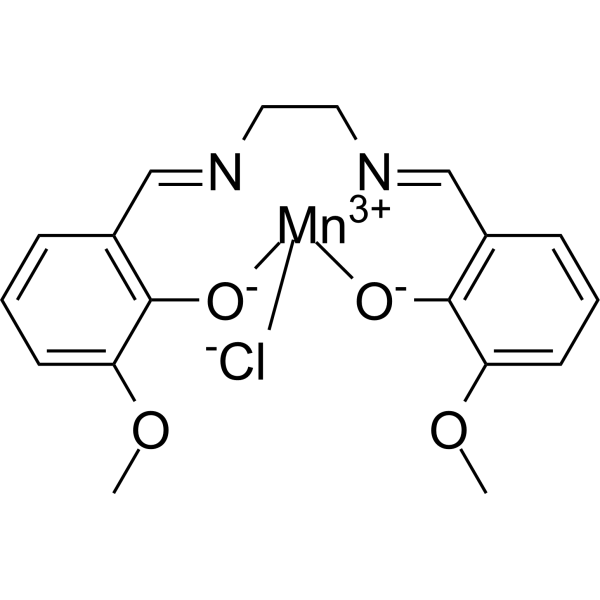
1
1 Cited Publications
Cat. No.: HY-100594
CAS No.: 81065-76-1
Purity:  98.27%
Target:  

NF-κB

Research Areas:  

Cardiovascular Disease

EUK-134, a synthetic superoxide dismutase and catalase mimetic, protects rat kidneys from ischemia-reperfusion-induced damage. EUK-134 is a superoxide dismutase (SOD) mimetics (SODm) with catalase activity. EUK-134 is a mitoprotective antioxidant. EUK-134 reduces the expression of NF-κB, MDA level, and protein carbonylation in H9C2 cells .
loading...
    loading...
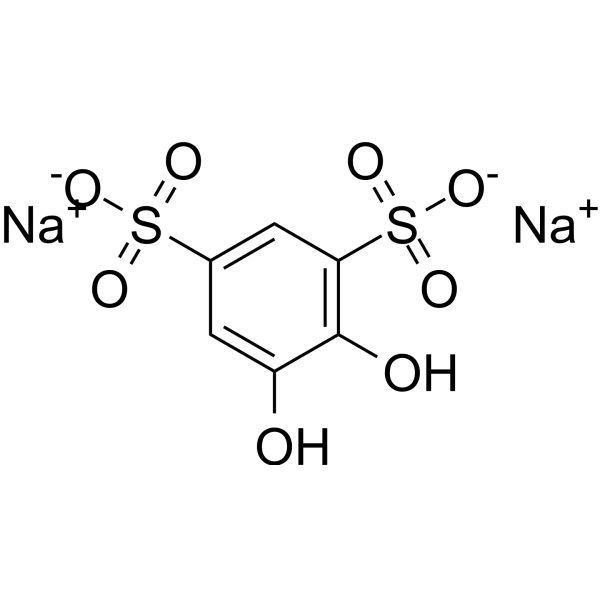
1
1 Cited Publications
Cat. No.: HY-D0261
CAS No.: 149-45-1
Tiron is a non-toxic chelator of a variety of metals. Tiron is cell permeable analog of vitamin E and function as hydroxyl radical and superoxide scavenger. Tiron is an orally active antioxidant. Tiron can be used to alleviate acute metal overload in animals .
loading...
    loading...
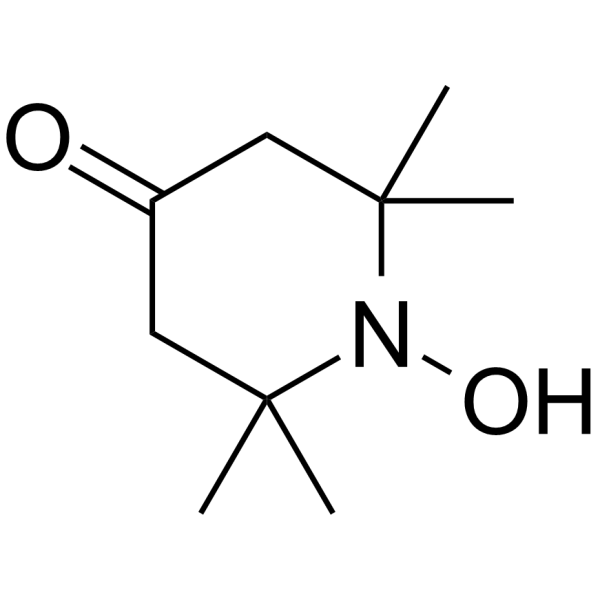
1
1 Cited Publications
Cat. No.: HY-23033
CAS No.: 3637-11-4
Research Areas:  

Neurological Disease

Tempone-H may be used as a spin trap in chemical and biological systems to quantify peroxynitrite and superoxide radical formation. Ferric and cupric ions are effective oxidants of Tempone-H .
loading...
    loading...
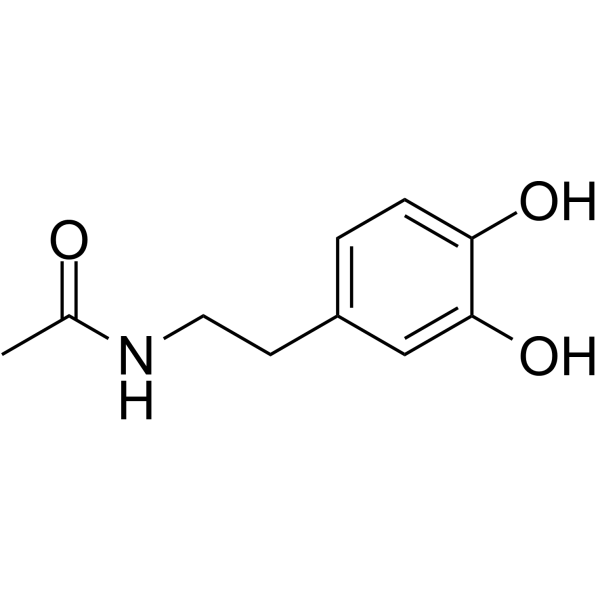
1
1 Cited Publications
Cat. No.: HY-N7493
CAS No.: 2494-12-4
Synonyms: NADA
N-acetyldopamine is a sepiapterin reductase inhibitor. N-acetyldopamine is a catecholamine that is used by insects as sclerotizing precursors to harden their cuticle. N-acetyldopamine can attenuate LPS-stimulated TNF-α production and superoxide production in THP-1 cells .
loading...
    loading...
1
1 Cited Publications
Cat. No.: HY-111804
CAS No.: 6068-78-6
Purity:  99.33%
Synonyms: DiOHF
Target:  

NO Synthase

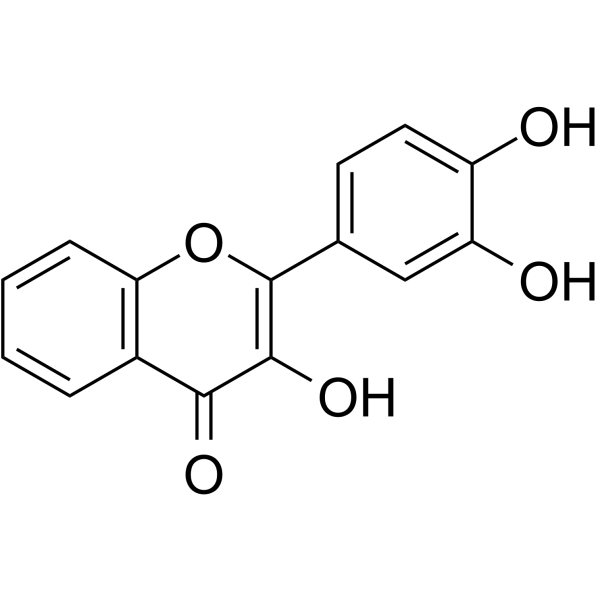
3',4'-Dihydroxyflavonol (DiOHF) is an effective antioxidant, which reduces superoxide and improves nitric oxide (NO) function in diabetic rat mesenteric arteries .
loading...
    loading...
1
1 Cited Publications
Cat. No.: HY-153019
CAS No.: 663212-78-0
Purity:  99.85%
Target:  

SOD

Research Areas:  

Neurological Disease

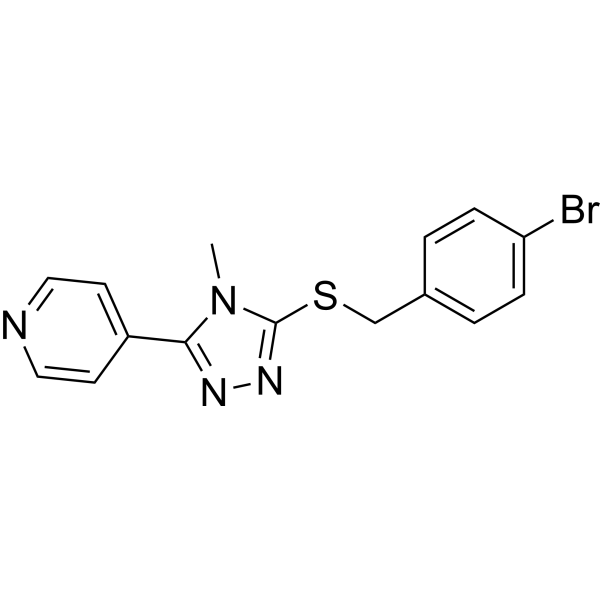
NUCC-0000323 is a potent superoxide dismutase 1 (SOD1) inhibitor. NUCC-0000323 inhibits SOD1 expression. NUCC-0000323 can be used in research of amyotrophic lateral sclerosis (ALS) .
loading...
    loading...
1
1 Cited Publications
Cat. No.: HY-P71073
Purity:  ≥ 95%, as determined by reducing SDS-PAGE.
Synonyms: SOD2; Manganese-Containing superoxide Dismutase; superoxide Dismutase 2; Gastric Cancer–Associated LncRNA 1; superoxide Dismutase [Mn], Mitochondrial; Gastric Cancer-Associated LncRNA 1; LncRNA-GC1; Mangano-superoxide Dismutase; GClnc1; Mn superoxide Dism
Species:  
Human
Source:  
HEK293
loading...
    loading...
1
1 Cited Publications
Cat. No.: HY-P80762
Synonyms: NADPH oxidase 4; Kidney oxidase-1; KOX-1; KOX1; Kidney superoxide-producing NADPH oxidase; Renal NAD(P)H-oxidase; NOX4; RENOX

Host:  

Rabbit

Application:  

WB, IHC-P, ICC/IF, IP

Reactivity:  

Human, Mouse, Rat

loading...
    loading...
1
1 Cited Publications
Cat. No.: HY-P80762A
Synonyms: NADPH oxidase 4; Kidney oxidase-1; KOX-1; KOX1; Kidney superoxide-producing NADPH oxidase; Renal NAD(P)H-oxidase; NOX4; RENOX

Host:  

Rabbit

Application:  

WB, IHC-P, ICC/IF, IP

Reactivity:  

Human, Mouse, Rat

loading...
    loading...
1
1 Cited Publications
Cat. No.: HY-N13022
CAS No.: 1415-93-6
Humic acid is an important component of organic matter in soil and water, and serves as a plant regulator. Humic acid has multiple reactive activities such as surface adsorption, ion exchange, and complexation. Humic acid can enhance pyrene degradation by Mycobacterium NJS-1. Humic acid can inhibit the activity of superoxide dismutase and scavenge hydroxyl radicals. Humic acid is also toxic to CEM cells .
loading...
    loading...
1
1 Cited Publications
Cat. No.: HY-N0814A
CAS No.: 123408-98-0
Synonyms: Inositol hexaphosphate dodecasodium hydrate; SNF472 dodecasodium hydrate
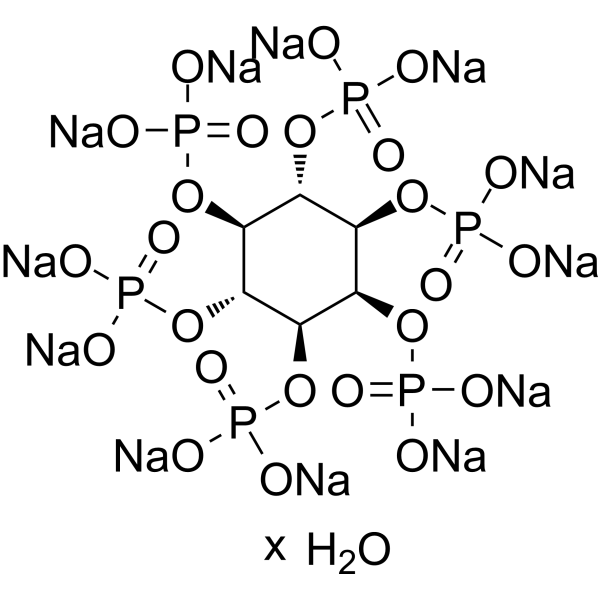
Phytic acid (Inositol hexaphosphate) dodecasodium hydrate is a phosphorus storage compound of seeds and cereal grains. Phytic acid dodecasodium hydrate is known as a food inhibitor, which has a strong ability to chelate multivalent metal ions, specially zinc, calcium, iron and as with protein residue. Phytic acid dodecasodium hydrate inhibits the enzymatic superoxide source xanthine oxidase (XO), and has antioxidative, neuroprotective, anti-inflammatory effects .
loading...
    loading...
1
1 Cited Publications
Cat. No.: HY-19416
CAS No.: 286475-30-7
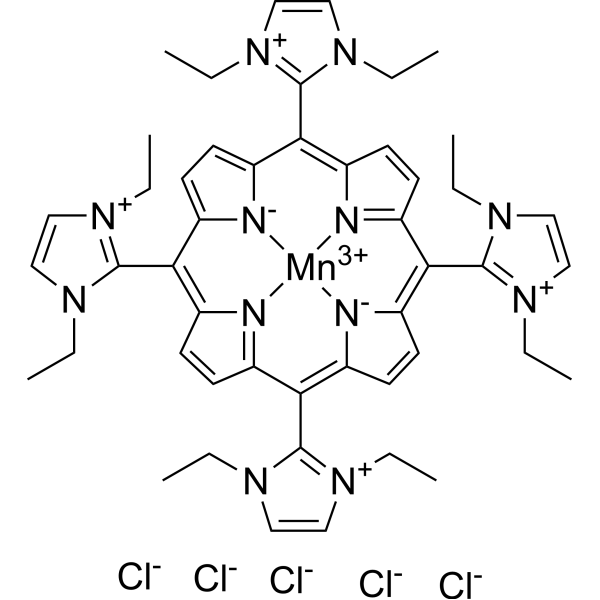
AEOL-10150 pentachloride is a metalloporphyrin-catalyzed antioxidant and a superoxide dismutase mimetic. AEOL-10150 pentachloride scavenges ROS and RNS, and modulates the NF-κB signaling pathway. AEOL-10150 pentachloride has potent antioxidant and anti-inflammatory activities. AEOL-10150 pentachloride effectively mitigates tissue damage caused by radiation and chemical agents such as CEES (HY-W199190). AEOL-10150 pentachloride synergizes with radiotherapy to exert anticancer effects on prostate tumors .
loading...
    loading...
1
1 Cited Publications
Cat. No.: HY-W050000
CAS No.: 101328-85-2
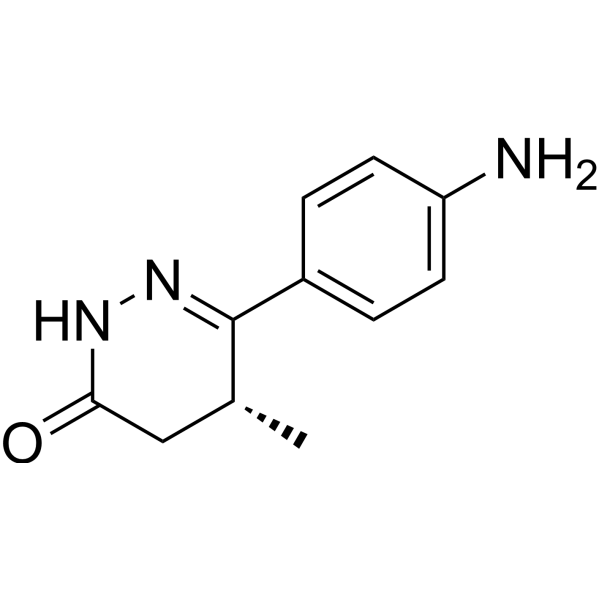
OR-1855, an active metabolite of Levosimendan (HY-14286), has effect on myometrial contractility. OR-1855 exerts anti-inflammatory effects by inhibiting IL-1β-induced ROS formation and NAD(P)H oxidase-dependent superoxide radical generation in HUVECs. OR-1855 inhibits IL-1β-induced phosphorylation p38 MAPK, ERK1/2, c-Jun and JNK in HUVECs. OR-1855 can be used for the study of inflammation .
loading...
    loading...
1
1 Cited Publications
Cat. No.: HY-W008646
CAS No.: 6779-87-9
Synonyms: Dihydrobiopterin
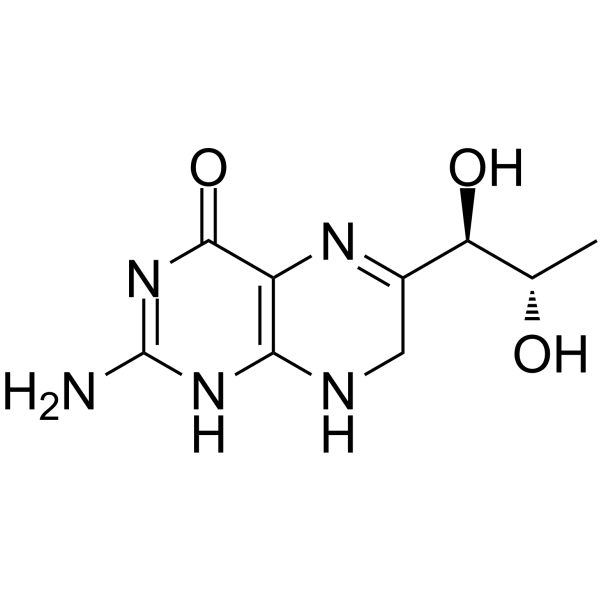
7,8-Dihydro-L-biopterin is a NOS uncoupling inducer with blood-brain barrier permeability, and it is a reduced non-conjugated pteridine. 7,8-Dihydro-L-biopterin is the main metabolite of 4-amino-tetrahydro-L-biopterin, and it undergoes photooxidation to form biopterin. 7,8-Dihydro-L-biopterin promotes the conversion of nitric oxide synthase to a superoxide-producing form, thereby increasing oxidative stress levels in the renal outer medulla and inducing apoptosis. 7,8-Dihydro-L-biopterin is sensitive to the inhibitory effect of SOD, and it can be applied to research related to salt-sensitive hypertension, moderate to severe traumatic brain injury, and neurodegenerative diseases .
loading...
    loading...
1
1 Cited Publications
Cat. No.: HY-119976
CAS No.: 188425-85-6
Purity:  99.29%
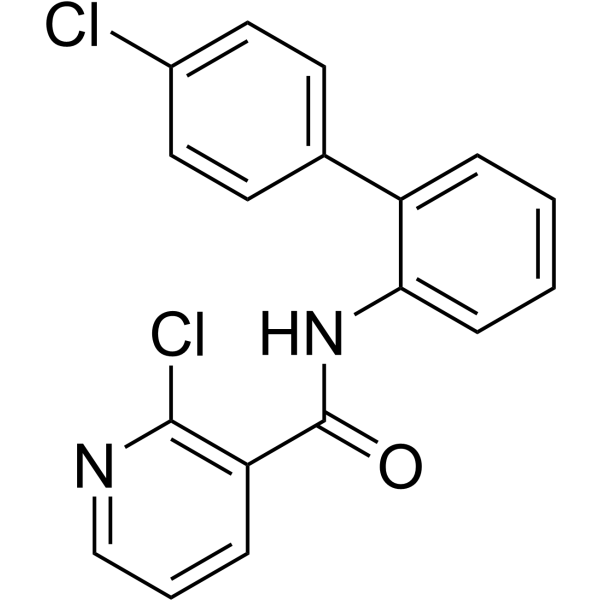
Boscalid is a succinate dehydrogenase (SDHI) inhibitor with antifungal activity. Boscalid binds to the ubiquinone-binding site of fungal mitochondrial complex II, blocks ATP production and aerobic respiration, exhibits good control efficacy against a variety of plant fungal diseases including gray mold, sclerotinia rot and powdery mildew, and is widely used for disease control in agriculture. Boscalid induces apoptosis, altered lipid metabolism, mitochondrial dysfunction, respiratory impairment, oxidative stress, ROS accumulation and neurodevelopmental disorders in zebrafish. Boscalid reduces foraging ability, shortens median death time and causes chronic toxicity in exposed honeybees. Boscalid also possesses genotoxicity, cytotoxicity, elevated mitochondrial superoxide levels and early-stage apoptosis .
loading...
    loading...
1
1 Cited Publications
Cat. No.: HY-N1437
CAS No.: 6205-14-7
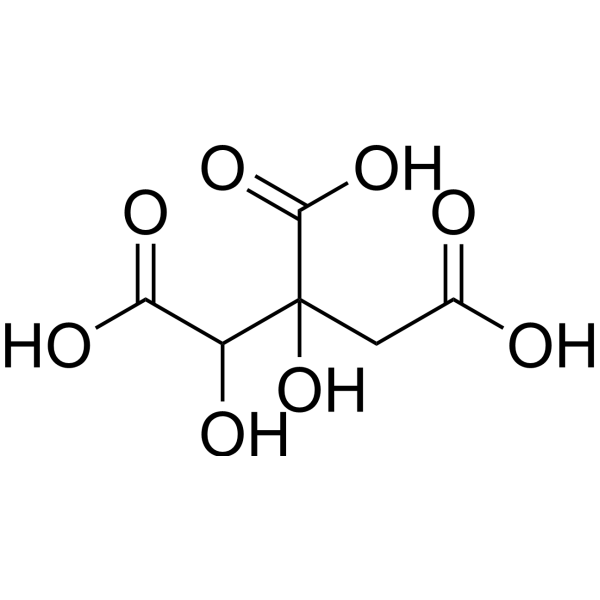
Hydroxycitric acid is an orally active, multi-target, multi-bioactive organic acid. activates Nrf2 and its downstream molecule GPX4, increases glutathione levels, and thereby inhibits ferroptosis. Hydroxycitric acid activates the Nrf2/Keap1 and ACLY/NF-κB signaling pathways, upregulates the activities of antioxidant enzymes such as superoxide dismutase, reduces MDA content, thereby alleviating oxidative stress and renal tubular epithelial cell apoptosis, and improves pulmonary vascular and right ventricular remodeling. Hydroxycitric acid activates both the AMPK and mTORC1/S6K pathways, triggers the unfolded protein response, arrests the cancer cell cycle, and induces DNA fragmentation .
loading...
    loading...
1
1 Cited Publications
Cat. No.: HY-P5381
CAS No.: 329902-61-6
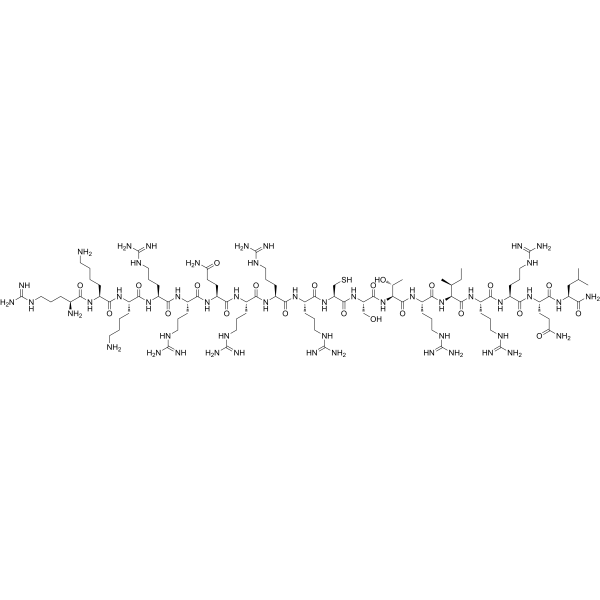
gp91 ds-tat, a biological active peptide, is a NADPH oxidase 2 (Nox2) inhibitor. gp91 ds-tat blocks NADPH oxidase-dependent superoxide production. gp91 ds-tat ameliorates high glucose-induced increase in total ROS, LPOs and iron levels. gp91 ds-tat inhibits homocysteine (Hcy)-induced activation of NLRP3 inflammasomes and restores Hcy-inhibited lysosomal TRPML1 channel activity. gp91 ds-tat improves cerebrovascular and cognitive function in APP/PS1 mice. gp91 ds-tat can be used for the study of Alzheimer’s disease (AD), glomerular inflammation and cardiovascular disease .
loading...
    loading...
1
1 Cited Publications
Cat. No.: HY-W338584
CAS No.: 232281-44-6
Tripotassium hydroxycitrate is an orally active, multi-target, multi-bioactive organic acid. Tripotassium hydroxycitrate activates Nrf2 and its downstream molecule GPX4, increases glutathione levels, and thereby inhibits ferroptosis. Tripotassium hydroxycitrate activates the Nrf2/Keap1 and ACLY/NF-κB signaling pathways, upregulates the activities of antioxidant enzymes such as superoxide dismutase, reduces MDA content, thereby alleviating oxidative stress and renal tubular epithelial cell apoptosis, and improves pulmonary vascular and right ventricular remodeling. Tripotassium hydroxycitrate activates both the AMPK and mTORC1/S6K pathways, triggers the unfolded protein response, arrests the cancer cell cycle, and induces DNA fragmentation .
loading...
    loading...

