696 Results for "

host-seeking behavior

" in MedChemExpress (MCE) Product Catalog:
Products (696)

696 Results for "host-seeking behavior" in MCE Product Catalog:

Cat. No.: HY-P11291A
Domaines de recherche:  

Metabolic Disease

NNC0165-1273 TFA is a selective NPY Y2 receptor agonist with a Ki of 2 nM and an EC50 of 5.0 nM. NNC0165-1273 TFA blocks Ghrelin-induced cFos expression. NNC0165-1273 TFA reduces nocturnal food intake, attenuates feeding behavior, induces early satiety, and causes dose-dependent decreases in body weight and fat mass in diet-induced obese mice. When used in combination with Semaglutide (HY-114118), NNC0165-1273 TFA reduces preference for high-fat diet, promotes body weight loss, and produces sustained weight loss effects in diet-induced obese rats. NNC0165-1273 TFA can be used in studies related to diet-induced obesity .
loading...
    loading...
Cat. No.: HY-W017141R
CAS No.: 24683-00-9
2-Isobutyl-3-methoxypyrazine (Standard) is the analytical standard of 2-Isobutyl-3-methoxypyrazine. This product is intended for research and analytical applications. 2-Isobutyl-3-methoxypyrazine is a male-specific aggregation pheromone released by the Portuguese leaf beetle Labidostomis lusitanica. 2-Isobutyl-3-methoxypyrazine induces dose-dependent electroantennographic responses in the antennae of both male and female Labidostomis lusitanica, with the overall response intensity of females being higher than that of males. 2-Isobutyl-3-methoxypyrazine induces positive chemotactic behavior, and exerts a repellent effect on male Labidostomis lusitanica at high doses. 2-Isobutyl-3-methoxypyrazine can be used in insect ecology research .
loading...
    loading...
Cat. No.: HY-W017141S1
CAS No.: 3028868-76-7
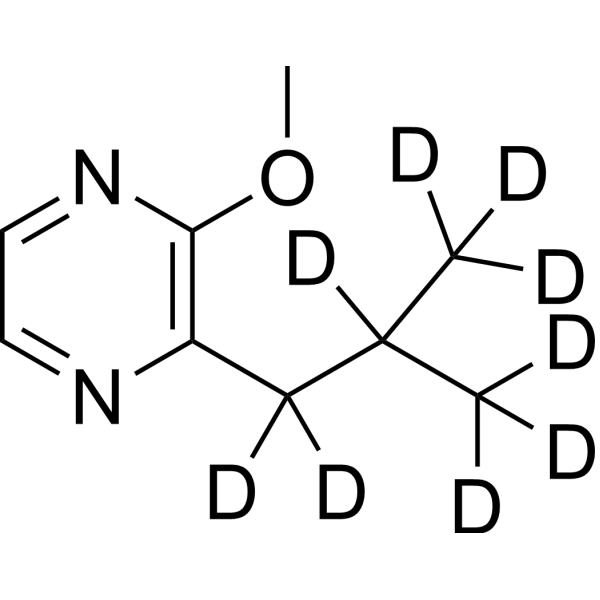
2-Isobutyl-3-methoxypyrazine-d9 is deuterated labeled 2-Isobutyl-3-methoxypyrazine (HY-W017141). 2-Isobutyl-3-methoxypyrazine is a male-specific aggregation pheromone released by the Portuguese leaf beetle Labidostomis lusitanica. 2-Isobutyl-3-methoxypyrazine induces dose-dependent electroantennographic responses in the antennae of both male and female Labidostomis lusitanica, with the overall response intensity of females being higher than that of males. 2-Isobutyl-3-methoxypyrazine induces positive chemotactic behavior, and exerts a repellent effect on male Labidostomis lusitanica at high doses. 2-Isobutyl-3-methoxypyrazine can be used in insect ecology research .
loading...
    loading...
Cat. No.: HY-W017424R
CAS No.: 136-95-8
Domaines de recherche:  

Others

2-Aminobenzothiazole (Standard) is the analytical standard of 2-Aminobenzothiazole. This product is intended for research and analytical applications. 2-Aminobenzothiazole acts as a caspase 3/7 activator, an anticancer cytotoxic agent, and also exhibits neurotoxicity. 2-Aminobenzothiazole drives the apoptotic pathway by activating caspase 3/7, induces mitochondrial inner membrane depolarization, and triggers both early and late apoptosis via a caspase-dependent pathway. In zebrafish models, 2-Aminobenzothiazole induces oxidative damage in brain tissues and inhibits genes related to GABA and 5-HT synthesis pathways. Long-term exposure to 2-Aminobenzothiazole impairs motor ability, social behavior, anxiety-like state and cognitive function. 2-Aminobenzothiazole can be used in studies of human laryngeal carcinoma and related neurotoxicity .
loading...
    loading...
Cat. No.: HY-106224AS1
Synonyms: Hypocretin-1-13C18,15N3 (human, rat, mouse) TFA
Orexin A- 13C18, 15N3 (human, rat, mouse) ((Hypocretin-1- 13C18, 15N3 (human, rat, mouse)) TFA is the 13C- and 15N-labeled Orexin A (human, rat, mouse) (HY-106224). Orexin A (human, rat, mouse) (Hypocretin-1 (human, rat, mouse)), a 33 amino acid excitatory neuropeptide, orchestrates diverse central and peripheral processes. Orexin A (human, rat, mouse) binds and activates two types of G protein-coupled receptors, the orexin-1 receptor (OX1R) and the orexin-2 receptor (OX2R). Orexin A (human, rat, mouse) has a role in the regulation of feeding behavior. Orexin A (human, rat, mouse) is an effective anti-nociceptive and anti-hyperalgesic agent in mice and rats .
loading...
    loading...
Cat. No.: HY-119684
CAS No.: 1639809-46-3
Pureté:  97.20%
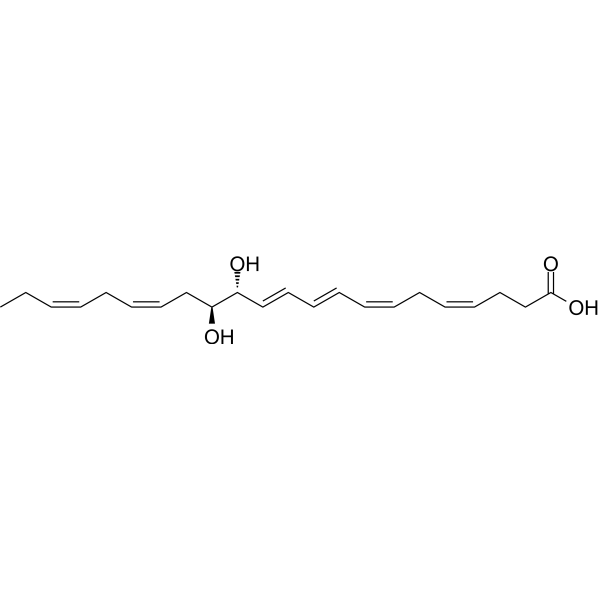
Maresin 2 is an anti-inflammatory and pro-resolving mediator. Maresin 2 drives intestinal epithelial cell migration by activating the focal cell-matrix adhesion signaling pathway in primary human intestinal epithelial cells, thereby promoting mucosal wound repair. Maresin 2 alleviates nociceptive and anxiety-like behaviors in rats with type 1 diabetes by inhibiting IL-1β in the spinal cord and prefrontal cortex. Maresin 2 attenuates allergic airway inflammation in mice by inhibiting the activation of the NLRP3 inflammasome, Th2-type immune responses, and oxidative stress. Maresin 2 inhibits inflammatory and neuropathic trigeminal neuralgia and reduces neuronal activation in the trigeminal ganglion. Maresin 2 promotes inflammation resolution and mucosal repair after DSS-induced colitis or biopsy-induced colonic mucosal injury .
loading...
    loading...
Cat. No.: HY-120657
CAS No.: 1481636-31-0
Pureté:  99.88%
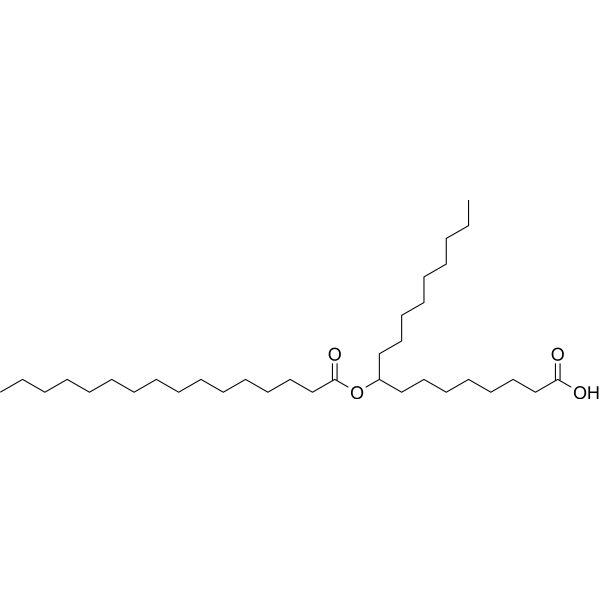
9-PAHSA is an orally active endogenous GPR120 agonist (EC50=18 μM). 9-PAHSA significantly inhibits LPS-induced inflammatory responses by blocking the NF-κB pathway. 9-PAHSA induces adipocyte browning, enhances glucose uptake and reduces lipid accumulation, while improving mitochondrial function and the survival rate of steatotic hepatocytes. In terms of neuroprotection, 9-PAHSA regulates the expression of REST and BDNF in the prefrontal cortex of diabetic mice, and effectively prevents spatial working memory deficits and abnormal social behaviors. 9-PAHSA does not directly regulate insulin secretion or improve systemic insulin sensitivity, and possesses specific anti-inflammatory, metabolic regulatory and neuroprotective properties. 9-PAHSA can be used in the research of diabetes-related cognitive impairment, obesity and non-alcoholic fatty liver disease .
loading...
    loading...
Cat. No.: HY-147294
CAS No.: 1435480-40-2
Pureté:  99.74%
Synonyms: ACT-539313
Domaines de recherche:  

Neurological Disease

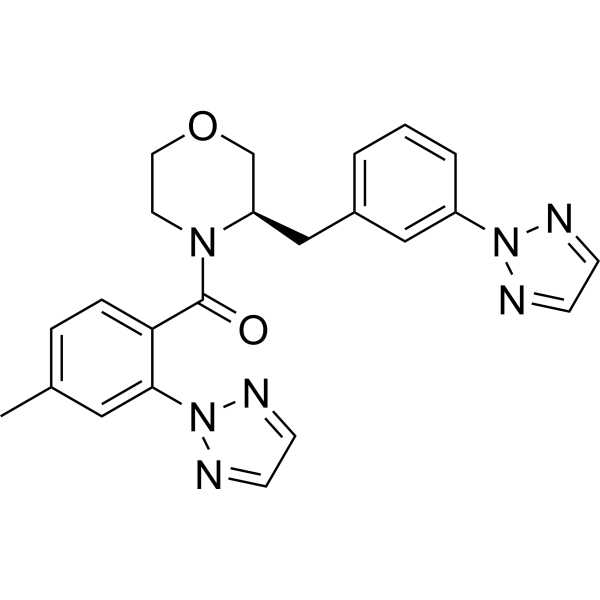
Nivasorexant (ACT-539313) is an orally active, blood-brain barrier penetrant, selective orexin OX1R inhibitor. Nivasorexant specifically blocks central OX1Rs without affecting OX2Rs, and exhibits competitive inhibitory activity against CYP2C8, CYP2C9, CYP2C19 and CYP3A4 (IC50 values are 25 μM, 8.6 μM, 1.6 μM, 19 μM/44 μM, respectively). Nivasorexant significantly reduces binge-like eating behavior of highly palatable food in rat models and has long-acting properties. Nivasorexant shows no relevant off-target activity against over 130 selected proteins, exhibits favorable safety profiles, and can be used for studies related to binge eating disorder .
loading...
    loading...
Cat. No.: HY-165624B
CAS No.: 136296-43-0
Domaines de recherche:  

Neurological Disease

(R)-LY-41, R-enantiomer of LY-41 (HY-165624), is 2-Sminotetralin (HY-W022362) derivative and 8-OH-DPAT (HY-112061) analogue. (R)-LY-41 is a potent and selective 5-HT1A receptor agonist. (R)-LY-41 can reduce the accumulation of 5-hydroxytryptophan (the precursor for 5-HT synthesis) in the rat brain induced by decarboxylase inhibitors (NSD 1015). (R)-LY-41 can lower the body temperature of rats and inhibit the escape response from the cage. (R)-LY-41 can induce the 5-HT behavioral syndrome but is weaker than (S)-LY-41 (HY-165624A). (R)-LY-41 can be used for the research of neurological disease, such as depression and anxiety .
loading...
    loading...
Cat. No.: HY-171936
CAS No.: 1329115-44-7
Synonyms: GM1 (d18:1/C18:0) ammonium; C18 Ganglioside GM1 (d18:1/18:0) ammonium
Target:  

Endogenous Metabolite

Domaines de recherche:  

Neurological Disease

Ganglioside GM1 (ammonium) is a monosialylated ganglioside and the prototypic ganglioside for those containing one sialic acid residue. Ganglioside GM1 (ammonium) is one of the most abundant gangliosides in the brain which provides neuroprotection. Ganglioside GM1 (ammonium) exhibits anti-inflammatory property. Ganglioside GM1 (ammonium) has a well-balanced amphiphilic behavior. Ganglioside GM1 (ammonium) can reduce the fluidity of the plasma membrane that implies a retention and enrichment of the ganglioside in specific membrane domains that are called lipid rafts. Ganglioside GM1 (ammonium) can modify the process of differentiation, amplifies responses to neurotrophic factors, protects against excitatory amino acid-related neurotoxicity. Ganglioside GM1 (ammonium) can alleviate acute nerve cell damage through blocking cytotoxicity and potentiating neurotophic factors. Ganglioside GM1 (ammonium) can be studied in neurodegenerative diseases such as Alzheimer’s disease .
loading...
    loading...
Cat. No.: HY-176036
CAS No.: 3070323-06-4
Domaines de recherche:  

Neurological Disease Cancer

MS1262 is a blood-brain barrier-permeable, selective inhibitor of histone methyltransferases G9a (EHMT2) and GLP (EHMT1), with an IC50 of 19 nM and a Kd of 74 nM against G9a, and an IC50 of 6 nM and a Kd of 19 nM against GLP. MS1262 reduces the dimethylation level of histone H3 lysine 9 and decreases the size of Aβ plaques. MS1262 restores hippocampal long-term potentiation (LTP) and miniature excitatory postsynaptic current (sEPSC) frequency, ameliorates spatial memory deficits, and reverses anxiety-like and depression-like behaviors in AD model mice. MS1262 reverses the expression/phosphorylation levels of early AD biomarkers, providing support for stage-specific diagnosis of AD. MS1262 reduces the risk of thrombus rupture. MS1262 can be used in research related to Alzheimer's disease, colorectal cancer, and triple-negative breast cancer .
loading...
    loading...
Cat. No.: HY-188122
CAS No.: 113960-50-2
Meglumine cyclic adenylate is a cAMP analog. Meglumine cyclic adenylate promotes STAT3 phosphorylation at Ser727 and mitochondrial translocation. Meglumine cyclic adenylate inhibits cell apoptosis by reducing cytochrome c release and caspase-3 activation. Meglumine cyclic adenylate suppresses the expression of NF-κBp65, activates adenylate cyclase 3, and inhibits phosphodiesterase 4D. Meglumine cyclic adenylate enhances myocardial contractility, increases myocardial Ca 2+ influx, dilates peripheral blood vessels, improves hypotension and bradycardia, promotes spinal cord function recovery, and regulates fear extinction and anxiety-like behaviors. Meglumine cyclic adenylate can be used in research related to cerebral ischemia/reperfusion injury, systemic inflammatory response syndrome, acute T4 thoracic spinal cord injury, and post-traumatic stress disorder (PTSD) .
loading...
    loading...
Cat. No.: HY-B0356AR
CAS No.: 93107-08-5
Synonyms: Bay-09867 monohydrochloride (Standard)
Ciprofloxacin monohydrochloride (Standard) is the analytical standard of Ciprofloxacin (monohydrochloride). This product is intended for research and analytical applications. Ciprofloxacin (Bay-09867) monohydrochloride is an orally active, blood-brain barrier permeable fluoroquinolone antibacterial agent. Ciprofloxacin monohydrochloride exerts bactericidal effects primarily by inhibiting topoisomerase II and IV. Ciprofloxacin monohydrochloride inhibits the proliferation of human dental pulp stem cells and chondrocytes from young rats, and also activates the Akt signaling pathway and upregulates markers such as β-catenin and Nanog to maintain the morphological characteristics of stem cells. Ciprofloxacin monohydrochloride induces significant neurotoxicity and tissue damage, including reducing serotonin and glutathione levels in the brain, inducing oxidative stress and depression-like behaviors, and causing articular cartilage damage. Ciprofloxacin monohydrochloride can be applied to research related to infections of necrotic young permanent teeth and neurotoxicity .
loading...
    loading...
Cat. No.: HY-B0356G
CAS No.: 85721-33-1
Synonyms: Bay-09867 (GMP)
Ciprofloxacin GMP is Ciprofloxacin (HY-B0356) produced by using GMP guidelines. GMP small molecules works appropriately as an auxiliary reagent for cell therapy manufacture. Ciprofloxacin (Bay-09867) is an orally active, blood-brain barrier permeable fluoroquinolone antibacterial agent. Ciprofloxacin exerts bactericidal effects primarily by inhibiting topoisomerase II and IV. Ciprofloxacin inhibits the proliferation of human dental pulp stem cells and chondrocytes from young rats, and also activates the Akt signaling pathway and upregulates markers such as β-catenin and Nanog to maintain the morphological characteristics of stem cells. Ciprofloxacin induces significant neurotoxicity and tissue damage, including reducing serotonin and glutathione levels in the brain, inducing oxidative stress and depression-like behaviors, and causing articular cartilage damage. Ciprofloxacin can be applied to research related to infections of necrotic young permanent teeth and neurotoxicity .
loading...
    loading...
Cat. No.: HY-B0426A
CAS No.: 140462-76-6
Synonyms: ALO4943A; KW4679
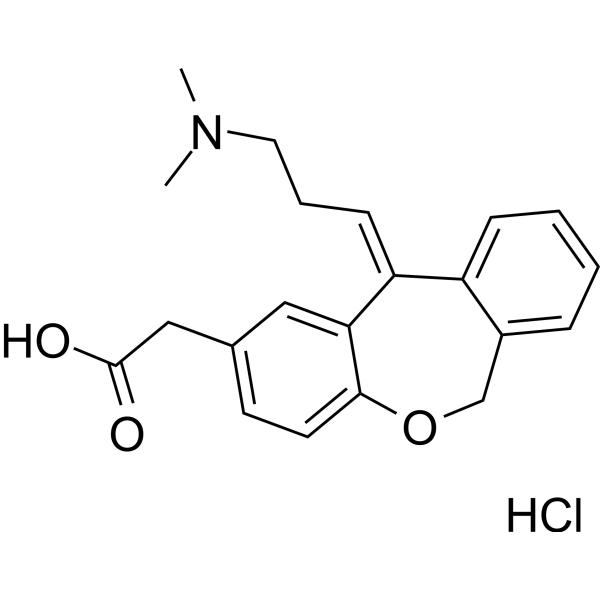
Olopatadine hydrochloride (ALO4943A; KW4679) is an orally active histamine H1 receptor antagonist and mast cell stabilizer. Olopatadine hydrochloride exerts antiallergic effects by blocking histamine H1 receptor-mediated activities. Olopatadine hydrochloride inhibits exocytosis, chemokine release, F-actin polymerization, CXCL10-induced calcium influx, and T cell chemotactic activity. Olopatadine hydrochloride also reduces the expression levels of CXCR3 on the surface of CD4 + and CD8 + T cells. Olopatadine hydrochloride inhibits scratching behavior, improves dermatitis scores, and suppresses intraepidermal neurite outgrowth. Olopatadine hydrochloride simultaneously decreases the levels of inflammatory markers, growth factors, histamine, and specific IgE, while increasing the expression of ErbB3A/HER3A. Olopatadine hydrochloride can be used in research related to seasonal pollinosis, chronic rhinitis, urticaria, allergic conjunctivitis, alopecia areata, and atopic dermatitis .
loading...
    loading...
Cat. No.: HY-B0937AR
CAS No.: 137-88-2
Domaines de recherche:  

Infection

Amprolium (hydrochloride) (Standard) is the analytical standard of Amprolium (hydrochloride) (HY-B0937A). This product is intended for research and analytical applications. Amprolium hydrochloride is a thiamine transporter inhibitor and antiparasitic agent with oral activity and blood-brain barrier penetration. Amprolium hydrochloride blocks thiamine transport at the blood-brain barrier and intestine, and competitively inhibits thiamine pyrophosphokinase, inducing thiamine pyrophosphate deficiency and impairing carbohydrate synthesis. Amprolium hydrochloride induces oxidative stress, alters antioxidant enzyme activity, and inhibits acetylcholinesterase (AchE) activity. Amprolium hydrochloride disrupts reproductive organs and gametogenesis, and causes histopathological and ultrastructural damage to multiple organs. Amprolium hydrochloride induces thiamine deficiency, reduces body weight gain in mice, and causes psychomotor behavioral changes and nephropathy. Amprolium hydrochloride exhibits molluscicidal activity against the terrestrial snail Eobania vermiculata, and reduces the shedding of Eimeria meleagrimitis oocysts in feces and litter. Amprolium hydrochloride can be used for research on thiamine deficiency and coccidiosis .
loading...
    loading...
Cat. No.: HY-B0937S
Domaines de recherche:  

Infection

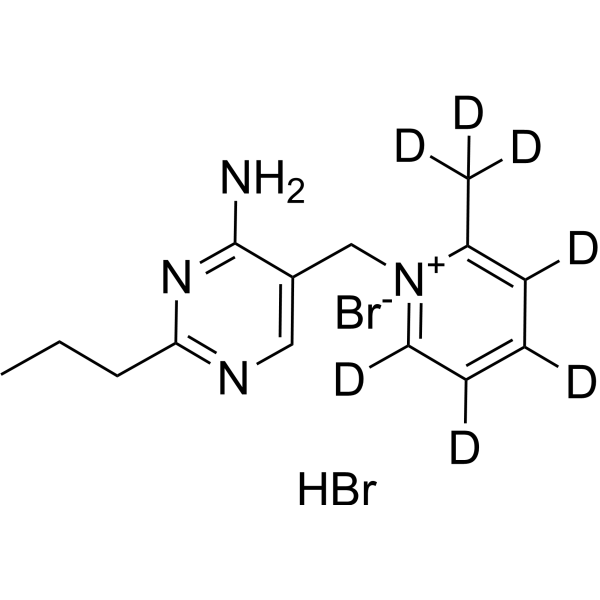
Amprolium-d7 (bromide hydrobromide) is the deuterated-labeled Amprolium (HY-B0937). Amprolium is a thiamine transporter inhibitor and antiparasitic agent with oral activity and blood-brain barrier penetration. Amprolium blocks thiamine transport at the blood-brain barrier and intestine, and competitively inhibits thiamine pyrophosphokinase, inducing thiamine pyrophosphate deficiency and impairing carbohydrate synthesis. Amprolium induces oxidative stress, alters antioxidant enzyme activity, and inhibits acetylcholinesterase (AchE) activity. Amprolium disrupts reproductive organs and gametogenesis, and causes histopathological and ultrastructural damage to multiple organs. Amprolium induces thiamine deficiency, reduces body weight gain in mice, and causes psychomotor behavioral changes and nephropathy. Amprolium exhibits molluscicidal activity against the terrestrial snail Eobania vermiculata, and reduces the shedding of Eimeria meleagrimitis oocysts in feces and litter. Amprolium can be used for research on thiamine deficiency and coccidiosis .
loading...
    loading...
Cat. No.: HY-B1311R
CAS No.: 62-68-0
Synonyms: SKF-525A (Standard); U-5446 (Standard); RP-5171 (Standard)
Proadifen (hydrochloride) (Standard) is the analytical standard of Proadifen (hydrochloride). This product is intended for research and analytical applications. Proadifen (SKF-525A) hydrochloride is a non-competitive Cytochrome P450 inhibitor with an IC50 value of 19 μM. Proadifen hydrochloride reduces monoamine oxidase A (MAO-A) activity and reverses the antidepressantlike behavioral effect of Imipramine (HY-B1490A) and Desipramine (HY-B1272A) in rats. Proadifen hydrochloride also reduces N, N-dimethyltryptamine (DMT) metabolism in liver microsomes and inhibits N-demethylationand Acridone (HY-W007771) formation. Proadifen hydrochloride augments Lipopolysaccharide (LPS) (HY-D1056)-induced fever and exacerbates Prostaglandin E2 (PGE2) (HY-101952) levels in the rat. Proadifen hydrochloride is promising for research of metabolism-related deseases, ovarian carcinoma, inflammation and dopamine neurons-related deseases [4] .
loading...
    loading...
Cat. No.: HY-B2035
CAS No.: 51218-49-6
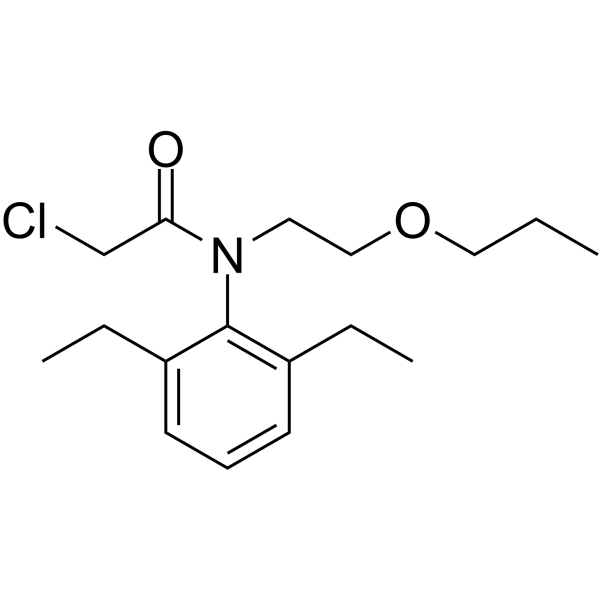
Pretilachlor is a chloroacetamide herbicide with biological activities including endocrine disruption, oxidative stress induction, apoptosis induction, and immunotoxicity. Pretilachlor exerts its effects by interfering with hormone metabolism, inducing oxidative stress, activating apoptotic pathways, and inhibiting immune functions. Pretilachlor upregulates the transcription of P53, Mdm2, and Bbc3, and increases the activities of Caspase3 and Caspase9; it upregulates the transcription of genes in the HPG/HPT axis and the activity of aromatase; it induces oxidative stress, elevates ROS levels, and upregulates CAT, SOD, and GPX. Pretilachlor downregulates the transcription of CXCL-C1C, IL-1β, and IL-8. Pretilachlor disrupts the normal physiological processes and embryonic development of fish, exhibiting significant toxicity. Pretilachlor can be used in studies related to weeding, environmental pollution, and behavioral toxicity in fish .
loading...
    loading...
Cat. No.: HY-N17816
CAS No.: 571-72-2
Tambulin is an orally active flavonol compound found in Zanthoxylum armatum. Tambulin can inhibit cell proliferation, induce apoptosis and inhibit ROS production. Tambulin upregulates cleaved caspase-3, cleaved caspase-9, and Bax, downregulates Bcl-2 levels. Tambulin can stimulate glucose-dependent insulin secretion and induce endothelium-independent vasorelaxation. Tambulin binds to succinate dehydrogenase (SDH) (Ki = 11.02 μM) and shows significant ferric reducing power. Tambulin can enhances oxidative stress resistance, reduces, lipofuscin deposits, lipid levels, α-synuclein levels, improves locomotary behavior, and dopamine levels in in age-synchronized L1 hermaphrodite Caenorhabditis elegans models of ageing and Parkinson's disease. Tambulin can be used for the researches of Parkinson's disease, lung squamous cell carcinoma, and diabetes .
loading...
    loading...

