740 Results for "

polymerases

" in MedChemExpress (MCE) Product Catalog:
Products (740)

740 Results for "polymerases" in MCE Product Catalog:

Cat. No.: HY-150773S1
Synonyms: GTP-d14 dilithium
Guanosine triphosphate-d14 dilithium (GTP-d14 dilithium) is the deuterated-labeled Guanosine triphosphate (HY-113225). Guanosine triphosphate (GTP) is a critical nucleotide and regulator of cellular metabolism. Guanosine triphosphate promotes ribosomal DNA localization, pre-rRNA transcription and ribosome biogenesis by binding to RNA polymerase I and GPN proteins (GPN1/3). Guanosine triphosphate links MYC-dependent ribosome biogenesis to nucleotide sufficiency, acts as a metabolic gatekeeper supporting protein synthesis, DNA/RNA synthesis and cellular signal transduction, while also participating in the physiological activities of pancreatic β-cells and serving as an oxidative substrate for reactive oxygen species. In small cell lung cancer with high MYC expression, Guanosine triphosphate accumulates through the IMPDH-driven synthetic pathway, thereby affecting apoptosis and mitotic processes. Guanosine triphosphate is used in the research of small cell lung cancer, hepatoblastoma and cellular metabolism .
loading...
    loading...
Cat. No.: HY-180269
Research Areas:  

Infection

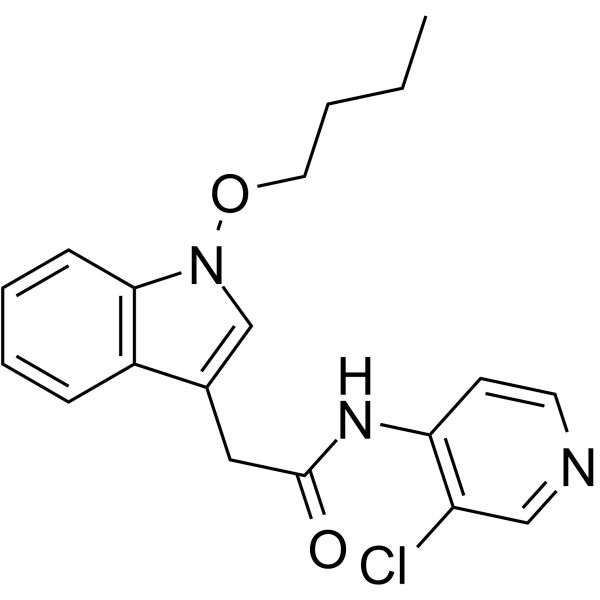
Anti-Influenza agent 10 (Compound 41) is an influenza A virus RNA-dependent RNA polymerase (RdRp) inhibitor. Anti-Influenza agent 10 exhibits potent antiviral activity against A/PR/8/34(H1N1) with an IC50 of 0.29μM and a KD of 4.11 μM. Anti-Influenza agent 10 can inhibit the assembly of the viral RdRp complex by disrupting the protein interaction between PA and PB1 subunits, thereby blocking the transcription and replication of the viral genome. Anti-Influenza agent 10 shows significant broad-spectrum effects on multiple influenza virus strains, such as H3N2, H3N8 and H9N2 with IC50 values of 3.96, 1.91 and 1.45 μM. Anti-Influenza agent 10 can be used for the research of influenza A Virus Infection .
loading...
    loading...
Cat. No.: HY-184408
CAS No.: 3033990-94-9
Research Areas:  

Infection

AAP-SO2 is a Bactericide and Mycobacterium tuberculosis RNA polymerase (Mtb RNAP) inhibitor, with an IC50 of 0.025 μM against Mtb RNAP. AAP-SO2 allosterically slows the nucleotide addition rate during transcriptional elongation and enhances transcription termination efficiency. AAP-SO2 exhibits increased activity against β S450L-type Mtb, possesses activity against non-replicating Mtb, and shows whole-cell activity against Mtb and related mycobacterial species. AAP-SO2 reduces the overall emergence rate of Rifampicin (HY-B0272) tolerance in Mtb, alters the mutation spectrum, and decreases the proportion of β S450L-type Rifampicin-resistant mutants. AAP-SO2 acts synergistically with Rifampicin to kill non-replicating Mtb in a rabbit caseous necrosis model. AAP-SO2 can be used for the research of tuberculosis .
loading...
    loading...
Cat. No.: HY-W001952
CAS No.: 15231-91-1
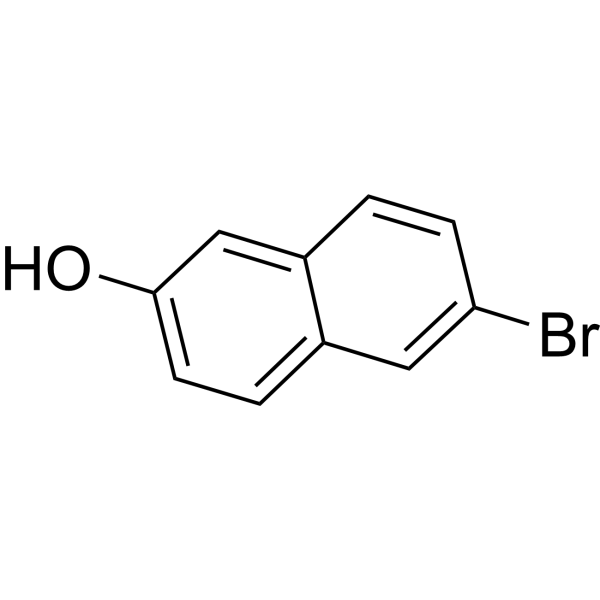
6-Bromo-2-naphthol is an RTP (real-time polymerase chain reaction) probe that forms a 1:1 or 2:1 complex with β-cyclodextrin (β-CD). 6-Bromo-2-naphthol is capable of real-time monitoring of PCR reactions and quantification of specific nucleic acid sequences. RTP probes are a class of small DNA or RNA sequences labeled with fluorescent dyes and quencher molecules, which can be widely used in gene expression analysis, SNP genotyping, and pathogen detection. 6-Bromo-2-naphthol embeds into the cyclodextrin cavity through hydrophobic interactions, inhibits the oxygen quenching effect, and emits a phosphorescent signal at room temperature. 6-Bromo-2-naphthol can also be used as an intermediate for the synthesis of antibacterial azo dyes, and its derivatives show antibacterial activity against Staphylococcus aureus, Escherichia coli and other bacteria .
loading...
    loading...
Cat. No.: HY-W048513
CAS No.: 60129-59-1
7-Deaza-2'-deoxyadenosine is an isosteric dATP analog of 2'-deoxyadenosine. 7-Deaza-2'-deoxyadenosine is recognized by various DNA polymerases and incorporated into DNA strands as a substrate. 7-Deaza-2'-deoxyadenosine undergoes a bioorthogonal inverse electron demand Diels-Alder reaction with tetrazine-modified molecules, enabling site-specific labeling of DNA, surface antibody immobilization and intracellular fluorescent labeling. 7-Deaza-2'-deoxyadenosine reduces the DNA curvature of d(A6)·d(T6) fragments and the stability of DNA/RNA double helices, and leads to decreased antisense activity against SV40 T Antigen. 7-Deaza-2'-deoxyadenosine finds application in the research field of SV40 T Antigen-related cancers .
loading...
    loading...
Cat. No.: HY-113225S3
Purity:  ≥95.0%
Synonyms: GTP-15N5 dilithium
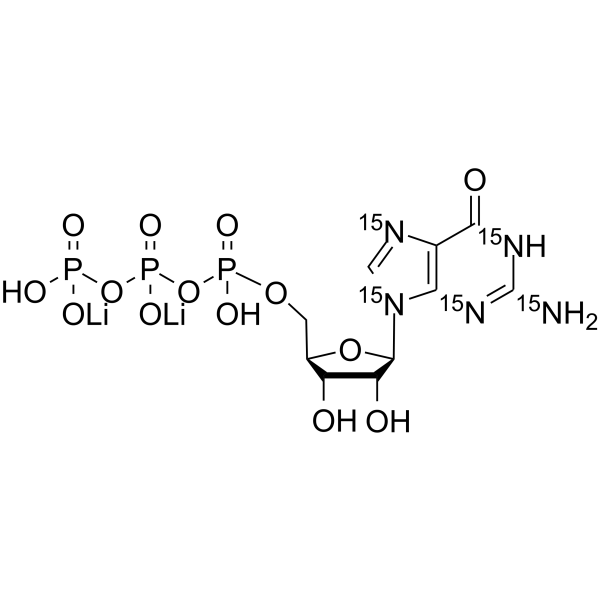
Guanosine triphosphate- 15N5 (GTP- 15N5) dilithium is 15N labeled Guanosine triphosphate (HY-113225). Guanosine triphosphate dilithium (GTP) is a critical nucleotide and regulator of cellular metabolism. Guanosine triphosphate dilithium promotes ribosomal DNA localization, pre-rRNA transcription and ribosome biogenesis by binding to RNA polymerase I and GPN proteins (GPN1/3). Guanosine triphosphate dilithium links MYC-dependent ribosome biogenesis to nucleotide sufficiency, acts as a metabolic gatekeeper supporting protein synthesis, DNA/RNA synthesis and cellular signal transduction, while also participating in the physiological activities of pancreatic β-cells and serving as an oxidative substrate for reactive oxygen species. In small cell lung cancer with high MYC expression, Guanosine triphosphate dilithium accumulates through the IMPDH-driven synthetic pathway, thereby affecting apoptosis and mitotic processes. Guanosine triphosphate dilithium is used in the research of small cell lung cancer, hepatoblastoma and cellular metabolism .
loading...
    loading...
Cat. No.: HY-113225S5
Purity:  ≥95.0%
Synonyms: GTP-13C10 dilithium
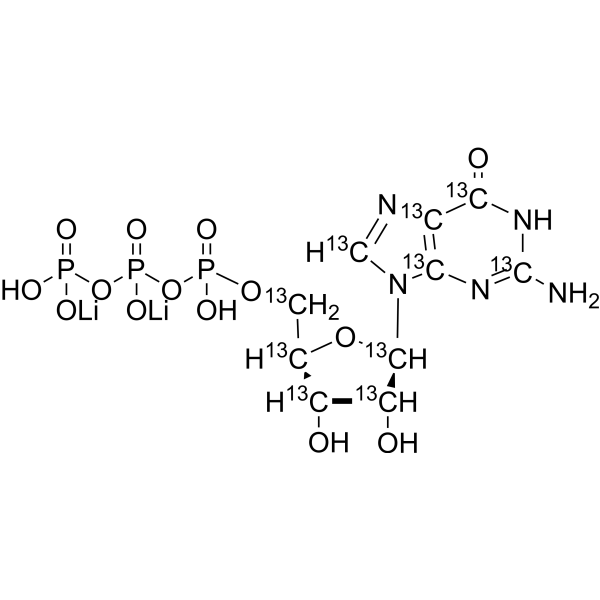
Guanosine triphosphate- 13C10 (GTP- 13C10) dilithium is 13C-labeled Guanosine triphosphate (HY-113225). Guanosine triphosphate dilithium (GTP) is a critical nucleotide and regulator of cellular metabolism. Guanosine triphosphate dilithium promotes ribosomal DNA localization, pre-rRNA transcription and ribosome biogenesis by binding to RNA polymerase I and GPN proteins (GPN1/3). Guanosine triphosphate dilithium links MYC-dependent ribosome biogenesis to nucleotide sufficiency, acts as a metabolic gatekeeper supporting protein synthesis, DNA/RNA synthesis and cellular signal transduction, while also participating in the physiological activities of pancreatic β-cells and serving as an oxidative substrate for reactive oxygen species. In small cell lung cancer with high MYC expression, Guanosine triphosphate dilithium accumulates through the IMPDH-driven synthetic pathway, thereby affecting apoptosis and mitotic processes. Guanosine triphosphate dilithium is used in the research of small cell lung cancer, hepatoblastoma and cellular metabolism .
loading...
    loading...
Cat. No.: HY-158772
Purity:  99.6%
Target:  

DNA/RNA Synthesis

Research Areas:  

Others

m7G(5')ppp(5')(2'OMeA)pU (ammonium) solution (100 mM) is a trinucleotide cap analog with a Cap1 structure. m7G(5')ppp(5')(2'OMeA)pU (ammonium) solution (100 mM) can be co-transcriptionally incorporated into the 5' end of mRNA during T7 RNA polymerase-mediated in vitro transcription to form a natural Cap1 cap structure. m7G(5')ppp(5')(2'OMeA)pU (ammonium) solution (100 mM) enhances mRNA translation efficiency and reduces innate immune recognition, and it has been used in the preparation of self-amplifying mRNA rabies vaccines. m7G(5')ppp(5')(2'OMeA)pU (ammonium) solution (100 mM) can be applied to research related to in vitro mRNA transcription and mRNA vaccines .
loading...
    loading...
Cat. No.: HY-188056
CAS No.: 121714-70-3
Biotin-11-UTP is a biotinylated uridine triphosphate that can be incorporated into short RNA strands via co-transcription with T7 RNA polymerase, and is used for synthesizing labeling reagents and detection markers. After binding to streptavidin, Biotin-11-UTP generates characteristic downward ionic current peaks during nanopore translocation, which allows the differentiation between modified and unmodified RNA. Biotin-11-UTP enables site-specific labeling of short RNA, and is suitable for single-molecule solid-state nanopore sensing detection. Biotin-11-UTP can serve as a raw material for synthesizing biotinylated single-stranded RNA probes, which is applied to rotavirus nucleic acid detection; it can also label single-stranded RNA probes targeting and immobilizing 28S ribosomal RNA in leukemia cells. Biotin-11-UTP can alter the electrophoretic mobility of transcribed RNA in agarose gels, and can be used to monitor the biotinylation degree of RNA probes .
loading...
    loading...
Cat. No.: HY-188120
AZD5335 is an ADC targeting FRα, with an IC50 of 10.6 nM against human FRα. AZD5335 specifically binds to FRα, mediates internalization and trafficking to lysosomal compartments, while delivering a topoisomerase I inhibitor payload that traps TOP1-DNA cleavage complexes. AZD5335 induces DNA damage response via the ATR, ATM, Chk1 and Chk2 signaling pathways, and increases the levels of phosphorylated KAP1, phosphorylated RPA, phosphorylated γH2AX, as well as PARP cleavage. AZD5335 exhibits bystander cytotoxicity against FRα-negative cells co-cultured with FRα-expressing cells. AZD5335 induces potent and durable responses and complete regression in ovarian cancer models, including models with low FRα expression and models resistant to Elahere, with enhanced efficacy when combined with Carboplatin, Bevacizumab or poly (ADP-ribose) polymerase inhibitors. AZD5335 can be used for ovarian cancer research .
loading...
    loading...
Cat. No.: HY-N9454
CAS No.: 91893-83-3
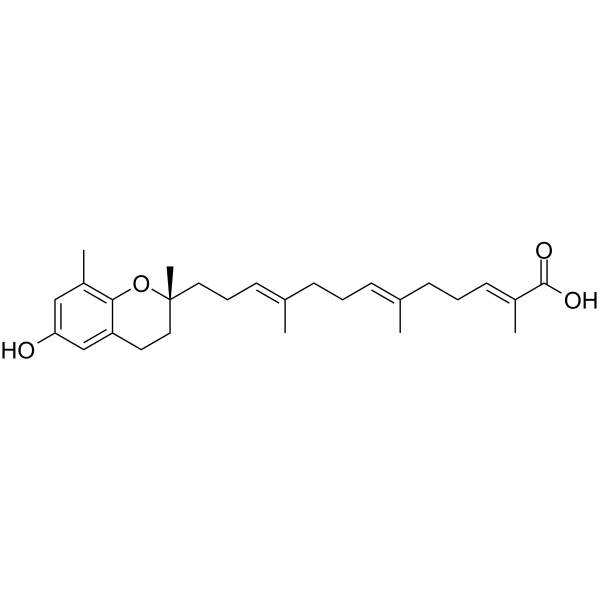
Garcinoic acid is an orally active anti-inflammatory agent that crosses the blood-brain barrier. Garcinoic acid also enhances efferocytosis and enzyme/receptor regulation, and selectively inhibits human COX-2, porcine α-amylase, Saccharomyces cerevisiae α-glucosidase and human DNA polymerase β (IC50=11 μM), as well as activates human PXR. Garcinoic acid enhances macrophage efferocytosis via receptors such as MerTK and LRP-1, and promotes the production of pro-resolving lipid mediators. Garcinoic acid inhibits NF-κB activation and pro-inflammatory cytokine secretion, interferes with Aβ aggregation, downregulates NLRP3 inflammasome activity, and binds to targets including CD44 and EGFR to inhibit leukemia cell proliferation. The pharmacological activities of Garcinoic acid, such as antioxidant, anti-inflammatory and lipid metabolism-regulating effects, are widely used in studies related to various diseases including atherosclerosis, Alzheimer's disease, type 2 diabetes, inflammatory bowel disease and viral pneumonia .
loading...
    loading...
Cat. No.: HY-103019R
CAS No.: 1610408-97-3
Synonyms: (+)-BAY-1251152 (Standard); (+)-VIP152 (Standard); (S)-Enitociclib (Standard)
Enitociclib (Standard) is the analytical standard of Enitociclib (HY-103019). This product is intended for research and analytical applications. Enitociclib ((+)-BAY-1251152; (+)-VIP152) is a selective CDK9 inhibitor (IC50=3 nM) that inhibits transcriptional elongation by blocking Ser2/Ser5 phosphorylation of RNA polymerase II. Enitociclib specifically depletes key short-lived proteins such as c-MYC, MCL-1 and induces tumor cell apoptosis. Enitociclib also interferes with the production of enhancer RNAs (eRNA) and enhancer-promoter interactions, and downregulates oncogene expression at the epigenetic level. Enitociclib exerts synergistic effects with agents including Bortezomib (HY-10227), Lenalidomide (HY-A0003), Pomalidomide (HY-10984), Venetoclax (HY-15531) and Paclitaxel (HY-B0015), and even reverses paclitaxel resistance. Enitociclib serves as a vital research tool for various malignancies such as double-hit diffuse large B-cell lymphoma, multiple myeloma and pancreatic ductal adenocarcinoma .
loading...
    loading...
Cat. No.: HY-109056R
CAS No.: 868046-19-9
Synonyms: R-1206 (Standard)
Elsulfavirine (Standard) is the analytical standard of Elsulfavirine (HY-109056). This product is intended for research and analytical applications. Elsulfavirine (R-1206) is an orally active human carbonic anhydrase (carbonic anhydrase, CA) inhibitor and an allosteric inhibitor of HIV-1 non-nucleoside reverse transcriptase (NNRT). Elsulfavirine also targets and blocks the interaction between adenylosuccinate lyase (ADSL) and insulin-induced gene proteins INSIG1/2, blocks SREBP-1-mediated de novo lipid synthesis, and inhibits the proliferation of liver cancer cells. The combination of Elsulfavirine and Lenvatinib (HY-10981) produces a synergistic anti-tumor effect. Elsulfavirine is converted into the active metabolite VM1500A in vivo, blocks the DNA polymerase activity of reverse transcriptase, and inhibits HIV-1 replication. Elsulfavirine exhibits a Ki of 1960 nM-52400 nM against human carbonic anhydrase isoforms including I, VII, VI, VA, VB, IX, XIII, XIV. Elsulfavirine is used in studies related to HIV-1 infection and liver cancer .
loading...
    loading...
Cat. No.: HY-113225S1
Synonyms: GTP-13C10,15N5 tetraammonium
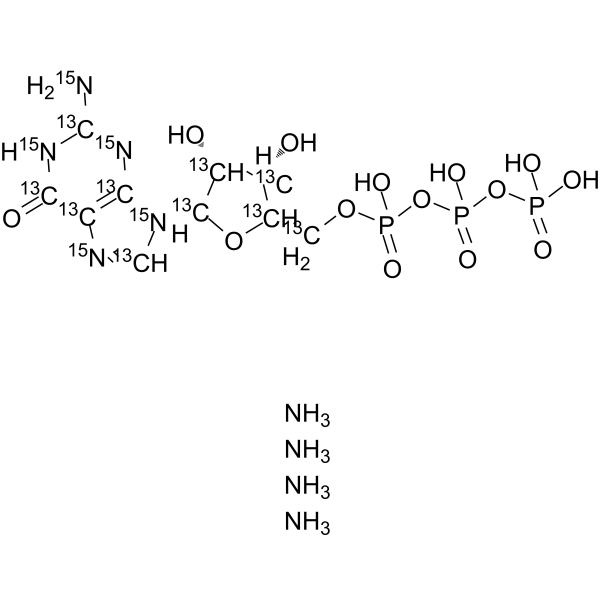
Guanosine triphosphate- 13C10, 15N5 tetraammonium solution (100 mM) (GTP- 13C10, 15N5 tetraammonium) is the 15N, 13C-labeled Guanosine triphosphate (HY-113225). Guanosine triphosphate (GTP) is a critical nucleotide and regulator of cellular metabolism. Guanosine triphosphate promotes ribosomal DNA localization, pre-rRNA transcription and ribosome biogenesis by binding to RNA polymerase I and GPN proteins (GPN1/3). Guanosine triphosphate links MYC-dependent ribosome biogenesis to nucleotide sufficiency, acts as a metabolic gatekeeper supporting protein synthesis, DNA/RNA synthesis and cellular signal transduction, while also participating in the physiological activities of pancreatic β-cells and serving as an oxidative substrate for reactive oxygen species. In small cell lung cancer with high MYC expression, Guanosine triphosphate accumulates through the IMPDH-driven synthetic pathway, thereby affecting apoptosis and mitotic processes. Guanosine triphosphate is used in the research of small cell lung cancer, hepatoblastoma and cellular metabolism .
loading...
    loading...
Cat. No.: HY-113225S4
Purity:  98.4%
Synonyms: GTP-15N5,d14 dilithium
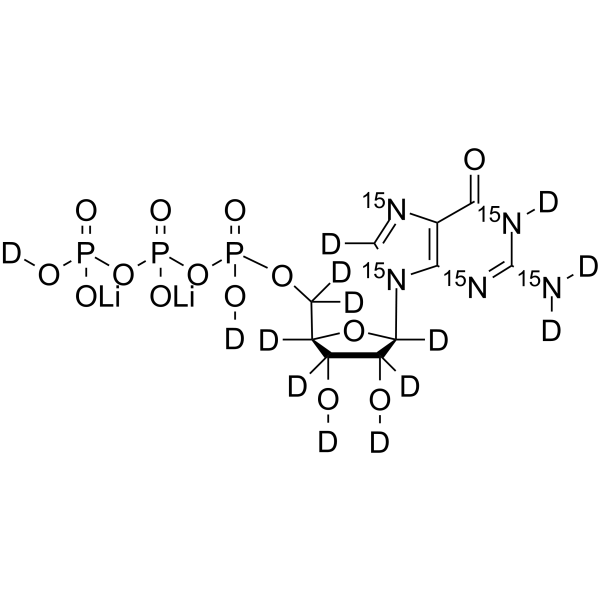
Guanosine triphosphate- 15N5,d14 dilithium (GTP- 15N5,d14 dilithium) is the deuterated, 15N-labeled Guanosine triphosphate (HY-113225). Guanosine triphosphate (GTP) is a critical nucleotide and regulator of cellular metabolism. Guanosine triphosphate promotes ribosomal DNA localization, pre-rRNA transcription and ribosome biogenesis by binding to RNA polymerase I and GPN proteins (GPN1/3). Guanosine triphosphate links MYC-dependent ribosome biogenesis to nucleotide sufficiency, acts as a metabolic gatekeeper supporting protein synthesis, DNA/RNA synthesis and cellular signal transduction, while also participating in the physiological activities of pancreatic β-cells and serving as an oxidative substrate for reactive oxygen species. In small cell lung cancer with high MYC expression, Guanosine triphosphate accumulates through the IMPDH-driven synthetic pathway, thereby affecting apoptosis and mitotic processes. Guanosine triphosphate is used in the research of small cell lung cancer, hepatoblastoma and cellular metabolism .
loading...
    loading...
Cat. No.: HY-116054
CAS No.: 1314096-68-8
Ibulocydine is an isobutyrate prodrug of the Cdk inhibitor BMK-Y101 (HY-188159), with oral activity, and exhibits IC50 values of approximately 50 nM against CDK1/CDK2, 530 nM against CDK7/cyclin H/Mat1, and 85 nM against CDK9/cyclin T. Ibulocydine reduces the phosphorylation levels of Rb, nucleolin, and RNA polymerase II CTD Ser-5 and Ser-2, downregulates the expression of Mcl-1, survivin, and XIAP, decreases MMP-9 expression, and lowers the Bcl-2/Bax ratio, activates calpain-mediated Bax cleavage, cytochrome c release, and caspase activation. Ibulocydine induces apoptosis, inhibits the growth of cancer cells and xenografts, enhances the sensitivity of cancer cells to TRAIL and radiotherapy, and blocks cancer cell metastasis. Ibulocydine can be used in research related to various cancers, including hepatocellular carcinoma, triple-negative breast cancer, lung cancer, and colon cancer .
loading...
    loading...
Cat. No.: HY-146365
CAS No.: 2132412-77-0
Target:  

DNA/RNA Synthesis HIV

Research Areas:  

Infection Inflammation/Immunology

HIV-1 inhibitor-30 (compound 10i) is a potent HIV-1 inhibitor with an EC50 value of 40 nM and an IC50 value of 80 nM for HIV-1 RT DNA polymerase. HIV-1 inhibitor-30 has highly antiretroviral activity against seven non-nucleoside reverse transcriptase inhibitor (NNRTI)-resistant HIV-1 strains (RT-K103N; RT-Y181C; RT-K103N,Y181C; RT-L100I,K103N; RT-Y188L; RT-K103N,G190A; RT-K103N,V108I) with IC50s of 0.04~1.42 μM. HIV-1 inhibitor-30 can be used for researching AIDS .
loading...
    loading...
Cat. No.: HY-W013403S
CAS No.: 362049-50-1
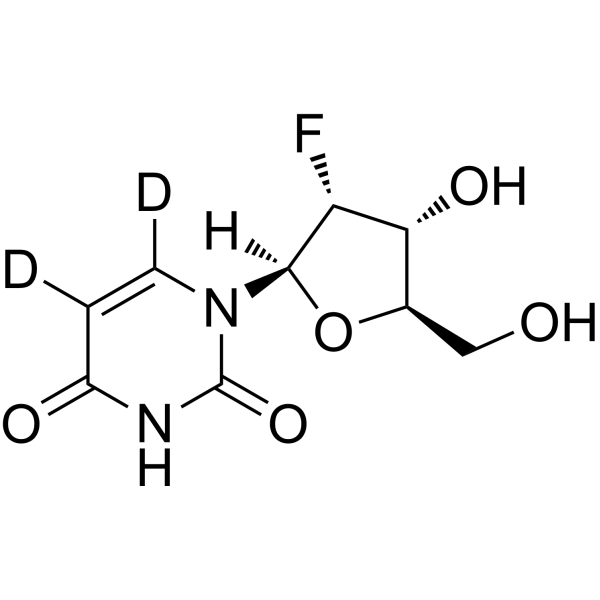
2'-Deoxy-2'-fluorouridine-d2 is the deuterium labeled 2'-Deoxy-2'-fluorouridine . 2'-Deoxy-2'-fluorouridine is a derivative of the pyrimidine nucleoside uridine. 2'-Deoxy-2'-fluorouridine is a nucleoside analog that inhibits the replication of wild-type viruses by binding to the viral RNA. Hepatitis C polyU/UC RNA strands containing 2'-Deoxy-2'-fluorouridine, bind to RIG-I but do not activate RIG-I signaling in a reporter assay using Huh7 cells. 2'-Deoxy-2'-fluorouridine also has been used as a starting material in the synthesis of respiratory syncytial virus (RSV) polymerase inhibitors. 2'-Deoxy-2'-fluorouridine can incorporate into DNA and RNA in rat and woodchuck model upon administration. 2'-Deoxy-2'-fluorouridine can be studied in anti-viral research .
loading...
    loading...
Cat. No.: HY-13689G
CAS No.: 133053-19-7
Go 6983 GMP is Go 6983 (HY-13689) produced by using GMP guidelines. GMP small molecules works appropriately as an auxiliary reagent for cell therapy manufacture. Go 6983 is a dual inhibitor targeting Suv39h1/2 (KMT1A/KMT1B) and PKC, as well as a transcriptional activator capable of inducing DNA hypomethylation. Go 6983 stimulates the transcription of Prdm14 by reducing Suv39h1/2 protein levels, decreasing histone modifications in the Prdm14 promoter region, and increasing the recruitment of RNA polymerase II. Go 6983 induces genome-wide DNA hypomethylation by inhibiting de novo methyltransferase expression and increasing Tet1/Tet2 levels, thereby promoting self-renewal and pluripotency maintenance of stem cells. Meanwhile, Go 6983 can block PKC-mediated signaling pathways to reduce the expression of EMT-related genes and eliminate the upregulation of antioxidant genes downstream of NRF2. Go 6983 is mainly used in mechanism studies related to myocardial ischemia/reperfusion injury .
loading...
    loading...
Cat. No.: HY-180525
Target:  

Influenza Virus

Research Areas:  

Infection

PB2-IN-2 is an orally active PB2 inhibitor with RNA-dependent RNA Polymerase (RNP) IC50 = 0.2 nM, LRA (Ligand Receptor Assay) EC50 = 0.8 nM, Cytopathic Effect (CPE) EC50 = 0.1 nM. PB2-IN-2 exhibits broad-spectrum, nanomolar antiviral potency against a panel of influenza A strains (including H1N1pdm09, Lyon/1337/2007/H1N1, Tex12-Like/H3N2, PR/8/34/H1N1, WSN/1933/H1N1, rPR8(H1N1)/H7N9 with EC50 = 1.5, 3.6, 3.7, 13.8, 2.9 and 9.8 nM and all the CC50 values > 2 μM. PB2-IN-2 possesses an excellent pharmacokinetic profile and metabolic stability. PB2-IN-2 can be used for anti-influenza research .
loading...
    loading...

