953 Results for "

Pulmonary

" in MedChemExpress (MCE) Product Catalog:
Products (953)

953 Results for "Pulmonary" in MCE Product Catalog:

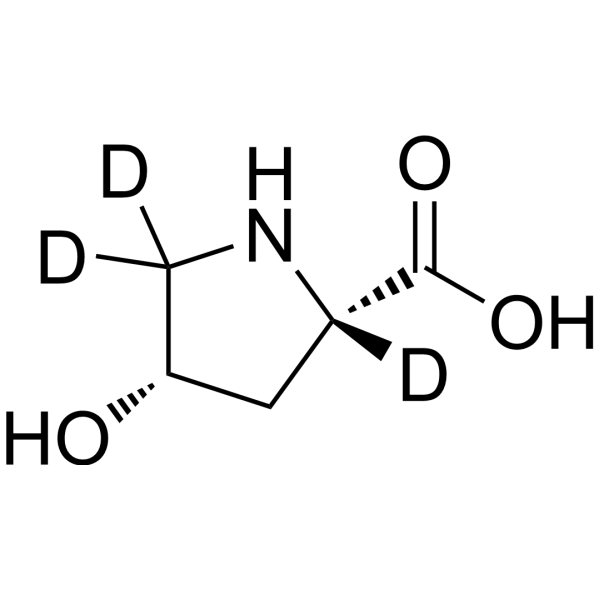
Cat. No.: HY-40136S
cis-4-Hydroxy-L-proline-d3 is the deuterium labeled cis-4-Hydroxy-L-proline (HY-40136). cis-4-Hydroxy-L-proline is an orally active proline analog and collagen production inhibitor. cis-4-Hydroxy-L-proline inhibits cell growth by preventing the deposition of triple helical collagen on the cell layer. cis-4-Hydroxy-L-proline inhibits N-nitrosomethylurea-induced breast tumor growth. cis-4-Hydroxy-L-proline improves lung compliance and reduces prostate weight. cis-4-Hydroxy-L-proline can be used in the study of hypoxic pulmonary hypertension .
loading...
    loading...
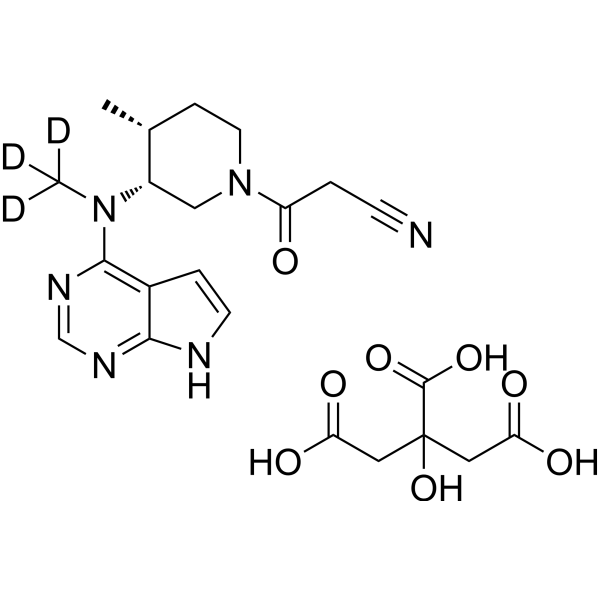
Cat. No.: HY-40354AS
CAS No.: 2701680-77-3
Synonyms: Tasocitinib-d3 citrate; CP-690550-d3 citrate
Tofacitinib-d3 citrate (Tasocitinib-d3 citrate; CP-690550-d3 citrate) is the deuterated-labeled Tofacitinib citrate (HY-40354A). Tofacitinib citrate (Tasocitinib citrate) is an orally active, blood-brain barrier permeable selective inhibitor of JAK1/JAK3. Tofacitinib citrate blocks the JAK-STAT/NF-κB signaling pathway, inhibits cytokine signal transduction, phosphorylation of STAT1/STAT5, and suppresses innate and adaptive immune responses. Tofacitinib citrate can be used in research related to major depressive disorder, rheumatoid arthritis, pulmonary diseases, systemic lupus erythematosus, and immune-mediated liver injury .
loading...
    loading...
Cat. No.: HY-40354S1
Synonyms: Tasocitinib-13C3,15N; CP-690550-13C3,15N
Tofacitinib- 13C3, 15N (Tasocitinib- 13C3, 15N; CP-690550- 13C3, 15N) is the 15N, 13C-labeled Tofacitinib (HY-40354). Tofacitinib (Tasocitinib) is an orally active, blood-brain barrier permeable selective inhibitor of JAK1/JAK3. Tofacitinib blocks the JAK-STAT/NF-κB signaling pathway, inhibits cytokine signal transduction, phosphorylation of STAT1/STAT5, and suppresses innate and adaptive immune responses. Tofacitinib can be used in research related to major depressive disorder, rheumatoid arthritis, pulmonary diseases, systemic lupus erythematosus, and immune-mediated liver injury .
loading...
    loading...
Cat. No.: HY-40354S2
Synonyms: Tasocitinib-13C,d3; CP-690550-13C,d3
Tofacitinib- 13C,d3 (Tasocitinib- 13C,d3; CP-690550- 13C,d3) is the deuterated, 13C-labeled Tofacitinib (HY-40354). Tofacitinib (Tasocitinib) is an orally active, blood-brain barrier permeable selective inhibitor of JAK1/JAK3. Tofacitinib blocks the JAK-STAT/NF-κB signaling pathway, inhibits cytokine signal transduction, phosphorylation of STAT1/STAT5, and suppresses innate and adaptive immune responses. Tofacitinib can be used in research related to major depressive disorder, rheumatoid arthritis, pulmonary diseases, systemic lupus erythematosus, and immune-mediated liver injury .
loading...
    loading...
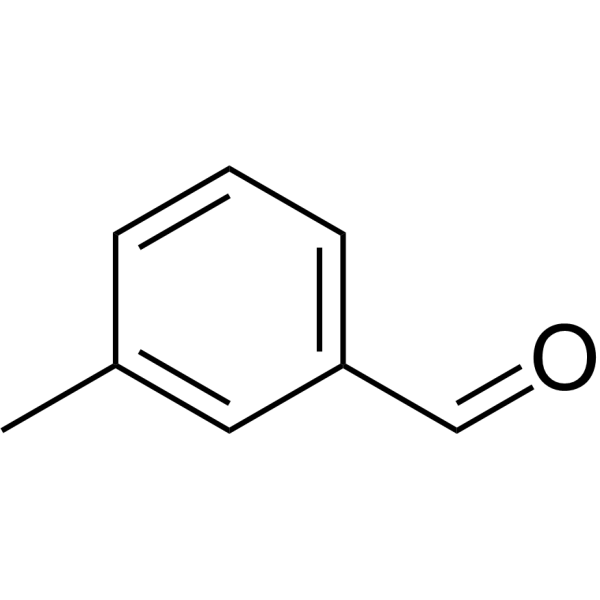
Cat. No.: HY-78086
CAS No.: 620-23-5
Synonyms: 3-Methylbenzaldehyde
m-Tolualdehyde (3-Methylbenzaldehyde) is an aldehyde metabolite produced by m-xylene metabolism, and it bidirectionally regulates the CYP 2B1, CYP 2E1, and CYP 4B1 isoenzymes in the respiratory tract of rats. m-Tolualdehyde serves as an oxidation substrate and carbon source for Pseudomonas Pxy, and it can be oxidized to m-toluic acid in an NAD + -dependent manner. m-Tolualdehyde exerts a dose-dependent inhibitory effect on CYP 2B1 and CYP 2E1 in the nasal mucosa and lungs of rats, and a dose-dependent activating effect on pulmonary CYP 4B1. m-Tolualdehyde can form aldehyde-heme adducts with the heme group of cytochrome P450. m-Tolualdehyde can be used in studies related to metabolic enzymes in the respiratory tract of rats .
loading...
    loading...
Cat. No.: HY-B0551AR
CAS No.: 7081-53-0
Doxapram hydrochloride hydrate (Standard) is the analytical standard of Doxapram hydrochloride hydrate (HY-B0551A). This product is intended for research and analytical applications. Doxapram hydrochloride hydrate is a respiratory stimulant. Doxapram hydrochloride hydrate increases breathing rate and depth by acting on the brain's respiratory centers and peripheral chemoreceptors. Doxapram hydrochloride hydrate inhibits TASK-1, TASK-3, TASK-1/TASK-3 heterodimeric channel function with EC50s of 410 nM, 37 μM, 9 μM, respectively. Doxapram hydrochloride hydrate inhibits the Ca²⁺-activated potassium current (IC50 ≈ 13 μM) and Ca²⁺-independent potassium current (IC50 ≈ 20 μM) in type I cells of the carotid body. Doxapram hydrochloride hydrate significantly prolongs the effective refractory period of the atrium and has an anti-arrhythmic effect. Doxapram hydrochloride hydrate can be used for the study of respiratory depression such as post-anesthesia respiratory depression, chronic obstructive pulmonary disease and apnea of prematurity.
loading...
    loading...
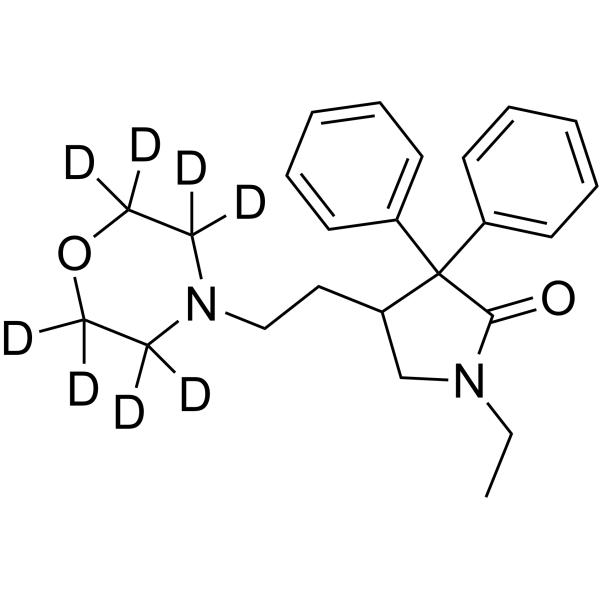
Cat. No.: HY-B0551S
Doxapram-d8 is deuterated labeled Doxapram (HY-B0551). Doxapram is a respiratory stimulant. Doxapram increases breathing rate and depth by acting on the brain's respiratory centers and peripheral chemoreceptors. Doxapram inhibits TASK-1, TASK-3, TASK-1/TASK-3 heterodimeric channel function with EC50s of 410 nM, 37 μM, 9 μM, respectively. Doxapram inhibits the Ca²⁺-activated potassium current (IC50 ≈ 13 μM) and Ca²⁺-independent potassium current (IC50 ≈ 20 μM) in type I cells of the carotid body. Doxapram significantly prolongs the effective refractory period of the atrium and has an anti-arrhythmic effect. Doxapram can be used for the study of respiratory depression such as post-anesthesia respiratory depression, chronic obstructive pulmonary disease and apnea of prematurity.
loading...
    loading...
Cat. No.: HY-N0208
CAS No.: 40437-72-7
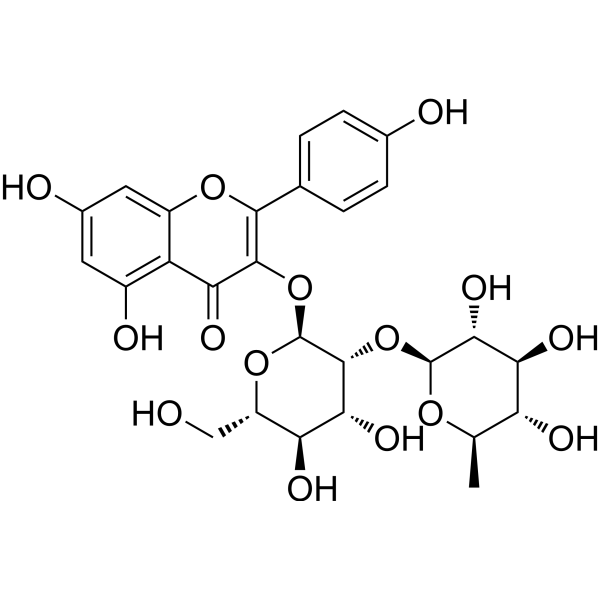
Kaempferol-3-O-glucorhamnoside is a flavonoid compound. Kaempferol-3-O-glucorhamnoside can be extracted from T. chinense Turcz. Kaempferol-3-O-glucorhamnoside inhibits the phosphorylation of NF-κB and MAPK kinases. Kaempferol-3-O-glucorhamnoside suppresses the expression of cytokines (TNF-α, IL-6, IL-1β and PGE2) and reduces ROS levels. Kaempferol-3-O-glucorhamnoside ameliorates pulmonary edema and alleviates oxidative stress in the lungs and cells of mice exposed to Klebsiella pneumoniae. Kaempferol-3-O-glucorhamnoside possesses anti-inflammatory properties. Kaempferol-3-O-glucorhamnoside can be used in studies related to Klebsiella pneumoniae infection (pneumonia) .
loading...
    loading...
Cat. No.: HY-N6812
CAS No.: 39089-30-0
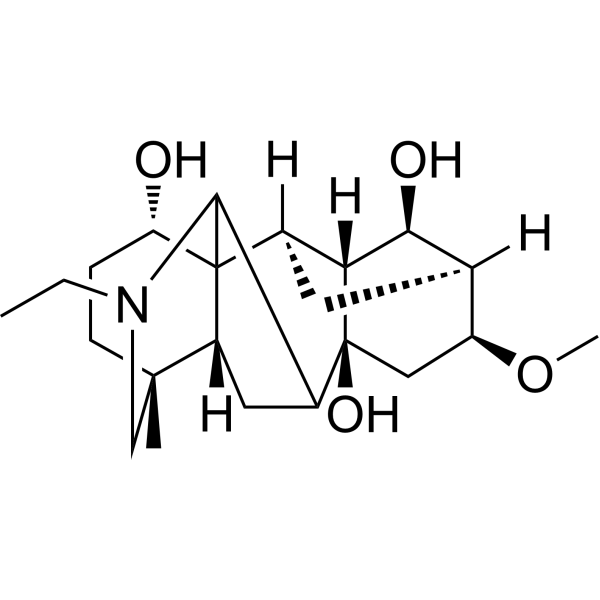
Karacoline is an orally active PPARγ activator and ERK/JNK MAPK inhibitor. Karacoline restricts ROS production, maintains mitochondrial membrane potential, and inhibits pulmonary cell apoptosis. Karacoline inhibits NF-κB pathway activation, reduces acetylation levels of p65 and the expression of MMP14 and MMP9, enhances the expression of type II collagen (collagen II) and aggrecan (aggrecan), and suppresses extracellular matrix degradation. In a mouse model of sepsis-induced acute lung injury, Karacoline alleviates lung injury, inhibits the release of IL-1β, IL-6 and TNF-α, increases the Bcl-2/BAX ratio, and reduces caspase 3 expression. Karacoline can be used in research related to acute lung injury and intervertebral disc degeneration .
loading...
    loading...
Cat. No.: HY-P10868
CAS No.: 2056232-82-5
Synonyms: RLS-0071
Pegtarazimod (RLS-0071) is a dual-target anti-inflammatory peptide that exerts its effects by simultaneously regulating the complement system and neutrophil-associated inflammatory pathways. Pegtarazimod reduces ROS production both in vitro and in vivo, and decreases the level of neutrophil elastase, a marker of neutrophil extracellular traps (NETs), in vivo, thereby alleviating inflammatory responses. Pegtarazimod significantly improves the survival rate of mice in multiple in vivo models of acute graft-versus-host disease (aGVHD). Pegtarazimod inhibits the activation of the C1 complex, reduces the herpes zoster-like spread of herpes simplex virus type 1 skin infection, and improves the survival rate of infected mice . Pegtarazimod can be used in research related to acute graft-versus-host disease, acute pulmonary diseases, and skin herpes simplex virus type 1 infection .
loading...
    loading...
Cat. No.: HY-P11107
CAS No.: 2375823-45-1
Target:  

Apoptosis TNF Receptor

Research Areas:  

Inflammation/Immunology Cancer

RP-832c is a synthetic analogue of host defense peptides (HDP), targeting the mannose receptor CD206 on the surface of M2 polarized macrophages (Kd = 3.5 μM). RP-832c binding to CD206 induces a significant conformational change in the receptor, activating signaling pathways that lead to rapid apoptosis and repolarization of CD206-positive M2 macrophages to an M1 phenotype. RP-832c treatment significantly reduces CD206 gene expression in M2 macrophages while transiently increasing expression of TNF-α, a marker for M1 macrophages. RP-832c is used for the studies of T-cell lymphoma (CTCL) and idiopathic pulmonary fibrosis (IPF) .
loading...
    loading...
Cat. No.: HY-L114
1,665 compounds

Inflammation promotes physiological and pathological processes by the activation of the immune system, local vascular system, and various cells within the damaged tissue. Accumulating epidemiological and clinical evidence shows that chronic inflammation is causally linked to various human diseases, including cerebrovascular, cardiovascular, joint, cutaneous, pulmonary, blood, liver, and intestinal diseases as well as diabetes.

Various natural products from Traditional Chinese Medicine (TCM) have been shown to safely suppress proinflammatory pathways and control inflammation-associated disease. MCE designs a unique collection of 1,665 Traditional Chinese Medicine active compounds with anti-inflammatory activity, which are derived from Coptis chinensis, Radix isatidis, Flos Lonicerae, Forsythia suspensa, etc. MCE Anti-inflammatory Traditional Chinese Medicine Active Compound Library is a useful tool for discovery anti-inflammatory drugs from TCM.

Cat. No.: HY-121837
CAS No.: 2088234-50-6
β2AR-IN-15 is a selective β2-adrenergic receptor (β2AR) antagonist with a Kd of 1.7 μM. β2AR-IN-15 binds to an intracellular β2AR region overlapping the G-protein binding site, enhancing orthosteric inverse agonist binding while negatively modulating binding of orthosteric agonists with EC50 values of 1.9 and 0.48 μM. β2AR-IN-15 shows inhibitory effect on cAMP production and β-arrestin recruitment to activated β2AR. β2AR-IN-15 can be used for the research of cardiovascular and pulmonary diseases .
loading...
    loading...
Cat. No.: HY-124295
CAS No.: 1338320-94-7
Purity:  99.40%
Synonyms: ABT-301; MPT0E028; TMU-C-0012
Target:  

HDAC Akt Apoptosis

Research Areas:  

Inflammation/Immunology Cancer

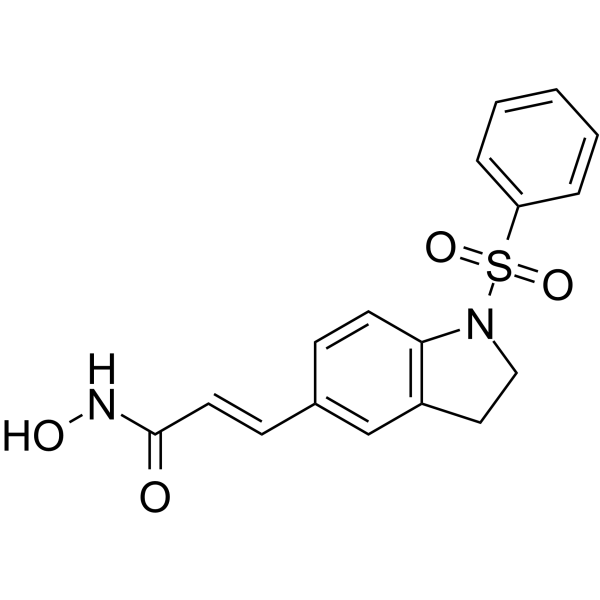
Imofinostat (ABT-301; MPT0E028) is an orally active and selective HDAC inhibitor with IC50s of 53.0 nM, 106.2 nM, 29.5 nM for HDAC1, HDAC2 and HDAC6, respectively. Imofinostat has a weak inhibitory effect on HDAC8 (IC50 of 2.5 ​​μM), but no inhibitory effect on HDAC4 (IC50>10 μM). Imofinostat reduces the viability of B-cell lymphomas by inducing apoptosis and possesses potent direct Akt targeting ability and reduces Akt phosphorylation in B-cell lymphoma. Imofinostat has a broad-spectrum antitumor activity, including colorectal cancer, B-cell lymphoma, non-small cell lung carcinoma (NSCLC), and pancreatic cancer, while also showing therapeutic potential in non-tumor diseases like emphysema and pulmonary fibrosis .
loading...
    loading...
Cat. No.: HY-126133
CAS No.: 340817-81-4
Purity:  99.95%
AM-001 is a selective Epac1 inhibitor with an IC50 value of 47.8-53.7 μM. AM-001 blocks cAMP (Cyclic AMP) (HY-B1511)-induced conformational changes of Epac1, inhibits Epac1-dependent activation of Rap1, and does not compete with cAMP for binding to Epac1. AM-001 disrupts the formation of the Epac1-GRK5 complex, blocks nuclear import of GRK5, and inhibits GRK5-mediated nuclear export of HDAC5 and activation of MEF2. AM-001 can be used in research related to heart disease, myocardial ischemia/reperfusion injury, SARS-CoV-2 infection, influenza A virus infection, atrial fibrillation and idiopathic pulmonary fibrosis .
loading...
    loading...
Cat. No.: HY-134092
CAS No.: 131391-65-6
Synonyms: N-Methyl-LTC4
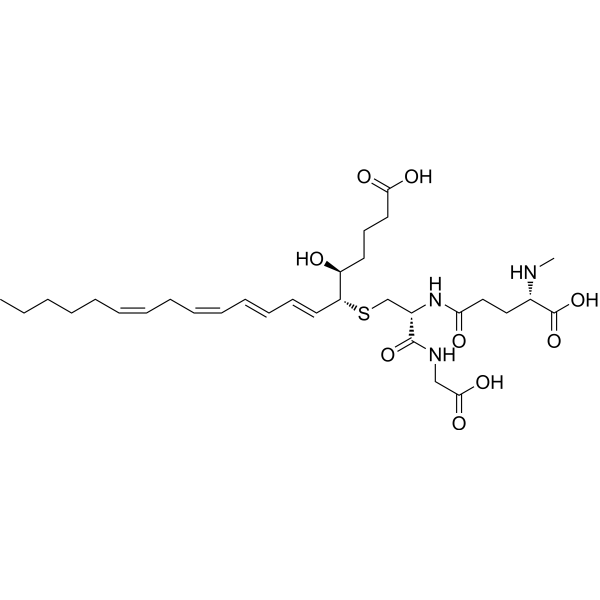
N-Methyl Leukotriene C4 (N-Methyl-LTC4) is a non-metabolizable LTC4 analog and a selective cysteinyl leukotriene receptor 2 (CysLT2) agonist, with an EC50 of 46.1 nM for mouse CysLT2 and an EC50 value of 122.3 nM for human CysLT2. N-Methyl Leukotriene C4 shows low potency against CysLT1. N-Methyl Leukotriene C4 activates human and mouse CysLT2 receptors, triggering calcium signaling, β-arrestin-2 binding to phosphorylated receptors, vascular leakage, hypotension, tachycardia, contraction of guinea pig ileum and trachea, mild bronchoconstriction, as well as hypertension associated with peripheral vasoconstriction. N-Methyl Leukotriene C4 can be used in research on asthma, rhinitis, sinusitis, cerebral inflammation and edema, pulmonary arterial hypertension, and cardiovascular diseases .
loading...
    loading...
Cat. No.: HY-136271
CAS No.: 137300-78-8
MJ-33 is a competitive phospholipase A₂ (PLA₂) inhibitor with an IC50 of 0.3 μM. MJ-33 inhibits the activation of NOX2 by blocking the PLA₂ activity of Prdx6, thereby reducing the production of ROS. MJ-33 effectively inhibits the activity of acidic PLA₂ (pH 4.0), reduces the degradation of pulmonary surfactant phosphatidylcholine (PC), but has no effect on alkaline PLA₂ (pH 8.5). MJ-33 significantly alleviates lung oxidative damage induced by ischemia-reperfusion (I/R). MJ-33 significantly inhibits the invasive, migratory and adhesive abilities of prostate cancer cells by suppressing the MAPK, AKT, NF-κB and AP-1 signaling pathways. MJ-33 can be used to study ROS-related diseases and prostate cancer .
loading...
    loading...
Cat. No.: HY-143683S
CAS No.: 1782458-84-7
Synonyms: 1,3-Dimethylxanthine-13C2,d6; Theo-24-13C2,d6
Theophylline- 13C2,d6 (1,3-Dimethylxanthine- 13C2,d6) is the deuterium labeled and 13C-labeled Theophylline (HY-B0809). Theophylline (1,3-Dimethylxanthine) is a potent phosphodiesterase (PDE) inhibitor, adenosine receptor antagonist, and histone deacetylase (HDAC) activator. Theophylline (1,3-Dimethylxanthine) inhibits PDE3 activity to relax airway smooth muscle. Theophylline (1,3-Dimethylxanthine) has anti-inflammatory activity by increase IL-10 and inhibit NF-κB into the nucleus. Theophylline (1,3-Dimethylxanthine) induces apoptosis. Theophylline (1,3-Dimethylxanthine) can be used for asthma and chronic obstructive pulmonary disease (COPD) research .
loading...
    loading...
Cat. No.: HY-15594
CAS No.: 942936-75-6
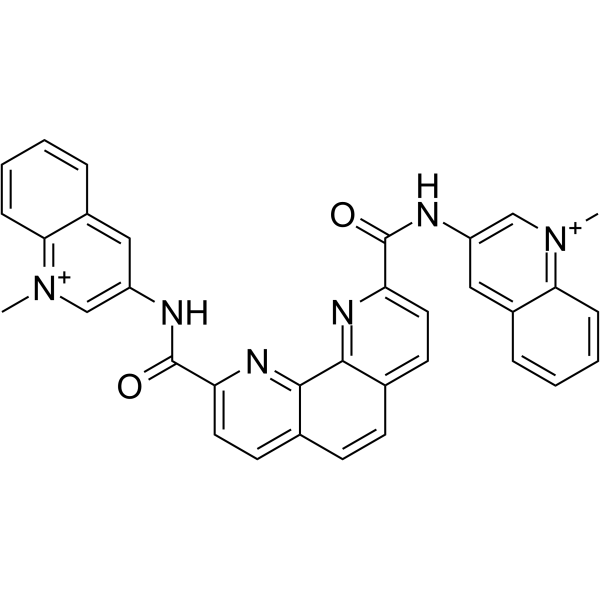
Phen-DC3 is a bisquinolinium G-quadruplex (G4) ligand. Phen-DC3 selectively binds to and stabilizes the hybrid quadruplex-duplex hybrid (QDH) derived from the PIM1 promoter. Phen-DC3 also binds to the c-myc promoter Pu24T G4 via extensive π-stacking, and induces polymerase stalling at α-synuclein DNA and RNA G4 sequences. Phen-DC3 Trifluoromethanesulfonate (HY-15594A) downregulates LPS (HY-D1056)-induced TNFRSF21, RIPK3 and p-MLKL in VECs, and ameliorates CLP-induced pulmonary vascular leakage in septic rats. Phen-DC3 can be used in studies related to neurodegenerative diseases and sepsis-associated vascular injury .
loading...
    loading...
Cat. No.: HY-P10868A
Synonyms: RLS-0071 TFA
Pegtarazimod TFA (RLS-0071 TFA) is a dual-target anti-inflammatory peptide that exerts its effects by simultaneously regulating the complement system and neutrophil-associated inflammatory pathways. Pegtarazimod TFA reduces ROS production both in vitro and in vivo, and decreases the level of neutrophil elastase, a marker of neutrophil extracellular traps (NETs), in vivo, thereby alleviating inflammatory responses. Pegtarazimod TFA significantly improves the survival rate of mice in multiple in vivo models of acute graft-versus-host disease (aGVHD). Pegtarazimod TFA inhibits the activation of the C1 complex, reduces the herpes zoster-like spread of herpes simplex virus type 1 skin infection, and improves the survival rate of infected mice . Pegtarazimod TFA can be used in research related to acute graft-versus-host disease, acute pulmonary diseases, and skin herpes simplex virus type 1 infection .
loading...
    loading...

