2293 Results for "

NF-

" in MedChemExpress (MCE) Product Catalog:
Products (2293)

2293 Results for "NF-" in MCE Product Catalog:

Cat. No.: HY-N0436R
CAS No.: 572-31-6
Engeletin (Standard) is the analytical standard of Engeletin. This product is intended for research and analytical applications. Engeletin is a flavanonol glycoside isolated from Smilax glabra Roxb. , inhibits NF-κB signaling-pathway activation, and possesses anti-inflammatory, analgesic, diuresis, detumescence, and antibiosis effects.
loading...
    loading...
Cat. No.: HY-N10358
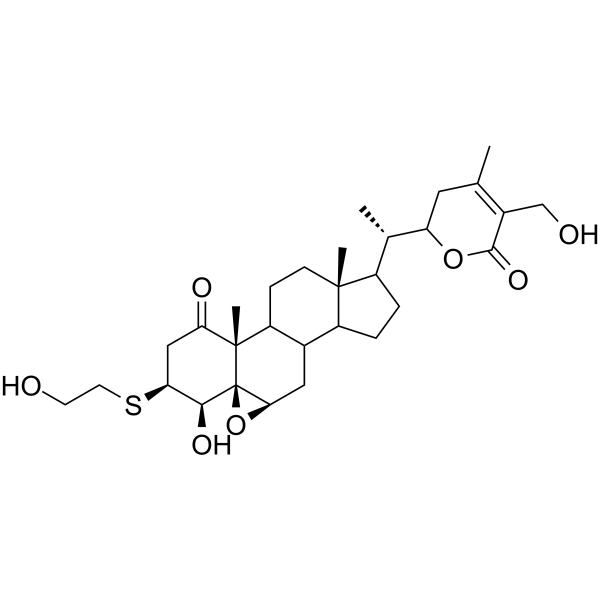
3-(2-Hydroxyethyl) thio withaferin A is a Withaferin A derivative. Withaferin A, a steroidal lactone, inhibits NF-kB activation and targets vimentin, with potent antiinflammatory and anticancer activities. Withaferin A is an inhibitor of endothelial protein C receptor (EPCR) shedding .
loading...
    loading...
Cat. No.: HY-N11775
CAS No.: 1934299-51-0
Synonyms: Plebeiolide D
Eudebeiolide B is a compound that can be isolated from Salvia plebeia R. Br. Eudebeiolide B inhibits osteoclastogenesis by regulating RANKL-induced NF-κB, c-Fos and calcium signaling. Eudebeiolide B can be used for osteoclast-related diseases research .
loading...
    loading...
Cat. No.: HY-N18356
CAS No.: 16280-27-6
Synonyms: 7-O-Methylmyricetin
Europetin (7-O-Methylmyricetin) is a natural product. Europetin can be isolated from the peels of Citrus aurantifolia. Europetin shows no antiplasmodial activity against Plasmodium falciparum NF54 with an IC50 > 50 μM. Europetin can be used for the research of malaria .
loading...
    loading...
Cat. No.: HY-N3632
CAS No.: 157528-81-9
Synonyms: Coronarin D Me ether
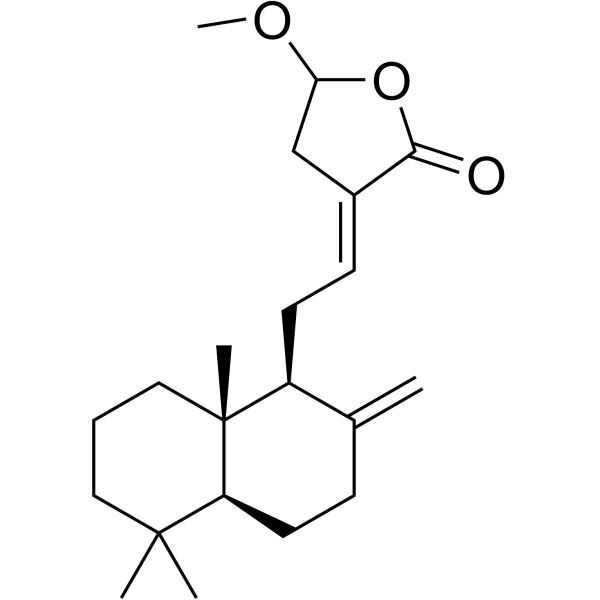
Methoxycoronarin D can be isolated from Hedychium coronarium J. Koenig and is a potent inhibitor of NF-κB with an IC50 value of 7.3 μM. Methoxycoronarin D is also a selective inhibitor of COX-1 with an IC50 value of 0.9 μM .
loading...
    loading...
Cat. No.: HY-N4233
CAS No.: 30557-81-4
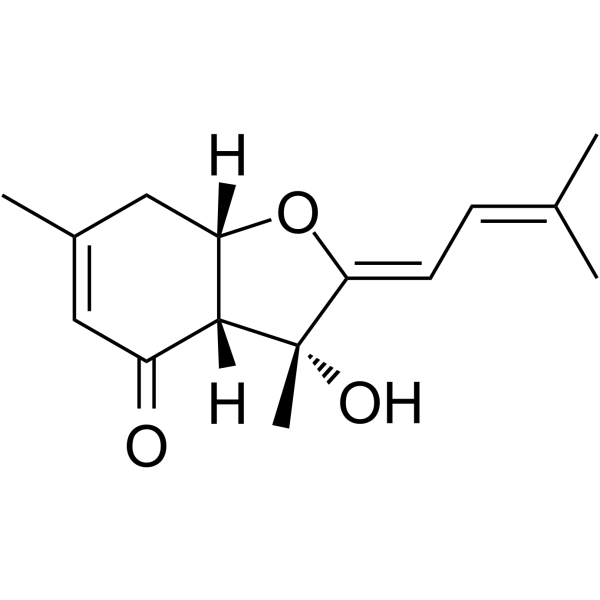
Bisabolangelone, a sesquiterpene derivative, is isolated from the roots of Osterici Radix. Bisabolangelone possesses anti-inflammatory properties, which inhibits LPS-stimulated inflammation through the blocking of NF-kappaB and MAPK pathways in macrophages. Bisabolangelone has anti-ulcer activities .
loading...
    loading...
Cat. No.: HY-N7980
CAS No.: 2170211-22-8
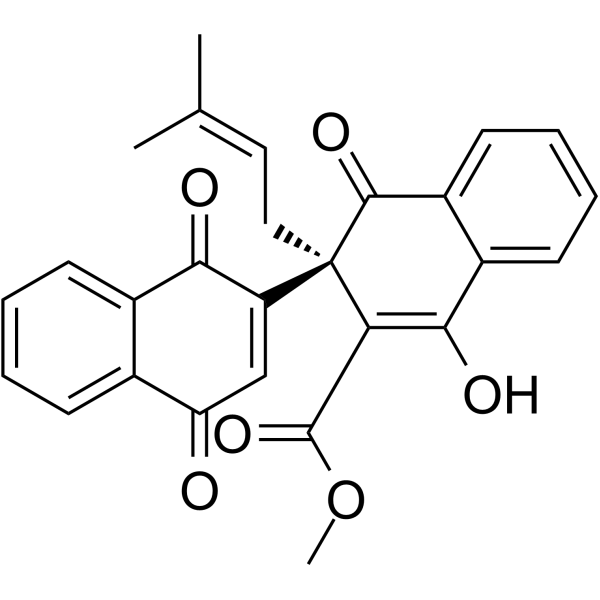
Rubipodanone A, a naphthohydroquinone dimer, shows cytotoxicity against A549, BEL-7402, HeLa, HepG2, SGC-7901 and U251 cells. Rubipodanone A also shows obvious activating effect at 20 and 40 μM for NF-κB .
loading...
    loading...
Cat. No.: HY-N9699
CAS No.: 1394156-45-6
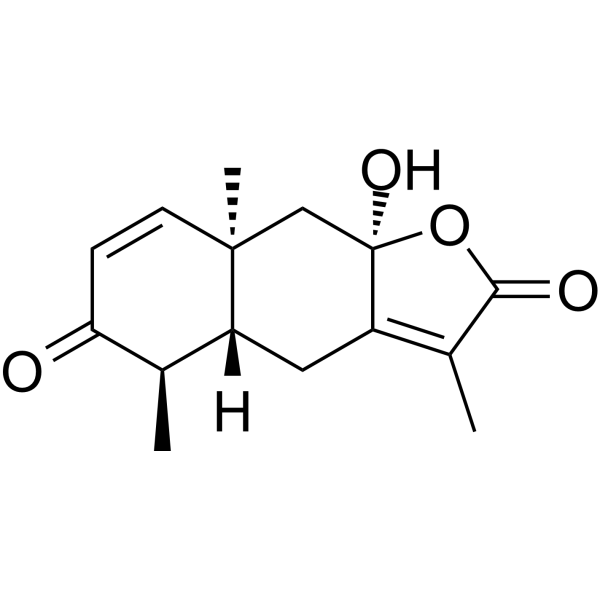
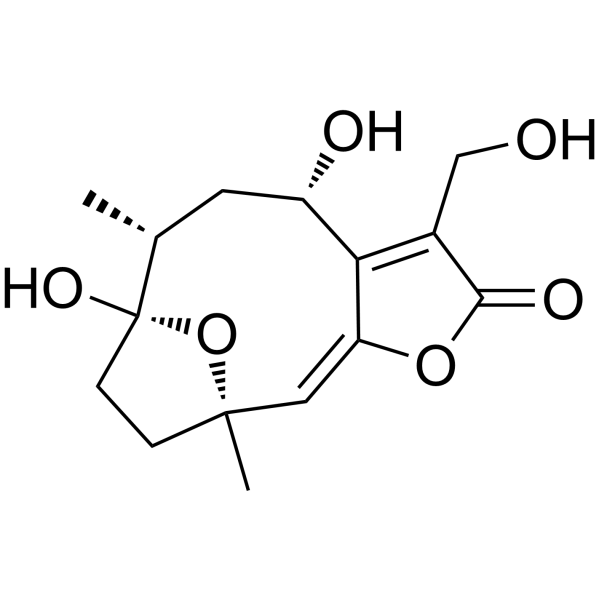
8α-Hydroxyhirsutinolide is a sesquiterpene lactone. 8α-Hydroxyhirsutinolide inhibits TNF-α-induced NF-κB activity (IC50: 1.9 μM) and NO production. 8α-Hydroxyhirsutinolide can be isolated from Vernonia cinerea .
loading...
    loading...
Cat. No.: HY-111193
CAS No.: 891-60-1
Synonyms: 3-Chloroprocainamide
Research Areas:  

Cancer

Declopramide (3-Chloroprocainamide) is an orally active, blood-brain barrier-permeable IκBβ/NF-κB inhibitor and chemosensitizer. Declopramide exhibits affinity for rabbit 5-HT3 receptors (5-HT3R) with a Ki value of 3.2 μM. Declopramide inhibits IκBβ degradation, blocks NFκB activation, and induces rapid apoptosis and DNA strand breaks in cancer cells. Declopramide enhances the cytotoxicity induced by Cisplatin (HY-17394) and is also metabolically converted to N-acetyl declopramide. Declopramide can be used in the research of tumors such as brain astrocytoma .
loading...
    loading...
Cat. No.: HY-111193A
CAS No.: 52423-57-1
Synonyms: 3-Chloroprocainamide hydrochloride
Research Areas:  

Cancer

Declopramide (3-Chloroprocainamide) hydrochloride is an orally active, blood-brain barrier-permeable IκBβ/NF-κB inhibitor and chemosensitizer. Declopramide exhibits affinity for rabbit 5-HT3 receptors (5-HT3R) with a Ki value of 3.2 μM. Declopramide inhibits IκBβ degradation, blocks NFκB activation, and induces rapid apoptosis and DNA strand breaks in cancer cells. Declopramide enhances the cytotoxicity induced by Cisplatin (HY-17394) and is also metabolically converted to N-acetyl declopramide. Declopramide can be used in the research of tumors such as brain astrocytoma .
loading...
    loading...
Cat. No.: HY-138135
CAS No.: 1030825-28-5
Synonyms: Fidaxomicin metabolite OP-1118
Research Areas:  

Infection

OP-1118 (Fidaxomicin metabolite OP-1118) is an orally active dual inhibitor of NF-κB and ERK1/2, with low systemic plasma exposure, no accumulation, and primary excretion via feces. By inhibiting the phosphorylation of NF-κB and ERK1/2 and reducing the expression of pro-inflammatory cytokines, OP-1118 exerts significant anti-inflammatory, cytoprotective, anti-apoptotic and antibacterial activities. In Clostridium difficile infection models, OP-1118 effectively blocks toxin-mediated intestinal inflammation, cell rounding, histological damage and apoptosis, and its protective effect can be reversed by PMA (HY-18739) .
loading...
    loading...
Cat. No.: HY-161329
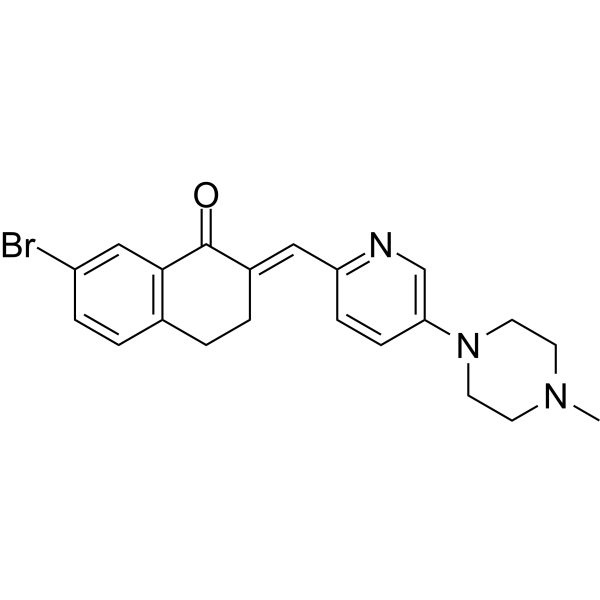
NLRP3-IN-32 (compound 7a), a 3, 4-dihydronaphthalene-1(2H)-one derivative, is a potential NLRP3 inflammatory vesicles inhibitor. NLRP3-IN-32 can block the assembly and activation of NLRP3 inflammasome by down-regulating the expression of NLPR3 and apoptosis-associated speck-like protein containing a CARD (ASC), and inhibiting the production of reactive oxygen species (ROS) and other inflammatory mediators. NLRP3-IN-32 inhibits the phosphorylation of IκBα and NF-κB/p65 and the nuclear translocation of p65, thereby inhibiting NF-κB signaling .
loading...
    loading...
Cat. No.: HY-N0316R
CAS No.: 55481-88-4
Mollugin (Standard) is the analytical standard of Mollugin. This product is intended for research and analytical applications. Mollugin is an orally active and potent NF-κB inhibitor. Mollugin induces S-phase arrest of HepG2 cells, and increased intracellular reactive oxygen species (ROS) levels. Mollugin induces DNA damage in HepG2 cells, as well as an increase in the expression of p-H2AX. Mollugin shows anti-cancer effect by inhibiting TNF-α-induced NF-κB activation. Mollugin enhances the osteogenic action of BMP-2 (bone morphogenetic protein 2) via the p38-Smad signaling pathway .
loading...
    loading...
Cat. No.: HY-P11108
CAS No.: 1895883-60-9
RP-182 is a synthetic immunomodulatory peptide that exerts anti-tumor effects by targeting the mannose receptor CD206 (Kd = 8 μM) on the surface of tumor-associated macrophages (TAMs). RP-182 induces a conformational switch of the CD206 receptor, which activates NF-κB signaling and phagocytosis in CD206 high TAMs. RP-182 has dual function: activation of canonical NF-κB signaling, triggering TNFα secretion and autocrine activation of the TNF receptor 1 (TNFR1), leading to activation of caspase 8, apoptosis, and cell death. RP-182 is used in pancreatic cancer and melanoma research .
loading...
    loading...
Cat. No.: HY-P11108A
RP-182 acetate is a synthetic immunomodulatory peptide that exerts anti-tumor effects by targeting the mannose receptor CD206 (Kd = 8 μM) on the surface of tumor-associated macrophages (TAMs). RP-182 acetate induces a conformational switch of the CD206 receptor, which activates NF-κB signaling and phagocytosis in CD206 high TAMs. RP-182 acetate has dual function: activation of canonical NF-κB signaling, triggering TNFα secretion and autocrine activation of the TNF receptor 1 (TNFR1), leading to activation of caspase 8, apoptosis, and cell death. RP-182 acetate is used in pancreatic cancer and melanoma research .
loading...
    loading...
Cat. No.: HY-W709448
Synonyms: Oxaprozinum-d10; Wy21743-d10
Oxaprozin-d10 (Oxaprozinum-d10; Wy21743-d10) is the deuterium labeled Oxaprozin (HY-B0808). Oxaprozin is an orally active and potent COX inhibitor, with IC50 values of 2.2 μM for human platelet COX-1 and and 36 μM for IL-1-stimulated human synovial cell COX-2, respectively. Oxaprozin also inhibits the activation of NF-κB. Oxaprozin induces cell apoptosis. Oxaprozin shows anti-inflammatory activity. Oxaprozin-mediated inhibition of the Akt/IKK/NF-κB pathway contributes to its anti-inflammatory properties .
loading...
    loading...
Cat. No.: HY-P85920
Synonyms: Interferon regulatory factor 4; IRF 4; IRF-4; Irf4; IRF4_HUMAN; LSIRF; Lymphocyte specific interferon regulatory factor; Lymphocyte specific IRF; Lymphocyte-specific interferon regulatory factor; Multiple myeloma oncogene 1; MUM 1; MUM1; NF EM5; NF-EM5; NFEM5; PU.1 interaction partner; Sfpi1/PU.1 interaction partner; Transcriptional activator PIP

Host:  

Mouse

Application:  

IHC-P, WB, ICC/IF, ELISA

Reactivity:  

Human

loading...
    loading...
Cat. No.: HY-107665
CAS No.: 62645-28-7
Ro 106-9920 is an orally active NF-κB inhibitor. Ro 106-9920 prevents ubiquitination of IκBα, blocks nuclear translocation of NF-κB, and inhibits NF-κB activation. Ro 106-9920 suppresses TNF-α-induced tissue factor expression and procoagulant activity, enhances TNF-α-mediated cytotoxicity against cancer cells, and eliminates the formation of neutrophil extracellular traps. Ro 106-9920 inhibits NLRP3 inflammasome activation, reduces inflammatory cytokine secretion, decreases myeloperoxidase activity, attenuates renal cell apoptosis, and improves renal function. Ro 106-9920 blocks ANG II (Angiotensin II human) (HY-13948)-induced nuclear localization of p65, internalization of AT1A receptor, colocalization of β-arrestin-2, and expression of COX-2, and alters the formation of β-arrestin endosomes. Ro 106-9920 can be used in research related to non-small cell lung cancer, acute kidney injury, diabetes mellitus, and osteoporosis .
loading...
    loading...
Cat. No.: HY-184337
CAS No.: 143111-84-6
Dihydroparadol is a iNOS inhibitor with an IC50 of 7.24 μM, and it is found in ginger. Dihydroparadol partially inhibits the catalytic activity of iNOS, blocks the nuclear translocation of NF-κB p65, reduces NF-κB activity, and attenuates lipopolysaccharide-induced degradation of IκB-α, thereby inhibiting NF-κB-mediated iNOS gene expression and protein production. Dihydroparadol inhibits lipopolysaccharide-induced nitric oxide production in macrophages and exhibits anti-inflammatory activity. Dihydroparadol increases ABCA1 protein abundance by elevating mRNA levels and reducing proteasomal degradation, and also increases ABCG1 protein abundance by enhancing protein stability. Dihydroparadol promotes cholesterol efflux from cholesterol-loaded macrophages via apolipoprotein A1-mediated and plasma-mediated pathways. Dihydroparadol inhibits PDGF-induced vascular smooth muscle cell proliferation, shows no cytotoxicity to vascular smooth muscle cells within the tested concentration range, and does not interfere with endothelial cell proliferation. Dihydroparadol can be used in the research of inflammatory diseases, atherosclerosis and cardiovascular diseases .
loading...
    loading...
Cat. No.: HY-N0442R
CAS No.: 84272-85-5
Synonyms: 4'-O-β-D-Glucosyl-5-O-methylvisamminol (Standard)
5-O-Methylvisammioside (4'-O-β-D-Glucosyl-5-O-methylvisamminol) (Standard) is the analytical standard of 5-O-Methylvisammioside. This product is intended for research and analytical applications. 5-O-Methylvisammioside is an orally active natural chromone glycoside and multiple biological activities. 5-O-Methylvisammioside inhibits ferroptosis by activating the Nrf2/HO-1 signaling axis. 5-O-Methylvisammioside alleviates intestinal barrier damage by inhibiting the ROS/NF-κB/NLRP3 pathway. 5-O-Methylvisammioside exerts a protective effect against acute liver injury by reducing ALT/AST, decreasing inflammatory infiltration, and inhibiting IκB-α phosphorylation and NF-κB nuclear translocation. 5-O-Methylvisammioside blocks the HMGB1/RAGE/MEK/ERK signaling axis to exert anti-tumor and anti-angiogenic effects. 5-O-Methylvisammioside improves depression-like behaviors by inhibiting Src kinase and the NF-κB pathway.
loading...
    loading...

