1173 Results for "

simulated intestinal fluid

" in MedChemExpress (MCE) Product Catalog:
Products (1173)

1173 Results for "simulated intestinal fluid" in MCE Product Catalog:

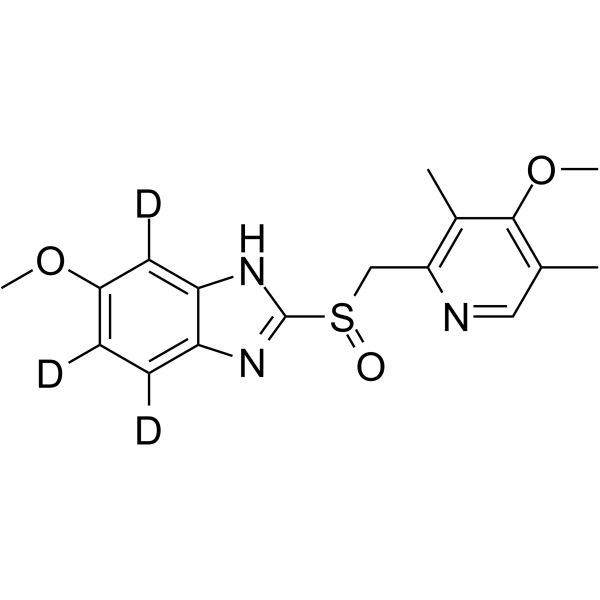
Cat. No.: HY-B0113S1
CAS No.: 934293-92-2
Synonyms: H 16868-d3-1
Omeprazole-d3-1 is the deuterium labeled Omeprazole. Omeprazole-1 (H 16868) is an orally active H +,K +-ATPase inhibitor and a proton pump inhibitor. Omeprazole-1 competitively inhibits CYP2C19, CYP3A4, and CYP2C9 activity. Omeprazole-1 inhibits gastric acid secretion and can be used for acid-related gastrointestinal disorders. Omeprazole-1 inhibits pancreatic cancer cell proliferation, induces apoptosis, autophagosome accumulation (elevated LC3-I and LC3-II levels), oxidative stress, and cytogenetic imbalance, modulates lysosomal transport, reduces inflammatory cytokines. Omeprazole-1 alters small intestinal morphology and magnesium absorption, and induces gastric mucosa morphologic changes. Omeprazole-1 also has neuroprotective and antibacterial effects .
loading...
    loading...
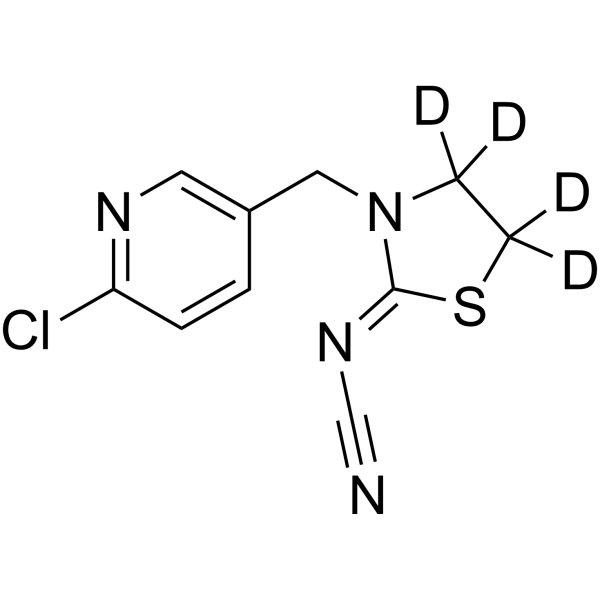
Cat. No.: HY-B1953S
CAS No.: 1793071-39-2
Thiacloprid-d4 is the deuterium labeled Thiacloprid. Thiacloprid is an orally active neurotoxic insecticide and also a nAChR agonist. Thiacloprid reduces the viability of healthy cells, depletes reduced glutathione, and increases MDA levels, thereby inducing cytotoxicity and oxidative stress damage. In practical applications, Thiacloprid has lower acute toxicity to honeybees than other compounds of the same class such as Imidacloprid (HY-B0838), but it still significantly impairs the learning and memory function, immune capacity and survival status of honeybees. Thiacloprid induces intestinal microbial dysbiosis and reduces survival rate in middle-aged honeybees, increases the risk of premature collapse in bumblebee colonies, and significantly decreases the final colony weight and reproductive output. Thiacloprid is used in broad-spectrum agricultural pest control, often alone or in combination with Deltamethrin (HY-B1971), and meets the pest management needs of various crops including potatoes, cabbages, various fruits and vegetables, and nuts .
loading...
    loading...
Cat. No.: HY-N0688R
CAS No.: 13476-25-0
Linderane (Standard) is the analytical standard of Linderane (HY-N0688). This product is intended for research and analytical applications. Linderane is an orally active natural sesquiterpene lactone with blood-brain barrier permeability. Linderane indirectly activates PDE3 by activating ERK/STAT3, thereby inhibiting the cAMP/PKA/CREB signaling pathway and hepatic gluconeogenesis. Linderane protects pancreatic β cells against oxidative damage by inhibiting the activation of the p38 MAPK pathway and activating the Nrf2 pathway. Linderane inhibits cell apoptosis and ameliorates intestinal mucosal inflammation by suppressing the IL-6/JAK/STAT3 signaling pathway. Linderane reduces pain sensitivity and alleviates anxiety-like behaviors by activating cannabinoid receptor 2 (CB2R). Linderane can be used in studies related to type 2 diabetes, ulcerative colitis, and chronic inflammatory pain with anxiety .
loading...
    loading...
Cat. No.: HY-N14116
CAS No.: 8000-78-0
Garlic oil is an orally effective anti-inflammatory, antioxidant, and anticancer agent. Garlic oil inhibits the activation of NF-κB, NFκB2 and NLRP3 inflammasome, and induces the expression of GSTA1, HO-1 and NQO-1. Garlic oil reduces the Bcl-2/Bax protein ratio and activates NNK-induced apoptosis (apoptosis) in lung tissues. Garlic oil attenuates NNK-induced apoptosis in MRC-5 cells and reduces excessive ROS production. Garlic oil alleviates pyroptosis (pyroptosis) and exerts a protective effect against acute lung injury in mice. Garlic oil inhibits lung tumorigenesis in mice and improves small intestinal motility in rats with type 2 diabetes . Garlic oil can be used in research related to acute lung injury, lung cancer, peptic ulcer, type 2 diabetes and hypertension .
loading...
    loading...
Cat. No.: HY-N14116A
CAS No.: 8000-78-0
Garlic oil (synthetic) is an orally effective anti-inflammatory, antioxidant, and anticancer agent. Garlic oil (synthetic) inhibits the activation of NF-κB, NFκB2 and NLRP3 inflammasome, and induces the expression of GSTA1, HO-1 and NQO-1. Garlic oil (synthetic) reduces the Bcl-2/Bax protein ratio and activates NNK-induced apoptosis (apoptosis) in lung tissues. Garlic oil (synthetic) attenuates NNK-induced apoptosis in MRC-5 cells and reduces excessive ROS production. Garlic oil (synthetic) alleviates pyroptosis (pyroptosis) and exerts a protective effect against acute lung injury in mice. Garlic oil (synthetic) inhibits lung tumorigenesis in mice and improves small intestinal motility in rats with type 2 diabetes . Garlic oil (synthetic) can be used in research related to acute lung injury, lung cancer, peptic ulcer, type 2 diabetes and hypertension .
loading...
    loading...
Cat. No.: HY-W250120
CAS No.: 37220-17-0
Konjac glucomannan (Viscosity≥15000mPa.s) is an orally active acetylated (1-4)-β-D-glucomannan with multiple biological activities including anti-diabetic, anti-obesity, anti-inflammatory effects, as well as film-forming and gelling properties. Konjac glucomannan (Viscosity≥15000mPa.s) forms a defensive coating on the intestinal surface, reducing levels of blood glucose, cholesterol, triglycerides and blood pressure; it is specifically degraded by colonic β-mannanase produced by human colonic bacteria. Konjac glucomannan (Viscosity≥15000mPa.s) can be used as a food additive, dietary supplement and excipient for oral colon-targeted drug delivery systems. Konjac glucomannan (Viscosity≥15000mPa.s) is applicable to research related to various diseases such as type 2 diabetes, obesity, atopic dermatitis and metabolic syndrome, as well as research in fields including biotechnology, pharmaceuticals and tissue engineering .
loading...
    loading...
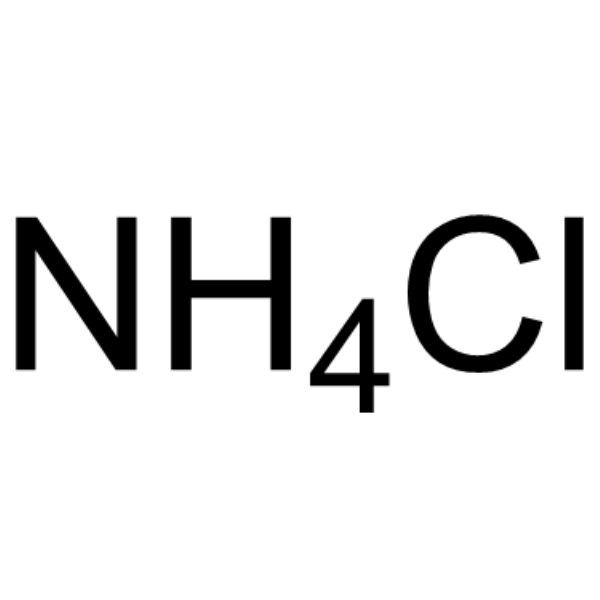
Cat. No.: HY-Y1269H
CAS No.: 12125-02-9
Synonyms: Salmiac, meets analytical specification of Ph. Eur. BP USP FCC
Ammonium chloride, meets analytical specification of Ph. Eur. BP USP FCC (Salmiac, meets analytical specification of Ph. Eur. BP USP FCC) is an inhibitor of Slc26a4 and SMAD2. Ammonium chloride, meets analytical specification of Ph. Eur. BP USP FCC reduces the protein expression level of Slc26a4 in lung tissue, and attenuates ozone-induced increases in proinflammatory cytokines, inflammatory cells, pulmonary resistance, goblet cell hyperplasia, peribronchial inflammation and thiocyanate levels in mouse tissues and bronchoalveolar lavage fluid. Ammonium chloride, meets analytical specification of Ph. Eur. BP USP FCC decreases the level of phosphorylated SMAD2, inhibits autophagy by reducing autophagy-related proteins, and enhances Cisplatin (HY-17394)-induced cancer cell apoptosis and DNA double-strand breaks. Ammonium chloride, meets analytical specification of Ph. Eur. BP USP FCC also inhibits the TCA cycle, reduces ATP production, increases glucose utilization, regulates the levels of lactic acid, glutamic acid and ATP, and induces morphological degeneration of neuroblastoma cells. Ammonium chloride, meets analytical specification of Ph. Eur. BP USP FCC can be used in studies related to ozone-induced airway injury, hepatocellular carcinoma, human cervical cancer, hepatic encephalopathy, Reye syndrome, epilepsy and neurodegenerative diseases .
loading...
    loading...
Cat. No.: HY-175991S
Synonyms: Sodium stearyl sulfate sulfate-d37
Sodium octadecyl sulfate-d37 (Sodium stearyl sulfate-d37) is the deuterium labeled Sodium octadecyl sulfate (HY-W276164). Sodium octadecyl sulfate (Sodium stearyl sulfate) is a long-chain alkyl sodium sulfate that functions as an emulsifier, crosslinking agent, and regulator. Sodium octadecyl sulfate has high safety, with a LD50 greater than 3.00 Gm./Kg for both intraperitoneal injection in mice and oral administration in rats. Sodium octadecyl sulfate enhances continuous contraction of the gastrocnemius muscle in frogs and boosts intestinal smooth muscle activity in albino rats. However, Sodium octadecyl sulfate exerts no significant effect on isolated tortoise myocardium and does not alter the conduction function of frog sciatic nerves. Sodium octadecyl sulfate can also be used to coat the surface of starch aggregates, promote crosslinking and increase aggregate size through hydrophobic and electrostatic interactions, and further form a coexistent B-V type crystalline structure with acid-hydrolyzed gelatinized starch, thereby effectively modifying the structure and surface properties of high-starch systems .
loading...
    loading...
Cat. No.: HY-78036R
CAS No.: 498-24-8
Synonyms: Citronic acid (Standard); Methylfumaric acid (Standard)
Mesaconic acid (Standard) is the analytical standard of Mesaconic acid. This product is intended for research and analytical applications. Mesaconic acid (Citronic acid; Methylfumaric acid) is an orally active anti-inflammatory and antioxidant agent. Mesaconic acid reduces the level of NF-κB in colon tissues, downregulates the expression of Keap1 and Bax, upregulates the expression of Nrf2 and Bcl2, and decreases the expression of Caspase-1. Mesaconic acid reduces the levels of NLRP3, ASC and Casp-1 in colon, liver and kidney tissues. Mesaconic acid reduces pro-inflammatory cytokine levels, increases the level of the anti-inflammatory cytokine IL-10, elevates NAD + levels, regulates oxidative stress markers and antioxidant enzyme levels, and upregulates intestinal barrier proteins in colon, liver and kidney tissues. Mesaconic acid increases the abundance of beneficial gut bacteria and reduces the abundance of harmful gut bacteria in rapidly aging mice, and exhibits anti-aging properties. Mesaconic acid acts as a flame retardant and serves as a competitive inhibitor of fumarate reduction. Mesaconic acid can be used in the research of aging-related inflammation .
loading...
    loading...
Cat. No.: HY-B1580A
CAS No.: 4075-81-4
Synonyms: Bioban-C, meets analytical specification of E282
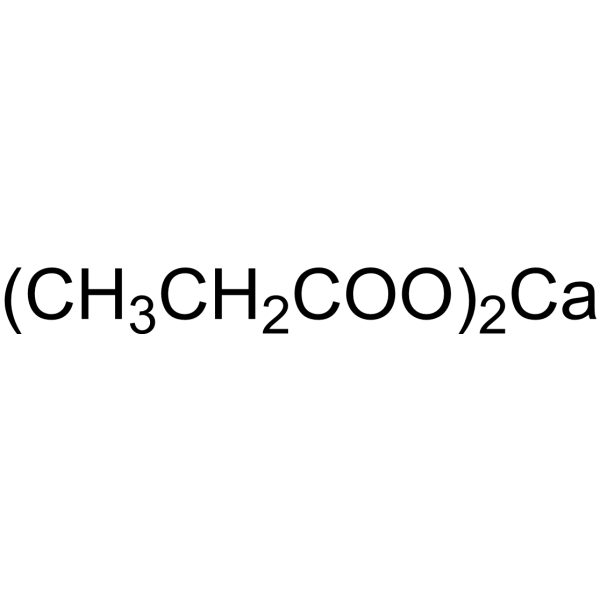
Calcium propionate, meets analytical specification of E282 (Bioban-C, meets analytical specification of E282) is a calcium salt of Propionic acid with oral activity, which can be hydrolyzed into propionate and calcium ions. Calcium propionate, meets analytical specification of E282 elevates intracellular ROS levels in tumor cells, depletes GSH, reduces mitochondrial membrane potential, and thereby induces tumor cell apoptosis. In mouse colitis models, Calcium propionate, meets analytical specification of E282 modulates inflammatory factors such as IFN-γ, calprotectin, and Pglyrp3, ameliorating intestinal inflammation and metabolic disorders. In ruminants, Calcium propionate, meets analytical specification of E282 serves as a gluconeogenic precursor, regulating rumen fermentation and microbial diversity; in high-fat diet rats, it alters gut microbiota composition and affects blood biochemical parameters. Calcium propionate, meets analytical specification of E282 is commonly used as a food and feed additive, and is also used in research related to hypocalcemia, dyslipidemia, colitis, and lung cancer .
loading...
    loading...
Cat. No.: HY-B1953R
CAS No.: 111988-49-9
Research Areas:  

Infection

Thiacloprid (Standard) is the analytical standard of Thiacloprid. This product is intended for research and analytical applications. Thiacloprid is an orally active neurotoxic insecticide and also a nAChR agonist. Thiacloprid reduces the viability of healthy cells, depletes reduced glutathione, and increases MDA levels, thereby inducing cytotoxicity and oxidative stress damage. In practical applications, Thiacloprid has lower acute toxicity to honeybees than other compounds of the same class such as Imidacloprid (HY-B0838), but it still significantly impairs the learning and memory function, immune capacity and survival status of honeybees. Thiacloprid induces intestinal microbial dysbiosis and reduces survival rate in middle-aged honeybees, increases the risk of premature collapse in bumblebee colonies, and significantly decreases the final colony weight and reproductive output. Thiacloprid is used in broad-spectrum agricultural pest control, often alone or in combination with Deltamethrin (HY-B1971), and meets the pest management needs of various crops including potatoes, cabbages, various fruits and vegetables, and nuts .
loading...
    loading...
Cat. No.: HY-N0427
CAS No.: 6873-13-8
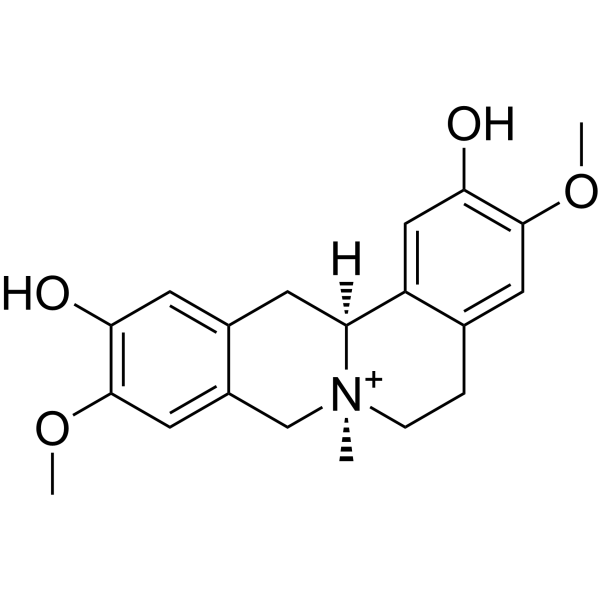
Phellodendrine is an orally active plant alkaloid. Phellodendrine inhibits the proliferation of KRAS-mutated pancreatic cancer cells by suppressing macropinocytosis and glutamine metabolism, inducing ROS accumulation and mitochondrial apoptosis. Phellodendrine promotes autophagy by activating the AMPK/mTOR pathway, alleviating intestinal damage in ulcerative colitis. Phellodendrine can alleviate gouty arthritis by inhibiting the IL-6/STAT3 signaling pathway. Phellodendrine suppresses allergic reactions by altering the conformation of MRGPRB3/MRGPRX2 protein, thereby inhibiting the activation of PKC and subsequent downstream MAPK and NF-κB signaling. Phellodendrine inhibits the AKT/NF-κB pathway and down-regulates the expression of COX-2, thereby protecting zebrafish embryos from oxidative stress. Phellodendrine has an anti-major depressive disorder (MDD) effect by down-regulating CHRM1, HTR1A, and the PI3K/Akt signaling pathway .
loading...
    loading...
Cat. No.: HY-N0442
CAS No.: 84272-85-5
Synonyms: 4'-O-β-D-Glucosyl-5-O-methylvisamminol
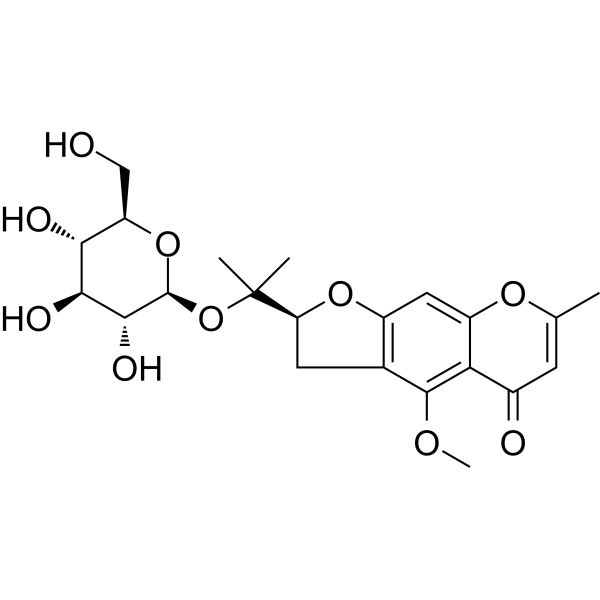
5-O-Methylvisammioside (4'-O-β-D-Glucosyl-5-O-methylvisamminol) is an orally active natural chromone glycoside and multiple biological activities. 5-O-Methylvisammioside inhibits ferroptosis by activating the Nrf2/HO-1 signaling axis. 5-O-Methylvisammioside alleviates intestinal barrier damage by inhibiting the ROS/NF-κB/NLRP3 pathway. 5-O-Methylvisammioside exerts a protective effect against acute liver injury by reducing ALT/AST, decreasing inflammatory infiltration, and inhibiting IκB-α phosphorylation and NF-κB nuclear translocation. 5-O-Methylvisammioside blocks the HMGB1/RAGE/MEK/ERK signaling axis to exert anti-tumor and anti-angiogenic effects. 5-O-Methylvisammioside improves depression-like behaviors by inhibiting Src kinase and the NF-κB pathway .
loading...
    loading...
Cat. No.: HY-N0735R
CAS No.: 104112-82-5
Phellodendrine chloride (Standard) is the analytical standard of Phellodendrine chloride (HY-N0735). Phellodendrine chloride is an orally active plant alkaloid. Phellodendrine chloride inhibits the proliferation of KRAS-mutated pancreatic cancer cells by suppressing macropinocytosis and glutamine metabolism, inducing ROS accumulation and mitochondrial apoptosis. Phellodendrine chloride promotes autophagy by activating the AMPK/mTOR pathway, alleviating intestinal damage in ulcerative colitis. Phellodendrine chloride can alleviate gouty arthritis by inhibiting the IL-6/STAT3 signaling pathway. Phellodendrine chloride suppresses allergic reactions by altering the conformation of MRGPRB3/MRGPRX2 protein, thereby inhibiting the activation of PKC and subsequent downstream MAPK and NF-κB signaling. Phellodendrine chloride inhibits the AKT/NF-κB pathway and down-regulates the expression of COX-2, thereby protecting zebrafish embryos from oxidative stress. Phellodendrine chloride has an anti-major depressive disorder (MDD) effect by down-regulating CHRM1, HTR1A, and the PI3K/Akt signaling pathway.
loading...
    loading...
Cat. No.: HY-N13250
Hawthorn Extract is an orally active hawthorn extract. Hawthorn Extract decreases Bax expression and increases Bcl-2 expression in the aorta. Hawthorn Extract regulates the AMPK signaling pathway, induces apoptosis, enhances the hepatic antioxidant system, and ameliorates symptoms of liver injury, inflammation and cancer. Hawthorn Extract reduces plasma levels of pro-inflammatory factors, increases plasma levels of anti-inflammatory adiponectin, and alleviates atherosclerotic plaque lesions in the aorta. Hawthorn Extract improves symptoms associated with chronic heart failure . Hawthorn Extract inhibits FMLP-induced superoxide anion production, Elastase release, ILB4 generation and calcium signaling in neutrophils, and also reduces LPS-induced cytokine production in neutrophils. Hawthorn Extract induces autophagy and inhibits the proliferation of intestinal stem cells. Hawthorn Extract can be used in research related to atherosclerosis, hepatitis, alcoholic liver disease, non-alcoholic fatty liver disease, hepatocellular carcinoma, chronic heart failure and hypotension .
loading...
    loading...
Cat. No.: HY-130046R
CAS No.: 547-81-9
Synonyms: 16-epi-Estriol (Standard); 16β,17β-Estriol (Standard)
16-Epiestriol (Standard) is the analytical standard of 16-Epiestriol (HY-130046). This product is intended for research and analytical applications. 16-Epiestriol (16-epi-Estriol; 16β,17β-Estriol) is a natural stereoisomer of estriol and an anti-inflammatory agent that targets UGT. The Ki values of 16-Epiestriol against human UGT1A10 and UGT2B7 are 98.1 μM and 162 μM, respectively. As a glucuronidation substrate, 16-Epiestriol can be modified at the 3-OH, 16-OH and 17-OH sites by various UGT enzymes; in liver microsomes, the modification mainly occurs at the 16-OH and 17-OH sites, while reactions take place at all three sites in intestinal microsomes. 16-Epiestriol acts on the phase II inflammatory process by blocking edema mediated by prostaglandins and leukocyte infiltration. It lacks glycogenic activity or any effect on blood glucose levels, and serves as an important candidate molecule in the research of inflammatory diseases .
loading...
    loading...
Cat. No.: HY-B1580B
CAS No.: 4075-81-4
Synonyms: Bioban-C (Pharmaceutical primary standard, USP)
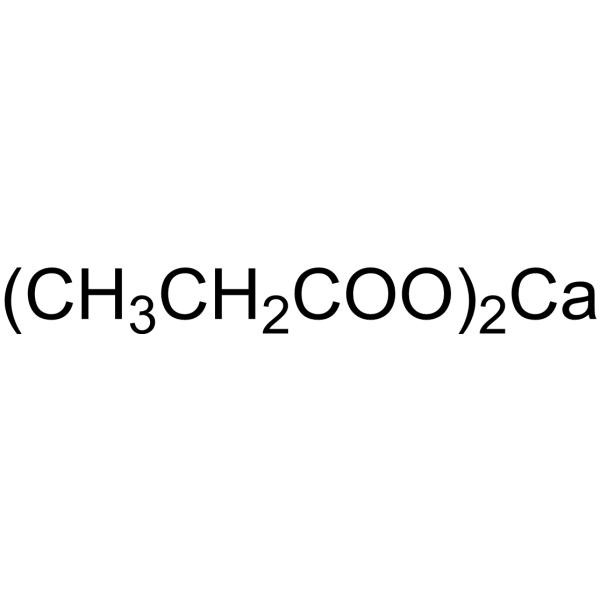
Calcium propionate, United States Pharmacopeia (USP) Reference Standard (Bioban-C (Pharmaceutical primary standard, USP)) is a calcium salt of Propionic acid with oral activity, which can be hydrolyzed into propionate and calcium ions. Calcium propionate, United States Pharmacopeia (USP) Reference Standard elevates intracellular ROS levels in tumor cells, depletes GSH, reduces mitochondrial membrane potential, and thereby induces tumor cell apoptosis. In mouse colitis models, Calcium propionate, United States Pharmacopeia (USP) Reference Standard modulates inflammatory factors such as IFN-γ, calprotectin, and Pglyrp3, ameliorating intestinal inflammation and metabolic disorders. In ruminants, Calcium propionate, United States Pharmacopeia (USP) Reference Standard serves as a gluconeogenic precursor, regulating rumen fermentation and microbial diversity; in high-fat diet rats, it alters gut microbiota composition and affects blood biochemical parameters. Calcium propionate, United States Pharmacopeia (USP) Reference Standard is commonly used as a food and feed additive, and is also used in research related to hypocalcemia, dyslipidemia, colitis, and lung cancer .
loading...
    loading...
Cat. No.: HY-D1056A2
Synonyms: LPS, from Escherichia coli (O127:B8)
Lipopolysaccharides, from E. coli O127:B8 (LPS, from Escherichia coli (O127:B8)) are endotoxins and TLR4 activators extracted from Escherichia coli (E. coli O127:B8) and are classified as S (smooth) type LPS. Lipopolysaccharides, from E. coli O127:B8 possess the typical three-part structure: O-antigen, R3-type core oligosaccharide, and lipid A. Lipopolysaccharides, from E. coli O127:B8 activate TLR-4 in immune cells, can induce inflammatory responses and ileal contractility, and can be used to construct intestinal inflammation models .
It is recommended to prepare a solution with concentration ≥2 mg/mL. Vortex thoroughly for more than 10 minutes. Due to the adsorption characteristics of LPS, silanized container or low adsorption centrifuge tubes should be used for aliquoting and storage, and mix thoroughly before use.
loading...
    loading...
Cat. No.: HY-N0442R
CAS No.: 84272-85-5
Synonyms: 4'-O-β-D-Glucosyl-5-O-methylvisamminol (Standard)
5-O-Methylvisammioside (4'-O-β-D-Glucosyl-5-O-methylvisamminol) (Standard) is the analytical standard of 5-O-Methylvisammioside. This product is intended for research and analytical applications. 5-O-Methylvisammioside is an orally active natural chromone glycoside and multiple biological activities. 5-O-Methylvisammioside inhibits ferroptosis by activating the Nrf2/HO-1 signaling axis. 5-O-Methylvisammioside alleviates intestinal barrier damage by inhibiting the ROS/NF-κB/NLRP3 pathway. 5-O-Methylvisammioside exerts a protective effect against acute liver injury by reducing ALT/AST, decreasing inflammatory infiltration, and inhibiting IκB-α phosphorylation and NF-κB nuclear translocation. 5-O-Methylvisammioside blocks the HMGB1/RAGE/MEK/ERK signaling axis to exert anti-tumor and anti-angiogenic effects. 5-O-Methylvisammioside improves depression-like behaviors by inhibiting Src kinase and the NF-κB pathway.
loading...
    loading...
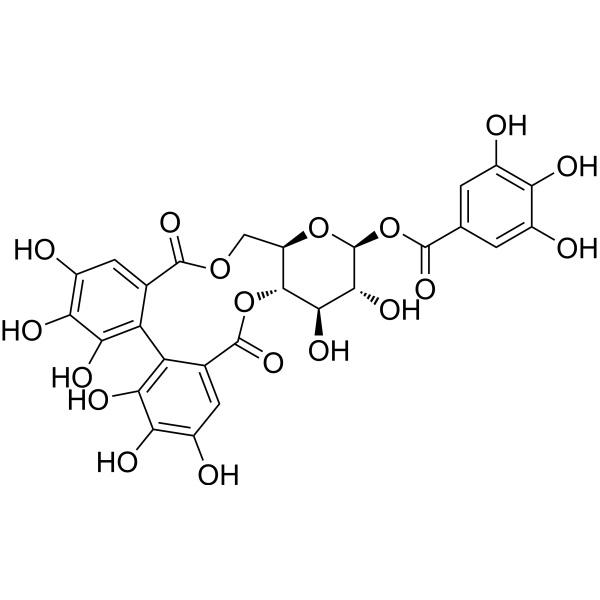
Cat. No.: HY-135319
CAS No.: 517-46-4
Purity:  97.15%
Strictinin is an orally active phenolic compound. Strictinin reduces xanthine oxidase activity, uric acid production, and the activation of ERK1/2, JNK, NF-κB, and NLRP3 inflammasome components in hepatocytes treated with Xanthine (HY-W017389). Strictinin decreases elevated serum uric acid levels and enhanced xanthine oxidase activity in mice treated with potassium oxonate. Strictinin acts as a ROR1 inhibitor and exhibits anticancer activity against highly aggressive non-androgen-dependent prostate cancer. Strictinin induces cancer cell apoptosis (apoptosis), arrests cell cycle, and inhibits cancer cell migration, invasion, and epithelial-mesenchymal transition. Strictinin modulates gut microbiota, inhibits bacterial growth and biofilm formation, accelerates small intestinal transit, and blocks viral entry and replication. Strictinin can be used in research related to hyperuricemia, androgen receptor-negative non-androgen-dependent prostate cancer, triple-negative breast cancer, bacterial infections, constipation, coronavirus infections, dental caries, and infections caused by influenza A, influenza B, and human parainfluenza virus type 1 .
loading...
    loading...

