1325 Results for "

TNF-alpha

" in MedChemExpress (MCE) Product Catalog:
Products (1325)

1325 Results for "TNF-alpha" in MCE Product Catalog:

Cat. No.: HY-N15378
CAS No.: 132541-62-9
β-carotene-15,15ʹ-epoxide is a XIAP antagonist with apoptosis-inducing and antitumor activity, found in the leaves of Spondias mombin. In a DMBA (HY-W011845)-induced rat model of breast cancer, β-carotene-15,15ʹ-epoxide binds to the BIR3 domain of the anti-apoptotic protein XIAP, blocking its interaction with caspase-9 and thereby promoting tumor cell apoptosis. In addition, β-carotene-15,15ʹ-epoxide significantly downregulates the expression of BCL-2, COX-2, and TNF-α in tumor tissues, reduces MDA levels, increases catalase activity, and modulates serum levels of LDH, ALP, and ALT, demonstrating strong antioxidant, anti-inflammatory, and metabolic protective effects. β-carotene-15,15ʹ-epoxide may be used in research on inflammation-related conditions and cancers such as breast cancer .
loading...
    loading...
Cat. No.: HY-N16527
CAS No.: 233690-85-2
7-O-Galloyl-D-sedoheptulose is an orally effective polyphenolic compound. 7-O-Galloyl-D-sedoheptulose lowers the serum levels of glucose, leptin, insulin, C-peptide, resistin, TNF-α, IL-6, and increases the serum level of adiponectin. 7-O-Galloyl-D-sedoheptulose significantly reduces the levels of ROS and lipid peroxidation products (TBARS) by down-regulating the protein expression of NADPH oxidase subunit Nox-4 and p22phox. 7-O-Galloyl-D-sedoheptulose down-regulates NF-κB and related pro-inflammatory factors (COX-2, iNOS), inhibits the phosphorylation of JNK and the activity of its downstream AP-1. 7-O-Galloyl-D-sedoheptulose reduces the expression of TGF-β1 and fibronectin, indicating its potential in anti-tissue fibrosis. 7-O-Galloyl-D-sedoheptulose can be used for the study of type 2 diabetes and its hepatic and pancreatic complications .
loading...
    loading...
Cat. No.: HY-N2473R
CAS No.: 94367-42-7
Methylnissolin-3-O-glucoside (Standard) is the analytical standard of Methylnissolin-3-O-glucoside (HY-N2473). This product is intended for research and analytical applications. Methylnissolin-3-O-glucoside is a flavonoid glycoside derivative of Methylnissolin (HY-N2484). Methylnissolin-3-O-glucoside is isolated from plants of the genus Astragalus (Leguminosae). Methylnissolin-3-O-glucoside effectively induces the expression of AKT/Nrf2 and its downstream target genes HO-1 and NQO1. Methylnissolin-3-O-glucoside inhibits TNF-α-induced phosphorylation of MEK and ERK . Methylnissolin-3-O-glucoside exhibits free radical scavenging activity. Methylnissolin-3-O-glucoside inhibits cell proliferation and cell migration. Methylnissolin-3-O-glucoside is used in research on esophageal squamous cell carcinoma .
loading...
    loading...
Cat. No.: HY-N4267
CAS No.: 13060-14-5
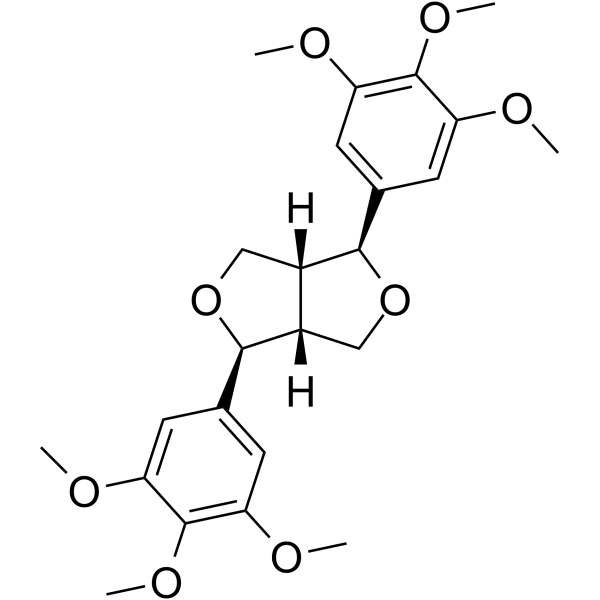
Yangambin is a PAF receptor antagonist and UGT1A1/UGT1A3 inhibitor, with an IC50 of 29.7 μM and a Ki of 17.1 μM against human UGT1A1, and an IC50 of 56.5 μM and a Ki of 66.8 μM against human UGT1A3. Yangambin blocks PAF-mediated responses, inhibits LTB4-mediated neutrophil infiltration, and suppresses inflammatory events and anaphylactic contraction. Yangambin acts as a central nervous system inhibitor to reduce spontaneous activity, and also exhibits analgesic, anticonvulsant, antileishmanial, vasodilatory and hypotensive effects. Yangambin blocks voltage-gated Ca 2+ channels, reduces the production of NO, TNF-α, IL-6 and PGE2 in cells, increases the production of IL-10, and exerts a protective effect against cardiovascular injury. Yangambin can be used in research related to allergies, cutaneous leishmaniasis, central nervous system diseases and cardiovascular diseases .
loading...
    loading...
Cat. No.: HY-N6973R
CAS No.: 476-70-0
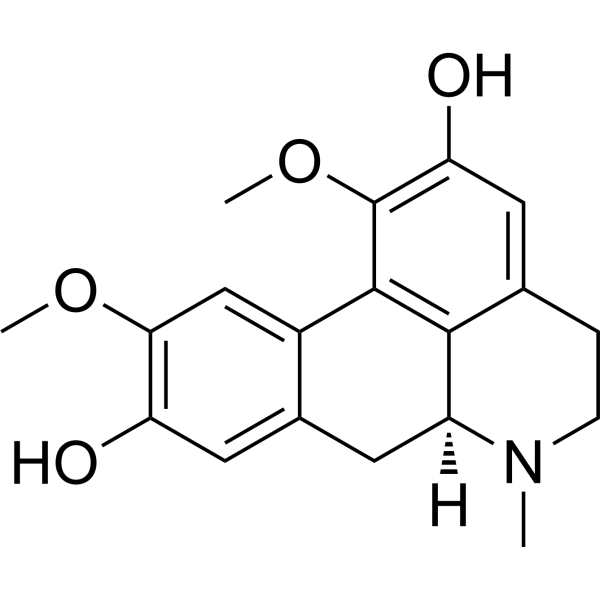
Boldine (Standard) is the analytical standard of Boldine (HY-N6973). This product is intended for research and analytical applications. Boldine is an aporphine alkaloid telomerase (telomerase) inhibitor (IC50 of 0.17 μM for TERT) and a pannexin/connexin hemichannel blocker, with oral activity and blood-brain barrier permeability. Boldine inhibits telomerase activity through direct interaction with the telomerase ribonucleoprotein and non-competitive binding near the TERT active site, and downregulates hTERT mRNA while shifting alternative splicing toward non-functional transcripts. Boldine blocks Panx1, Cx43, Cx26, and Cx30 hemichannels as well as P2X7 receptor-mediated calcium influx. Boldine exhibits antioxidant, anti-inflammatory, antiproliferative, and cytotoxic activities by scavenging ROS, inhibiting NFκB, dephosphorylating SGK1, and reducing TNF-alpha levels. Boldine can be used in research on breast cancer, Alzheimer's disease, glioblastoma, diabetes, and spinal cord injury .
loading...
    loading...
Cat. No.: HY-164919
CAS No.: 2847102-44-5
Synonyms: XMT-2056
Calotatug ginistinag (XMT-2056) is an antibody-drug conjugate (ADC) targeting HER2, linked to a payload composed of XMT-1519 conjugate-1 (HY-148067) and STING agonist-20 (HY-148068). Calotatug ginistinag activates the STING signaling pathway in tumor cells and tumor-resident immune cells, induces the production of type I interferons and cytokines (CXCL10, IFN-β, IL-6, TNF-α, triggers innate anti-tumor immune responses, and exerts a bystander effect. Calotatug ginistinag exhibits efficacy against HER2-expressing cancer cells in co-culture with PBMCs. Calotatug ginistinag induces tumor regression and reduces systemic inflammation in various tumor models. Combination treatment with Calotatug ginistinag, Trastuzumab (HY-P9907) and T-DXd (HY-138298) yields benefits. Calotatug ginistinag can be used in studies related to HER2-expressing solid tumors such as breast cancer, gastric cancer and ovarian cancer .
loading...
    loading...
Cat. No.: HY-168384
CAS No.: 875158-73-9
Domaines de recherche:  

Inflammation/Immunology

M04 is an agonist of STING. It induces the expression of the IFN reporter gene in HEK293T cells expressing wild-type human STING, but does not induce this expression in HEK293T cells expressing the R71H-G230A-R293Q (HAQ) STING variant or in mouse RAW 264.7 cells, indicating that its activity is dependent on allelic and species variations. M04 induces the production of TNF-α, IL-10, IL-1β, and IL-12p70 in human peripheral blood mononuclear cells (PBMCs). At a concentration of 50 µM, M04 stimulates dendritic cells isolated from PBMCs to express the MHC class II cell surface receptor HLA-DR and co-stimulatory molecules CD40, CD80, and CD86, and also enhances their ability to activate T cells in an ex vivo assay. M04 can be used in research on inflammatory immune diseases .
loading...
    loading...
Cat. No.: HY-183764
COX-2/5-LOX-IN-8 is an orally active dual COX-2/5-LOX inhibitor, with an IC50 of 6.30 μM against sheep-derived COX-2 and an IC50 of 8.09 μM against 5-LOX. COX-2/5-LOX-IN-8 acts as a membrane stabilizer that stabilizes erythrocyte membranes against hypotonicity-induced hemolysis. COX-2/5-LOX-IN-8 functions as a protein stabilizer that inhibits heat-induced denaturation of bovine serum albumin. COX-2/5-LOX-IN-8 reduces paw swelling, improves hind limb weight-bearing function, decreases serum levels of pro-inflammatory cytokines (TNF-α, IL-1β, IL-6, CRP), and lowers serum levels of cartilage degradation biomarkers (COMP, MMP-3, CTX-II). COX-2/5-LOX-IN-8 can be used in the research of osteoarthritis .
loading...
    loading...
Cat. No.: HY-N0278A
CAS No.: 90921-11-2
Synonyms: (Rac)-Pulsatilla camphor; (Rac)-Anemonine
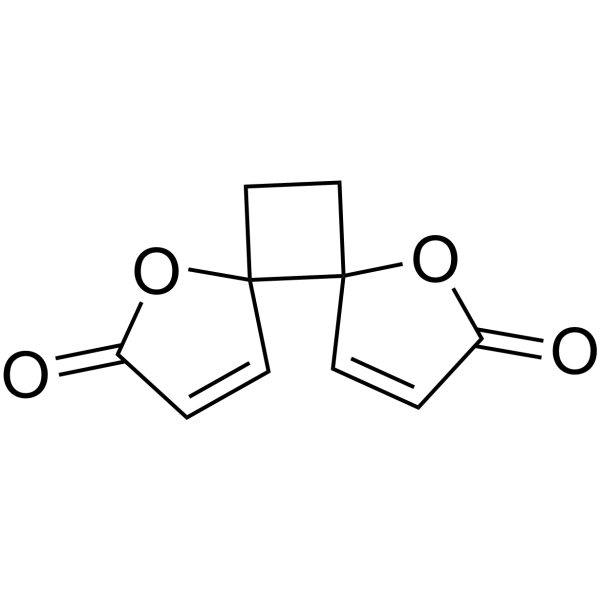
(Rac)-Anemonin ((Rac)-Pulsatilla camphor; (Rac)-Anemonine) is an isomer of Anemonin. Anemonin is a naturally occurring bislactone small molecule derived from Ranunculaceae with blood-brain barrier permeability, possessing a variety of activities including anti-inflammatory, antioxidant, neuroprotective, melanogenesis-inhibiting, and antiparasitic effects. Anemonin inhibits iNOS to reduce NO release; it inhibits PKC-θ protein expression and downregulates the pro-inflammatory factors TNF-α, IL-1β, and IL-6; it enhances the activities of the antioxidant enzymes SOD, CAT, and GSH-Px, and reduces MDA and ROS levels. Anemonin modulates the Bcl-2 / Bax / caspase-3 pathway to inhibit apoptosis; it downregulates melanogenesis-related molecules including MITF, TYR, TRP1, and TRP2, thereby inhibiting melanin synthesis in human melanocytes. Anemonin inhibits Leishmania and Schistosoma mansoni. Anemonin is used in research related to diseases such as hyperpigmentation, cerebral ischemia/reperfusion injury, inflammation, sepsis-induced acute lung injury, acute ulcerative colitis, leishmaniasis, and schistosomiasis .
loading...
    loading...
Cat. No.: HY-N13817
CAS No.: 56682-25-8
(8R,12R,13R)-8,12-Epoxylabd-14-en-13-ol is a diterpene found in Abies georgei. (8R,12R,13R)-8,12-Epoxylabd-14-en-13-ol is a nuclear factor kappa B (NF-κB) inhibitor that inhibits TNFα-triggered NF-κB activity (IC50 = 8.7 μg/mL). (8R,12R,13R)-8,12-Epoxylabd-14-en-13-ol exhibits anti-inflammatory activity and can inhibit NO production. (8R,12R,13R)-8,12-Epoxylabd-14-en-13-ol shows significant cytotoxicity against tumor cells .
loading...
    loading...
Cat. No.: HY-N5073
CAS No.: 178468-00-3
Synonyms: 4''-O-Glucosylvitexin
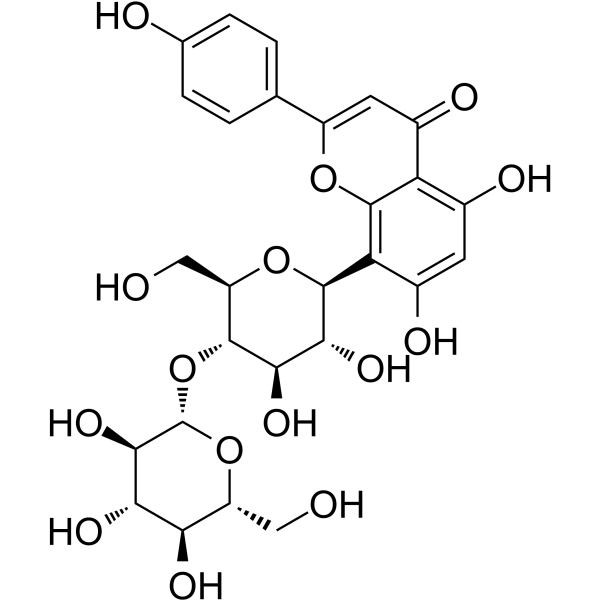
Vitexin-4''-O-glucoside (4''-O-Glucosylvitexin) is an orally active natural flavonoid component with multiple pharmacological effects including antioxidation, anti-inflammation, cytoprotection and anti-apoptosis. Vitexin-4''-O-glucoside regulates the MAPK signaling pathway by downregulating the phosphorylation levels of JNK and p38, thereby blocking endoplasmic reticulum stress responses. Vitexin-4''-O-glucoside alleviates oxidative stress by reducing MDA content and upregulating the activities of SOD and CAT, attenuates inflammation by downregulating the expressions of inflammatory factors TNF-α, IL-1β and IL-6, and also reduces LDH release and inhibits caspase-3 activation. Vitexin-4''-O-glucoside effectively improves drug-induced acute liver injury and exerts significant protective effects against myocardial hypoxia/reoxygenation injury. Vitexin-4''-O-glucoside can be used in studies on acute liver injury, cardiovascular diseases and myocardial hypoxia-reoxygenation injury .
loading...
    loading...
Cat. No.: HY-P992401
M802 is an anti-HER2/CD3 bispecific antibody, with a Kd of 0.578 nM for human HER2 and a Kd of 71.2 nM for human CD3. M802 inhibits the PI3K/AKT and MAPK signaling pathways, suppresses tumor cell proliferation, activates caspase-3, and promotes tumor cell apoptosis (apoptosis). M802 recruits and activates CD3-positive immune cells, mediates cytotoxicity against HER2-positive tumor cells, and induces immune cells to secrete IFN-γ, TNF-α, IL-2 and IL-6. M802 exhibits anti-tumor efficacy in mice with gastric cancer xenografts. M802 can be used in research related to HER2-positive breast cancer, HER2-positive gastric cancer and other cancers. The recommended isotype control is human IgG1 kappa (HY-P99001) .
loading...
    loading...
Cat. No.: HY-141439
CAS No.: 936475-62-6
TBE 31 is an orally active Keap1/Nrf2 pathway activator and NQO1 inducer with a Dm value of 1.1 nM for NQO1. TBE 31 binds to cysteine residues of Keap1, inhibits ubiquitination and degradation of Nrf2, thereby activating the expression of ARE-dependent genes. TBE 31 induces cytoprotective enzymes including NQO1 and GST isoforms, promotes Nrf2 accumulation, and upregulates Nrf2-regulated genes related to antioxidation and lipid metabolism. TBE 31 inhibits pro-inflammatory responses, formation of AFB1-DNA adducts, endoplasmic reticulum stress, cell apoptosis (apoptosis), hepatic fibrosis, oxidative stress, and the expression of ChREBP. TBE 31 reduces the number of tumors in a mouse model of ultraviolet-induced skin carcinogenesis. TBE 31 enhances nerve growth factor-induced neurite outgrowth. TBE 31 attenuates LPS-induced serum TNF-α levels and immobility time in mice. TBE 31 can be used in research related to liver cancer, skin cancer, inflammation-related depression, and non-alcoholic steatohepatitis .
loading...
    loading...
Cat. No.: HY-B0819
CAS No.: 14816-18-3
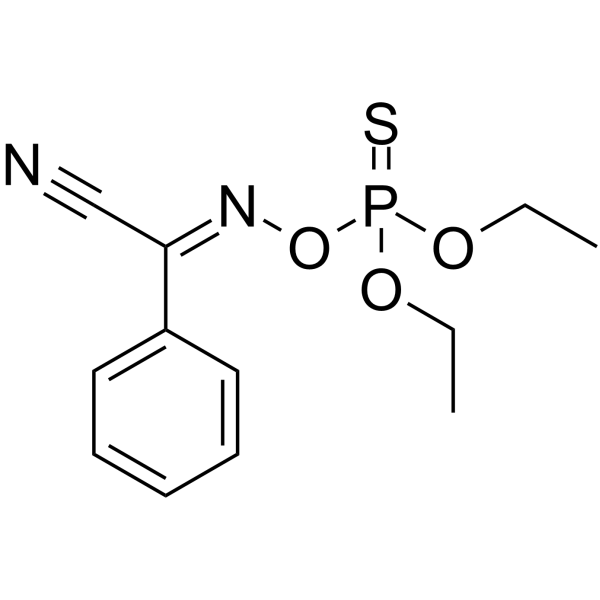
Phoxim is an organophosphorus pesticide and an orally active inhibitor of cholinesterase and CYP3A, which induces neurotoxicity in Caenorhabditis elegans and causes nephrotoxicity characterized by glomerular atrophy and interstitial fibrosis. Phoxim induces inhibition of the autophagy pathway. Phoxim induces dopaminergic neuron degeneration and exacerbates Aβ-induced paralysis. Phoxim damages enterocytes and disrupts intestinal barrier integrity. Phoxim induces ROS accumulation. Phoxim induces mitochondrial apoptosis, involving upregulation of Bad, Bax, caspase-3, and caspase-9 and downregulation of Bcl-2. Phoxim inhibits mitochondrial functional enzymes (COX, Ca 2+-Mg 2+-ATPase, SDH). Phoxim upregulates Nrf2 mRNA expression in the jejunal mucosa. Phoxim increases TNF-α and decreases IL-6 and IL-8 in the intestinal mucosa. Phoxim alters gut microbial composition by increasing total bacteria and Escherichia coli and reducing Lactobacillus. Phoxim enhances energy metabolism in silver carp by upregulating key glycolytic and gluconeogenic enzymes. Phoxim is used in research on neurodegenerative diseases, nephrotoxicity, intestinal oxidative stress and barrier dysfunction, and bacterial sepsis .
loading...
    loading...
Cat. No.: HY-W923189
CAS No.: 106-26-3
Neral is a plant-derived anti-inflammatory, antioxidant and anticancer agent. Neral inhibits the phosphorylation of ERK1/2, p38 MAPK and IκB in macrophages induced by LPS (HY-D1056), suppresses the secretion of TNF-α and IL-6, as well as the expression of pro-IL-1β, iNOS and COX-2 in cells, and reduces the production of ROS in cells. Neral inhibits the activation of the NLRP3 inflammasome, and decreases the activation of caspase-1 and the secretion of IL-1β in mouse macrophages. Neral induces autophagy, and exhibits antiproliferative activity both in in vitro breast cancer cell models and mouse xenograft models. Neral regulates brassinosteroid, jasmonic acid and ethylene signaling pathways, and induces the expression of AP2/ERF-ERF and bHLH family genes in rice roots. Neral acts as a herbicide safener, alleviates the damage induced by Fenoxaprop-P-ethyl (HY-B2013), and promotes the elongation of rice roots. Neral can be used in research related to breast cancer, inflammatory and immune system diseases, and herbicide safeners .
loading...
    loading...
Cat. No.: HY-171906A
Synonyms: 1-Arachidonoyl-sn-glycerol 3-phosphate sodium; 1-Arachidonoyl LPA sodium; LPA (20:4) sodium
Target:  

LPL Receptor

Domaines de recherche:  

Cancer

1-Arachidonoyl-2-hydroxy-sn-glycero-3-PA (sodium) (1-Arachidonoyl-sn-glycerol 3-phosphate (sodium)) is a phospholipid with arachifonic acid at the sn-1 position. 1-Arachidonoyl-2-hydroxy-sn-glycero-3-PA (sodium) binds to the LPA2/EDG4 receptor (EC50 of 10 nM). 1-Arachidonoyl-2-hydroxy-sn-glycero-3-PA (sodium) can be found in rat brain as 37% of the arachidoinic acid-containing lysophosphatidic acid species. 1-Arachidonoyl-2-hydroxy-sn-glycero-3-PA (sodium) is the precursor to 1-arachidonoyl glycerol. 1-Arachidonoyl-2-hydroxy-sn-glycero-3-PA (sodium) can prevent TNF-α and IL-6 secretion in wild type LPS-stimulated dendritic cells. 1-Arachidonoyl-2-hydroxy-sn-glycero-3-PA (sodium) reduces differentiation of HT-29 colon carcinoma cells into goblet cells when sodium butyrate is present .
loading...
    loading...
Cat. No.: HY-181163
Caspase-3/7 activator 4 is a caspase-3 activator and caspase-7 activator. Caspase-3/7 activator 4 inhibits key enzymes in estrogen biosynthesis, including aromatase (IC50 = 38.3 nM) and steroid sulfatase (IC50 = 12.7 µM), and selectively suppresses COX-2 (IC50 = 5.38 µM). Caspase-3/7 activator 4 shows strong antioxidant activity (DPPH: IC50 = 16.26 µM). Caspase-3/7 activator 4 inhibits estrogen synthesis, suppresses estrogen availability, reduces prostaglandin production, increases caspase-3/7 expression, induces G0/G1 cell cycle arrest, induces apoptotic cell death, reduces circulating TNF-α and VEGFR-II levels, restores hepatorenal function markers and histoarchitecture, restores antioxidant defense enzyme activity, reduces lipid peroxidation, exerts antiproliferative activity against breast cancer cells, exerts antitumor activity in the Ehrlich ascites carcinoma models. Caspase-3/7 activator 4 can be used for the research of breast cancer, ehrlich ascites carcinoma .
loading...
    loading...
Cat. No.: HY-N13828
CAS No.: 484678-79-7
1-Prenyl-2-methoxy-6-formyl-8-hydroxy-9H-carbazole (Compound 19) is a carbazole alkaloid that can be isolated from Murraya koenigii. 1-Prenyl-2-methoxy-6-formyl-8-hydroxy-9H-carbazole exhibits anti-inflammatory and antimicrobial activities. 1-Prenyl-2-methoxy-6-formyl-8-hydroxy-9H-carbazole can inhibit the production of pro-inflammatory cytokines TNF-α and IL-6 . 1-Prenyl-2-methoxy-6-formyl-8-hydroxy-9H-carbazole has IC50 values of 10.9 μM and 95 μM for Bacillus cereus and Staphylococcus aureus, respectively. 1-Prenyl-2-methoxy-6-formyl-8-hydroxy-9H-carbazole can be used in the research of inflammatory and infectious diseases .
loading...
    loading...
Cat. No.: HY-N2110
CAS No.: 2543-94-4
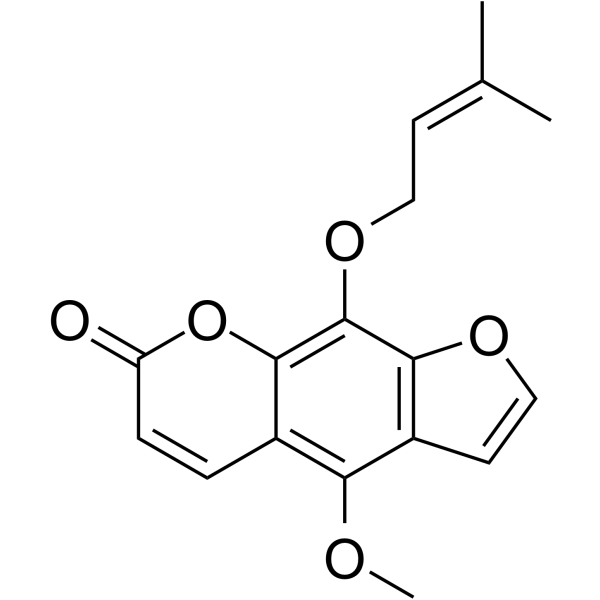
Phellopterin, an orally active furocoumarin with multiple biological activities. Phellopterin is a partial agonist of the central benzodiazepine receptors. Phellopterin exerts anti-inflammatory effects by upregulating SIRT1, downregulating ICAM-1 (reducing chronic inflammation, aiding diabetic ulcer healing), inhibiting STAT3 phosphorylation (easing atopic dermatitis inflammation), regulating Akt/PKC pathways (lowering TNF-α-induced VCAM-1 to block monocyte adhesion), and inhibiting TLR4/NF-κB pathway and macrophage M2 polarization (alleviating colitis-related cancers). Phellopterin suppresses ovarian cancer progression via inhibiting the PU.1/CLEC5A/PI3K-AKT loop (inducing cell cycle arrest, apoptosis, DNA damage). Phellopterin alleviates murine diabetes by promoting adipocyte differentiation and increasing PPARγ. Phellopterin also has anti-HSV-1 activity. Phellopterin can be used for studying anti-inflammation, anti-cancer (e.g., ovarian cancer, colitis cancer), blood glucose lowering, anti-diabetes, and anti-virus .
loading...
    loading...
Cat. No.: HY-N2110R
CAS No.: 2543-94-4
Phellopterin (Standard) is the analytical standard of Phellopterin. Phellopterin, an orally active furocoumarin with multiple biological activities. Phellopterin is a partial agonist of the central benzodiazepine receptors. Phellopterin exerts anti-inflammatory effects by upregulating SIRT1, downregulating ICAM-1 (reducing chronic inflammation, aiding diabetic ulcer healing), inhibiting STAT3 phosphorylation (easing atopic dermatitis inflammation), regulating Akt/PKC pathways (lowering TNF-α-induced VCAM-1 to block monocyte adhesion), and inhibiting TLR4/NF-κB pathway and macrophage M2 polarization (alleviating colitis-related cancers). Phellopterin suppresses ovarian cancer progression via inhibiting the PU.1/CLEC5A/PI3K-AKT loop (inducing cell cycle arrest, apoptosis, DNA damage). Phellopterin alleviates murine diabetes by promoting adipocyte differentiation and increasing PPARγ. Phellopterin also has anti-HSV-1 activity. Phellopterin can be used for studying anti-inflammation, anti-cancer (e.g., ovarian cancer, colitis cancer), blood glucose lowering, anti-diabetes, and anti-virus.
loading...
    loading...

