1. Search Result
Search Result
Results for "

Aβ-IN-6

" in MedChemExpress (MCE) Product Catalog:

134

Inhibitors & Agonists

1

Screening Libraries

1

Fluorescent Dyes

5

Biochemical Assay Reagents

7

Peptides

2

Inhibitory Antibodies

38

Natural
Products

5

Isotope-Labeled Compounds

1

Click Chemistry

2

Oligonucleotides

Cat. No. Product Name Target Research Areas Chemical Structure
  • HY-110133
    JTE-607
    5 Publications Verification

    Interleukin Related Inflammation/Immunology
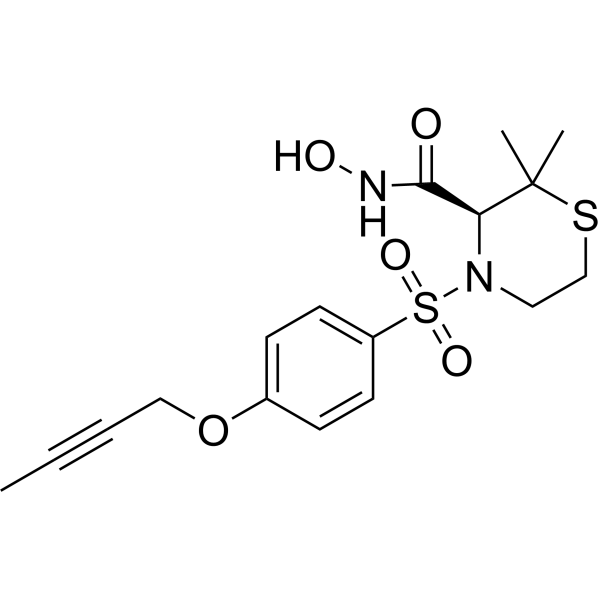
    JTE-607, a highly selective inflammatory cytokine synthesis inhibitor, protects from endotoxin shock in mice. JTE-607 inhibits inflammatory cytokine production, including TNF-α, IL-1β, IL-6, IL-8 and IL-10, from LPS-stimulated human PBMCs, with IC50s of 11, 5.9, 8.8, 7.3 and 9.1 nM, respectively . Cleavage and Polyadenylation Specificity Factor 3 (CPSF3) is the target of JTE-607 .
    JTE-607
  • HY-P1924

    Lipocalin Family Interleukin Related Inflammation/Immunology
    IRBP (651-670) human, mouse is an epitope and uveitis inducer naturally processed from the conserved region of native IRBP. IRBP (651-670) human, mouse increases the levels of proinflammatory cytokines in ocular tissues (IL-1β, IL-6, TNFα, IL-17A and IL-17F). IRBP (651-670) human, mouse is a IRBP fragment conserved among human, mouse and bovine species. IRBP (651-670) human, mouse induces experimental autoimmune uveitis. IRBP (651-670) human, mouse is applicable to research related to experimental autoimmune uveitis .
    IRBP(651-670) human, mouse
  • HY-P99555

    OPN-305

    Toll-like Receptor (TLR) MyD88 NOD-like Receptor (NLR) Tau Protein Interleukin Related Cardiovascular Disease Neurological Disease Inflammation/Immunology Cancer
    Tomaralimab (OPN-305) is a humanized anti-TLR2 IgG4 monoclonal antibody. Tomaralimab inhibits TLR2, MyD88, NLRP3, and reduces pro-inflammatory cytokine (IL-1β, IL-6, IL-8) production. Tomaralimab reduces tau pathology. Tomaralimab improves cognition, atopic dermatitis. Tomaralimab has anticancer effects on pancreatic ductal adenocarcinoma. Tomaralimab is being studied in myelodysplastic syndrome (MDS), atopic dermatitis, pancreatic ductal adenocarcinoma, Alzheimer's disease, and myocardial ischemia/reperfusion injury .
    Tomaralimab
  • HY-170621

    STAT NO Synthase COX Interleukin Related TNF Receptor Neurological Disease Metabolic Disease Inflammation/Immunology Cancer
    STAT1/3-IN-1 is a potent STAT1/3 inhibitor with potent anti-inflammatory effect. STAT1/3-IN-1 inhibits phosphorylation and nuclear translocation of STAT1/3 to modulate microglial inflammation, reduces LPS (HY-D1056)-induced pro-inflammatory cytokines (NO, IL-1β, IL-6, and TNF-α) and inflammatory mediators (iNOS, COX-2). STAT1/3-IN-1 exhibits low toxicity in mice. STAT1/3-IN-1 can be used for the research of neuroinflammation .
    STAT1/3-IN-1
  • HY-129113

    COX Inflammation/Immunology
    α-Chaconine inhibits the expressions of COX-2, IL-1β, IL-6, and TNF-α at the transcriptional level. α-Chaconine inhibits the LPS-induced expressions of iNOS and COX-2 at the protein and mRNA levels and their promoter activities in RAW 264.7 macrophages. Anti-inflammatory effects .
    α-​Chaconine
  • HY-B0419
    Manidipine
    3 Publications Verification

    Calcium Channel Interleukin Related Cardiovascular Disease Neurological Disease Endocrinology
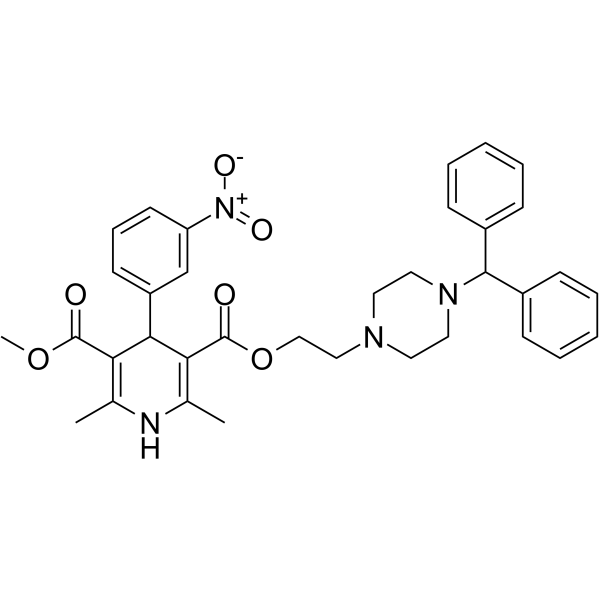
    Manidipine is an orally active calcium channel antagonist. Manidipine regulates the expression of cytokines (IL-1β, IL-6). Manidipine has a hypotensive effect. Manidipine can be used in the study of cardiovascular diseases (such as hypertension, myocardial ischemia-reperfusion injury, ventricular hypertrophy), kidney diseases (such as glomerular diseases), and epilepsy [6] .
    Manidipine
  • HY-117878
    ML345
    1 Publications Verification

    IDE NOD-like Receptor (NLR) Interleukin Related Inflammation/Immunology Endocrinology
    ML345 is a potent and selective inhibitor of insulin-degrading enzyme (IDE) and NLRP3, with an IC50 of 188 nM against IDE. ML345 targets the Cys819 residue of IDE to inhibit IDE. ML345 selectively binds to NLRP3 in a non-covalent manner. ML345 inhibits inflammatory cytokines (IL-1β, IL-6) and exhibits potent anti-inflammatory activity. ML345 exerts a protective effect against miscarriage .
    ML345
  • HY-10406
    Talmapimod
    3 Publications Verification

    SCIO-469

    p38 MAPK TNF Receptor Interleukin Related VEGFR Apoptosis Neurological Disease Metabolic Disease Inflammation/Immunology Cancer
    Talmapimod (SCIO-469) is an orally active and selective inhibitor of p38α MAPK with an IC50 of 9 nM. Talmapimod inhibits the secretion of inflammatory factors (such as TNFα, IL-1β, IL-6, and VEGF) by suppressing the p38α MAPK pathway, and it also inhibits angiogenesis and osteoclast activation. Talmapimod inhibits the growth of multiple myeloma cells and induces apoptosis. Talmapimod can be used to study various hematological malignancies (such as multiple myeloma, myelodysplastic syndrome) .
    Talmapimod
  • HY-N4288
    4-Methylesculetin
    3 Publications Verification

    Glutathione Peroxidase Cathepsin Phosphatase Inflammation/Immunology Cancer
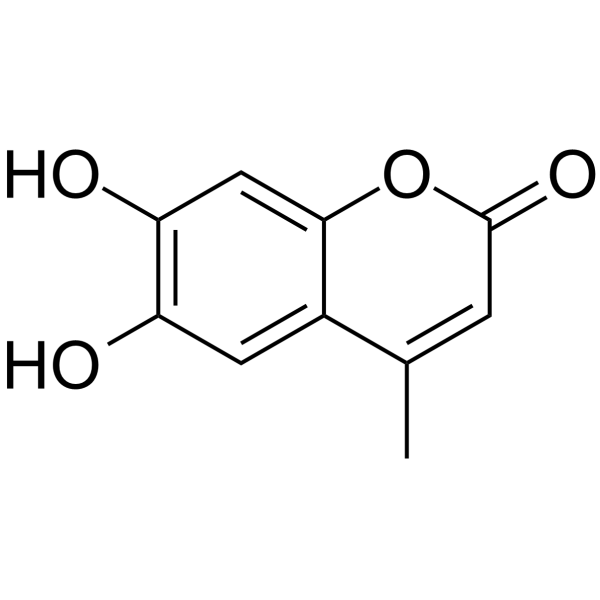
    4-Methylesculetin is an orally active coumarin derivative, with potent anti-oxidant and anti-inflammatory activities. 4-Methylesculetin inhibits myeloperoxidase activity. 4-Methylesculetin protects bone resorption by reducing the elevated levels of bone-joint exoglycosidases, cathepsin-D and tartrate resistant acid phosphatases. 4-Methylesculetin ameliorats the upregulated non-enzymatic inflammatory markers like TNF-α, IL-1β, IL-6, COX-2 and PGE2, which is promising for research of inflammatory diseases .
    4-Methylesculetin
  • HY-19744
    T6167923
    Maximum Cited Publications
    15 Publications Verification

    MyD88 Inflammation/Immunology
    T6167923 is a selective inhibitor of MyD88-dependent signaling pathways. T6167923 directly binds to Toll/IL1 receptor (TIR) domain of MyD88 and disrupts MyD88 homodimeric formation. T6167923 inhibits NF-κB driven Staphylococcus enterotoxin AP (SEAP) activity, and improves anti-inflammatory activity with IC50s of 2.7 μM, 2.9 μM, 2.66 μM and 2.66 μM for IFN-γ, IL-1β, IL-6 and TNF-α, respectively .
    T6167923
  • HY-141626S

    Isotope-Labeled Compounds Drug Metabolite Endocrinology
    6β-Hydroxytestosterone-d7 is a deuterated labeled 6β-Hydroxytestosterone. 6β-Hydroxytestosterone is a major metabolite of Testosterone .
    6β-Hydroxytestosterone-d7
  • HY-B2162D

    ChondroitIN polysulfate (from chicken)

    ERK p38 MAPK Interleukin Related TNF Receptor Prostaglandin Receptor MMP Endogenous Metabolite Inflammation/Immunology
    Chondroitin sulfate (from chicken) (Chondroitin polysulfate (from chicken)) is an orally active, sulfated linear polysaccharide extracted from chickens, which belongs to glycosaminoglycans. Chondroitin sulfate (from chicken) reduces the phosphorylation levels of ERK1/2 and p38MAPK, inhibits the expression of inflammatory cytokines and MMP, and downregulates the levels of IL-1β, IL-6, TNF-α and PGE2. Chondroitin sulfate (from chicken) improves motor function, protects cartilage tissue, reverses chondrocyte aggregation, and regulates the structure of intestinal flora. Chondroitin sulfate (from chicken) can be used in research related to osteoarthritis .
    Chondroitin sulfate (from chicken)
  • HY-N0695
    Schisantherin B
    1 Publications Verification

    GomisIN-B; Wuweizi ester-B; SchisantherIN-B

    PI3K Akt mTOR GSK-3 Tau Protein TNF Receptor Interleukin Related Apoptosis Neurological Disease Inflammation/Immunology
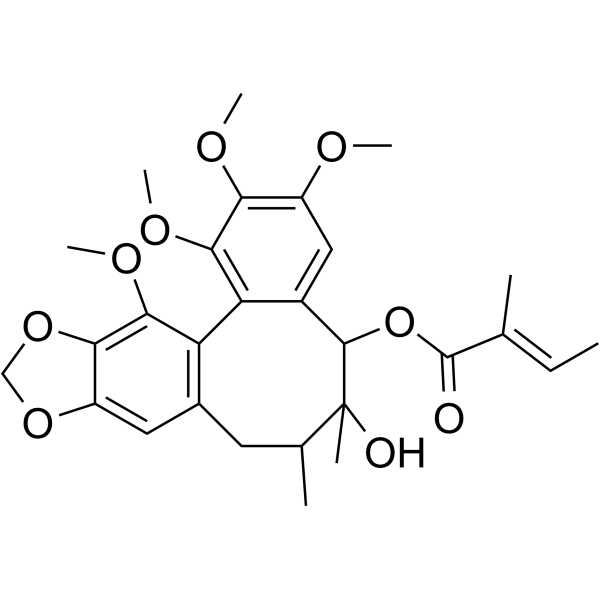
    Schisantherin B (Gomisin-B) is a lignan compound and one of the active components of Schisandra chinensis. Schisantherin B activates the PI3K/AKT signaling pathway, restores the activity of GSK3β, and reduces the hyperphosphorylation of tau protein in hippocampal and cerebral cortical tissues. Schisantherin B upregulates the level of GLT-1, decreases the expression of pro-inflammatory cytokines TNF-α/IL-1β/IL-6, upregulates the expression of IL-10, and inhibits cell apoptosis. Schisantherin B is applicable to the research of spinal cord injury, Alzheimer's disease and depression .
    Schisantherin B
  • HY-P2869E

    Endogenous Metabolite Metabolic Disease
    β1-3,4,6 Galactosidase is a broad specificity exoglycosidase that catalyzes the hydrolysis of terminal, non-reducing β1-3 β1-4 and β1-6 linked galactose residues from oligosaccharides, with β1-6 linked galactose residues at a slower rate .
    β1-3,4,6 Galactosidase
  • HY-N6964

    QuercetIN-3-O-[2-O-(6-O-p-hydroxyl-E-coumaroyl)-D-glucosyl]-(1→2)-L-rhamnoside

    Drug Derivative Inflammation/Immunology
    Quercetin 3-O-β-D-(6''-p-coumaroyl) glucopyranosyl (1→2)-α-L-rhamnopyranoside (Quercetin-3-O-[2-O-(6-O-p-hydroxyl-E-coumaroyl)-D-glucosyl]-(1→2)-L-rhamnoside) is a flavonoid glycoside present in Ginkgo biloba leaves, with antioxidant activity. Quercetin 3-O-β-D-(6''-p-coumaroyl) glucopyranosyl (1→2)-α-L-rhamnopyranoside serves as the major antioxidant component in Shuxuening Injection .
    Quercetin 3-O-β-D-(6''-p-coumaroyl)glucopyranosyl(1→2)-α-L-rhamnopyranoside
  • HY-137315

    Amyloid-β NF-κB mTOR Keap1-Nrf2 Neurological Disease
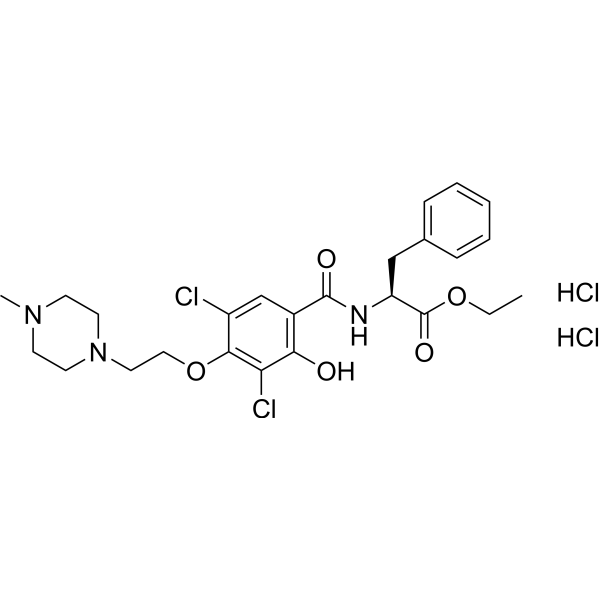
    TML-6, an orally active curcumin derivative, inhibits the synthesis of the β-amyloid precursor protein and β-amyloid (Aβ). TML-6 can upregulate Apo E, suppress NF-κB and mTOR, and increase the activity of the anti-oxidative Nrf2 gene. TML-6 has the potential for Alzheimer’s disease (AD) research .
    TML-6
  • HY-124686

    STAT Interleukin Related TNF Receptor Inflammation/Immunology
    ER-464195-01 is an orally active calreticulin (CRT) and integrin α subunits (ITGAs) binding inhibitor. ER-464195-01 inhibits leukocyte infiltration and subsequent inflammatory cascade reactions by dissociating the binding between CRT and ITGA. ER-464195-01 down-regulates the expression of pro-inflammatory genes (such as TNF-α, IL-1β, IL-6, IL-17f) induced by DSS (HY-116282C), and inhibit the phosphorylation of STAT3 and the production of serum amyloid A (SAA). ER-464195-01 can be used for the study of inflammatory bowel disease (IBD) .
    ER-464195-01
  • HY-152959

    STING Infection Cancer
    STING agonist-26 (CF508) is a non-nucleotide small-molecule STING agonist. STING agonist-23 activates STING, increases phosphorylation of STING, TBK1 and IRF3. STING agonist-23 promotes the levels of IFN-β, IL-6, CXCL-10, TNF-α, ISG-15, and CCL-5 in tumor cells. STING agonist-23 exhibits activity against SARS-CoV series strains .
    STING agonist-26
  • HY-E70011

    Biochemical Assay Reagents Others
    Levanase is a slime-dissolving enzyme of Rhodotorula species. Levanase performs random hydrolysis of β-2,6 fructofuranosyl linkages in β-2,6 fructans containing more than 3 fructose units .
    Levanase
  • HY-108229S

    6β-Hydroxynaltrexone-d3

    Isotope-Labeled Compounds Opioid Receptor Drug Metabolite Neurological Disease
    6β-Naltrexol-d3 (6β-Hydroxynaltrexone-d3) is deuterium labeled 6β-Naltrexol. 6β-Naltrexol (6β-Hydroxynaltrexone), the primary metabolite of Naltrexone, is a peripherally selective opioid antagonist. 6β-Naltrexol selectively inhibits gastrointestinal opioid effects in human subjects and inhibits Morphine-induced slowing of gastrointestinal transit .
    6β-Naltrexol-d3
  • HY-134655
    D75-4590
    1 Publications Verification

    Fungal Infection Inflammation/Immunology
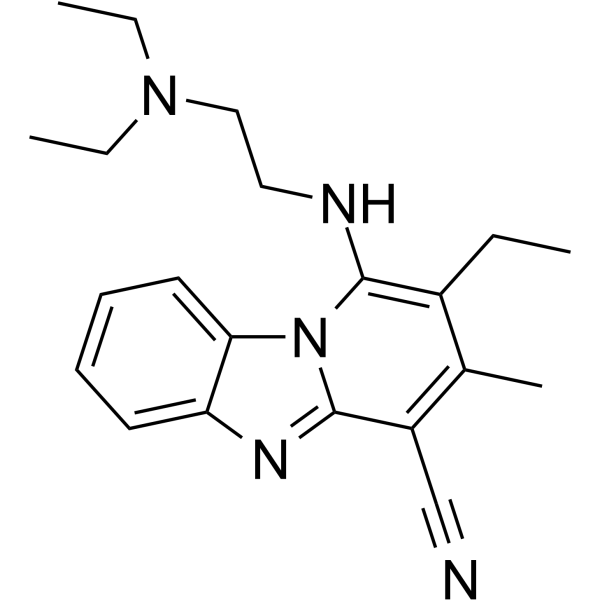
    D75-4590, a pyridobenzimidazole derivative and a β-1,6-glucan synthesis inhibitor, possesses antifungal activity .
    D75-4590
  • HY-130929

    ADC Linker Cancer
    β-Estradiol-6-CMO-PEG3-biotin is a cleavable 3 unit PEG ADC linker used in the synthesis of antibody-drug conjugates (ADCs) .
    β-Estradiol-6-CMO-PEG3-biotin
  • HY-108229

    6β-Hydroxynaltrexone

    Drug Metabolite Opioid Receptor Neurological Disease
    6β-Naltrexol (6β-Hydroxynaltrexone), the primary metabolite of Naltrexone, is a peripherally selective opioid antagonist. 6β-Naltrexol selectively inhibits gastrointestinal opioid effects in human subjects and inhibits Morphine-induced slowing of gastrointestinal transit .
    6β-Naltrexol
  • HY-P11296A

    IKK NF-κB Inflammation/Immunology
    LLVK TFA is a selective IκB phosphorylation inhibitor. LLVK TFA reduces LPS-induced pro-inflammatory cytokines (IL-1β, IL-6, TNF-α). LLVK TFA is promising for research of inflammatory bowel disease and rheumatoid arthritis .
    LLVK TFA
  • HY-N9439

    Endogenous Metabolite Others
    6-O-β-D-Galactopyranosyl-D-galactose, a disaccharide, is a part of the polysaccharide main chain with β-(1→6)-glycoside bonds with a side chain bonded to the main one by the β-(1→3) bond. 6-O-β-D-Galactopyranosyl-D-galactose can be isolated from enzyme-hydrolyzed peach gum .
    6-O-β-D-Galactopyranosyl-D-galactose
  • HY-152956

    STING Infection Cancer
    STING agonist-23 (CF502) is a non-nucleotide small-molecule STING agonist. STING agonist-23 activates STING, increases phosphorylation of STING, TBK1 and IRF3. STING agonist-23 promotes the levels of IFN-β, IL-6, CXCL-10, TNF-α, ISG-15, and CCL-5 in tumor cells. STING agonist-23 exhibits activity against SARS-CoV series strains .
    STING agonist-23
  • HY-156025

    Hydroxycarboxylic Acid Receptor (HCAR) Inflammation/Immunology
    HCAR2 agonist 1 (Compound 9n) is a Gi protein-biased allosteric modulator of HCAR2. HCAR2 agonist 1 activates the Gi protein signaling pathway. HCAR2 agonist 1 shows anti-inflammatory effect, and reduces mRNA level of pro-inflammatory cytokine (TNF-α, IL-1β, IL-6, and MCP-1). HCAR2 agonist 1 enhances anti-inflammatory effects of orthosteric agonists in the mouse model of colitis .
    HCAR2 agonist 1
  • HY-101546A

    (+)-CavidINe

    p38 MAPK ERK Interleukin Related Neurological Disease Inflammation/Immunology
    Cavidine ((+)-Cavidine) is an analgesic and anti-inflammatory agent. Cavidine can be isolated from Corydalis ternata f. yanhusuo (Y.H.Chou & Chun C.Hsu) Y.C.Zhu. Cavidine reduces the expression of inflammatory factors IL-1β, IL-6 and TNF-α, and inhibits calcium ion influx. Cavidine inhibits the phosphorylation of p38 and ERK1/2. Cavidine increases mechanical and thermal pain thresholds in chronic pain models. Cavidine can be used for the research of chronic pain .
    Cavidine
  • HY-149246

    Amyloid-β Keap1-Nrf2 Neurological Disease Inflammation/Immunology
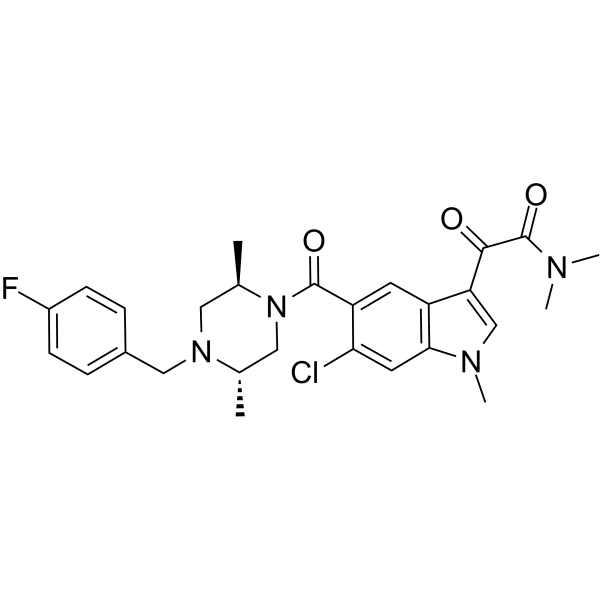
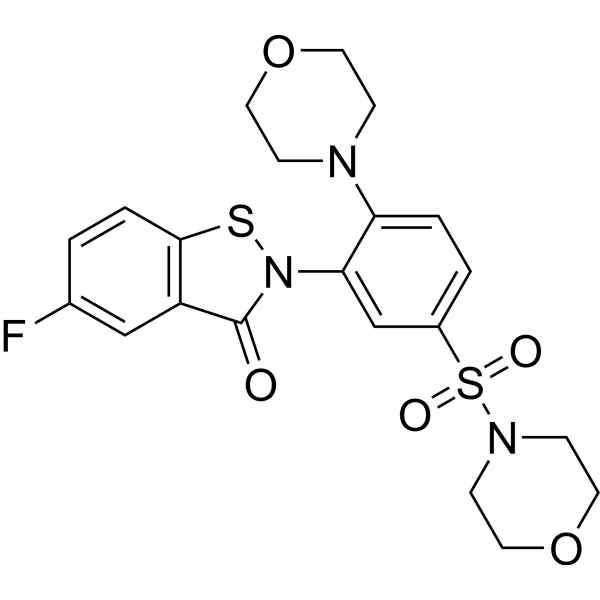
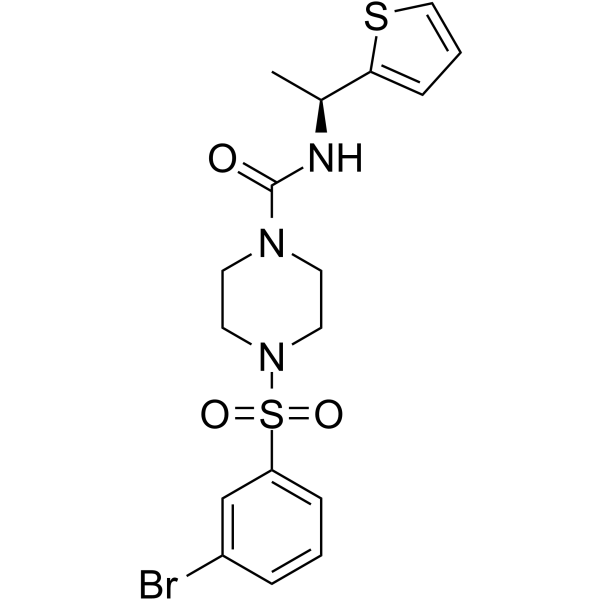
    Aβ-IN-6 reduces pro-inflammatory cytokine release from microglia cells. Aβ-IN-6 significantly induces Nrf2 nuclear translocation and hamperes Aβ oligomers formation. Aβ-IN-6 exerts a consistent neuroprotective effect by modulating the redox-sensitive signalling pathways in vivo oxidative stress model. Aβ-IN-6 is an orally active and has antiinflammatory, Antioxidant and Anti-oligomeric activity. Aβ-IN-6 has the potential for Alzheimer's disease (AD) research .
    Aβ-IN-6
  • HY-N2717

    Kaempferol 3-O-(6''-O-acetyl)glucoside

    Others Others
    Kaempferol-3-O-β-D-6 "-acetylglucoside is a flavonoid glycoside compound that can be isolated from Arnica .
    Kaempferol-3-O-β-D-6''-acetylglucoside
  • HY-P11296

    IKK NF-κB Inflammation/Immunology
    LLVK is a selective IκB phosphorylation inhibitor. LLVK reduces LPS-induced pro-inflammatory cytokines (IL-1β, IL-6, TNF-α). LLVK is promising for research of inflammatory bowel disease and rheumatoid arthritis .
    LLVK
  • HY-N6927

    Coleonol B

    TNF Receptor Interleukin Related Inflammation/Immunology
    Isoforskolin is the principle active component of C. forskohlii native to China. Isoforskolin reduces the secretion of lipopolysaccharide (LPS)-induced cytokines, namely TNF-α, IL-1β, IL-6 and IL-8, in human mononuclear leukocytes. Isoforskolin acts as an anti-inflammatory agent for the treatment of Lyme arthritis .
    Isoforskolin
  • HY-149391

    PROTACs Btk Inflammation/Immunology
    PROTAC BTK Degrader-6 (Compound 15) is a PROTAC BTK degrader (DC50: 3.18 nM. PROTAC BTK Degrader-6 has anti-inflammatory activity, inhibits NF-κB activation, and inhibits the expression of pro-inflammatory cytokines (e.g. IL-1β, IL-6) .
    PROTAC BTK Degrader-6
  • HY-169402A

    Phosphodiesterase (PDE) NO Synthase Reactive Oxygen Species (ROS) Interleukin Related Inflammation/Immunology
    PDE1-IN-9 (Compound 7a) hydrochloride is a selective inhibitor for phosphodiesterase 1 (PDE1), that inhibits PDE1C with an IC50 of 11 nM. PDE1-IN-9 hydrochloride reduces mRNA expression of IL-1β, IL-6, TNF-α and iNOS, inhibits the production of nitric oxide (NO) and reactive oxygen species (ROS). PDE1-IN-9 hydrochloride exhibits good metabolic stability in rat liver microsomes .
    PDE1-IN-9 hydrochloride
  • HY-133407

    PROTAC Linkers Cancer
    β-Estradiol-6-one 6-(O-carboxymethyloxime) is an alkyl chain-based PROTAC linker that can be used in the synthesis of PROTACs .
    β-Estradiol-6-one 6-(O-carboxymethyloxime)
  • HY-P2869D

    Biochemical Assay Reagents Others
    β1-3,6 Galactosidase, Xanthomonas manihotis is an exoglycosidase that catalyzes the hydrolysis of terminal β(1-3)- and β(1-6)-linked galactose residues .
    β1-3,6 Galactosidase, Xanthomonas manihotis
  • HY-137315S

    Isotope-Labeled Compounds Amyloid-β Keap1-Nrf2 mTOR NF-κB Neurological Disease
    TML-6-d3 is the deuterium labeled TML-6. TML-6, an orally active curcumin derivative, inhibits the synthesis of the β-amyloid precursor protein and β-amyloid (Aβ). TML-6 can upregulate Apo E, suppress NF-κB and mTOR, and increase the activity of the anti-
    TML-6-d3
  • HY-152213

    Epigenetic Reader Domain Inflammation/Immunology
    BET-IN-13 is a potent BET inhibitor with an IC50 value of 1.6 nM. BET-IN-13 reduces LPS-induced TNF-α, IL-1β, IL-6, and NOS2 mRNA expression levels. BET-IN-13 shows anti-inflammatory activity. BET-IN-13 has the potential for the research of acute liver injury .
    BET-IN-13
  • HY-152961

    STING Infection
    STING agonist-28 (CF510) is a non-nucleotide small-molecule STING agonist. STING agonist-23 activates STING, increases phosphorylation of STING, TBK1 and IRF3. STING agonist-23 promotes the levels of IFN-β, IL-6, CXCL-10, TNF-α, ISG-15, and CCL-5 in tumor cells. STING agonist-23 exhibits activity against SARS-CoV series strains .
    STING agonist-28
  • HY-W709413

    NF-κB TNF Receptor Interleukin Related Pregnane X Receptor (PXR) Constitutive Androstane Receptor Cytochrome P450 Neurological Disease
    Panaxytriol is an active component of ginseng. Panaxytriol inhibits the nuclear translocation of NF-κB, thereby reducing the production of pro-inflammatory factors (such as TNF-α, IL-1β, IL-6) and nitric oxide (NO) induced by LPS (HY-D1056). Panaxytriol upregulates CYP3A4 by activating the nuclear receptor PXR/CAR. Panaxytriol improves motor dysfunction in a mouse model of brain inflammation. Panaxytriol can be used in the research of neurodegenerative diseases (such as Alzheimer's disease) .
    Panaxytriol
  • HY-149218

    Thyroid Hormone Receptor Metabolic Disease Inflammation/Immunology
    THR-β agonist 6 is an orally active, selective thyroid hormone receptor β (THR-β) agonist with EC50s of 0.03 μM and 0.22 μM for THR-β and THR-α, respectively. THR-β agonist 6 exhibits an xcellent liver-to-serum ratio of 93:1 in mice. THR-β agonist 6 has the potential for nonalcoholic steatohepatitis (NASH) research .
    THR-β agonist 6
  • HY-100206

    AMPK Neurological Disease
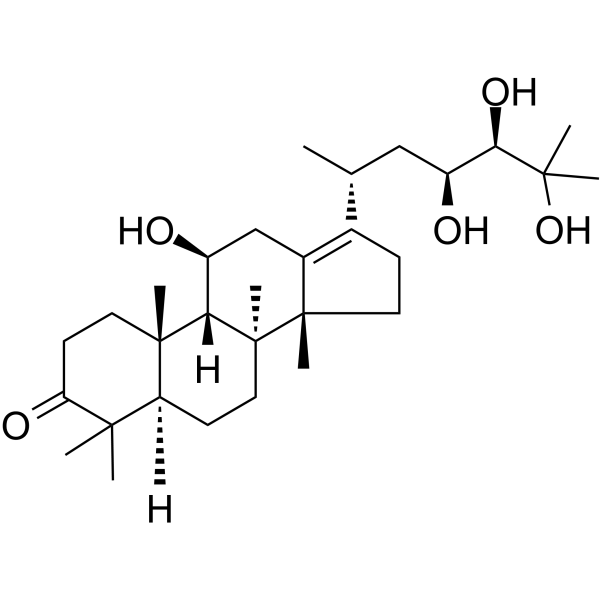
    5α-Androstane-3β,5,6β-triol is a neuroprotectant. 5α-Androstane-3β,5,6β-triol can remarkably reverse intracellular acidification and alleviate neuronal injury through the inhibition of AMPK signaling. 5α-Androstane-3β,5,6β-triol remarkably reduced the infarct volume and attenuated neurologic impairment in acute ischemic stroke models of middle cerebral artery occlusion in vivo .
    5α-Androstane-3β,5,6β-triol
  • HY-E70286

    MGAT4B

    Biochemical Assay Reagents Cancer
    N-Acetylglucosaminyltransferase V (MGAT4B) is the enzyme that catalyzes the formation of the β1,6-GlcNAc branch of N-glycans in the Golgi apparatus using UDP-GlcNAc as the donor substrate. N-Acetylglucosaminyltransferase V is involved in cancer malignancy and autoimmune disease etiology .
    N-Acetylglucosaminyltransferase V
  • HY-W505984

    KM05073

    Keap1-Nrf2 Inflammation/Immunology
    TPNA10168 is an Nrf-2 activator that activates the Keap1-Nrf2-ARE pathway. TPNA10168 is neuroprotective against oxidative stress-induced damage. TPNA10168 significantly reduces the transcription of inflammatory genes, including TNF-α, IL-1β, IL-6, and iNOS. TPNA10168 can be used in research on anti-inflammatory and neurological diseases .
    TPNA10168
  • HY-129113R

    Reference Standards COX Inflammation/Immunology
    α-Chaconine (Standard) is the analytical standard of α-Chaconine. This product is intended for research and analytical applications. α-Chaconine inhibits the expressions of COX-2, IL-1β, IL-6, and TNF-α at the transcriptional level. α-Chaconine inhibits the LPS-induced expressions of iNOS and COX-2 at the protein and mRNA levels and their promoter activities in RAW 264.7 macrophages. Anti-inflammatory effects .
    α-?Chaconine (Standard)
  • HY-152957

    STING Infection
    STING agonist-24 (CF504) is a non-nucleotide small-molecule STING agonist. STING agonist-23 activates STING, increases phosphorylation of STING, TBK1 and IRF3. STING agonist-23 promotes the levels of IFN-β, IL-6, CXCL-10, TNF-α, ISG-15, and CCL-5 in tumor cells. STING agonist-23 exhibits activity against SARS-CoV series strains .
    STING agonist-24
  • HY-152958

    STING Infection
    STING agonist-25 (CF505) is a non-nucleotide small-molecule STING agonist. STING agonist-23 activates STING, increases phosphorylation of STING, TBK1 and IRF3. STING agonist-23 promotes the levels of IFN-β, IL-6, CXCL-10, TNF-α, ISG-15, and CCL-5 in tumor cells. STING agonist-23 exhibits activity against SARS-CoV series strains .
    STING agonist-25
  • HY-P11469

    Melanocortin Receptor Interleukin Related Neurological Disease Metabolic Disease Inflammation/Immunology
    PG-901 is a full, selective MC5R agonist (EC50 = 0.072 nM for hMC5R). PG-901 is also a full antagonist at the hMC3R and the hMC4R (Kb: 1.0 nM and 0.53 nM, respectively). PG-901 significantly diminishes Cytokines (IL-1α, IL-1β, IL-6). PG-901 increases glucose tolerance, reduces blood glucose, decreases retinal damage .
    PG-901
  • HY-N3700

    RutacelINe

    Bacterial HIV TNF Receptor Interleukin Related Infection Inflammation/Immunology
    Decarine (Rutaceline) is a benzophenanthridine alkaloid found in Zanthoxylum species. Decarinewith shows anti-inflammatory, antimycobacterial, and anti-HIV activity. Decarine inhibits NO, TNF-α, IL-1β, IL-6, and IL-8 production in inflammatory cell models. Decarine inhibits growth of Mycobacterium tuberculosis strains, reduces intracellular Mycobacterium tuberculosis survival, and shows low cytotoxicity toward human macrophages. Decarine inhibits HIV replication in acutely infected lymphocytes. Decarine can be used for the researches of inflammation, tuberculosis, and HIV infection .
    Decarine
  • HY-159151

    Beta-secretase Amyloid-β Neurological Disease
    BACE1-IN-15 (compound 4j) is a potent inhibitor of BACE1 (β-secretase) that can inhibited the copper ion induced Aβ toxicity, with the EC50 of 0.68 μM .
    AChE/Aβ-IN-6

Inquiry Online

Your information is safe with us. * Required Fields.

Salutation


Country or Region *

Applicant Name *


Organization Name *

Department *


Email Address *


Product Name *

Cat. No.


Requested quantity *

Phone Number *


Remarks

Inquiry Online

Inquiry Information

Product Name:
Cat. No.:
Quantity:
MCE Japan Authorized Agent: