1. Search Result
Search Result
Results for "

AChE/BuChE inhibitor

" in MedChemExpress (MCE) Product Catalog:

43

Inhibitors & Agonists

5

Natural
Products

3

Isotope-Labeled Compounds

1

Click Chemistry

Targets Recommended:
Cat. No. Product Name Target Research Areas Chemical Structure
  • HY-B0034
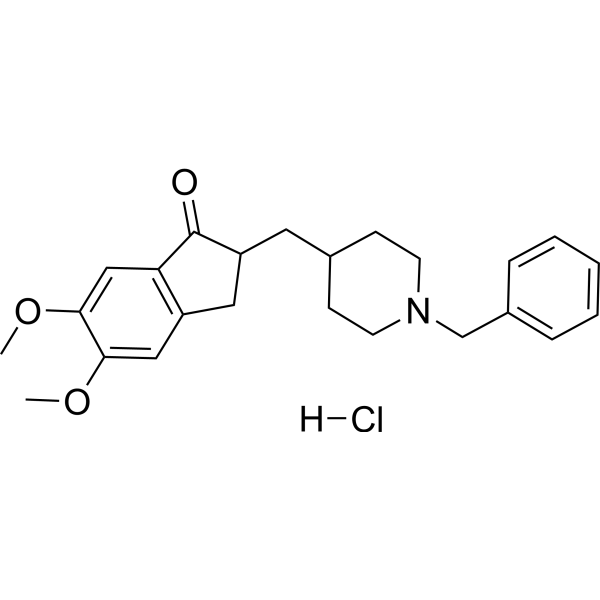
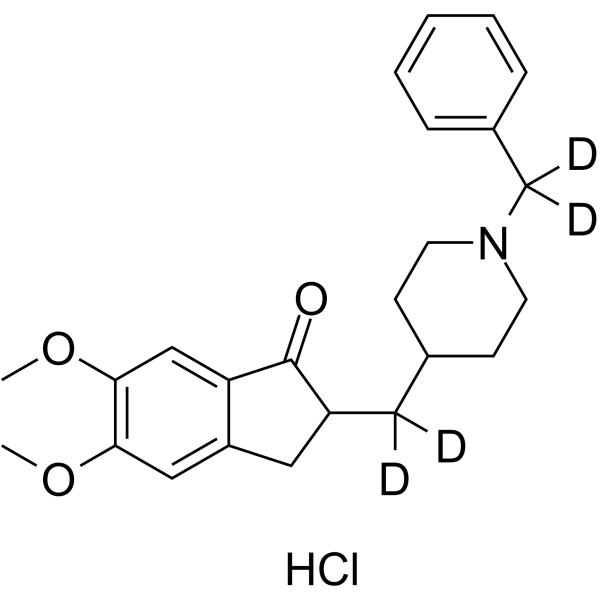
    Donepezil Hydrochloride
    Maximum Cited Publications
    24 Publications Verification

    E2020

    Cholinesterase (ChE) Neurological Disease Cancer
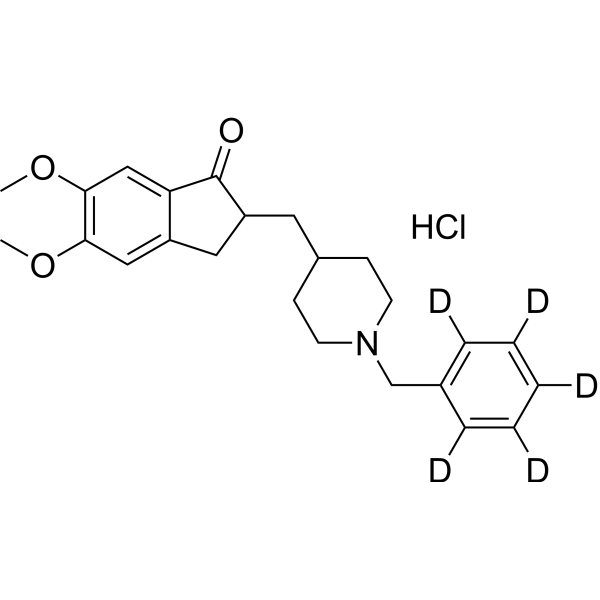
    Donepezil Hydrochloride (E2020) is a reversible, selective AChE inhibitor with an IC50 of 6.7 nM for AChE activity. Donepezil shows high selectivity for AChE over BuChE . Donepezil exhibits neuroprotective effect on Aβ42 neurotoxicity .
    Donepezil Hydrochloride
  • HY-N0740
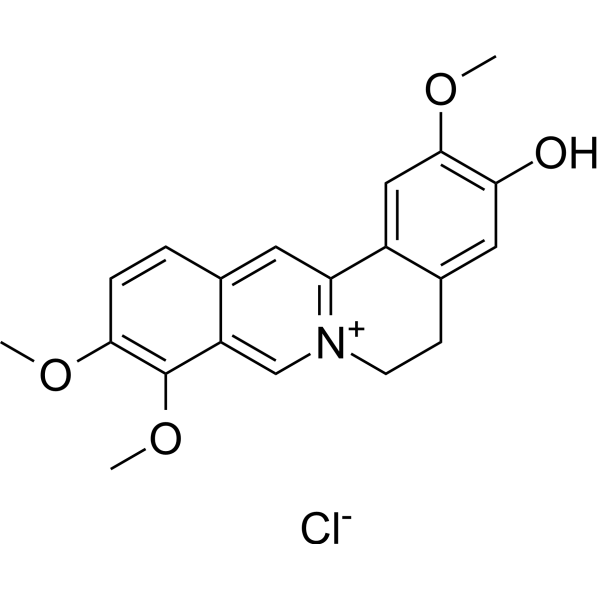
    Jatrorrhizine chloride
    3 Publications Verification

    Cholinesterase (ChE) 5-HT Receptor Bacterial Neurological Disease Inflammation/Immunology
    Jatrorrhizine chloride is an alkaloid isolated from?Coptis chinensis with neuroprotective, antimicrobial, antiplasmodial and antioxidant activities . Jatrorrhizine chloride is a potent and orally active inhibitor of?AChE?(IC50=872 nM) over >115-fold selectivity for BuChE . Jatrorrhizine chloride reduces uptake of serotonin (5-HT) and norepinephrine (NE) via inhibition of uptake-2 transporters .
    Jatrorrhizine chloride
  • HY-N0749

    Cholinesterase (ChE) 5-HT Receptor Bacterial Neurological Disease
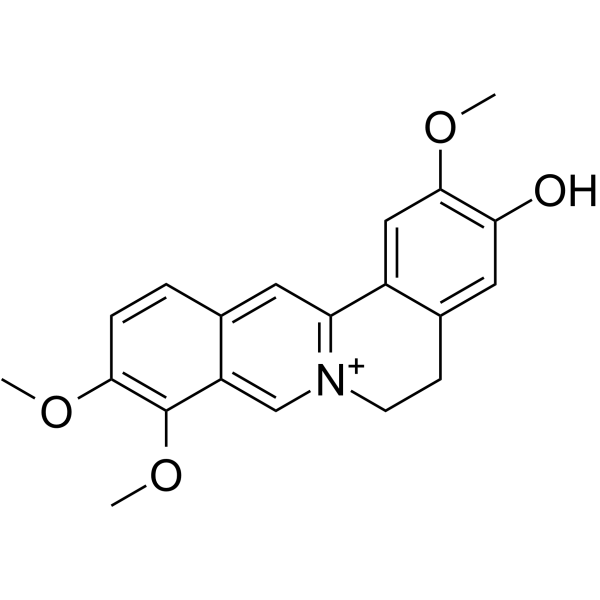
    Jatrorrhizine is an alkaloid isolated from Coptis chinensis with neuroprotective, antimicrobial, antiplasmodial and antioxidant activities . Jatrorrhizine is a potent and orally active inhibitor of AChE (IC50=872 nM) over >115-fold selectivity for BuChE . Jatrorrhizine reduces uptake of serotonin (5-HT) and norepinephrine (NE) via inhibition of uptake-2 transporters .
    Jatrorrhizine
  • HY-W027553

    NIK-247 free base; Amiridine free base

    Cholinesterase (ChE) Potassium Channel Sodium Channel Neurological Disease Metabolic Disease
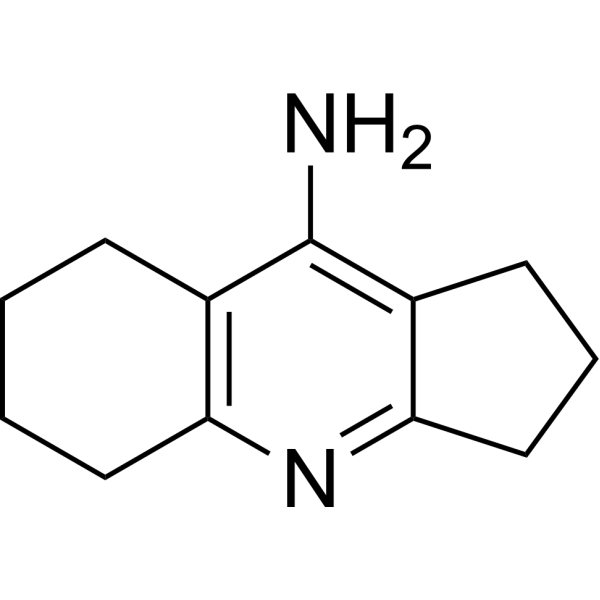
    Ipidacrine is orally active and brain-penetrant AChE and BuChE inhibitors with IC50 values of 1 μM and 1.9 μM, respectively, which is also a partial agonist of M2-cholinergic receptors and a reversible cholinesterase inhibitor. Ipidacrine has a stimulating effect on neuromuscular transmission and excitation along the nerve fibres with a moderately anti-pain effect. Ipidacrine is an aminopyridines and is structurally similar to Tacrine (HY-111338). Ipidacrine is effective in various amnesia models, improves erectile function and inhibits K + and Na +-channels in the neuronal membrane in diabetic rats. Ipidacrine is promising for research of Alzheimer’s disease, ischaemic stroke, idiopathic neuropathy of the facial nerve, diabetes mellitus-induced erectile dysfunction and other deficits in central or peripheral cholinergic deseases .
    Ipidacrine
  • HY-N0749A
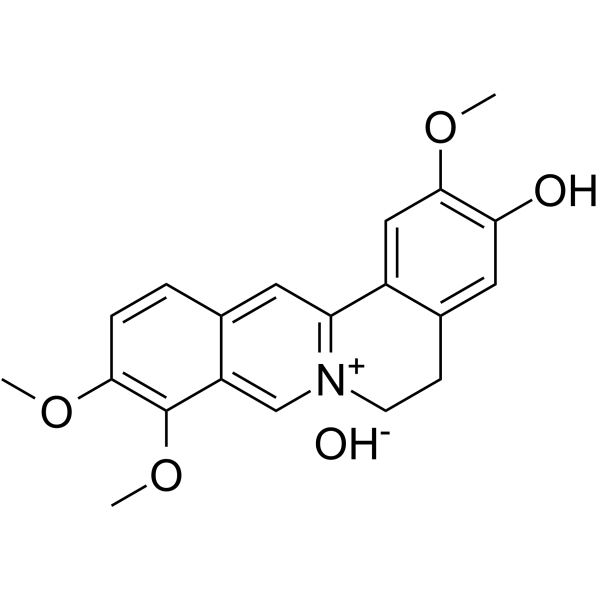
    Jatrorrhizine hydroxide
    3 Publications Verification

    Cholinesterase (ChE) 5-HT Receptor Bacterial Neurological Disease Inflammation/Immunology
    Jatrorrhizine hydroxide is an alkaloid isolated from Coptis chinensis with neuroprotective, antimicrobial, antiplasmodial and antioxidant activities . Jatrorrhizine hydroxide is a potent and orally active inhibitor of AChE (IC50=872 nM) over >115-fold selectivity for BuChE . Jatrorrhizine hydroxide reduces uptake of serotonin (5-HT) and norepinephrine (NE) via inhibition of uptake-2 transporters .
    Jatrorrhizine hydroxide
  • HY-B0034S

    E2020-d5

    Cholinesterase (ChE) Neurological Disease
    Donepezil-d5 (hydrochloride) is deuterium labeled Donepezil (Hydrochloride). Donepezil Hydrochloride (E2020) is a reversible, selective AChE inhibitor with an IC50 of 6.7 nM for AChE activity. Donepezil shows high selectivity for AChE over BuChE . Donepezil exhibits neuroprotective effect on Aβ42 neurotoxicity .
    Donepezil-d5 hydrochloride
  • HY-150003

    Cholinesterase (ChE) Amyloid-β Neurological Disease
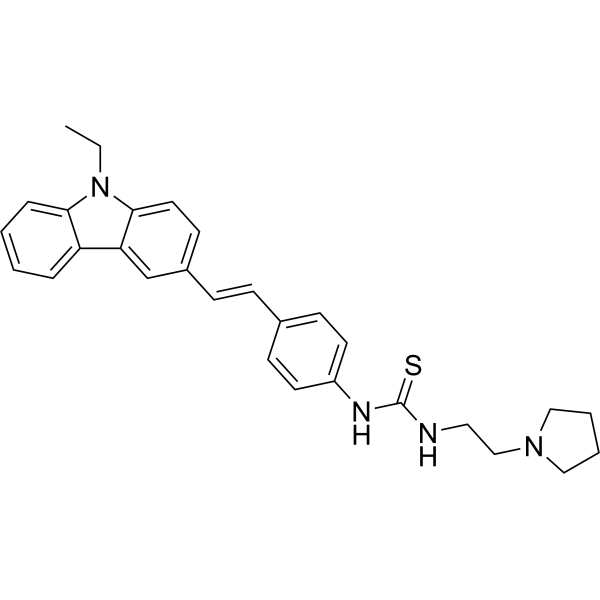
    Aβ1-42 aggregation inhibitor 1 inhibits AChE (acetylcholinesterase) and BuChE (butyrylcholinesterase) with the IC50 value of 2.64 μM and 1.29 μM, respectively. Aβ1-42 aggregation inhibitor 1 inhibits self-mediated Aβ1-42 aggregation by 51.29% at a concentration of 25 μM. Aβ1-42 aggregation inhibitor 1 has the potential for the research of anti-Alzheimer's disease .
    Aβ1–42 aggregation inhibitor 1
  • HY-151562

    Cholinesterase (ChE) Monoamine Oxidase Neurological Disease
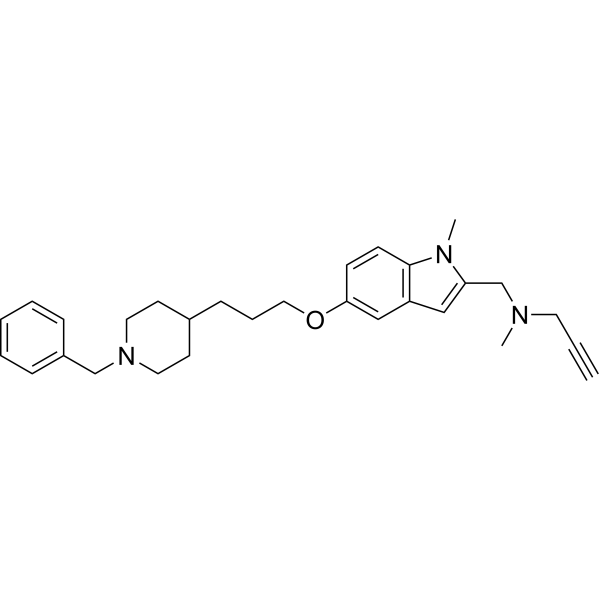
    AChE/BuChE/MAO-B-IN-1 (compound 19) is an inhibitor of human acetyl- (hAChE), butyrylcholinesterase (hBuChE) and monoamine oxidase-B (hMAO-B) with IC50s of 4.8 μM, 13.7 μM, and 1.11 μM, respectively. AChE/BuChE/MAO-B-IN-1 also exhibits high affinity to both the σ1 and σ2 receptors with Ki values of 42.8 nM (human σ1 receptor) and 191 nM (rat σ2 receptor), respectively. AChE/BuChE/MAO-B-IN-1 can be used for Alzheimer’s disease research .
    AChE/BuChE/MAO-B-IN-1
  • HY-B0034S1

    E2020-d4

    Cholinesterase (ChE) Neurological Disease
    Donepezil-d4 (hydrochloride) is the deuterium labeled Donepezil hydrochloride. Donepezil Hydrochloride (E2020) is a reversible, selective AChE inhibitor with an IC50 of 6.7 nM for AChE activity. Donepezil shows high selectivity for AChE over BuChE . Donepezil exhibits neuroprotective effect on Aβ42 neurotoxicity .
    Donepezil-d4 hydrochloride
  • HY-115650

    Cholinesterase (ChE) Amyloid-β Neurological Disease
    TAE-1 is a potent inhibitor of AChE and BuChE. TAE-1 also inhibits fibril formation and aggregation. TAE-1 can be used for the researches of Alzheimer's disease .
    TAE-1
  • HY-117710B

    Cholinesterase (ChE) Amyloid-β ERK TNF Receptor Interleukin Related Neurological Disease
    AD-35 is an orally active anti-Alzheimer's disease (AD) agent with moderate AChE inhibitory activity and metal ion chelating ability. AD-35 exhibits IC50 values for AChE and BuChE of 793 nM and 31428 nM, respectively. AD-35 can form chelates with Cu²⁺ and Fe³⁺, but its chelating ability for Zn²⁺ is relatively weak. AD-35 can inhibit aggregation and disassemble the formed Aβ aggregates, and inhibit Aβ-induced ERK phosphorylation. AD-35 inhibits neuroinflammation in AD rat models and demonstrates a strong effect in improving cognitive function .
    AD-35
  • HY-146142

    Cholinesterase (ChE) Amyloid-β Neurological Disease
    AChE/BuChE-IN-2 (Compound 5f) is an orally active AChE and BuChE inhibitor with IC50 values of 0.72 μM and 0.16 μM, respectively. AChE/BuChE-IN-2 shows a non-competitive inhibition with AChE and shows potent self-induced β-amyloid (Aβ) aggregation inhibition with an IC50 of 62.52 μM. AChE/BuChE-IN-2 can cross the BBB .
    AChE/BuChE-IN-2
  • HY-119292

    Cholinesterase (ChE) Amyloid-β Neurological Disease
    AP2238 is a dual-function acetylcholinesterase (AChE) inhibitor with Ki values for human AChE (HuAChE) and butyrylcholinesterase (BuChE) of 21.7 and 48.9 μM respectively. AP2238 blocks the pro-fibrotic interaction between the peripheral site of AChE and , and can inhibit Aβ aggregation. AP2238 can be used for the research of Alzheimer's disease .
    AP2238
  • HY-150728

    Cholinesterase (ChE) Neurological Disease
    AChE-IN-22 (compound 10q) is a selective acetylcholinesterase (AChE) inhibitor against AChE and BuChE with the IC50 values of 0.88 μM and 10 μM, respectively. AChE-IN-22 can bind to both the CAS (catalytic active site) and PAS (peripheral anionic site) of AChE and has the potential for the research of Alzheimer's disease .
    AChE-IN-22
  • HY-121072

    Monoamine Oxidase Cholinesterase (ChE) Neurological Disease
    ASS234 is a potent monoamino oxidase (MAO) inhibitor with IC50s of 5.2 nM and 43 nM for MAO-A and MAO-B, respectively. ASS234 also inhibits AChE and BuChE with IC50s of 350 nM and 460 nM, respectively .
    ASS234
  • HY-W856819

    Opioid Receptor Cholinesterase (ChE) Drug Metabolite nAChR Neurological Disease
    Eseroline is a potent μ-opioid receptor agonist, which is the hydrolytic metabolite of Physostigmine (HY-N6608). Eseroline is a selective and competitive acetylcholinesterase (AChE) inhibitor, with its Ki values for AChE and BuChE being 0.1 μM and 200 μM respectively. Eseroline has nicotinic acetylcholine receptor allosteric enhancing ligand (nAChR-APL) activity, meaning it does not activate the receptor but significantly enhances the signal transduction of Ach triggered by the receptor. Eseroline is neurotoxic, causing cell membrane damage (LDH leakage) and energy metabolism collapse (ATP depletion). Eseroline can be used for the study of Alzheimer's disease .
    Eseroline
  • HY-W027553R

    NIK-247 free base (Standard); Amiridine free base (Standard)

    Reference Standards Cholinesterase (ChE) Potassium Channel Sodium Channel Neurological Disease Metabolic Disease
    Ipidacrine (Standard) is the analytical reference standard of Ipidacrine. This product is used for research and analytical applications. Ipidacrine is orally active and blood-brain-barrier-penetrant AChE and BuChE inhibitors with IC50 values of 1 μM and 1.9 μM, respectively, which is also a partial agonist of M2-cholinergic receptors and a reversible cholinesterase inhibitor. Ipidacrine has a stimulating effect on neuromuscular transmission and excitation along the nerve fibres with a moderately anti-pain effect. Ipidacrine is an aminopyridines and is structurally similar to Tacrine (HY-111338). Ipidacrine is effective in various amnesia models, improves erectile function and inhibits K + and Na +-channels in the neuronal membrane in diabetic rats. Ipidacrine is promising for research of Alzheimer’s disease, ischaemic stroke, idiopathic neuropathy of the facial nerve, diabetes mellitus-induced erectile dysfunction and other deficits in central or peripheral cholinergic deseases .
    Ipidacrine (Standard)
  • HY-147939

    Cholinesterase (ChE) Amyloid-β Cancer
    AChE/BuChE-IN-3 is a potent and blood-brain barrier (BBB) penetrant AChE and BuChE dual inhibitor with IC50s of 0.65 μM and 5.77 μM for AChE and BuChE. AChE/BuChE-IN-3 also inhibits 1-42 aggregation. AChE/BuChE-IN-3 has effectively neuroprotective activities and nearly no toxicity on SH-SY5Y cells. AChE/BuChE-IN-3 can be used for researching Alzheimer's disease .
    AChE/BuChE-IN-3
  • HY-144392

    Cholinesterase (ChE) Neurological Disease
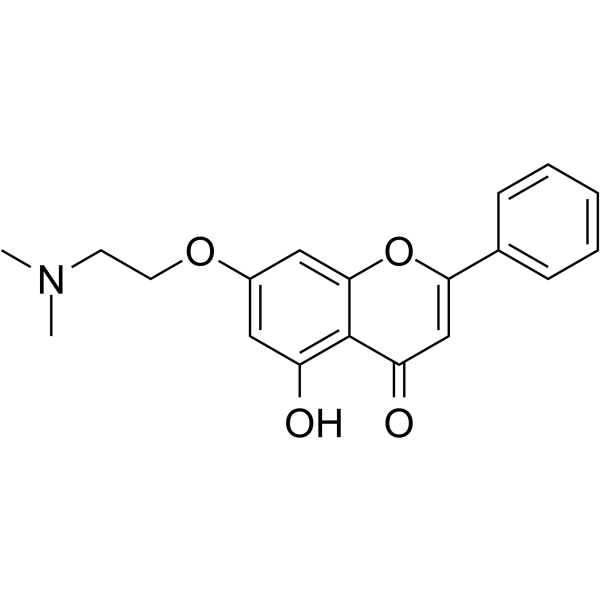
    AChE/BuChE-IN-1 (Compound 1), a chrysin derivative, is a selective butyrylcholinesterase (BuChE) inhibitor with an IC50 of 0.48 μM. AChE/BuChE-IN-1 inhibits acetylcholinesterase (AChE) with an IC50 of 7.16 μM. AChE/BuChE-IN-1 shows strong scavenging ·OH activities with a IC50 of 0.1674 μM. AChE/BuChE-IN-1 inhibits reactive oxygen species (ROS), Aβ1-42 aggregation (self-, Cu2+-induced, AChE-induced). AChE/BuChE-IN-1 has high BBB permeability and bioavailability and low cell toxicity. AChE/BuChE-IN-1 has the potential for Alzheimer' disease (AD) research .
    AChE/BuChE-IN-1
  • HY-149090

    Cholinesterase (ChE) Monoamine Oxidase Neurological Disease
    AChE/BuChE/MAO-B-IN-2 (compound 4b) is a potent AChE/BuChE inhibitor and showed good blood brain barrier (BBB) permeability in vitro with an IC50 value of 5.3 μM, 12.4 μM, 1.9±0.08 μM, for AChE, BuChE, huMAO-B, respectively. AChE/BuChE/MAO-B-IN-2 (compound 4b) can inhibit excess AChE/BuChE in Alzheimer's disease (AD) brain. AChE/BuChE/MAO-B-IN-2 (compound 4b) can be used in anti-Alzheimer's research .
    AChE/BuChE/MAO-B-IN-2
  • HY-163537

    Cholinesterase (ChE) Neurological Disease
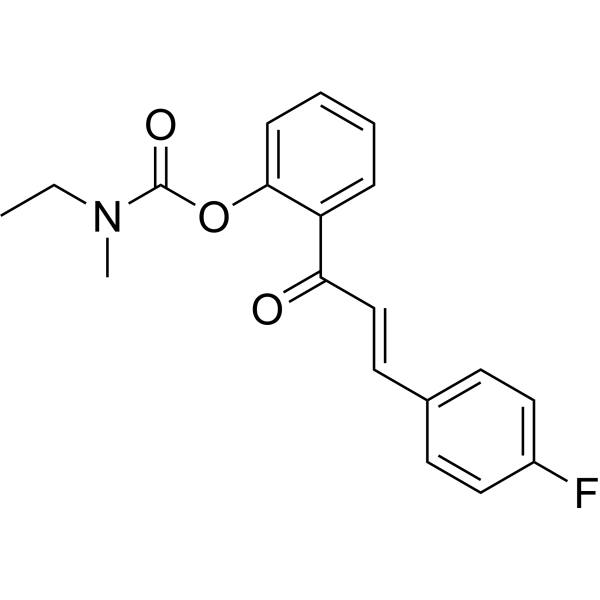
    AChE/BuChE-IN-5 (compound 5a) is a dual target inhibitor. AChE/BuChE-IN-5 has excellent nanomolar inhibitory activity on acetylcholinesterase (AChE) (IC50=46.9 nM) and butyryl cholinesterase (BuChE) (IC50=3.5 nM). AChE/BuChE-IN-5 can be used for Alzheimer's Disease research .
    AChE/BuChE-IN-5
  • HY-155349

    Cholinesterase (ChE) Neurological Disease
    AChE/BuChE-IN-4(compound 4a) is a multitarget-directed AChE/BuChE inhibitor againstAChEandBuChE, with the IC50 of 2.08 and 7.41 μM .
    AChE/BuChE-IN-4
  • HY-170561

    Cholinesterase (ChE) Neurological Disease
    AChE/BuChE-IN-6 (Compound 11f) is an inhibitor of AChE and BuChE, with IC50 values of 1.24 and 1.85 μg/mL, respectively. AChE/BuChE-IN-6 also exhibits strong DPPH free radical scavenging activity (IC50 = 3.15 μg/mL). In vivo toxicity studies indicate that AChE/BuChE-IN-6 is safe, showing no significant differences in blood and biochemical markers compared to the control group after long-term administration, and no abnormalities were observed in liver and kidney tissues. AChE/BuChE-IN-6 holds promise for research into Alzheimer's disease .
    AChE/BuChE-IN-6
  • HY-174462

    Cholinesterase (ChE) Neurological Disease
    AChE-IN-90 (Compound 5b) is an orally active, brain-penetrant and potent acetylcholinesterase (AChE) inhibitor with an IC50 value of 0.023 μM against human AChE and lower selectivity for butyrylcholinesterase (BuChE) (IC50 1.8 μM). AChE-IN-90 increases acetylcholine levels in the synaptic cleft. AChE-IN-90 is promising for research of neurodegenerative diseases such as Alzheimer's disease .
    AChE-IN-90
  • HY-B0034R

    E2020 (Standard)

    Reference Standards Cholinesterase (ChE) Neurological Disease Cancer
    Donepezil (Hydrochloride) (Standard) is the analytical standard of Donepezil (Hydrochloride). This product is intended for research and analytical applications. Donepezil Hydrochloride (E2020) is a reversible, selective AChE inhibitor with an IC50 of 6.7 nM for AChE activity. Donepezil shows high selectivity for AChE over BuChE . Donepezil exhibits neuroprotective effect on Aβ42 neurotoxicity .
    Donepezil Hydrochloride (Standard)
  • HY-181503

    Cholinesterase (ChE) Neurological Disease Cancer
    AChE/BuChE-IN-8 is a dual AChE and BuChE inhibitor, with an AChE IC50 of 1.18 μM, a human AChE Ki of 1.2 μM, and a BuChE IC50 of 2.34 μM. AChE/BuChE-IN-8 acts as an antiproliferative agent and antioxidant, exerts antiproliferative effects on colon cancer cells, scavenges free radicals, and exhibits reducing power. AChE/BuChE-IN-8 can be used in the research of Alzheimer's disease and colorectal adenocarcinoma .
    AChE/BuChE-IN-8
  • HY-155620

    Cholinesterase (ChE) Neurological Disease
    PD10 is an AChE and BuChE inhibitor (hAChE IC50: 0.56 μM; eeAChE IC50: 0.59 μM; eqBuChE IC50: 1.06 μM). PD10 can be used for research of Alzheimer’s disease .
    PD10
  • HY-147980

    Amyloid-β Cholinesterase (ChE) Neurological Disease
    Aβ-IN-5 (Compound e12) is an orally active Aβ aggregation inhibitor. Aβ-IN-5 also inhibits AChE and BuChE with IC50 values of 21.29 μM and 1.32 μM, respectively. Aβ-IN-5 shows excellent neuroprotective effects and low neurotoxicity .
    Aβ-IN-5
  • HY-155622

    Cholinesterase (ChE) Neurological Disease
    PD25 is an AChE and BuChE inhibitor (hAChE IC50: 1.58 μM; eeAChE IC50: 1.63 μM; eqBuChE IC50: 2.39 μM). PD25 also has antioxidant activity, and inhibits DPPH (IC50: 29.55 μM). PD25 can be used for research of Alzheimer’s disease .
    PD25
  • HY-155621

    Cholinesterase (ChE) Neurological Disease
    PD24 is an AChE and BuChE inhibitor (hAChE IC50: 1.72 μM; eeAChE IC50: 1.76 μM; eqBuChE IC50: 2.64 μM). PD24 also has antioxidant activity, and inhibits DPPH (IC50: 28.72 μM). PD24 can be used for research of Alzheimer’s disease .
    PD24
  • HY-173621

    Cholinesterase (ChE) Amyloid-β Neurological Disease
    Aβ1–42 aggregation inhibitor 3 (Compound 3b) is an acetylcholinesterase (AChE) and butyrylcholinesterase (BuChE) inhibitor (IC50 values are 1.634 and 0.0285 μM, respectively). Aβ1–42 aggregation inhibitor 3 can inhibit the aggregation of 1-42. Aβ1–42 aggregation inhibitor can be used in Alzheimer's disease (AD) research .
    Aβ1–42 aggregation inhibitor 3
  • HY-N0740R

    Reference Standards Cholinesterase (ChE) 5-HT Receptor Bacterial Neurological Disease Inflammation/Immunology
    Jatrorrhizine (chloride) (Standard) is the analytical standard of Jatrorrhizine (chloride). This product is intended for research and analytical applications. Jatrorrhizine chloride is an alkaloid isolated from Coptis chinensis with neuroprotective, antimicrobial, antiplasmodial and antioxidant activities . Jatrorrhizine chloride is a potent and orally active inhibitor of AChE (IC50=872 nM) over >115-fold selectivity for BuChE . Jatrorrhizine chloride reduces uptake of serotonin (5-HT) and norepinephrine (NE) via inhibition of uptake-2 transporters .
    Jatrorrhizine chloride (Standard)
  • HY-N11997

    Cholinesterase (ChE) Neurological Disease
    Feralolide is a dihydroisocoumarin isolated from the methanolic extract of aloe vera resin. Feralolide is also a dual inhibitor of AChE and BuChE, with IC50s of 55 μg/mL and 52 μg/mL respectively. Feralolide has antioxidant activity and inhibits 2,2-diphenyl-1-picrylhydrazyl (DPPH) and 2, 2′-azinobis-3-ethylbenzothiazoline-6-sulfonic acid (ABTS). Feralolide could be used in research into cognitive disorders such as Alzheimer's disease, potentially restoring and enhancing memory .
    Feralolide
  • HY-155085

    Monoamine Oxidase Amyloid-β Cholinesterase (ChE) Neurological Disease
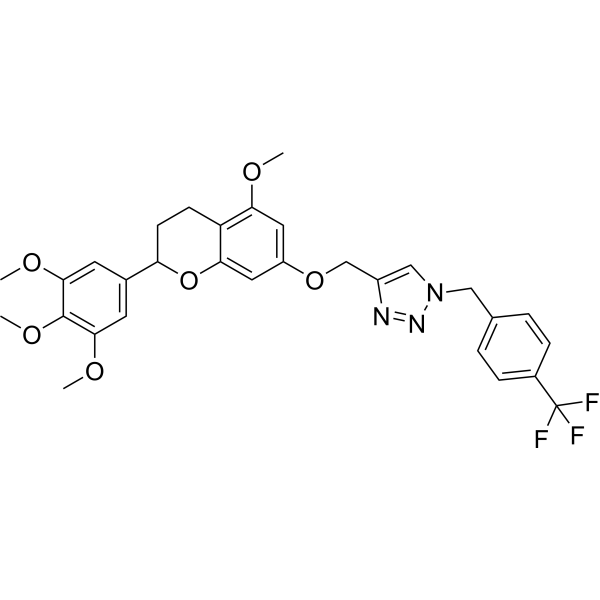
    hAChE-IN-3 (compounds 5c) is a potent and blood-brain barrier permeable AChE, BuChE MAO-B-IN-1 and BACE-1 inhibitor, with IC50 values of 0.44, 0.08, 5.15 and 0.38 μM, respectively. hAChE-IN-3 has antioxidant activity and metal chelating ability. In addition, hAChE-IN-3 can bind to peripheral anion sites, and affect β amyloid and reduce Alzheimer's-associated neurodegeneration. hAChE-IN-3 has the potential for the research of Alzheimer's disease .
    hAChE-IN-3
  • HY-144388

    Cholinesterase (ChE) Amyloid-β Neurological Disease
    ChE/Aβ1-42-IN-1 (compound 28) is a potent ChE and 1-42 aggregation inhibitor with IC50s of 0.062, 0.767 and 1.227 µM for AChE, BuChE and Aβ1-42 aggregation, respectively. ChE/β1-42-IN-1 shows excellent BBB penetration. ChE/Aβ1-42-IN-1 is a potent multi-targeted anti-Alzheimer's agent .
    ChE/Aβ1-42-IN-1
  • HY-W027553S1

    NIK-247-d9 free base

    Isotope-Labeled Compounds Cholinesterase (ChE) Potassium Channel Sodium Channel Metabolic Disease
    Ipidacrine-d9 (NIK-247-d9 (free base)) is the deuterium labeled Ipidacrine (HY-W027553). Ipidacrine is orally active and brain-penetrant AChE and BuChE inhibitors with IC50 values of 1 μM and 1.9 μM, respectively, which is also a partial agonist of M2-cholinergic receptors and a reversible cholinesterase inhibitor. Ipidacrine has a stimulating effect on neuromuscular transmission and excitation along the nerve fibres with a moderately anti-pain effect. Ipidacrine is an aminopyridines and is structurally similar to Tacrine (HY-111338). Ipidacrine is effective in various amnesia models, improves erectile function and inhibits K+ and Na+-channels in the neuronal membrane in diabetic rats. Ipidacrine is promising for research of Alzheimer’s disease, ischaemic stroke, idiopathic neuropathy of the facial nerve, diabetes mellitus-induced erectile dysfunction and other deficits in central or peripheral cholinergic deseases .
    Ipidacrine-d9
  • HY-178141

    Cholinesterase (ChE) Neurological Disease
    AChE/BuChE-IN-7 is a dual-action inhibitor with an IC50 valueof 0.15 μM for AChE and 0.7 μM for BuChE, SI of 4.7. AChE/BuChE-IN-7 shows anti-oxidant activity and can mitigate H2O2-induced cytotoxicity. AChE/BuChE-IN-7 has genomic stability and prolonged systemic availability. AChE/BuChE-IN-7 can be used for the research of neurological disease, such as Alzheimer's disease .
    AChE/BuChE-IN-7
  • HY-183375

    Neurological Disease
    AChE/BuChE/BACE-1-IN-1 is a blood-brain barrier-permeable multi-target inhibitor of AChE/BuChE/BACE, with IC50 values of 0.387 μM, 0.430 μM, and 0.531 μM against AChE, BuChE, and BACE-1, respectively. AChE/BuChE/BACE-1-IN-1 reduces the aggregation of β-amyloid protein () and hyperphosphorylated tau protein (p-tau). AChE/BuChE/BACE-1-IN-1 can be used for the research of Alzheimer's disease .
    AChE/BuChE/BACE-1-IN-1
  • HY-168167

    Endogenous Metabolite Neurological Disease
    BuChE-IN-14 is a novel compound that selectively inhibits acetylcholinesterase (AChE) activity. BuChE-IN-14 showed a concentration-dependent inhibitory effect on AChE in rat brain in vitro experiments. BuChE-IN-14 can increase the extracellular acetylcholine (ACh) concentration in the rat hippocampus and striatum at a certain dose. BuChE-IN-14 may help improve memory impairment caused by cholinergic dysfunction .
    BuChE-IN-14
  • HY-180243

    Cholinesterase (ChE) Neurological Disease
    AChE-IN-102 (compound C8) is a potent, selective and competitive AChE inhibitor with a Ki of 7.55 nM and an IC50 of 15.25 nM. AChE-IN-102 shows selectivity over BuChE (IC50 = 21.15 nM, b>Ki = 6.17 nM). AChE-IN-102 can be used for Alzheimer’s disease research .
    AChE-IN-102
  • HY-Y0917

    5,6-Dimethoxyindanone

    Drug Intermediate Others
    5,6-Dimethoxyindan-1-one (5,6-Dimethoxyindanone) is a drug intermediate used in the synthesis of various active compounds, such as antiviral compounds or AChE/BuChE inhibitors .
    5,6-Dimethoxyindan-1-one
  • HY-182001

    Cholinesterase (ChE) GSK-3 Neurological Disease
    Multi-kinase-IN-13 (Compound 10F) is an inhibitor of AChE, BuChE, and GSK-3β, with an IC50 of 3 nM against hAChE, 303 nM against hBuChE, and 7.58 nM against GSK-3β. Multi-kinase-IN-13 exhibits in vitro iron chelating activity. AChE-IN-110 can be used in the research of Alzheimer's disease .
    Multi-kinase-IN-13
  • HY-19689

    NIK-247; Amiridine

    Cholinesterase (ChE) Potassium Channel Sodium Channel Cardiovascular Disease Neurological Disease Endocrinology
    Ipidacrine (NIK-247; Amiridine) hydrochloride is orally active and blood-brain-barrier-penetrant AChE and BuChE inhibitors with IC50 values of 1 μM and 1.9 μM, respectively, which is also a partial agonist of M2-cholinergic receptors and a reversible cholinesterase inhibitor. Ipidacrine hydrochloride has a stimulating effect on neuromuscular transmission and excitation along the nerve fibres with a moderately anti-pain effect. Ipidacrine hydrochloride is an aminopyridines and is structurally similar to Tacrine (HY-111338). Ipidacrine hydrochloride is effective in various amnesia models, improves erectile function and inhibits K + and Na +-channels in the neuronal membrane in diabetic rats. Ipidacrine hydrochloride is promising for research of Alzheimer’s disease, ischaemic stroke, idiopathic neuropathy of the facial nerve, diabetes mellitus-induced erectile dysfunction and other deficits in central or peripheral cholinergic deseases .
    Ipidacrine hydrochloride

Inquiry Online

Your information is safe with us. * Required Fields.

Salutation


Country or Region *

Applicant Name *


Organization Name *

Department *


Email Address *


Product Name *

Cat. No.


Requested quantity *

Phone Number *


Remarks

Inquiry Online

Inquiry Information

Product Name:
Cat. No.:
Quantity:
MCE Japan Authorized Agent:

