
Search Result
Results for "
Acute kidney injury
" in MedChemExpress (MCE) Product Catalog:
3
Biochemical Assay Reagents
7
Isotope-Labeled Compounds
| Cat. No. |
Product Name |
Target |
Research Areas |
Chemical Structure |
-
- HY-N0164
-
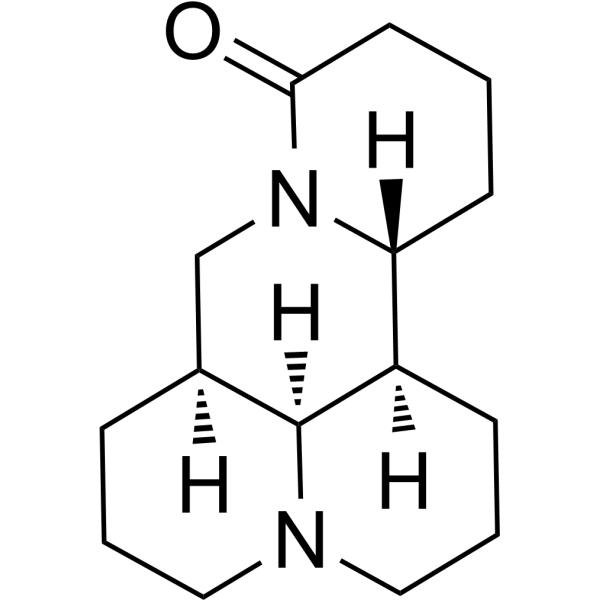
Matrine
Maximum Cited Publications
18 Publications Verification
Matridin-15-one; Vegard; α-Matrine
|
PINK1/Parkin
Opioid Receptor
Autophagy
Mitophagy
Ferroptosis
Apoptosis
|
Inflammation/Immunology
Cancer
|
|
Matrine (Matridin-15-one) is an alkaloid found in plants from the Sophora genus that can act as a kappa opioid receptor and u-receptor agonist. Matrine has a variety of pharmacological effects, including anti-cancer, anti-oxidative stress, anti-inflammation and anti-apoptosis effects. Matrine is potential in the research of disease like human non-small cell lung cancer, hepatoma, papillary thyroid cancer and acute kidney injury (AKI) .
|
-
-
- HY-P99020
-
|
GC1008
|
TGF-beta/Smad
|
Metabolic Disease
Inflammation/Immunology
Cancer
|
|
Fresolimumab (GC1008) is a human monoclonal antibody against TGF-β that neutralizes all mammalian active subtypes of TGF-β. The binding affinity of Fresolimumab to TGF-β2 is 1.8 nM. Fresolimumab improves Bleomycin (HY-108345)-induced acute lung injury. Fresolimumab radiolabeled with 89Zr can be used for PET analysis of TGF-β expression, antibody uptake and organ distribution. Fresolimumab can be used in the study of cancer, osteogenesis imperfecta, fibrosis and kidney disease .
|
-
-
- HY-13687
-
IKK 16
Maximum Cited Publications
29 Publications Verification
|
IKK
LRRK2
P-glycoprotein
PKD
NF-κB
TNF Receptor
Interleukin Related
|
Cardiovascular Disease
Inflammation/Immunology
|
|
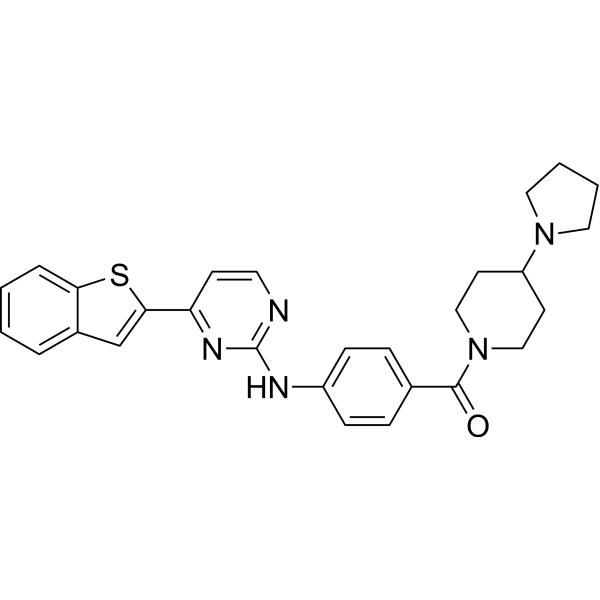
IKK 16 is an orally active IKK inhibitor. IKK 16 shows IC50s of 40 nM, 70 nM, 200 nM, and 50 nM for IKK2, IKK complex, IKK1, and LRRK 2, respectively. IKK 16 is also a pan-PKD inhibitor, inhibiting PKD1, PKD2, and PKD3 with IC50s of 153.9, 115, and 99.7 nM, respectively. IKK 16 is also an ABCB1 inhibitor, interfering with the binding of ABCB1 to its substrates. IKK 16 protects against LPS (HY-D1056)-induced multiple organ dysfunction by reducing the acute inflammatory response induced by endotoxin exposure. IKK 16 can restore renal function and alleviate fibrosis in acute kidney injury. IKK 16 attenuates cardiac dysfunction associated with polymicrobial sepsis in mice with type 2 diabetes mellitus (T2DM) by inhibiting the NF-κB pathway .
|
-
-
- HY-109041
-
|
AKB-9778
|
Phosphatase
Tie
|
Inflammation/Immunology
|
|
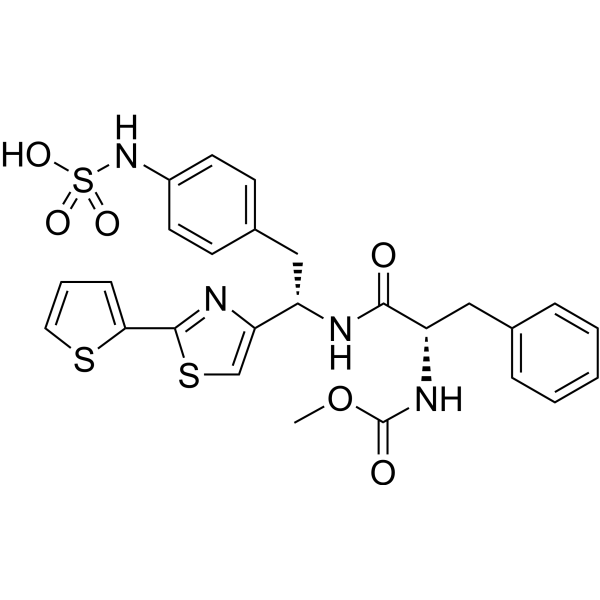
Razuprotafib (AKB-9778) is a potent and selective inhibitor of the catalytic activity of VE-PTP (vascular endothelial protein tyrosine phosphatase) with an IC50of 17 pM. Razuprotafib promotes TIE2 activation, enhances ANG1-induced TIE2 activation, and stimulates phosphorylation of signaling molecules in the TIE2 pathway, including AKT, eNOS, and ERK. Razuprotafib inhibits the structurally related phosphatase PTP1B with an IC50 of 780 nM. Razuprotafib shows excellent selectivity for VE-PTP versus a variety of phosphatases, with the exception of HPTPη (IC50=36 pM) and HPTPγ (100 pM) .
|
-
-
- HY-B0504S
-
|
NSC13123-d3
|
Isotope-Labeled Compounds
Endogenous Metabolite
iGluR
GABA Receptor
|
Metabolic Disease
Cancer
|
|
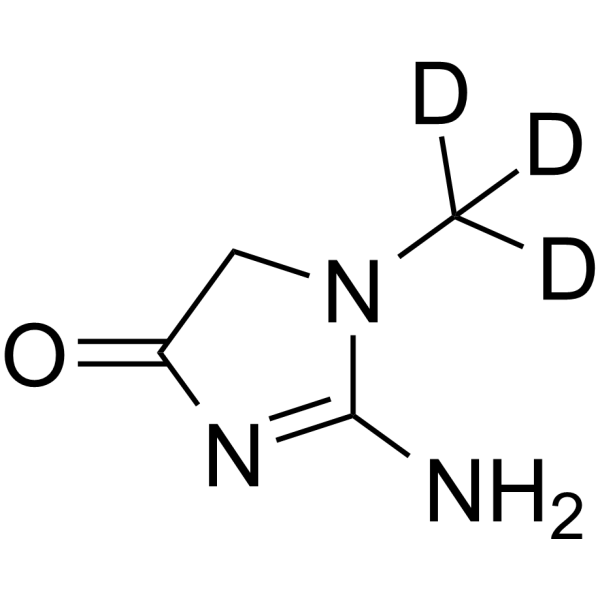
Creatinine-d3 is a deuterium labeled Creatinine. Creatinine (NSC13123) is an orally active, blood-brain barrier-permeable modulator of GABAA and NMDA receptors, with activities of antioxidation and metabolic regulation. Creatinine is generated via non-enzymatic conversion of creatine and phosphocreatine in muscle. Creatinine serum levels correlate with muscle mass, glomerular filtration rate, and extrarenal clearance, serving as an evaluation biomarker for renal function, muscle mass, and clinical outcomes, and used for perioperative renal risk assessment. In addition, Creatinine can induce specific Cryptococcus species to produce creatinine deiminase and act as their nitrogen source, while it can be secreted via renal tubules. Creatinine is widely used in research related to various diseases such as neurodegenerative diseases, psychiatric disorders, acute kidney injury, chronic kidney disease, and renal failure .
|
-
-
- HY-B2209
-
|
Vitamin B12a
|
Endogenous Metabolite
|
Neurological Disease
Metabolic Disease
|
|
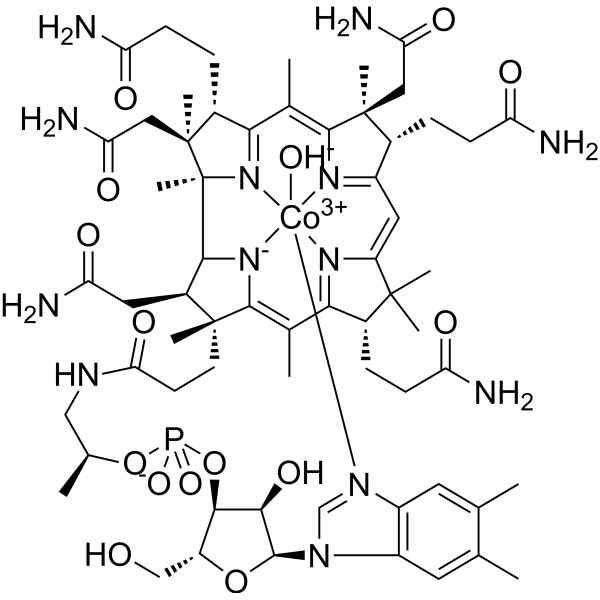
Hydroxocobalamin (Vitamin B12a) is a cyanide antidote. Hydroxocobalamin can decrease the cell and plasma cyanide concentrations and increase survival rate in acute cyanide poisoning. Hydroxocobalamin can improve newborn Cbl-C defect-induced metabolic profile and neurocognitive outcome. Hydroxocobalamin can normalize Vitamin B12 deficiency. Hydroxocobalamin can induce acute kidney injury. Hydroxocobalamin can be used for the researches of metabolic and neurological disease .
|
-
-
- HY-B0504
-
|
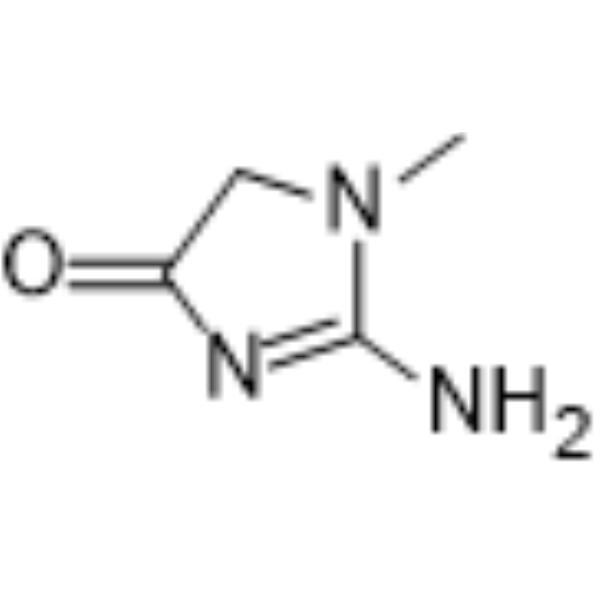
NSC13123
|
Endogenous Metabolite
GABA Receptor
iGluR
|
Infection
Neurological Disease
Metabolic Disease
Cancer
|
|
Creatinine (NSC13123) is an orally active, blood-brain barrier-permeable modulator of GABAA and NMDA receptors, with activities of antioxidation and metabolic regulation. Creatinine is generated via non-enzymatic conversion of creatine and phosphocreatine in muscle. Creatinine serum levels correlate with muscle mass, glomerular filtration rate, and extrarenal clearance, serving as an evaluation biomarker for renal function, muscle mass, and clinical outcomes, and used for perioperative renal risk assessment. In addition, Creatinine can induce specific Cryptococcus species to produce creatinine deiminase and act as their nitrogen source, while it can be secreted via renal tubules. Creatinine is widely used in research related to various diseases such as neurodegenerative diseases, psychiatric disorders, acute kidney injury, chronic kidney disease, and renal failure .
|
-
-
- HY-N2909
-
|
|
NF-κB
RIP kinase
Mixed Lineage Kinase
|
Cardiovascular Disease
Neurological Disease
Inflammation/Immunology
|
|
Aurantiamide is a non-covalent, orally active, blood-brain-permeable GRPR selective antagonist with anti-inflammatory and neuroprotective effects. Aurantiamide reduces inflammation and oxidative stress in renal tissue by inhibiting GRPR-mediated renal necrosis pathways (such as RIPK3/MLKL signaling) and NF-κB inflammatory pathways, exerting anti-acute kidney injury and endothelial function activities. Aurantiamide also inhibits the M1 polarization of microglia and inhibits NLRP3 activation, thereby improving AD mouse models. Aurantiamide has in vivo inhibitory efficacy in acute kidney injury models such as ischemia/reperfusion, sepsis, and hypertension models .
|
-
-
- HY-N1990
-
|
|
PPAR
Sirtuin
Keap1-Nrf2
Toll-like Receptor (TLR)
NF-κB
Reactive Oxygen Species (ROS)
NOD-like Receptor (NLR)
Apoptosis
Pyroptosis
Autophagy
|
Cardiovascular Disease
Neurological Disease
Metabolic Disease
Inflammation/Immunology
|
|
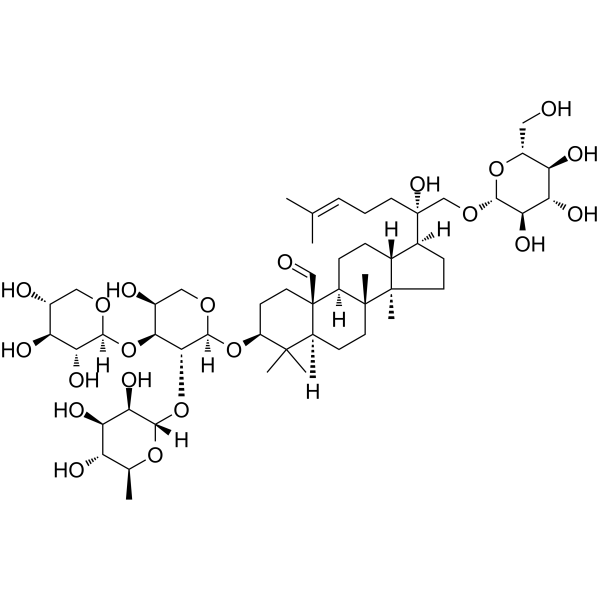
Gypenoside XLIX is a multifunctional bioactive compound that can be isolated from Gynostemma pentaphyllum, with a Ka value of 1.58 μM for its binding to SIRT1. Gypenoside XLIX acts as a PPAR-α agonist. It inhibits the activation of TLR4-mediated NF-κB signaling pathway by activating the Sirt1/Nrf2 signaling pathway, reduces ROS accumulation, and alleviates hepatic inflammatory injury in mice with sepsis-induced liver disease. Gypenoside XLIX targets SIRT1 to block YAP-NLRP3 activation and improve sepsis-induced cardiomyopathy. Gypenoside XLIX inhibits apoptosis (Apoptosis), pyroptosis (Pyroptosis), autophagy (Autophagy), lipid peroxidation, pro-inflammatory cytokines and anti-inflammatory cytokines. Gypenoside XLIX alleviates sepsis-induced splenic injury by inhibiting inflammation and oxidative stress, and mitigates sepsis-associated encephalopathy by targeting PPAR-α. Gypenoside XLIX prevents acute kidney injury by inhibiting IGFBP7/IGF1R-mediated programmed cell death and inflammation. Gypenoside XLIX inhibits the expression and activity of vascular cell adhesion molecule-1 in cytokine-induced human endothelial cells. Gypenoside XLIX is applicable to research related to acute liver injury, lung injury, cardiomyopathy, acute splenic injury, sepsis-associated encephalopathy, acute kidney injury, atherosclerosis and chronic inflammation .
|
-
-
- HY-103213
-
|
|
Adrenergic Receptor
|
Neurological Disease
Endocrinology
|
|
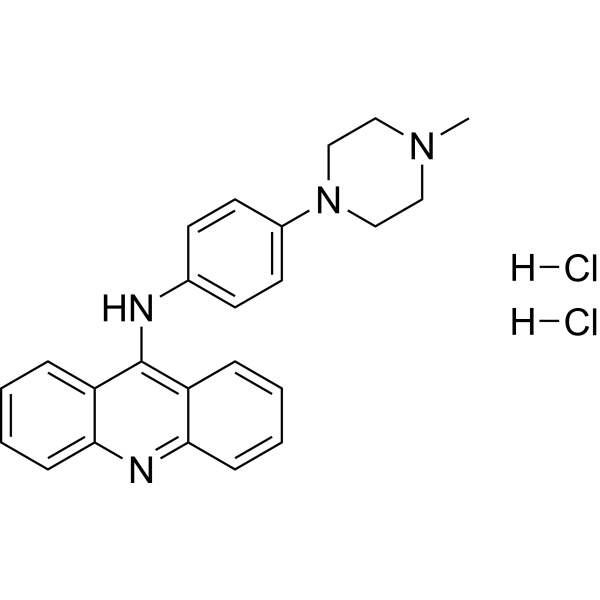
JP1302 dihydrochloride is a potent, selective, high affinity antagonist of the α2C-adrenoceptor, with a Kb of 16 nM and a Ki of 28 nM for the human α2C-receptor. JP1302 dihydrochloride shows antidepressant and antipsychotic-like effects. JP1302 dihydrochloride can be used for neuropsychiatric disorders and renal dysfunction research .
|
-
-
- HY-120929
-
BI8622
4 Publications Verification
|
E1/E2/E3 Enzyme
c-Myc
|
Inflammation/Immunology
Cancer
|
|
BI8622 is a specific inhibitor of the ubiquitin ligase HUWE1 with an IC50 of 3.1 μM. BI8622 can decrease the protein expression levels of c-myc and glycolytic markers as well as immune modulatory markers after HUWE1 inhibition in triple-negative breast cancer (TNBC) cell lines. BI8622 significantly protects against cisplatin (HY-17394)-induced acute kidney injury (AKI). BI8622 significantly reduces the growth of multiple myeloma (MM) cell lines and induces cell cycle arrest. BI8622 can prevent HUWE1-dependent TTBK2 ubiquitination. BI8622 can be studied in research for various diseases including medulloblastoma, acute kidney injury, breast cancer and MM .
|
-
-
- HY-Y1117
-
-
-
- HY-B0504S2
-
|
NSC13123-d5
|
Isotope-Labeled Compounds
Endogenous Metabolite
iGluR
GABA Receptor
|
Metabolic Disease
|
|
Creatinine-d5 is the deuterium labeled Creatinine. Creatinine (NSC13123) is an orally active, blood-brain barrier-permeable modulator of GABAA and NMDA receptors, with activities of antioxidation and metabolic regulation. Creatinine is generated via non-enzymatic conversion of creatine and phosphocreatine in muscle. Creatinine serum levels correlate with muscle mass, glomerular filtration rate, and extrarenal clearance, serving as an evaluation biomarker for renal function, muscle mass, and clinical outcomes, and used for perioperative renal risk assessment. In addition, Creatinine can induce specific Cryptococcus species to produce creatinine deiminase and act as their nitrogen source, while it can be secreted via renal tubules. Creatinine is widely used in research related to various diseases such as neurodegenerative diseases, psychiatric disorders, acute kidney injury, chronic kidney disease, and renal failure .
|
-
-
- HY-44307
-
|
|
Ferroptosis
|
Cancer
|
|
84-B10 is a 3-phenylglutaric acid derivative. 84-B10 inhibits cisplatin (HY-17394) induced tubular ferroptosis. 84-B10 attenuates cisplatin-induced mitochondrial damage and oxidative stress. 84-B10 ameliorates cisplatin-induced acute kidney injury (AKI) .
|
-
-
- HY-B1229
-
|
3-Methylbutanamide
|
GABA Receptor
|
Neurological Disease
Metabolic Disease
|
|
Isovaleramide (3-Methylbutanamide) is an orally active anticonvulsant. Isovaleramide inhibits alcohol dehydrogenase (ADH) activity and regulates GABAergic system. Isovaleramide reduces acute kidney injury. Isovaleramide has antiepileptic, anxiolytic, sedative and hypnotic effects[1] .
|
-
-
- HY-N0648
-
|
|
Interleukin Related
Keap1-Nrf2
Heme Oxygenase (HO)
NF-κB
Apoptosis
|
Inflammation/Immunology
|
|
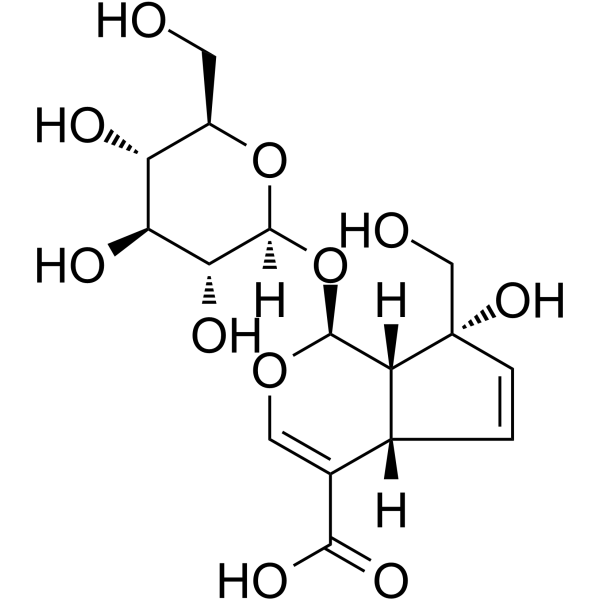
Monotropein is an iridoid glycoside that can be isolated from the roots of Morinda officinalis. Monotropein inhibits the expression of inflammatory mediators in dextran sulfate sodium (DSS)-induced colitis mouse model. Monotropein exerts protective effects against IL-1β-induced apoptosis and catabolic responses on osteoarthritis chondrocytes. Monotropein has cartilage protective activity. Monotropein can alleviate Cisplatin (HY-17394)-induced acute kidney injury by inhibiting oxidative damage, inflammation and apoptosis through activation of Nrf2/HO-1 pathway and inhibition of NF-κB signaling. Monotropein can be studied in research for osteoarthritis, acute kidney injury and acute lung injury .
|
-
-
- HY-137455
-
-
-
- HY-B0347
-
|
|
Calcium Channel
Reactive Oxygen Species (ROS)
Caspase
Apoptosis
|
Cardiovascular Disease
|
|
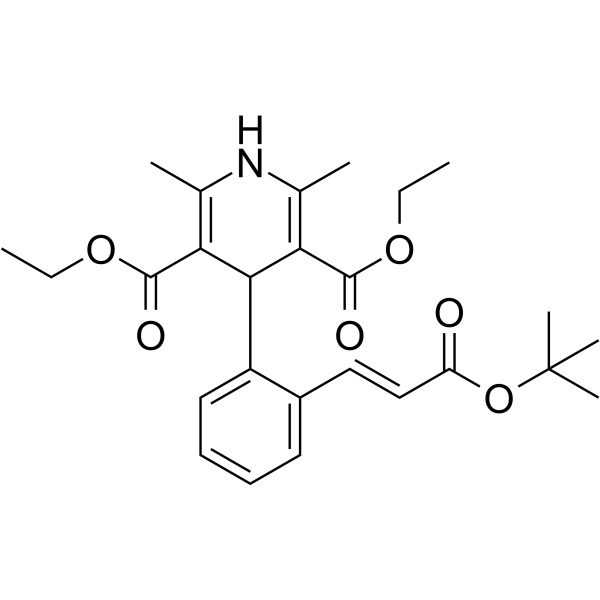
Lacidipine is an orally active and highly selective L-type calcium channel blocker that acts on smooth muscle calcium channels, primarily dilates peripheral arteries, reduces peripheral resistance, and has long-lasting anti-hypertensive activity. Lacidipine protects HKCs from apoptosis induced by ATP depletion and recovery by modulating the caspase-3 pathway. Lacidipine can be used in studies of hypertension, atherosclerosis and acute kidney injury (AKI) .
|
-
-
- HY-108775A
-
|
Sodium hyposulfite (99%, water≤1.0%)
|
Environmental Pollutants
Biochemical Assay Reagents
COX
Interleukin Related
NF-κB
β-catenin
GSK-3
|
Cardiovascular Disease
Neurological Disease
Inflammation/Immunology
Endocrinology
Cancer
|
|
Sodium thiosulfate is an antioxidant. Sodium thiosulfate inhibits the expression of p-GSK-3β and β-catenin proteins, reduces IL-1β, COX-2, and Iba-1, and inhibits NFκB activation. Sodium thiosulfate promotes angiogenesis, inhibits inflammation, and improves acute lung injury. Sodium thiosulfate also exhibits anti-cancer activity against melanoma. Sodium thiosulfate also exerts renal protective effects. Sodium thiosulfate can be used in the research of osteoarthritis, brain inflammation, cancer (such as breast cancer, melanoma), and kidney disease .
|
-
-
- HY-128738
-
|
TMP disodium salt
|
Endogenous Metabolite
DNA/RNA Synthesis
|
Metabolic Disease
|
|
Thymidine-5'-monophosphate (TMP) disodium salt is a key nucleotide in pyrimidine metabolism, and its kinase activity can be competitively inhibited by 5'-fluorothymidine. The level of Thymidine-5'-monophosphate disodium salt is closely associated with acute kidney injury .
|
-
-
- HY-150608
-
|
|
PROTACs
STING
|
Inflammation/Immunology
Cancer
|
|
PROTAC STING Degrader-1 is a PROTAC degrader targeting the STING pathway with a DC50 of 3.2 μM. PROTAC STING Degrader-1 exerts high anti-inflammatory efficacy. PROTAC STING Degrader-1 can be used to study diseases such as acute kidney injury and inflammatory bowel diseases (IBDs). (Pink: STING ligand (HY-138682); Blue: CRBN ligand (HY-10984); Black: linker (HY-W015883)) .
|
-
-
- HY-100607A
-
|
ONO1101 hydrochloride
|
Adrenergic Receptor
Calcium Channel
Potassium Channel
Reactive Oxygen Species (ROS)
|
Cardiovascular Disease
Inflammation/Immunology
Endocrinology
|
|
Landiolol (ONO1101) hydrochloride is a highly selective, ultra-short-acting competitive inhibitor of β1 adrenergic receptors. Landiolol hydrochloride specifically blocks cardiac β1 receptors, reducing heart rate and myocardial oxygen consumption. Landiolol hydrochloride inhibits TNF-α-induced excessive mitochondrial oxygen consumption and reactive oxygen species production in a sepsis model, alleviating renal injury. Landiolol hydrochloride has little effect on cardiac ion channels (such as L-type calcium current and inward rectifier potassium current) and has a weak negative inotropic effect. Landiolol hydrochloride can be used for perioperative tachycardia control and protection studies of sepsis-related acute kidney injury .
|
-
-
- HY-152846
-
|
GDC-8264
|
RIP kinase
Interleukin Related
|
Cardiovascular Disease
Inflammation/Immunology
Endocrinology
|
|
Flizasertib (GDC-8264) is an orally active, reversible and selective RIP1 inhibitor with Ki app values of 0.00071 μM and 0.0013 μM for human and cynomolgus monkey RIP1 kinase, respectively. Flizasertib blocks RIP1 autophosphorylation but does not affect RIP1 protein stability. Flizasertib inhibits pro-inflammatory cytokines (CCL3, CCL4, and IL-1β) production. Flizasertib results in inhibition of colitis and ileitis. Flizasertib can be used in the research of cardiac surgery-associated acute kidney injury .
|
-
-
- HY-B0504R
-
|
NSC13123 (Standard)
|
Reference Standards
Endogenous Metabolite
iGluR
GABA Receptor
|
Metabolic Disease
Cancer
|
|
Creatinine (Standard) is the analytical standard of Creatinine. This product is intended for research and analytical applications. Creatinine (NSC13123) is an orally active, blood-brain barrier-permeable modulator of GABAA and NMDA receptors, with activities of antioxidation and metabolic regulation. Creatinine is generated via non-enzymatic conversion of creatine and phosphocreatine in muscle. Creatinine serum levels correlate with muscle mass, glomerular filtration rate, and extrarenal clearance, serving as an evaluation biomarker for renal function, muscle mass, and clinical outcomes, and used for perioperative renal risk assessment. In addition, Creatinine can induce specific Cryptococcus species to produce creatinine deiminase and act as their nitrogen source, while it can be secreted via renal tubules. Creatinine is widely used in research related to various diseases such as neurodegenerative diseases, psychiatric disorders, acute kidney injury, chronic kidney disease, and renal failure .
|
-
-
- HY-B0516
-
|
Hoe-045
|
Sodium Channel
NF-κB
NOD-like Receptor (NLR)
|
Neurological Disease
Inflammation/Immunology
|
|
Articaine (Hoe-045) hydrochloride is a selective inhibitor of voltage-gated sodium channels (such as rNav1.4, hNav1.7, and rNav1.8), with an IC50 of 15.8 μM for open-state Na + channels, and IC50 of 40.6 μM and 378 μM for inactivated and resting-state Na + channels, respectively. Articaine hydrochloride exerts local anesthetic activity by inhibiting Na + influx to block nerve impulse conduction, and can also inhibit NF-κB activation and NLRP3 inflammasome pathways, exhibiting anti-inflammatory function. Articaine hydrochloride can be used in the study of dental local anesthesia and inflammatory-related diseases (such as acute kidney injury) .
|
-
-
- HY-13687A
-
|
|
IKK
LRRK2
P-glycoprotein
PKD
NF-κB
TNF Receptor
Interleukin Related
|
Cardiovascular Disease
Inflammation/Immunology
|
|
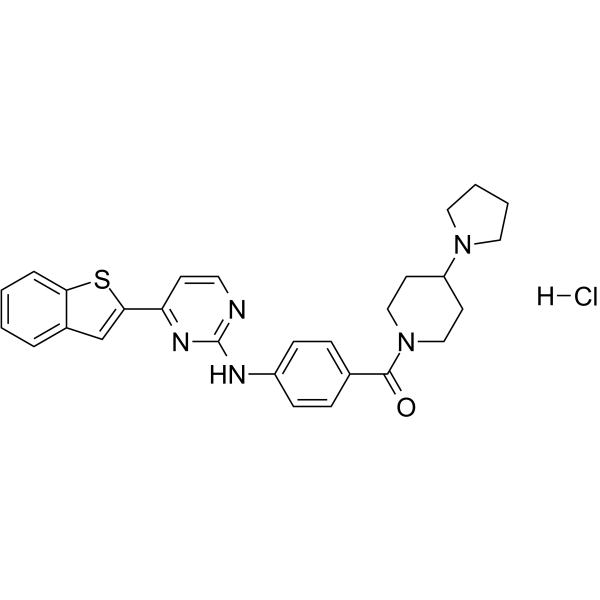
IKK 16 hydrochloride is an orally active IKK inhibitor. IKK 16 hydrochloride shows IC50s of 40 nM, 70 nM, 200 nM, and 50 nM for IKK2, IKK complex, IKK1, and LRRK 2, respectively. IKK 16 hydrochloride is also a pan-PKD inhibitor, inhibiting PKD1, PKD2, and PKD3 with IC50s of 153.9, 115, and 99.7 nM, respectively. IKK 16 hydrochloride is also an ABCB1 inhibitor, interfering with the binding of ABCB1 to its substrates. IKK 16 hydrochloride protects against LPS (HY-D1056)-induced multiple organ dysfunction by reducing the acute inflammatory response induced by endotoxin exposure. IKK 16 hydrochloride can restore renal function and alleviate fibrosis in acute kidney injury. IKK 16 hydrochloride attenuates cardiac dysfunction associated with polymicrobial sepsis in mice with type 2 diabetes mellitus (T2DM) by inhibiting the NF-κB pathway .
|
-
-
- HY-NP070
-
|
LTL
|
|
Inflammation/Immunology
|
|
Lotus tetragonolobus lectin (LTL) is a plant lectin that specifically recognizes and binds to α-L-fucopyranosyl residues, a sugar structure serving as the key terminal glycosyl group of human blood type O antigen (H antigen). Lotus tetragonolobus lectin exerts macrophage migration inhibitory activity in monomeric form. Lotus tetragonolobus lectin labels and identifies renal proximal tubular epithelial cells to evaluate histopathological changes of sepsis-induced acute kidney injury. Lotus tetragonolobus lectin is applicable to studies in glycobiology, immunology and renal pathology .
|
-
-
- HY-173425
-
|
|
STING
IFNAR
TNF Receptor
Interleukin Related
|
Inflammation/Immunology
|
|
STING-IN-15 is an orally active STING inhibitor, with an IC50 of 116 nM against h-STING and an IC50 of 96.3 nM against m-STING. STING-IN-15 inhibits the STING signaling pathway in cells, reduces the secretion of IFN-β and IP-10, downregulates the expression of ISG15, ISG56 and TNF-α, and suppresses the phosphorylation of TBK1/IRF3. STING-IN-15 alleviates systemic and renal inflammation induced by STING agonists in mice, reduces tissue damage and the expression of interferon pathway genes, and inhibits spontaneous tissue inflammation in mice. STING-IN-15 can be used for the research of acute kidney injury and autoimmune/inflammatory diseases .
|
-
-
- HY-B0504S1
-
|
NSC13123-13C
|
Isotope-Labeled Compounds
Endogenous Metabolite
iGluR
GABA Receptor
|
Metabolic Disease
|
|
Creatinine- 13C is the 13C-labeled Creatinine. Creatinine (NSC13123) is an orally active, blood-brain barrier-permeable modulator of GABAA and NMDA receptors, with activities of antioxidation and metabolic regulation. Creatinine is generated via non-enzymatic conversion of creatine and phosphocreatine in muscle. Creatinine serum levels correlate with muscle mass, glomerular filtration rate, and extrarenal clearance, serving as an evaluation biomarker for renal function, muscle mass, and clinical outcomes, and used for perioperative renal risk assessment. In addition, Creatinine can induce specific Cryptococcus species to produce creatinine deiminase and act as their nitrogen source, while it can be secreted via renal tubules. Creatinine is widely used in research related to various diseases such as neurodegenerative diseases, psychiatric disorders, acute kidney injury, chronic kidney disease, and renal failure .
|
-
-
- HY-N3181
-
-
-
- HY-N0805A
-
|
|
Epoxide Hydrolase
CaMK
Autophagy
Apoptosis
|
Metabolic Disease
Inflammation/Immunology
Cancer
|
|
Alisol B is a triterpene with diverse biological activities. Alisol B binds human soluble epoxide hydrolase (sEH) with a Ki of 5.97 μM and reduces sEH activity. Alisol B inhibits RANKL-induced JNK phosphorylation, NFATc1 and c-Fos expression, osteoclast formation, mature osteoclast pit-forming and actin ring activity, and SERCA pump activity. Alisol B induces calcium mobilization, CaMKK-AMPK-mTOR pathway activation, autophagic flux, autophagosome formation, G1 phase cell cycle arrest, endoplasmic reticulum stress, unfolded protein responses, and cancer cell apoptosis. Alisol B can be used for the research of hypercalcemia, osteoporosis, rheumatoid arthritis, periodontitis, acute kidney injury, and breast cancer .
|
-
-
- HY-173414
-
|
|
PROTACs
STING
NF-κB
|
Inflammation/Immunology
|
|
PROTAC STING degrader-3 is a STING PROTAC degrader (DC50: 0.62 μM). PROTAC STING degrader-3 induces STING degradation via the ubiquitin-proteasome pathway. PROTAC STING degrader-3 exerts anti-inflammatory effects by inhibiting STING/TBK1/NF-κB signaling. PROTAC STING degrader-3 has renal protective effects and can be used in the study of acute kidney injury (AKI) .
|
-
-
- HY-N4130
-
|
|
Others
|
Inflammation/Immunology
|
|
25S-Inokosterone is a phytoecdysone in the roots of two same species of A. bidentata Blume and A. japonica Nakai, and two different species of C. capitata Moq and C. officinalis Kuan. 25S-Inokosterone has the potential for the LPS-induced acute kidney injury research .
|
-
-
- HY-125923
-
|
|
Bacterial
|
Infection
Endocrinology
|
|
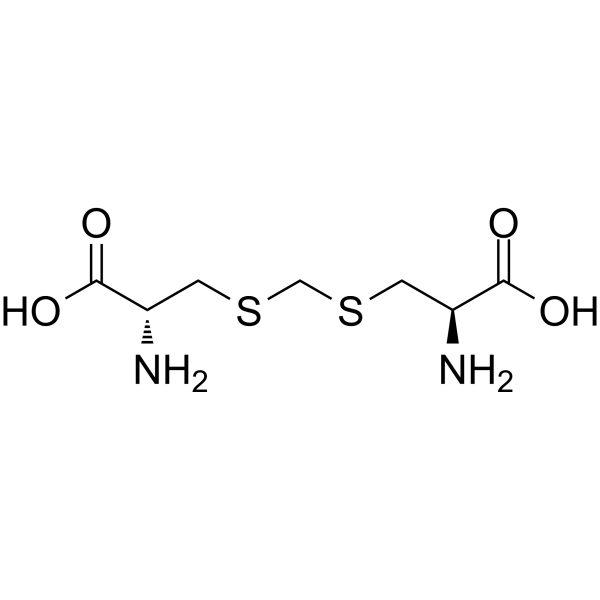
Djenkolic acid is a sulfur-containing amino acid. Djenkolic acid can be isolated from the djenkol beans of the Southeast Asian plant Archidendron jiringa. Djenkolic acid de-inhibits the SO4 2- uptake system in Pseudomonas fluorescens. Djenkolic acid causes supersaturation of the urinary system with djenkolic acid crystals, leading to urinary tract obstruction and acute kidney injury .
|
-
-
- HY-P6084
-
|
|
NOD-like Receptor (NLR)
p38 MAPK
Apoptosis
|
Inflammation/Immunology
|
|
RP-220 is a renalase peptide targeting NLRP3. RP220 has anti-inflammatory and anti-apoptotic activities. RP220 inhibits renal tubular epithelial cells apoptosis with alkaline insult by activating MAPK signaling pathway. RP220 significantly inhibits NLRP3 expression and reduces macrophage infiltration and kidney tissue damage in acute kidney injury (AKI) mice model. RP-220 can be uses for systemic lupus erythematosus (SLE) and its complication lupus nephritis (LN) research .
|
-
-
- HY-16942
-
|
|
Apoptosis
Reactive Oxygen Species (ROS)
Bcl-2 Family
CDK
MMP
Interleukin Related
MDM-2/p53
|
Metabolic Disease
Inflammation/Immunology
Cancer
|
|
Damulin B is a dammarane-type saponin found in Gynostemma pentaphyllum. Damulin B can inhibit cancer cell apoptosis, decrease mitochondrial membrane potential, inhibit ROS production and cause G0/G1 phase arrest. Damulin B can prevent Cisplatin (HY-17394)-induced acute kidney injury and induce hair growth. Damulin B shows anti-inflammation anti-diabetic and anti-obesity effect. Damulin B can be used for the researches of cancer, inflammation, metabolic disease, such as lung cancer, osteoarthritis and diabetes .
|
-
-
- HY-161904
-
-
-
- HY-132595A
-
|
QPI-1002 sodium
|
MDM-2/p53
|
Cancer
|
|
Teprasiran sodium is a small interfering RNA that temporarily inhibits p53-mediated cell death that underlies acute kidney injury (AKI) .
|
-
-
- HY-103213A
-
JP1302
2 Publications Verification
|
Adrenergic Receptor
|
Neurological Disease
|
|
JP1302 is a potent, selective, high affinity antagonist of the α2C-adrenoceptor, with a Kb of 16 nM and a Ki of 28 nM for the human α2C-receptor. JP1302 shows antidepressant and antipsychotic-like effects. JP1302 can be used for neuropsychiatric disorders and renal dysfunction research .
|
-
-
- HY-P99198
-
-
-
- HY-163654
-
|
|
Ferroptosis
|
Cancer
|
|
Ferroptosis-IN-8 is a potent ferroptosis inhibitor with an EC50 of 40.49 nM. Ferroptosis-IN-8 effectively reduces lipid ROS levels in cells. Ferroptosis-IN-8 act as an antioxidant by capturing lipid radicals, leading to a reduction in the accumulation of harmful lipid peroxides and, ultimately, inhibiting ferroptosis .
|
-
-
- HY-105305
-
|
ABT-719; AP-214
|
Melanocortin Receptor
|
Inflammation/Immunology
|
|
Modimelanotide (ABT-719) is an α-melanocyte-stimulating hormone analog. Modimelanotide has high specific binding ability to melanocortin receptors (MCR1, 3, 4, 5). Modimelanotide possesses anti-inflammatory and organ-protective effects. Modimelanotide can be used in the research of diseases such as acute kidney injury .
|
-
-
- HY-132595
-
-
-
- HY-12118
-
-
-
- HY-179041
-
|
|
PGE synthase
Prostaglandin Receptor
MDM-2/p53
Amino acid Transporter
Glutathione Peroxidase
Ferroptosis
|
Metabolic Disease
Endocrinology
|
|
SZ0232 is a selective mPGES-2 inhibitor. SZ0232 binds to the active site of mPGES-2 via hydrogen bonds and π-π stacking, reduces the production of prostaglandin E2 (PGE2) and blocks the PGE2-EP3 pathway. SZ0232 regulates Ferroptosis by activating the heme-dependent p53/SLC7A11/GPX4 axis, inhibits lipid peroxidation, and protects renal tubules. SZ0232 enhances glucose-stimulated insulin secretion, inhibits β-cell senescence, and improves glucose homeostasis. SZ0232 reduces renal lipid accumulation, alleviates fibrosis, and ameliorates renal dysfunction in diabetic mice. SZ0232 inhibits renal cyst growth in polycystic kidney disease models. SZ0232 exhibits an insulinotropic effect that strengthens with the increase of animal age. SZ0232 can be used in studies related to type 2 diabetes, acute kidney injury, diabetic kidney disease, and autosomal dominant polycystic kidney disease .
|
-
-
- HY-B0504S5
-
|
NSC13123-15N
|
Isotope-Labeled Compounds
Endogenous Metabolite
iGluR
GABA Receptor
|
Metabolic Disease
Cancer
|
|
Creatinine- 15N (NSC13123- 15N) is the 15N-labeled Creatinine (HY-B0504). Creatinine (NSC13123) is an orally active, blood-brain barrier-permeable modulator of GABAA and NMDA receptors, with activities of antioxidation and metabolic regulation. Creatinine is generated via non-enzymatic conversion of creatine and phosphocreatine in muscle. Creatinine serum levels correlate with muscle mass, glomerular filtration rate, and extrarenal clearance, serving as an evaluation biomarker for renal function, muscle mass, and clinical outcomes, and used for perioperative renal risk assessment. In addition, Creatinine can induce specific Cryptococcus species to produce creatinine deiminase and act as their nitrogen source, while it can be secreted via renal tubules. Creatinine is widely used in research related to various diseases such as neurodegenerative diseases, psychiatric disorders, acute kidney injury, chronic kidney disease, and renal failure .
|
-
-
- HY-P3434A
-
|
|
Pyroptosis
|
Inflammation/Immunology
|
|
Ac-FEID-CMK TFA is a potent zebrafish-specific GSDMEb-derived peptide inhibitor.
Ac-FEID-CMK TFA can attenuate the mortality and kidney injury during septic shock. Ac-FEID-CMK TFA inhibits pyroptosis and attenuates septic AKI (acute kidney injury) in vivo. Ac-FEID-CMK TFA can suppress the caspy2-mediated noncanonical inflammasome pathway .
|
-
-
- HY-101337A
-
|
RS 21361
|
Adrenergic Receptor
|
Metabolic Disease
|
|
Imiloxan (RS 21361) hydrochloride is a potent and selective alpha 2B-adrenoceptor antagonist. Imiloxan hydrochloride produces a dose-related reversal of Guanoxabenz (HY-U00123)-induced maximal mydriasis in male rats. Imiloxan hydrochloride has the potential for acute kidney injury research .
|
-
-
- HY-P11354
-
|
|
TGF-β Receptor
Apoptosis
Interleukin Related
Integrin
Cadherin
|
Inflammation/Immunology
|
|
THR-123 is an orally active ALK3 peptide agonist. THR-123 has a relatively weak binding to ALK2, but does not bind to ALK6. THR-123 suppresses inflammation, apoptosis and the epithelial-to-mesenchymal transition program and reverses established fibrosis in five mouse models of acute and chronic renal injury. THR-123 can be used for the study of kidney fibrosis .
|
-
-
- HY-176212
-
|
|
Ferroptosis
VDAC
Reactive Oxygen Species (ROS)
|
Inflammation/Immunology
|
|
Ferroptosis-IN-20 (Compound 34a) is a Ferroptosis inhibitor (EC50: 24.2 nM) targeting voltage-dependent anion channel (VDAC). Ferroptosis-IN-20 inhibits VDAC oligomerization and lipid peroxidation. Ferroptosis-IN-20 reduces content of ROS, attenuates TFR1-mediated iron uptake, inhibits Fe 2+ level and restores glutathione (GSH) level. Ferroptosis-IN-20 alleviates Folic acid (HY-16637)-induced acute kidney injury (AKI) .
|
-
- HY-B0347S1
-
|
|
Apoptosis
Caspase
Calcium Channel
Reactive Oxygen Species (ROS)
|
Cardiovascular Disease
|
|
Lacidipine- 13C8 is the deuterium labeled Lacidipine . Lacidipine is an orally active and highly selective L-type calcium channel blocker that acts on smooth muscle calcium channels, primarily dilates peripheral arteries, reduces peripheral resistance, and has long-lasting anti-hypertensive activity. Lacidipine protects HKCs from apoptosis induced by ATP depletion and recovery by modulating the caspase-3 pathway. Lacidipine can be used in studies of hypertension, atherosclerosis and acute kidney injury (AKI) .
|
-
- HY-P990181
-
|
|
Glutathione Peroxidase
STING
|
Inflammation/Immunology
|
|
Anti-Mouse myeloperoxidase/MPO Antibody (6G4) is an anti-mouse myeloperoxidase/MPO IgG2c monoclonal antibody. Anti-Mouse myeloperoxidase/MPO Antibody (6G4) can activate the cGAS/STING pathway. Anti-Mouse myeloperoxidase/MPO Antibody (6G4) induces acute and chronic kidney injury in mice. Anti-Mouse myeloperoxidase/MPO Antibody (6G4) is often used in the construction of inflammation conditions models such as anti-neutrophil cytoplasmic antibody (ANCA)-associated vasculitides (AAV) .
|
-
- HY-178163
-
|
|
Ferroptosis
Necroptosis
RIP kinase
Reactive Oxygen Species (ROS)
Mixed Lineage Kinase
|
Inflammation/Immunology
|
|
Zharp1-163 is a dual inhibitor of ferroptosis and necroptosis. Zharp1-163 effectively blocks ferroptosis by reducing reactive oxygen species (ROS) levels and inhibits necroptosis by potently and selectively targeting RIPK1 kinase activity (KD = 240 nM; IC50 = 406.1 nM). Zharp1-163 inhibits the cellular activation of RIPK1, RIPK3 and MLKL in response to necroptotic stimulation. Zharp1-163 markedly attenuates TNF-α (HY-P1875)-induced systemic inflammatory syndrome, including the prevention of TNF-α-induced mortality and hypothermia in mice. Zharp1-163 significantly alleviates acute kidney injury associated with both necroptosis and ferroptosis in models induced by Cisplatin (HY-17394) and ischemia-reperfusion. Zharp1-163 can be used for the study of diseases associated with cell death pathways, such as kidney disease .
|
-
- HY-149426
-
|
|
Sirtuin
|
Inflammation/Immunology
|
|
SIRT5 inhibitor 7 (compound 58) is a substrate-competitive and selective SIRT5 inhibitor with anti-inflammatory activity. SIRT5 inhibitor 7 has renal protective effects and regulates protein succinylation and the release of pro-inflammatory cytokines. SIRT5 inhibitor 7 has in vivo activity in AKI mouse models of lipopolysaccharide (LPS) and cecal ligation/perforation (CLP)-induced sepsis-related acute kidney injury .
|
-
- HY-177415
-
|
|
Aldose Reductase
|
Endocrinology
|
|
JSD26 is a selective and orally active SCoR2 (AKR1A1) inhibitor with an IC50 of 93 nM. JSD26 has 10-fold selectivity for SCoR2 versus AKR1B1. JSD26 can be used for the study acute kidney injury (AKI) .
|
-
- HY-151342
-
|
|
Drug Derivative
|
Others
|
|
Ser@TPP@CUR is a Curcumin (HY-N0005) derivative. Ser@TPP@CUR effectively ameliorates injured renal tubular epithelial cells and improves renal functions of acute kidney injury (AKI) mice. Ser@TPP@CUR can be used for the research of AKI .
|
-
- HY-178951
-
|
|
STING
IKK
Reactive Oxygen Species (ROS)
IFNAR
PARP
Caspase
|
Inflammation/Immunology
|
|
STING-IN-17 (compound 10a) is an orally active STING (human STING IC50 = 29 nM, mouse STING IC50 = 15 nM) inhibitor. STING-IN-17 can inhibit the phosphorylation of STING, TBK1 and IRF3. STING-IN-17 dose dependently inhibits the mRNA expression of IP10, IFNB1 and ISG56. STING-IN-17 can reduce ROS and inhibit the expression of cleaved-PARP/caspase-3. STING-IN-17 can improve kidney function. STING-IN-17 can be used for research on inflammatory conditions such as acute kidney injury .
|
-
- HY-167822
-
-
- HY-186012
-
|
|
Drug Intermediate
|
Others
|
|
TPP@CUR is the product formed by the esterification reaction between Curcumin (HY-N0005) and (5-hydroxy-5-oxopentyl)triphenylphosphonium bromide (TPP). TPP@CUR can be used to synthesize Ser@TPP@CUR (HY-151342), which can then be used in studies of acute kidney injury .
|
-
- HY-155759
-
|
|
NF-κB
Interleukin Related
Caspase
Apoptosis
|
Inflammation/Immunology
Cancer
|
|
HMGB1-IN-2 (compound 15) is an inhibitor of highly conserved nuclear protein (HMGB1), showing NO inhibitory effect with IC50 value of 20.2 μM in RAW264.7 cells. HMGB1-IN-2 (30 μM) decreases the level of IL-1 β, TNF-α, caspase-1 p20, inhibits the phosphorylation of NF-κB p65, exhibits anti-apoptotic activity. HMGB1-IN-2 (15 mg/kg; ip) relives kidney injury in septic acute kidney injury mouse. HMGB1-IN-2 inhibits Huh7 cells and A549 cells with IC50s of 77.0 μM, and 82.0 μM, respectively .
|
-
- HY-P11354A
-
|
|
TGF-β Receptor
Apoptosis
Interleukin Related
Integrin
Cadherin
|
Inflammation/Immunology
|
|
THR-123 TFA is an orally active ALK3 peptide agonist. THR-123 TFA has a relatively weak binding to ALK2, but does not bind to ALK6. THR-123 TFA suppresses inflammation, Apoptosis and the epithelial-to-mesenchymal transition program and reverses established fibrosis in five mouse models of acute and chronic renal injury. THR-123 TFA can be used for the study of kidney fibrosis .
|
-
- HY-E70617
-
|
|
Lipocalin Family
|
Inflammation/Immunology
|
|
Neutrophil Gelatinase Associated Lipocalin (NGAL), Human (EC 6.1.1.3) belongs to the lipocalin family and is primarily secreted by activated neutrophils. The connection of Neutrophil Gelatinase Associated Lipocalin (NGAL), Human to MMP-9 increases the activity of MMP-9 and protects against its degradation. Neutrophil Gelatinase Associated Lipocalin (NGAL), Human is known mainly as a biomarker of acute kidney injury and is released after tubular damage and during renal regeneration processes .
|
-
- HY-176180
-
|
|
PROTACs
STING
NF-κB
IKK
|
Inflammation/Immunology
|
|
PROTAC STING degrader-4 is a nitro-free covalent STING PROTAC degrader with a DC50 of 3.23 μM. PROTAC STING degrader-4 effectively inhibits STING as well as its downstream signaling, such as p-TBK1 and p-NF-κB (p-P65), and immune-inflammatory cytokines. PROTAC STING degrader-4 mitigates kidney and blood inflammation in Cisplatin (HY-17394)-induced acute kidney injury (AKI) mice model . Pink: STING ligand (HY-176183); Blue: CRBN ligase ligand (HY-103596); Black: linker (HY-176182); CRBN ligase ligand + linker: HY-176181
|
-
- HY-W654256
-
|
Matridin-15-one-d3; Vegard-d3; α-Matrine-d3
|
Isotope-Labeled Compounds
PINK1/Parkin
Opioid Receptor
Autophagy
Mitophagy
Ferroptosis
Apoptosis
|
Inflammation/Immunology
Cancer
|
|
Matrine-d3 (Matridin-d3) is a deuterium labeled Matrine (HY-N0164). Matrine (Matridin-15-one) is an alkaloid found in plants from the Sophora genus that can act as a kappa opioid receptor and u-receptor agonist. Matrine has a variety of pharmacological effects, including anti-cancer, anti-oxidative stress, anti-inflammation and anti-apoptosis effects. Matrine is potential in the research of disease like human non-small cell lung cancer, hepatoma, papillary thyroid cancer and acute kidney injury (AKI) .
|
-
- HY-B0516A
-
|
Hoe-045 free base
|
Sodium Channel
NF-κB
NOD-like Receptor (NLR)
|
Neurological Disease
Inflammation/Immunology
|
|
Articaine (Hoe-045) is a selective inhibitor of voltage-gated sodium channels (such as rNav1.4, hNav1.7, and rNav1.8), with an IC50 of 15.8 μM for open-state Na + channels, and IC50 of 40.6 μM and 378 μM for inactivated and resting-state Na + channels, respectively. Articaine exerts local anesthetic activity by inhibiting Na + influx to block nerve impulse conduction, and can also inhibit NF-κB activation and NLRP3 inflammasome pathways, exhibiting anti-inflammatory function. Articaine can be used in the study of dental local anesthesia and inflammatory-related diseases (such as acute kidney injury) .
|
-
- HY-P2766A
-
|
|
Biochemical Assay Reagents
|
Metabolic Disease
|
|
Trehalase, Microorganism (EC 3.2.1.28) is a trehalase that can effectively degrade trehalose in some bacteria. Trehalase, Microorganism can be used as a marker for acute kidney injury caused by proximal tubule damage .
|
-
- HY-13687R
-
|
|
IKK
LRRK2
Reference Standards
P-glycoprotein
PKD
NF-κB
TNF Receptor
Interleukin Related
|
Inflammation/Immunology
|
|
IKK 16 (Standard) is the analytical standard of IKK 16. This product is intended for research and analytical applications. IKK 16 hydrochloride is an orally active IKK inhibitor. IKK 16 hydrochloride shows IC50s of 40 nM, 70 nM, 200 nM, and 50 nM for IKK2, IKK complex, IKK1, and LRRK 2, respectively. IKK 16 hydrochloride is also a pan-PKD inhibitor, inhibiting PKD1, PKD2, and PKD3 with IC50s of 153.9, 115, and 99.7 nM, respectively. IKK 16 hydrochloride is also an ABCB1 inhibitor, interfering with the binding of ABCB1 to its substrates. IKK 16 hydrochloride protects against LPS (HY-D1056)-induced multiple organ dysfunction by reducing the acute inflammatory response induced by endotoxin exposure. IKK 16 hydrochloride can restore renal function and alleviate fibrosis in acute kidney injury. IKK 16 hydrochloride attenuates cardiac dysfunction associated with polymicrobial sepsis in mice with type 2 diabetes mellitus (T2DM) by inhibiting the NF-κB pathway.
|
-
- HY-P3434
-
|
|
Pyroptosis
|
Inflammation/Immunology
|
|
Ac-FEID-CMK is a potent zebrafish-specific GSDMEb-derived peptide inhibitor.
Ac-FEID-CMK can attenuate the mortality and kidney injury during septic shock. Ac-FEID-CMK inhibits pyroptosis and attenuates septic AKI (acute kidney injury) in vivo. Ac-FEID-CMK can suppress the caspy2-mediated noncanonical inflammasome pathway .
|
-
- HY-101337
-
|
RS 21361 free base
|
Adrenergic Receptor
|
Inflammation/Immunology
|
|
Imiloxan (RS 21361) is a potent and selective alpha 2B-adrenoceptor antagonist. Imiloxan produces a dose-related reversal of Guanoxabenz (HY-U00123)-induced maximal mydriasis in male rats. Imiloxan has the potential for acute kidney injury research .
|
-
- HY-176238
-
|
|
Apoptosis
|
Metabolic Disease
Cancer
|
|
CX116 is an orally active anti-inflammatory agent. CX116 exerts its effects by inhibiting the inflammatory response, reducing oxidative stress, protecting mitochondrial function, and counteracting apoptosis. CX116 bears acceptable toxicity, and can significantly protect renal tissue from Cisplatin (HY-17394)-induced damage. CX116 can be used for the study of Cisplatin-induced acute kidney injury (cis-AKI) .
|
-
- HY-144332
-
|
|
HDAC
HIF/HIF Prolyl-Hydroxylase
|
Cancer
|
|
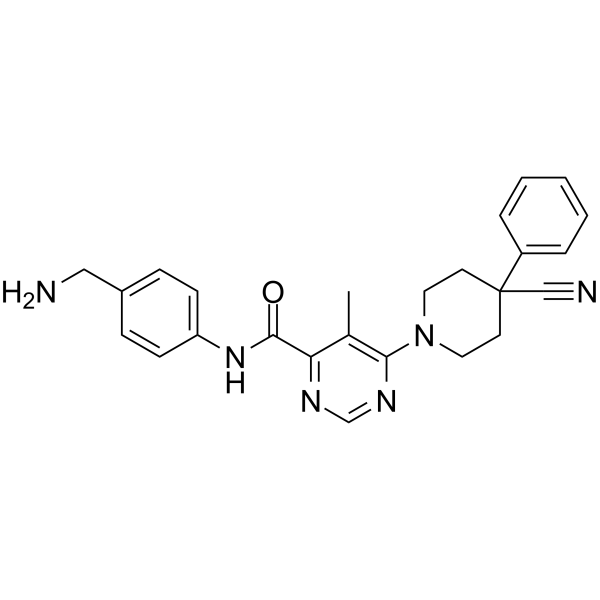
PHD2/HDACs-IN-1 is a potent PHD2/HDACs hybrid inhibitor (IC50s of 1.15 μM, 19.75 μM, 26.60 μM and 15.98 μM for PHD2, HDAC1, HDAC2 and HDAC6, respectively). PHD2/HDACs-IN-1 is a low-toxicity renoprotective agent for research of cisplatin-induced acute kidney injury (AKI) .
|
-
- HY-163748
-
|
|
GSK-3
|
Inflammation/Immunology
|
|
GSK-3β inhibitor 17 (compound 5 n) is a potent GSK-3β inhibitor. GSK-3β inhibitor 17 decreases cisplatin (HY-17394) induced p-p65, KIM-1 protein and mRNA expression. GSK-3β inhibitor 17 decreases cisplatin induced TNF-α, IL-1β, IL-6 and MCP-1 mRNA expression. GSK-3β inhibitor 17 shows anti-inflammation effect and has the potential for the research of acute kidney injury .
|
-
- HY-N0164R
-
|
Matridin-15-one (Standard); Vegard (Standard); α-Matrine (Standard)
|
PINK1/Parkin
Reference Standards
Opioid Receptor
Autophagy
Mitophagy
Ferroptosis
Apoptosis
|
Inflammation/Immunology
Cancer
|
|
Matrine (Standard) is the analytical standard of Matrine. This product is intended for research and analytical applications. Matrine (Matridin-15-one) is an alkaloid found in plants from the Sophora genus that can act as a kappa opioid receptor and u-receptor agonist. Matrine has a variety of pharmacological effects, including anti-cancer, anti-oxidative stress, anti-inflammation and anti-apoptosis effects. Matrine is potential in the research of disease like human non-small cell lung cancer, hepatoma, papillary thyroid cancer and acute kidney injury (AKI) .
|
-
- HY-169059
-
|
|
Ferroptosis
|
Inflammation/Immunology
|
|
Ferroptosis-IN-12 (Cpd-A1) is a ferroptosis inhibitor. Ferroptosis-IN-12 exhibits effective ferroptosis inhibition in Erastin (HY-15763)-treated mouse tubular epithelial cells (mTECs) and improves kidney function, alleviates renal tubular damage, and reduces inflammation in a dose-dependent manner in acute kidney injury (AKI) mouse models induced by ischemia/reperfusion (I/R) or cecal ligation and puncture (CLP). Ferroptosis-IN-12 demonstrates good plasma stability and high distribution in kidney tissues in pharmacokinetic studies in mice. Ferroptosis-IN-12 holds promise for research in the field of acute kidney injury (AKI) .
|
-
- HY-N0648R
-
|
|
Reference Standards
Interleukin Related
Heme Oxygenase (HO)
Keap1-Nrf2
NF-κB
Apoptosis
|
Inflammation/Immunology
|
|
Monotropein (Standard) is the analytical standard of Monotropein. This product is intended for research and analytical applications. Monotropein is an iridoid glycoside that can be isolated from the roots of Morinda officinalis. Monotropein inhibits the expression of inflammatory mediators in dextran sulfate sodium (DSS)-induced colitis mouse model. Monotropein exerts protective effects against IL-1β-induced apoptosis and catabolic responses on osteoarthritis chondrocytes. Monotropein has cartilage protective activity. Monotropein can alleviate Cisplatin (HY-17394)-induced acute kidney injury by inhibiting oxidative damage, inflammation and apoptosis through activation of Nrf2/HO-1 pathway and inhibition of NF-κB signaling. Monotropein can be studied in research for osteoarthritis, acute kidney injury and acute lung injury .
|
-
- HY-156368
-
|
|
RIP kinase
|
Inflammation/Immunology
|
|
RIPK3-IN-4 (Compound 42) is a RIPK3 inhibitor. RIPK3-IN-4 inhibits HK-2 cell damage, necroptosis and inflammatory responses. RIPK3-IN-4 reduces Cisplatin (HY-17394)- and I/R-induced kidney damage, inflammatory response and necroptosis in acute kidney injury .
|
-
- HY-P10852
-
-
- HY-103213R
-
|
|
Reference Standards
Adrenergic Receptor
|
Neurological Disease
Endocrinology
|
|
JP1302 dihydrochloride (Standard) is the analytical standard of JP1302 dihydrochloride. This product is intended for research and analytical applications. JP1302 dihydrochloride is a potent, selective, high affinity antagonist of the α2C-adrenoceptor, with a Kb of 16 nM and a Ki of 28 nM for the human α2C-receptor. JP1302 dihydrochloride shows antidepressant and antipsychotic-like effects. JP1302 dihydrochloride can be used for neuropsychiatric disorders and renal dysfunction research .
|
-
- HY-149425
-
|
|
Sirtuin
|
Inflammation/Immunology
Cancer
|
|
SIRT5 Inhibitor 6 is a potent, substrate-competitive and selective SIRT5 inhibitor with an IC50 of 3.0 μM. SIRT5 Inhibitor6 has a therapeutic potential against septic AKI in vivo .
|
-
- HY-125923R
-
|
|
Reference Standards
Bacterial
|
Infection
Endocrinology
|
|
Djenkolic acid (Standard) is the analytical standard of Djenkolic acid (HY-125923). This product is intended for research and analytical applications. Djenkolic acid is a sulfur-containing amino acid. Djenkolic acid can be isolated from the djenkol beans of the Southeast Asian plant Archidendron jiringa. Djenkolic acid de-inhibits the SO4 2- uptake system in Pseudomonas fluorescens. Djenkolic acid causes supersaturation of the urinary system with djenkolic acid crystals, leading to urinary tract obstruction and acute kidney injury .
|
-
- HY-128738R
-
|
TMP disodium salt (Standard)
|
Reference Standards
Endogenous Metabolite
DNA/RNA Synthesis
|
Metabolic Disease
|
|
Thymidine-5'-monophosphate (TMP) disodium salt (Standard) is the analytical standard of Thymidine-5'-monophosphate disodium salt (HY-128738). This product is intended for research and analytical applications. Thymidine-5'-monophosphate (TMP) disodium salt is a key nucleotide in pyrimidine metabolism, and its kinase activity can be competitively inhibited by 5'-fluorothymidine. The level of Thymidine-5'-monophosphate disodium salt is closely associated with acute kidney injury.
|
-
- HY-W016586R
-
|
AT-125 (Standard); U-42126 (Standard)
|
Reference Standards
Parasite
γ-Glutamyl Transferase (GGT)
|
Infection
Cancer
|
|
Articaine (Standard) is the analytical standard of Articaine. This product is intended for research and analytical applications. Articaine (Hoe-045 free base) is an amide agent that can suppress or relieve pain. containing an ester group, reversibly binding to the α-subunit of the voltage-gated sodium channels within the inner cavity of the nerve, can provide effective pain relief. Articaine ameliorates LPS-induced acute kidney injury via inhibition of NF-κB activation and the NLRP3 inflammasome pathway .
|
-
- HY-100607
-
|
ONO1101
|
Adrenergic Receptor
Calcium Channel
Potassium Channel
Reactive Oxygen Species (ROS)
|
Cardiovascular Disease
Inflammation/Immunology
Endocrinology
|
|
Landiolol (ONO1101) is a highly selective, ultra-short-acting competitive inhibitor of β1 adrenergic receptors. Landiolol specifically blocks cardiac β1 receptors, reducing heart rate and myocardial oxygen consumption. Landiolol inhibits TNF-α-induced excessive mitochondrial oxygen consumption and reactive oxygen species production in a sepsis model, alleviating renal injury. Landiolol has little effect on cardiac ion channels (such as L-type calcium current and inward rectifier potassium current) and has a weak negative inotropic effect. Landiolol can be used for perioperative tachycardia control and protection studies of sepsis-related acute kidney injury .
|
-
- HY-B0347S3
-
|
|
Calcium Channel
Caspase
Reactive Oxygen Species (ROS)
Apoptosis
Isotope-Labeled Compounds
|
Cardiovascular Disease
|
|
Lacidipine- 13C4 is 13C labeled Lacidipine (HY-B0347). Lacidipine is an orally active and highly selective L-type calcium channel blocker that acts on smooth muscle calcium channels, primarily dilates peripheral arteries, reduces peripheral resistance, and has long-lasting anti-hypertensive activity. Lacidipine protects HKCs from apoptosis induced by ATP depletion and recovery by modulating the caspase-3 pathway. Lacidipine can be used in studies of hypertension, atherosclerosis and acute kidney injury (AKI) .
|
-
- HY-B0347R
-
|
|
Reference Standards
Calcium Channel
Reactive Oxygen Species (ROS)
Caspase
Apoptosis
|
Cardiovascular Disease
|
|
Lacidipine (Standard) is the analytical standard of Lacidipine. This product is intended for research and analytical applications. Lacidipine is an orally active and highly selective L-type calcium channel blocker that acts on smooth muscle calcium channels, primarily dilates peripheral arteries, reduces peripheral resistance, and has long-lasting anti-hypertensive activity. Lacidipine protects HKCs from apoptosis induced by ATP depletion and recovery by modulating the caspase-3 pathway. Lacidipine can be used in studies of hypertension, atherosclerosis and acute kidney injury (AKI) .
|
-
- HY-149594
-
|
|
Pantetheinase
|
Metabolic Disease
|
|
CL-Pa is a chemiluminescent probe suitable for detection of urinary Vanin-1. CL-Pa can be used to detect drug-induced acute kidney injury (AKI) through urinalysis .
|
-
- HY-100607AR
-
|
ONO1101 hydrochloride (Standard)
|
Reference Standards
Adrenergic Receptor
Calcium Channel
Potassium Channel
Reactive Oxygen Species (ROS)
|
Cardiovascular Disease
Inflammation/Immunology
Endocrinology
|
|
Landiolol (ONO1101) hydrochloride (Standard) is the analytical standard of Landiolol hydrochloride (HY-100607A). This product is intended for research and analytical applications. Landiolol (ONO1101) hydrochloride is a highly selective, ultra-short-acting competitive inhibitor of β1 adrenergic receptors. Landiolol hydrochloride specifically blocks cardiac β1 receptors, reducing heart rate and myocardial oxygen consumption. Landiolol hydrochloride inhibits TNF-α-induced excessive mitochondrial oxygen consumption and reactive oxygen species production in a sepsis model, alleviating renal injury. Landiolol hydrochloride has little effect on cardiac ion channels (such as L-type calcium current and inward rectifier potassium current) and has a weak negative inotropic effect. Landiolol hydrochloride can be used for perioperative tachycardia control and protection studies of sepsis-related acute kidney injury .
|
-
- HY-D1056I
-
|
LPS, from Akkermansia muciniphila
|
Biochemical Assay Reagents
|
Inflammation/Immunology
|
Lipopolysaccharides, from Akkermansia muciniphila (LPS, from Akkermansia muciniphila) are lipopolysaccharide endotoxins derived from Akkermansia muciniphila and are TLR-4 activators. Unlike typical LPS, Lipopolysaccharides, from Akkermansia muciniphila are R-type LPS or lipooligosaccharides (LOS), lacking the O-antigen domain and consisting only of a core oligosaccharide and a lipid A. Lipopolysaccharides, from Akkermansia muciniphila can activate TLR4 and TLR2, and may inhibit the TLR4/NF-κB pathway, thereby alleviating LPS-induced acute kidney injury .
It is recommended to prepare a solution with concentration ≥2 mg/mL. Vortex thoroughly for more than 10 minutes. Due to the adsorption characteristics of LPS, silanized container or low adsorption centrifuge tubes should be used for aliquoting and storage, and mix thoroughly before use.
|
-
- HY-B0516R
-
|
Hoe-045 (Standard)
|
Reference Standards
Sodium Channel
NF-κB
NOD-like Receptor (NLR)
|
Neurological Disease
|
|
Articaine (Hoe-045) hydrochloride (Standard) is the analytical standard of Articaine hydrochloride (HY-B0516). This product is intended for research and analytical applications. Articaine (Hoe-045) hydrochloride is a selective inhibitor of voltage-gated sodium channels (such as rNav1.4, hNav1.7, and rNav1.8), with an IC50 of 15.8 μM for open-state Na + channels, and IC50 of 40.6 μM and 378 μM for inactivated and resting-state Na + channels, respectively. Articaine hydrochloride exerts local anesthetic activity by inhibiting Na + influx to block nerve impulse conduction, and can also inhibit NF-κB activation and NLRP3 inflammasome pathways, exhibiting anti-inflammatory function. Articaine hydrochloride can be used in the study of dental local anesthesia and inflammatory-related diseases (such as acute kidney injury) .
|
-
- HY-B0516AR
-
|
Hoe-045 free base (Standard)
|
Reference Standards
Sodium Channel
NF-κB
NOD-like Receptor (NLR)
|
Inflammation/Immunology
|
|
Articaine (Standard) is the analytical standard of Articaine (HY-B0516A). This product is intended for research and analytical applications. Articaine (Hoe-045) hydrochloride is a selective inhibitor of voltage-gated sodium channels (such as rNav1.4, hNav1.7, and rNav1.8), with an IC50 of 15.8 μM for open-state Na + channels, and IC50 of 40.6 μM and 378 μM for inactivated and resting-state Na + channels, respectively. Articaine hydrochloride exerts local anesthetic activity by inhibiting Na + influx to block nerve impulse conduction, and can also inhibit NF-κB activation and NLRP3 inflammasome pathways, exhibiting anti-inflammatory function. Articaine hydrochloride can be used in the study of dental local anesthesia and inflammatory-related diseases (such as acute kidney injury) .
|
-
- HY-105305A
-
|
ABT-719 acetate; AP-214 acetate
|
Melanocortin Receptor
|
Endocrinology
|
|
Modimelanotide (ABT-719) acetate is an α-melanocyte-stimulating hormone analog. Modimelanotide acetate has high specific binding ability to melanocortin receptors (MCR1, 3, 4, 5). Modimelanotide acetate possesses anti-inflammatory and organ-protective effects. Modimelanotide acetate can be used in the research of diseases such as acute kidney injury .
|
-
- HY-D3235
-
|
|
Fluorescent Dye
|
Endocrinology
|
|
FDOCl-22 is a HOCl-responsive probe. FDOCl-22 reacts with hypochlorous acid to significantly enhance near-infrared emission and absorption signals, enabling the detection of HOCl levels associated with reagent-induced acute kidney injury. FDOCl-22 can be used in studies related to reagent-induced acute kidney injury .
|
-
- HY-183537
-
|
|
STING
IFNAR
Interleukin Related
TNF Receptor
IKK
STAT
|
Inflammation/Immunology
|
|
KSI-028 is a STING inhibitor. KSI-028 disrupts STING-mediated signal transduction, reduces IFN-β and pro-inflammatory cytokine (IL-6, IL-1β and TNF-α) production. KSI-028 inhibits the phosphorylation of STING, TBK1, IRF3, and STAT1. KSI-028 attenuates renal and hepatic injury in a Cisplatin (HY-17394)-induced acute kidney injury mouse model .
|
-
- HY-113581
-
|
|
Calcium Channel
5-HT Receptor
|
Metabolic Disease
|
|
Levemopamil is a calcium channel blocker and 5-HT2 receptor antagonist. Levemopamil exerts renoprotective effects against ischemic acute kidney injury. Levemopamil is applicable to research related to ischemic acute renal failure .
|
-
- HY-W654215
-
|
|
Biochemical Assay Reagents
|
Metabolic Disease
|
|
Homovanillic acid sulfate (sodium) is a phenol that can be found in olive oil and a dopamine metabolite. Homovanillic acid sulfate (sodium) increases in response to acute renal injury in vivo. Homovanillic acid sulfate (sodium) can be used as a biomarker for early detection of kidney disease .
|
-
- HY-184000
-
|
|
Sirtuin
JAK
STAT
Interleukin Related
|
Endocrinology
|
|
SIRT5-IN-10 is a competitive SIRT5 inhibitor. SIRT5-IN-10 improves renal function and reduces histopathological damage in septic acute kidney injury (AKI) mice. SIRT5-IN-10 can be used for the research of sepsis-associated AKI .
|
-
- HY-180108
-
|
|
E1/E2/E3 Enzyme
|
Endocrinology
|
|
H111-H7 is a WW domain containing E3 ubiquitin 27 protein ligase 2 (WWP2) inhibitor with a KD of 717 nM. H111-H7 inhibits WWP2 expression, restores the succinate dehydrogenase complex subunit C (SDHC) level, and defers the acute kidney injury (AKI)-to-chronic kidney disease (CKD) transition in unilateral kidney ischemia–reperfusion (UIR) mice. H111-H7 can be used for AKI-to-CKD transition research .
|
-
- HY-109041R
-
|
AKB-9778 (Standard)
|
Reference Standards
Phosphatase
Tie
|
Inflammation/Immunology
|
|
Razuprotafib (Standard) is the analytical standard of Razuprotafib (HY-109041). This product is intended for research and analytical applications. Razuprotafib (AKB-9778) is a potent and selective inhibitor of the catalytic activity of VE-PTP (vascular endothelial protein tyrosine phosphatase) with an IC50of 17 pM. Razuprotafib promotes TIE2 activation, enhances ANG1-induced TIE2 activation, and stimulates phosphorylation of signaling molecules in the TIE2 pathway, including AKT, eNOS, and ERK. Razuprotafib inhibits the structurally related phosphatase PTP1B with an IC50 of 780 nM. Razuprotafib shows excellent selectivity for VE-PTP versus a variety of phosphatases, with the exception of HPTPη (IC50=36 pM) and HPTPγ (100 pM) .
|
-
- HY-180107
-
|
|
E1/E2/E3 Enzyme
|
Endocrinology
|
|
H36-E4 is a WW domain containing E3 ubiquitin 27 protein ligase 2 (WWP2) inhibitor with a KD of 6.25 μM. H36-E4 inhibits WWP2 expression, restores the succinate dehydrogenase complex subunit C (SDHC) level, and defers the acute kidney injury (AKI)-to-chronic kidney disease (CKD) transition in unilateral kidney ischemia-reperfusion (UIR) mice. H36-E4 can be used for AKI-to-CKD transition research .
|
-
- HY-181057
-
|
|
STING
Reactive Oxygen Species (ROS)
CXCR
Interleukin Related
|
Inflammation/Immunology
|
|
STING-IN-18 is an orally active STING inhibitor. STING-IN-18 exhibits an IC50 of 86 nM against STING in murine RAW-Lucia TM ISG cells. STING-IN-18 inhibits STING activation and blocks downstream signaling pathways. STING-IN-18 suppresses kidney injury and inflammation. STING-IN-18 can be used for the research of autoimmune and inflammatory diseases .
|
-
- HY-N0805AR
-
|
|
Reference Standards
Epoxide Hydrolase
CaMK
Autophagy
Apoptosis
|
Metabolic Disease
Inflammation/Immunology
Cancer
|
|
Alisol B (Standard) is the analytical standard of Alisol B (HY-N0805A). This product is intended for research and analytical applications. Alisol B is a triterpene with diverse biological activities. Alisol B binds human soluble epoxide hydrolase (sEH) with a Ki of 5.97 μM and reduces sEH activity. Alisol B inhibits RANKL-induced JNK phosphorylation, NFATc1 and c-Fos expression, osteoclast formation, mature osteoclast pit-forming and actin ring activity, and SERCA pump activity. Alisol B induces calcium mobilization, CaMKK-AMPK-mTOR pathway activation, autophagic flux, autophagosome formation, G1 phase cell cycle arrest, endoplasmic reticulum stress, unfolded protein responses, and cancer cell apoptosis. Alisol B can be used for the research of hypercalcemia, osteoporosis, rheumatoid arthritis, periodontitis, acute kidney injury, and breast cancer.
|
-
- HY-164102
-
|
|
TNF Receptor
NF-κB
|
Inflammation/Immunology
|
|
TNF-α-IN-18 (Compound 61) is an inhibitor for TNF-α (IC50 of 1.8 μM), that inhibits TNF signaling pathway through block of NF-kB migration from cytoplasm to nucleus. TNF-α-IN-18 exhibits slight cytotoxicity to mouse fibroblast LM cell, with a CC50 >50 μM. TNF-α-IN-18 ameliorates the TNF- or Lipopolysaccharide (HY-D1056)-induced sepsis in mouse models. TNF-α-IN-18 protects mice from rheumatoid arthritis .
|
-
- HY-125222
-
|
|
Dynamin
|
Others
|
|
Drp1-IN-1 is a dynamin-1-like protein (Drp1) inhibitor with an IC50 of 0.91 μM. Drp1 mediates the fission of the outer mitochondrial membrane. Drp1-IN-1 can be used to study diseases associated with mitochondrial dysfunction .
|
-
-
-
HY-L229
-
|
|
158 compounds
|
|
Kidneys are one of the vital organs in the human body. Due to their exposure to higher concentrations of circulating drugs or metabolites, they are highly susceptible to drug-induced renal injury (DIRI). According to statistics, drug-induced kidney injury accounts for approximately 20% of nephrotoxicity reports and can lead to acute kidney injury (AKI), chronic kidney disease (CKD), or even end-stage renal disease (ESRD). Early detection of drug nephrotoxicity is crucial for preventing irreversible kidney damage. Research into its mechanisms can help optimize clinical medication by adjusting dosages or avoiding combinations of nephrotoxic drugs. Additionally, predicting drug-induced nephrotoxicity in early drug development can reduce the risk of late-stage R&D failure.
MCE offers 158 nephrotoxicity compounds that have been clearly reported by the FDA to be associated with kidney injury. This library can be used for studying molecular mechanisms of nephrotoxicity or developing novel biomarkers.
|
| Cat. No. |
Product Name |
Type |
-
- HY-D3235
-
|
|
Fluorescent Dyes
|
|
FDOCl-22 is a HOCl-responsive probe. FDOCl-22 reacts with hypochlorous acid to significantly enhance near-infrared emission and absorption signals, enabling the detection of HOCl levels associated with reagent-induced acute kidney injury. FDOCl-22 can be used in studies related to reagent-induced acute kidney injury .
|
| Cat. No. |
Product Name |
Type |
-
- HY-108775A
-
|
Sodium hyposulfite (99%, water≤1.0%)
|
Biochemical Assay Reagents
|
|
Sodium thiosulfate is an antioxidant. Sodium thiosulfate inhibits the expression of p-GSK-3β and β-catenin proteins, reduces IL-1β, COX-2, and Iba-1, and inhibits NFκB activation. Sodium thiosulfate promotes angiogenesis, inhibits inflammation, and improves acute lung injury. Sodium thiosulfate also exhibits anti-cancer activity against melanoma. Sodium thiosulfate also exerts renal protective effects. Sodium thiosulfate can be used in the research of osteoarthritis, brain inflammation, cancer (such as breast cancer, melanoma), and kidney disease .
|
-
- HY-NP070
-
|
LTL
|
Biochemical Assay Reagents
|
|
Lotus tetragonolobus lectin (LTL) is a plant lectin that specifically recognizes and binds to α-L-fucopyranosyl residues, a sugar structure serving as the key terminal glycosyl group of human blood type O antigen (H antigen). Lotus tetragonolobus lectin exerts macrophage migration inhibitory activity in monomeric form. Lotus tetragonolobus lectin labels and identifies renal proximal tubular epithelial cells to evaluate histopathological changes of sepsis-induced acute kidney injury. Lotus tetragonolobus lectin is applicable to studies in glycobiology, immunology and renal pathology .
|
-
- HY-D1056I
-
|
LPS, from Akkermansia muciniphila
|
Biochemical Assay Reagents
|
Lipopolysaccharides, from Akkermansia muciniphila (LPS, from Akkermansia muciniphila) are lipopolysaccharide endotoxins derived from Akkermansia muciniphila and are TLR-4 activators. Unlike typical LPS, Lipopolysaccharides, from Akkermansia muciniphila are R-type LPS or lipooligosaccharides (LOS), lacking the O-antigen domain and consisting only of a core oligosaccharide and a lipid A. Lipopolysaccharides, from Akkermansia muciniphila can activate TLR4 and TLR2, and may inhibit the TLR4/NF-κB pathway, thereby alleviating LPS-induced acute kidney injury .
It is recommended to prepare a solution with concentration ≥2 mg/mL. Vortex thoroughly for more than 10 minutes. Due to the adsorption characteristics of LPS, silanized container or low adsorption centrifuge tubes should be used for aliquoting and storage, and mix thoroughly before use.
|
| Cat. No. |
Product Name |
Target |
Research Area |
-
- HY-P6084
-
|
|
NOD-like Receptor (NLR)
p38 MAPK
Apoptosis
|
Inflammation/Immunology
|
|
RP-220 is a renalase peptide targeting NLRP3. RP220 has anti-inflammatory and anti-apoptotic activities. RP220 inhibits renal tubular epithelial cells apoptosis with alkaline insult by activating MAPK signaling pathway. RP220 significantly inhibits NLRP3 expression and reduces macrophage infiltration and kidney tissue damage in acute kidney injury (AKI) mice model. RP-220 can be uses for systemic lupus erythematosus (SLE) and its complication lupus nephritis (LN) research .
|
-
- HY-105305
-
|
ABT-719; AP-214
|
Melanocortin Receptor
|
Inflammation/Immunology
|
|
Modimelanotide (ABT-719) is an α-melanocyte-stimulating hormone analog. Modimelanotide has high specific binding ability to melanocortin receptors (MCR1, 3, 4, 5). Modimelanotide possesses anti-inflammatory and organ-protective effects. Modimelanotide can be used in the research of diseases such as acute kidney injury .
|
-
- HY-P3434A
-
|
|
Pyroptosis
|
Inflammation/Immunology
|
|
Ac-FEID-CMK TFA is a potent zebrafish-specific GSDMEb-derived peptide inhibitor.
Ac-FEID-CMK TFA can attenuate the mortality and kidney injury during septic shock. Ac-FEID-CMK TFA inhibits pyroptosis and attenuates septic AKI (acute kidney injury) in vivo. Ac-FEID-CMK TFA can suppress the caspy2-mediated noncanonical inflammasome pathway .
|
-
- HY-P11354
-
|
|
TGF-β Receptor
Apoptosis
Interleukin Related
Integrin
Cadherin
|
Inflammation/Immunology
|
|
THR-123 is an orally active ALK3 peptide agonist. THR-123 has a relatively weak binding to ALK2, but does not bind to ALK6. THR-123 suppresses inflammation, apoptosis and the epithelial-to-mesenchymal transition program and reverses established fibrosis in five mouse models of acute and chronic renal injury. THR-123 can be used for the study of kidney fibrosis .
|
-
- HY-P11354A
-
|
|
TGF-β Receptor
Apoptosis
Interleukin Related
Integrin
Cadherin
|
Inflammation/Immunology
|
|
THR-123 TFA is an orally active ALK3 peptide agonist. THR-123 TFA has a relatively weak binding to ALK2, but does not bind to ALK6. THR-123 TFA suppresses inflammation, Apoptosis and the epithelial-to-mesenchymal transition program and reverses established fibrosis in five mouse models of acute and chronic renal injury. THR-123 TFA can be used for the study of kidney fibrosis .
|
-
- HY-P3434
-
|
|
Pyroptosis
|
Inflammation/Immunology
|
|
Ac-FEID-CMK is a potent zebrafish-specific GSDMEb-derived peptide inhibitor.
Ac-FEID-CMK can attenuate the mortality and kidney injury during septic shock. Ac-FEID-CMK inhibits pyroptosis and attenuates septic AKI (acute kidney injury) in vivo. Ac-FEID-CMK can suppress the caspy2-mediated noncanonical inflammasome pathway .
|
-
- HY-P10852
-
-
- HY-P11709
-
|
cyclo(CLPVASC)
|
Peptides
|
Metabolic Disease
|
|
CLPVASC is a kidney-targeting cyclic peptide that preferentially distributes to kidney tissue, with utility to enhance kidney targeting of nanocarriers.CLPVASC preferentially distributes to the kidney when displayed on PEG-b-PPS micelles. CLPVASC can be used for the research of acute kidney injury .
|
-
- HY-105305A
-
|
ABT-719 acetate; AP-214 acetate
|
Melanocortin Receptor
|
Endocrinology
|
|
Modimelanotide (ABT-719) acetate is an α-melanocyte-stimulating hormone analog. Modimelanotide acetate has high specific binding ability to melanocortin receptors (MCR1, 3, 4, 5). Modimelanotide acetate possesses anti-inflammatory and organ-protective effects. Modimelanotide acetate can be used in the research of diseases such as acute kidney injury .
|
| Cat. No. |
Product Name |
Target |
Research Area |
Image |
-
- HY-P99020
-
|
GC1008
|
TGF-beta/Smad
|
Metabolic Disease
Inflammation/Immunology
Cancer
|
|
Fresolimumab (GC1008) is a human monoclonal antibody against TGF-β that neutralizes all mammalian active subtypes of TGF-β. The binding affinity of Fresolimumab to TGF-β2 is 1.8 nM. Fresolimumab improves Bleomycin (HY-108345)-induced acute lung injury. Fresolimumab radiolabeled with 89Zr can be used for PET analysis of TGF-β expression, antibody uptake and organ distribution. Fresolimumab can be used in the study of cancer, osteogenesis imperfecta, fibrosis and kidney disease .
|
-
(5)
-
- HY-P99198
-
-
(5)
-
- HY-P990181
-
|
|
Glutathione Peroxidase
STING
|
Inflammation/Immunology
|
|
Anti-Mouse myeloperoxidase/MPO Antibody (6G4) is an anti-mouse myeloperoxidase/MPO IgG2c monoclonal antibody. Anti-Mouse myeloperoxidase/MPO Antibody (6G4) can activate the cGAS/STING pathway. Anti-Mouse myeloperoxidase/MPO Antibody (6G4) induces acute and chronic kidney injury in mice. Anti-Mouse myeloperoxidase/MPO Antibody (6G4) is often used in the construction of inflammation conditions models such as anti-neutrophil cytoplasmic antibody (ANCA)-associated vasculitides (AAV) .
|
-
(5)
| Cat. No. |
Product Name |
Category |
Target |
Chemical Structure |
-
- HY-N0164
-
-
-
- HY-B2209
-
-
-
- HY-B0504
-
|
NSC13123
|
Infection
Structural Classification
Natural Products
Classification of Application Fields
Disease markers
Endocrine diseases
Metabolic Disease
Nervous System Disorder
Endogenous metabolite
Disease Research Fields
Source Classification
|
Endogenous Metabolite
GABA Receptor
iGluR
|
|
Creatinine (NSC13123) is an orally active, blood-brain barrier-permeable modulator of GABAA and NMDA receptors, with activities of antioxidation and metabolic regulation. Creatinine is generated via non-enzymatic conversion of creatine and phosphocreatine in muscle. Creatinine serum levels correlate with muscle mass, glomerular filtration rate, and extrarenal clearance, serving as an evaluation biomarker for renal function, muscle mass, and clinical outcomes, and used for perioperative renal risk assessment. In addition, Creatinine can induce specific Cryptococcus species to produce creatinine deiminase and act as their nitrogen source, while it can be secreted via renal tubules. Creatinine is widely used in research related to various diseases such as neurodegenerative diseases, psychiatric disorders, acute kidney injury, chronic kidney disease, and renal failure .
|
-
-
- HY-N2909
-
-
-
- HY-N1990
-
|
|
Cardiovascular Disease
Triterpenes
Structural Classification
Classification of Application Fields
Terpenoids
Cucurbitaceae
Plants
Gynostemma pentaphyllum (Thunb.) Makino
Disease Research Fields
Source Classification
|
PPAR
Sirtuin
Keap1-Nrf2
Toll-like Receptor (TLR)
NF-κB
Reactive Oxygen Species (ROS)
NOD-like Receptor (NLR)
Apoptosis
Pyroptosis
Autophagy
|
|
Gypenoside XLIX is a multifunctional bioactive compound that can be isolated from Gynostemma pentaphyllum, with a Ka value of 1.58 μM for its binding to SIRT1. Gypenoside XLIX acts as a PPAR-α agonist. It inhibits the activation of TLR4-mediated NF-κB signaling pathway by activating the Sirt1/Nrf2 signaling pathway, reduces ROS accumulation, and alleviates hepatic inflammatory injury in mice with sepsis-induced liver disease. Gypenoside XLIX targets SIRT1 to block YAP-NLRP3 activation and improve sepsis-induced cardiomyopathy. Gypenoside XLIX inhibits apoptosis (Apoptosis), pyroptosis (Pyroptosis), autophagy (Autophagy), lipid peroxidation, pro-inflammatory cytokines and anti-inflammatory cytokines. Gypenoside XLIX alleviates sepsis-induced splenic injury by inhibiting inflammation and oxidative stress, and mitigates sepsis-associated encephalopathy by targeting PPAR-α. Gypenoside XLIX prevents acute kidney injury by inhibiting IGFBP7/IGF1R-mediated programmed cell death and inflammation. Gypenoside XLIX inhibits the expression and activity of vascular cell adhesion molecule-1 in cytokine-induced human endothelial cells. Gypenoside XLIX is applicable to research related to acute liver injury, lung injury, cardiomyopathy, acute splenic injury, sepsis-associated encephalopathy, acute kidney injury, atherosclerosis and chronic inflammation .
|
-
-
- HY-Y1117
-
-
-
- HY-B1229
-
-
-
- HY-N0648
-
-
-
- HY-128738
-
-
-
- HY-B0504R
-
|
NSC13123 (Standard)
|
Infection
Structural Classification
Natural Products
Microorganisms
Disease markers
Endocrine diseases
Nervous System Disorder
Endogenous metabolite
Source Classification
|
Reference Standards
Endogenous Metabolite
iGluR
GABA Receptor
|
|
Creatinine (Standard) is the analytical standard of Creatinine. This product is intended for research and analytical applications. Creatinine (NSC13123) is an orally active, blood-brain barrier-permeable modulator of GABAA and NMDA receptors, with activities of antioxidation and metabolic regulation. Creatinine is generated via non-enzymatic conversion of creatine and phosphocreatine in muscle. Creatinine serum levels correlate with muscle mass, glomerular filtration rate, and extrarenal clearance, serving as an evaluation biomarker for renal function, muscle mass, and clinical outcomes, and used for perioperative renal risk assessment. In addition, Creatinine can induce specific Cryptococcus species to produce creatinine deiminase and act as their nitrogen source, while it can be secreted via renal tubules. Creatinine is widely used in research related to various diseases such as neurodegenerative diseases, psychiatric disorders, acute kidney injury, chronic kidney disease, and renal failure .
|
-
-
- HY-N3181
-
-
-
- HY-N0805A
-
|
|
Triterpenes
Structural Classification
Alisma plantago-aquatica Linn.
Classification of Application Fields
Terpenoids
Metabolic Disease
Alismataceae
Plants
Disease Research Fields
Source Classification
|
Epoxide Hydrolase
CaMK
Autophagy
Apoptosis
|
|
Alisol B is a triterpene with diverse biological activities. Alisol B binds human soluble epoxide hydrolase (sEH) with a Ki of 5.97 μM and reduces sEH activity. Alisol B inhibits RANKL-induced JNK phosphorylation, NFATc1 and c-Fos expression, osteoclast formation, mature osteoclast pit-forming and actin ring activity, and SERCA pump activity. Alisol B induces calcium mobilization, CaMKK-AMPK-mTOR pathway activation, autophagic flux, autophagosome formation, G1 phase cell cycle arrest, endoplasmic reticulum stress, unfolded protein responses, and cancer cell apoptosis. Alisol B can be used for the research of hypercalcemia, osteoporosis, rheumatoid arthritis, periodontitis, acute kidney injury, and breast cancer .
|
-
-
- HY-N4130
-
-
-
- HY-125923
-
-
-
- HY-16942
-
-
-
- HY-N0164R
-
-
-
- HY-N0648R
-
-
-
- HY-125923R
-
|
|
other families
Amino acids
Plants
Archidendron jiringa
Source Classification
|
Reference Standards
Bacterial
|
|
Djenkolic acid (Standard) is the analytical standard of Djenkolic acid (HY-125923). This product is intended for research and analytical applications. Djenkolic acid is a sulfur-containing amino acid. Djenkolic acid can be isolated from the djenkol beans of the Southeast Asian plant Archidendron jiringa. Djenkolic acid de-inhibits the SO4 2- uptake system in Pseudomonas fluorescens. Djenkolic acid causes supersaturation of the urinary system with djenkolic acid crystals, leading to urinary tract obstruction and acute kidney injury .
|
-
-
- HY-128738R
-
|
TMP disodium salt (Standard)
|
Structural Classification
Ketones, Aldehydes, Acids
Endogenous metabolite
|
Reference Standards
Endogenous Metabolite
DNA/RNA Synthesis
|
|
Thymidine-5'-monophosphate (TMP) disodium salt (Standard) is the analytical standard of Thymidine-5'-monophosphate disodium salt (HY-128738). This product is intended for research and analytical applications. Thymidine-5'-monophosphate (TMP) disodium salt is a key nucleotide in pyrimidine metabolism, and its kinase activity can be competitively inhibited by 5'-fluorothymidine. The level of Thymidine-5'-monophosphate disodium salt is closely associated with acute kidney injury.
|
-
-
- HY-W016586R
-
-
-
- HY-N0805AR
-
|
|
Triterpenes
Structural Classification
Alisma plantago-aquatica Linn.
Terpenoids
Alismataceae
Plants
Source Classification
|
Reference Standards
Epoxide Hydrolase
CaMK
Autophagy
Apoptosis
|
|
Alisol B (Standard) is the analytical standard of Alisol B (HY-N0805A). This product is intended for research and analytical applications. Alisol B is a triterpene with diverse biological activities. Alisol B binds human soluble epoxide hydrolase (sEH) with a Ki of 5.97 μM and reduces sEH activity. Alisol B inhibits RANKL-induced JNK phosphorylation, NFATc1 and c-Fos expression, osteoclast formation, mature osteoclast pit-forming and actin ring activity, and SERCA pump activity. Alisol B induces calcium mobilization, CaMKK-AMPK-mTOR pathway activation, autophagic flux, autophagosome formation, G1 phase cell cycle arrest, endoplasmic reticulum stress, unfolded protein responses, and cancer cell apoptosis. Alisol B can be used for the research of hypercalcemia, osteoporosis, rheumatoid arthritis, periodontitis, acute kidney injury, and breast cancer.
|
-
| Cat. No. |
Product Name |
Chemical Structure |
-
- HY-B0504S
-
5 Publications Verification
|
|
Creatinine-d3 is a deuterium labeled Creatinine. Creatinine (NSC13123) is an orally active, blood-brain barrier-permeable modulator of GABAA and NMDA receptors, with activities of antioxidation and metabolic regulation. Creatinine is generated via non-enzymatic conversion of creatine and phosphocreatine in muscle. Creatinine serum levels correlate with muscle mass, glomerular filtration rate, and extrarenal clearance, serving as an evaluation biomarker for renal function, muscle mass, and clinical outcomes, and used for perioperative renal risk assessment. In addition, Creatinine can induce specific Cryptococcus species to produce creatinine deiminase and act as their nitrogen source, while it can be secreted via renal tubules. Creatinine is widely used in research related to various diseases such as neurodegenerative diseases, psychiatric disorders, acute kidney injury, chronic kidney disease, and renal failure .
|
-
-
- HY-B0504S2
-
|
|
|
Creatinine-d5 is the deuterium labeled Creatinine. Creatinine (NSC13123) is an orally active, blood-brain barrier-permeable modulator of GABAA and NMDA receptors, with activities of antioxidation and metabolic regulation. Creatinine is generated via non-enzymatic conversion of creatine and phosphocreatine in muscle. Creatinine serum levels correlate with muscle mass, glomerular filtration rate, and extrarenal clearance, serving as an evaluation biomarker for renal function, muscle mass, and clinical outcomes, and used for perioperative renal risk assessment. In addition, Creatinine can induce specific Cryptococcus species to produce creatinine deiminase and act as their nitrogen source, while it can be secreted via renal tubules. Creatinine is widely used in research related to various diseases such as neurodegenerative diseases, psychiatric disorders, acute kidney injury, chronic kidney disease, and renal failure .
|
-
-
- HY-B0504S1
-
|
|
|
Creatinine- 13C is the 13C-labeled Creatinine. Creatinine (NSC13123) is an orally active, blood-brain barrier-permeable modulator of GABAA and NMDA receptors, with activities of antioxidation and metabolic regulation. Creatinine is generated via non-enzymatic conversion of creatine and phosphocreatine in muscle. Creatinine serum levels correlate with muscle mass, glomerular filtration rate, and extrarenal clearance, serving as an evaluation biomarker for renal function, muscle mass, and clinical outcomes, and used for perioperative renal risk assessment. In addition, Creatinine can induce specific Cryptococcus species to produce creatinine deiminase and act as their nitrogen source, while it can be secreted via renal tubules. Creatinine is widely used in research related to various diseases such as neurodegenerative diseases, psychiatric disorders, acute kidney injury, chronic kidney disease, and renal failure .
|
-
-
- HY-B0504S5
-
|
|
|
Creatinine- 15N (NSC13123- 15N) is the 15N-labeled Creatinine (HY-B0504). Creatinine (NSC13123) is an orally active, blood-brain barrier-permeable modulator of GABAA and NMDA receptors, with activities of antioxidation and metabolic regulation. Creatinine is generated via non-enzymatic conversion of creatine and phosphocreatine in muscle. Creatinine serum levels correlate with muscle mass, glomerular filtration rate, and extrarenal clearance, serving as an evaluation biomarker for renal function, muscle mass, and clinical outcomes, and used for perioperative renal risk assessment. In addition, Creatinine can induce specific Cryptococcus species to produce creatinine deiminase and act as their nitrogen source, while it can be secreted via renal tubules. Creatinine is widely used in research related to various diseases such as neurodegenerative diseases, psychiatric disorders, acute kidney injury, chronic kidney disease, and renal failure .
|
-
-
- HY-B0347S1
-
|
|
|
Lacidipine- 13C8 is the deuterium labeled Lacidipine . Lacidipine is an orally active and highly selective L-type calcium channel blocker that acts on smooth muscle calcium channels, primarily dilates peripheral arteries, reduces peripheral resistance, and has long-lasting anti-hypertensive activity. Lacidipine protects HKCs from apoptosis induced by ATP depletion and recovery by modulating the caspase-3 pathway. Lacidipine can be used in studies of hypertension, atherosclerosis and acute kidney injury (AKI) .
|
-
-
- HY-W654256
-
|
|
|
Matrine-d3 (Matridin-d3) is a deuterium labeled Matrine (HY-N0164). Matrine (Matridin-15-one) is an alkaloid found in plants from the Sophora genus that can act as a kappa opioid receptor and u-receptor agonist. Matrine has a variety of pharmacological effects, including anti-cancer, anti-oxidative stress, anti-inflammation and anti-apoptosis effects. Matrine is potential in the research of disease like human non-small cell lung cancer, hepatoma, papillary thyroid cancer and acute kidney injury (AKI) .
|
-
-
- HY-B0347S3
-
|
|
|
Lacidipine- 13C4 is 13C labeled Lacidipine (HY-B0347). Lacidipine is an orally active and highly selective L-type calcium channel blocker that acts on smooth muscle calcium channels, primarily dilates peripheral arteries, reduces peripheral resistance, and has long-lasting anti-hypertensive activity. Lacidipine protects HKCs from apoptosis induced by ATP depletion and recovery by modulating the caspase-3 pathway. Lacidipine can be used in studies of hypertension, atherosclerosis and acute kidney injury (AKI) .
|
-
| Cat. No. |
Product Name |
|
Classification |
-
- HY-128738
-
|
TMP disodium salt
|
|
Nucleotide Analogs
|
|
Thymidine-5'-monophosphate (TMP) disodium salt is a key nucleotide in pyrimidine metabolism, and its kinase activity can be competitively inhibited by 5'-fluorothymidine. The level of Thymidine-5'-monophosphate disodium salt is closely associated with acute kidney injury .
|
-
- HY-132595A
-
|
QPI-1002 sodium
|
|
siRNAs
siRNA drugs
|
|
Teprasiran sodium is a small interfering RNA that temporarily inhibits p53-mediated cell death that underlies acute kidney injury (AKI) .
|
-
- HY-132595
-
|
QPI-1002
|
|
siRNAs
siRNA drugs
|
|
Teprasiran (QPI-1002) is a small interfering RNA that temporarily inhibits p53-mediated cell death that underlies acute kidney injury (AKI) .
|
Your information is safe with us. * Required Fields.
Inquiry Information
- Product Name:
- Cat. No.:
- Quantity:
- MCE Japan Authorized Agent:

