1. Search Result
Search Result
Results for "

Anti-malarial activity

" in MedChemExpress (MCE) Product Catalog:

248

Inhibitors & Agonists

5

Peptides

102

Natural
Products

8

Isotope-Labeled Compounds

2

Oligonucleotides

Cat. No. Product Name Target Research Areas Chemical Structure
  • HY-N0674
    Dehydrocorydaline
    40+ Cited Publications

    13-Methylpalmatine

    Bcl-2 Family Caspase PARP p38 MAPK Parasite Autophagy Infection Cancer
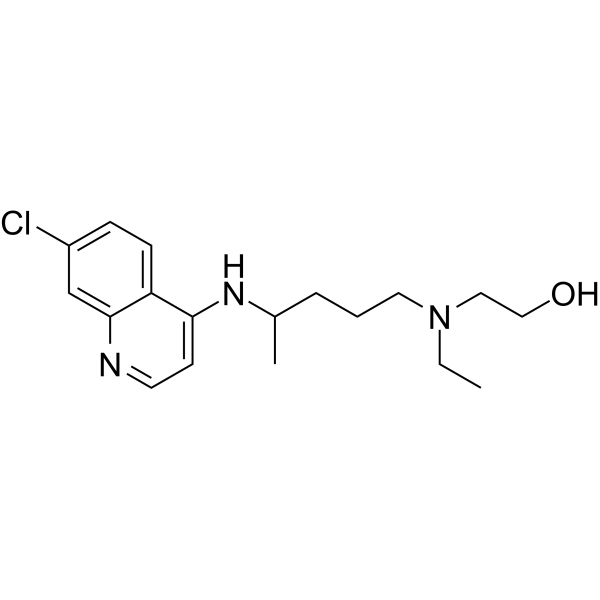
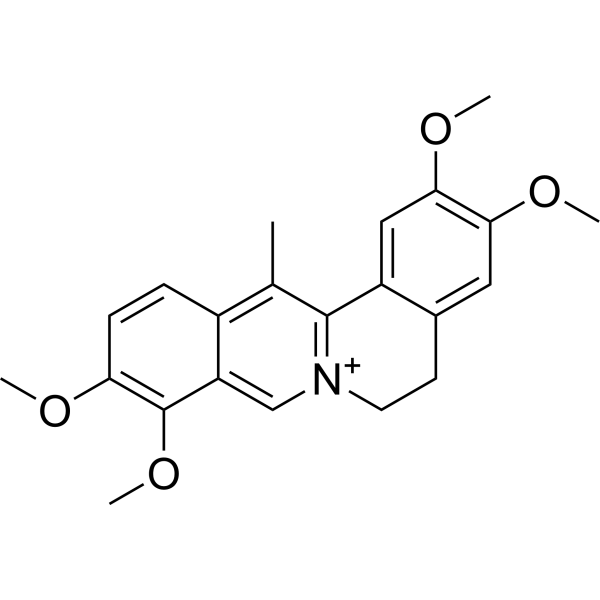
    Dehydrocorydaline (13-Methylpalmatine) is an alkaloid that regulates protein expression of Bax, Bcl-2; activates caspase-7, caspase-8, and inactivates PARP . Dehydrocorydaline elevates p38 MAPK activation. Anti-inflammatory and anti-cancer activities . Dehydrocorydaline shows strong anti-malarial effects (IC50=38 nM), and low cytotoxicity (cell viability > 90%) using P. falciparum 3D7 strain .
    Dehydrocorydaline
  • HY-N0152
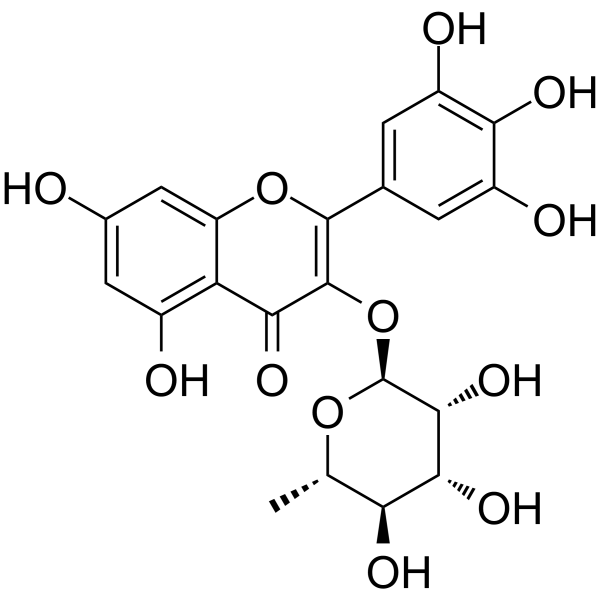
    Myricitrin
    3 Publications Verification

    PKC NO Synthase TNF Receptor Parasite Infection Neurological Disease Inflammation/Immunology
    Myricitrin, a naturally occurring flavonoid, is an orally active nitric oxide (NO) and PKC inhibitor. Myricitrin has central nervous system activity, including anxiolytic-like action. Myricitrin possesses antioxidant, anti-inflammatory, antifibrotic and anti-malarial effects .
    Myricitrin
  • HY-W016819

    Thymidylate Synthase Parasite Infection
    5-Fluoroorotic acid is the inhibitor for thymidylate synthase that acts as a selective agent in yeast molecular genetics. 5-Fluoroorotic acid exhibits antimalarial activity .
    5-Fluoroorotic acid
  • HY-N7030
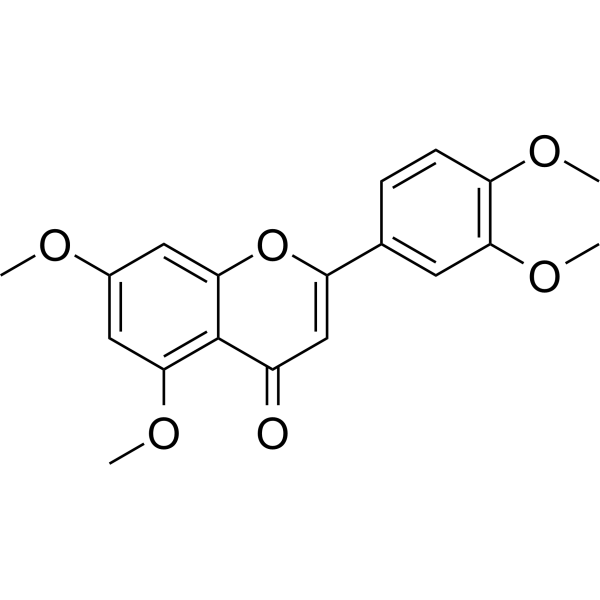
    5,7,3',4'-Tetramethoxyflavone
    2 Publications Verification

    Fungal Parasite Bacterial Infection
    5,7,3',4'-Tetramethoxyflavone, an orally active polymethoxyflavones (PMFs) that can be isolated from M. exotica, possesses various bioactivities, including anti-fungal, anti-malarial, anti-mycobacterial, and anti-inflammatory activities. 5,7,3',4'-Tetramethoxyflavone exhibits chondroprotective activity by targeting β-catenin signaling .
    5,7,3',4'-Tetramethoxyflavone
  • HY-13557
    Ascomycin
    5+ Cited Publications

    Immunomycin; FR-900520; FK520

    FKBP Parasite Fungal Antibiotic Infection Neurological Disease Inflammation/Immunology
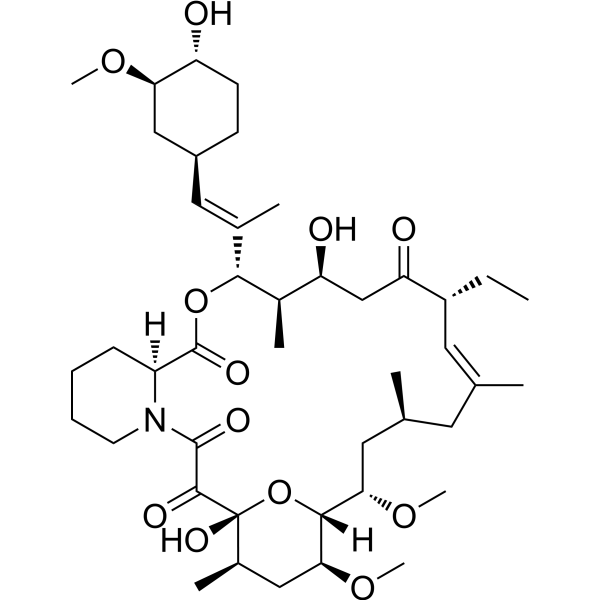
    Ascomycin (Immunomycin; FR-900520; FK520) is an ethyl analog of Tacrolimus (FK506) with strong immunosuppressant properties. Ascomycin is also a macrocyclic polyketide antibiotic with multiple biological activities such as anti-malarial, anti-fungal and anti-spasmodic. Ascomycin prevents graft rejection and has potential for varying skin ailments research .
    Ascomycin
  • HY-N0498
    Nitidine chloride
    4 Publications Verification

    Parasite Apoptosis STAT Topoisomerase ERK FAK p38 MAPK NF-κB Inflammation/Immunology Cancer
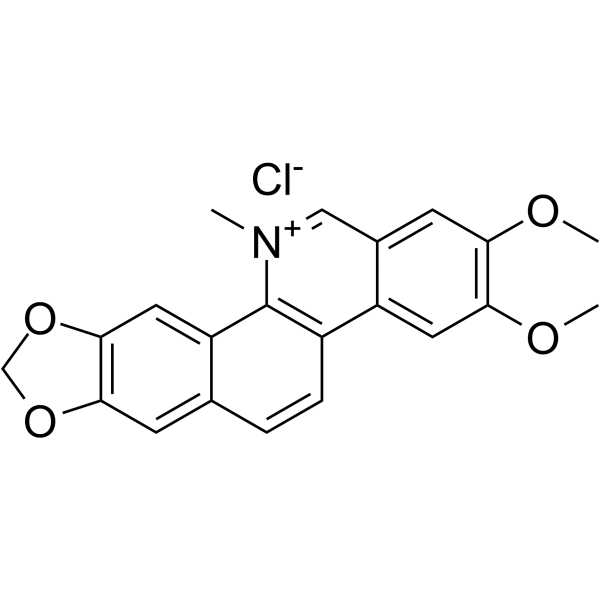
    Nitidine chloride, a potential anti-malarial lead compound derived from Zanthoxylum nitidum (Roxb) DC, exerts potent anticancer activity through diverse pathways, including inducing apoptosis, inhibiting STAT3 signaling cascade, DNA topoisomerase 1 and 2A, ERK and c-Src/FAK associated signaling pathway, also has anti-inflammatory activity. Nitidine chloride inhibits LPS-induced inflammatory cytokines production via MAPK and NF-kB pathway .
    Nitidine chloride
  • HY-N0941
    beta-Mangostin
    4 Publications Verification

    β-Mangostin

    Bacterial Parasite Apoptosis Infection Cancer
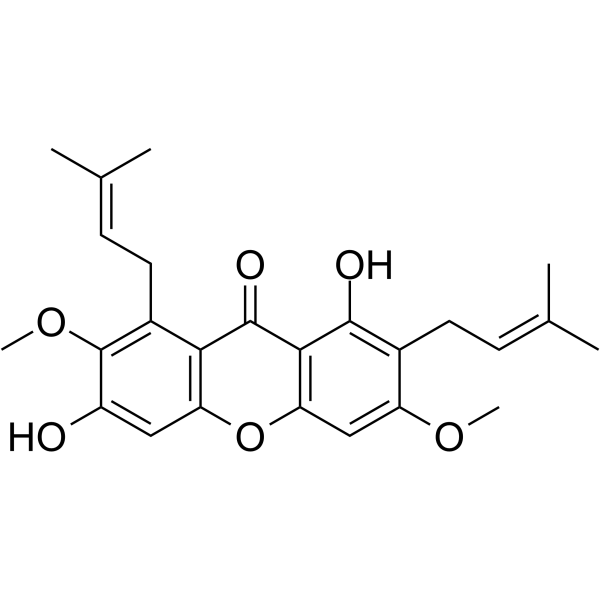
    beta-Mangostin (β-Mangostin) is a xanthone compound present in Cratoxylum arborescens, with antibacterial and antimalarial activities. beta-Mangostin exhibits antimycobacterial activity against Mycobacterium tuberculosis with an MIC of 6.25 μg/mL. beta-Mangostin possesses in vitro antimalarial activity against Plasmodium falciparum, with an IC50 of 3.00 μg/mL. beta-Mangostin has potent anticancer activity against various cancers (such as hepatocellular carcinoma, leukaemic) .
    beta-Mangostin
  • HY-B0273
    Sulfadiazine
    5+ Cited Publications

    Bacterial Parasite Antibiotic Infection
    Sulfadiazine is a sulfonamide antibiotic with antimalarial activity. Sulfadiazine can be used for toxoplasmosis research .
    Sulfadiazine
  • HY-B0803
    Lumefantrine
    1 Publications Verification

    Benflumetol

    Parasite Infection
    Lumefantrine is an active antimalarial molecule used in combination with Artemether as a first- and second-line antimalarial drug with oral activity .
    Lumefantrine
  • HY-16762
    Artefenomel
    2 Publications Verification

    OZ439

    Parasite Ferroptosis SARS-CoV Infection
    Artefenomel (OZ439) is an orally active, synthetic anti-malarial compound containing an artemisinin pharmacophore with a mechanism of action similar to that of artemisinin. Artefenomel has antiviral activity against SARS-CoV-2 .
    Artefenomel
  • HY-42034

    Dihydroquinine

    Bacterial Parasite Reactive Oxygen Species (ROS) Protein Arginine Deiminase Infection
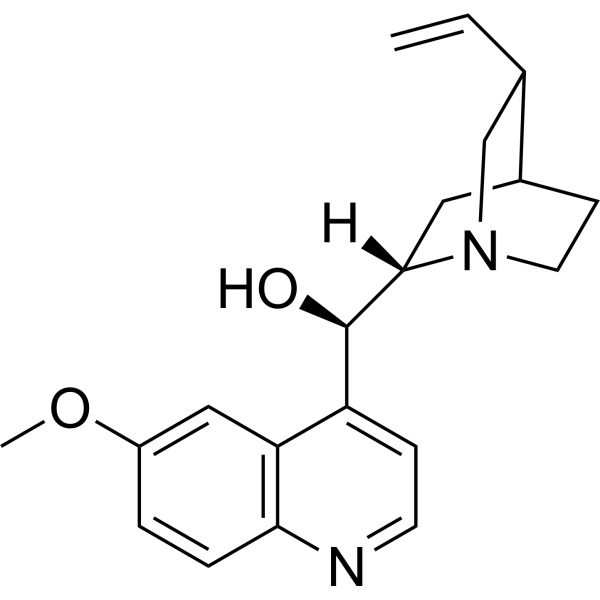
    Hydroquinine (Dihydroquinine) is an anti-bacterial agent that inhibits both Gram-positive and Gram-negative bacteria. Hydroquinine inhibits the growth of multidrug-resistant pseudomonas aeruginosa via the suppression of the arginine deiminase pathway genes. Hydroquinine inhibits Plasmodium falciparum and Plasmodium berghei. Hydroquinine displays anti-malarial and demelanizing activities. Hydroquinine effectively induces specific RND-type efflux pump systems in Pseudomonas aeruginosa, particularly the MexCD-OprJ and MexXY efflux pumps. Hydroquinine inhibits Pseudomonas aeruginosa adhesion and biofilm formation. Hydroquinine serves as a precursor for derivatives such as C9 epihydroquinine, 9-acetoxy-10,11-dihydroquinine, and 10,11-dihydroquinine monohydrochloride .
    Hydroquinine
  • HY-B0273A
    Sulfadiazine sodium
    5+ Cited Publications

    Bacterial Parasite Antibiotic Infection
    Sulfadiazine sodium is a sulfonamide antibiotic with antimalarial activity. Sulfadiazine can be used for toxoplasmosis research .
    Sulfadiazine sodium
  • HY-Y0148

    NSC 15139; 10-HDAA

    Parasite Autophagy NF-κB Interleukin Related NO Synthase MDM-2/p53 TNF Receptor RANKL/RANK Caspase Infection Neurological Disease Inflammation/Immunology
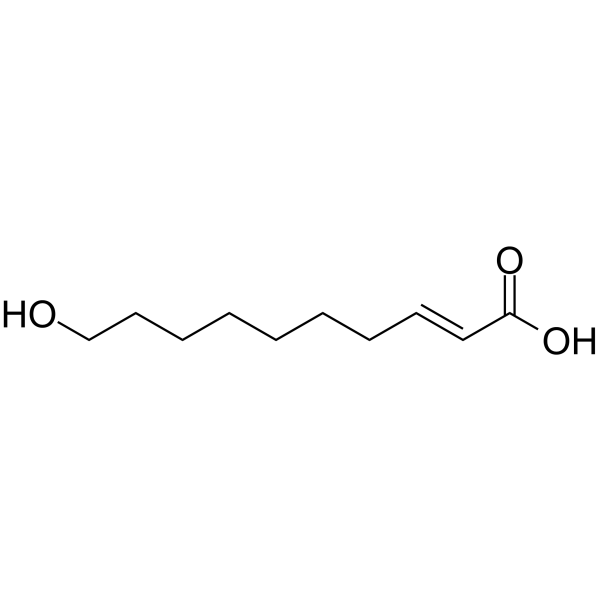
    10-Hydroxydecanoic acid (10-HDAA) is a saturated fatty acid derived from 10-hydroxy-trans-2-decenoic acid, which can be isolated from royal jelly. 10-Hydroxydecanoic acid exhibits various biological activities, including anti-inflammatory, insecticidal, anti-malarial, and anti-Leishmania properties, as well as enhancing antigen-specific immune responses. The anti-inflammatory effects of 10-Hydroxydecanoic acid are primarily mediated by inhibiting the activation of NF-κB and the translation of interferon regulatory factor 1 (IRF-1), which reduces the production of interleukin 6 (IL-6) and nitric oxide (NO) in inflammatory cells. Additionally, 10-Hydroxydecanoic acid alleviates neuroinflammatory responses through the p53-autophagy pathway and the p53-NLRP3 pathway. Finally, 10-Hydroxydecanoic acid enhances antigen-specific immune responses by promoting the effective uptake of antigens by microfold cells .
    10-Hydroxydecanoic acid
  • HY-N2208
    4-Hydroxylonchocarpin
    2 Publications Verification

    p38 MAPK Apoptosis Reactive Oxygen Species (ROS) Infection Metabolic Disease Inflammation/Immunology Cancer
    4-Hydroxylonchocarpin is a chalcone compound. 4-Hydroxylonchocarpin enhances the phosphorylation of p38 MAPK, JNK and ERK. 4-Hydroxylonchocarpin induces reactive oxygen species (ROS) and apoptosis in liver cancer cells. 4-Hydroxylonchocarpin has various pharmacological activities, including antibacterial, anticancer, anti-retroviral, anti-tuberculosis, anti-malarial and anti-inflammatory activities .
    4-Hydroxylonchocarpin
  • HY-N0674A
    Dehydrocorydaline chloride
    40+ Cited Publications

    13-Methylpalmatine chloride

    Bcl-2 Family Caspase PARP p38 MAPK Parasite Autophagy Infection Cancer
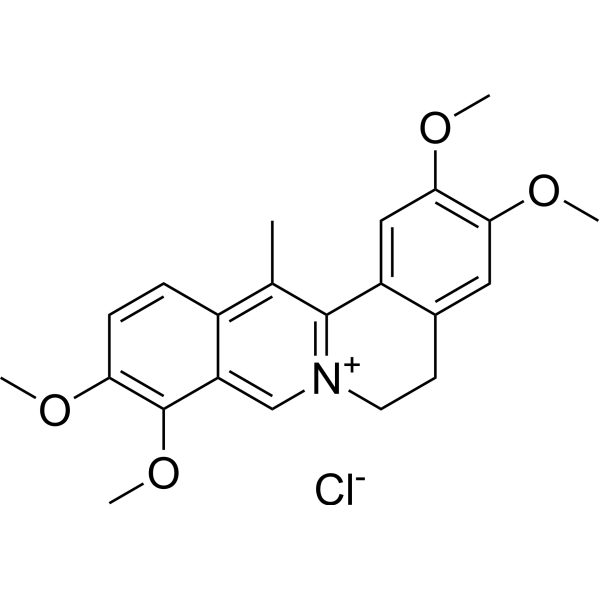
    Dehydrocorydaline chloride (13-Methylpalmatine chloride) is an alkaloid that regulates protein expression of Bax, Bcl-2; activates caspase-7, caspase-8, and inactivates PARP . Dehydrocorydaline chloride elevates p38 MAPK activation. Anti-inflammatory and anti-cancer activities . Dehydrocorydaline chloride shows strong anti-malarial effects (IC50?=38 nM), and low cytotoxicity (cell viability?>?90%) using P. falciparum 3D7 strain .
    Dehydrocorydaline chloride
  • HY-118494

    Parasite Infection
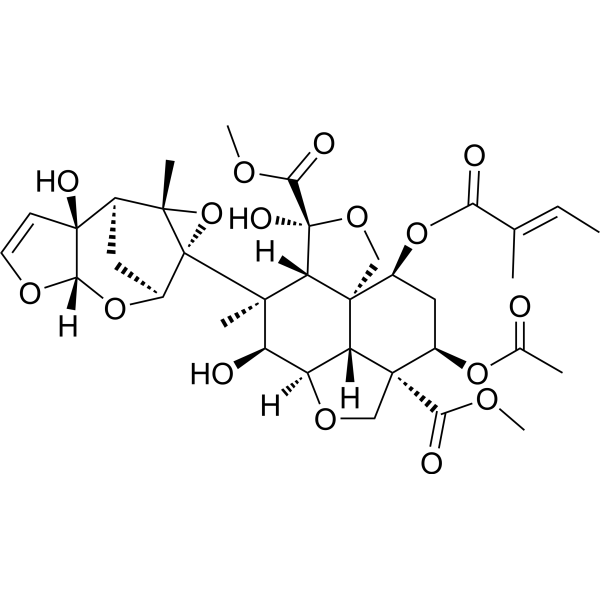
    Ascaridole is an anthelmintic and also has antimalarial activity .
    Ascaridole
  • HY-N9438

    Apoptosis Parasite Infection Inflammation/Immunology Cancer
    Lactucin is an anti-inflammatory agent. Lactucin induces cancer cell apoptosis. Lactucin also shows analgesic, anticancer and antimalarial activities .
    Lactucin
  • HY-N2795

    Xanthone I

    Parasite Bacterial Infection
    9-Hydroxycalabaxanthone (Xanthone I) is a known xanthone isolated from Garcinia mangostana Linn. 9-Hydroxycalabaxanthone has quorum-sensing inhibitory, anti-microbial, and anti-malarial activities (IC50=1.2-1.5 μM) .
    9-Hydroxycalabaxanthone
  • HY-131708A

    HDAC Parasite Infection
    FNDR-20123 is a safe, first-in-class, and orally active anti-malarial HDAC inhibitor with IC50s of 31 nM and 3 nM for Plasmodium and human HDAC, respectively. FNDR-20123 exerts anti-malarial activity against Plasmodium falciparum asexual stage (IC50=41 nM) and sexual blood stage (IC50=190 nM for male gametocytes). FNDR-20123 inhibits HDAC1, HDAC2, HDAC3, HDAC6, and HDAC8 (IC50=25/29/2/11/282 nM, respectively.) and inhibits Class III HDAC isoforms at nanomolar concentrations .
    FNDR-20123
  • HY-W007771

    Bacterial BCRP Infection Cancer
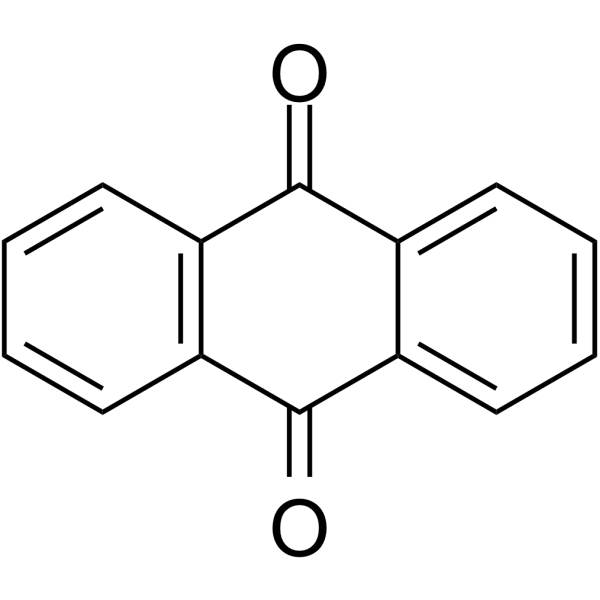
    Acridone is an organic compound based on the acridine skeleton. Acridone has antibacterial, antimalarial, antiviral and anti neoplastic activities .
    Acridone
  • HY-N0674B
    Dehydrocorydaline (hydroxyl)
    40+ Cited Publications

    13-Methylpalmatine (hydroxyl)

    Bcl-2 Family Caspase PARP p38 MAPK Parasite Autophagy Infection Inflammation/Immunology Cancer
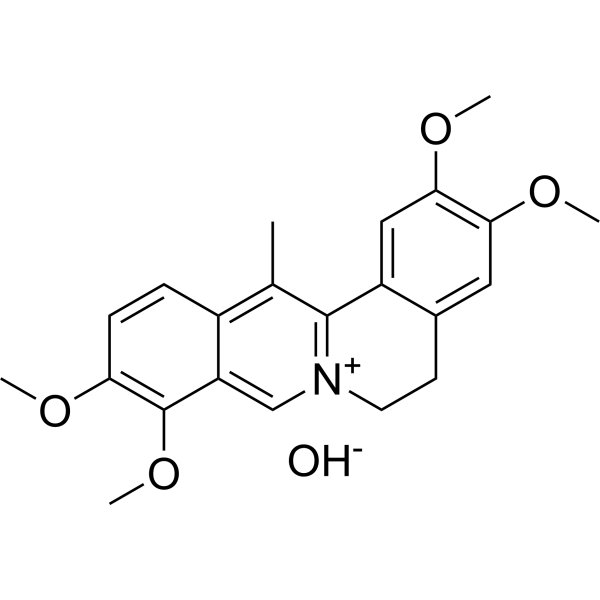
    Dehydrocorydaline (13-Methylpalmatine) hydroxyl is an alkaloid that regulates protein expression of Bax, Bcl-2; activates caspase-7, caspase-8, and inactivates PARP. Dehydrocorydaline hydroxyl elevates p38 MAPK activation. Anti-inflammatory and anti-cancer activities. Dehydrocorydaline hydroxyl shows strong anti-malarial effects (IC50=38 nM), and low cytotoxicity (cell viability > 90%) using P. falciparum 3D7 strain.
    Dehydrocorydaline (hydroxyl)
  • HY-N4238
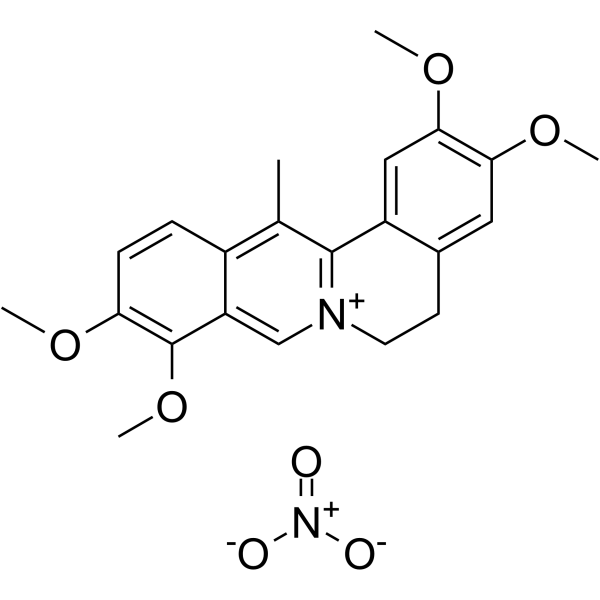
    Dehydrocorydaline nitrate
    40+ Cited Publications

    13-Methylpalmatine nitrate

    Bcl-2 Family Caspase PARP p38 MAPK Parasite Autophagy Infection Cancer
    Dehydrocorydaline nitrate (13-Methylpalmatine nitrate) is an alkaloid. Dehydrocorydaline regulates protein expression of Bax, Bcl-2; activates caspase-7, caspase-8, and inactivates PARP . Dehydrocorydaline nitrate elevates p38 MAPK activation. Anti-inflammatory and anti-cancer activities. . Dehydrocorydaline nitrate shows strong anti-malarial effects (IC50 =38 nM), and low cytotoxicity (cell viability > 90%) using P. falciparum 3D7 strain .
    Dehydrocorydaline nitrate
  • HY-148429

    Parasite Others
    Antimalarial agent 17 is an antimalarial agent, also acts as a herbicide. Antimalarial agent 17 is photosystem II inhibitor, shows post-emergence herbicidal activity equal to commercial herbicides .
    Antimalarial agent 17
  • HY-W109038

    Drug Derivative Parasite Infection
    4-Propylcatechol is an Allylpyrocatechol (HY-124127) analog. 4-Propylcatechol shows anti-malarial activity against Plasmodium falciparum CDC-1 with an IC50 of 32 µM .
    4-Propylcatechol
  • HY-P10338

    Bacterial Antibiotic Infection
    LZ1 peptide is a antimicrobial peptides with antimalarial activity .
    LZ1 peptide
  • HY-178728

    PROTACs Parasite Dihydrofolate reductase (DHFR) Infection
    BION106 is a dihydrofolate reductasethymidylate synthase (DHFR-TS) PROTAC degrader. BION106 exhibits extremely strong anti-malarial activity with a Ki and toxicity of 2.68 nM and 0.2 μM against Plasmodium falciparum, and > 100 μM and 44.2 μM in mammalian cells. BION106 can be used for the study of antimalarial parasites (Blue: Idasanutlin ligand (HY-15676); Pink: DHFR-TS ligand (HY-153007); Black: Linker (HY-W021401)) .
    BION106
  • HY-13557R

    Immunomycin (Standard); FR-900520 (Standard); FK520 (Standard)

    Reference Standards FKBP Parasite Fungal Antibiotic Infection Neurological Disease Inflammation/Immunology
    Ascomycin (Standard) is the analytical standard of Ascomycin. This product is intended for research and analytical applications. Ascomycin (Immunomycin; FR-900520; FK520) is an ethyl analog of Tacrolimus (FK506) with strong immunosuppressant properties. Ascomycin is also a macrocyclic polyketide antibiotic with multiple biological activities such as anti-malarial, anti-fungal and anti-spasmodic. Ascomycin prevents graft rejection and has potential for varying skin ailments research[1][2].
    Ascomycin (Standard)
  • HY-N7642

    Hydroxysanguinarine; 8-Oxosanguinarine

    Parasite Infection
    Oxysanguinarine (Hydroxysanguinarine;8-Oxosanguinarine) is a protoberberine alkaloid from Meconopsis simplicifolia with antimalarial activity .
    Oxysanguinarine
  • HY-W612975

    Parasite Others
    4-Dodecylmorpholine (DMP) is a surfactant with antimalarial activity. It can be used as a hydrophilic enzyme detergent and is commonly used as an extraction collector in reverse foam preparation processes .
    4-Dodecylmorpholine
  • HY-161800

    Aminoacyl-tRNA Synthetase Infection
    Aminoacyl tRNA synthetase-IN-3 (compound 36K3) is an inhibitor of lysine tRNA synthetase (PfLysRS) from Plasmodium falciparum (IC50=59.2 nM), which inhibits the activity of PfLysRS by occupying the ATP binding site and L-lysine binding site of PfLysRS. Aminoacyl tRNA synthetase-IN-3 can be used in the development of antimalarial drugs .
    Aminoacyl tRNA synthetase-IN-3
  • HY-W779244

    Isotope-Labeled Compounds Biochemical Assay Reagents Drug Intermediate Infection
    1H-Pyrazole-3,4,5-d3 is the deuterium labeled 1H-pyrazole (HY-76228). 1H-pyrazole is a nitrogen-containing heterocyclic compound composed of a five-membered ring and two nitrogen atoms. 1H-pyrazole is an intermediate in organic synthesis. 1H-pyrazole coordinates with metal ions. 1H-pyrazole derivatives have antibacterial, anti-inflammatory, anti-malarial, and anti-leishmanial activities .
    1H-Pyrazole-3,4,5-d3
  • HY-186054

    Parasite Infection
    Antimalarial agent 57 (308470) is a quinoline methanol derivative with antimalarial activity. Antimalarial agent 57 can be used in malaria research .
    Antimalarial agent 57
  • HY-100033

    RE-640

    Parasite Infection Cancer
    NSC5844 (RE-640) is a 4-aminoquinoline derivative, with antitumor and antimalarial activity.
    NSC5844
  • HY-N5029

    Parasite Infection
    Isofebrifugine is a natural quinazolinone alkaloid with important physiological activities and good pharmacological effects. Antimalarial effect .
    Isofebrifugine
  • HY-101672

    FBS 0701

    Ferroptosis Parasite Infection
    Deferitazole (FBS 0701) is an orally active iron chelator. Deferitazole shows antimalarial activity and Can be used for study of malaria .
    Deferitazole
  • HY-W009194

    Drug Intermediate Infection
    (R)-(+)-Trityl glycidyl ether, a heterocyclic compound, is a precursor that can be used to synthesize glycerophospholipids, as well as compounds with antiviral and antimalarial activities .
    (R)-(+)-Trityl glycidyl ether
  • HY-N7314

    Syk Inflammation/Immunology
    Asebogenin has antimalarial activity in vitro . Asebogenin can inhibit the phosphorylation of Syk, thereby effectively suppressing platelet activation and the formation of neutrophil extracellular traps .
    Asebogenin
  • HY-W016819R

    Reference Standards Thymidylate Synthase Parasite Infection
    5-Fluoroorotic acid is the inhibitor for thymidylate synthase that acts as a selective agent in yeast molecular genetics. 5-Fluoroorotic acid exhibits antimalarial activity .
    5-Fluoroorotic acid (Standard)
  • HY-127028

    M-7204

    Parasite Infection
    Tripynadine is an anti-malarial compound with oral activity .
    Tripynadine
  • HY-W779377

    Parasite Infection
    Erythromycin B has anti-malarial activity and effectively inhibits the asexual reproduction of Plasmodium falciparum .
    Erythromycin B
  • HY-N2903

    Parasite Infection
    Artoheterophyllin B can be isolated from A. heterophyllus. Artoheterophyllin B shows antiplasmodial activity (IC50: 13.7 μM against FcB1 strain). Artoheterophyllin B can be used for anti-malarial research .
    Artoheterophyllin B
  • HY-156843

    Nucleoside Antimetabolite/Analog Cancer
    Antiproliferative agent-38 (com 18) is a tetracyclic ring, but its most reactive ring nitrogen (probably the quinoline moiety) cannot undergo N-alkylation. Antiproliferative agent-38 lacks anti-malarial activity and lacks anti-cancer cell proliferation activity .
    Antiproliferative agent-38
  • HY-131708

    HDAC Parasite Infection
    FNDR-20123 free base is a safe, first-in-class, and orally active anti-malarial HDAC inhibitor with IC50s of 31 nM and 3 nM for Plasmodium and human HDAC, respectively. FNDR-20123 free base exerts anti-malarial activity against Plasmodium falciparum asexual stage (IC50=41 nM) and sexual blood stage (IC50=190 nM for male gametocytes). FNDR-20123 free base inhibits HDAC1, HDAC2, HDAC3, HDAC6, and HDAC8 (IC50=25, 29, 2, 11, and 282 nM, respectively) and inhibits Class III HDAC isoforms at nanomolar concentrations .
    FNDR-20123 free base
  • HY-16762R

    OZ439 (Standard)

    Parasite Ferroptosis SARS-CoV Reference Standards Infection
    Artefenomel (Standard) is the analytical standard of Artefenomel. This product is intended for research and analytical applications. Artefenomel (OZ439) is an orally active, synthetic anti-malarial compound containing an artemisinin pharmacophore with a mechanism of action similar to that of artemisinin. Artefenomel has antiviral activity against SARS-CoV-2 .
    Artefenomel (Standard)
  • HY-N0152R

    Reference Standards PKC NO Synthase TNF Receptor Parasite Infection Neurological Disease Inflammation/Immunology
    Myricitrin (Standard) is the analytical standard of Myricitrin. This product is intended for research and analytical applications. Myricitrin, a naturally occurring flavonoid, is an orally active nitric oxide (NO) and PKC inhibitor. Myricitrin has central nervous system activity, including anxiolytic-like action. Myricitrin possesses antioxidant, anti-inflammatory, antifibrotic and anti-malarial effects .
    Myricitrin (Standard)
  • HY-N0498R

    Reference Standards Parasite Apoptosis STAT Topoisomerase ERK FAK p38 MAPK NF-κB Inflammation/Immunology Cancer
    Nitidine (chloride) (Standard) is the analytical standard of Nitidine (chloride). This product is intended for research and analytical applications. Nitidine chloride, a potential anti-malarial lead compound derived from Zanthoxylum nitidum (Roxb) DC, exerts potent anticancer activity through diverse pathways, including inducing apoptosis, inhibiting STAT3 signaling cascade, DNA topoisomerase 1 and 2A, ERK and c-Src/FAK associated signaling pathway. Nitidine chloride inhibits LPS-induced inflammatory cytokines production via MAPK and NF-kB pathway .
    Nitidine chloride (Standard)
  • HY-117599

    Parasite Infection
    JPC-3210 is an orally active aminomethylphenol. JPC-3210 exhibits anti-malarial activity with a mean IC50 ranging from 2.5 to 19 nM. JPC-3210 works by inhibiting the hemoglobin digestion pathway and promoting regulators of protein translation. JPC-3210 can inhibit CYP2D6 and CYP3A4 isozymes. JPC-3210 suppresses P. berghei infection in mice model. JPC-3210 possesses prophylactic protection in vivo. JPC-3210 can be studied in research on malaria prevention .
    JPC-3210
  • HY-159900

    Parasite Infection
    Antimalarial agent 46 (Compound 42a) is an antimalarial agent with antimalarial activity. Antimalarial agent 46 shows inhibitory activity against P. falciparum lines .
    Antimalarial agent 46
  • HY-121804

    Parasite Others
    SSJ-183 is a compound with antimalarial activity, with activity that modulates antimalarial effects and pharmacokinetic properties. SSJ-183 has shown some activity in antimalarial studies, and its pharmacokinetic properties are between those of other tested compounds, which is of certain significance for the study of new antimalarial combination therapies.
    SSJ-183
  • HY-179118

    Parasite Infection
    Antimalarial agent 53 (compound 31) is an antimalarial agent. Antimalarial agent 53 blocks protein synthesis by inhibiting the cytoplasmic ribosomes of malaria parasites, exhibiting potent antimalarial activity (IC50 = 3.9 nM) and good selectivity. Antimalarial agent 53 has no cross resistance and good safety. Antimalarial agent 53 can be used for research on malaria .
    Antimalarial agent 53

Inquiry Online

Your information is safe with us. * Required Fields.

Salutation


Country or Region *

Applicant Name *


Organization Name *

Department *


Email Address *


Product Name *

Cat. No.


Requested quantity *

Phone Number *


Remarks

Inquiry Online

Inquiry Information

Product Name:
Cat. No.:
Quantity:
MCE Japan Authorized Agent:

