

1. Search Result
Search Result
Results for "

Antimicrobial and antifungal

" in MedChemExpress (MCE) Product Catalog:

63

Inhibitors & Agonists

2

Screening Libraries

19

Peptides

28

Natural
Products

2

Isotope-Labeled Compounds

Cat. No. 상품명 Target 연구분야 Chemical Structure
  • HY-101848
    Latrunculin B
    5+ Cited Publications

    Fungal Infection
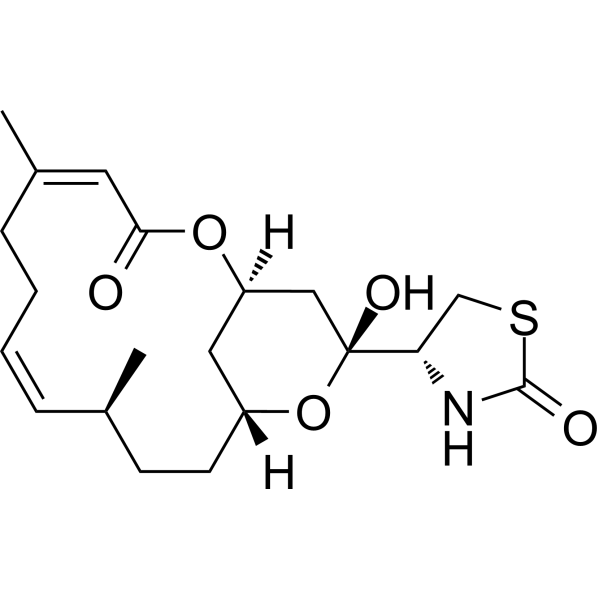
    Latrunculin B, an antimicrobial marine alkaloid, is an actin polymerization inhibitor. Latrunculin B regulates pulmonary vein electrophysiological characteristics and attenuates stretch-induced arrhythmogenesis. Antifungal and antiprotozoal activity .
    Latrunculin B
  • HY-N0401A
    (Z)-Ligustilide
    5 Publications Verification

    Bacterial Estrogen Receptor/ERR FATP Infection Metabolic Disease Cancer
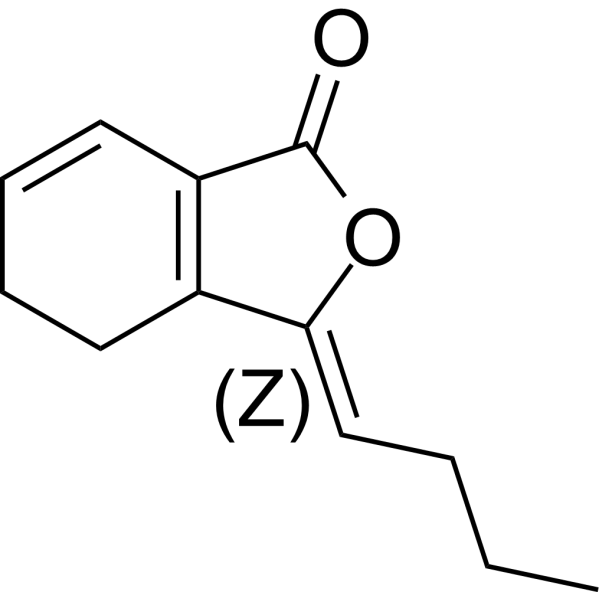
    (Z)-Ligustilide is extracted from Ligusticum chuanxiong Hort, has antimicrobial and antifungal activity, exhibits an average antifungal score of 5.6 . (Z)-Ligustilide is orally active, it inhibits the expression of FATP5 and DGAT, inhibits fatty acid uptake and esterification in mice and has potential as therapeutics for nonalcoholic fatty liver disease (NAFLD) . (Z)-Ligustilide is also able to reactivate ERα, has epigenetic regulation, and is used in the study of tamoxifen-resistant breast cancer .
    (Z)-Ligustilide
  • HY-N0104
    Curcumol
    Maximum Cited Publications
    9 Publications Verification

    (-)-Curcumol

    Apoptosis Cancer
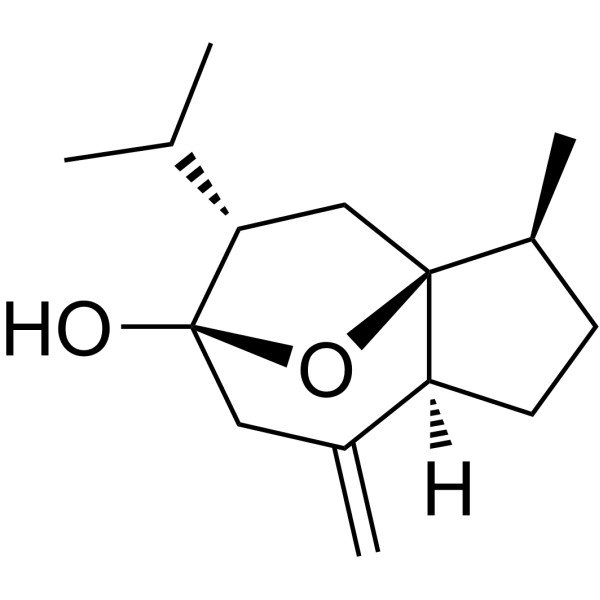
    Curcumol ((-)-Curcumol), a bioactive sesquiterpenoid, possesses numerous pharmacological activities like anticancer, antimicrobial, antifungal, antiviral, and antiinflammatory. Curcumol is a potent inducer of apoptosis in numerous cancer cells via targeting key signaling pathways as MAPK/ERK, PI3K/Akt and NF-κB which are generally deregulated in several cancers .
    Curcumol
  • HY-129555
    Surfactin
    5+ Cited Publications

    Bacterial HSV Antibiotic Infection
    Surfactin is a potent cyclic lipopeptide biosurfactants consists of four isomers (Surfactin A, B, C and D), which mediates flux of mono-and divalent cations, such as calcium, across lipid bilayer membranes. Surfactin can act as an antimicrobial adjuvant with anti-bacterial, anti-fungal, antimycoplasma and hemolytic effects . Surfactin also has antiviral activity against a variety of enveloped viruses .
    Surfactin
  • HY-P1940

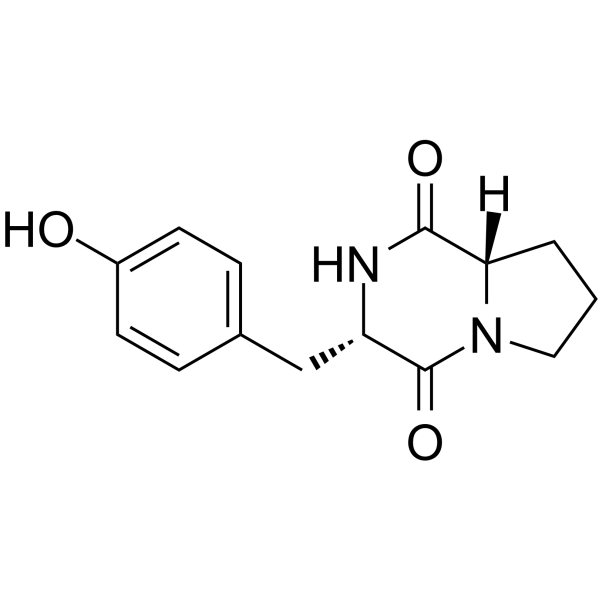
    Cyclo(Tyr-Pro)

    Endogenous Metabolite Bacterial Fungal Infection Cancer
    Maculosin (Cyclo (Tyr-Pro)) is a host-specific phytotoxin for spotted knapweed from Alternaria alternata. Maculosin is a quorum-sensing molecule involved in cell-cell communication. Maculosin also acts as a signaling molecule regulating virulence gene expression. Maculosin shows antimicrobial, antifungal, antioxidant and anti-cancer properties .Maculosin (Cyclo (Tyr-Pro)) is a host-specific phytotoxin for spotted knapweed from Alternaria alternata. Maculosin is a quorum-sensing molecule involved in cell-cell communication. Maculosin also acts as a signaling molecule regulating virulence gene expression. Maculosin shows antimicrobial, antifungal, antioxidant and anti-cancer properties .
    Maculosin
  • HY-14603
    Clioquinol
    5+ Cited Publications

    Iodochlorohydroxyquinoline

    Environmental Pollutants Antibiotic Autophagy Parasite Fungal Mitophagy Infection Neurological Disease Inflammation/Immunology Cancer
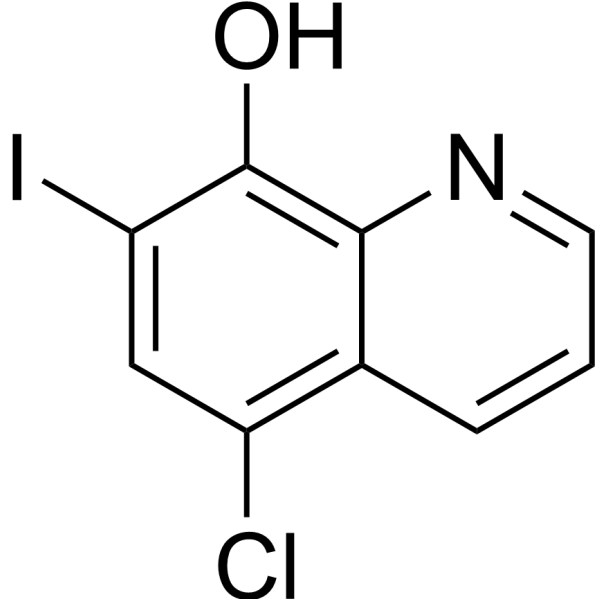
    Clioquinol (Iodochlorhydroxyquin) is a topical antifungal agent with anticancer activity. Clioquinol acts as an oral antimicrobial agent for the research of diarrhea and skin infections. Antibiotic . Clioquinol is a chelator that binds to Zn 2+ and Cu 2+ with a greater affinity than it binds to Ca 2+ and Mg 2+. Clioquinol freely crosses the blood-brain barrier. Clioquinol can be used for the study of Alzheimer's disease .
    Clioquinol
  • HY-160238

    Corynebactin

    Bacterial Fungal Infection
    Bacillibactin (Corynebactin) is a cyclic tricatecholate siderophore. Bacillibactin’s primary function is to facilitate bacterial iron acquisition by chelating iron ions (Fe 3+) from the environment, thereby aiding bacterial survival under iron-limited conditions. Bacillibactin exhibits direct antimicrobial activity, such as inhibition of the growth of the producing bacteria Pseudomonas aeruginosa and Aeromonas veronae, as well as plant pathogens such as Pseudomonas syringae.Bacillibactin can be used in antibacterial and antifungal research .
    Bacillibactin
  • HY-N5142
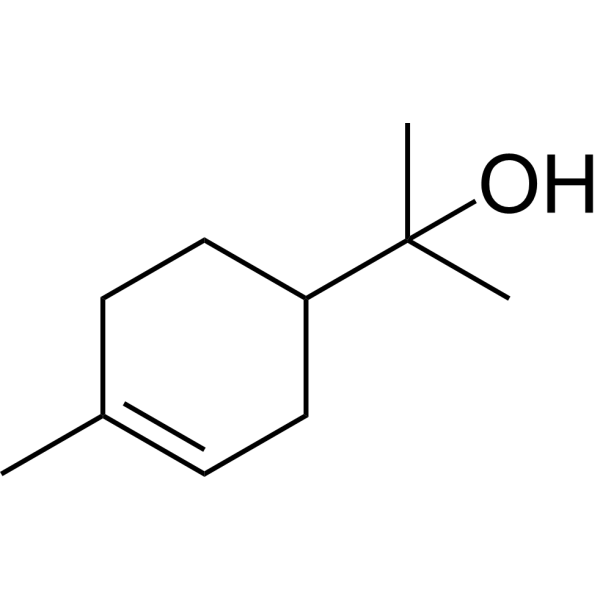
    α-Terpineol
    2 Publications Verification

    Environmental Pollutants Antibiotic Bacterial Fungal AMPK NF-κB Infection Neurological Disease Metabolic Disease Inflammation/Immunology
    α-Terpineol (with oral activity) can be found in Eucalyptus globulus Labill. α-Terpineol exhibits strong antimicrobial activity against periodontopathic and cariogenic bacteria.α-Terpineol possesses antifungal activity against T. mentagrophytes, and the activity might lead to irreversible cellular disruption. In addition, α-Terpineol exhibits antineuropathic and anti-inflammatory activities. α-Terpineol can be utilized in research related to diarrhea, neuropathic pain, infections, and inflammation .
    α-Terpineol
  • HY-12638
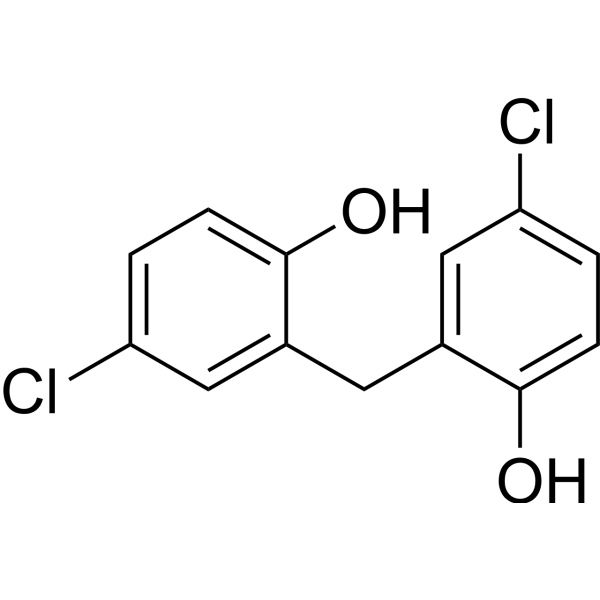
    Dichlorophen
    1 Publications Verification

    DDM

    Environmental Pollutants Fungal Parasite Bacterial Infection
    Dichlorophen is a chlorophenol antimicrobial agent that can destroy the integrity of microbial cell membranes and interfere with the activity of metabolic enzymes. Dichlorophen can covalently bind to the thiol groups of microbial proteins and has broad-spectrum antibacterial, antifungal and anthelmintic activity. Dichlorophen can be used as an antimicrobial agent in the study of drug-resistant bacterial infections .
    Dichlorophen
  • HY-N3544

    (-)-Caryophyllene oxide

    Environmental Pollutants Apoptosis Bacterial Fungal Parasite Infection Neurological Disease Inflammation/Immunology Cancer
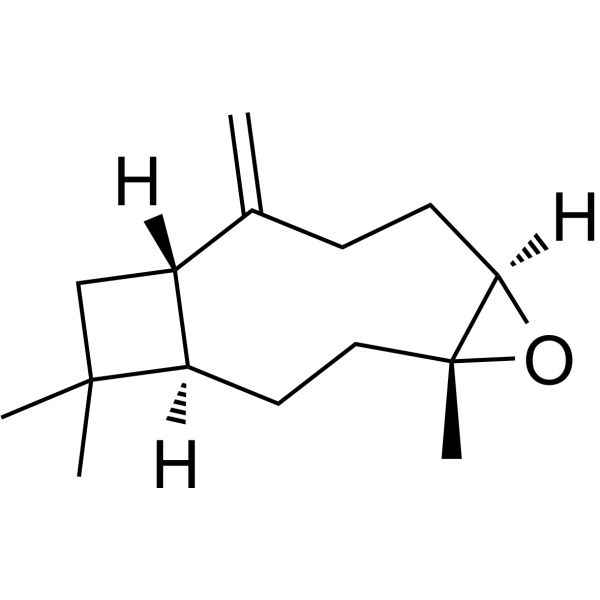
    Caryophyllene oxide ((-)-Caryophyllene oxide) is a bicyclic sesquiterpene with anticancer effects. Caryophyllene oxide induces apoptosis of PC-3 cells. Caryophyllene oxide shows analgesic and anti-inflammatory activities. Caryophyllene oxide has insecticidal, antioxidant, antimicrobial, antifungal, and antiparasitic properties .
    Caryophyllene oxide
  • HY-W094710

    Sodium hydrogen diacetate

    Environmental Pollutants Bacterial Infection
    Sodium diacetate (Sodium hydrogen diacetate) is a multifunctional biochemical reagent with antibacterial (bacteria) and antifungal (fungi) activities. Sodium diacetate exerts its antimicrobial effect mainly by effectively penetrating the cell walls of microorganisms and interfering with enzyme interactions. Sodium diacetate inhibits the growth and survival of fungi such as Botrytis cinerea, as well as bacteria such as Listeria and Escherichia coli. Sodium diacetate inhibits the growth of endothelial cells. Sodium diacetate can be used in the synthesis of food preservatives, flavoring agents and pH control additives .
    Sodium diacetate
  • HY-P1629

    Bacterial Fungal Antibiotic Infection
    Temporin A is a short alpha-helical antimicrobial peptide isolated from the skin of the frog Rana temporaria. Temporin A is effective against a broad spectrum of Gram-positive bacteria. Temporin A interacts directly with the cell membrane of the microorganism and it is non-toxic to erythrocytes at concentrations that are antimicrobial. Temporin A also has antifungal activities (against yeast-like Candida albicans) .
    Temporin A
  • HY-N8432

    Environmental Pollutants Bacterial Apoptosis Fungal Infection Inflammation/Immunology Cancer
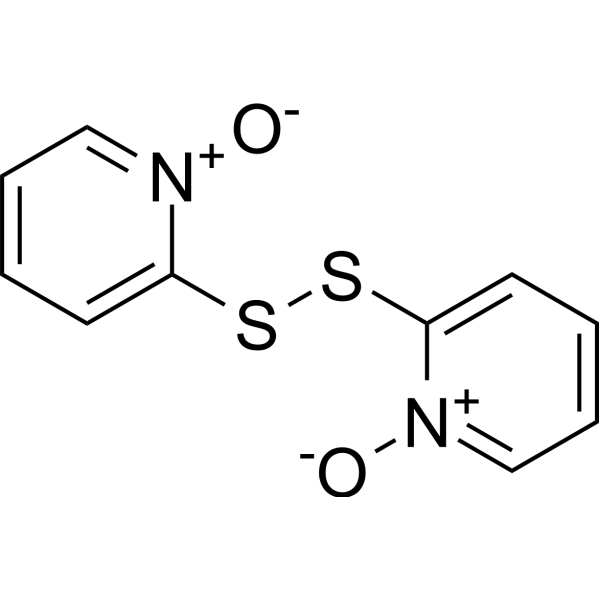
    Dipyrithione is a potent antimicrobial agent. Dipyrithione shows antifungal activity and antiproliferative activity. Dipyrithione induces apoptosis and cycle arrest at G1 phase. Dipyrithione shows anti-inflammatory activity in vivo. Dipyrithione shows anti-tumor activity. Dipyrithione has the potential for the research of dermatophytosis .
    Dipyrithione
  • HY-126810A

    Fungal Infection
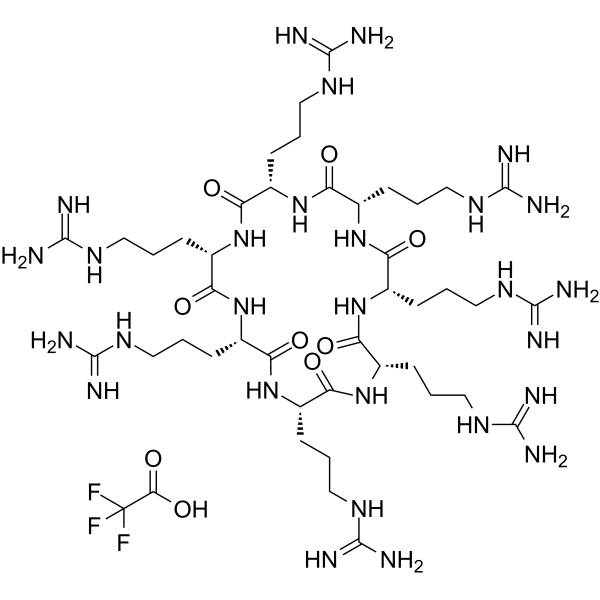
    NP213 TFA is a rapidly acting, novel, first-in-class synthetic antimicrobial peptide (AMP), has anti-fungal activities. NP213 TFA targets the fungal cytoplasmic membrane and plays it role via membrane perturbation and disruption. NP213 TFA is effective and well-tolerated in resolving nail fungal infections .
    NP213 TFA
  • HY-B0614A

    Bacterial Fungal Infection
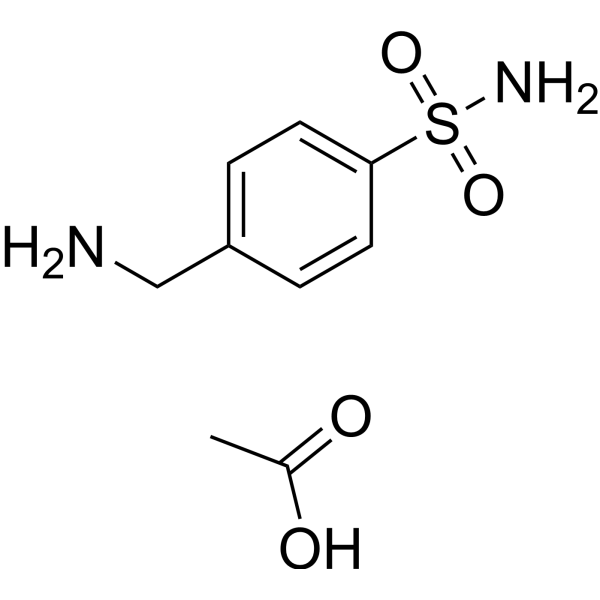
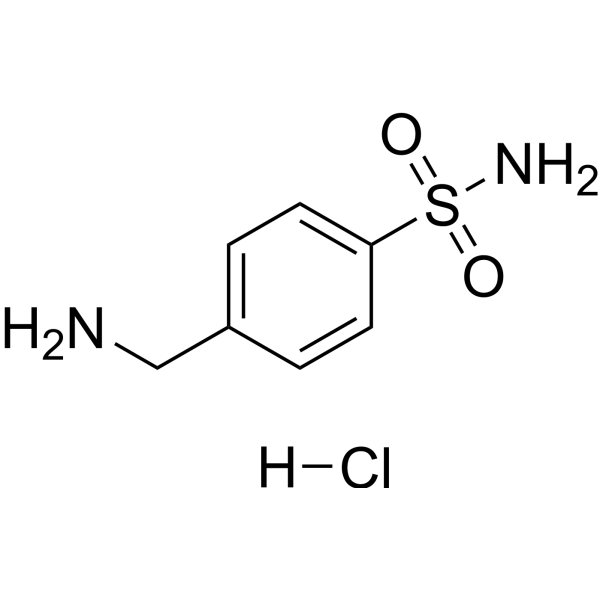
    Mafenide Acetate is a potent sulfonamide antimicrobial agent. Mafenide Acetate exhibits antibacterial activity against Staphylococcus aureus and Pseudomonas aeruginosa. Mafenide Acetate also exhibits antifungal activity against filamentous fungi (e.g., Lichtheimia and Aspergillus flavus). Mafenide Acetate can be used in the research of skin grafts on burn wounds, post-traumatic invasive fungal infections, and bacterially contaminated wounds .
    Mafenide Acetate
  • HY-P4809

    Bacterial Fungal Infection Cancer
    Polybia-MP1 is an antimicrobial peptide with antibacterial, antifungal and anticancer activities. Polybia-MP1 selectively targets cancer cells by interacting with PS and PE in the outer leaflet of cell membranes, and induces necrosis via pore formation. Polybia-MP1 exhibits antibacterial activity against Pseudomonas aeruginosa. Polybia-MP1 can be used in research related to bacterial infections, fungal infections and cancers .
    Polybia-MP1
  • HY-W010649

    HSP Epigenetic Reader Domain ATP-binding cassette (ABC) transporters Bacterial Fungal Antibiotic Infection Metabolic Disease Inflammation/Immunology Cancer
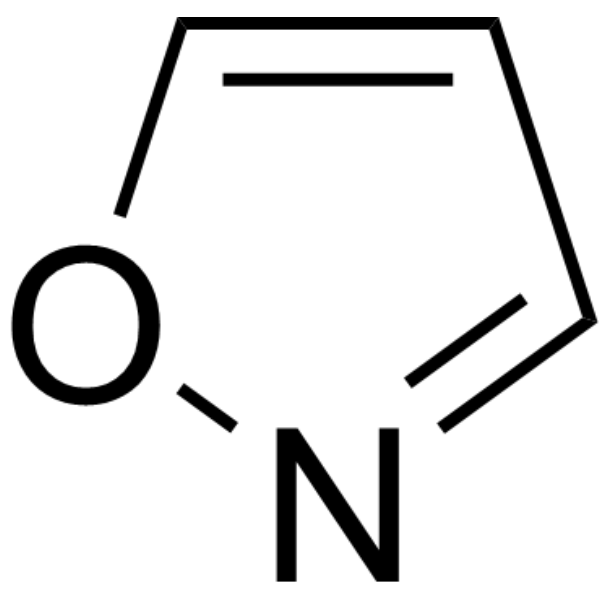
    Isoxazole is a member of the five-membered heterocycle drug scaffold. Isoxazole has been used as a BET bromodomain inhibitor and can improve β-cell function in a diabetic mouse model. Isoxazole and its derivatives exhibit broad biological activities (such as antimicrobial, antibacterial, antifungal, antiviral, anticancer, anti-inflammatory, immunomodulatory, analgesic, anti-tuberculosis, and anti-diabetic effects). For example, the bicyclic Isoxazole can act as an HSP90 inhibitor, and the tricyclic Isoxazole is promising as a selective multidrug resistance protein (MRP1) inhibitor​ .
    Isoxazole
  • HY-N3307
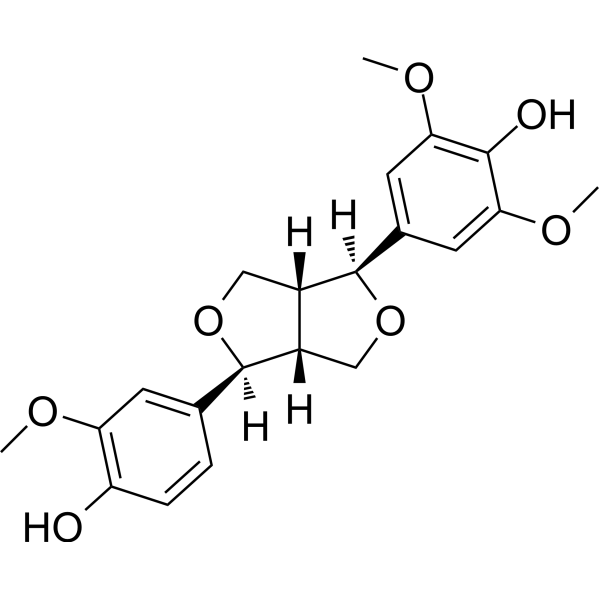
    (+)-Medioresinol
    1 Publications Verification

    Bacterial Fungal Reactive Oxygen Species (ROS) Apoptosis MMP Interleukin Related PI3K Akt mTOR PPAR PGC-1α Pyroptosis Infection Neurological Disease Inflammation/Immunology
    (+)-Medioresinol is a furofuran-type lignan with antifungal and antibacterial properties. (+)-Medioresinol synergizes with antibiotics to exert antimicrobial and antibiofilm effects. (+)-Medioresinol induces intracellular ROS accumulation and mitochondrial-mediated apoptosis in Candida albicans. (+)-Medioresinol inhibits LPS (HY-D1056)-stimulated IL-12p40 production. (+)-Medioresinol is a PGC-1α activator that protects against endothelial cell pyroptosis in ischemic stroke via the PPARα-GOT1 axis. (+)-Medioresinol can be used in research on fungal and bacterial infection, inflammation, and ischemic stroke .
    (+)-Medioresinol
  • HY-N10544

    (+)-δ-Cadinene

    Bacterial Parasite Fungal Apoptosis Infection Cancer
    δ-Cadinene ((+)-δ-Cadinene) is a sesquiterpene in essential oils. δ-Cadinene shows antiproliferative and pro-apoptotic effects on human ovary cancer (OVCAR-3) cells. δ-Cadinene has trichomonacidal, antimicrobial, antifungal and anticancer properties .
    δ-Cadinene
  • HY-P10281

    Bacterial Infection Cardiovascular Disease
    RW3 (MP196) is a small cationic antimicrobial hexapeptide. RW3 targets the bacterial cytoplasmic membrane and inhibits cellular respiration and cell wall synthesis. RW3 exhibits high bioactivity against Gram-positive bacteria such as Bacillus subtilis 168 (MIC of 2 µg/mL). RW3 causes shrinking of murine erythrocytes. RW3 can be used in antimicrobial and antifungal research .
    RW3
  • HY-126810

    Fungal Infection
    NP213 is a rapidly acting, novel, first-in-class synthetic antimicrobial peptide (AMP), has anti-fungal activities. NP213 targets the fungal cytoplasmic membrane and plays it role via membrane perturbation and disruption. NP213 is effective and well-tolerated in resolving nail fungal infections .
    NP213
  • HY-N5142S

    Bacterial Infection
    α-Terpineol-d3 is the deuterium labeled α-Terpineol . α-Terpineol is isolated from Eucalyptus globulus Labill, exhibits strong antimicrobial activity against periodontopathic and cariogenic bacteria .α-Terpineol possesses antifungal activity against T. mentagrophytes, and the activity might lead to irreversible cellular disruption .
    α-Terpineol-d3
  • HY-W391625

    (Rac)-Epiligulyl oxide

    Fungal Cancer
    (Rac)-Dehydrocostus Lactone ((Rac)-Epiligulyl oxide) is a natural product with antiparasitic activity. (Rac)-Dehydrocostus Lactone can significantly inhibit the growth of Trypanosoma brucei rhodesiense. (Rac)-Dehydrocostus Lactone exhibits a broad spectrum of biological effects, including anti-inflammatory, anticancer, antiviral and antimicrobial activities. (Rac)-Dehydrocostus Lactone also has antifungal, antioxidant, antidiabetic, antiulcer and antihelminthic effects. (Rac)-Dehydrocostus Lactone exhibits different IC(50) values in cytotoxicity tests and has a high selectivity index .
    (Rac)-Dehydrocostus Lactone
  • HY-P5572

    Antibiotic Fungal Bacterial Infection
    Aurein 2.5 is an antibiotic antimicrobial peptide. Aurein 2.5 has antibacterial and antifungal activity
    Aurein 2.5
  • HY-W895978
    Isoconazole
    2 Publications Verification

    Fungal Infection
    Isoconazole is an antifungal agent against Candida albicans. Isoconazole is a broad-spectrum antimicrobial azole that can be studied in research on dermatomycoses .
    Isoconazole
  • HY-123025

    Fungal Inflammation/Immunology
    Schizozygine is an alkaloid that can be isolated from Schizozygia caffaeoides. Schizozygia caffaeoides has been used as a traditional medicine for skin disease. The leaf extracts has high antifungal and antimicrobial activity .
    Schizozygine
  • HY-P3365

    Bacterial Inflammation/Immunology Cancer
    Cecropin D is an antimicrobial peptide with a MIC of 4.55 μg/mL. Cecropin D is effective against both Gram-negative and Gram-positive bacteria. Cecropin D has antiviral, antifungal, antitumor, and immunomodulatory .
    Cecropin D
  • HY-14603R

    Iodochlorohydroxyquinoline (Standard)

    Reference Standards Fungal Autophagy Mitophagy Antibiotic Parasite Infection Cancer
    Clioquinol (Standard) is the analytical standard of Clioquinol. This product is intended for research and analytical applications. Clioquinol (Iodochlorhydroxyquin) is a topical antifungal agent with anticancer activity. Clioquinol acts as an oral antimicrobial agent for the research of diarrhea and skin infections. Antibiotic .
    Clioquinol (Standard)
  • HY-P5702

    Bacterial Apoptosis Fungal Infection
    EP3 is an antimicrobial peptide. EP3 has antibacterial and antifungal activities. EP3 inhibits E. gallinarum, P. pyocyanea, A. baumanii, K. terrigena with a MIC value of 12.85 μg/mL. EP3 also shows antitumor activity against cancer cells, and induces cell apoptosis .
    EP3
  • HY-P1954

    Piscidin-1 (22-42)

    Bacterial Infection Cancer
    Epinecidin-1 (Piscidin-1 (22-42)) is a highly potent, multi-functional Antimicrobial Peptide (AMP) produced by Orange-spotted grouper (Epinephelus coioides). Epinecidin-1 has many functional usages including antibacterial, antifungal, antiviral, antiprotozoal, anticancer, immunomodulatory, and wound healing properties .
    Epinecidin-1
  • HY-P2365

    Fungal Infection
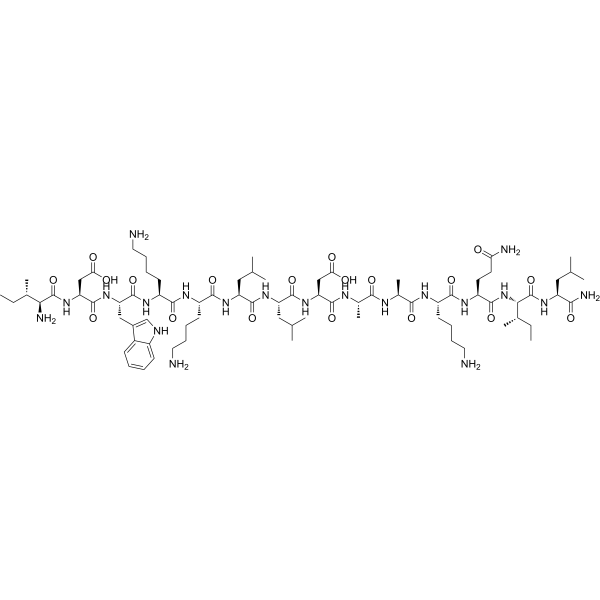
    Histatin-8 is a part of the Histatin-3 central sequence and is known as hemagglutination-inhibiting peptide. Histatin-8 is a potent anti-fungal peptide. Histatin-8 shows antimicrobial activity against yeast strains. Histatin-8 can be used for oral thrush research .
    Histatin-8
  • HY-147721

    Bacterial Infection
    Dihydropteroate synthase-IN-1 (compound 5g) is a potent dihydropteroate synthase (DHPS) inhibitor. Dihydropteroate synthase-IN-1 shows antimicrobial activities and antifungal activity. Dihydropteroate synthase-IN-1 inhibits cytochromes P450. Dihydropteroate synthase-IN-1 can bu used as diagnostic radio imaging material .
    Dihydropteroate synthase-IN-1
  • HY-N10611

    Reactive Oxygen Species (ROS) Apoptosis Autophagy Fungal Fluorescent Dye Infection Cancer
    Elsinochrome A is a perylene quinone photosensitizer, and can generate reactive oxygen species (ROS) to induce apoptosis and autophagy under light excitation. Elsinochrome A also shows antifungal activity against C. albicans biofilm through photodynamic antimicrobial chemotherapy (PACT). Elsinochrome A can be used for research of photodynamic therapy (PDT) (Ex: 460 nm) .
    Elsinochrome A
  • HY-161312

    Bacterial Fungal Infection
    Antifungal agent 93 (compound 10) is a potent antifungal agent. Antifungal agent 93 shows antimicrobial activity .
    Antifungal agent 93
  • HY-148294

    Bacterial Fungal Infection
    Monogalactosyl diglyceride is a antimicrobial. Monogalactosyl diglyceride has antibacterial activity and antifungal activity in vitro .
    Monogalactosyl diglyceride
  • HY-N3088

    Fungal Infection
    Phaseollidin hydrate is the hydrate form of the antimicrobial phytoalexin Phaseollidin, which has lower antifungal activity than the original Phaseollidin .
    Phaseollidin hydrate
  • HY-146062

    Bacterial Fungal Infection
    Antibacterial agent 101 (Compd 7f) is an antimicrobial (antibacterial and antifungal) agent, with MIC values between 4 and 32 µg/mL .
    Antibacterial agent 101
  • HY-P5696

    Bacterial Parasite Fungal Infection
    Xenopsin precursor fragment is an antimicrobial peptide, and has antibacterial/antifungal (10-500 μg/mL) and anti-protozoal (MIC: 2-20 μg/mL) activity .
    Xenopsin precursor fragment
  • HY-P5639

    Fungal Infection
    Gageotetrin A is an antimicrobial peptide derived from the marine bacterium Bacillus subtilis. Gageotetrin A has antifungal activity, but none toxic to numerous human cancer cells .
    Gageotetrin A
  • HY-P5569

    Fungal Infection
    SP-B peptide is an antimicrobial peptide. SP-B peptide has antifungal activity against strains of Cryptococcus neoformans, Candida albicans and Aspergillus fumigatus
    SP-B peptide
  • HY-162418

    Bacterial Fungal Infection
    Antibacterial agent 203 (Compound 5h) has antibacterial and antifungal activity. Antibacterial agent 203 has potent antifungal activity against C. albicans, with a MIC of 3.90 μg/mL. Antibacterial agent 203 has antimicrobial activity on healthy mouse fibroblast cells (L929), with an IC50 of 75.96 μM .
    Antibacterial agent 203
  • HY-P5701

    Bacterial Fungal Infection
    EP2 is an antimicrobial peptide. EP2 has antibacterial and antifungal activities. EP2 inhibits E. gallinarum, P. pyocyanea, A. baumanii, K. terrigena with a MIC value of 11.4 μg/mL .
    EP2
  • HY-N13197

    Antibiotic Bacterial Fungal Parasite Infection Inflammation/Immunology Cancer
    6-Methyl-5,6-dihydro-2H-pyran-2-one is a heterocyclic compound with antitumor, antifungal, antimicrobial, anti-inflammatory, antistress, antibiotic, antituberculosis, antiparasitic, antiviral activities .
    6-Methyl-5,6-dihydro-2H-pyran-2-one
  • HY-12638R

    DDM (Standard)

    Reference Standards Bacterial Fungal Parasite Infection
    Dichlorophen (Standard) is the analytical standard of Dichlorophen (HY-12638). This product is intended for research and analytical applications. Dichlorophen is a chlorophenol antimicrobial agent that can destroy the integrity of microbial cell membranes and interfere with the activity of metabolic enzymes. Dichlorophen can covalently bind to the thiol groups of microbial proteins and has broad-spectrum antibacterial, antifungal and anthelmintic activity. Dichlorophen can be used as an antimicrobial agent in the study of drug-resistant bacterial infections .
    Dichlorophen (Standard)
  • HY-N3837

    Isotaraxerol; 3α-Taraxerol

    Bacterial Infection
    Epitaraxerol (compound 6) is a natural product isolated from the leaves of E. neriifolia. Epitaraxerol shows moderate antifungal activity against C. albicans and low antimicrobial activity against T. mentagrophytes, A. niger, S. aureus, E. coli, P. aeruginosa, and B. subtilis .
    Epitaraxerol
  • HY-P1954A

    Piscidin-1 (22-42) TFA

    Bacterial Infection Cancer
    Epinecidin-1 (Piscidin-1 (22-42)) TFA is a highly potent, multi-functional Antimicrobial Peptide (AMP) produced by Orange-spotted grouper (Epinephelus coioides). Epinecidin-1 TFA has many functional usages including antibacterial, antifungal, antiviral, antiprotozoal, anticancer, immunomodulatory, and wound healing properties .
    Epinecidin-1 TFA
  • HY-P5703

    Bacterial Apoptosis Fungal Infection
    EP5-1 is an antimicrobial peptide. EP5-1 has antibacterial and antifungal activities. EP5-1 also shows antitumor activity against cancer cells, and induces cell apoptosis. EP5-1 has antiviral activity against pseudorabies virus (PRV) .
    EP5-1
  • HY-N13025

    Verrucarin L acetate

    Fungal Infection
    8-Acetylverrucarin L (Verrucarin L acetate) is a mycotoxin, which exhibits antitumor and antimicrobial activities. 8-Acetylverrucarin L exhibits cytotoxicity to cancer cells HCT116 and A2780S, with IC100 of 9.77 and 9.77 ng/mL. 8-Acetylverrucarin L exhibits antifungal activity against Saccharomyces cerevisiae, Candida albicans and Geotrichum candidum .
    8-Acetylverrucarin L
  • HY-N5142R

    Reference Standards Bacterial Infection Inflammation/Immunology
    α-Terpineol (Standard) is the analytical standard of α-Terpineol. This product is intended for research and analytical applications. α-Terpineol is isolated from Eucalyptus globulus Labill, exhibits strong antimicrobial activity against periodontopathic and cariogenic bacteria . α-Terpineol possesses antifungal activity against T. mentagrophytes, and the activity might lead to irreversible cellular disruption .
    α-Terpineol (Standard)
  • HY-N3544R

    (-)-Caryophyllene oxide (Standard)

    Reference Standards Apoptosis Bacterial Fungal Parasite Infection Neurological Disease Inflammation/Immunology Cancer
    Caryophyllene oxide (Standard) ((-)-Caryophyllene oxide (Standard)) is the analytical standard of Caryophyllene oxide (HY-N3544). This product is intended for research and analytical applications. Caryophyllene oxide is a bicyclic sesquiterpene with anticancer effects. Caryophyllene oxide induces apoptosis of PC-3 cells. Caryophyllene oxide shows analgesic and anti-inflammatory activities. Caryophyllene oxide has insecticidal, antioxidant, antimicrobial, antifungal, and antiparasitic properties.
    Caryophyllene oxide (Standard)

온라인 문의

Your information is safe with us. * Required Fields.

호칭


Country or Region *

고객명 *


회사명 *

Department *


메일주소 *


상품명 *

Cat. No.


Requested quantity *

전화번호 *


비고

온라인 문의

Inquiry Information

상품명:
Cat. No.:
수량:
MCE Japan Authorized Agent:

