


102 Results for "

B-cell proliferation

" in MedChemExpress (MCE) Product Catalog:
Products (102)

102 Results for "B-cell proliferation" in MCE Product Catalog:

  • Categories Recommended:
    More
25
25 Publications Verification
Cat. No.: HY-N0289
CAS No.: 2188-68-3
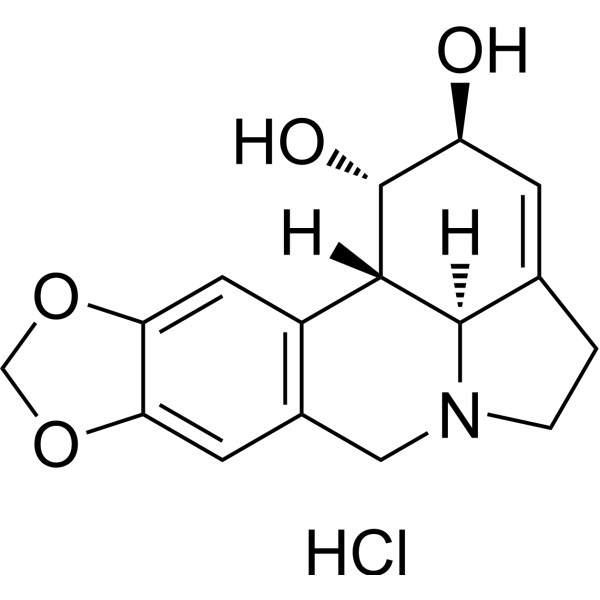
Lycorine hydrochloride is the main active ingredient of the herbal medicine derived from Lycoris radiata (L’Her.) Herb. and is also a melanoma vasculogenic inhibitor and has anti-tumor activity . Lycorine hydrochloride effectively inhibits mitotic proliferation of Hey1B cells (IC50 of 1.2 μM) .
loading...
    loading...
16
16 Cited Publications
Cat. No.: HY-15405
CAS No.: 163451-81-8
Purity:  99.92%
Synonyms: A77 1726
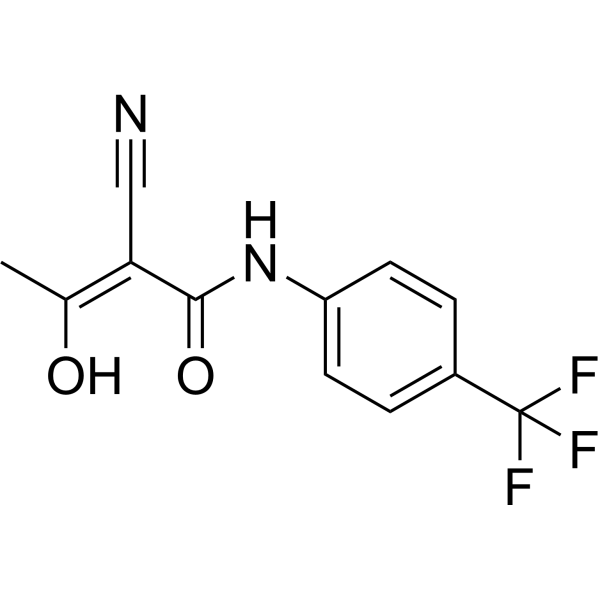
Teriflunomide is the active metabolite of leflunomide, an approved therapy for rheumatoid arthritis. It inhibits pyrimidine synthesis and therefore potently decreases T cell and B cell proliferation.
loading...
    loading...
3
3 Cited Publications
Cat. No.: HY-120323
CAS No.: 2101765-81-3
Purity:  98.11%
Target:  

TNF Receptor

Research Areas:  

Inflammation/Immunology

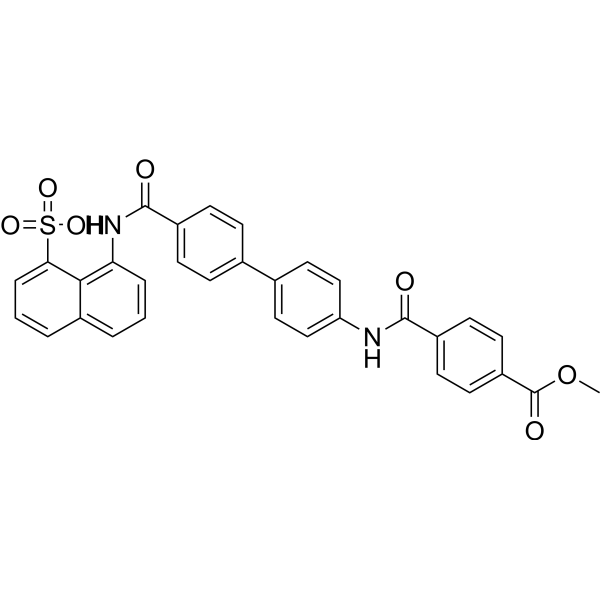
DRI-C21045 (compound 10) is a potent and selective inhibitor of the CD40-CD40L costimulatory protein-protein interaction (PPI) with an IC50 of 0.17 μM. DRI-C21045 shows concentration-dependent inhibition of the activation of NF-κB and B cell proliferation all induced by CD40L with IC50s of 17.1 μM and 4.5 μM, respectively .
loading...
    loading...
3
3 Cited Publications
Cat. No.: HY-15163
CAS No.: 1204918-72-8
Synonyms: TG02; SB1317
Target:  

JAK CDK FLT3

Research Areas:  

Cancer

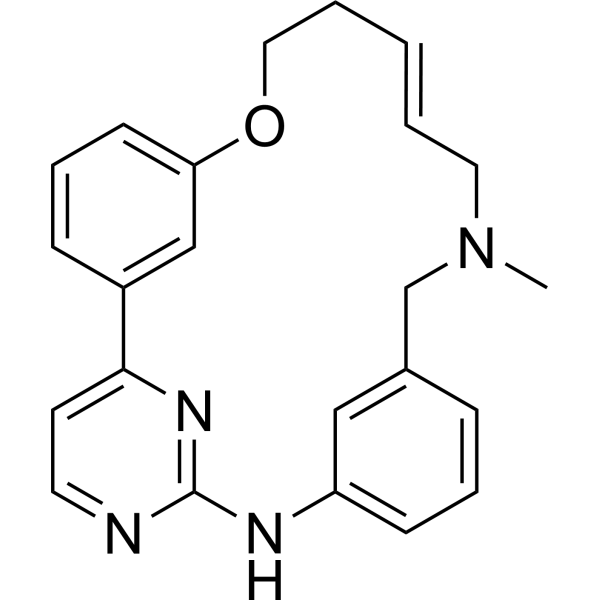
Zotiraciclib (TG02; SB1317) is an orally active JAK2/FLT3/CDK2 inhibitor with IC50 values of 13 nM, 73 nM and 56 nM , respectively. Zotiraciclib inhibits cancer cell proliferation, tumor growth and the activity of CYP2D6. Zotiraciclib exhibits high plasma protein binding rate, Caco-2 permeability and tissue distribution capacity, as well as metabolic stability in human and canine liver microsomes. Zotiraciclib achieves tumor growth inhibition in nude mouse models of colon cancer and lymphoma xenografts. Zotiraciclib can be used for research related to colon cancer, B-cell lymphoma, advanced leukemia, acute leukemia and multiple myeloma .
loading...
    loading...
3
3 Cited Publications
Cat. No.: HY-N6871
CAS No.: 514-10-3
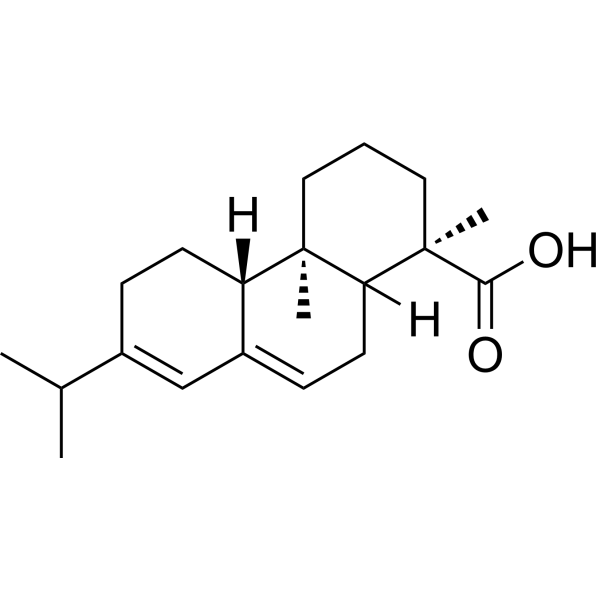
Abietic acid, an orally active diterpene isolated from Colophony, displays significant anti-proliferative, anti-inflammatory, anti-obesity effect, bacteriostatic, cell cycle arresting and pro-apoptotic activities. Abietic acid inhibits lipoxygenase activity for allergy. Abietic acid enhances cell migration and tube formation in HUVECs. Abietic acid induces significant angiogenic potential, which is associated with upregulation of extracellular signal-regulated kinase (ERK) and p38 expression. Abietic acid attenuates sepsis-induced lung injury by inhibiting nuclear factor kappa-light-chain-enhancer of activated B cells (NF-κB) pathway to inhibit M1 macrophage polarization. Abietic acid exhibits a positive effect against liver injury by attenuating inflammation and ferroptosis. Abietic acid shows accelerated wound closure in a mouse model of cutaneous wounds. Abietic acid significantly reduces the proliferation and growth of NSCLC cells by IKKβ inhibition.Additionally, Abietic acid ameliorates psoriasis-like inflammation and modulates gut microbiota in mice. Abietic acid is promising for research in non-small-cell lung cancer (NSCLC), liver injury-related deseases and psoriasis .
loading...
    loading...
1
1 Cited Publications
Cat. No.: HY-P99024
CAS No.: 2229047-91-8
Synonyms: RO7082859; RG-6026

Target:  

CD20 CD3

Research Areas:  

Inflammation/Immunology Cancer

Glofitamab (RO7082859) is a T-cell-engaging bispecific antibody possessing a novel 2:1 structure with bivalency for CD20 on B cells and monovalency for CD3 on T cells. Glofitamab leads to T-cell activation, proliferation, and tumor cell killing upon binding to CD20 on malignant cells. Glofitamab induces durable complete remissions in relapsed or refractory B-Cell non-Hodgkin lymphoma (B-NHL) .
loading...
    loading...
1
1 Cited Publications
Cat. No.: HY-153368
CAS No.: 2655656-99-6
Purity:  95.43%
Synonyms: KT-413
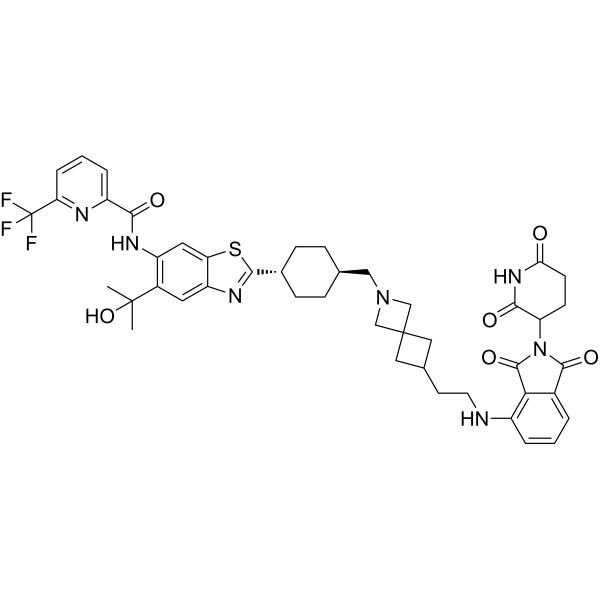
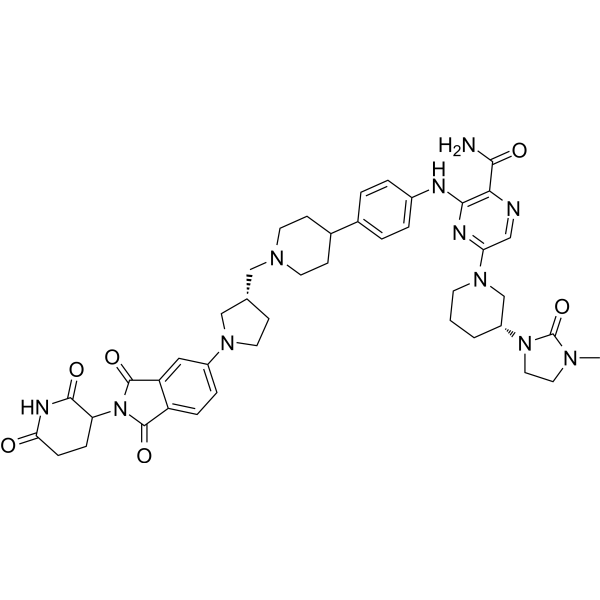
Zomiradomide (KT-413) is an orally active IRAK4 PROTAC degrader with a DC50 of 6 nM. Zomiradomide inhibits the NF-κB signaling pathway, while its molecular glue function mediates the degradation of Ikaros and Aiolos (with a DC50 of 1 nM for both), activates the IFN-I signaling pathway, and selectively degrades IMiD substrates. Zomiradomide inhibits cancer cell proliferation and tumor growth. Zomiradomide can be used in research related to B-cell non-Hodgkin's lymphoma and diffuse large B-cell lymphoma .
loading...
    loading...
1
1 Cited Publications
Cat. No.: HY-P99446
CAS No.: 845264-92-8
Synonyms: TACI-Ig; TACI-Fc 5

Target:  

TNF Receptor

Research Areas:  

Inflammation/Immunology

Atacicept (TACI-Ig) is a is a recombinant fusion protein containing the extracellular, ligand-binding portion of the TACI receptor and the Fc portion of human IgG. Atacicept inhibits B cell stimulation by binding to B lymphocyte stimulator and a proliferation-inducing ligand. Atacicept can be used in research of B-cell autoimmune disease .
loading...
    loading...
1
1 Cited Publications
Cat. No.: HY-P990203

Target:  

Integrin

Research Areas:  

Inflammation/Immunology

Anti-Mouse LPAM-1/Integrin α4β7 Antibody (DATK32) is a rat-derived anti-LPAM-1/Integrin α4β7 IgG2a, κ type antibody inhibitor. Anti-Mouse LPAM-1/Integrin α4β7 Antibody (DATK32) specifically reacts with both chains of the α4β7 heterodimer and blocks the adhesion to immobilized mucosal addressin cell adhesion molecule-1 (MAdCAM-1). Anti-Mouse LPAM-1/Integrin α4β7 Antibody (DATK32) suppresses the proliferation and cytokine secretion of CD8+ T cells. Anti-Mouse LPAM-1/Integrin α4β7 Antibody (DATK32) decreases Peyer’s patches and follicular B cells in mice. Anti-Mouse LPAM-1/Integrin α4β7 Antibody (DATK32) can be used for the researches of inflammation, such as ulcerative colitis .
loading...
    loading...
Cat. No.: HY-153356
CAS No.: 2803881-11-8
Purity:  99.91%
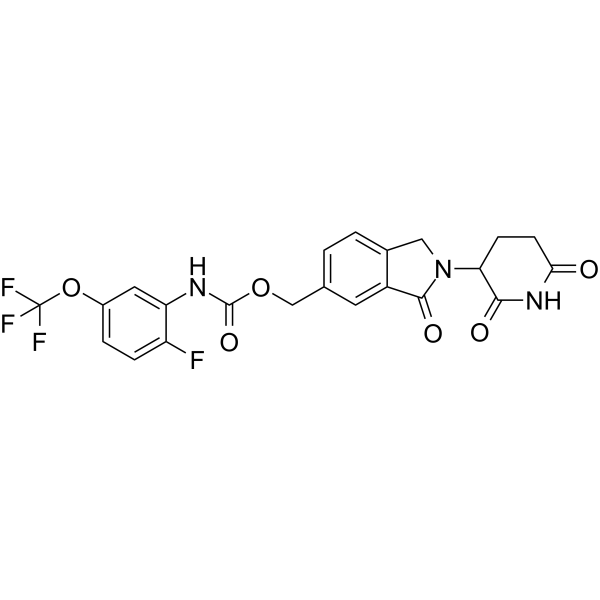
MRT-2359 is an orally active and selective GSPT1 molecular glue degrader, with a DC50 of 5 nM. MRT-2359 induces CRBN/GSPT1 ternary complex formation to drive CRBN- and degron-dependent proteasomal GSPT1 degradation, with selectivity for wild-type GSPT1 over the GSPT1G575N mutant. MRT-2359 disrupts protein translation, induces ribosome stalling, downregulates MYC family proteins and their transcriptional output, reduces proliferation, and induces apoptosis in cancer cells. MRT-2359 can be used for the research of non-small cell lung cancer (NSCLC), small cell lung cancer (SCLC), neuroendocrine lung cancer, high grade neuroendocrine cancers, diffuse large B-cell lymphoma, prostate cancer, and MYC-driven solid tumors .
loading...
    loading...
Cat. No.: HY-P99568
CAS No.: 2136630-26-5
Synonyms: RC18
Telitacicept (RC18) is a fully human TACI-Fc fusion protein. Telitacicept is a dual B lymphocyte stimulator (BLyS)/APRIL (a proliferation-inducing ligand) inhibitor that effectively blocks proliferation of B lymphocytes. Telitacicept can be used in research of B-cell autoimmune disease . The component ratio of this product is Active ingredient : Excipients = 1: 0.5-1: 0.8.
loading...
    loading...
Cat. No.: HY-150105
CAS No.: 2448172-22-1
Purity:  98.72%
Synonyms: BMF-219; Menin-MLL inhibitor 21
Icovamenib (BMF-219) is a selective, orally active, irreversible Menin inhibitor. Icovamenib forms a stable and irreversible covalent bond with Menin. Icovamenib promotes selective and controlled proliferation of beta cells and improvement of beta cell function in ex vivo human islet cultures. Icovamenib enhances glycemic control in animal diabetic models. Icovamenib induces a dose-dependent enhancement in insulin secretion potentiated by the GLP-1 RA. Icovamenib can be used for the study of multiple hematologic malignancies, solid tumors, and diabetes mellitus, such as diffuse large B-cell lymphoma (DLBCL), multiple myeloma (MM) and chronic lymphocytic leukemia and type 2 diabetes .
loading...
    loading...
Cat. No.: HY-P990706
CAS No.: 2490217-42-8
Synonyms: ALPN-303

Target:  

TNF Receptor

Research Areas:  

Inflammation/Immunology

Povetacicept (ALPN-303) is an engineered Fc fusion protein containing the TACI domain, and acts as a dual APRIL/BAFF antagonist. The Kd value of Povetacicept for human BAFF is 59.3 pM, while its Kd value for human APRIL is 1.00 pM. Povetacicept reduces the activation, proliferation, differentiation and survival of B cells, and inhibits the production of immunoglobulins and autoantibodies. Povetacicept can be used in research related to autoimmune hemolytic anemia, immune thrombocytopenia, systemic lupus erythematosus, lupus nephritis and myasthenia gravis .
loading...
    loading...
Cat. No.: HY-155033
CAS No.: 1875084-68-6
Purity:  99.95%
SSI-4 is an orally active stearoyl-CoA desaturase (SCD1) inhibitor with an EC50 of 1.9 nM against mouse SCD1. SSI-4 blocks the conversion of saturated fatty acids to monounsaturated fatty acids, reducing the production of oleic acid and palmitoleic acid. SSI-4 induces lipid peroxidation, endoplasmic reticulum stress, DNA damage and activates apoptotic mechanisms. SSI-4 inhibits mTORC1 activity, suppresses B cell proliferation and antibody production, and induces autophagy. SSI-4 is applicable to research on cancers such as acute myeloid leukemia and renal cell carcinoma, as well as influenza infections .
loading...
    loading...
Cat. No.: HY-113262
CAS No.: 3868-31-3
Purity:  99.91%
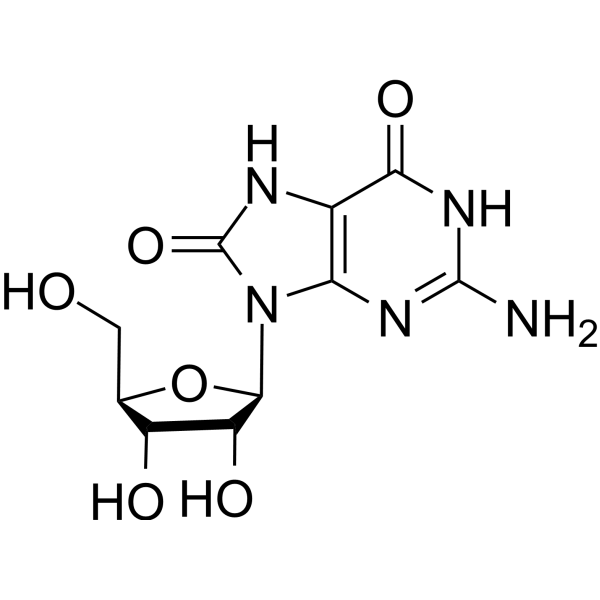
8-Hydroxyguanosine, an oxidized nucleoside, is a marker of RNA oxidative damage and oxidative stress. 8-Hydroxyguanosine stimulates proliferation and differentiation of murine B cells with immunostimulatory activity. 8-Hydroxyguanosine is promising for research of Alzheimer’s disease and Down’s syndrome .
loading...
    loading...
Cat. No.: HY-153357
CAS No.: 2416130-57-7
Purity:  98.16%
Target:  

PROTACs Btk c-Myc NF-κB

Research Areas:  

Inflammation/Immunology Cancer

NRX-0492 is an orally active BTK PROTAC degrader, with a binding IC50 of 1.2 nM for both wild-type BTK and BTK T474I, and 2.7 nM for BTK C481S, and exhibits cellular DC50 values of 0.1 nM and 0.2 nM against wild-type BTK and BTK C481S, respectively. NRX-0492 catalyzes the ubiquitination and proteasomal degradation of wild-type and drug-resistant mutant BTK by recruiting the CRBN E3 ubiquitin ligase complex. NRX-0492 inhibits the BCR signaling pathway and its downstream NF-κB/MYC transcriptional program, achieves rapid and sustained degradation in primary CLL cells, and exhibits extremely low cytotoxicity. NRX-0492 degrades BTK, inhibits tumor cell proliferation and activation, and significantly suppresses tumor growth in xenograft models. NRX-0492 can be used in research related to chronic lymphocytic leukemia and diffuse large B-cell lymphoma .
loading...
    loading...
Cat. No.: HY-171579
CAS No.: 301655-16-3
RS47 is a selective RelB inhibitor with a Kd value of 1.1 μM. RS47 also acts as an inhibitor of HCV replication. RS47 can block the non-canonical NF-κB signaling pathway without affecting the canonical pathway. RS47 exerts anti-tumor effects of inhibiting proliferation and promoting apoptosis on colorectal cancer, B-cell lymphoma and other related tumors both in vitro and in vivo by disrupting the binding of RelB to target DNA. RS47 can be used for the research of tumors and infectious diseases .
loading...
    loading...
Cat. No.: HY-160924
Research Areas:  

Cancer

MS147 is a VHL-based PROTAC degrader of BMI1 and RING1B (polycomb repressive complex 1 core components). MS147 directly binds EED and VHL E3 ligase, recruiting the ligase to the EED-BMI1/RING1B complex to induce time-dependent, ubiquitination-mediated degradation of BMI1 and RING1B. MS147 reduces histone H2A Lys119 mono-ubiquitination without altering histone H3 Lys27 tri-methylation and inhibits cancer cells proliferation. MS147 can be used for the research of cancer, such as chronic myelogenous leukemia and b-cell lymphoma .
loading...
    loading...
Cat. No.: HY-B2046
CAS No.: 122-34-9
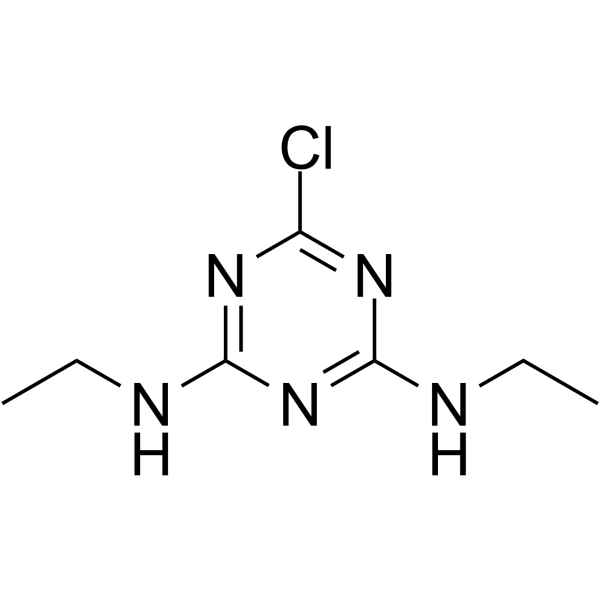
Simazine is a triazine herbicide. Simazine is widely used in agriculture, potted plant and tree production. In addition, Simazine can induce the apoptosis of immune cells in the spleen of mice and inhibit the proliferation of B cells and T cells in mice .
loading...
    loading...
Cat. No.: HY-109082
CAS No.: 1703788-21-9
Purity:  99.58%
Synonyms: SKI-O-703
Target:  

Syk

Research Areas:  

Inflammation/Immunology

Cevidoplenib (SKI-O-703) is an orally available inhibitor of spleen tyrosine kinase (Syk), with potential anti-inflammatory and immunomodulating activities. Cevidoplenib is also the mesylate form of SKI-O-592. Cevidoplenib and SKI-O-592 inhibits BCR-mediated survival, proliferation, and differentiation of B cells. And SKI-O-592 potently inhibits multiple kinases with IC50s of 6.2 nM (Syk), 1.859 μM (Jak2), 5.807 μM (Jak3), 0.412 μM (RET), 0.687 μM (KOR), 1.783 μM (FLT3), 16.96 μM (FGFR1), 5.662 μM (FGFR3), and 0.709 μM (Pyk2), respectively .
loading...
    loading...

