223 Results for "

BChE inhibitor

" in MedChemExpress (MCE) Product Catalog:
Products (223)

223 Results for "BChE inhibitor" in MCE Product Catalog:

8
8 Publications Verification
Cat. No.: HY-B2244
CAS No.: 206658-92-6
Target:  

Cholinesterase (ChE)

Research Areas:  

Neurological Disease

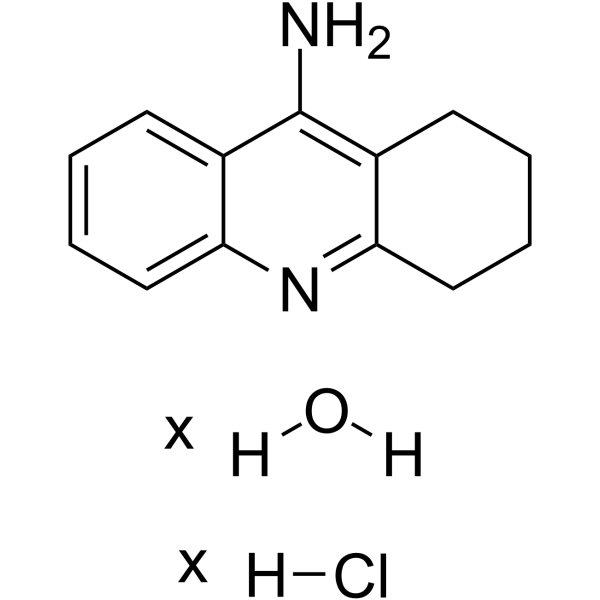
Tacrine hydrochloride (hydrate) is an inhibitor of both acetyl (AChE) and butyryl-cholinestrase (BChE) with IC50s of 31 nM and 25.6 nM, respectively.
loading...
    loading...
8
8 Publications Verification
Cat. No.: HY-B1488
CAS No.: 1684-40-8
Research Areas:  

Neurological Disease

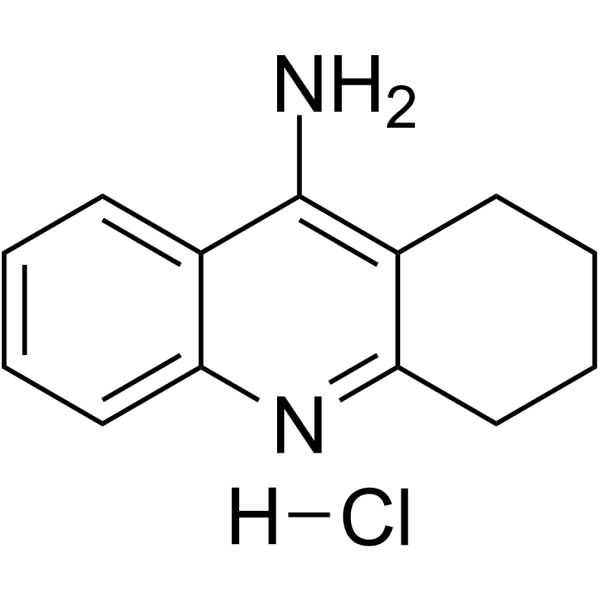
Tacrine hydrochloride is a potent brain-penetrant inhibitor of both AChE and BChE, with IC50s of 31 nM and 25.6 nM, respectively. Tacrine hydrochloride is also a NMDAR inhibitor, with an IC50 of 26 μM. Tacrine hydrochloride can be used for the research of Alzheimer’s disease .
loading...
    loading...
6
6 Cited Publications
Cat. No.: HY-N0285
CAS No.: 482-44-0
Synonyms: Ammidin
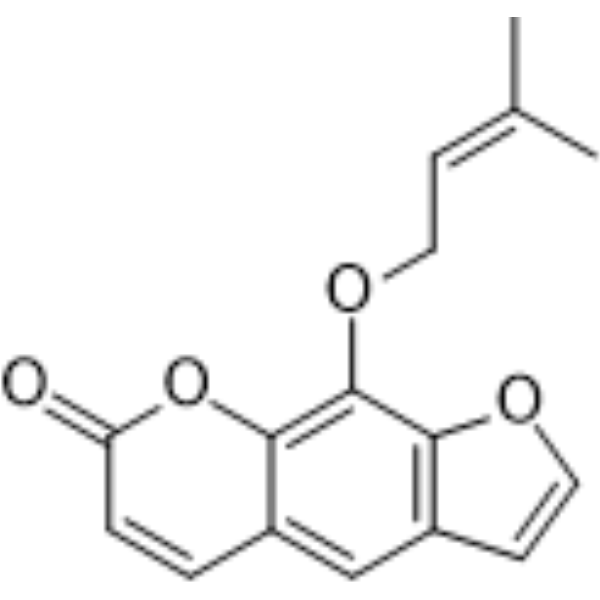
Imperatorin is an effective of NO synthesis inhibitor (IC50=9.2 μmol), which also is a BChE inhibitor (IC50=31.4 μmol). Imperatorin is a weak agonist of TRPV1 with EC50 of 12.6±3.2 μM.
loading...
    loading...
5
5 Cited Publications
Cat. No.: HY-107569
CAS No.: 78824-30-3
Purity:  ≥99.0%
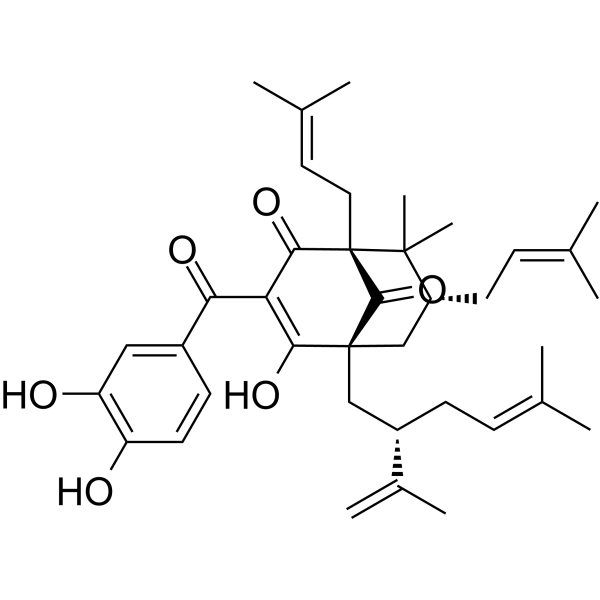
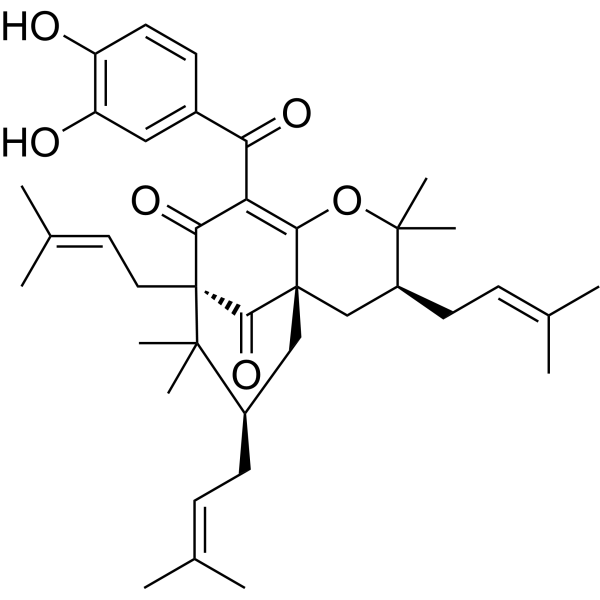
Garcinol, a polyisoprenylated benzophenone harvested from Garcinia indica, exerts anti-cholinesterase properties towards acetyl cholinesterase (AChE) and butyrylcholinesterase (BChE) with IC50s of 0.66 μM and 7.39 μM, respectively . Garcinol also inhibits histone acetyltransferases (HATs, IC50= 7 μM) and p300/CPB-associated factor (PCAF, IC50 = 5 μM). Garcinol has anti-inflammatory and anti-cancer activity .
loading...
    loading...
4
4 Cited Publications
Cat. No.: HY-N0226A
CAS No.: 889665-86-5
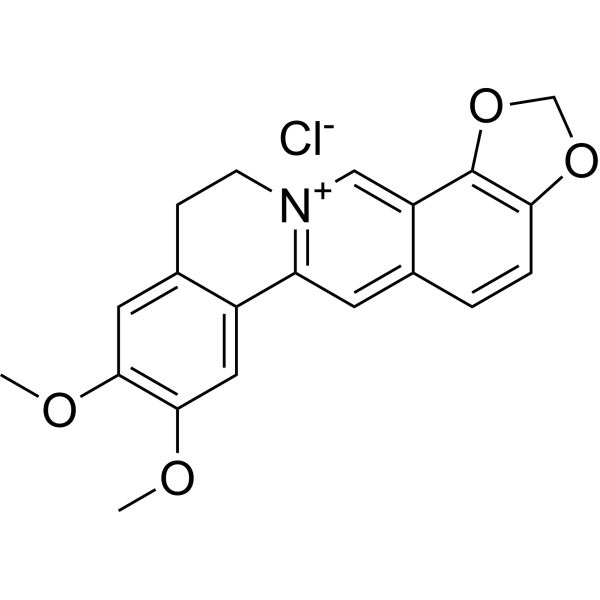
Epiberberine chloride is an alkaloid isolated from Coptis chinensis, acts as a potent AChE and BChE inhibitor, and a non-competitive BACE1 inhibitor, with IC50s of 1.07, 6.03 and 8.55 μM, respectively. Epiberberine chloride has antioxidant activity, with peroxynitrite ONOO - scavenging effect (IC50, 16.83 μM), and may protect against Alzheimer disease . Epiberberine chloride inhibits the early stage of differentiation of 3T3-L1 preadipocytes, downregulates the Raf/MEK1/2/ERK1/2 and AMPKα/Akt pathways . Epiberberine has the potential effect in the research of diabetic disease .
loading...
    loading...
2
2 Cited Publications
Cat. No.: HY-N6865
CAS No.: 38691-95-1
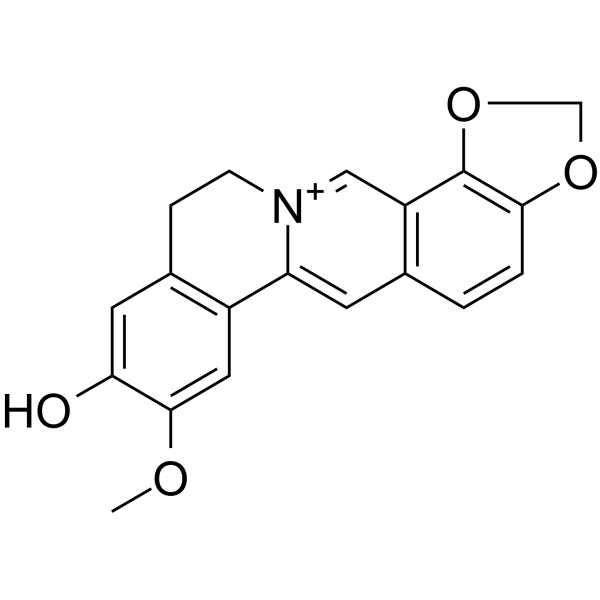
Groenlandicine, a protoberberine alkaloid, is a cholinesterase inhibitor (AChE (IC50 = 0.54 μM), BChE (IC50 = 3.32 μM)). Groenlandicine non-competitively inhibits BACE1 (IC50 = 19.68 μM, Ki = 21.2) and inhibits RLAR (IC50 = 140.1 μM), HRAR (IC50 = 154.2 μM), and total ROS generation (IC50 = 51.78 μM) in vitro. Groenlandicine suppresses osteosarcoma cell proliferation while promoting apoptosis. Groenlandicine inhibits the tumor growth when combined with Cisplatin (HY-17394). Groenlandicine can be used for the study on osteosarcoma, Alzheimer's disease and diabetes mellitus .
loading...
    loading...
1
1 Cited Publications
Cat. No.: HY-B1542A
CAS No.: 57-37-4
Target:  

Cholinesterase (ChE)

Research Areas:  

Neurological Disease

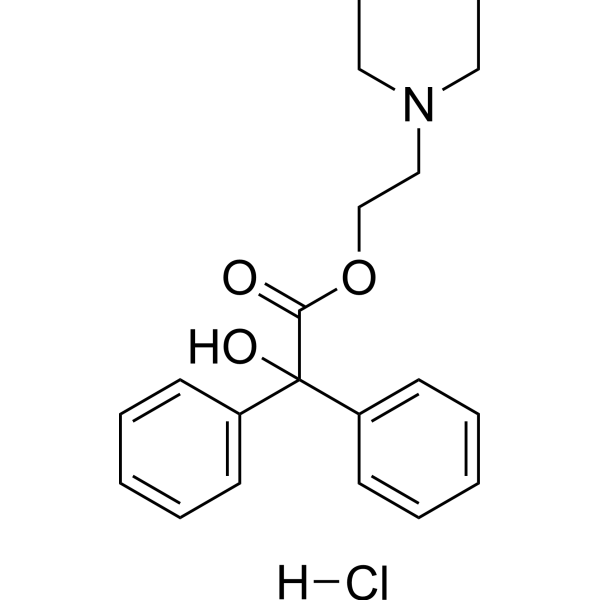
Benactyzine hydrochloride is a competitive BChE inhibitor with a Ki of 0.01 mM. Benactyzine hydrochloride is an anticholinergic drug. Benactyzine hydrochloride has the potential for organophosphate poisoning research .
loading...
    loading...
1
1 Cited Publications
Cat. No.: HY-127087
CAS No.: 71117-97-0
Synonyms: Cambogin
Isogarcinol (Cambogin) is a potent AChE and BChE inhibitor, with IC50 values of 1.13 and 8.30 μM, respectively. Isogarcinol also shows leishmanicidal activity, with an IC50 of 0.33 μM against L. donovani .
loading...
    loading...
1
1 Cited Publications
Cat. No.: HY-107922
CAS No.: 1094-08-2
Purity:  99.66%
Synonyms: Isothazine
Research Areas:  

Neurological Disease

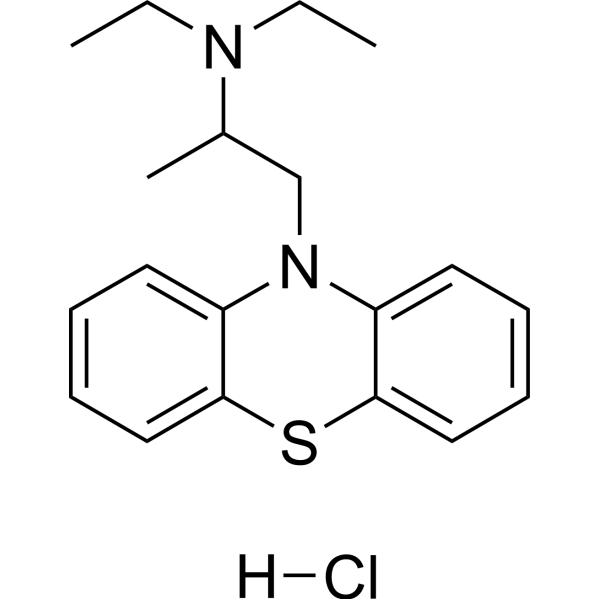
Ethopropazine (Isothazine) hydrochloride is a potent and selective BChE inhibitor, a poor AChE inhibitor and a non-selective mAChR and NMDA antagonist. Ethopropazine hydrochloride has anticholinergic, antihistamine, antiadrenergic actions and properties. Ethopropazine hydrochloride alleviates thermal hyperalgesia in a dose dependent manner. Ethopropazine hydrochloride can be used for the research of Parkinson’s disease .
loading...
    loading...
1
1 Cited Publications
Cat. No.: HY-N6009
CAS No.: 33390-41-9
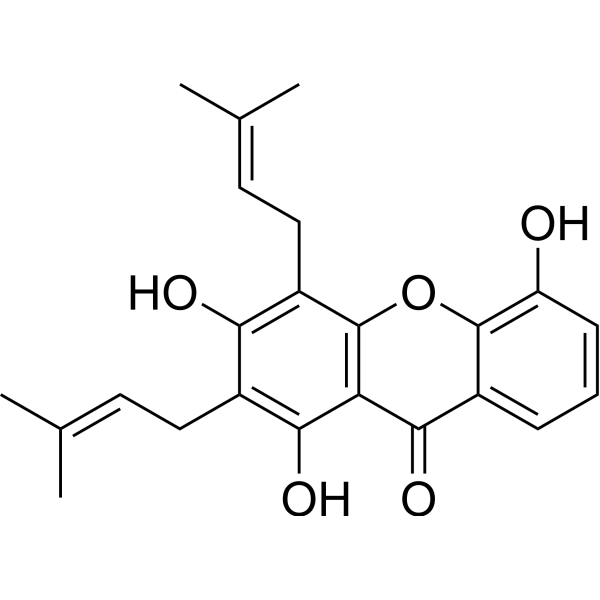
8-Deoxygartanin, a prenylated xanthones from G. mangostana, is a selective inhibitor of butyrylcholinesterase (BChE) . 8-Deoxygartanin exhibits antiplasmodial activity with an IC50 of 11.8 μM for the W2 strain of Plasmodium falciparum . 8-Deoxygartanin inhibits NF-κB (p65) activation with an IC50 of 11.3 μM .
loading...
    loading...
1
1 Cited Publications
Cat. No.: HY-N2129
CAS No.: 4846-19-9
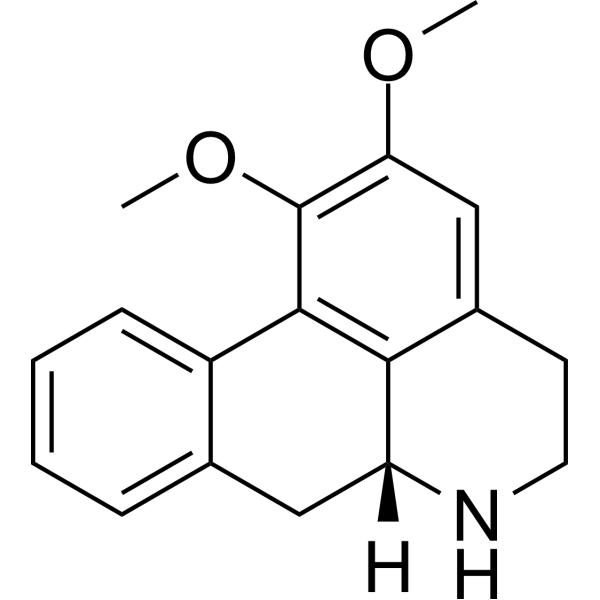
N-Nornuciferine is an orally active, blood-brain barrier-permeable CYP2D6 inhibitor, with an IC50 of 3.76 μM and a Ki of 2.34 μM against human CYP2D6. N-Nornuciferine also acts as a BChE inhibitor, showing an IC50 of 5.6 μM in mice . N-Nornuciferine can be used in the research of neurological-related diseases .
loading...
    loading...
1
1 Cited Publications
Cat. No.: HY-17368
CAS No.: 123441-03-2
Synonyms: ENA 713 free base; SDZ-ENA 713 free base
Target:  

Cholinesterase (ChE)

Research Areas:  

Neurological Disease

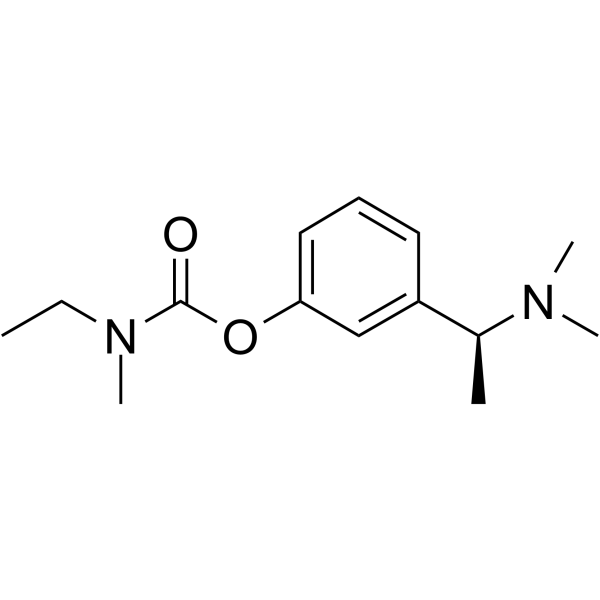
Rivastigmine (ENA 713 free base) is an orally active and potent cholinesterase (ChE) inhibitor and inhibits butyrylcholinesterase (BChE) and acetylcholinesteras (AChE) with IC50s of 0.037 μM , 4.15 μM, respectively. Rivastigmine can pass the blood brain barrier (BBB). Rivastigmine is a parasympathomimetic or cholinergic agent used for the research of mild to moderate dementia of the Alzheimer's type and dementia due to Parkinson's disease .
loading...
    loading...
1
1 Cited Publications
Cat. No.: HY-11017
CAS No.: 129101-54-8
Purity:  99.03%
Synonyms: ENA 713; SDZ-ENA 713
Target:  

Cholinesterase (ChE)

Research Areas:  

Neurological Disease

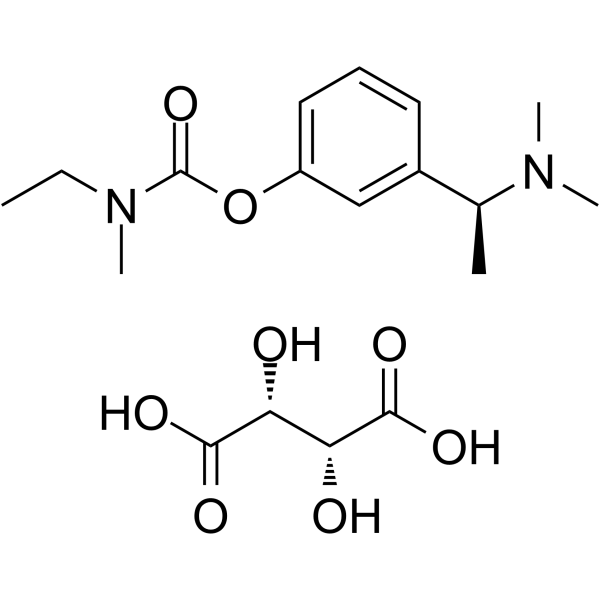
Rivastigmine tartrate (ENA 713; SDZ-ENA 713) is an orally active and potent cholinesterase (ChE) inhibitor and inhibits butyrylcholinesterase (BChE) and acetylcholinesteras (AChE) with IC50s of 0.037 μM, 4.15 μM, respectively. Rivastigmine tartrate can pass the blood brain barrier (BBB). Rivastigmine tartrate is a parasympathomimetic or cholinergic agent used for the research of mild to moderate dementia of the Alzheimer's type and dementia due to Parkinson's disease .
loading...
    loading...
1
1 Cited Publications
Cat. No.: HY-N2157
CAS No.: 13161-75-6
Synonyms: (+)-Pteryxin
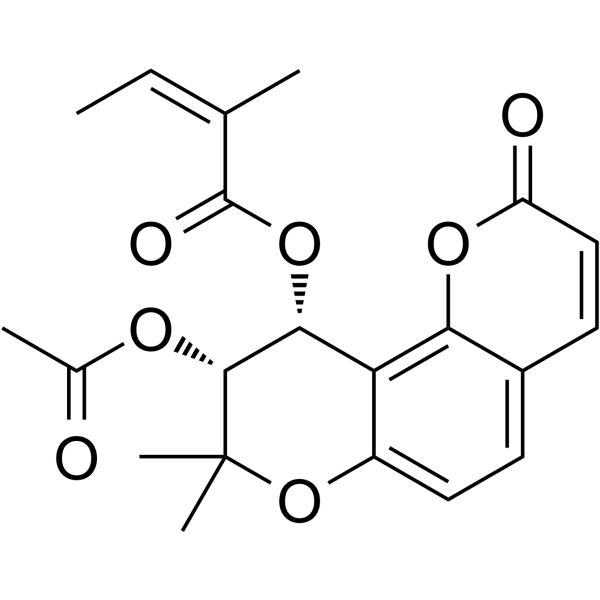
Pteryxin ((+)-Pteryxin) is an orally active multi-target inhibitor that targets NF-κB, MAPK, NLRP3 inflammasome, and Nrf2/ARE pathways. Pteryxin is also a BChE inhibitor (IC50=12.96 μg/mL) with a low inhibitory efficiency on AChE. Pteryxin inhibits the Ca 2+-calcineurin-NFATc1 pathway by blocking NF-κB/MAPK signaling, inhibiting NLRP3 inflammasome activation, and reducing ROS generation, and activates Nrf2-mediated antioxidant enzyme expression. Pteryxin has anti-inflammatory, antioxidant, and osteoclastogenesis inhibitory activities. Pteryxin can be used in the study of inflammatory diseases, osteoporosis, diabetes, and Alzheimer's disease .
loading...
    loading...
1
1 Cited Publications
Cat. No.: HY-B1239
CAS No.: 548-66-3
Synonyms: Hexahydroadiphenine hydrochloride
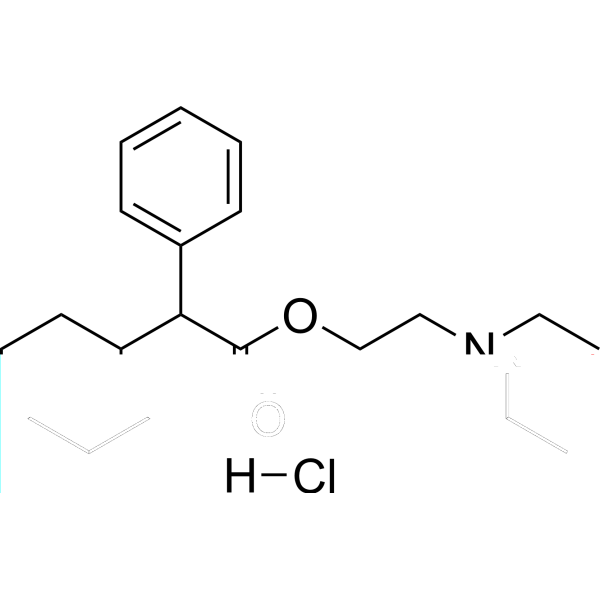
Drofenine (Cycloadiphene; Hexahydroadiphenine) hydrochloride is an brain-penetrant antispasmodic agent. Drofenine hydrochloride is a Kv2.1 channel inhibitor with human IC50 of 9.53 μM. Drofenine hydrochloride is a butyrylcholinesterase (BChE) inhibitor with Ki of 0.003 mM, and is a TRPV3 activator. Drofenine hydrochloride blocks Kv2.1-dependent potassium efflux, inhibits Kv2.1/JNK/NF-κB and IkBa/NF-kB signaling, suppresses Kv2.1 mRNA/protein expression. Drofenine suppresses oligomeric -induced microglial NLRP3 inflammasome activation and neuronal Tau hyperphosphorylation, improves cognitive impairment, promotes neurite outgrowth. Drofenine hydrochloride induces calcium influx in keratinocytes and exert cytotoxicity against keratinocytes. Drofenine hydrochloride ameliorates diabetic peripheral neuropathy -like pathology. Drofenine hydrochloride can be used for the researches of Alzheimer's disease, diabetic peripheral neuropathy and smooth muscle spasm .
loading...
    loading...
Cat. No.: HY-N10488
CAS No.: 133740-30-4
BChE-IN-11 (compound 10) is a potent, selective and non-competitive BChE (butyrylcholinesterase) inhibitor, with an IC50 of 2.1 μM. BChE-IN-11 can be used for Alzheimer's disease (AD) research .
loading...
    loading...
Cat. No.: HY-155140
CAS No.: 2425632-57-9
Purity:  99.07%
Target:  

Cholinesterase (ChE)

Research Areas:  

Neurological Disease

BChE-IN-17 (compound 6n) is a potent and selective BChE inhibitor with IC50s of 10.5 nM and 32.5 nM for eqBChE and hBChE, respectively. BChE-IN-17 shows over 1000-fold selectivity to BChE against AChE. BChE-IN-17 shows low neurotoxicity and moderate neuroprotective effects .
loading...
    loading...
Cat. No.: HY-159977
CAS No.: 119963-50-7
1,2-Didehydrotanshinone IIA is a moderate AChE and BChE inhibitor, with an IC50 value of 5.98 μM for BChE . 1,2-Didehydrotanshinone IIA is a IDO inhibitor, with an IC50 value of 4.68 µM μM .
loading...
    loading...
Cat. No.: HY-157982
Target:  

Cholinesterase (ChE)

Research Areas:  

Neurological Disease

BChE-IN-28 (compound 6J) is a selective butyrylcholinesterase (BChE) inhibitor with an IC50 of 8 nM and a Ki of 12.16 nM. BChE-IN-28 shows the lower inhibition against AChE, MAO-A and MAO-B .
loading...
    loading...
Cat. No.: HY-178356
BChE-IN-44 is a potent, brain-penetrant, highly selective BChE inhibitor [equine BChE IC50 = 18.00 pM, human BChE IC50 = 1.50 nM]. BChE-IN-44 shows neuroprotective effects against the Aβ1-42-induced injury model and inhibitory effects on Aβ1-42 self-aggregation. BChE-IN-44 reduces the levels of inflammatory factors (NO, IL-6, and TNF-α) in Lipopolysaccharides (HY-D1056)-induced BV2 cells. BChE-IN-44 can significantly ameliorate Scopolamine (HY-N0296)-induced cognition impairment. BChE-IN-44 exhibits capacity in the regulation of BChE and acetylcholine levels in the mouse hippocampus. BChE-IN-44 can be used for the study of Alzheimer’s disease (AD) .
loading...
    loading...

