Search Result
Results for "
Balb/c
" in MedChemExpress (MCE) Product Catalog:
| Cat. No. |
Product Name |
Target |
Research Areas |
Chemical Structure |
-
- HY-W583749
-
|
|
Biochemical Assay Reagents
|
Endocrinology
|
|
6:2 Cl-PFAES is an orally effective alternative to Perfluorooctane sulfonate. 6:2 Cl-PFAES significantly inhibits the growth of zebrafish and induces reproductive toxicity. 6:2 Cl-PFAES reduces the relative weights of epididymis and testis in male BALB/c mice. 6:2 Cl-PFAES can be used in the chrome plating industry .
|
-
-
- HY-P1684
-
|
FOXP3 inhibitor P60
|
NF-κB
Nuclear Factor of activated T Cells (NFAT)
|
Infection
Inflammation/Immunology
Cancer
|
|
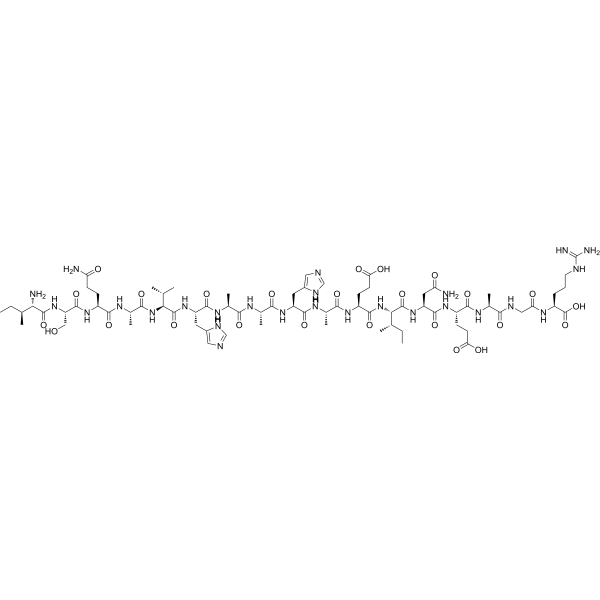
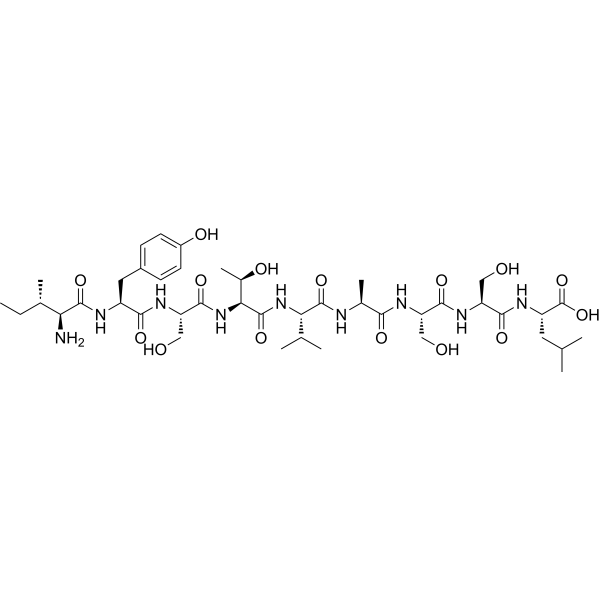
Peptide P60 is a FOXP3 inhibitor. Peptide P60 reduces the nuclear translocation of FOXP3 and impairs FOXP3-mediated inhibition of NF-κB and NFAT activity. Peptide P60 inhibits the immunosuppressive activity of regulatory T cells and restores the proliferation and activation of effector T cells. Peptide P60 induces lymphoproliferative autoimmune syndrome in neonatal ICR mice and reduces the number of CD4 +CD25 +Foxp3 + T cells in the spleen. Peptide P60 enhances the efficacy of AH1 (HY-P4193) peptide vaccine and recombinant adenovirus-based HCV NS3 vaccine in BALB/c mice, including protective effects against CT26 tumor implantation. Peptide P60 can be used in studies related to tumor immunity, viral infection and lymphoproliferative autoimmune syndrome .
|
-
-
- HY-159700
-
|
|
Liposome
|
Infection
|
|
AA3-DLin is an ionizable cationic lipid with a pKa value of 5.8. AA3-DLin is used to delivery mRNA combined with lipid nanoparticles (LNPs). AA3-DLin LNP COVID-19 vaccines encapsulating SARS CoV-2 spike mRNAs successfully induces strong immunogenicity in a BALB/c mouse model .
|
-
-
- HY-114340
-
|
|
Histone Methyltransferase
Apoptosis
|
Cancer
|
|
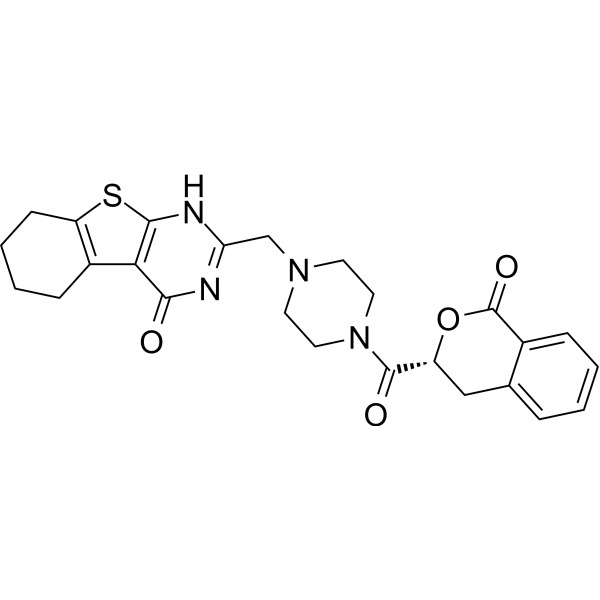
LEM-14 is a potent and selective NSD2 inhibitor with an IC50 of 132 µM. LEM-14 has very weak activitv
against NSD1 and has no activity against NSD3. LEM-14 inhibits fibrotic gene expression in ND but not DIO BMDMs. LEM-14 combined with ionizing radiation (IR) enhances the apoptosis rate and reduces the colony-formation ability of CRC cells. LEM-14 exhibits enhanced anti-tumor efficacy in Balb/c nude mice bearing LoVo cell xenografts when combined with ionizing radiation. LEM-14 has the potential for the research of multiple myeloma and colorectal cancer .
|
-
-
- HY-128866
-
|
|
Bacterial
|
Infection
|
|
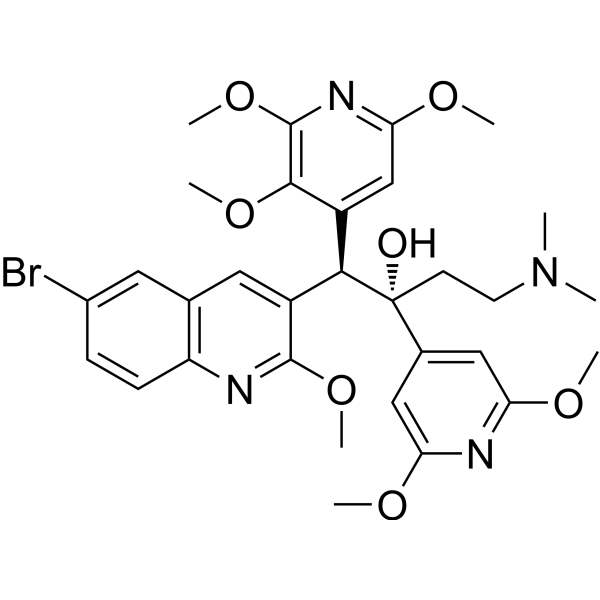
TBAJ-876 is an orally active diarylquinoline anti-Mycobacterium agent. TBAJ-876 regulates energy metabolism by targeting the c and ε subunits of Mycobacterium tuberculosis F-ATP synthase, exerts bactericidal activity against replicating Mycobacterium tuberculosis, and retains activity against strains carrying the Rv0678 mutation. TBAJ-876 undergoes N-demethylation in vivo to form its major active metabolite TBAJ-876-M3, which has lower lipophilicity and hERG potassium channel binding affinity. TBAJ-876 is well tolerated in BALB/c mice and significantly reduces the colony-forming units of Mycobacterium tuberculosis in the lungs. In addition, TBAJ-876 exhibits inhibitory activity against Mycobacterium abscessus, reduces bacterial loads in the lungs and spleens of infected mice, and shows no antagonistic effect when used in combination with common antibiotics. TBAJ-876 can be used in studies related to tuberculosis and Mycobacterium abscessus pulmonary diseases .
|
-
-
- HY-169120
-
|
|
Telomerase
|
Cancer
|
|
FKB04 is a telomeric repeat binding factor 2 (TRF2) inhibitor that exerts its antitumor activity by disrupting the telomere maintenance mechanism in liver cancer cells, leading to T-loop defects, telomere shortening, and cellular senescence. Additionally, FKB04 can inhibit tumor growth in a human liver cancer xenograft mouse model (with Huh-7 cells implanted in BALB/c mice). FKB04 can be used in liver cancer research .
|
-
-
- HY-N6651
-
|
|
STAT
Phosphatase
Apoptosis
Autophagy
p38 MAPK
EGFR
JAK
Bcl-2 Family
Survivin
Akt
mTOR
PARP
Caspase
Atg8/LC3
CDK
|
Cancer
|
|
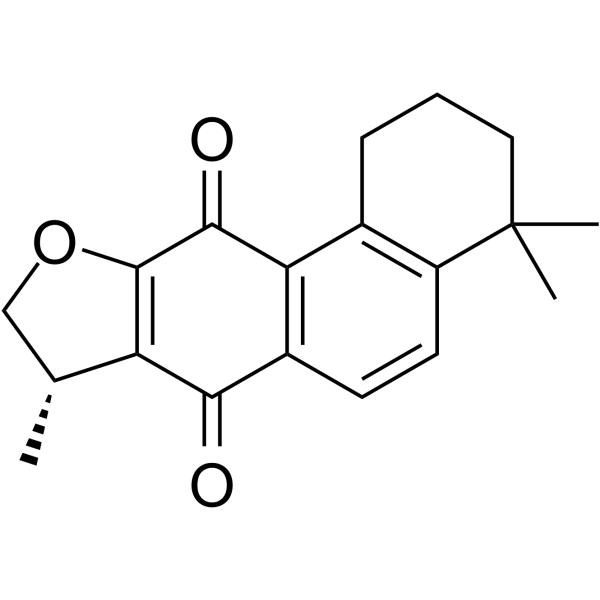
Isocryptotanshinone is a dual STAT3 and PTP1B (IC50 = 56.1 μM) inhibitor. Isocryptotanshinone inhibits STAT3 by binding to the STAT3 SH2 domain to block phosphorylation and nuclear translocation [1][2]. Isocryptotanshinone exerts its anti-proliferative effect via the induction of cell cycle arrest, apoptosis, and pro-death autophagy, through the regulation of STAT3, AKT/mTOR and MAPK signaling pathways. Isocryptotanshinone suppresses the xenograft gastric cancer (GC) tumor growth in BALB/c nude mice. Isocryptotanshinone can be used for cancer research, such as lung cancer, breast cancer and GC .
|
-
-
- HY-P1837
-
|
|
Influenza Virus
HSV
|
Infection
|
|
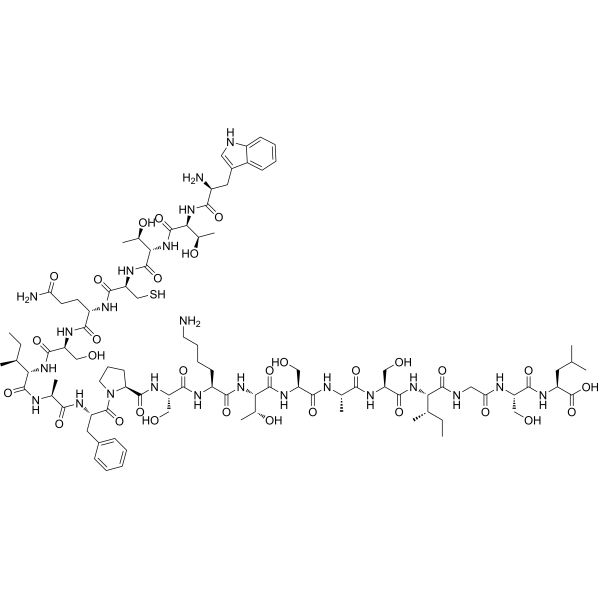
Influenza HA (518-526) is an H-2d-restricted CTL epitope derived from influenza virus hemagglutinin. Influenza HA (518-526) is highly conserved across various H5N1, some H9N2, and H1N1 strains. Influenza HA (518-526) binds to the mouse MHC class I allele K d to form a complex, which is then recognized by specific CD8 + T cells. Influenza HA (518-526) is an immunodominant epitope in influenza-infected BALB/c mice, and it stimulates CD8 + T cells to secrete IFN-γ to induce a robust immune response. Currently, Influenza HA (518-526) is widely used in research related to respiratory syncytial virus (RSV), influenza virus, and H5N1 influenza .
|
-
-
- HY-170933
-
|
|
SGK
|
Cancer
|
|
SGK1-IN-6 (compound 12f) is a potent SGK1 inhibitor with an IC50 of 0.39 μM. SGK1-IN-6 suppresses tumor growth in the PC3 xenograft model in BALB/c nude mice without inducing any observable toxicity .
|
-
-
- HY-P990215
-
|
|
Interleukin Related
|
Infection
Inflammation/Immunology
|
|
Anti-Mouse IL-27 p28 Antibody (MM27.7B1) is a mouse-derived anti-mouse IL-27 p28 IgG2a, κ type antibody inhibitor. Anti-Mouse IL-27 p28 Antibody (MM27.7B1) can neutralize IL-27. Anti-Mouse IL-27 p28 Antibody (MM27.7B1) delays CD8+ T cell reconstitution mediated by IL-27 after murine anti-thymocyte globulin (mATG) treatment in BALB/c heart allografts mice models .
|
-
-
- HY-106979
-
|
SAR-943
|
Drug Derivative
Interleukin Related
|
Inflammation/Immunology
|
|
Olcorolimus (SAR-943) is a Rapamycin (HY-10219) derivative. Olcorolimus can reduce IL-4, IL-5, eosinophil, neutrophil, lymphocyte, cellular fibronectin; lung epithelial cell proliferation and mucus hypersecretory phenotype in Ovalbumin (HY-W250978)-sensitized BALB/c mice. Olcorolimus can be used for the researches of inflammation and immunology, such as asthma .
|
-
-
- HY-N15846
-
|
|
Drug Derivative
|
Infection
Inflammation/Immunology
|
|
VSA 1, a semisynthetic QS-21 (HY-101092) analog, is a saponin adjuvant. VSA 1 potentiates antigen-specific IgG1 and IgG2a immune responses in BALB/c mice, indicating a mixed Th1/Th2 immune response. VSA 1 significantly improves vaccine efficacy after primary immunization and enhances homologous protection .
|
-
-
- HY-N4308
-
|
Hexa-O-methylquercetagetin; Quercetagetin hexamethyl ether; 3,5,6,7,3',4'-Hexamethoxyflavone
|
NF-κB
IKK
Bcl-2 Family
|
Cancer
|
|
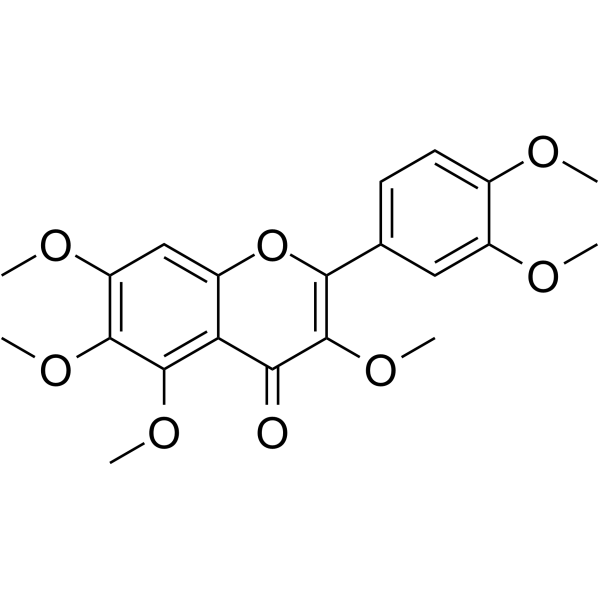
Hexamethylquercetagetin (Hexa-O-methylquercetagetin; Quercetagetin hexamethyl ether; 3,5,6,7,3',4'-Hexamethoxyflavone) is an orally active NF-κB inhibitor. Hexamethylquercetagetin inhibits NF-κB-derived luciferase activity, reduces phosphorylated p65 and IκBα, Cyclin D1, Bcl-2 and blocks TNFα-induced NF-κB activation. Hexamethylquercetagetin inhibits survival and proliferation of cervical carcinoma cells. Hexamethylquercetagetin suppresses tumor volume and weight in BALB/c nude mouse xenograft models of cervical carcinoma. Hexamethylquercetagetin can be used for the research of cancer, such as cervical carcinoma .
|
-
-
- HY-178370
-
|
|
Ferroptosis
Reactive Oxygen Species (ROS)
|
Cancer
|
|
Ferroptosis inducer-12 is a potent and selective ferroptosis inducer. Ferroptosis inducer-12 exhibits potent antiproliferative activity against HT1080 and OS-RC-2, with IC50 values of 3 nM and 5 nM, respectively. Ferroptosis inducer-12 strongly inhibits GPX4 enzymatic activity, induces intracellular ROS and elevates intracellular Fe 2+ levels in OS-RC-2 cells. Ferroptosis inducer-12 significantly inhibits tumor growth in BALB/c nude mice bearing OS-RC-2 xenografts. Ferroptosis inducer-12 can be used for the study of cancer .
|
-
-
- HY-174086
-
|
|
Glutathione Peroxidase
Ferroptosis
ROS Kinase
PROTACs
|
Cancer
|
|
PROTAC GPX4 degrader-4 is a GPX4 PROTAC degrader (DC50: 5.32 nM). PROTAC GPX4 degrader-4 inhibits the activity of RT4, T24, and J82 cancer cells (IC50 values are 0.09, 2.97, and 7.58 μM, respectively). PROTAC GPX4 degrader-4 increases lipid ROS levels and induces ferroptosis in T24 and RT4 cells. PROTAC GPX4 degrader-4 has antitumor activity in T24 tumor-bearing BALB/c nude mouse model. PROTAC GPX4 degrader-4 can be used for bladder cancer research. (Pink: target protein ligand (HY-N0193); blue: E3 ligase ligand (HY-1035960); black: linker (HY-W013907); E3 ligase ligand + linker (HY-174087)) .
|
-
-
- HY-15616
-
|
|
Melanocortin Receptor
|
Cancer
|
|
BMS-470539 is a synthetic MC-1R agonist with potent anti-inflammatory properties. BMS-470539 selectively activates human and murine MC-1R with EC50 values ??of 16.8 nM and 11.6 nM, respectively. In vitro studies have shown that BMS-470539 is able to dose-dependently inhibit TNF-alpha-induced NF-kB activation in human melanoma cells expressing MC-1R. In vivo, subcutaneous injection of BMS-470539 into BALB/c mice effectively inhibited LPS-induced TNF-alpha production with an ED50 of approximately 10 μmol/kg and a pharmacodynamic half-life of approximately 8 hours. It also significantly reduced leukocyte infiltration in a lung inflammation model and attenuated paw swelling in a delayed-type hypersensitivity model, highlighting its efficacy as an anti-inflammatory agent through MC-1R modulation .
|
-
-
- HY-169928
-
|
|
DNA/RNA Synthesis
|
Cancer
|
|
WRN inhibitor 14 (compound S35) is an orally active WRN inhibitor with anticancer activity. WRN inhibitor 14 results in tumor growth inhibition in the SW48 xenograft model in BALB/c nude mice .
|
-
-
- HY-161065
-
|
|
Bacterial
|
Infection
|
|
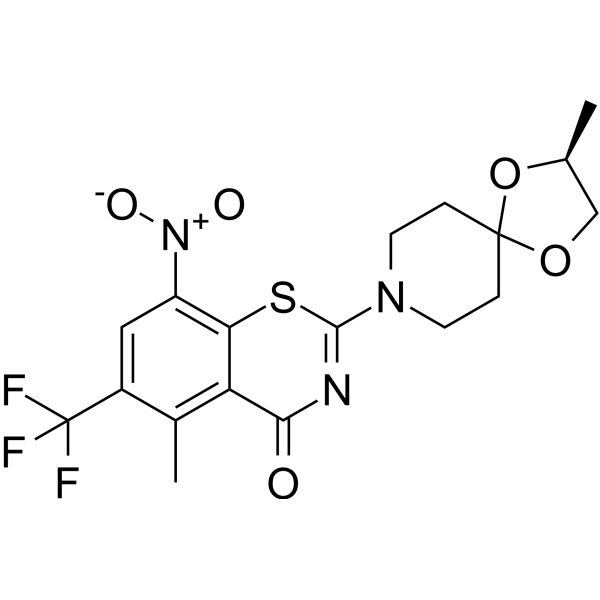
HKI12134085 (compound 3) is an orally available antibacterial nitrobenzothiazinone (BTZ) derivative with activity against Mycobacterium tuberculosis. HKI12134085 has in vivo inhibitory potency in a BALB/c mouse model of Mycobacterium tuberculosis infection .
|
-
-
- HY-146495
-
|
|
Bacterial
|
Infection
|
|
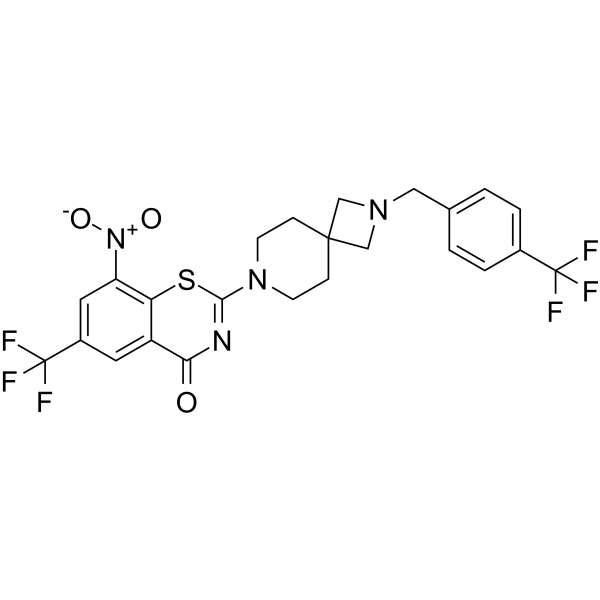
Antitubercular agent-19 (Compound 1c) is an antitubercular agent. Antitubercular agent-19 shows excellent activity against MTB H37Rv and MDR-MTB strains (MIC: <0.016 µg/ml). Antitubercular agent-19 shows low cytotoxicity and relatively high acute lethal toxicity in BALB/c mice .
|
-
-
- HY-146496
-
|
|
Bacterial
|
Infection
|
|
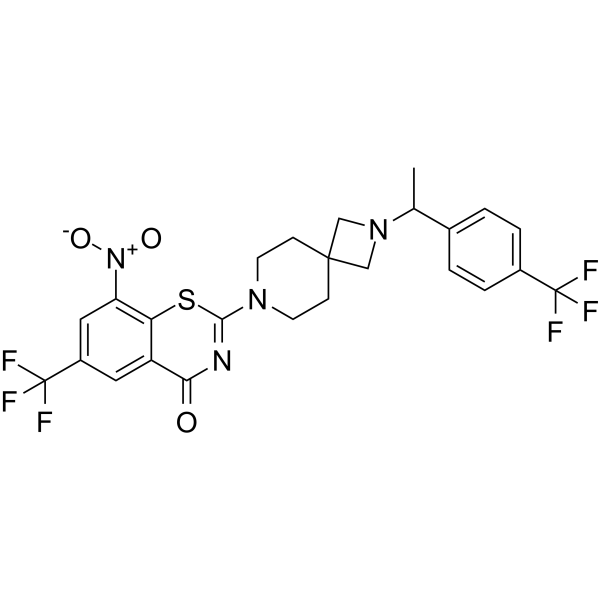
Antitubercular agent-20 (Compound 2d) is an orally active antitubercular agent. Antitubercular agent-20 shows excellent activity against MTB H37Rv and MDR-MTB strains (MIC: <0.016 µg/ml). Antitubercular agent-20 has low cytotoxicity and good tolerance in BALB/c mice .
|
-
-
- HY-125066
-
|
|
Bacterial
|
Infection
|
|
Reveromycin B is a spiroketal bacterial metabolite originally isolated from Streptomyces. It inhibits EGF-induced mitogenic activity in Balb/MK cells (IC50=6 μg/mL) and exhibits pH-dependent antifungal activity against C. albicans (MICs=15.6 and >500 μg/mL at pH 3.0 and 7.4, respectively). Unlike reveromycin A and reveromycin C, reveromycin B does not inhibit proliferation of KB and K562 cells.
|
-
-
- HY-146505
-
|
|
Microtubule/Tubulin
Apoptosis
Reactive Oxygen Species (ROS)
|
Cancer
|
|
Tubulin polymerization-IN-6 (compound 5f) is a potent tubulin polymerization inhibitor, with an IC50 of 1.09 μM. Tubulin polymerization-IN-6 inhibits cell migration and tube formation and contributes to the anti-angiogenesis. Tubulin polymerization-IN-6 can greatly inhibit tumor growth on HT29 xenograft Balb/c nude mice .
|
-
-
- HY-123237
-
|
|
c-Met/HGFR
FLT3
Trk Receptor
Apoptosis
Autophagy
|
Cancer
|
|
KRC-108, an aminopyridine, is an orally active multiple kinase inhibitor with IC50s of 80 nM, 23 nM, 3 nM, 70 nM, 30 nM, 39 nM for c-Met, c-Met M1250T, c-Met Y1230D, Ron, Flt3 and TrkA, respectively. KRC-108 induces cell cycle arrest, apoptotic cell death, and autophagy. KRC-108 exhibits anti-tumor activity in vivo in HT29 colorectal cancer, NCI-H441 lung cancer xenograft models in athymic BALB/c nu/nu mice .
|
-
-
- HY-125322
-
|
|
Bacterial
|
Infection
|
|
Reveromycin C is a polyketide originally isolated from Streptomyces that has antifungal activity against C. albicans (MICs=2.0 and >500 μg/mL at pH 3 and 7.4, respectively). Reveromycin C inhibits EGF-induced mitogenic activity in the Balb/MK mouse epidermal cell line. It also reverses the morphology of sarcoma-virus-transformed NRK rat kidney cells (EC50=1.58 μg/mL) and inhibits proliferation of KB cells and K562 human chronic myelogenous leukemia cells (IC50=2.0 μg/mL for both).
|
-
-
- HY-W747507
-
|
|
Bacterial
|
Infection
|
|
Reveromycin D is a bacterial metabolite originally isolated from Streptomyces. It inhibits EGF-induced mitogenic activity in Balb/MK cells and has pH-dependent antifungal activity against C. albicans (MICs=2 and >500 μg/mL at pH 3 and 7.4, respectively).2 Reveromycin D also inhibits proliferation of KB and K562 cells (IC50s=1.6 and 1.3 μg/mL, respectively).
|
-
-
- HY-165484
-
|
|
Interleukin Related
|
Inflammation/Immunology
|
|
AVP-13358 is an orally active IgE inhibitor that effectively suppresses immunoglobulin E (IgE)-mediated immune responses, with IC50 values of 8 and 3 nM for IgE inhibition in vivo and in vitro in BALB/c mice, respectively. AVP-13358 acts directly on T cells, inhibiting the production and release of IL-4, IL-5, and IL-13. It also targets other markers critical for the development of allergic responses, including the B cell IgE receptor (CD23) in human monocytes and the CD23 and IL-4 receptors in mouse B cells. AVP-13358 can be used in research related to anti-allergic responses .
|
-
-
- HY-183747
-
|
|
Parasite
|
Infection
|
|
Antitrypanosomal agent 32 is a antitrypanosomal agent with nanomolar potency against multiple Trypanosoma cruzi strains, including CL-Brener, Y, Dm28c-Luc and Tulahuen. Antitrypanosomal agent 32 sustains inhibition of parasite growth after washing and reduces parasitemia levels in BALB/c mice. Antitrypanosomal agent 32 can be used for the research of trypanosome infection .
|
-
-
- HY-175643
-
|
|
COX
|
Inflammation/Immunology
|
|
COX-2-IN-58 is a COX-2 inhibitor. COX-2-IN-58 exhibits remarkable anti-inflammatory activity in Carrageenan (HY-125474)-induced paw edema model of Balb/C mice. COX-2-IN-58 can be used for the research of inflammation .
|
-
-
- HY-170773
-
|
|
Bacterial
|
Infection
|
|
Mtb-IN-9 (Compound M1) is a specific Mtb inhibitor that inhibits MtbFadD32 and MtbFadD28 activity. Mtb-IN-9 curtails the Mtb survival in infected macrophages and reduces Mtb burden and tubercular granulomas in a chronic infection model of BALB/c mice. Mtb-IN-9 is promising for research of tuberculosis .
|
-
-
- HY-181146
-
|
TBD09
|
Bacterial
|
Infection
|
|
MK-7762 is an orally active xazolidinone compound with antitubercular activity. MK-7762 inhibits MAO-B and mammalian mitochondrial protein synthesis. MK-7762 reduces lung bacterial burden in BALB/c mouse models of acute and chronic tuberculosis infection, penetrates caseous necrotic lung lesions in C3HeB/FeJ mice, and maintains concentrations above unbound MIC in lesion compartments. MK-7762 can be used for the research of tuberculosis .
|
-
-
- HY-W887123
-
|
|
Others
|
Cancer
|
|
N-nitroso-tris-chloroethylurea (NTCU) can be used for chemically inducing a lung squamous cell carcinoma model. Lung squamous cell carcinoma can be induced in five mouse strains (SWR/J, NIH Swiss, A/J, BALB/cJ, and FVB/J) by applying N-nitroso-tris-chloroethylurea to the skin, but not in the other three strains (AKR/J, 129/svJ, and C57BL/6J) .
|
-
-
- HY-W011592
-
|
|
NO Synthase
|
Inflammation/Immunology
|
|
N-Phthaloyl-L-glutamic acid is an orally active anti-inflammatory agent. N-Phthaloyl-L-glutamic acid inhibits Lipopolysaccharides (HY-D1056) (LPS)-induced nitric oxide production in murine spleen cells. N-Phthaloyl-L-glutamic acid does not exhibit significant cytotoxicity in vitro against tumor cells and BALB/c mice spleen cell culture. N-Phthaloyl-L-glutamic acid can be used for the research of inflammation .
|
-
-
- HY-181996
-
|
|
Btk
Caspase
Apoptosis
PARP
|
Cancer
|
|
BTK-IN-47 (Compound 9e) is a covalent, selective BTK inhibitor with an IC50 of 5.15 nM against BTK. BTK-IN-47 inhibits the BTK signaling pathway, induces cell cycle arrest, and activates the canonical Caspase-dependent Apoptotic pathway (promoting the cleavage of Caspase-3, Caspase-7 and PARP), without inducing necroptosis, pyroptosis or ferroptosis. BTK-IN-47 exerts dose-dependent antiproliferative activity against hematologic tumor cell lines. BTK-IN-47 exhibits dose-dependent in vivo antitumor activity in a Ramos cell xenograft model in BALB/c nude mice. BTK-IN-47 can be used for the research of hematologic malignancies .
|
-
-
- HY-P992072
-
|
|
Apoptosis
Caspase
|
Metabolic Disease
|
|
Anti-Human/Mouse CD95 Antibody (HFE7A) is an antibody targeting human/mouse Fas (CD95), with a Kd of 1.6 nM in mice. Anti-Human/Mouse CD95 Antibody (HFE7A) modulates the Fas-mediated apoptotic signaling pathway without blocking the binding of Jo2 to Fas. Anti-Human/Mouse CD95 Antibody (HFE7A) inhibits Jo2-induced caspase activation, mitochondrial depolarization, hepatocyte death and apoptosis. Anti-Human/Mouse CD95 Antibody (HFE7A) protects BALB/c mice against Jo2-induced acute liver injury and reduces Jo2-associated elevation of serum transaminase levels. Anti-Human/Mouse CD95 Antibody (HFE7A) can be used in studies related to liver injury. For isotype control, refer to Mouse IgG1 kappa, Isotype Control (HY-P99977) .
|
-
-
- HY-P992081
-
|
|
Orthopoxvirus
|
Infection
|
|
Anti-H3L Antibody (NAL_A185) is a neutralizing antibody targeting the H3L envelope protein of vaccinia virus (CV) belonging to the genus Orthopoxvirus. By binding to the H3L protein of intracellular mature virions, Anti-H3L Antibody (NAL_A185) blocks the binding of the virus to host cells, thereby neutralizing viral infectivity. Anti-H3L Antibody (NAL_A185) not only protects BALB/c mice from intranasal challenge with the lethal vaccinia virus WR strain, reducing weight loss and mortality, but also exhibits complement-dependent neutralizing activity against monkeypox virus. Among these properties, NAL_A185 is an immune target induced by the smallpox vaccine Dryvax; it elicits a robust recall antibody response and induces high-titer neutralizing antibodies in mice. Anti-H3L Antibody (NAL_A185) can be used for studies related to vaccinia virus infection, monkeypox and monkeypox disease .
|
-
| Cat. No. |
Product Name |
Target |
Research Area |
-
- HY-P0286
-
|
|
Peptides
|
Inflammation/Immunology
|
|
OVA Peptide (323-339) represents a T and B cell epitope of Ovalbumin (Ova), which is important in the generation and development of immediate hypersensitivity responses in BALB/c mice.
|
-
- HY-P1684
-
|
FOXP3 inhibitor P60
|
NF-κB
Nuclear Factor of activated T Cells (NFAT)
|
Infection
Inflammation/Immunology
Cancer
|
|
Peptide P60 is a FOXP3 inhibitor. Peptide P60 reduces the nuclear translocation of FOXP3 and impairs FOXP3-mediated inhibition of NF-κB and NFAT activity. Peptide P60 inhibits the immunosuppressive activity of regulatory T cells and restores the proliferation and activation of effector T cells. Peptide P60 induces lymphoproliferative autoimmune syndrome in neonatal ICR mice and reduces the number of CD4 +CD25 +Foxp3 + T cells in the spleen. Peptide P60 enhances the efficacy of AH1 (HY-P4193) peptide vaccine and recombinant adenovirus-based HCV NS3 vaccine in BALB/c mice, including protective effects against CT26 tumor implantation. Peptide P60 can be used in studies related to tumor immunity, viral infection and lymphoproliferative autoimmune syndrome .
|
-
- HY-P1837
-
|
|
Influenza Virus
HSV
|
Infection
|
|
Influenza HA (518-526) is an H-2d-restricted CTL epitope derived from influenza virus hemagglutinin. Influenza HA (518-526) is highly conserved across various H5N1, some H9N2, and H1N1 strains. Influenza HA (518-526) binds to the mouse MHC class I allele K d to form a complex, which is then recognized by specific CD8 + T cells. Influenza HA (518-526) is an immunodominant epitope in influenza-infected BALB/c mice, and it stimulates CD8 + T cells to secrete IFN-γ to induce a robust immune response. Currently, Influenza HA (518-526) is widely used in research related to respiratory syncytial virus (RSV), influenza virus, and H5N1 influenza .
|
| Cat. No. |
Product Name |
Target |
Research Area |
Image |
-
- HY-P990215
-
|
|
Interleukin Related
|
Infection
Inflammation/Immunology
|
|
Anti-Mouse IL-27 p28 Antibody (MM27.7B1) is a mouse-derived anti-mouse IL-27 p28 IgG2a, κ type antibody inhibitor. Anti-Mouse IL-27 p28 Antibody (MM27.7B1) can neutralize IL-27. Anti-Mouse IL-27 p28 Antibody (MM27.7B1) delays CD8+ T cell reconstitution mediated by IL-27 after murine anti-thymocyte globulin (mATG) treatment in BALB/c heart allografts mice models .
|
-
(5)
-
- HY-P992072
-
|
|
Apoptosis
Caspase
|
Metabolic Disease
|
|
Anti-Human/Mouse CD95 Antibody (HFE7A) is an antibody targeting human/mouse Fas (CD95), with a Kd of 1.6 nM in mice. Anti-Human/Mouse CD95 Antibody (HFE7A) modulates the Fas-mediated apoptotic signaling pathway without blocking the binding of Jo2 to Fas. Anti-Human/Mouse CD95 Antibody (HFE7A) inhibits Jo2-induced caspase activation, mitochondrial depolarization, hepatocyte death and apoptosis. Anti-Human/Mouse CD95 Antibody (HFE7A) protects BALB/c mice against Jo2-induced acute liver injury and reduces Jo2-associated elevation of serum transaminase levels. Anti-Human/Mouse CD95 Antibody (HFE7A) can be used in studies related to liver injury. For isotype control, refer to Mouse IgG1 kappa, Isotype Control (HY-P99977) .
|
-
(5)
-
- HY-P992081
-
|
|
Orthopoxvirus
|
Infection
|
|
Anti-H3L Antibody (NAL_A185) is a neutralizing antibody targeting the H3L envelope protein of vaccinia virus (CV) belonging to the genus Orthopoxvirus. By binding to the H3L protein of intracellular mature virions, Anti-H3L Antibody (NAL_A185) blocks the binding of the virus to host cells, thereby neutralizing viral infectivity. Anti-H3L Antibody (NAL_A185) not only protects BALB/c mice from intranasal challenge with the lethal vaccinia virus WR strain, reducing weight loss and mortality, but also exhibits complement-dependent neutralizing activity against monkeypox virus. Among these properties, NAL_A185 is an immune target induced by the smallpox vaccine Dryvax; it elicits a robust recall antibody response and induces high-titer neutralizing antibodies in mice. Anti-H3L Antibody (NAL_A185) can be used for studies related to vaccinia virus infection, monkeypox and monkeypox disease .
|
-
(5)
| Cat. No. |
Product Name |
Category |
Target |
Chemical Structure |
-
- HY-N6651
-
-
-
- HY-N15846
-
|
|
Structural Classification
Lipid
|
Drug Derivative
|
|
VSA 1, a semisynthetic QS-21 (HY-101092) analog, is a saponin adjuvant. VSA 1 potentiates antigen-specific IgG1 and IgG2a immune responses in BALB/c mice, indicating a mixed Th1/Th2 immune response. VSA 1 significantly improves vaccine efficacy after primary immunization and enhances homologous protection .
|
-
-
- HY-N4308
-
|
Hexa-O-methylquercetagetin; Quercetagetin hexamethyl ether; 3,5,6,7,3',4'-Hexamethoxyflavone
|
Flavonols
Structural Classification
Flavonoids
other families
Classification of Application Fields
Plants
Disease Research Fields
Source Classification
Cancer
|
NF-κB
IKK
Bcl-2 Family
|
|
Hexamethylquercetagetin (Hexa-O-methylquercetagetin; Quercetagetin hexamethyl ether; 3,5,6,7,3',4'-Hexamethoxyflavone) is an orally active NF-κB inhibitor. Hexamethylquercetagetin inhibits NF-κB-derived luciferase activity, reduces phosphorylated p65 and IκBα, Cyclin D1, Bcl-2 and blocks TNFα-induced NF-κB activation. Hexamethylquercetagetin inhibits survival and proliferation of cervical carcinoma cells. Hexamethylquercetagetin suppresses tumor volume and weight in BALB/c nude mouse xenograft models of cervical carcinoma. Hexamethylquercetagetin can be used for the research of cancer, such as cervical carcinoma .
|
-
| Cat. No. |
Product Name |
|
Classification |
-
- HY-178370
-
|
|
|
Alkynes
|
|
Ferroptosis inducer-12 is a potent and selective ferroptosis inducer. Ferroptosis inducer-12 exhibits potent antiproliferative activity against HT1080 and OS-RC-2, with IC50 values of 3 nM and 5 nM, respectively. Ferroptosis inducer-12 strongly inhibits GPX4 enzymatic activity, induces intracellular ROS and elevates intracellular Fe 2+ levels in OS-RC-2 cells. Ferroptosis inducer-12 significantly inhibits tumor growth in BALB/c nude mice bearing OS-RC-2 xenografts. Ferroptosis inducer-12 can be used for the study of cancer .
|
| Cat. No. |
Product Name |
|
Classification |
-
- HY-159700
-
|
|
|
Cationic Lipids
|
|
AA3-DLin is an ionizable cationic lipid with a pKa value of 5.8. AA3-DLin is used to delivery mRNA combined with lipid nanoparticles (LNPs). AA3-DLin LNP COVID-19 vaccines encapsulating SARS CoV-2 spike mRNAs successfully induces strong immunogenicity in a BALB/c mouse model .
|
Your information is safe with us. * Required Fields.
Inquiry Information
- Product Name:
- Cat. No.:
- Quantity:
- MCE Japan Authorized Agent:

