
1. Search Result
Search Result
Results for "

Bioactive peptides

" in MedChemExpress (MCE) Product Catalog:

62

Inhibitors & Agonists

7

Screening Libraries

93

Peptides

3

Natural
Products

1

Isotope-Labeled Compounds

Cat. No. Product Name Target Research Area
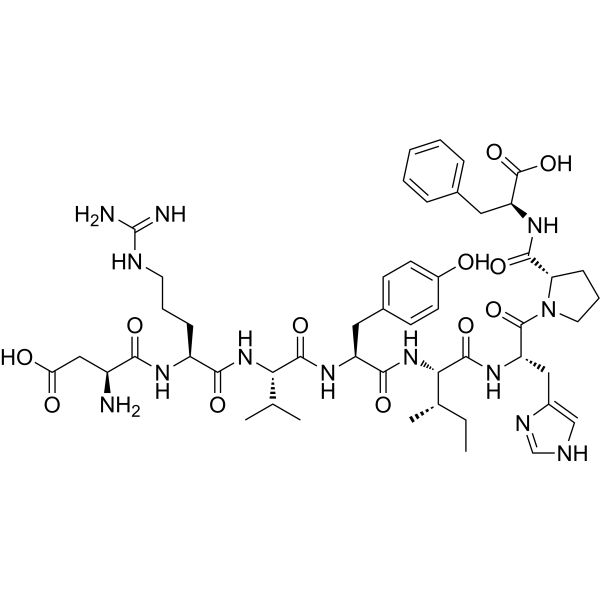
  • HY-13948
    Angiotensin II human
    Maximum Cited Publications
    222 Publications Verification

    Angiotensin II; Ang II; DRVYIHPF

    Angiotensin Receptor Apoptosis Cardiovascular Disease Infection Metabolic Disease Inflammation/Immunology Cancer
    Angiotensin II (Angiotensin II) is a vasoconstrictor and a major bioactive peptide of the renin/angiotensin system. Angiotensin II human plays a central role in regulating human blood pressure, which is mainly mediated by interactions between Angiotensin II and the G-protein-coupled receptors (GPCRs) Angiotensin II type 1 receptor (AT1R) and Angiotensin II type 2 receptor (AT2R). Angiotensin II human stimulates sympathetic nervous stimulation, increases aldosterone biosynthesis and renal actions. Angiotensin II human induces growth of vascular smooth muscle cells, increases collagen type I and III synthesis in fibroblasts, leading to thickening of the vascular wall and myocardium, and fibrosis. Angiotensin II human also induces apoptosis. Angiotensin II induces capillary formation from endothelial cells via the LOX-1 dependent redox-sensitive pathway .
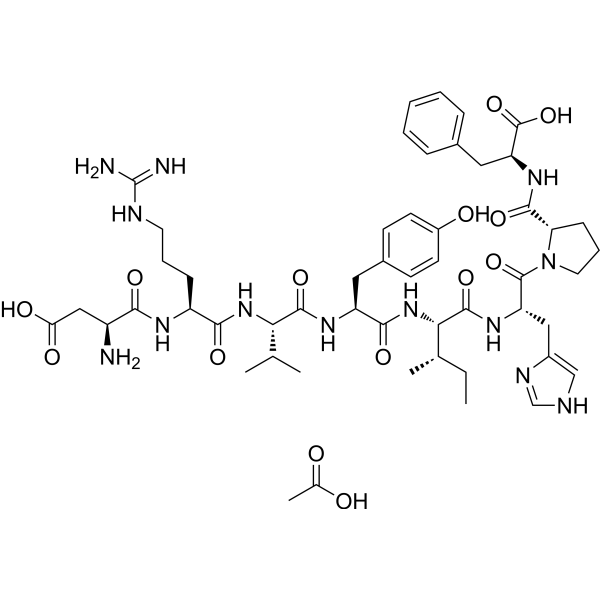
  • HY-13948A
    Angiotensin II human acetate
    Maximum Cited Publications
    222 Publications Verification

    Angiotensin II acetate; Ang II acetate; DRVYIHPF acetate

    Angiotensin Receptor Apoptosis Cardiovascular Disease Infection Metabolic Disease Inflammation/Immunology Cancer
    Angiotensin II human (Angiotensin II) acetate is a vasoconstrictor and a major bioactive peptide of the renin/angiotensin system. Angiotensin II human acetate plays a central role in regulating human blood pressure, which is mainly mediated by interactions between Angiotensin II and the G-protein-coupled receptors (GPCRs) Angiotensin II type 1 receptor (AT1R) and Angiotensin II type 2 receptor (AT2R). Angiotensin II human acetate stimulates sympathetic nervous stimulation, increases aldosterone biosynthesis and renal actions. Angiotensin II human acetate induces growth of vascular smooth muscle cells, increases collagen type I and III synthesis in fibroblasts, leading to thickening of the vascular wall and myocardium, and fibrosis. Angiotensin II human acetate also induces apoptosis. Angiotensin II human acetate induces capillary formation from endothelial cells via the LOX-1 dependent redox-sensitive pathway .
  • HY-P0045

    Matrixyl; Palmitoyl pentapeptide 3; Matrixyl (Palmitoyl Pentapeptide)

    Collagen Others
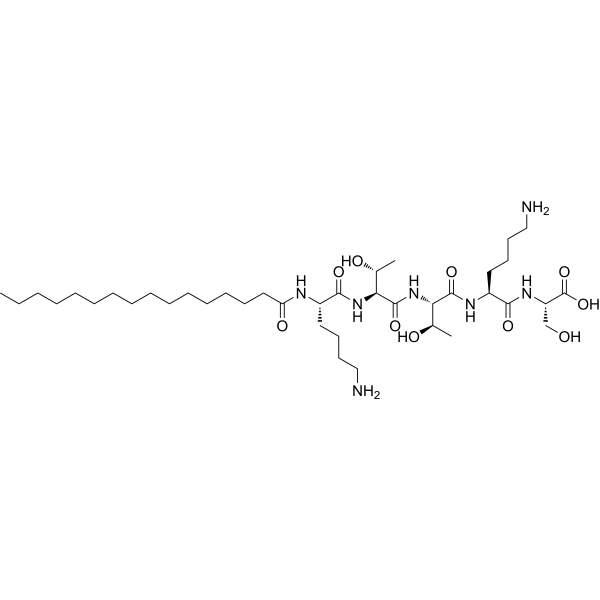
    Palmitoyl pentapeptide 4 (Matrixyl; Palmitoyl pentapeptide 3; Matrixyl (Palmitoyl Pentapeptide) is a bioactive peptide with anti-ageing effect and has been reported used as a cosmetic ingredient [1]
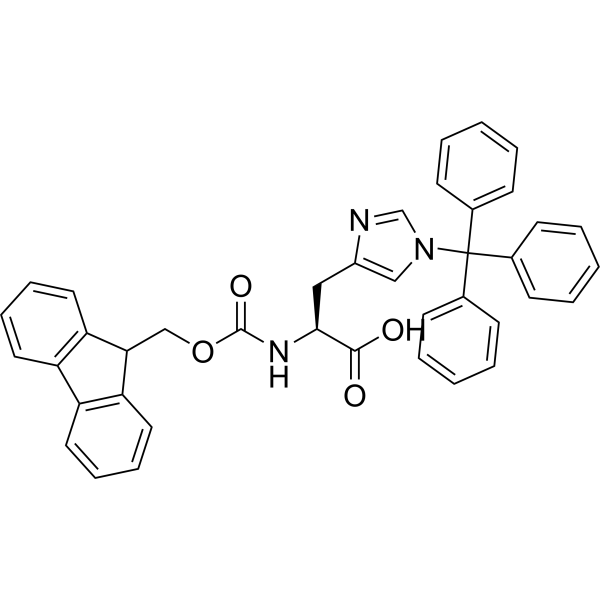
  • HY-W010712
    Fmoc-His(Trt)-OH
    1 Publications Verification

    Amino Acid Derivatives Others
    Fmoc-His(Trt)-OH is a histidine derivative with a trityl (Trt) group protecting the His side chain. Fmoc-His(Trt)-OH also has an Fmoc group protecting the α-NH2 group. Fmoc-His(Trt)-OH can be used in solid-phase peptide synthesis to prevent racemization and byproduct formation. Fmoc-His(Trt)-OH acts as a protected histidine precursor in solid-phase peptide synthesis (SPPS), participating in peptide chain construction through amide bond formation. Fmoc-His(Trt)-OH can be precisely incorporated into the target peptide sequence, ensuring correct peptide chain synthesis and reducing impurity formation. Fmoc-His(Trt)-OH is mainly used in the solid-phase synthesis research of pharmaceutical peptides and bioactive peptides, and is particularly suitable for the preparation of peptide drugs requiring precise control of histidine configuration .
  • HY-125616

    Biotinyl-GHK; Bio-GHK

    Amyloid-β Reactive Oxygen Species (ROS) Neurological Disease
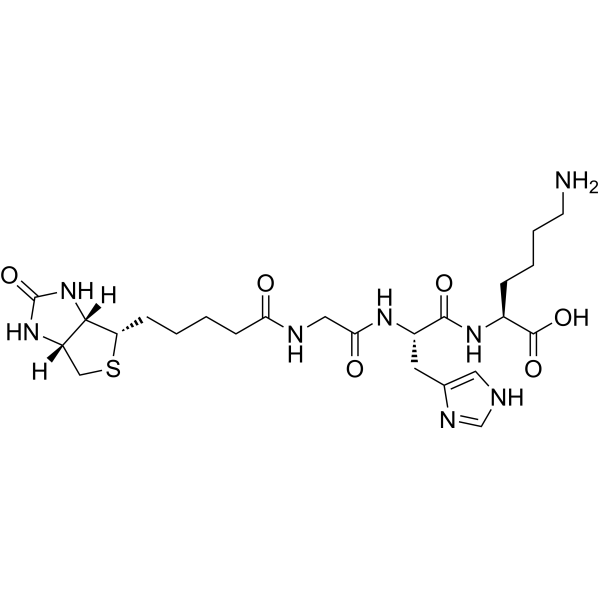
    Biotinoyl tripeptide-1 (Biotinyl-GHK) is a biotinylating reagent linked to a GHK (glycyl-L-histidyl-L-lysine) tripeptide. Biotin tripeptide-1 is a bioactive peptide with hair care (improves the appearance and feel of hair) and hair growth effects. Biotinoyl tripeptide-1 has a certain affinity for streptavidin. Biotinoyl tripeptide-1 inhibits the production of ROS and has antioxidant effects. Biotinoyl tripeptide-1 reduces the production of carbonylated amyloid-β (Aβ) and inhibits Aβ aggregation. Biotinoyl tripeptide-1 can be used in the study of neurodegenerative diseases .
  • HY-P5225

    PGC-1α Others
    Acetyl hexapeptide-38 is a tissue repair promoter that targets fibroblasts in the dermis of the skin. It works by promoting collagen synthesis in the dermis and thickening of subcutaneous fat. Acetyl hexapeptide-38 can activate the skin repair mechanism, increase the collagen content in the dermis, improve the skin tissue structure, and has the activity of promoting local tissue repair. Acetyl hexapeptide-38 can be used in the field of cosmetic medicine to repair congenital soft tissue defects, reduce tear grooves and nasolabial folds, eliminate postoperative scars, and conduct micro-plastic surgery of skin tissue .
  • HY-P5285

    Parasite Infection Inflammation/Immunology Cancer
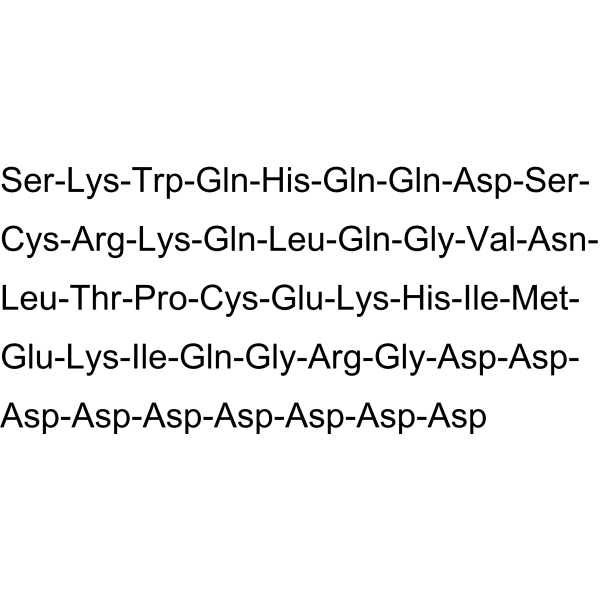
    Lunasin is a bioactive peptide with antioxidant, anti-inflammatory, anticancer and anti-aging properties. Lunasin can be isolated from soybean. Lunasin also has an epigenetic mechanism of action associated with histone acetylation. Lunasin can be internalized into cells and inhibit Oncosphere formation in cancer cells .
  • HY-66015

    Interleukin Related Endocrinology
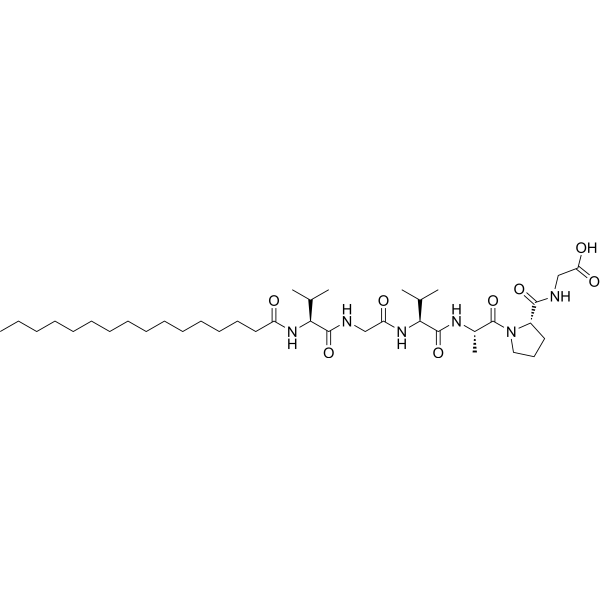
    Palmitoyl hexapeptide-12 is a bioactive peptide. Palmitoyl hexapeptide-12 reduces IL-6. Palmitoyl hexapeptide-12 has anti-aging effects. Palmitoyl hexapeptide-12 can be used in the research of photoaging and related aging skin problems .
  • HY-P3732

    Integrin Cancer
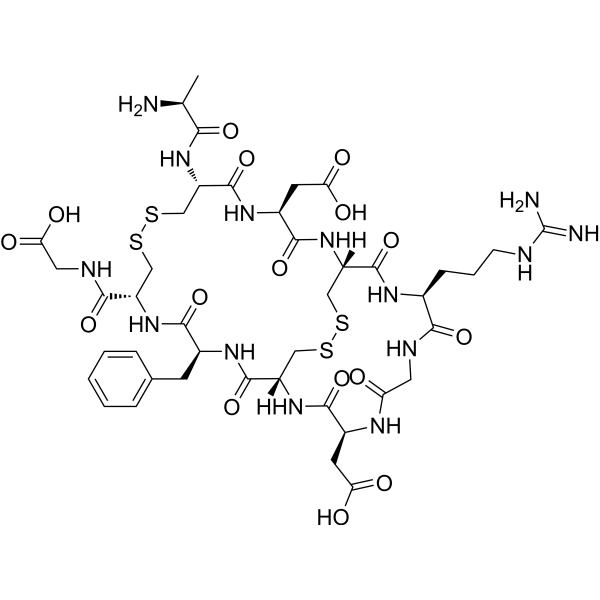
    RGD-4C is a arginine-glycine-aspartic acid peptide (ACDCRGDCFC) with integrin binding activity. The Arg-Gly-Asp (RGD) sequence serves as the primary integrin recognition site in extracellular matrix proteins, and peptides containing this sequence can mimic the recognition specificity of the matrix proteins. RGD-4C is a αv-integrin ligand, can conjugate with bioactive molecule to exert antitumor effects in animal models .
  • HY-P5255

    Bacterial Infection Inflammation/Immunology
    Oligopeptide-10 is a bioactive peptide with antimicrobial activity. Oligopeptide-10 exhibits broad-spectrum bactericidal effects against Gram-positive bacteria including Propionibacterium acnes and Staphylococcus aureus. Oligopeptide-10 targets lipoteichoic acid (LTA) on the surface of bacterial cell membranes, induces bacterial osmotic imbalance by disrupting the integrity of bacterial membranes, and reduces the release of pro-inflammatory cytokines induced by bacteria. Oligopeptide-10 possesses skin-protective activity. Oligopeptide-10 can be applied in research related to acne vulgaris, dandruff, seborrheic dermatitis, and tinea pedis .
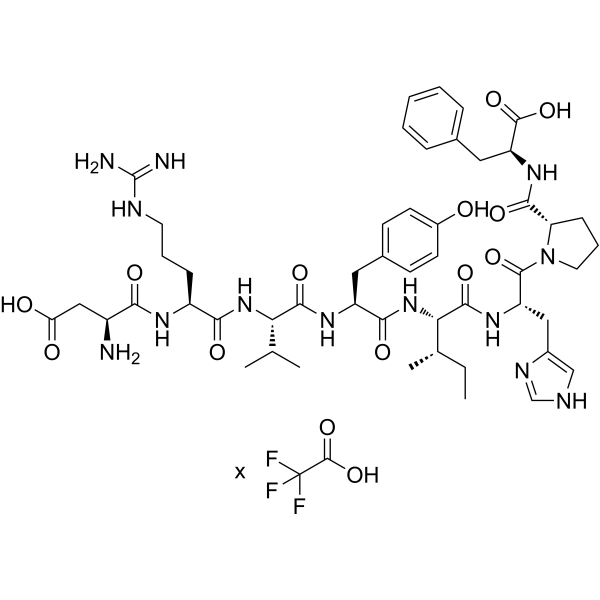
  • HY-13948B
    Angiotensin II human TFA
    Maximum Cited Publications
    222 Publications Verification

    Angiotensin II TFA; Ang II TFA; DRVYIHPF TFA

    Angiotensin Receptor Apoptosis Cardiovascular Disease Metabolic Disease Cancer
    Angiotensin II human (Angiotensin II) TFA is a vasoconstrictor and a major bioactive peptide of the renin/angiotensin system. Angiotensin II human TFA plays a central role in regulating human blood pressure, which is mainly mediated by interactions between Angiotensin II and the G-protein-coupled receptors (GPCRs) Angiotensin II type 1 receptor (AT1R) and Angiotensin II type 2 receptor (AT2R). Angiotensin II human TFA stimulates sympathetic nervous stimulation, increases aldosterone biosynthesis and renal actions. Angiotensin II human TFA induces growth of vascular smooth muscle cells, increases collagen type I and III synthesis in fibroblasts, leading to thickening of the vascular wall and myocardium, and fibrosis. Angiotensin II human TFA also induces apoptosis. Angiotensin II human TFA induces capillary formation from endothelial cells via the LOX-1 dependent redox-sensitive pathway .
  • HY-P5244

    Peptides Metabolic Disease
    Tripeptide-32 is a bioactive peptide that targets the PER1 gene. Tripeptide-32 can regulate circadian rhythms and stimulate the synthesis of cellular repair proteins, with anti-aging activity .
  • HY-P5243

    AHK-Cu

    Peptides Bcl-2 Family Others
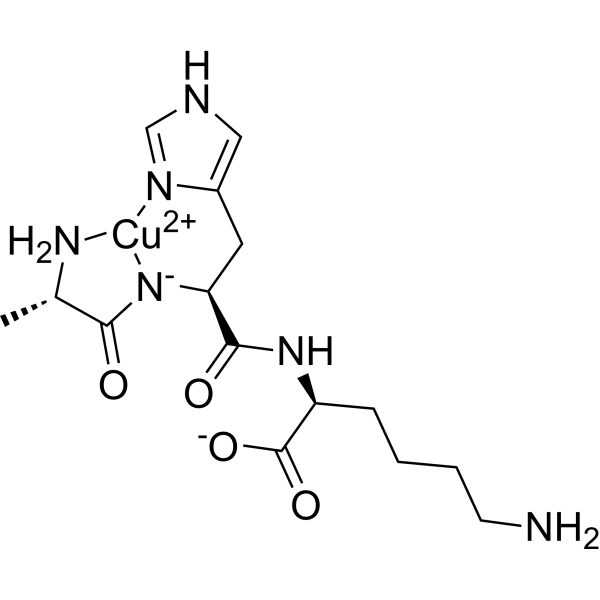
    Copper tripeptide-3 (AHK-Cu) is a bioactive peptide with promotion of hair growth effect. Copper tripeptide-3 increases dermal cell proliferation and viability while increasing the deposition of collagen to renew the extracellular matrix. Copper tripeptide-3 stimulates the elongation of human hair follicles and proliferation of dermal papilla cells .
  • HY-P3047

    Peptides Others
    Ac-Decapeptide is a bioactive peptide with anti-aging effect and has been reported used as a cosmetic ingredient .
  • HY-P5287

    Integrin Cancer
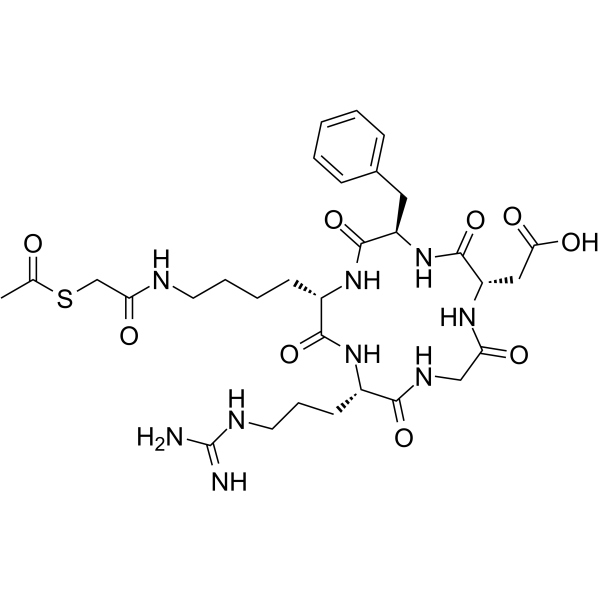
    cRGDfK-thioacetyl ester is a bioactive polypeptide molecule. cRGDfK peptide has a selective affinity for integrins. cRGDfK peptide can modify NIR fluorescent probes for cancer targeting imaging .
  • HY-P5251

    Amino Acid Derivatives Metabolic Disease
    Oligopeptide-68 is a bioactive peptide with anti-aging effect and has been reported used as a cosmetic ingredient .
  • HY-P5250

    MMP Others
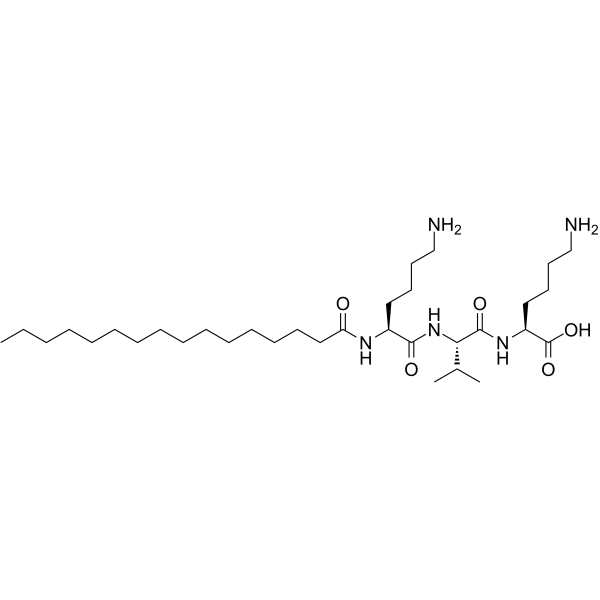
    Palmitoyl tripeptide-5 is a bioactive peptide with anti-aging effect and has been reported used as a cosmetic ingredient .
  • HY-P5242

    T10-C

    Peptides Others
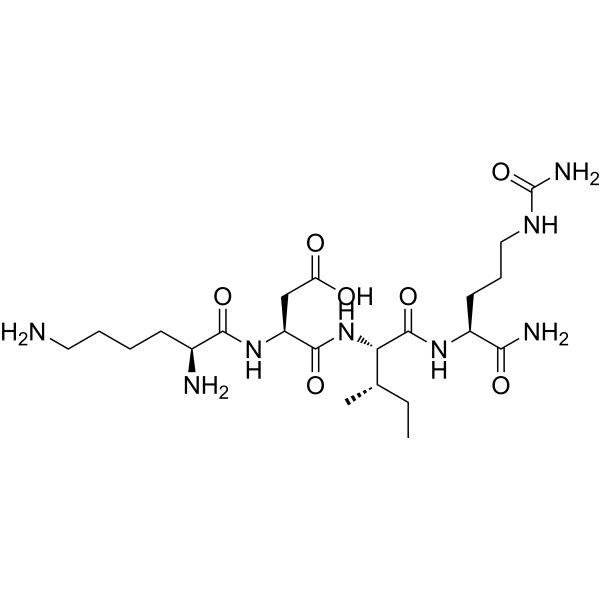
    Tripeptide-10 citrulline (T10-C) is a bioactive peptide with anti-aging effect and has been reported used as a cosmetic ingredient .
  • HY-P5275

    CG-Lipoxyn

    NF-κB Histone Demethylase Metabolic Disease
    Tripeptide-41 (CG-Lipoxyn) is a signal peptide. Tripeptide-41 activates the NF-kB signaling pathway, inhibits the expression of C/EBP and increases cAMP. Tripeptide-41 is an important intracellular signaling factor that causes lipolysis by promoting the hydrolysis of lipids into triglycerides. Tripeptide-41 can be used in cosmetics that targets fat accumulation .
  • HY-P10909

    MBX 2109

    Thyroid Hormone Receptor Endocrinology
    Canvuparatide (MBX 2109) is a prodrug for parathyroid hormone (PTH) peptide that releases the bioactive PTH[1-32] peptide agonist that retains a fatty acylated lysine (Lys33) at the C-terminus, thereby extending the halflife of Canvuparatide. Canvuparatide can be used for the symptoms of hypoparathyroidism such as hypocalcemia and hyperphosphatemia .
  • HY-P2663

    TNF Receptor Metabolic Disease
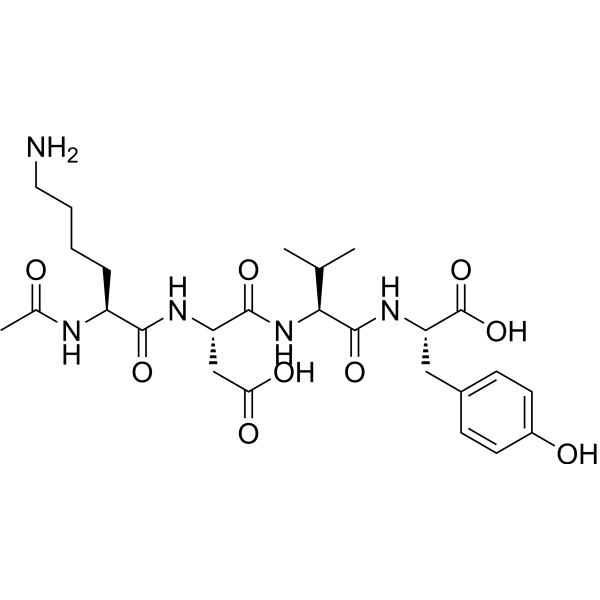
    Acetyl tetrapeptide-2 is a bio-active peptide that exhibits anti-aging activity. Acetyl tetrapeptide-2 can reduce loss of thymic factors. Acetyl tetrapeptide-2 can increase the stiffness of HaCaT cells. Acetyl tetrapeptide-2 is a stimulator of structural skin elements including collagen and elastin .
  • HY-P5763

    PNX-20

    Epigenetic Reader Domain PGC-1α Neurological Disease
    Phoenixin-20 (PNX-20) is a bioactive peptide with hormone-like actions in vertebrates, and can stimulates hypothalamo-pituitary-gonadal hormones and regulate reproductive processes in mammals. Phoenixin-20 promotes neuronal mitochondrial biogenesis via CREB-PGC-1α pathway. Phoenixin-20 has anxiolytic effect .
  • HY-P5221

    Peptides Others
    Acetyl hexapeptide-37 is a bioactive peptide with anti-aging effect and has been reported used as a cosmetic ingredient .
  • HY-P0065

    Peptides Others
    Acetyl octapeptide-1 is a bioactive peptide with anti-wrinkle effect and has been reported used as a cosmetic ingredient .
  • HY-P5232

    Collagen Metabolic Disease
    Tetrapeptide-21 is a bioactive peptide composed of four amino acids. Tetrapeptide-21 effectively enhances the vitality of human dermal fibroblasts. Tetrapeptide-21 upregulates the expression of key extracellular matrix (ECM) genes and promotes the synthesis of ECM proteins (such as type I collagen, hyaluronic acid synthase 1, and fibronectin). Tetrapeptide-21 has the efficacy of anti-wrinkle and improving skin elasticity, and has been reported to be used as a cosmetic ingredient .
  • HY-P5351A

    Transmembrane Glycoprotein Inflammation/Immunology Cancer
    Hyaluronan-binding peptide, biotin labeled TFA is a biological active peptide. (This peptide is a hyaluronan-binding peptide biotinylated through a C-terminal GGGSK linker. Hyaluronan (HA) is a nonsulfated glycosaminoglycan expressed in the extracellular matrix and on cell surfaces. HA plays a role in fertilization, embryonic development, wound healing, angiogenesis, leukocyte trafficking to inflamed tissues, and cancer metastasis. This peptide has been shown to block HA binding to CD44 receptors and inhibit T cell proliferation.) .
  • HY-P5425A

    Transmembrane Glycoprotein Cancer
    Tetanus Toxin (830–844) TFA is a biological active peptide. (tetanus toxin-derived peptide TT830–844 CD4 + T-cell epitope. This promiscuous CD4 + T-cell epitope can bind to a wide range of HLA–DRB molecules and is thus expected to activate CD4 + T-cell responses in a large part of the human population) .
  • HY-P5464

    Estrogen Receptor/ERR Others
    SRC-1 NR box peptide is a biological active peptide (This peptide is a 14-amino acid fragment from the steroid receptor cofactor SRC-1 NR II). SRC-1 NR box peptide can be used to study the regulatory mechanisms of estrogen receptor ligands .
  • HY-66018

    Peptides Others
    Palmitoyl tripeptide-5 biTFA is a bioactive peptide with anti-aging effect and has been reported used as a cosmetic ingredient .
  • HY-134017

    Calmosensine

    Peptides Others
    Acetyl dipeptide-1 cetyl ester (Calmosensine) is a bioactive peptide with anti-aging effect and has been reported used as a cosmetic ingredient .
  • HY-W013154

    Amino Acid Derivatives Others
    Fmoc-Tic-OH is an amino acid derivative with an Fmoc protecting group, which can be used to synthesize bioactive peptide mimetics, such as the biotinylated derivative of the opioid receptor antagonist TIPP .
  • HY-P1437

    Neuropeptide Y Receptor Neurological Disease
    Neuropeptide S (mouse) is a bioactive peptide. Neuropeptide S (mouse), as a neurotransmitter/neuromodulator of 20 amino acids, can be used for the research of arousal, anxiety, locomotion, feeding behaviors, memory and agent addiction .
  • HY-P2500

    Fluorescent Dye Others
    (Arg)9, FAM-labeled, a cell-penetrating peptide (CPP), is a nona-arginine (ARG) with FAM label. CPPs have emerged as powerful tools for delivering bioactive cargoes into the cytosol of intact cells .
  • HY-P5390A

    Peptides Others
    GIP, rat TFA is a bioactive peptide of rat origin. (GIP (glucose-dependent insulinotropic polypeptide or also known as gastric inhibitory polypeptide) is a 42-amino acid peptide released by K cells in the duodenum and jejunum in response to food intake. GIP and GLP (gastric-like peptide) are both intestinal A member of the insulinotropic hormone peptide family that stimulates insulin secretion from pancreatic beta cells and appears to also promote beta cell proliferation and beta cell survival. Recent studies suggest that GIP plays a role in lipid homeostasis and may play a role in the pathogenesis of obesity function in the mechanism.
  • HY-34738

    3-(Boc-amino)-1-propanol

    Amino Acid Derivatives Others
    Boc-β-Ala-ol (3-(Boc-amino)-1-propanol) is an alanine derivative with a Boc protecting group at the N-terminus, which can be used to synthesize bioactive peptide mimics, such as Nα-Benzoyl-α-azaornithine phenyl ester, which has trypsin inhibitory activity .
  • HY-P5239

    Collagen Others
    Myristoyl pentapeptide-4 is a bioactive peptide with promotion of hair growth effect and has been reported used as a cosmetic ingredient .
  • HY-P5372A

    Protease Activated Receptor (PAR) Cancer
    Ala-parafluoroPhe-Arg-Cha-Cit-Tyr-NH2 TFA, a bioactive peptide, is a selective Protease activating receptor 1 (PAR-1) agonist over PAR-2. PAR-1 belongs to a subfamily of G-protein coupled receptors and is known to mediate the cellular effects of thrombin. In addition to its varied cellular effects of thrombin, PAR-1 has also been shown to coordinate with PAR-4 and regulate thrombin-induced hepatocellular carcinoma harboring thrombin formation within the tumor environment classified as 'coagulation type' .
  • HY-P0100
    AHK

    Reactive Oxygen Species (ROS) Inflammation/Immunology
    AHK is a bioactive peptide with antioxidant effect and has been reported used as a cosmetic ingredient .
  • HY-P5259

    Peptides Metabolic Disease
    Oligopeptide-6 is a bioactive peptide with moisturizing effect and has been reported used as a cosmetic ingredient .
  • HY-W046355

    Radionuclide-Drug Conjugates (RDCs) Amino Acid Derivatives Others
    Fmoc-D-Dap(Boc)-OH is an amino acid derivative with an Fmoc protecting group, which can be used to synthesize bioactive peptide mimetics, such as DOTA-modified peptides and their metal chelates with cancer diagnostic effects .
  • HY-P5226

    Peptides Inflammation/Immunology
    Palmitoyl tripeptide-8 s a bioactive peptide with anti-allergen effect and has been reported used as a cosmetic ingredient .
  • HY-W000665

    Dmt

    Opioid Receptor Neurological Disease
    2,6-Dimethyl-L-tyrosine (Dmt) is a tyrosine derivative that enhances receptor affinity, functional bioactivity and in vivo analgesia of opioid peptides .
  • HY-P5261

    KP1

    Peptides Metabolic Disease
    SA1-III(KP1) is a bioactive peptide withanti-agingeffect and has been reported used as a cosmetic ingredient .
  • HY-W041989

    Amino Acid Derivatives Drug Intermediate Biochemical Assay Reagents Others
    Fmoc-Oic-OH is an amino acid derivative with an Fmoc protecting group, which can be used to synthesize bioactive peptide mimetics, such as [desArg 10]HOE 140, which has bradykinin B1 antagonist activity .
  • HY-P11035

    Ephrin Receptor Neurological Disease Cancer
    APY-d3 is a EphA4-LBD antagonistic peptide with a Kd of 138  nM. APY-d3 is constrained into a bioactive β-hairpin conformation via a head-to-tail disulfide bond. APY-d3 can be used for cancers like gastric and pancreatic cancers and neurodegenerative diseases like amyotrophic lateral sclerosis and Alzheimer’s disease research .
  • HY-13948BS

    Angiotensin II-13C6,15N TFA; Ang II-13C6,15N TFA; DRVY(I-13C6,15N)HPF TFA

    Isotope-Labeled Compounds Cancer
    Angiotensin II human- 13C6, 15N TFA (Ang II- 13C6, 15N TFA) is 13C- and 15N-labeled Angiotensin II human (TFA) (HY-13948B). Angiotensin II human (Angiotensin II) TFA is a vasoconstrictor and a major bioactive peptide of the renin/angiotensin system. Angiotensin II human TFA plays a central role in regulating human blood pressure, which is mainly mediated by interactions between Angiotensin II and the G-protein-coupled receptors (GPCRs) Angiotensin II type 1 receptor (AT1R) and Angiotensin II type 2 receptor (AT2R). Angiotensin II human TFA stimulates sympathetic nervous stimulation, increases aldosterone biosynthesis and renal actions .
  • HY-P5252

    Tyrosinase Metabolic Disease
    Diaminopropionoyl tripeptide-33isa bioactive peptide with protects skin cells from UVA-induced DNA damages and has been reported used as a cosmetic ingredient .
  • HY-P3703

    Peptides Others
    H-Val-Thr-Cys-Gly-OH is a cell attachment peptide. H-Val-Thr-Cys-Gly-OH is a bioactive molecule used for cell adhesion or other cell interactions .
  • HY-P5233

    Procollagen C Proteinase Others
    Acetyltetrapeptide 11 is a bioactive peptide with anti-aging effect and has been reported used as a cosmetic ingredient .
  • HY-P5256

    Bacterial Others
    Oligopeptide-20 is a bioactive peptide with skin repair effect and has been reported used as a cosmetic ingredient .

Inquiry Online

Your information is safe with us. * Required Fields.

Salutation


Country or Region *

Applicant Name *


Organization Name *

Department *


Email Address *


Product Name *

Cat. No.


Requested quantity *

Phone Number *


Remarks

Inquiry Online

Inquiry Information

Product Name:
Cat. No.:
Quantity:
MCE Japan Authorized Agent:

