1. Search Result
Search Result
Results for "

CYP2B

" in MedChemExpress (MCE) Product Catalog:

55

Inhibitors & Agonists

1

Fluorescent Dye

1

Biochemical Assay Reagents

8

Natural
Products

14

Isotope-Labeled Compounds

2

Antibodies

1

Oligonucleotides

1

GMP Molecules

Cat. No. Product Name Target Research Areas Chemical Structure
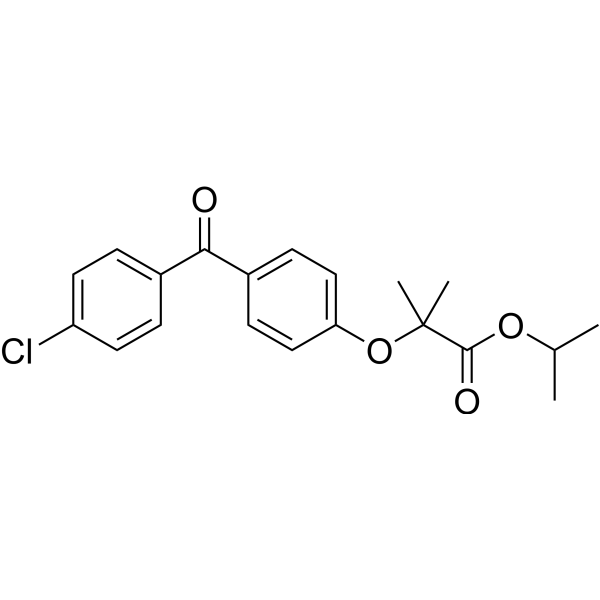
  • HY-17356
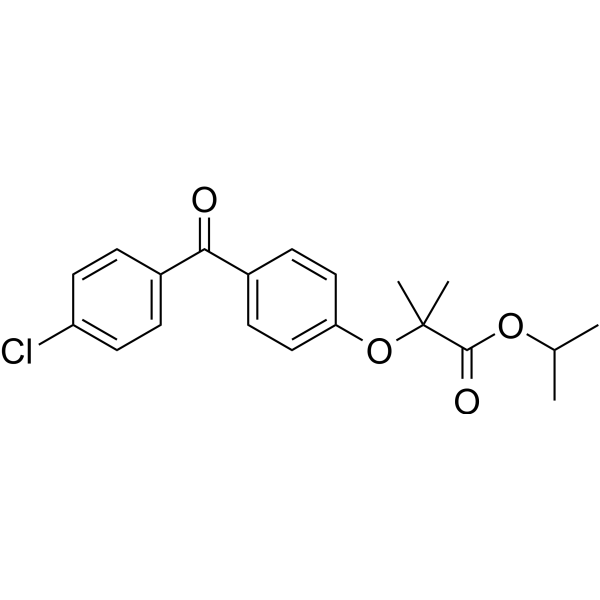
    Fenofibrate
    Maximum Cited Publications
    33 Publications Verification

    PPAR Cytochrome P450 Autophagy Cardiovascular Disease Cancer
    Fenofibrate is a selective PPARα agonist with an EC50 of 30 μM. Fenofibrate also inhibits human cytochrome P450 isoforms, with IC50s of 0.2, 0.7, 9.7, 4.8 and 142.1 μM for CYP2C19, CYP2B6, CYP2C9, CYP2C8, and CYP3A4, respectively.
    Fenofibrate
  • HY-17459
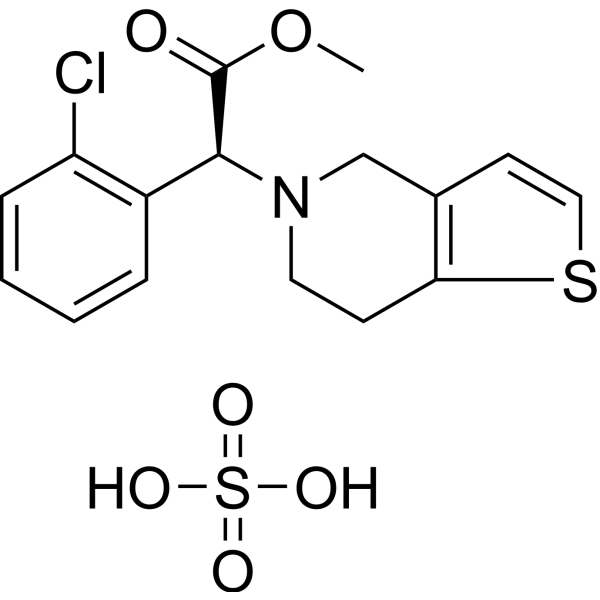
    Clopidogrel hydrogen sulfate
    25+ Cited Publications

    (S)-(+)-Clopidogrel bisulfate; (S)-(+)-Clopidogrel hydrogen sulfate

    Cytochrome P450 P2Y Receptor Cardiovascular Disease Cancer
    Clopidogrel hydrogen sulfate is an antiplatelet agent to prevent blood clots. Clopidogrel hydrogen sulfate inhibits CYP2B6 and CYP2C19 with IC50s of 18.2 nM and 524 nM, respectively . Clopidogrel hydrogen sulfate is a potent antithrombotic agent that inhibits ADP-induced platelet aggregation [2].Clopidogrel hydrogen sulfate also is an orally active P2Y(12) inhibitor .
    Clopidogrel hydrogen sulfate
  • HY-100637
    Hydroxybupropion
    1 Publications Verification

    Drug Metabolite Adrenergic Receptor nAChR Neurological Disease
    Hydroxybupropion is the major active metabolite of Bupropion. Hydroxybupropion is metabolized by CYP2B6. Bupropion is an atypical antidepressant and smoking-cessation agent. Hydroxybupropion inhibits norepinephrine uptake with an IC50 value of 1.7 μM. Hydroxybupropion is also a nACh receptor antagonist .
    Hydroxybupropion
  • HY-A0069

    Histamine Receptor Cytochrome P450 Neurological Disease Metabolic Disease
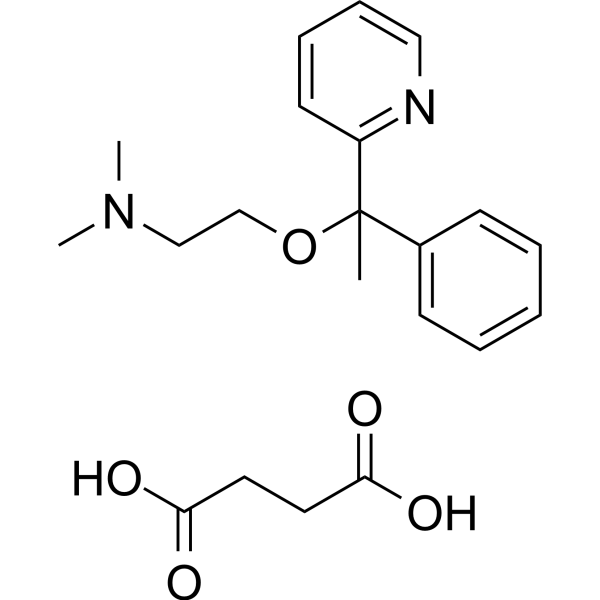
    Doxylamine succinate is a first-generation antihistamine and acts as a histamine H1 receptor antagonist. Doxylamine succinate is orally active, possessing analgesic and hypnotic activities. Doxylamine succinate enhances the activities of CYP2B, CYP2A, CYP3A and thyroxine-glucuronosyltransferase via promoting substrate hydroxylation and thyroxine metabolic pathways. Doxylamine succinate decreases serum thyroxine (T4) level and elevates serum thyroid-stimulating hormone (TSH) level. Doxylamine succinate induces liver enlargement and increases the activities of hepatic microsomal cytochrome P450, cytochrome b5 and NADPH-cytochrome c reductase. Doxylamine succinate can be used for the research of nausea, allergy, insomnia [2] .
    Doxylamine succinate
  • HY-157959

    (±)-Orphenadrine

    iGluR Cytochrome P450 Cholinesterase (ChE) Neurological Disease Cancer
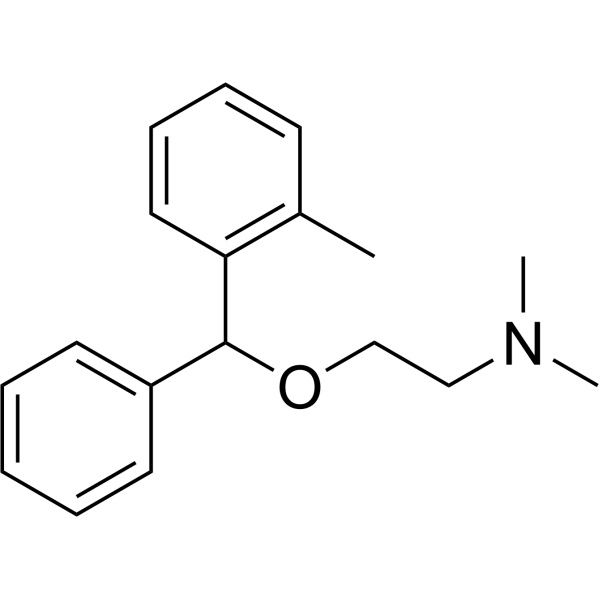
    Orphenadrine ((±)-Orphenadrine) is a skeletal muscle relaxant and NMDA antagonist that also has antiparkinsonian, antihistamine, antitremor, antispasmodic, and analgesic effects. Orphenadrine inhibits the binding of [3H]MK-801 to the phencyclidine (PCP) binding site of the NMDA receptor. Orphenadrine is also an anticholinergic and CYP2B inducer. Orphenadrine may exert pro-tumor effects, causing CAR nuclear translocation, resulting in microsomal reactive oxygen species (ROS) production and oxidative stress. Orphenadrine also exerts neuronal protection, protecting rat cerebellar granule cells (CGC) from 3-NPA-induced death and has inhibitory potential against neurodegenerative diseases mediated by NMDA receptor overactivation [2] .
    Orphenadrine
  • HY-N0762
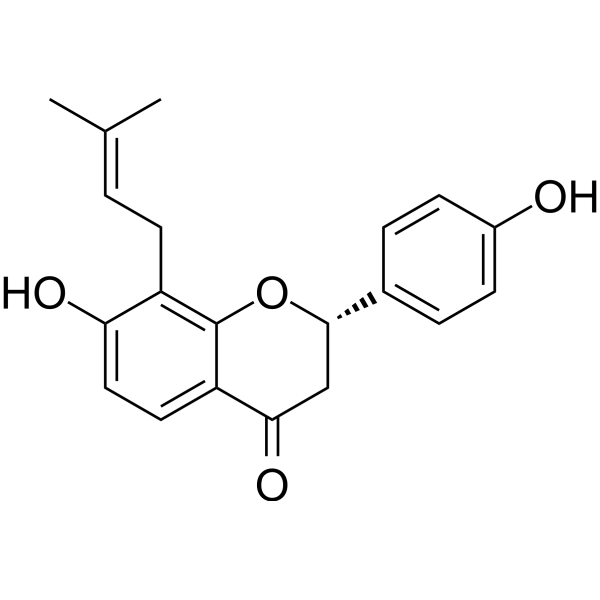
    Isobavachin
    5 Publications Verification

    Cytochrome P450 UGT p38 MAPK NF-κB NO Synthase COX Fc Receptor (FcR) RANKL/RANK Keap1-Nrf2 Reactive Oxygen Species (ROS) Apoptosis Autophagy Neurological Disease Metabolic Disease Inflammation/Immunology Cancer
    Isobavachin is an orally active, blood-brain barrier-penetrating prenylated flavonoid present in Psoralea corylifolia. Isobavachin inhibits human CYP2B6, CYP2C9, CYP2C19, UGT1A1, UGT1A9, and UGT2B7. Isobavachin suppresses MAPK activation, NF-κB nuclear translocation, overexpression of iNOS/COX-2, FcεRI-mediated signaling pathways, and RANKL-induced osteoclastogenesis. Isobavachin induces autophagy, cytotoxicity, neuronal differentiation, and NRF2 activation; it alleviates oxidative damage, inflammatory responses, apoptosis, iron accumulation, mitochondrial biogenesis, and mast cell degranulation. Isobavachin is applicable to research related to liver injury, inflammatory diseases, osteoporosis, liver cancer, prostate cancer, glioma, periodontitis-induced bone loss, and Alzheimer's disease [2] .
    Isobavachin
  • HY-B1184
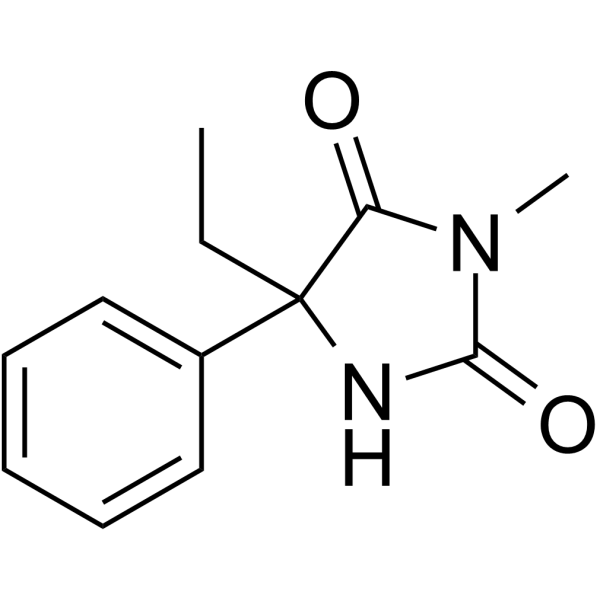
    Mephenytoin
    2 Publications Verification

    Cytochrome P450 Neurological Disease
    Mephenytoin, an anticonvulsant, is the CYP2C19 and CYP2B6 substrate .
    Mephenytoin
  • HY-N5132

    Cytochrome P450 Others
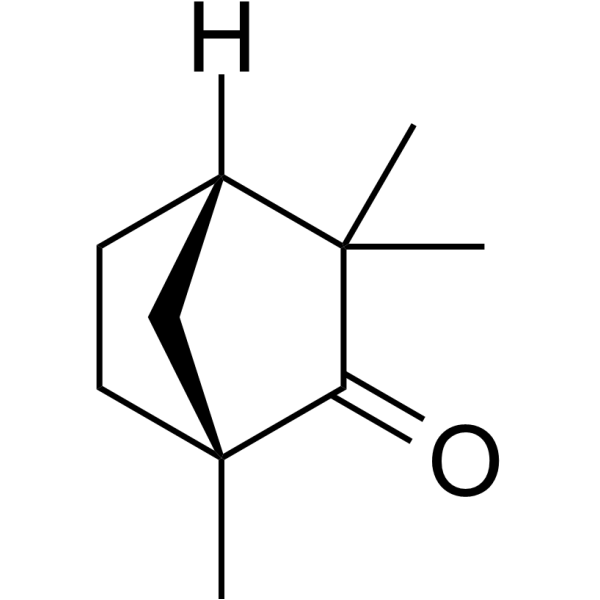
    (-)-Fenchone is a bicyclic monoterpene and serves as a substrate for human liver microsomal cytochrome P450 enzymes CYP2A6 and CYP2B6. (-)-Fenchone is not metabolized by human CYP1A1, CYP1A2, CYP1B1, CYP2C8, CYP2C9, CYP2C19, CYP2D6, CYP2E1, or CYP3A4 enzymes. (-)-Fenchone undergoes hydroxylation to produce 6-exo-hydroxyfenchone, 6-endo-hydroxyfenchone, and 10-hydroxyfenchone. During the metabolism of (-)-Fenchone, CYP2A6 may play a more important role than CYP2B6 .
    (-)-Fenchone
  • HY-B1042

    SKF-9976 citrate; AF-438 citrate

    Cytochrome P450 Inflammation/Immunology
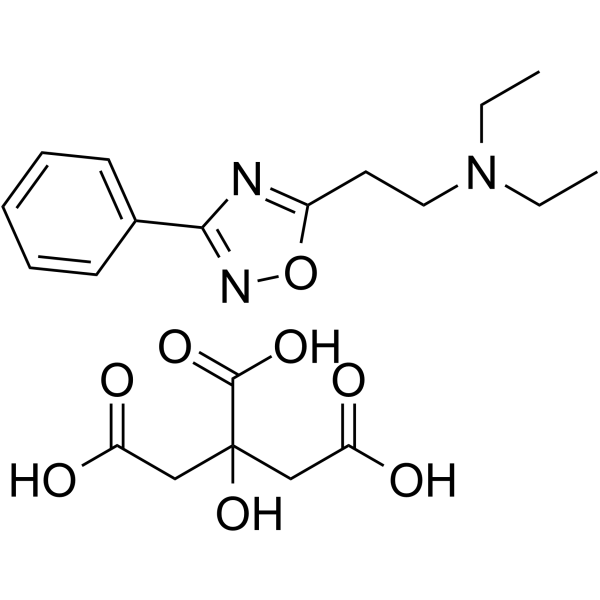
    Oxolamine citrate (SKF-9976 citrate) is an orally active antitussive. Oxolamine citrate can inhibit CYP2B1/2. Oxolamine citrate has anti-inflammatory effects on the respiratory organs of guinea pigs. Oxolamine citrate increases the AUC of Warfarin (HY-B0687) and prolongs its terminal half-life. Oxolamine citrate can be used in respiratory disease research [2] .
    Oxolamine citrate
  • HY-W040468

    Cytochrome P450 Metabolic Disease
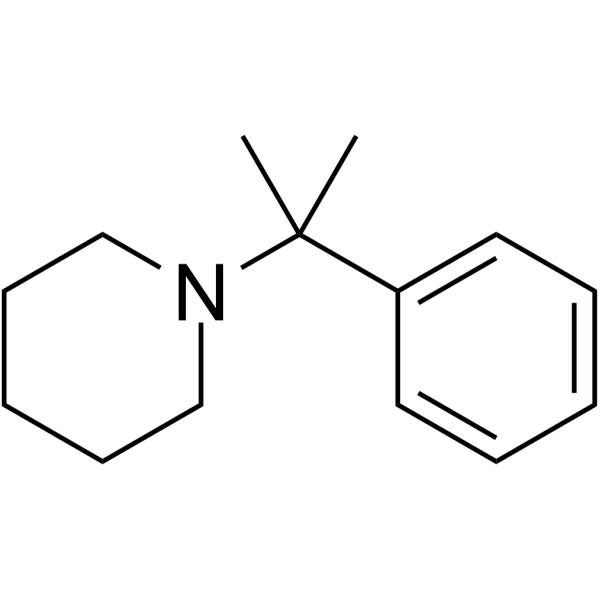
    2-Phenyl-2-(1-piperidinyl)propane is a selective and reversible human CYP2B6 inhibitor with an IC50 of 5.1 μM and a Ki of 5.6. 2-Phenyl-2-(1-piperidinyl)propane inhibits CYP2D6 (IC50=74 μM), CYP3A (IC50=200 μM) .
    2-Phenyl-2-(1-piperidinyl)propane
  • HY-135331
    N-Desmethyl-Apalutamide
    1 Publications Verification

    Androgen Receptor Cytochrome P450 Cancer
    N-Desmethyl Apalutamide is an active metabolite of Apalutamide. N-Desmethyl Apalutamide is a less potent antagonist of the androgen receptor and is responsible for one-third of the activity of Apalutamide. The formation of N-Desmethyl Apalutamide mediated predominantly by CYP2C8 and CYP3A4. N-Desmethyl Apalutamide is moderate to strong CYP3A4 and CYP2B6 inducer and has an excellent plasma-proteins bound concentration [2] .
    N-Desmethyl-Apalutamide
  • HY-N1050

    mTOR Ribosomal S6 Kinase (RSK) Bacterial Infection Neurological Disease Cancer
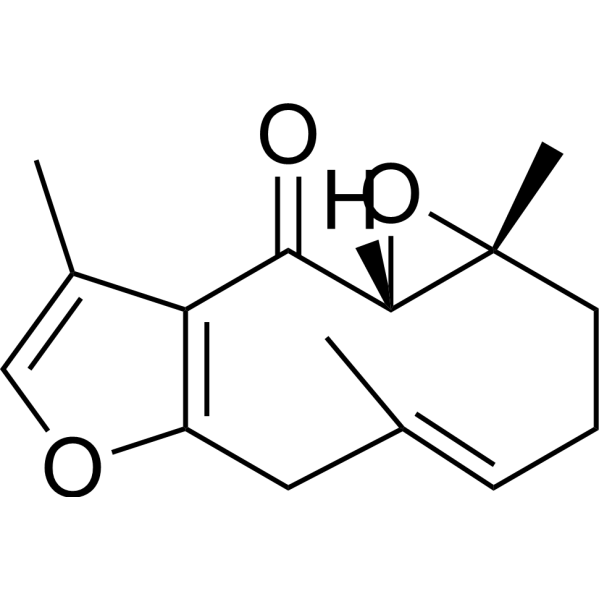
    Zederone is a sesquiterpene. Zederone inhibits ovarian cancer cell proliferation through mTOR/p70s6K signalling pathway. Zederone inhibits CYP activities with IC50s of 2.9 μM (CYP2B6), 9.2 μM (CYP2C9), 11,2 μM (CYP2C19) and >30 μM (CYP1A2 and CYP2D6). Zederone is hepatotoxic with LD50 value at 24 hours in mice of approximately 223 mg/kg and cytotoxic against the KG1a cell line. Zederone shows antibacterial activity against a number of multi-drug resistant and Methicillin (HY-121544)-resistant Staphylococcus aureus strain. Zederone shows cognition improving capacity and assists in the modulation of gut bacterial dysbiosis [2] .
    Zederone
  • HY-W010195

    Cytochrome P450 Others
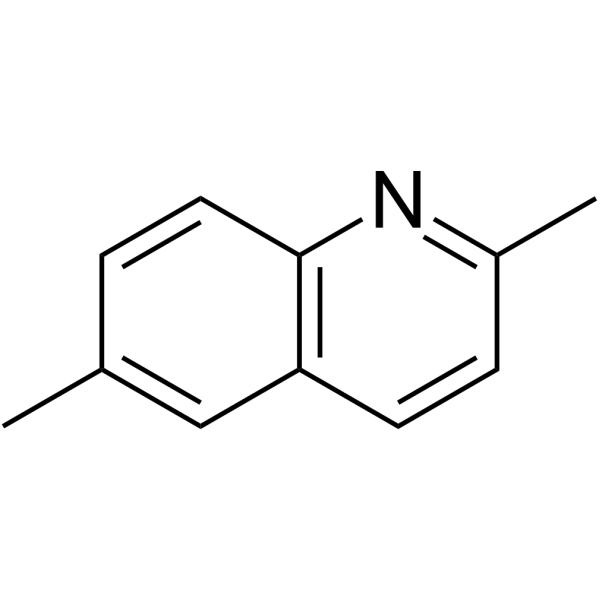
    2,6-Dimethylquinoline, a nature constituent from the roots of Peucedantu praeruptorum, is a CYP1A2 inhibitor with an IC50 of 3.3 µM. 2,6-Dimethylquinoline also inhibits CYP2B6 activity with an IC50 of 480 µM [2] .
    2,6-Dimethylquinoline
  • HY-B0589C

    Cytochrome P450 Metabolic Disease
    (3S,5S)-Atorvastatin is a inactive enantiomer of Atorvastatin. (3S,5S)-Atorvastatin can activate pregnane X receptor (PXR). Atorvastatin is an orally active HMG-CoA reductase inhibitor, has the ability to effectively decrease blood lipids [2].
    (3S,5S)-Atorvastatin
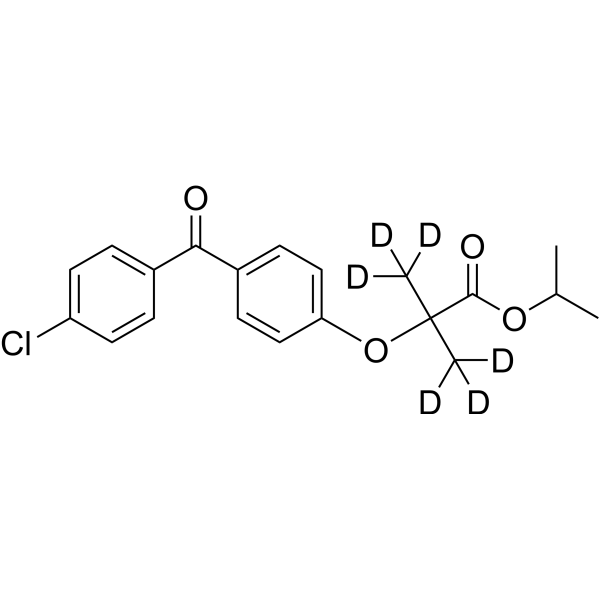
  • HY-17356S

    Isotope-Labeled Compounds PPAR Cytochrome P450 Autophagy Cardiovascular Disease Cancer
    Fenofibrate-d6 is the deuterium labeled Fenofibrate. Fenofibrate is a selective PPARα agonist with an EC50 of 30 μM. Fenofibrate also inhibits human cytochrome P450 isoforms, with IC50s of 0.2, 0.7, 9.7, 4.8 and 142.1 μM for CYP2C19, CYP2B6, CYP2C9, CYP2C8, and CYP3A4, respectively.
    Fenofibrate-d6
  • HY-B0365AS

    Cytochrome P450 iGluR Autophagy Neurological Disease
    Memantine-d6 (hydrochloride) is the deuterium labeled Memantine hydrochloride. Memantine (hydrochloride) (D-145 (hydrochloride)) is a moderate affinity, uncompetitive NMDA receptor antagonist, inhibit CYP2B6 and CYP2D6 with Kis of 0.51 nM and 94.9 μM, respectively .
    Memantine-d6 hydrochloride
  • HY-17356R
    Fenofibrate (Standard)
    Maximum Cited Publications
    33 Publications Verification

    Reference Standards PPAR Cytochrome P450 Autophagy Cardiovascular Disease Cancer
    Fenofibrate (Standard) is the analytical standard of Fenofibrate. This product is intended for research and analytical applications. Fenofibrate is a selective PPARα agonist with an EC50 of 30 μM. Fenofibrate also inhibits human cytochrome P450 isoforms, with IC50s of 0.2, 0.7, 9.7, 4.8 and 142.1 μM for CYP2C19, CYP2B6, CYP2C9, CYP2C8, and CYP3A4, respectively.
    Fenofibrate (Standard)
  • HY-W587878

    Cytochrome P450 Pyruvate Kinase Fungal Apoptosis Insecticide Infection Cancer
    Thujopsene is the inhibitor for cytochrome P450, that inhibits CYP2B6, CYP3A4, CYP2C19, CYP2C8, CYP2C9 with IC50s of 1.3, 12.6, 13.6, 29.8, and 44.9 μM, respectively. Thujopsene binds to PKM2, inhibits the metabolism pathway of cancer cell, induces apoptosis in MKN45, thereby exhibiting antitumor efficacy. Thujopsene exhibits anti-termite and antifungal activities through autoxidation [2] .
    Thujopsene
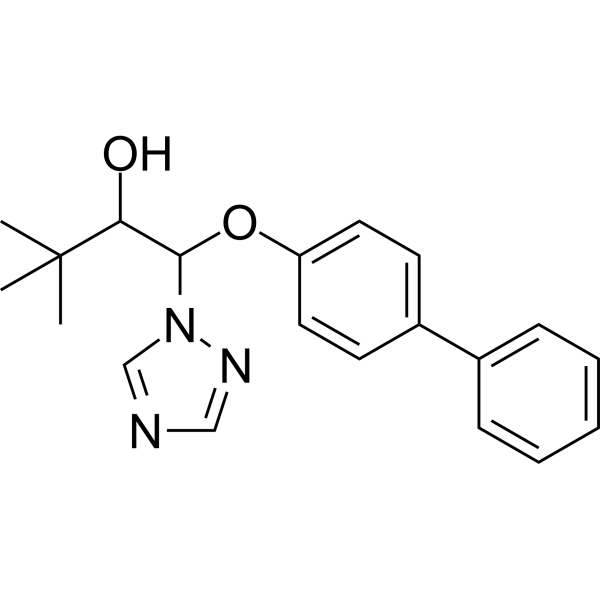
  • HY-118216

    Biloxazol

    Fungal Cytochrome P450 Infection
    Bitertanol (Biloxazol) is a potent antifungal agent. Bitertanol also is an CYP1A1, CYP2B, and CYP3A inducer in vivo and an CYP1A inhibitor in vitro [2].
    Bitertanol
  • HY-A0069A

    Histamine Receptor Cytochrome P450 Neurological Disease Metabolic Disease
    Doxylamine is a first-generation antihistamine and acts as a histamine H1 receptor antagonist. Doxylamine is orally active, possessing analgesic and hypnotic activities. Doxylamine enhances the activities of CYP2B, CYP2A, CYP3A and thyroxine-glucuronosyltransferase via promoting substrate hydroxylation and thyroxine metabolic pathways. Doxylamine decreases serum thyroxine (T4) level and elevates serum thyroid-stimulating hormone (TSH) level. Doxylamine induces liver enlargement and increases the activities of hepatic microsomal cytochrome P450, cytochrome b5 and NADPH-cytochrome c reductase. Doxylamine can be used for the research of nausea, allergy, insomnia [2] .
    Doxylamine
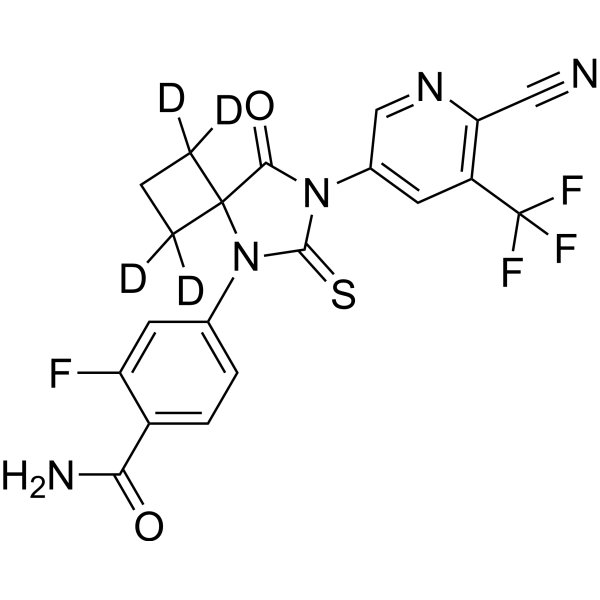
  • HY-W754151

    Isotope-Labeled Compounds Others
    N-Desmethyl apalutamide-d4 is the deuterium-labeled N-Desmethyl-Apalutamide (HY-135331). N-Desmethyl Apalutamide is an active metabolite of Apalutamide. N-Desmethyl Apalutamide is a less potent antagonist of the androgen receptor and is responsible for one-third of the activity of Apalutamide. The formation of N-Desmethyl Apalutamide mediated predominantly by CYP2C8 and CYP3A4. N-Desmethyl Apalutamide is moderate to strong CYP3A4 and CYP2B6 inducer and has an excellent plasma-proteins bound concentration [2] .
    N-Desmethyl apalutamide-d4
  • HY-A0069R

    Reference Standards Histamine Receptor Cytochrome P450 Neurological Disease Metabolic Disease
    Doxylamine succinate (Standard) is the analytical standard of Doxylamine succinate (HY-A0069). This product is intended for research and analytical applications. Doxylamine succinate is a first-generation antihistamine and acts as a histamine H1 receptor antagonist. Doxylamine succinate is orally active, possessing analgesic and hypnotic activities. Doxylamine succinate enhances the activities of CYP2B, CYP2A, CYP3A and thyroxine-glucuronosyltransferase via promoting substrate hydroxylation and thyroxine metabolic pathways. Doxylamine succinate decreases serum thyroxine (T4) level and elevates serum thyroid-stimulating hormone (TSH) level. Doxylamine succinate induces liver enlargement and increases the activities of hepatic microsomal cytochrome P450, cytochrome b5 and NADPH-cytochrome c reductase. Doxylamine succinate can be used for the research of nausea, allergy, insomnia [2] .
    Doxylamine succinate (Standard)
  • HY-106799

    Cytochrome P450 Inflammation/Immunology
    E-5110 is an orally active non-steroidal antiflammatory agent. E-5110 increases contents of CYP2B and 3A .
    E-5110
  • HY-118216R

    Biloxazol (Standard)

    Reference Standards Fungal Cytochrome P450 Infection
    Bitertanol (Standard) is the analytical standard of Bitertanol. This product is intended for research and analytical applications. Bitertanol (Biloxazol) is a potent antifungal agent. Bitertanol also is an CYP1A1, CYP2B, and CYP3A inducer in vivo and an CYP1A inhibitor in vitro [2].
    Bitertanol (Standard)
  • HY-RS03456

    Small Interfering RNA (siRNA) Others

    CYP2B6 Human Pre-designed siRNA Set A contains three designed siRNAs for CYP2B6 gene (Human), as well as a negative control, a positive control, and a FAM-labeled negative control.

    CYP2B6 Human Pre-designed siRNA Set A
    CYP2B6 Human Pre-designed siRNA Set A
  • HY-10572A

    (R)-DMP 266; (R)-EFV; (R)-L-743726

    Reverse Transcriptase Infection
    (R)-Efavirenz ((R)-DMP 266) is a non-nucleoside reverse transcriptase inhibitor that acts by non-competitive inhibition of the viral enzyme. (R)-Efavirenz can be metabolized by CYP2B6 to 8-hydroxyefavirenz in a highly stereoselective manner. (R)-Efavirenz is promising to be a useful probe for the CYP2B6 active site and catalytic mechanisms [2].
    (R)-Efavirenz
  • HY-N11706

    (+)-β-Cedrene

    Fungal Infection Inflammation/Immunology
    β-Cedrene ((+)-β-Cedrene) is a sesquiterpene compound that can be isolated from Centaurea kotschyi var. kotschyi and Centaurea kotschyi var. decumbens, exhibiting antibacterial, anti-inflammatory, antispasmodic, tonic, diuretic, sedative, insecticidal, and antifungal activities. β-Cedrene is also a potent competitive inhibitor of the CYP2B6-mediatedbupropion hydroxylase, with a Ki value of 1.6 μM [2].
    β-Cedrene
  • HY-173465

    Constitutive Androstane Receptor Metabolic Disease Cancer
    DL5055 (compound 6k) is a potent and selective hCAR activator with an EC50 of 0.35 μM. DL5055 induces CYP2B6 expression and hCAR nuclear translocation in human primary hepatocytes .
    DL5055
  • HY-B0822S1

    GABA Receptor Cytochrome P450 Inflammation/Immunology
    Fipronil- 13C6 is the 13C-labeled Fipronil. Fipronil is an insecticide that acts as a selective antagonist of insect GABA receptors (IC50s = 30 nM and 1,600 nM for cockroach and rat receptors, respectively). Fipronil also inhibits desensitizing and non-desensitizing glutamate-induced chloride currents in cockroach neurons (IC50s = 800 nM and 10 nM, respectively). Fipronil induces activity of the cytochrome P450 (CYP) isoforms CYP1A1/2, CYP2B1/2, and CYP3A1/2 in isolated rat liver microsomes.
    Fipronil-13C6
  • HY-W140208

    Cytochrome P450 Neurological Disease
    3-Phenylthiophene (Compound 25) is a CYP2A6 inhibitor with a Ki value of 3.3 μM. The Ki values for CYP2E1, CYP2B6, CYP2C9, and CYP2C19 are 9.7, 14, 112, and 107 μM respectively. It shows no significant inhibition on CYP3A4 and CYP2D6. 3-Phenylthiophene can be used in smoking cessation research .
    3-Phenylthiophene
  • HY-17356G

    Cytochrome P450 PPAR Autophagy Cardiovascular Disease
    Fenofibrate (GMP) is Fenofibrate (HY-17356) produced by using GMP guidelines. GMP small molecules work appropriately as an auxiliary reagent for cell therapy manufacture. Fenofibrate is a selective PPARα agonist with an EC50 of 30 μM. Fenofibrate also inhibits human cytochrome P450 isoforms, with IC50s of 0.2, 0.7, 9.7, 4.8 and 142.1 μM for CYP2C19, CYP2B6, CYP2C9, CYP2C8, and CYP3A4, respectively.
    Fenofibrate
  • HY-173033

    Pregnane X Receptor (PXR) Constitutive Androstane Receptor Cytochrome P450 Metabolic Disease
    MI-883 is the orally active agonist for Constitutive Androstane Receptor (CAR, EC50=73 nM) and the antagonist for Pregnane X Receptor (PXR, IC50=0.1 μM). MI-883 stimulates CAR LBD assembly (EC50=0.38 µM) and CAR3 variant activation (EC50=0.074 µM), induces CYP2B6 mRNA expression in HepaRG and primary human hepatocytes. MI-883 inhibits basal PXR activity IC50=2.03 µM) in transiently transfected HepG2 cells, blocks CYP3A4 mRNA expression in HepG2. MI-883 regulates cholesterol metabolism and bile acid excretion, improves hypercholesterolemia in mouse models .
    MI-883
  • HY-A0069AS

    Isotope-Labeled Compounds Histamine Receptor Cytochrome P450 Neurological Disease Metabolic Disease
    Doxylamine-d5 is deuterium labeled Doxylamine (HY-A0069A). Doxylamine is a first-generation antihistamine and acts as a histamine H1 receptor antagonist. Doxylamine is orally active, possessing analgesic and hypnotic activities. Doxylamine enhances the activities of CYP2B, CYP2A, CYP3A and thyroxine-glucuronosyltransferase via promoting substrate hydroxylation and thyroxine metabolic pathways. Doxylamine decreases serum thyroxine (T4) level and elevates serum thyroid-stimulating hormone (TSH) level. Doxylamine induces liver enlargement and increases the activities of hepatic microsomal cytochrome P450, cytochrome b5 and NADPH-cytochrome c reductase. Doxylamine can be used for the research of nausea, allergy, insomnia [2] .
    Doxylamine-d5
  • HY-A0069S

    Isotope-Labeled Compounds Histamine Receptor Cytochrome P450 Neurological Disease Metabolic Disease
    Doxylamine-d5 succinate is deuterium labeled Doxylamine succinate (HY-A0069A). Doxylamine succinate is a first-generation antihistamine and acts as a histamine H1 receptor antagonist. Doxylamine succinate is orally active, possessing analgesic and hypnotic activities. Doxylamine succinate enhances the activities of CYP2B, CYP2A, CYP3A and thyroxine-glucuronosyltransferase via promoting substrate hydroxylation and thyroxine metabolic pathways. Doxylamine succinate decreases serum thyroxine (T4) level and elevates serum thyroid-stimulating hormone (TSH) level. Doxylamine succinate induces liver enlargement and increases the activities of hepatic microsomal cytochrome P450, cytochrome b5 and NADPH-cytochrome c reductase. Doxylamine succinate can be used for the research of nausea, allergy, insomnia [2] .
    Doxylamine-d5 succinate
  • HY-119403

    Cytochrome P450 Cancer
    4-Phenyl-1,2,3-thiadiazole is an CYP2B4 and CYP2E1 inhibitor. 4-Phenyl-1,2,3-thiadiazole inhibits the oxidation of 1-phenylethanol to acetophenone by CYP2B4 and CYP2E1 .
    4-Phenyl-1,2,3-thiadiazole
  • HY-B1717

    Cytochrome P450 Inflammation/Immunology
    Oxolamine (SKF-9976) is an orally active antitussive. Oxolamine can inhibit CYP2B1/2. Oxolamine has anti-inflammatory effects on the respiratory organs of guinea pigs. Oxolamine increases the AUC of Warfarin (HY-B0687) and prolongs its terminal half-life. Oxolamine can be used in respiratory disease research [2] .
    Oxolamine
  • HY-B1184S1

    Cytochrome P450 Neurological Disease
    Mephenytoin-d5 is the deuterium labeled Mephenytoin. Mephenytoin, an anticonvulsant, is the CYP2C19 and CYP2B6 substrate .
    Mephenytoin-d5
  • HY-B1184S2

    Cytochrome P450 Neurological Disease
    Mephenytoin-d8 is the deuterium labeled Mephenytoin . Mephenytoin, an anticonvulsant, is the CYP2C19 and CYP2B6 substrate [2].
    Mephenytoin-d8
  • HY-B1184S

    Isotope-Labeled Compounds Cytochrome P450 Neurological Disease
    (Rac)-Mephenytoin-d3 is a labelled racemic Mephenytoin. Mephenytoin, an anticonvulsant, is the CYP2C19 and CYP2B6 substrate .
    Mephenytoin-d3
  • HY-N5132R

    Reference Standards Others Others
    (-)-Fenchone (Standard) is the analytical standard of (-)-Fenchone. This product is intended for research and analytical applications. (-)-Fenchone, a bicyclic monoterpene, is widely distributed in plants and found in essential oils from Foeniculum vulgare. (-)-Fenchone is oxidized to 6-endo-hydroxyfenchone, 6-exo-hydroxyfenchone and 10-hydroxyfenchone derivatives by CYP2A6 and CYP2B6 in human liver microsomes with CYP2A6 playing a more important role than CYP2B6 .
    (-)-Fenchone (Standard)
  • HY-B1184R

    Reference Standards Cytochrome P450 Neurological Disease
    Mephenytoin (Standard) is the analytical standard of Mephenytoin. This product is intended for research and analytical applications. Mephenytoin, an anticonvulsant, is the CYP2C19 and CYP2B6 substrate .
    Mephenytoin (Standard)
  • HY-B1184S3

    Isotope-Labeled Compounds Cytochrome P450 Neurological Disease
    Mephenytoin-13C,d3 is a deuterated labeled Mephenytoin . Mephenytoin, an anticonvulsant, is the CYP2C19 and CYP2B6 substrate [2].
    Mephenytoin-13C,d3
  • HY-W010195R

    Reference Standards Cytochrome P450 Others
    2,6-Dimethylquinoline, a nature constituent from the roots of Peucedantu praeruptorum, is a CYP1A2 inhibitor with an IC50 of 3.3 µM. 2,6-Dimethylquinoline also inhibits CYP2B6 activity with an IC50 of 480 µM [2] .
    2,6-Dimethylquinoline (Standard)
  • HY-110134

    Constitutive Androstane Receptor Metabolic Disease
    S07662 is a human constitutive androstane receptor (hCAR) inhibitor with an IC50 of 0.7 μM. S07662 recruits the corepressor NCoR in cell-based assays and attenuate the expression of CYP2B6 mRNA in human primary hepatocytes induced by phenytoin (HY-B0448) and CITCO (HY-103244) .
    S07662
  • HY-134522

    Constitutive Androstane Receptor Metabolic Disease Cancer
    DL5050 is a selective and potent human constitutive androstane receptor (hCAR) agonist that does not activate pregnane X receptor (PXR). DL5050 preferentially induces the expression of CYP2B6 (target of hCAR) over CYP3A4 (target of hPXR) on both the mRNA and protein levels. DL5050 can be used for the researches of cancer and metabolic disease, such as diabetes .
    DL5050
  • HY-17356S2

    Isotope-Labeled Compounds Cytochrome P450 PPAR Autophagy Cardiovascular Disease
    Fenofibrate-13C6 is a deuterated labeled Fenofibrate . Fenofibrate is a selective PPARα agonist with an EC50 of 30 μM. Fenofibrate also inhibits human cytochrome P450 isoforms, with IC50s of 0.2, 0.7, 9.7, 4.8 and 142.1 μM for CYP2C19, CYP2B6, CYP2C9, CYP2C8, and CYP3A4, respectively.
    Fenofibrate-13C6
  • HY-17356S1

    PPAR Autophagy Cytochrome P450 Cardiovascular Disease
    Fenofibrate-d4 is the deuterium labeled Fenofibrate . Fenofibrate is a selective PPARα agonist with an EC50 of 30 μM. Fenofibrate also inhibits human cytochrome P450 isoforms, with IC50s of 0.2, 0.7, 9.7, 4.8 and 142.1 μM for CYP2C19, CYP2B6, CYP2C9, CYP2C8, and CYP3A4, respectively [2] .
    Fenofibrate-d4
  • HY-17459R

    (S)-(+)-Clopidogrel bisulfate (Standard); (S)-(+)-Clopidogrel hydrogen sulfate (Standard)

    Reference Standards Cytochrome P450 P2Y Receptor Cardiovascular Disease Cancer
    Clopidogrel (hydrogen sulfate) (Standard) is the analytical standard of Clopidogrel (hydrogen sulfate). This product is intended for research and analytical applications. Clopidogrel hydrogen sulfate is an antiplatelet agent to prevent blood clots. Clopidogrel hydrogen sulfate inhibits CYP2B6 and CYP2C19 with IC50s of 18.2 nM and 524 nM, respectively . Clopidogrel hydrogen sulfate is a potent antithrombotic agent that inhibits ADP-induced platelet aggregation [2].Clopidogrel hydrogen sulfate also is an orally active P2Y(12) inhibitor .
    Clopidogrel hydrogen sulfate (Standard)
  • HY-112142A

    DVR-23

    HBV Inflammation/Immunology
    (Rac)-AB-423 (DVR-23) is an anti-HBV candidate compound with promising anti-HBV activity. (Rac)-AB-423 showed no induction of CYP1A2, CYP3A4, or CYP2B6 enzyme activity at high concentrations. (Rac)-AB-423 exhibited desirable pharmacokinetic properties, enabling good systemic exposure and high oral bioavailability. (Rac)-AB-423 achieved more than 2 log viral load reduction in the hydrodynamic injection (HDI) HBV mouse model .
    (Rac)-AB-423
  • HY-17459S

    (S)-(+)-Clopidogrel bisulfate-d3; (S)-(+)-Clopidogrel-d3 hydrogen sulfate

    P2Y Receptor Cytochrome P450 Cardiovascular Disease
    Clopidogrel-d3 (hydrogen sulfate) is the deuterium labeled Clopidogrel hydrogen sulfate . Clopidogrel hydrogen sulfate is an antiplatelet agent to prevent blood clots. Clopidogrel hydrogen sulfate inhibits CYP2B6 and CYP2C19 with IC50s of 18.2 nM and 524 nM, respectively. Clopidogrel hydrogen sulfate is a potent antithrombotic agent that inhibits ADP-induced platelet aggregation.Clopidogrel hydrogen sulfate also is an orally active P2Y(12) inhibitor [2] .
    Clopidogrel-d3 hydrogen sulfate

Inquiry Online

Your information is safe with us. * Required Fields.

Salutation


Country or Region *

Applicant Name *


Organization Name *

Department *


Email Address *


Product Name *

Cat. No.


Requested quantity *

Phone Number *


Remarks

Inquiry Online

Inquiry Information

Product Name:
Cat. No.:
Quantity:
MCE Japan Authorized Agent:

