1. Search Result
Search Result
Isoforms Recommended: CYP2C19 CYP2
Results for "

CYP2C19

" in MedChemExpress (MCE) Product Catalog:

122

Inhibitors & Agonists

2

Fluorescent Dye

1

Biochemical Assay Reagents

1

Peptides

13

Natural
Products

24

Isotope-Labeled Compounds

1

Click Chemistry

1

Oligonucleotides

1

GMP Molecules

Cat. No. Product Name Target Research Areas Chemical Structure
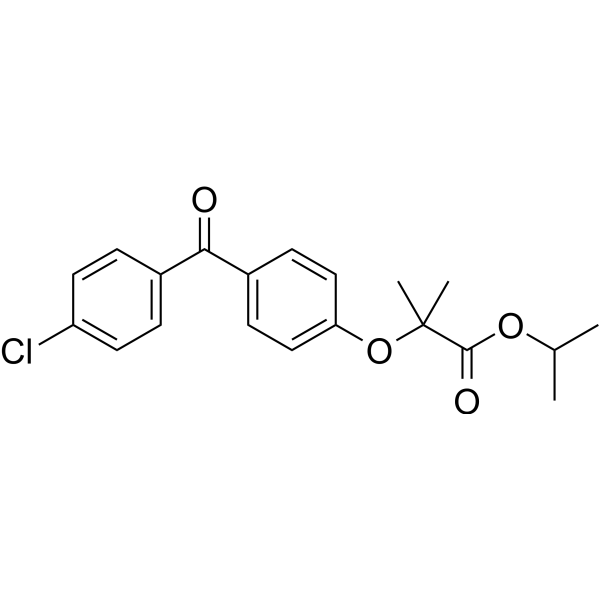
  • HY-17356
    Fenofibrate
    Maximum Cited Publications
    33 Publications Verification

    PPAR Cytochrome P450 Autophagy Cardiovascular Disease Cancer
    Fenofibrate is a selective PPARα agonist with an EC50 of 30 μM. Fenofibrate also inhibits human cytochrome P450 isoforms, with IC50s of 0.2, 0.7, 9.7, 4.8 and 142.1 μM for CYP2C19, CYP2B6, CYP2C9, CYP2C8, and CYP3A4, respectively.
    Fenofibrate
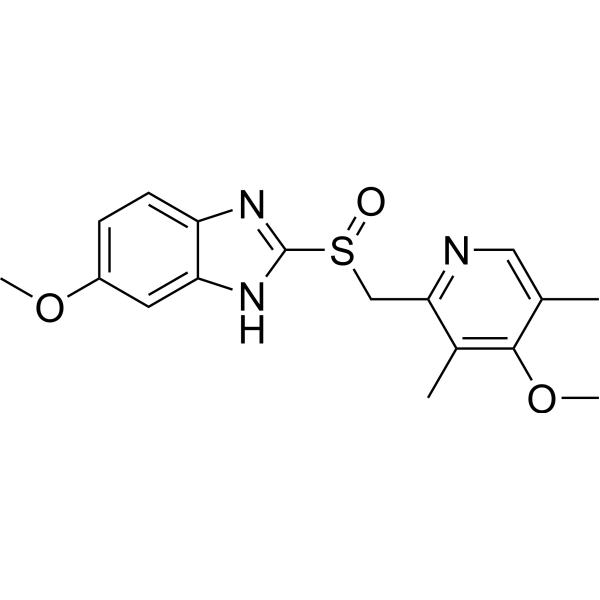
  • HY-B0113
    Omeprazole
    5+ Cited Publications

    H 16868

    Na+/K+ ATPase Proton Pump Bacterial Cytochrome P450 Apoptosis Autophagy Atg8/LC3 TNF Receptor Interleukin Related Infection Neurological Disease Inflammation/Immunology Cancer
    Omeprazole (H 16868) is an orally active H +,K +-ATPase inhibitor and a proton pump inhibitor. Omeprazole competitively inhibits CYP2C19, CYP3A4, and CYP2C9 activity. Omeprazole inhibits gastric acid secretion and can be used for acid-related gastrointestinal disorders. Omeprazole inhibits pancreatic cancer cell proliferation, induces apoptosis, autophagosome accumulation (elevated LC3-I and LC3-II levels), oxidative stress, and cytogenetic imbalance, modulates lysosomal transport, reduces inflammatory cytokines. Omeprazole alters small intestinal morphology and magnesium absorption, and induces gastric mucosa morphologic changes. Omeprazole aslo has neuroprotective and antibacterial effects .
    Omeprazole
  • HY-103392
    Stiripentol
    4 Publications Verification

    BCX2600

    Cytochrome P450 Neurological Disease
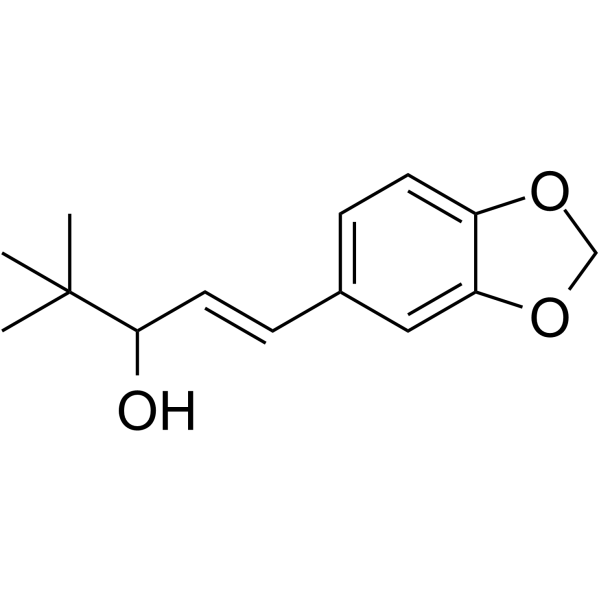
    Stiripentol (STP) is an anticonvulsant agent, which can inhibit N-demethylation of CLB to NCLB mediatated by CYP3A4 (noncompetitively) and CYP2C19 (competitively) with Ki of 1.59±0.07 and 0.516±0.065 μM and IC50 of 1.58 and 3.29 μM, respectively.
    Stiripentol
  • HY-B1184A

    (+)-Mephenytoin

    Cytochrome P450 Neurological Disease
    (S)-Mephenytoin ((+)-Mephenytoin) is an anticonvulsive agent. (S)-Mephenytoin is a substrate of the cytochrome P450 (CYP) isoform CYP2C19. (S)-Mephenytoin can be used for the analysis of cytochrome P450 metabolism .
    (S)-Mephenytoin
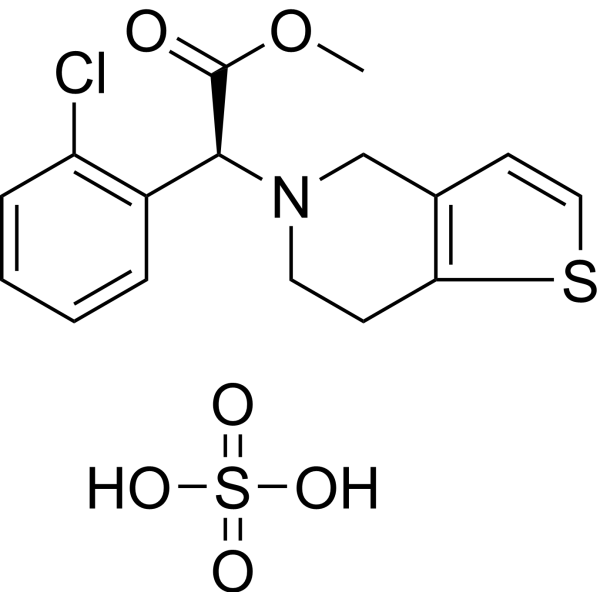
  • HY-17459
    Clopidogrel hydrogen sulfate
    25+ Cited Publications

    (S)-(+)-Clopidogrel bisulfate; (S)-(+)-Clopidogrel hydrogen sulfate

    Cytochrome P450 P2Y Receptor Cardiovascular Disease Cancer
    Clopidogrel hydrogen sulfate is an antiplatelet agent to prevent blood clots. Clopidogrel hydrogen sulfate inhibits CYP2B6 and CYP2C19 with IC50s of 18.2 nM and 524 nM, respectively . Clopidogrel hydrogen sulfate is a potent antithrombotic agent that inhibits ADP-induced platelet aggregation .Clopidogrel hydrogen sulfate also is an orally active P2Y(12) inhibitor .
    Clopidogrel hydrogen sulfate
  • HY-50845
    Avagacestat
    2 Publications Verification

    BMS-708163

    γ-secretase Notch Cancer
    Avagacestat (BMS-708163) is a potent inhibitor of γ-secretase, with IC50s of 0.27 nM and 0.30 nM for Aβ42 and Aβ40 inhibition; Avagacestat (BMS-708163) also inhibits NICD (Notch IntraCellular Domain) with IC50 of 0.84 nM and shows weak inhibition of CYP2C19, with IC50 of 20 μM. Avagacestat can be used for Alzheimer disease research.
    Avagacestat
  • HY-W008772

    Drug Metabolite Others
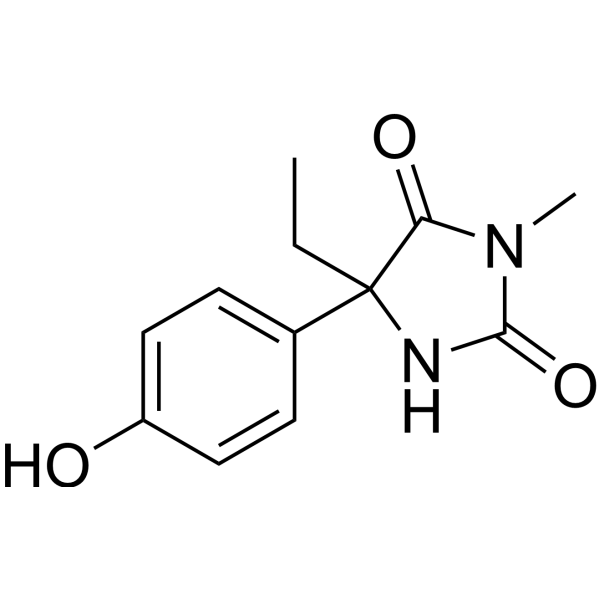
    4-Hydroxymephenytoin is a metabolism of an antiepileptic agent mephenytoin, which is used as a CYP2C19 substrate.
    4-Hydroxymephenytoin
  • HY-100386
    Ticlopidine
    3 Publications Verification

    PCR 5332

    NTPDase Cytochrome P450 Cardiovascular Disease
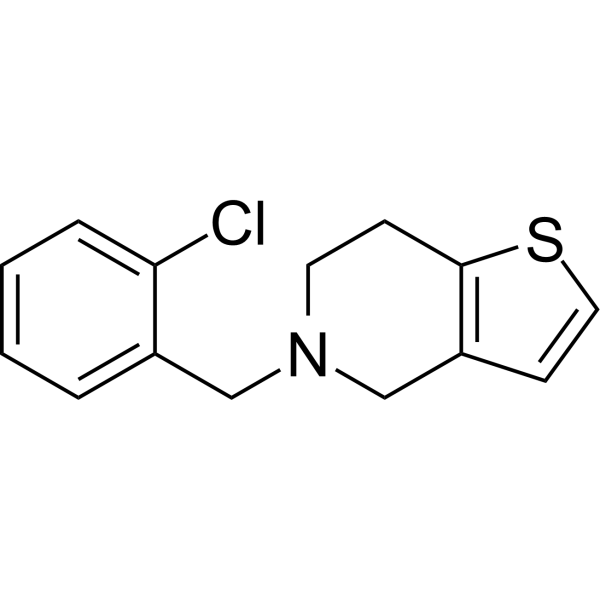
    Ticlopidine (PCR 5332), an antithrombotic proagent, acts as an allosteric, noncompetitive inhibitor of CD39 with the IC50 of 81.7 μM. Ticlopidine blocks several NTPDase isoenzymes with IC50s of 170 μM and 149 μM for NTPDase2 and NTPDase3, respectively. Ticlopidine is an inhibitor of CYP2C19 human liver cytochrome. Ticlopidine inhibits CYP2C9 and CYP3A4 with IC50s of 26.0 and 32.3 μM, respectively.
    Ticlopidine
  • HY-B0153A
    Ticlopidine hydrochloride
    3 Publications Verification

    NTPDase Cytochrome P450 Cardiovascular Disease Neurological Disease Cancer
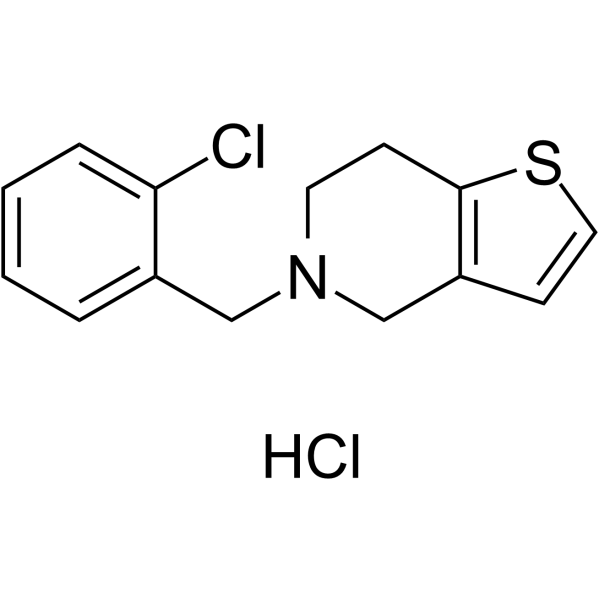
    Ticlopidine (PCR 5332) hydrochloride, an antithrombotic proagent, acts as an allosteric, noncompetitive inhibitor of CD39 with the IC50 of 81.7 μM. Ticlopidine hydrochloride blocks several NTPDase isoenzymes with IC50s of 170 μM and 149 μM for NTPDase2 and NTPDase3, respectively. Ticlopidine hydrochloride is an inhibitor of CYP2C19 human liver cytochrome. Ticlopidine hydrochloride inhibits CYP2C9 and CYP3A4 with IC50s of 26.0 and 32.3 μM, respectively .
    Ticlopidine hydrochloride
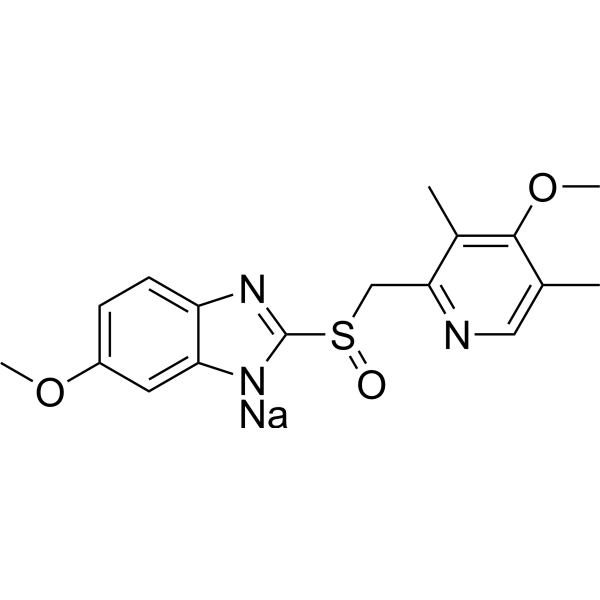
  • HY-B0113A
    Omeprazole sodium
    5+ Cited Publications

    H 16868 sodium

    Na+/K+ ATPase Interleukin Related Proton Pump Cytochrome P450 Bacterial Apoptosis Autophagy TNF Receptor Atg8/LC3 Infection Inflammation/Immunology
    Omeprazole (H 16868) sodium is an orally active H +,K +-ATPase inhibitor and a proton pump inhibitor. Omeprazole sodium competitively inhibits CYP2C19, CYP3A4, and CYP2C9 activity. Omeprazole sodium inhibits gastric acid secretion and can be used for acid-related gastrointestinal disorders. Omeprazole sodium inhibits pancreatic cancer cell proliferation, induces apoptosis, autophagosome accumulation (elevated LC3-I and LC3-II levels), oxidative stress, and cytogenetic imbalance, modulates lysosomal transport, reduces inflammatory cytokines. Omeprazole sodium alters small intestinal morphology and magnesium absorption, and induces gastric mucosa morphologic changes. Omeprazole sodium aslo has neuroprotective and antibacterial effects .
    Omeprazole sodium
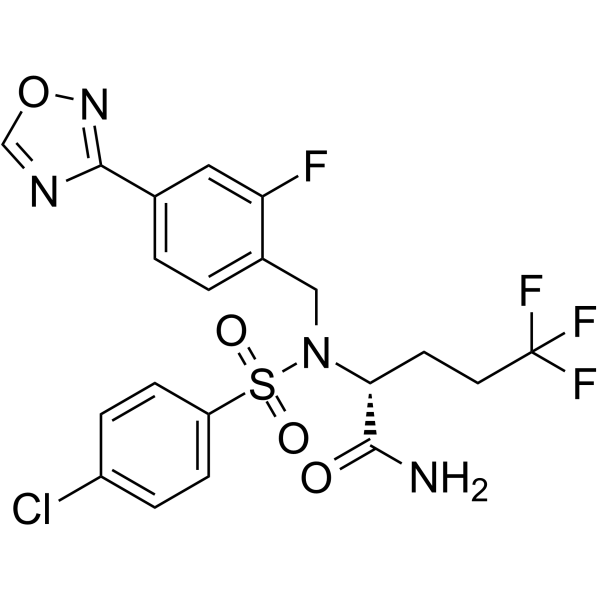
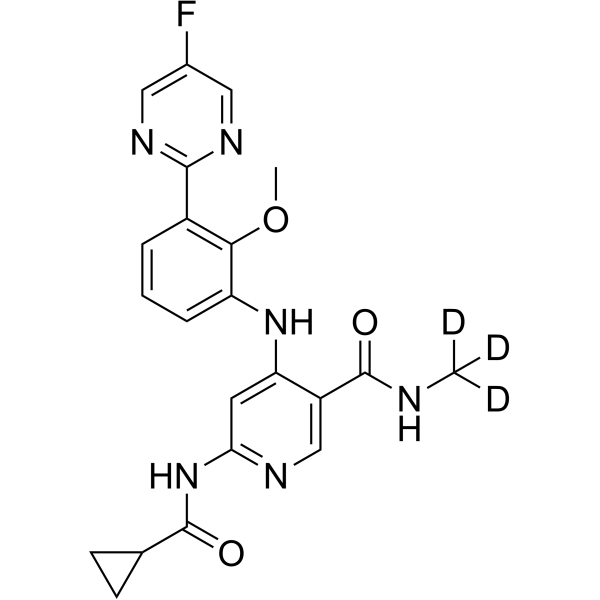
  • HY-131968
    BMS-986202
    1 Publications Verification

    JAK Cytochrome P450 Inflammation/Immunology
    BMS-986202 is a potent, selective and orally active Tyk2 inhibitor that binds to Tyk2 JH2 with an IC50 value of 0.19 nM and a Ki of 0.02 nM. BMS-986202 is remarkably selective over other kinases including Jak family members. BMS-986202 is also a weak inhibitor of CYP2C19 with an IC50 value of 14 μM. BMS-986202 can be used for IL-23-driven acanthosis, anti-CD40-induced colitis, and spontaneous lupus research. BMS-986202 is a de novo deuterium .
    BMS-986202
  • HY-W008364

    Cytochrome P450 Cannabinoid Receptor Neurological Disease
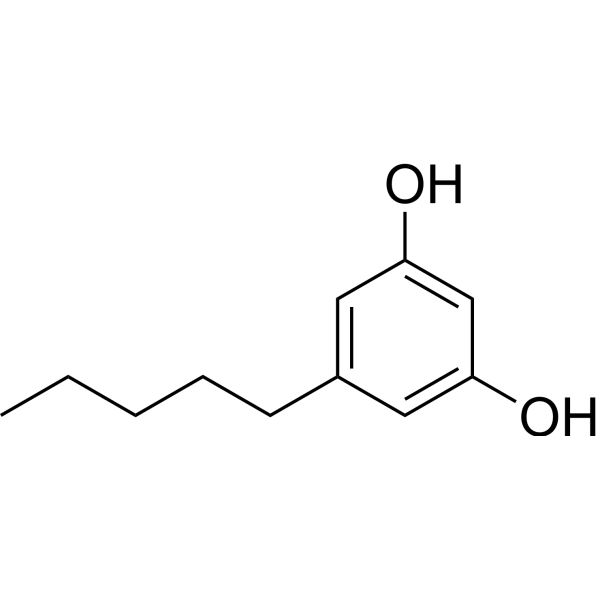
    Olivetol is a naturally phenol found in lichens and produced by certain insects, acting as a competitive inhibitor of the cannabinoid receptors CB1 and CB2 . Olivetol also inhibits CYP2C19 and CYP2D6 activity, with IC50s of 15.3 μM, 7.21 μM and Kis of 2.71 μM, 2.87 μM, respectively .
    Olivetol
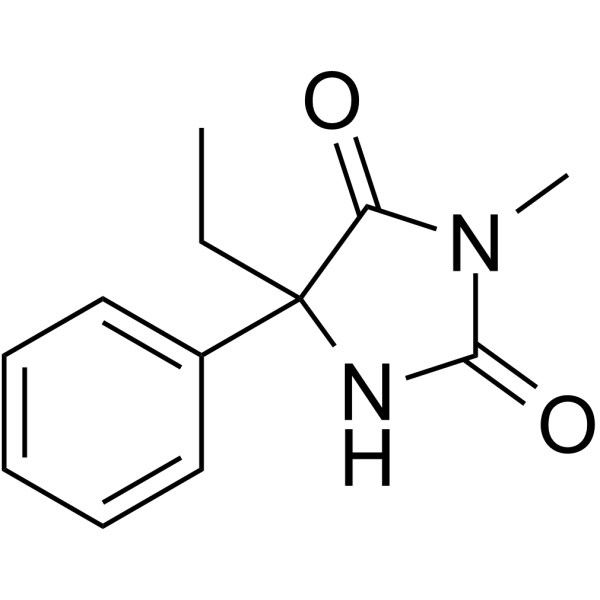
  • HY-B1184
    Mephenytoin
    2 Publications Verification

    Cytochrome P450 Neurological Disease
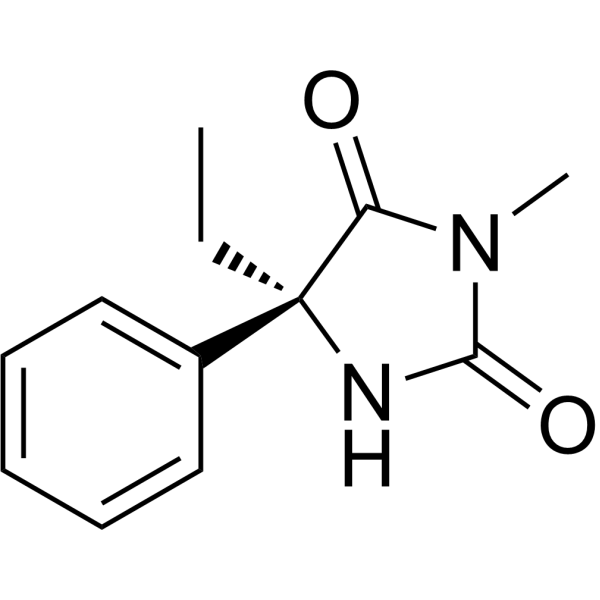
    Mephenytoin, an anticonvulsant, is the CYP2C19 and CYP2B6 substrate .
    Mephenytoin
  • HY-N0920

    7,8-Dihydrokawain; 7,8-Dihydrokavain; Marindinin

    COX Cytochrome P450 Neurological Disease Inflammation/Immunology
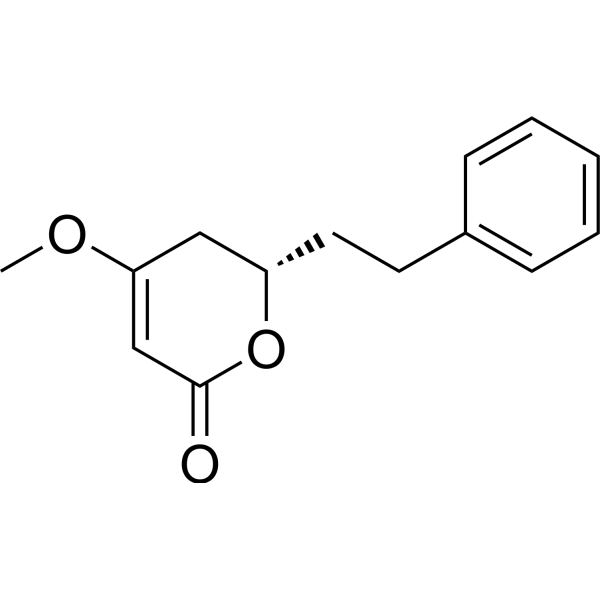
    Dihydrokavain (7,8-Dihydrokawain) is a natural kavalactone compound. Dihydrokavain inhibits COX-1, COX-2, CYP2C9 (IC50 = 130.95 μM), CYP2C19 (IC50 = 10.05 μM) and CYP3A4 (IC50 = 78.59 μM). Dihydrokavain reduces TNFα secretion. Dihydrokavain shows analgesic and anxiolytic effects .
    Dihydrokavain
  • HY-N0762
    Isobavachin
    5 Publications Verification

    Cytochrome P450 UGT p38 MAPK NF-κB NO Synthase COX Fc Receptor (FcR) RANKL/RANK Keap1-Nrf2 Reactive Oxygen Species (ROS) Apoptosis Autophagy Neurological Disease Metabolic Disease Inflammation/Immunology Cancer
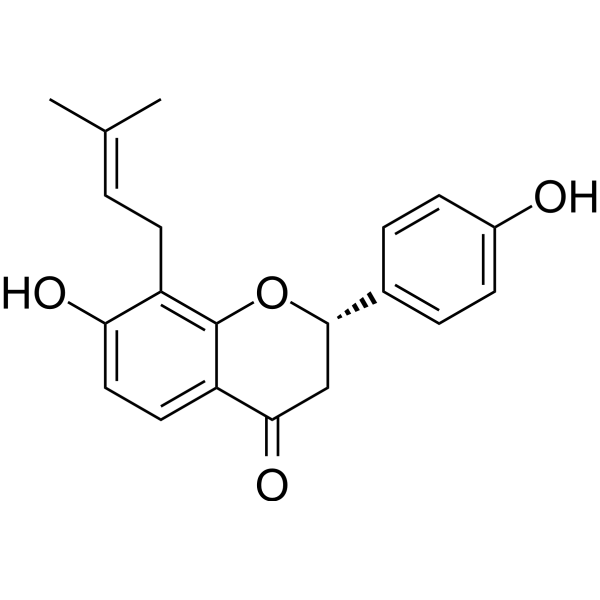
    Isobavachin is an orally active, blood-brain barrier-penetrating prenylated flavonoid present in Psoralea corylifolia. Isobavachin inhibits human CYP2B6, CYP2C9, CYP2C19, UGT1A1, UGT1A9, and UGT2B7. Isobavachin suppresses MAPK activation, NF-κB nuclear translocation, overexpression of iNOS/COX-2, FcεRI-mediated signaling pathways, and RANKL-induced osteoclastogenesis. Isobavachin induces autophagy, cytotoxicity, neuronal differentiation, and NRF2 activation; it alleviates oxidative damage, inflammatory responses, apoptosis, iron accumulation, mitochondrial biogenesis, and mast cell degranulation. Isobavachin is applicable to research related to liver injury, inflammatory diseases, osteoporosis, liver cancer, prostate cancer, glioma, periodontitis-induced bone loss, and Alzheimer's disease .
    Isobavachin
  • HY-W011235

    5-HT Receptor Calcium Channel Drug Metabolite Cardiovascular Disease Neurological Disease
    Norfluoxetine hydrochloride is an active N-demethylated metabolite of Fluoxetine. Fluoxetine is a selective serotonin (5-HT) reuptake inhibitor that is metabolized to Norfluoxetine hydrochloride by cytochrome P450 (CYP) 2D6, CYP2C19, and CYP3A4. Norfluoxetine hydrochloride inhibits 5-HT uptake and inhibits CaV3.3 T current (IC50 = 5 μM). Norfluoxetine hydrochloride has anticonvulsant activity .
    Norfluoxetine hydrochloride
  • HY-147294

    ACT-539313

    Orexin Receptor (OX Receptor) Cytochrome P450 Neurological Disease
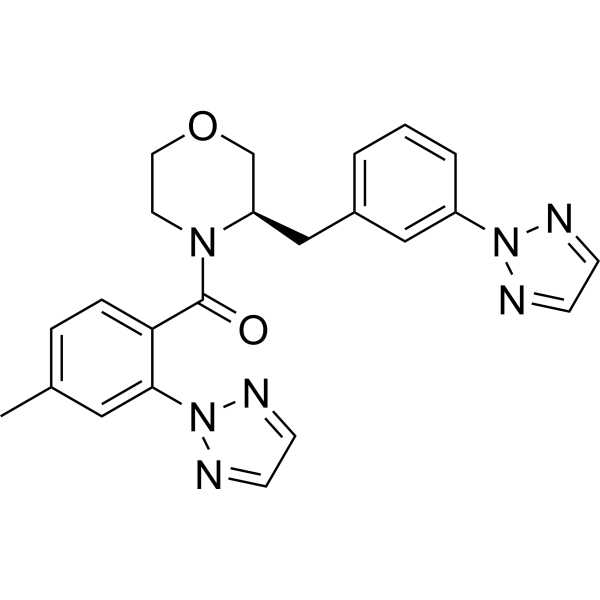
    Nivasorexant (ACT-539313) is an orally active, blood-brain barrier penetrant, selective orexin OX1R inhibitor. Nivasorexant specifically blocks central OX1Rs without affecting OX2Rs, and exhibits competitive inhibitory activity against CYP2C8, CYP2C9, CYP2C19 and CYP3A4 (IC50 values are 25 μM, 8.6 μM, 1.6 μM, 19 μM/44 μM, respectively). Nivasorexant significantly reduces binge-like eating behavior of highly palatable food in rat models and has long-acting properties. Nivasorexant shows no relevant off-target activity against over 130 selected proteins, exhibits favorable safety profiles, and can be used for studies related to binge eating disorder .
    Nivasorexant
  • HY-N5132

    Cytochrome P450 Others
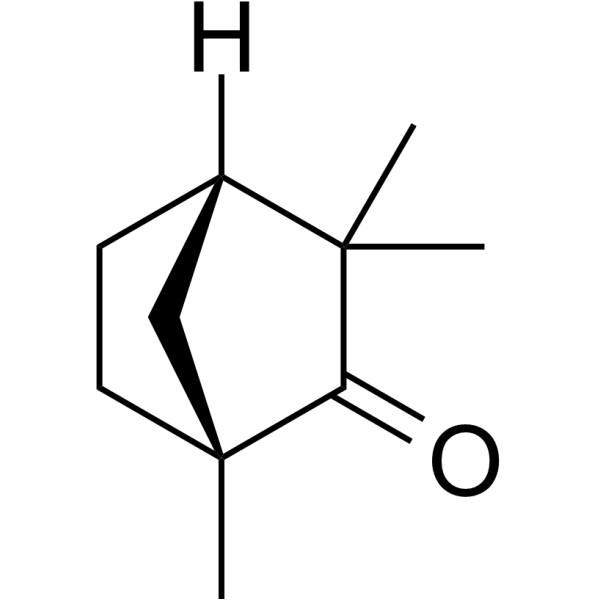
    (-)-Fenchone is a bicyclic monoterpene and serves as a substrate for human liver microsomal cytochrome P450 enzymes CYP2A6 and CYP2B6. (-)-Fenchone is not metabolized by human CYP1A1, CYP1A2, CYP1B1, CYP2C8, CYP2C9, CYP2C19, CYP2D6, CYP2E1, or CYP3A4 enzymes. (-)-Fenchone undergoes hydroxylation to produce 6-exo-hydroxyfenchone, 6-endo-hydroxyfenchone, and 10-hydroxyfenchone. During the metabolism of (-)-Fenchone, CYP2A6 may play a more important role than CYP2B6 .
    (-)-Fenchone
  • HY-126857

    Hydroxyomeprazole

    Drug Metabolite Inflammation/Immunology
    5-Hydroxyomeprazole (Hydroxyomeprazole) is a major metabolite of Omeprazole (HY-B0113) through catalysis by CYP2C19 .
    5-Hydroxyomeprazole
  • HY-N6023

    Cytochrome P450 Pregnane X Receptor (PXR) Others
    Thermopsoside is a CYP450 isoenzyme inhibitor and PXR activator. Thermopsoside inhibits CYP3A4, CYP2C19, CYP2D6 and CYP2C9 with IC50 values of 6.0 μM, 9.5 μM, 12.0 μM and 32.0 μM, respectively .
    Thermopsoside
  • HY-W013268

    (+)-N-3-Benzylnirvanol

    Cytochrome P450 Metabolic Disease
    (S)-(+)-N-3-Benzylnirvanol ((+)-N-3-Benzylnirvanol) is a selective and competitive cytochrome P450 (CYP) isoform CYP2C19 inhibitor with a Ki of 250 nM. (S)-(+)-N-3-Benzylnirvanol has low activity against CYP1A2, CYP2A6, CYP2C8, CYP2C9, CYP2D6, CYP2E1, and CYP3A4 .
    (S)-(+)-N-3-Benzylnirvanol
  • HY-116862

    DBF

    Cytochrome P450 Fluorescent Dye Others
    Dibenzylfluorescein (DBF) is a fluorogenic probe (Fluoresecent dye) that acts as a substrate for specific cytochrome P450 (CYP) isoforms, including CYP3A4, CYP2C8, CYP2C9, CYP2C19, and aromatase (CYP19). Dibenzylfluorescein is typically used near its Km value of 0.87-1.9 μM (Ex=485 nm,Em=535 nm). Dibenzylfluorescein is used to detect changes in CYP catalytic activity caused by drugs or disease .
    Dibenzylfluorescein
  • HY-N1050

    mTOR Ribosomal S6 Kinase (RSK) Bacterial Infection Neurological Disease Cancer
    Zederone is a sesquiterpene. Zederone inhibits ovarian cancer cell proliferation through mTOR/p70s6K signalling pathway. Zederone inhibits CYP activities with IC50s of 2.9 μM (CYP2B6), 9.2 μM (CYP2C9), 11,2 μM (CYP2C19) and >30 μM (CYP1A2 and CYP2D6). Zederone is hepatotoxic with LD50 value at 24 hours in mice of approximately 223 mg/kg and cytotoxic against the KG1a cell line. Zederone shows antibacterial activity against a number of multi-drug resistant and Methicillin (HY-121544)-resistant Staphylococcus aureus strain. Zederone shows cognition improving capacity and assists in the modulation of gut bacterial dysbiosis .
    Zederone
  • HY-124542

    Drug Metabolite Apoptosis Cancer
    5-Hydroxydiclofenac is a major metabolite of Diclofenac (HY-15036). 5-Hydroxydiclofenac is formed by the cytochrome P450 (CYP) isoforms CYP3A4, CYP2C189, CYP2C19, and CYP2C8. 5-Hydroxydiclofenac shows apoptotic effects in hepatocytes .
    5-Hydroxydiclofenac
  • HY-W008772S

    Drug Metabolite Others
    4-Hydroxymephenytoin-d3 is the deuterium labeled 4-Hydroxymephenytoin. 4-Hydroxymephenytoin is a metabolism of an antiepileptic agent mephenytoin, which is used as a CYP2C19 substrate .
    4-Hydroxymephenytoin-d3
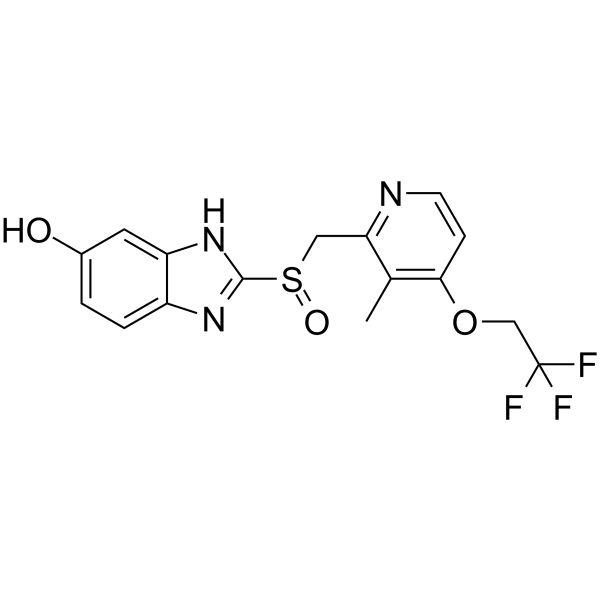
  • HY-118283
    5-Hydroxylansoprazole
    1 Publications Verification

    AG1908

    Proton Pump Metabolic Disease
    5-Hydroxylansoprazole (AG1908) is an active metabolite of Lansoprazole in plasma. Lansoprazole is metabolized by CYP2C19 forming 5-Hydroxylansoprazole. Lansoprazole is a gastric proton-pump inhibitor and is effective in the treatment of various peptic diseases .
    5-Hydroxylansoprazole
  • HY-100386R

    PCR 5332 (Standard)

    Reference Standards NTPDase Cytochrome P450 Cardiovascular Disease
    Ticlopidine (Standard) is the analytical standard of Ticlopidine. This product is intended for research and analytical applications. Ticlopidine (PCR 5332), an antithrombotic proagent, acts as an allosteric, noncompetitive inhibitor of CD39 with the IC50 of 81.7 μM. Ticlopidine blocks several NTPDase isoenzymes with IC50s of 170 μM and 149 μM for NTPDase2 and NTPDase3, respectively . Ticlopidine is an inhibitor of CYP2C19 human liver cytochrome. Ticlopidine inhibits CYP2C9 and CYP3A4 with IC50s of 26.0 and 32.3 μM, respectively .
    Ticlopidine (Standard)
  • HY-137258

    Cytochrome P450 Metabolic Disease
    (±)-N-3-Benzylnirvanol is a racemic mixture of (+)-N-3-Benzylnirvanol and (-)-N-3-Benzylnirvanol. (+)-N-3-Benzylnirvanol and (–)-N-3-Benzylnirvanol are potent and selective cytochrome P450 inhibitors with Ki values of 0.25 and 5.3 μM for CYP2C19, respectively .
    (±)-N-3-Benzylnirvanol
  • HY-17356S

    Isotope-Labeled Compounds PPAR Cytochrome P450 Autophagy Cardiovascular Disease Cancer
    Fenofibrate-d6 is the deuterium labeled Fenofibrate. Fenofibrate is a selective PPARα agonist with an EC50 of 30 μM. Fenofibrate also inhibits human cytochrome P450 isoforms, with IC50s of 0.2, 0.7, 9.7, 4.8 and 142.1 μM for CYP2C19, CYP2B6, CYP2C9, CYP2C8, and CYP3A4, respectively.
    Fenofibrate-d6
  • HY-170538

    Lysyl Oxidase Cytochrome P450 Cardiovascular Disease Metabolic Disease
    SNT-5382 is a lysyl oxidase family (LOX) inhibitor and anti-fibrotic agent. SNT-5382 binds to the LTQ cofactor of LOXL2 and inhibits the enzymatic activities of LOXL3, LOXL4, LOXL1, CYP2C9, and CYP2C19. SNT-5382 reduces cardiac and liver fibrosis as well as collagen crosslinks, and improves cardiac function. SNT-5382 can be used for the research of heart failure, myocardial infarction, and nonalcoholic steatohepatitis-related liver fibrosis .
    SNT-5382
  • HY-B0113R

    H 16868 (Standard)

    Reference Standards Na+/K+ ATPase Interleukin Related Proton Pump Cytochrome P450 Bacterial Apoptosis Autophagy TNF Receptor Atg8/LC3 Infection Metabolic Disease Cancer
    Omeprazole (Standard) is the analytical standard of Omeprazole. This product is intended for research and analytical applications. Omeprazole (H 16868) is an orally active H +,K +-ATPase inhibitor and a proton pump inhibitor. Omeprazole competitively inhibits CYP2C19, CYP3A4, and CYP2C9 activity. Omeprazole inhibits gastric acid secretion and can be used for acid-related gastrointestinal disorders. Omeprazole inhibits pancreatic cancer cell proliferation, induces apoptosis, autophagosome accumulation (elevated LC3-I and LC3-II levels), oxidative stress, and cytogenetic imbalance, modulates lysosomal transport, reduces inflammatory cytokines. Omeprazole alters small intestinal morphology and magnesium absorption, and induces gastric mucosa morphologic changes. Omeprazole aslo has neuroprotective and antibacterial effects .
    Omeprazole (Standard)
  • HY-B0113S
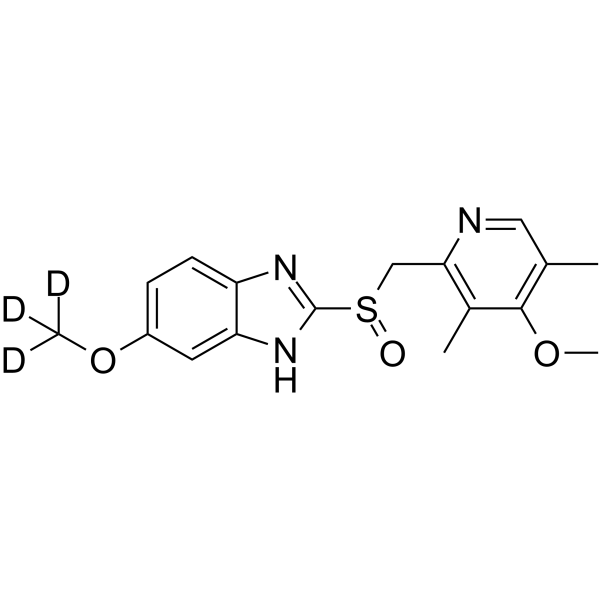
    Omeprazole-d3
    1 Publications Verification

    H 16868-d3

    Na+/K+ ATPase Interleukin Related Proton Pump Cytochrome P450 Bacterial Apoptosis Autophagy TNF Receptor Atg8/LC3 Infection Metabolic Disease Cancer
    Omeprazole-d3 (H 16868-d3) is deuterium labeled Omeprazole. Omeprazole (H 16868) is an orally active H +,K +-ATPase inhibitor and a proton pump inhibitor. Omeprazole competitively inhibits CYP2C19, CYP3A4, and CYP2C9 activity. Omeprazole inhibits gastric acid secretion and can be used for acid-related gastrointestinal disorders. Omeprazole inhibits pancreatic cancer cell proliferation, induces apoptosis, autophagosome accumulation (elevated LC3-I and LC3-II levels), oxidative stress, and cytogenetic imbalance, modulates lysosomal transport, reduces inflammatory cytokines. Omeprazole alters small intestinal morphology and magnesium absorption, and induces gastric mucosa morphologic changes. Omeprazole aslo has neuroprotective and antibacterial effects .
    Omeprazole-d3
  • HY-B1184AR

    (+)-Mephenytoin (Standard)

    Reference Standards Cytochrome P450 Neurological Disease
    (S)-Mephenytoin (Standard) is the analytical standard of (S)-Mephenytoin. This product is intended for research and analytical applications. (S)-Mephenytoin ((+)-Mephenytoin) is an anticonvulsive agent. (S)-Mephenytoin is a substrate of the cytochrome P450 (CYP) isoform CYP2C19. (S)-Mephenytoin can be used for the analysis of cytochrome P450 metabolism .
    (S)-Mephenytoin (Standard)
  • HY-W157689
    IDE-IN-2
    1 Publications Verification

    Proteolytic Enzyme IDE Infection Metabolic Disease Cancer
    IDE-IN-2 (Compound 4) is an inhibitor for insulin-degrading enzyme. IDE-IN-2 is predicted to have CYP3A4, CYP2C19, hERG, NADP+, HIF1α and histidine kinase inhibitory activities, and has potential biological activity in anti-diabetic, anti-tumor, anti-bacterial aspects, according to the in silico prediction .
    IDE-IN-2
  • HY-17356R
    Fenofibrate (Standard)
    Maximum Cited Publications
    33 Publications Verification

    Reference Standards PPAR Cytochrome P450 Autophagy Cardiovascular Disease Cancer
    Fenofibrate (Standard) is the analytical standard of Fenofibrate. This product is intended for research and analytical applications. Fenofibrate is a selective PPARα agonist with an EC50 of 30 μM. Fenofibrate also inhibits human cytochrome P450 isoforms, with IC50s of 0.2, 0.7, 9.7, 4.8 and 142.1 μM for CYP2C19, CYP2B6, CYP2C9, CYP2C8, and CYP3A4, respectively.
    Fenofibrate (Standard)
  • HY-109546

    Na+/K+ ATPase Interleukin Related Proton Pump Cytochrome P450 Bacterial Apoptosis Autophagy TNF Receptor Atg8/LC3 Infection Metabolic Disease Cancer
    Omeprazole (H 16868) magnesium is an orally active H +,K +-ATPase inhibitor and a proton pump inhibitor. Omeprazole magnesium competitively inhibits CYP2C19, CYP3A4, and CYP2C9 activity. Omeprazole magnesium inhibits gastric acid secretion and can be used for acid-related gastrointestinal disorders. Omeprazole magnesium inhibits pancreatic cancer cell proliferation, induces apoptosis, autophagosome accumulation (elevated LC3-I and LC3-II levels), oxidative stress, and cytogenetic imbalance, modulates lysosomal transport, reduces inflammatory cytokines. Omeprazole magnesium alters small intestinal morphology and magnesium absorption, and induces gastric mucosa morphologic changes. Omeprazole magnesium aslo has neuroprotective and antibacterial effects .
    Omeprazole magnesium
  • HY-B0113S3

    H 16868-13C,d3

    Isotope-Labeled Compounds Na+/K+ ATPase Interleukin Related Proton Pump Cytochrome P450 Bacterial Apoptosis Autophagy TNF Receptor Atg8/LC3 Infection Metabolic Disease Cancer
    Omeprazole- 13C,d3 is a 13C-labeled and deuterium labeled Omeprazole. Omeprazole (H 16868) is an orally active H +,K +-ATPase inhibitor and a proton pump inhibitor. Omeprazole competitively inhibits CYP2C19, CYP3A4, and CYP2C9 activity. Omeprazole inhibits gastric acid secretion and can be used for acid-related gastrointestinal disorders. Omeprazole inhibits pancreatic cancer cell proliferation, induces apoptosis, autophagosome accumulation (elevated LC3-I and LC3-II levels), oxidative stress, and cytogenetic imbalance, modulates lysosomal transport, reduces inflammatory cytokines. Omeprazole alters small intestinal morphology and magnesium absorption, and induces gastric mucosa morphologic changes. Omeprazole aslo has neuroprotective and antibacterial effects .
    Omeprazole-13C,d3
  • HY-116780A

    Cytochrome P450 Neurological Disease
    Prothipendyl hydrochloride is a tricyclic azaphenothiazine neuroleptic agent. Prothipendyl hydrochloride is a substrate of the CYP isozymes CYP1A2, CYP2D6, CYP2C19 and CYP3A4. Prothipendyl hydrochloride has sedating and psychomotorically damping effects. Prothipendyl hydrochloride can be used for psychomotoric agitation, sleep disorder and anxiety research .
    Prothipendyl hydrochloride
  • HY-RS03458

    Small Interfering RNA (siRNA) Others

    CYP2C19 Human Pre-designed siRNA Set A contains three designed siRNAs for CYP2C19 gene (Human), as well as a negative control, a positive control, and a FAM-labeled negative control.

    CYP2C19 Human Pre-designed siRNA Set A
    CYP2C19 Human Pre-designed siRNA Set A
  • HY-129923

    Cytochrome P450 Neurological Disease
    (R)-Omeprazole sodium is a gastric acid resistant compound with activity to inhibit gastric acid secretion. (R)-Omeprazole sodium is metabolized in vivo, and its metabolism is primarily affected by cytochrome P450 enzymes. The interaction between (R)-Omeprazole sodium and mannitol may affect its bioavailability in formulations. (R)-Omeprazole sodium exhibits reversible direct and metabolism-dependent inhibition of CYP2C19 .
    (R)-Omeprazole sodium
  • HY-151251

    Cytochrome P450 Virus Protease Infection
    CYP2C9/CYP2C19-IN-1 (compound 22d) is a potent CYP2C9/CYP2C19 inhibitor, possessing no hepatotoxicity and ames toxicity. CYP2C9/CYP2C19-IN-1 can be used in study of anti-ZIKV .
    CYP2C9/CYP2C19-IN-1
  • HY-W587878

    Cytochrome P450 Pyruvate Kinase Fungal Apoptosis Insecticide Infection Cancer
    Thujopsene is the inhibitor for cytochrome P450, that inhibits CYP2B6, CYP3A4, CYP2C19, CYP2C8, CYP2C9 with IC50s of 1.3, 12.6, 13.6, 29.8, and 44.9 μM, respectively. Thujopsene binds to PKM2, inhibits the metabolism pathway of cancer cell, induces apoptosis in MKN45, thereby exhibiting antitumor efficacy. Thujopsene exhibits anti-termite and antifungal activities through autoxidation .
    Thujopsene
  • HY-12946

    Glucocorticoid Receptor Cytochrome P450 HCV Protease Infection Inflammation/Immunology
    BI 653048, a chemical probe, is a selective and orally active nonsteroidal glucocorticoid (GC) agonist with an IC50 value of 55 nM . BI 653048 inhibits CP1A2, CYP2D6, CYP2C9, CYP2C19 and CYP3A4 isoforms’ activity and reduces affinity for the hERG ion channel (IC50>30 μM) . BI 653048 (Compound 103) is also a HCV NS3 protease inhibitor that can reduce viral loads infected with the hepatitis C virus .
    BI 653048
  • HY-151254

    Cytochrome P450 Influenza Virus DNA/RNA Synthesis Infection
    CYP2C19-IN-1 (compound 20d) is a potent CYP2C19 inhibitor, possessing no hepatotoxicity and ames toxicity. CYP2C19-IN-1 inhibits RNA-dependent RNA polymerase (RdRP) with a Ki value of 6.16 µM. CYP2C19-IN-1 can be used in study of anti-ZIKV .
    CYP2C19-IN-1
  • HY-155732

    Parasite Infection
    NPD-2975 (compound 30) is an orally active antitrypanosomal agent, against Human African Trypanosomiasis (HAT). NPD-2975 has low toxicity potential against human MRC-5 lung fibroblasts, and acute mouse model of T. b. brucei infection. NPD-2975 shows acceptable metabolic stability, inhibits T. b. brucei with IC500 of 70 nM in vitro. NPD-2975 also inhibits CYP enzymes resulted in IC50 values of 0.16 and 0.42 μM against CYP1A2 and CYP2C19, respectively .
    NPD-2975
  • HY-151253

    Cytochrome P450 Virus Protease Infection
    CYP2C1/CYP2C19-IN-2 (compound 21d) is a potent CYP2C9/CYP2C19 inhibitor, possessing no hepatotoxicity and ames toxicity. CYP2C1/CYP2C19-IN-2 can be used in study of anti-ZIKV .
    CYP2C1/CYP2C19-IN-2
  • HY-135111

    Drug Metabolite Infection Metabolic Disease Cancer
    4-Desmethoxy Omeprazole is the active metabolite of Omeprazole. Omeprazole, a proton pump inhibitor (PPI), is available for treatment of acid-related gastrointestinal disorders. Omeprazole shows competitive inhibition of CYP2C19 activity with a Ki of 2 to 6 μM . Omeprazole also inhibits growth of Gram-positive and Gram-negative bacteria .
    4-Desmethoxy Omeprazole
  • HY-W140208

    Cytochrome P450 Neurological Disease
    3-Phenylthiophene (Compound 25) is a CYP2A6 inhibitor with a Ki value of 3.3 μM. The Ki values for CYP2E1, CYP2B6, CYP2C9, and CYP2C19 are 9.7, 14, 112, and 107 μM respectively. It shows no significant inhibition on CYP3A4 and CYP2D6. 3-Phenylthiophene can be used in smoking cessation research .
    3-Phenylthiophene
  • HY-17356G

    Cytochrome P450 PPAR Autophagy Cardiovascular Disease
    Fenofibrate (GMP) is Fenofibrate (HY-17356) produced by using GMP guidelines. GMP small molecules work appropriately as an auxiliary reagent for cell therapy manufacture. Fenofibrate is a selective PPARα agonist with an EC50 of 30 μM. Fenofibrate also inhibits human cytochrome P450 isoforms, with IC50s of 0.2, 0.7, 9.7, 4.8 and 142.1 μM for CYP2C19, CYP2B6, CYP2C9, CYP2C8, and CYP3A4, respectively.
    Fenofibrate
  • HY-12946A

    Glucocorticoid Receptor Cytochrome P450 HCV Protease Infection Inflammation/Immunology
    BI 653048 phosphate is a selective and orally active nonsteroidal glucocorticoid (GC) agonist with an IC50 value of 55 nM . BI 653048 phosphate inhibits CP1A2, CYP2D6, CYP2C9, CYP2C19 and CYP3A4 isoforms’ activity and reduces affinity for the hERG ion channel (IC50>30 μM) . BI 653048 phosphate is extracted from patent WO2005028501A1 (Compound 103), is also a HCV NS3 protease inhibitor that can reduce viral loads infected with the hepatitis C virus .
    BI 653048 phosphate

Inquiry Online

Your information is safe with us. * Required Fields.

Salutation


Country or Region *

Applicant Name *


Organization Name *

Department *


Email Address *


Product Name *

Cat. No.


Requested quantity *

Phone Number *


Remarks

Inquiry Online

Inquiry Information

Product Name:
Cat. No.:
Quantity:
MCE Japan Authorized Agent:

