



1. Search Result
Search Result
Pathways Recommended: Stem Cell/Wnt Cell Cycle/DNA Damage
Results for "

Cell fusion

" in MedChemExpress (MCE) Product Catalog:

196

Inhibitors & Agonists

1

Screening Libraries

17

Fluorescent Dye

12

Biochemical Assay Reagents

36

Peptides

3

MCE Kits

39

Inhibitory Antibodies

7

Natural
Products

1

Recombinant Proteins

1

Isotope-Labeled Compounds

2

Antibodies

2

Click Chemistry

8

Oligonucleotides

1

GMP Molecules

Cat. No. Product Name Target Research Areas Chemical Structure
  • HY-B0795
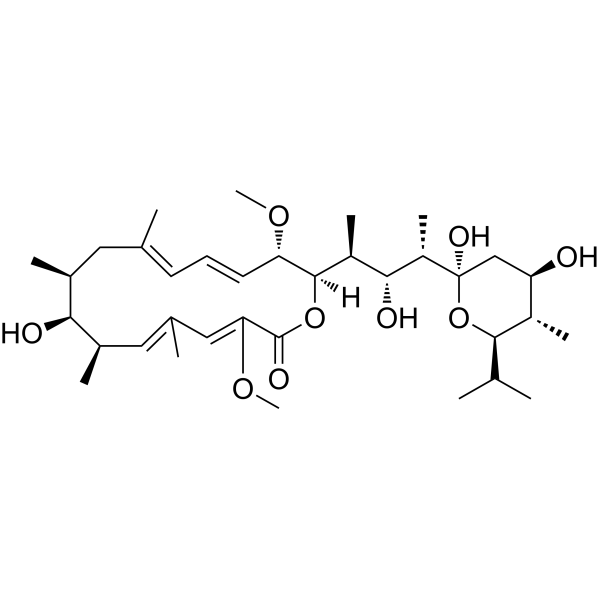
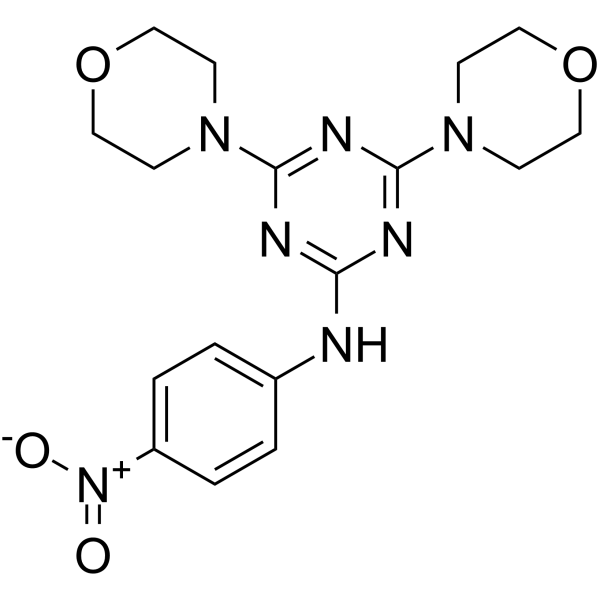
    MHY1485
    200+ Cited Publications

    mTOR Autophagy Cancer
    MHY1485 is a potent cell-permeable mTOR activator that targets the ATP domain of mTOR. MHY1485 inhibits autophagy by suppression of fusion between autophagosomes and lysosomes .
    MHY1485
  • HY-P0175
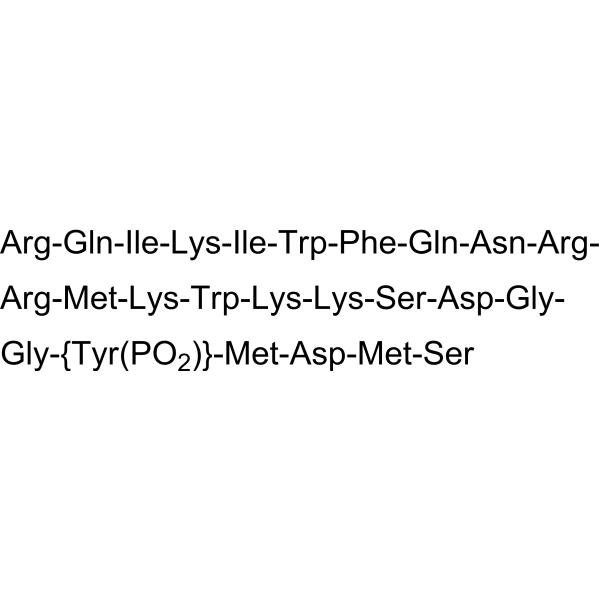
    740 Y-P
    240+ Cited Publications

    740YPDGFR; PDGFR 740Y-P

    PI3K Autophagy Cancer
    740 Y-P (740YPDGFR; PDGFR 740Y-P) is a potent and cell-permeable PI3K activator. 740 Y-P readily binds GST fusion proteins containing both the N- and C- terminal SH2 domains of p85 but fails to bind GST alone .
    740 Y-P
  • HY-13992
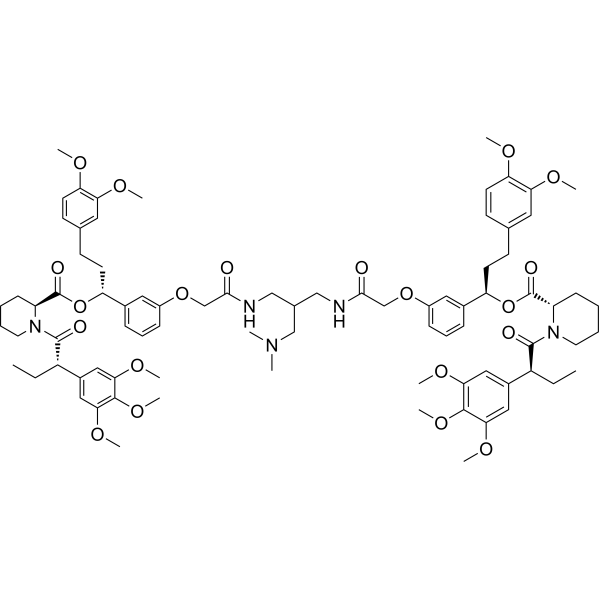
    AP20187
    45+ Cited Publications

    B/B Homodimerizer

    FKBP Metabolic Disease
    AP20187 (B/B Homodimerizer) is a cell-permeable ligand used to dimerize FK506-binding protein (FKBP) fusion proteins and initiate biological signaling cascades and gene expression or disrupt protein-protein interactions.
    AP20187
  • HY-129047
    Trypsin
    15+ Cited Publications

    Ser/Thr Protease Protease Activated Receptor (PAR) Infection Inflammation/Immunology
    Trypsin is a serine protease enzyme, and hydrolyzes proteins at the carboxyl side of the Lysine or Arginine. Trypsin activates PAR2 and PAR4. Trypsin induces cell-to-cell membrane fusion in PDCoV infection by the interaction of S glycoprotein of PDCoV and pAPN. Trypsin also promotes cell proliferation and differentiation. Trypsin can be used in the research of wound healing and neurogenic inflammation .
    Trypsin
  • HY-108847
    Etanercept
    Maximum Cited Publications
    15 Publications Verification

    TNF Receptor Bacterial Inflammation/Immunology Cancer
    Etanercept, a dimeric fusion protein that binds TNF, acts as a TNF inhibitor. Etanercept competitively inhibits the binding of both TNF-α and TNF-β to cell surface TNF receptors, rendering TNF biologically inactive. Etanercept shows efficacy against rheumatoid arthritis, juvenile idiopathic arthritis, and plaque psoriasis .
    Etanercept
  • HY-131042
    NNMTi
    5+ Cited Publications

    Amine N-methyltransferase Metabolic Disease
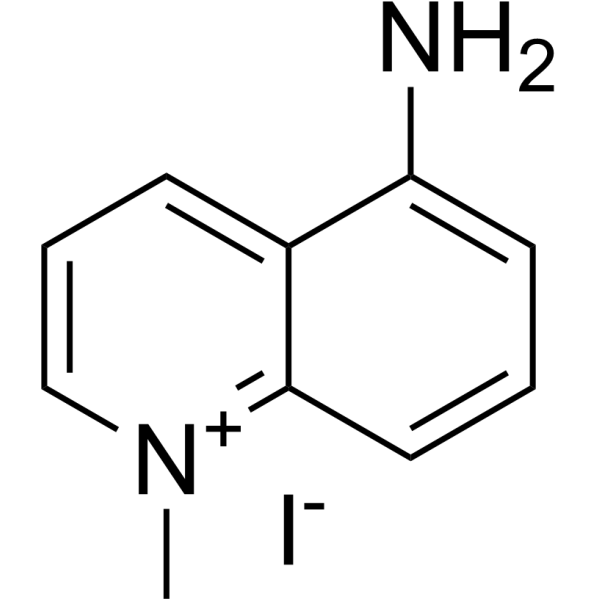
    NNMTi is a potent nicotinamide N-methyltransferase (NNMT) inhibitor (IC50=1.2 μM) and selectively binds to the NNMT substrate-binding site residues . NNMTi  promotes myoblast differentiation in vitro and enhances fusion and regenerative capacity of muscle stem cells (muSCs) in aged mice .
    NNMTi
  • HY-108829
    Abatacept
    1 Publications Verification

    CTLA4lg; BMS-188667

    CTLA-4 Inflammation/Immunology Cancer
    Abatacept (CTLA4lg) is a soluble fusion protein consisting of the extra-cellular domain of human CTLA4 and a fragment of the Fc portion of human IgG1 (hinge and CH2 and 3 domains) . Abatacept is a selective T-cell co-stimulation modulator and a protein agent for the autoimmune diseases .
    Abatacept
  • HY-129047A

    Ser/Thr Protease Protease Activated Receptor (PAR) Infection Inflammation/Immunology
    Trypsin MS grade is a serine protease enzyme, and hydrolyzes proteins at the carboxyl side of the Lysine or Arginine. Trypsin MS grade activates PAR2 and PAR4. Trypsin MS grade induces cell-to-cell membrane fusion in PDCoV infection by the interaction of S glycoprotein of PDCoV and pAPN. Trypsin MS grade also promotes cell proliferation and differentiation. Trypsin MS grade can be used in the research of wound healing and neurogenic inflammation .
    Trypsin (MS grade)
  • HY-13491
    GNF-5837
    4 Publications Verification

    Trk Receptor Cancer
    GNF-5837 is a potent, selective, and orally bioavailable pan-tropomyosin receptor kinase (TRK) inhibitor which display antiproliferative effects in cellular Ba/F3 assays ( IC50 values of 7 nM, 9 nM and 11 nM for cells containing the fusion proteins Tel-TrkC, Tel-TrkB and Tel-TrkA, respectively) .
    GNF-5837
  • HY-P4108

    Influenza Virus Infection
    TAT-HA2 Fusion Peptide is a peptide-based delivery agent that combines the pH-sensitive HA2 fusion peptide from Influenza and the cell-penetrating peptide TAT from HIV. TAT-HA2 Fusion Peptide is a transactivator of transcription and hemaglutanin for endosomal release. TAT-HA2 Fusion Peptide enhances cellular uptake of macromolecules .
    TAT-HA2 Fusion Peptide
  • HY-U00434
    3BDO
    20+ Cited Publications

    mTOR Autophagy Apoptosis Infection Inflammation/Immunology
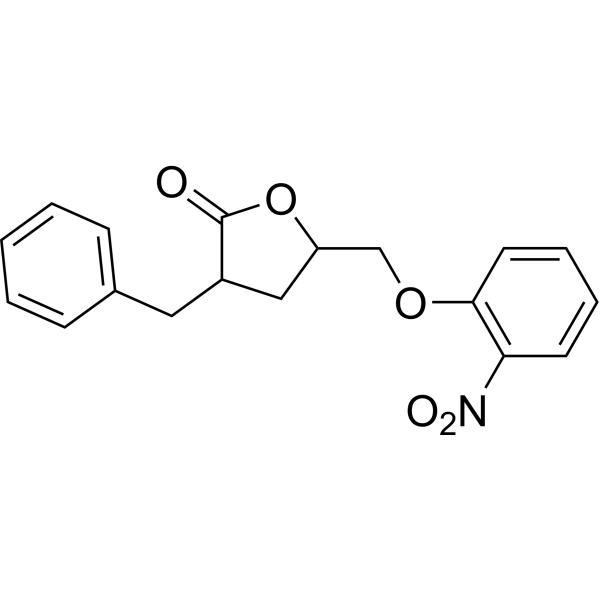
    3BDO is a IFITM3 modulator and mTOR activator with antiviral and autophagy-inhibiting effects. 3BDO exhibits inhibitory activity against porcine coronaviruses. 3BDO increases the protein abundance of IFITM3, inhibits virus-cell membrane fusion, and blocks viral entry. 3BDO inhibits the entry of transmissible gastroenteritis virus, porcine epidemic diarrhea virus, and porcine respiratory coronavirus into host cells. 3BDO can be used for research on porcine coronavirus infection .
    3BDO
  • HY-P99339

    IMCgp100

    Interleukin Related TNF Receptor Cancer
    Tebentafusp (IMCgp100) is a bispecific fusion protein to target gp100 peptide-HLA-A*02:01 (a melanoma-associated antigen). Tebentafusp guides T cells to kill gp100-expressing tumor cells via a high affinity T-cell receptor (TCR) binding domain and an anti-CD3 T-cell engaging domain. Tebentafusp leads to inflammatory cytokines and cytolytic proteins production, resulting in the direct lysis of tumour cells .
    Tebentafusp
  • HY-156794

    DSP-5336

    Epigenetic Reader Domain FLT3 Cancer
    Enzomenib (DSP-5336) is an orally active Menin inhibitor (IC50=1.4 nM, Kd=6.0 nM). Enzomenib disrupts the interaction between Menin and KMT2A/MLL fusion proteins, specifically inhibits the expression of leukemia driver genes such as HOX/MEIS1, and upregulates ITGAM. Enzomenib effectively induces cell differentiation, inhibits tumor cell proliferation, and suppresses primitive cell colony formation. Enzomenib reduces disease burden and prolongs survival, but causes adverse reactions including differentiation syndrome and QTc interval prolongation. Enzomenib is used for research on relapsed/refractory acute myeloid leukemia, acute lymphoblastic leukemia, and other hematologic malignancies with mixed lineage leukemia (MLL) rearrangements or NPM1 mutations .
    Enzomenib
  • HY-P99420

    ALPN-101

    CD28 Inflammation/Immunology
    Acazicolcept (ALPN-101), an Fc fusion protein, is a dual inducible T cell costimulator (ICOS)/CD28 antagonist. Acazicolcept has anti-inflammatory activities .
    Acazicolcept
  • HY-P990717

    IMC-F106C

    CD3 Cancer
    Brenetafusp is a TCR/anti-CD3 bispecific fusion protein, consisting of a TCR targeting the PRAME peptide and an anti-CD3 scFv effector domain. Brenetafusp redirects CD3 + T cells to kill PRAME + tumor cells. Brenetafusp can be used in research related to cutaneous melanoma, non-small cell lung cancer, ovarian cancer, endometrial cancer, triple-negative breast cancer, and small cell lung cancer .
    Brenetafusp
  • HY-P5307

    INF7-A5K-TAT

    Biochemical Assay Reagents Others
    Peptide A5K (INF7-A5K-TAT) is an amphiphilic peptide derived from the HA2-TAT fusion scaffold. Peptide A5K can non-covalently bind to CRISPR ribonucleoproteins and efficiently deliver them to cells, such as primary human T cells, B cells, and NK cells. Peptide A5K enables low-toxicity, precise, and multiplex genome editing, holding great application potential in the field of cell therapy .
    Peptide A5K
  • HY-14904A
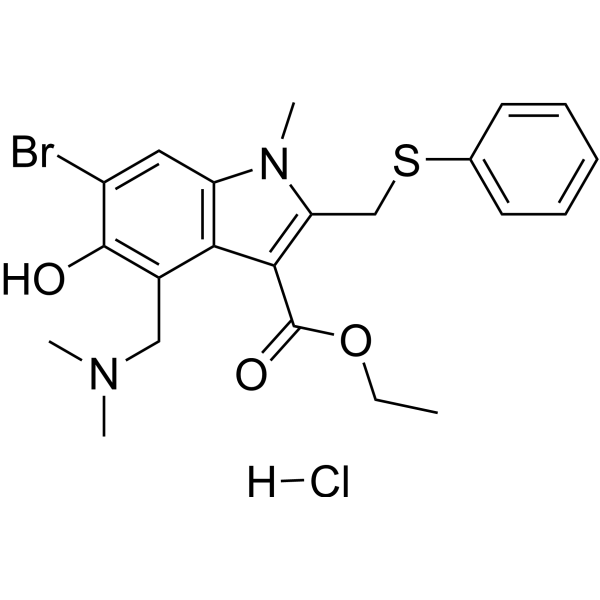
    Umifenovir hydrochloride
    10+ Cited Publications

    Influenza Virus SARS-CoV CHIKV Infection
    Umifenovir hydrochloride is a potent, orally active broad-spectrum antiviral with activity against a number of enveloped and non-enveloped viruses. Umifenovir hydrochloride is used as an anti-influenza virus agent. Umifenovir hydrochloride could effectively inhibit the fusion of virus with host cells . Umifenovir hydrochloride is an efficient inhibitor of SARS-CoV-2 in vitro. Anti-inflammatory activity .
    Umifenovir hydrochloride
  • HY-108829A
    Abatacept (powder)
    1 Publications Verification

    CTLA4lg (powder); BMS-188667 (powder); Orencia

    CTLA-4 Inflammation/Immunology Cancer
    Abatacept (CTLA4lg; BMS-188667) powder is a soluble fusion protein consisting of the extra-cellular domain of human CTLA4 and a fragment of the Fc portion of human IgG1 (hinge and CH2 and 3 domains). Abatacept powder is a selective T-cell co-stimulation modulator and a protein agent for the autoimmune diseases .
    Abatacept (powder)
  • HY-P99446

    TACI-Ig; TACI-Fc 5

    TNF Receptor Inflammation/Immunology
    Atacicept (TACI-Ig) is a is a recombinant fusion protein containing the extracellular, ligand-binding portion of the TACI receptor and the Fc portion of human IgG. Atacicept inhibits B cell stimulation by binding to B lymphocyte stimulator and a proliferation-inducing ligand. Atacicept can be used in research of B-cell autoimmune disease .
    Atacicept
  • HY-137465

    PROTACs Trk Receptor Cancer
    CG428 is a potent and selective CRBN-dependent tropomyosin receptor kinase (TRK) PROTAC degrader that has anti-tumor activity. CG428 reduces levels of the tropomyosin 3 TPM3-TRKA fusion protein in KM12 colorectal carcinoma cells (DC50 = 0.36 nM) and inhibits downstream PLCγ1 phosphorylation (IC50 = 0.33 nM). CG428 has a higher binding affinity for TRKA than TRKB and TRKC (Kd = 1 nM, 28 nM and 4.2 nM, respectively). CG428 can be used for the research of colorectal carcinoma .
    CG428
  • HY-13464

    Brigatinib analog

    Anaplastic lymphoma kinase (ALK) EGFR Cancer
    ALK-IN-1 is an orally active, blood-brain barrier-permeable ALK and EGFR inhibitor. ALK-IN-1 binds to and inhibits ALK kinase, ALK fusion proteins, and wild-type and mutant EGFR variants, thereby disrupting their corresponding signaling pathways. ALK-IN-1 can suppress the growth and proliferation of tumor cells and exhibits potential inhibitory activity against mutant EGFR. ALK-IN-1 can be used in the research of non-small-cell lung cancer .
    ALK-IN-1
  • HY-P99480

    M7824; MSB0011359C

    TGF-β Receptor Cancer
    Bintrafusp alfa (M 7824) is a first-in-class bifunctional fusion protein composed of the extracellular domain of TGF-βRII fused to a human IgG1 mAb blocking programmed cell death ligand. Bintrafusp alfa can be used for the research of cancer .
    Bintrafusp alfa
  • HY-P99752

    ALKS 4230; RDB-1450

    Interleukin Related Inflammation/Immunology Cancer
    Nemvaleukin alfa (ALKS 4230) is a IL-2 fusion protein that selectively binds to intermediate-affinity IL-2R. Nemvaleukin alfa is an activator of NK and effector T cells. Nemvaleukin alfa can be used for research of cancer .
    Nemvaleukin alfa
  • HY-158742
    SBB-Analogue (GL13) Biotin
    1 Publications Verification

    GL13; SBB-A-B

    Tyrosinase Others
    SBB-Analogue (GL13) Biotin (GL13; SBB-A-B) consists of a Sudan Black B (SBB) (HY-D0213) derivative conjugated with biotin. SBB-Analogue (GL13) Biotin potently detects senescent cells and eliminates the drawback of false-positive staining caused by serum starvation and cell fusion in SA-β-gal assays. SBB-Analogue (GL13) Biotin can be used in flow cytometry, immunofluorescence analysis, and other applications .
    SBB-Analogue (GL13) Biotin
  • HY-14904
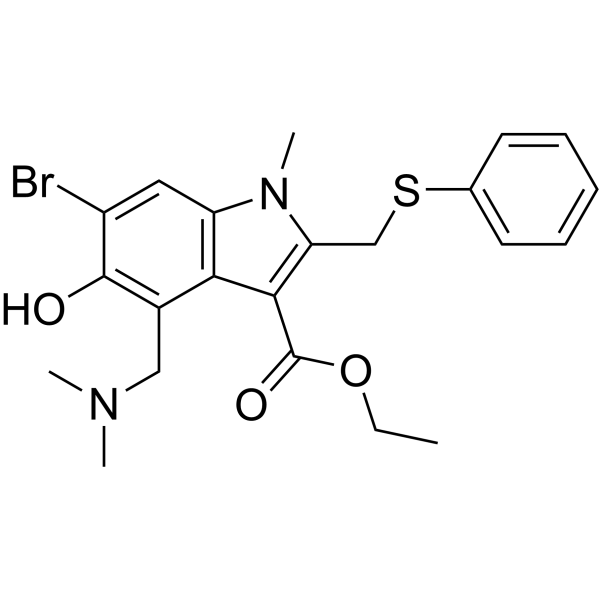
    Umifenovir
    10+ Cited Publications

    SARS-CoV Influenza Virus CHIKV Infection
    Umifenovir is a potent, orally active broad-spectrum antiviral agent with activity against a number of enveloped and non-enveloped viruses. Umifenovir is used as an anti-influenza virus agent. Umifenovir could effectively inhibit the fusion of virus with host cells . Umifenovir is an efficient inhibitor of SARS-CoV-2 in vitro . Umifenovir shows anti-inflammatory activity .
    Umifenovir
  • HY-P99667
    Ipafricept
    4 Publications Verification

    OMP-54F28; FZD8-Fc

    Wnt Cancer
    Ipafricept (OMP-54F28; FZD8-Fc) is a first class recombinant fusion protein with the extracellular part of the human frizzled-8 receptor fused to a human IgG1 Fc fragment that binds Wnt ligands, which blocks Wnt signaling. Ipafricept reduces tumor growth and results in a decrease in both liver and lung metastases combined with Gemcitabine (HY-17026) in pancreatic cancer mouse models. Ipafricept shows solid tumor inhibition activity with well tolerance, such as desmoid tumor, germ cell cancer, ovarian cancer .
    Ipafricept
  • HY-P99845

    MEDI 4920; VIB 4920

    TNF Receptor Inflammation/Immunology
    Dazodalibep (MEDI 4920; VIB 4920) is a non-antibody fusion protein that targets CD40L. Dazodalibep inhibits the co-stimulatory signals between immune cells (such as T cells, B cells, and antigen-presenting cells), thereby enabling the inhibition of a broader range of cellular and humoral responses. Dazodalibep can be used for research on rheumatoid arthritis and Sjögren's syndrome .
    Dazodalibep
  • HY-139533

    Biochemical Assay Reagents Others
    Phosphatidylinositols, soya, sodium salts is a mixture of phosphatidylinositols. Phosphoinositides are lipids involved in the vesicular transport of proteins and lipids between the different compartments of eukaryotic cells. They act by recruiting and/or activating effector proteins and thus are involved in regulating various cellular functions, such as vesicular budding, membrane fusion and cytoskeleton dynamics .
    Phosphatidylinositols, soya, sodium salts
  • HY-141429A
    AS-99 TFA
    2 Publications Verification

    Histone Methyltransferase Apoptosis Cancer
    AS-99 TFA is a first-in-class, potent and selective ASH1L histone methyltransferase inhibitor (IC50= 0.79 μM, Kd= 0.89 μM) with anti-leukemic activity. AS-99 TFA blocks cell proliferation, induces apoptosis and differentiation, downregulates MLL fusion target genes, and reduces the leukemia burden in vivo .
    AS-99 TFA
  • HY-B1336
    Furazolidone
    3 Publications Verification

    Environmental Pollutants Antibiotic Bacterial Apoptosis Parasite Infection Cancer
    Furazolidone is a monoamine oxidase (MAO) inhibitor with antiproliferative, apoptosis-inducing and differentiation-promoting activities. Furazolidone may inhibit leukemia fusion protein-mediated bone marrow transformation by upregulating the stability of the tumor suppressor protein p53. Furazolidone exhibits anti-leukemic activity in acute myeloid leukemia (AML) cell lines and can be used for anti-AML research [2].
    Furazolidone
  • HY-P99877

    AMG592

    Biochemical Assay Reagents Inflammation/Immunology
    Efavaleukin alfa (AMG592) is a IL-2 mutein fragment crystallizable fusion protein. Efavaleukin alfa drives the selective expansion of regulatory T cells. Efavaleukin alfa is applicable to research related to systemic lupus erythematosus .
    Efavaleukin alfa
  • HY-128347

    Epigenetic Reader Domain Inflammation/Immunology Cancer
    M-89 is a highly potent and specific menin inhibitor, with a Kd of 1.4 nM for binding to menin. M-89 inhibits the menin-mixed lineage leukemia (Menin-MLL) protein-protein interaction and has potential to study MLL leukemia. M-89 inhibits the cell growth in leukemia cell lines carrying MLL fusion .
    M‑89
  • HY-P11460

    Drug Derivative Infection
    Vectofusin-1 is a histidine-rich cationic amphipathic peptide derived from the LAH4 (HY-P0311) peptide family, and also acts as a Viral entry enhancer. Vectofusin-1 promotes the adhesion and fusion of retroviral/lentiviral vectors with cell membranes during viral entry, thereby improving transduction efficiency. Vectofusin-1 potently enhances lentiviral transduction of cells .
    Vectofusin-1
  • HY-119357

    Microtubule/Tubulin Apoptosis Autophagy Neurological Disease Cancer
    TN-16 is a Microtubule polymerization inhibitor. TN-16 induces G2/M cell cycle arrest, metaphase mitotic arrest and Apoptotic cell death in cells, and blocks late Autophagic flux by inhibiting autophagosome-lysosome fusion. TN-16 suppresses tumor growth in syngeneic mouse breast cancer models. TN-16 can be used in research related to neuroblastoma, cervical cancer, breast cancer and other tumors .
    TN-16
  • HY-152100

    Autophagy Cancer
    CUR5g is a potent autophagy inhibitor. CUR5g selectively inhibits autophagosome degradation in cancer cells by blocking autophagosome-lysosome fusion. CUR5g blocks the recruitment of STX17 to autophagosomes via a UVRAG-dependent mechanism, resulting in the inability of autophagosomes to fuse with lysosomes. CUR5g improves the anticancer effect of Cisplatin (HY-17394) against A549 cells both in vitro and in vivo .
    CUR5g
  • HY-P99879

    Benegrastim; Bineuta; F 627

    STAT Inflammation/Immunology
    Efbemalenograstim alfa (F 627) is a recombinant fusion protein. Efbemalenograstim alfa is a long acting dimeric granulocyte colony-stimulating factor (G-CSF) that contains two human G-CSF fused to a human immunoglobulin G2 (hIgG2)-Fc fragment with a peptide linker. Efbemalenograstim alfa induces the production of white blood cells .
    Efbemalenograstim alfa
  • HY-123985

    Mitochondrial Metabolism Others
    MFN2 agonist-1 (B-A/l) potently stimulates mitochondrial fusion in mitofusin 2 (MFN2)-deficient cells. MFN2 agonist-1 reverses mitochondrial “clumping” (formation of static mitochondrial aggregates) and restores mitochondrial motility in cultured mouse neurons expressing the CMT2A mutant MFN2 T105M.
    MFN2 agonist-1
  • HY-P0328
    VSV-G tag Peptide
    1 Publications Verification

    VSV Infection
    VSV-G tag Peptide is a 11 amino acid peptide derived from the Vesicular Stomatitis viral glycoprotein. VSV-G tag Peptide can integrate into the cell membranes of animal cells, induce cell fusion, and significantly enhance the efficiency of DNA transfection into animal cells. VSV-G tag Peptide can be used for research on drug delivery .
    VSV-G tag Peptide
  • HY-19587

    NSC335153

    DNA/RNA Synthesis Cancer
    Ditercalinium chloride is an anticancer agent. Ditercalinium chloride inhibits human DNA polymerase gamma activity. Ditercalinium chloride can deplete mitochondrial DNA in both mouse and human cells. Ditercalinium chloride is a potential ligand against the COMMD10-AP3S1 fusion protein .
    Ditercalinium chloride
  • HY-P99928

    MK 7110; CD24 Fc

    Transmembrane Glycoprotein Cancer
    Efprezimod alfa (MK 7110; CD24 Fc) is a humanized CD24-Fc fusion protein. Efprezimod alfa enhances the interaction between CD24 and Siglec-10, thereby regulating the response of innate immune cells to damage-associated molecular patterns, inhibiting the activation of antigen-presenting cells and subsequent inflammatory responses. Efprezimod alfa is applicable to the research of acute graft-versus-host disease and acquired immunodeficiency syndrome .
    Efprezimod alfa
  • HY-P99687

    AMG 256

    PD-1/PD-L1 Cancer
    Latikafusp (AMG 256) is a bifunctional fusion protein comprising a PD-1-targeting antibody and IL-21 mutein designed to deliver IL-21 pathway stimulation to PD-1+ cells. Latikafusp is designed to prime and extend the activity of cytotoxic and memory T cells and induce anti-tumor immunity. Latikafusp has the potential for solid tumors research .Latikafusp may lead to the development of immunogenicity-mediated responses .
    Latikafusp
  • HY-177120

    Autophagy Cancer
    DMBP is a VPS41 inhibitor. DMBP induces methuosis and inhibits autophagy in cancer cells. DMBP inhibits the fusion of late endosomes and autophagosomes with lysosomes. DMBP effectively inhibits metastasis in a mouse metastatic melanoma model. DMBP can be used for the study of melanoma .
    DMBP
  • HY-76648

    HIV Infection
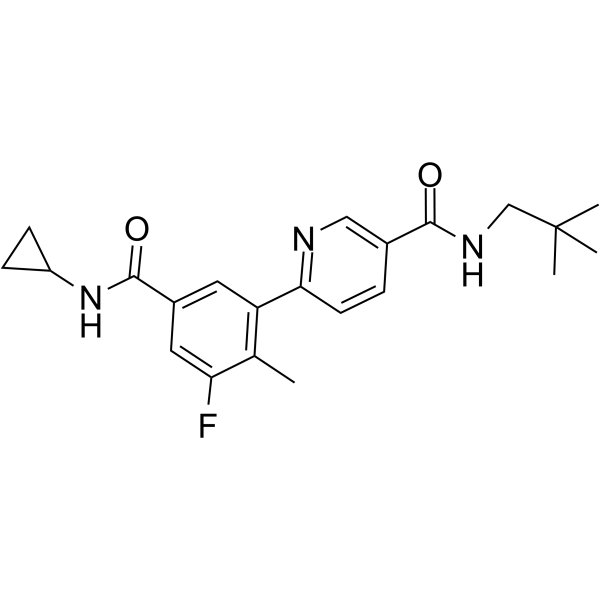
    NBD-556, a CD4 mimetic, is a potent HIV-1 entry inhibitor that blocks the gp120-CD4 interaction. NBD-556 shows potent cell fusion and virus-cell fusion inhibitory activity at low micromolar levels .
    NBD-556
  • HY-W248583

    PM650

    Fluorescent Dye Others
    Pyrromethene 650 (PM650) is a green-fluorescent polar tracer dye. It is used for investigations of membrane fusion, lysis, and gap-junctional communication and to detect volume changes in cells or liposomes.
    Pyrromethene 650
  • HY-159147

    PROTACs ROS Kinase Apoptosis Cancer
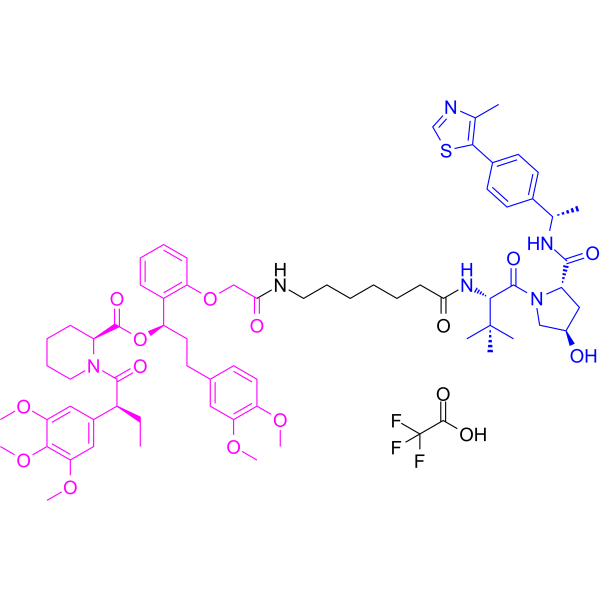
    SIAIS039 is an orally active c-ros oncogene 1 (ROS1)-specific PROTAC with DC50s of 154.46 nM, 126.47 nM, 143.69 nM for HCC78 cells, Ba/F3 expressing the CD74-ROS1 fusion and Ba/F3 expressing the SDC4-ROS1 fusion, respectively. SIAIS039 suppresses cell proliferation, induces cell cycle arrest and apoptosis, and inhibits clonogenicity against ROS1-positive cells. SIAIS039 demonstrates anti-tumour effects against ROS1-driven tumor growth vivo. SIAIS039 is composed of the ALK inhibitor Brigatinib (HY-12857), a linker EM-12 (HY-138793), and a VHL ligand E3 ubiquitin ligase 1-Butyne (Red: Brigatinib; Blue: VHL ligand; Black: linker) .
    SIA​​IS039
  • HY-P99759

    IL-15N72D

    Interleukin Related Inflammation/Immunology Cancer
    Nogapendekin alfa (his tag), a soluble protein subunit of a human interleukin (IL)-15 variant, is a superagonist of IL-15. Nogapendekin alfa (his tag) promotes the proliferation and viability of immune cells. Nogapendekin alfa (his tag) combines with Inbakicept (HY-P99661) at a ratio of 2:1, to form N-803 (Nogapendekin alfa inbakicept), an IL-15 cytokine antibody fusion protein. N-803 reduces tumor burden by activation of NK cells and CD8 + T cells .
    Nogapendekin alfa (his tag)
  • HY-D1777

    PM605

    Fluorescent Dye Others
    Pyrromethene 605 (PM605) is a green-fluorescent polar tracer dye. It is used for investigations of membrane fusion, lysis, and gap-junctional communication and to detect volume changes in cells or liposomes.
    Pyrromethene 605
  • HY-D1672

    Fluorescent Dye Neurological Disease
    TMR Biocytin is a polar tracer used in the research of cell-cell and cell-liposome fusions, as well as membrane permeability and cellular uptake during pinocytosis. TMR Biocytin can be detected using streptavidin, and is an effective neuronal tracer in live tissue (Ex=544 nm, Em=571 nm) .
    TMR Biocytin
  • HY-P4109

    NT21MP; V1 peptide

    CXCR Inflammation/Immunology Cancer
    vMIP-II (1-21) (NT21MP) is an inhibitor of CXCR4. vMIP-II (1-21) interacts broadly with CC and CXC chemokine receptors. vMIP-II (1-21) inhibits CXCR4 by competing with 125I-SDF-1R for binding sites (IC50=190 nM) .
    vMIP-II  (1-21)
  • HY-141429
    AS-99 free base
    2 Publications Verification

    Histone Methyltransferase Apoptosis Cancer
    AS-99 is a first-in-class, potent and selective ASH1L histone methyltransferase inhibitor (IC50= 0.79 µM, Kd= 0.89 µM) with anti-leukemic activity. AS-99 blocks cell proliferation, induces apoptosis and differentiation, downregulates MLL fusion target genes, and reduces the leukemia burden in vivo .
    AS-99 free base

Inquiry Online

Your information is safe with us. * Required Fields.

Salutation


Country or Region *

Applicant Name *


Organization Name *

Department *


Email Address *


Product Name *

Cat. No.


Requested quantity *

Phone Number *


Remarks

Inquiry Online

Inquiry Information

Product Name:
Cat. No.:
Quantity:
MCE Japan Authorized Agent:

