506 Results for "

D3 Receptor

" in MedChemExpress (MCE) Product Catalog:
Products (506)

506 Results for "D3 Receptor" in MCE Product Catalog:

20
20 Publications Verification
Cat. No.: HY-12705
CAS No.: 25614-03-3
Synonyms: CB-154 free base
Target:  

Dopamine Receptor

Research Areas:  

Neurological Disease

Bromocriptine is a potent dopamine D2/D3 receptor agonist, which binds D2 dopamine receptor with pKi of 8.05±0.2.
loading...
    loading...
20
20 Publications Verification
Cat. No.: HY-12705A
CAS No.: 22260-51-1
Purity:  99.90%
Synonyms: CB-154
Research Areas:  

Neurological Disease Cancer

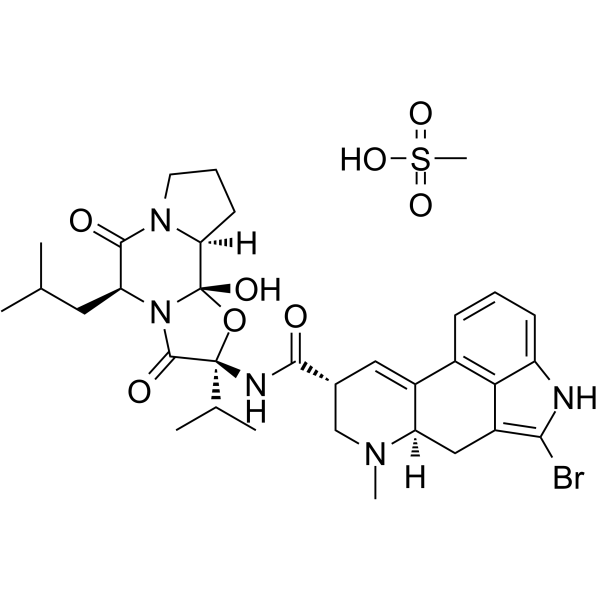
Bromocriptine mesylate is a potent dopamine D2/D3 receptor agonist, which binds D2 dopamine receptor with pKi of 8.05. Bromocriptine mesylate is permeable to the blood-brain barrier .
loading...
    loading...
14
14 Cited Publications
Cat. No.: HY-B0410
CAS No.: 104632-26-0
Target:  

Dopamine Receptor

Research Areas:  

Neurological Disease

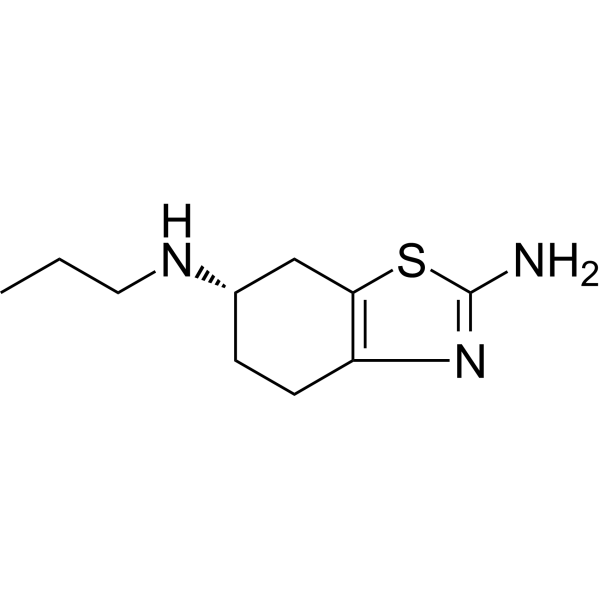
Pramipexole is a selective and blood-brain barrier (BBB) penetrant dopamine D2-type receptor agonist, with Kis of 2.2 nM, 3.9 nM, 0.5 nM and 1.3 nM for D2-type receptor, D2, D3 and D4 receptors, respectively. Pramipexole can be used for the research of Parkinson's disease (PD) and restless legs syndrome (RLS) .
loading...
    loading...
14
14 Cited Publications
Cat. No.: HY-B0410A
CAS No.: 191217-81-9
Target:  

Dopamine Receptor

Research Areas:  

Neurological Disease

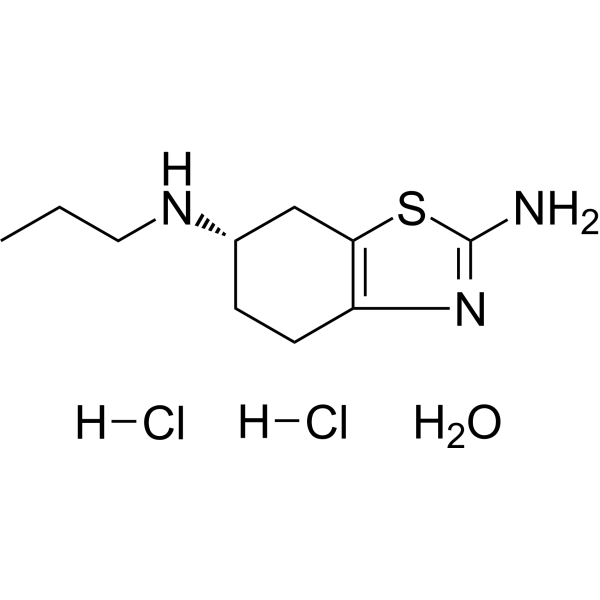
Pramipexole dihydrochloride hydrate is a selective and blood-brain barrier (BBB) penetrant dopamine D2-type receptor agonist, with Kis of 2.2 nM, 3.9 nM, 0.5 nM and 1.3 nM for D2-type receptor, D2, D3 and D4 receptors, respectively. Pramipexole dihydrochloride hydrate can be used for the research of Parkinson's disease (PD) and restless legs syndrome (RLS) .
loading...
    loading...
14
14 Cited Publications
Cat. No.: HY-17355
CAS No.: 104632-25-9
Target:  

Dopamine Receptor

Research Areas:  

Neurological Disease

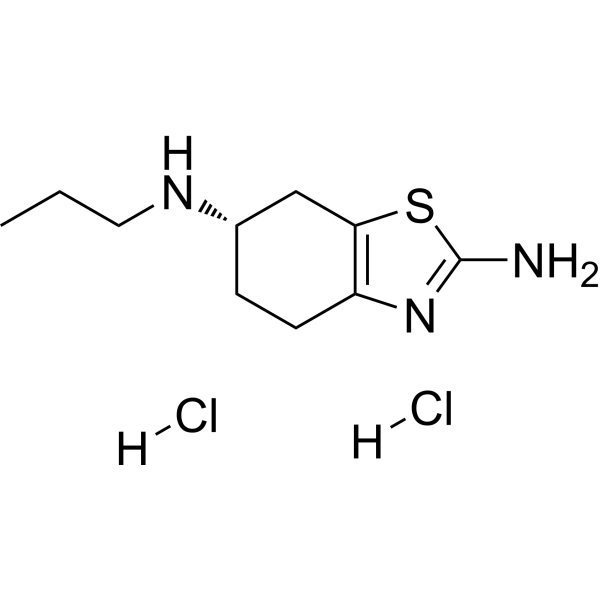
Pramipexole dihydrochloride is a selective and blood-brain barrier (BBB) penetrant dopamine D2-type receptor agonist, with Kis of 2.2 nM, 3.9 nM, 0.5 nM and 1.3 nM for D2-type receptor, D2, D3 and D4 receptors, respectively. Pramipexole dihydrochloride can be used for the research of Parkinson's disease (PD) and restless legs syndrome (RLS) .
loading...
    loading...
13
13 Cited Publications
Cat. No.: HY-15296
CAS No.: 81409-90-7
Purity:  99.86%
Synonyms: FCE-21336
Research Areas:  

Endocrinology Cancer

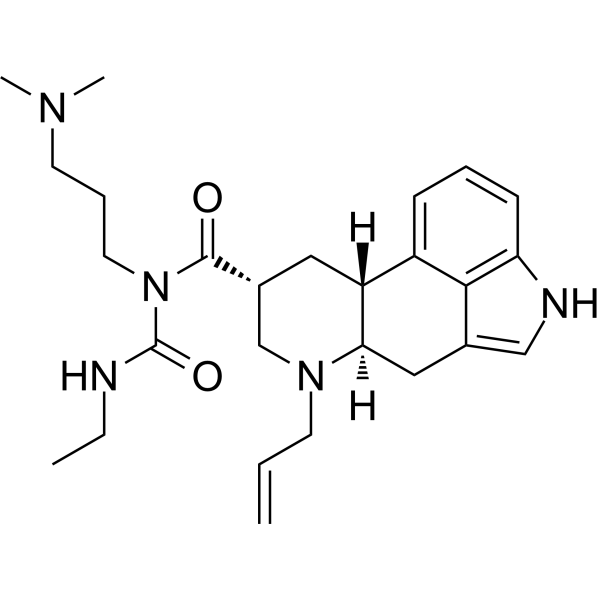
Cabergoline is an ergot derived-dopamine D2-like receptor agonist that has high affinity for D2, D3, and 5-HT2B receptors (Ki=0.7, 1.5, and 1.2, respectively).
loading...
    loading...
12
12 Cited Publications
Cat. No.: HY-B1019
CAS No.: 15676-16-1
Target:  

Dopamine Receptor

Research Areas:  

Neurological Disease

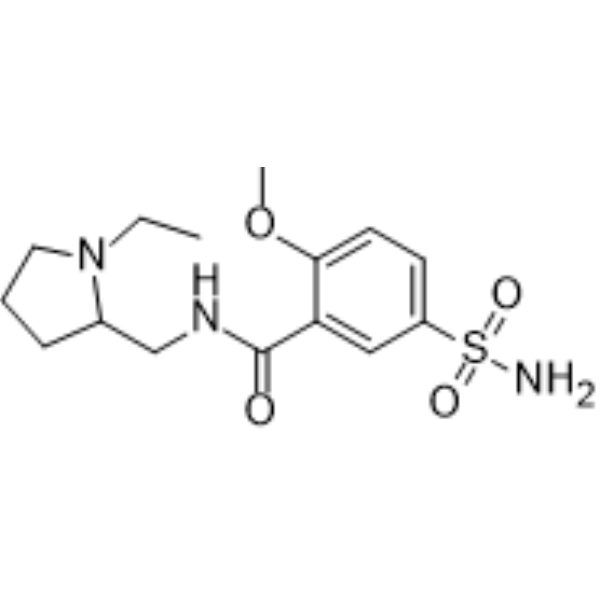
Sulpiride is an orally active dopamine D2/D3 receptor antagonist. Sulpiride is an atypical antipsychotic agent of the benzamide family. Sulpiride can be used in research into anxiety, depression and breast cancer .
loading...
    loading...
11
11 Cited Publications
Cat. No.: HY-103414
CAS No.: 84225-95-6
Purity:  99.83%
Target:  

Dopamine Receptor

Research Areas:  

Neurological Disease

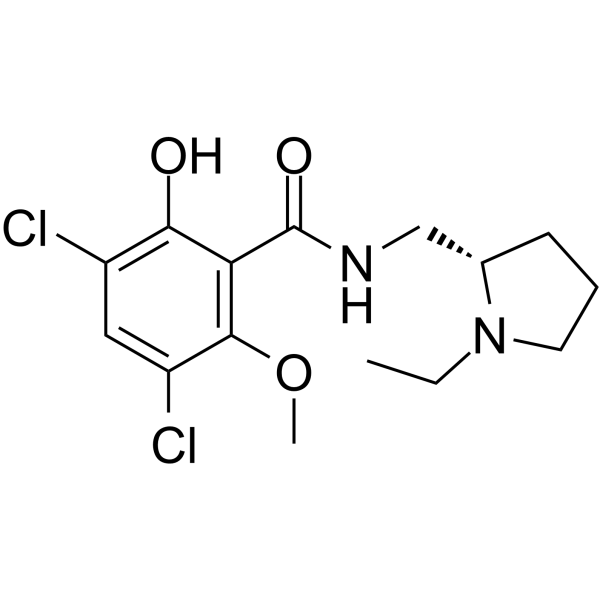
Raclopride is a dopamine D2/D3 receptor antagonist with potential antipsychotic effects. Raclopride binds to D2 and D3 receptors with Kis of 1.8 nM and 3.5 nM, respectively .
loading...
    loading...
11
11 Cited Publications
Cat. No.: HY-14546
CAS No.: 129722-12-9
Purity:  99.95%
Synonyms: OPC-14597
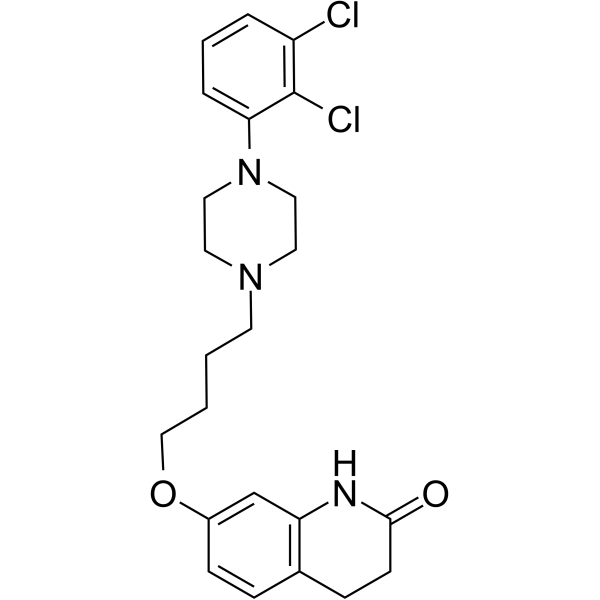
Aripiprazole (OPC-14597), an atypical antipsychotic, is a potent and high-affinity dopamine D2 receptor partial agonist. Aripiprazole is an inverse agonist at 5-HT2B and 5-HT2A receptors and displays partial agonist actions at 5-HT1A, 5-HT2C, D3, and D4 receptors. Aripiprazole can be used for the research of schizophrenia and COVID19 .
loading...
    loading...
11
11 Cited Publications
Cat. No.: HY-14546A
CAS No.: 851220-85-4
Synonyms: OPC-14597 monohydrate
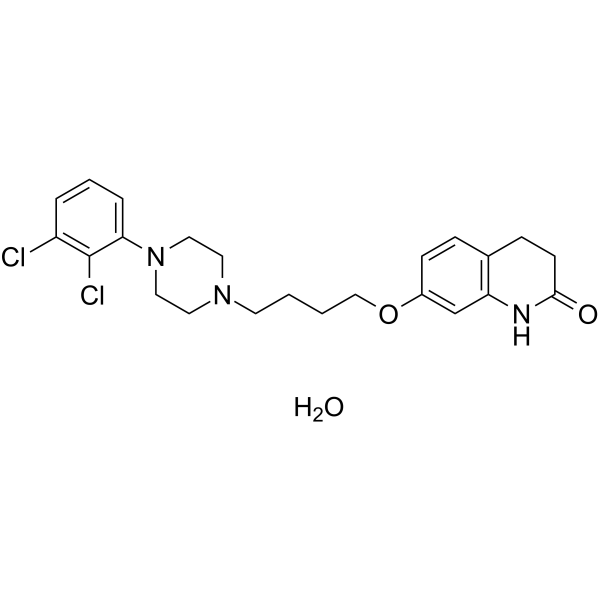
Aripiprazole (OPC-14597) monohydrate, an atypical antipsychotic, is a potent and high-affinity dopamine D2 receptor partial agonist. Aripiprazole monohydrate is an inverse agonist at 5-HT2B and 5-HT2A receptors and displays partial agonist actions at 5-HT1A, 5-HT2C, D3, and D4 receptors. Aripiprazole monohydrate can be used for the research of schizophrenia and COVID19 .
loading...
    loading...
8
8 Cited Publications
Cat. No.: HY-12987
CAS No.: 2062-78-4
Purity:  99.91%
Synonyms: R6238
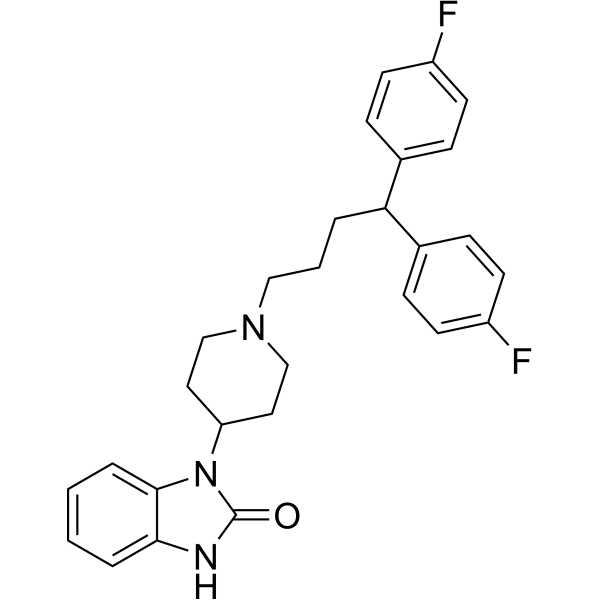
Pimozide is a dopamine receptor antagonist, with Kis of 1.4 nM, 2.5 nM and 588 nM for dopamine D2, D3 and D1 receptors, respectively, and also has affinity at α1-adrenoceptor, with a Ki of 39 nM; Pimozide also inhibits STAT3 and STAT5.
loading...
    loading...
7
7 Cited Publications
Cat. No.: HY-14763
CAS No.: 839712-12-8
Purity:  99.83%
Synonyms: RGH-188
Research Areas:  

Neurological Disease

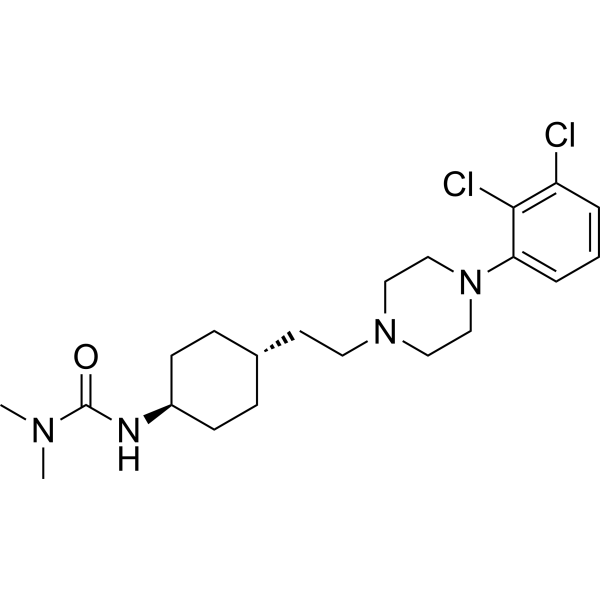
Cariprazine is a novel antipsychotic agent candidate that exhibits high affinity for the D3 (Ki=0.085 nM) and D2 (Ki=0.49 nM) receptors, and moderate affinity for the 5-HT1A receptor (Ki=2.6 nM).
loading...
    loading...
7
7 Cited Publications
Cat. No.: HY-14763A
CAS No.: 1083076-69-0
Purity:  99.90%
Synonyms: RGH188 hydrochloride
Research Areas:  

Neurological Disease

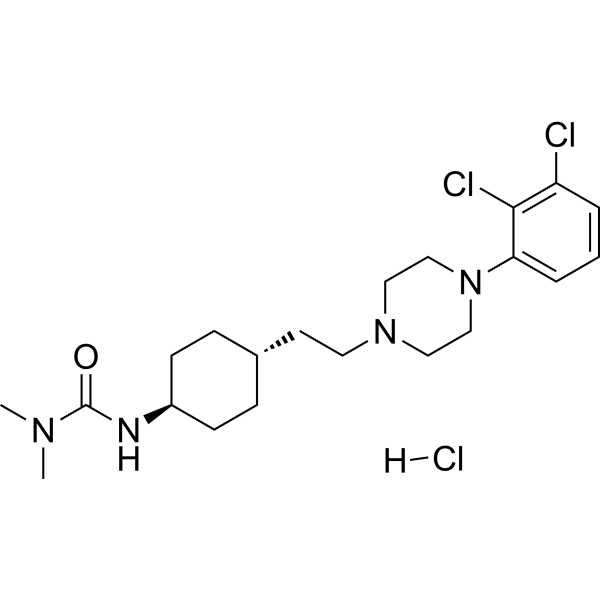
Cariprazine hydrochloride is a novel antipsychotic agent candidate that exhibits high affinity for the D3 (Ki=0.085 nM) and D2 (Ki=0.49 nM) receptors, and moderate affinity for the 5-HT1A receptor (Ki=2.6 nM).
loading...
    loading...
6
6 Cited Publications
Cat. No.: HY-32343
CAS No.: 55721-11-4
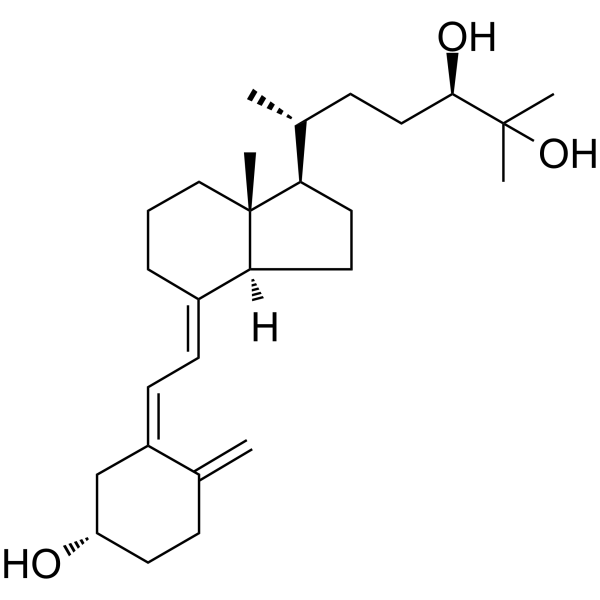
Synonyms: (24R)-24,25-Dihydroxyvitamin D3
Secalciferol ((24R)-24,25-Dihydroxyvitamin D3) is the major active metabolite of Vitamin D. Secalciferol activates vitamin D receptor (VDR) with an EC50 value of 150 nM. Secalciferol is involved in a wide range of biological functions such as calcium homeostasis, cellular differentiation and proliferation processes, as well as other functions related to the immune system, which is promising for research of rickets, osteomalacia, hypercalcemia and autoimmune disorders .
loading...
    loading...
6
6 Cited Publications
Cat. No.: HY-B1165
CAS No.: 41354-29-4
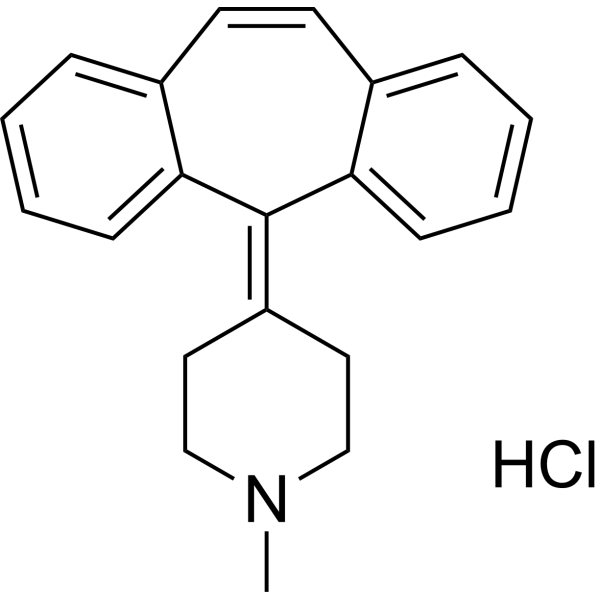
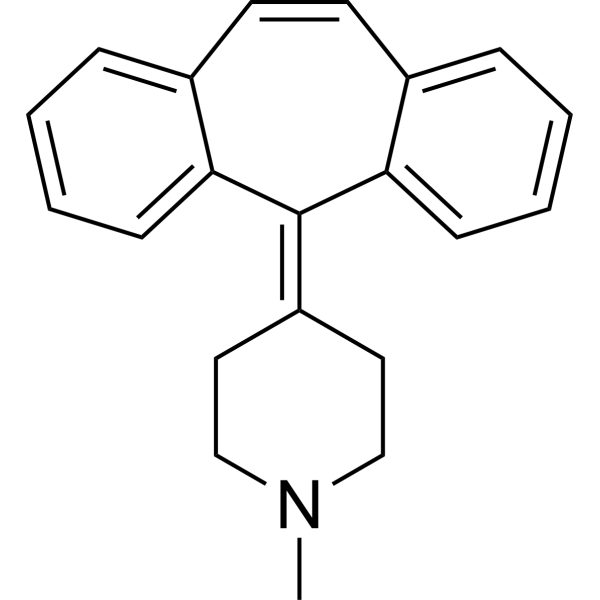
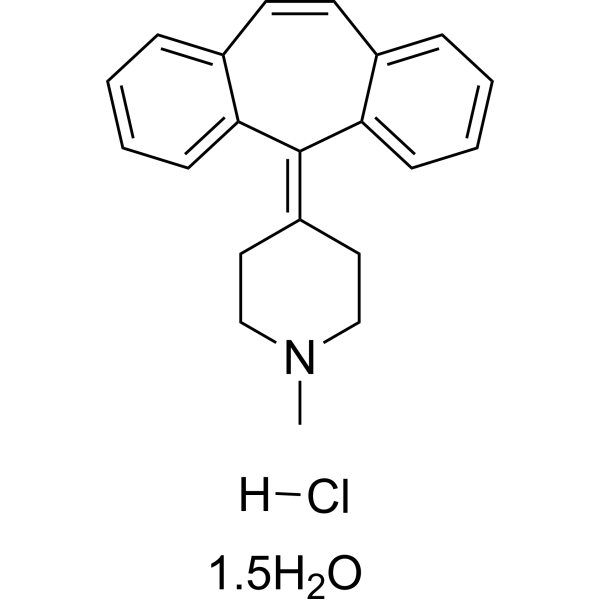
Cyproheptadine hydrochloride sesquihydrate acts as a p38 MAP kinase activator, CHK2 activator, histamine H1 receptor inhibitor and serotonin receptor inhibitor. Cyproheptadine hydrochloride sesquihydrate mediates cell cycle arrest via G1 phase arrest, G1/S transition arrest, G0/G1 phase arrest, reduced expression of cyclins D1/D2/D3, upregulated expression of HBP1, p16, p21, p27, and decreased phosphorylation of retinoblastoma protein. Cyproheptadine hydrochloride sesquihydrate induces Apoptosis by increasing PARP and cleaved PARP, as well as activating the mitochondrial caspase pathway. Cyproheptadine hydrochloride sesquihydrate inhibits tumor growth with extremely low toxicity to normal cells. Cyproheptadine hydrochloride sesquihydrate can be used in research related to hepatocellular carcinoma, multiple myeloma and acute myeloid leukemia .
loading...
    loading...
5
5 Cited Publications
Cat. No.: HY-B0504S
CAS No.: 143827-20-7
Synonyms: NSC13123-d3
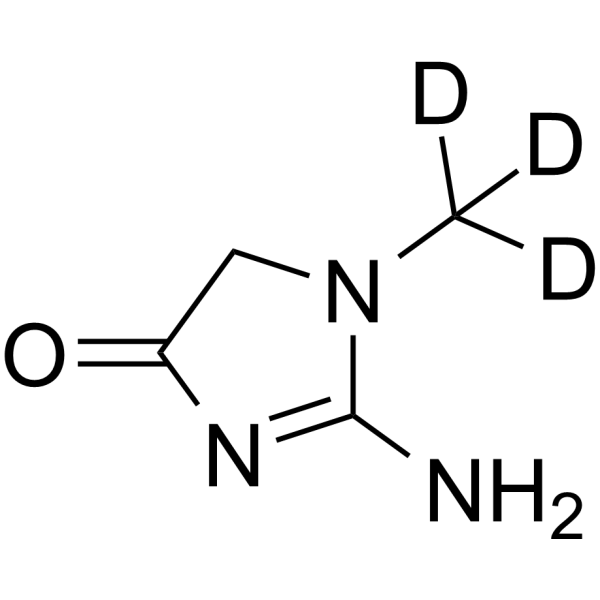
Creatinine-d3 is a deuterium labeled Creatinine. Creatinine (NSC13123) is an orally active, blood-brain barrier-permeable modulator of GABAA and NMDA receptors, with activities of antioxidation and metabolic regulation. Creatinine is generated via non-enzymatic conversion of creatine and phosphocreatine in muscle. Creatinine serum levels correlate with muscle mass, glomerular filtration rate, and extrarenal clearance, serving as an evaluation biomarker for renal function, muscle mass, and clinical outcomes, and used for perioperative renal risk assessment. In addition, Creatinine can induce specific Cryptococcus species to produce creatinine deiminase and act as their nitrogen source, while it can be secreted via renal tubules. Creatinine is widely used in research related to various diseases such as neurodegenerative diseases, psychiatric disorders, acute kidney injury, chronic kidney disease, and renal failure .
loading...
    loading...
4
4 Cited Publications
Cat. No.: HY-B1752A
CAS No.: 85798-08-9
Synonyms: LY 171555 hydrochloride; (-)-LY 141865 hydrochloride
Target:  

Dopamine Receptor

Research Areas:  

Neurological Disease

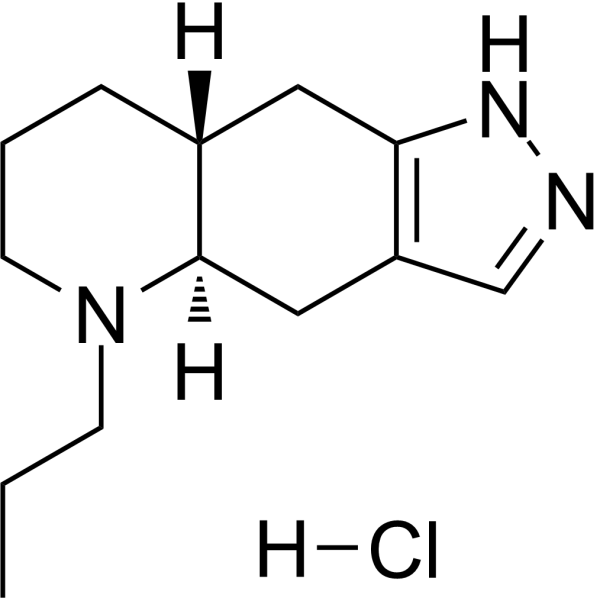
Quinpirole hydrochloride (LY 171555 hydrochloride) is a high-affinity agonist of dopamine D2/D3 receptor.
loading...
    loading...
4
4 Cited Publications
Cat. No.: HY-B0623
CAS No.: 91374-21-9
Synonyms: SKF 101468
Target:  

Dopamine Receptor

Research Areas:  

Neurological Disease

Ropinirole (SKF 101468) is an orally active, potent D3/D2 receptor agonist with a Ki of 29 nM for D2 receptor. Ropinirole has pEC50s of 7.4, 8.4 and 6.8 for hD2, hD3 and hD4 receptors, respectively. Ropinirole has no affinity for the D1 receptors. Ropinirole has the potential for Parkinson's disease .
loading...
    loading...
4
4 Cited Publications
Cat. No.: HY-B0623A
CAS No.: 91374-20-8
Synonyms: SKF 101468 hydrochloride
Target:  

Dopamine Receptor

Research Areas:  

Neurological Disease

Ropinirole (SKF 101468) hydrochloride is an orally active, potent D3/D2 receptor agonist with a Ki of 29 nM for D2 receptor. Ropinirole hydrochloride has pEC50s of 7.4, 8.4 and 6.8 for hD2, hD3 and hD4 receptors, respectively. Ropinirole hydrochloride has no affinity for the D1 receptors. Ropinirole hydrochloride has the potential for Parkinson's disease .
loading...
    loading...
4
4 Cited Publications
Cat. No.: HY-B1752
CAS No.: 80373-22-4
Synonyms: LY 171555; (-)-LY 141865
Quinpirole (LY 171555; (-)-LY 141865) is a D2/D3 dopamine receptor agonist and a CaV1.3 calcium channel modulator. Quinpirole normalizes dendritic spine density in dopamine-depleted striatum, upregulates the protein expression of BCL2 and GluR2, downregulates the protein expression of BAX, and delays the onset of seizures. Quinpirole enhances learning and memory, inhibits neuronal apoptosis (apoptosis), and induces anxiety-like, stereotyped, and compulsive behaviors. Quinpirole disrupts prepulse inhibition in rhesus monkeys, enhances the activity of paraventricular thalamic neurons to promote recovery from Isoflurane anesthesia, and alters the composition of the gut microbiota in rats. Quinpirole can be used in research related to dyskinesia, pain, epilepsy, and neurological disorders including anxiety disorder, obsessive-compulsive disorder, and schizophrenia .
loading...
    loading...

