

Search Result
Results for "
DLBCL cells
" in MedChemExpress (MCE) Product Catalog:
| Cat. No. |
Product Name |
Target |
Research Areas |
Chemical Structure |
-
- HY-145483
-
KT-474
1 Publications Verification
KYM-001; PROTAC IRAK4 degrader-7
|
PROTACs
IRAK
Apoptosis
|
Cancer
|
|
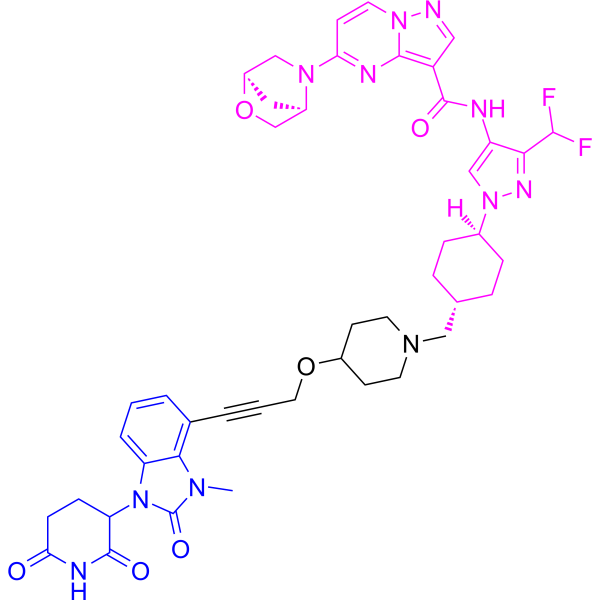
KT-474 (KYM-001; PROTAC IRAK4 degrader-7) is an orally active PROTAC IRAK4 degrader with anti-tumor effects. KT-474 inhibits the cell cycle and induces apoptosis. KT-474 induces tumor regression in a xenograft model of MYD88-mutated ABC DLBCL. KT-474 is a click chemistry reagent, containing an alkyne group, which can undergo copper-catalyzed azide-alkyne cycloaddition (CuAAc) with molecules containing azide groups .
|
-
-
- HY-P99055
-
|
|
TNF Receptor
|
Inflammation/Immunology
Cancer
|
|
Urelumab, a fully human, non-ligand binding, CD137 agonist IgG4 monoclonal antibody, enhances T-cell and natural killer-cell antitumor activity, and may enhance cytotoxic activity of Rituximab (HY-P9913). Urelumab can be used for the research of diffuse large B-cell lymphoma (DLBCL), follicular lymphoma (FL), and other types of non-Hodgkin lymphoma (NHL) .
|
-
-
- HY-13518
-
|
Astringenin; trans-Piceatannol
|
Syk
Autophagy
Apoptosis
Endogenous Metabolite
|
Cancer
|
|
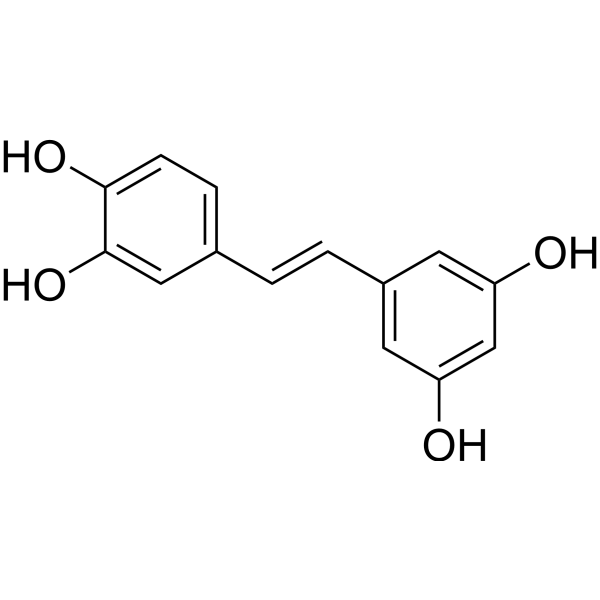
Piceatannol is a well-known Syk inhibitor and reduces the expression of iNOS induced by TNF. Piceatannol is an effective agent for research of acute lung injury (ALI) . Piceatannol is a naturally occurring polyphenolic stilbene found in various fruits and vegetables and exhibits anticancer and anti-inflammatory properties . Piceatannol induces apoptosis in DLBCL cell lines . Piceatannol induces autophagy and apoptosis in MOLT-4 human leukemia cells .
|
-
-
- HY-P991028
-
|
AZD0486; TNB-486
|
CD3
CD19
Interleukin Related
TNF Receptor
IFNAR
|
Cancer
|
|
Surovatamig (AZD0486; TNB-486) is a fully human anti-CD19/CD3 IgG4 bispecific antibody. Surovatamig triggers T cell activation, releases cytotoxic granules, and induces T cell-dependent cellular cytotoxicity and tumor cell lysis. Surovatamig can reduces release of pro-inflammatory cytokines including IL-2, IFNγ, TNF. Surovatamig can be used for the research of cancer, such as B cell non-Hodgkin lymphoma .
|
-
-
- HY-12422
-
|
|
CDK
|
Cancer
|
|
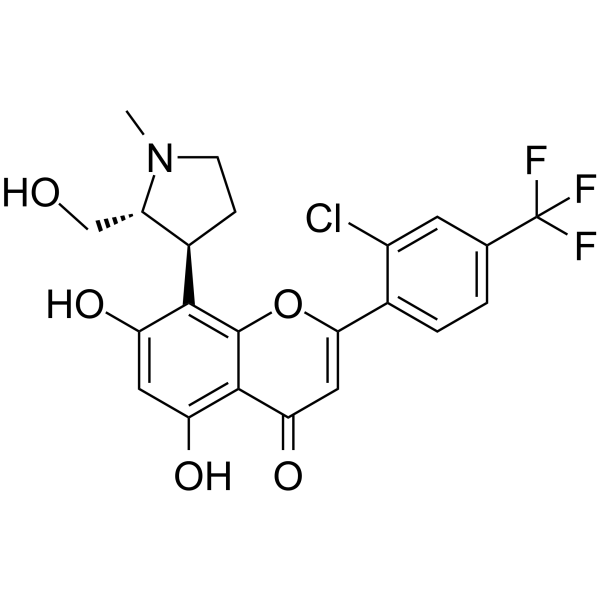
Voruciclib is an orally active and selective CDK inhibitor with Ki values of 0.626 nM-9.1 nM. Voruciclib potently blocks CDK9, the transcriptional regulator of MCL-1. Voruciclib represses expression of MCL-1 in multiple models of diffuse large B-cell lymphoma (DLBCL) .
|
-
-
- HY-150105
-
|
BMF-219; Menin-MLL inhibitor 21
|
Epigenetic Reader Domain
|
Metabolic Disease
Inflammation/Immunology
Cancer
|
|
Icovamenib (BMF-219) is a selective, orally active, irreversible Menin inhibitor. Icovamenib forms a stable and irreversible covalent bond with Menin. Icovamenib promotes selective and controlled proliferation of beta cells and improvement of beta cell function in ex vivo human islet cultures. Icovamenib enhances glycemic control in animal diabetic models. Icovamenib induces a dose-dependent enhancement in insulin secretion potentiated by the GLP-1 RA. Icovamenib can be used for the study of multiple hematologic malignancies, solid tumors, and diabetes mellitus, such as diffuse large B-cell lymphoma (DLBCL), multiple myeloma (MM) and chronic lymphocytic leukemia and type 2 diabetes .
|
-
-
- HY-13599
-
|
2-Chloro-2′-deoxyadenosine; CldAdo; 2CdA
|
Adenosine Deaminase
Apoptosis
|
Cardiovascular Disease
Cancer
|
|
Cladribine (2-Chloro-2′-deoxyadenosine), a purine nucleoside analog, is an orally active adenosine deaminase inhibitor. Cladribine functions as an inhibitor of DNA synthesis to block the repair of the damaged DNA. Cladribine can inhibit DNA methylation. Cladribine has anti-lymphoma activity. Cladribine can be used for the research of several hematologic malignancies and multiple sclerosis .
|
-
-
- HY-164561
-
|
|
Emopamil Binding Protein
Ferroptosis
Apoptosis
|
Cancer
|
|
TASIN-30 is a selective EBP inhibitor with an EC50 of 0.097 μM. TASIN-30 blocks the production of 7-dehydrocholesterol (7-DHC) and downstream cholesterol biosynthesis processes. TASIN-30 depletes downstream sterols, disrupts the integrity of lipid rafts in tumor cells, accelerates intracellular cholesterol consumption, and inhibits tumor cell proliferation. TASIN-30 induces ferroptosis and apoptosis by reducing 7-DHC levels and increasing phospholipid peroxidation. TASIN-30 achieves tumor suppression in nude mice with osteosarcoma. TASIN-30 can be used in cancer-related research such as colorectal cancer and osteosarcoma .
|
-
-
- HY-121282
-
|
Pecazine
|
MALT1
Apoptosis
|
Cancer
|
|
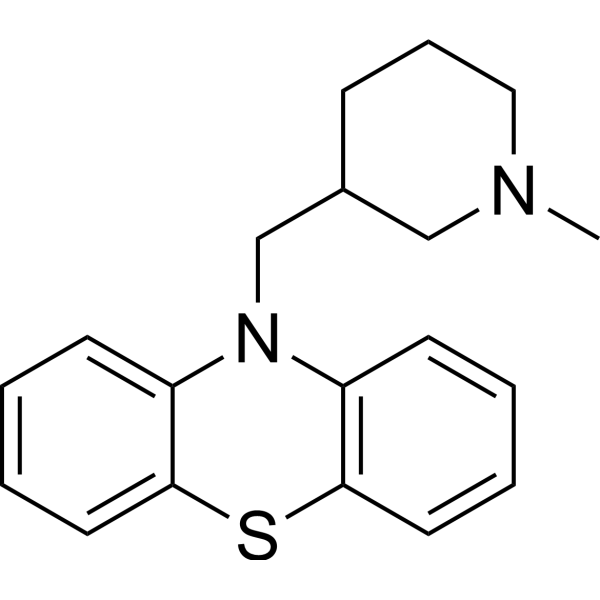
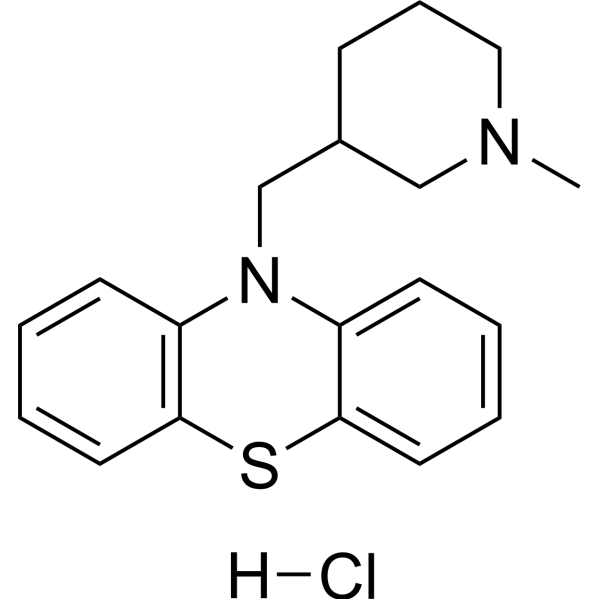
Mepazine (Pecazine) is a potent and selective MALT1 protease inhibitor with IC50s of 0.83 and 0.42 μM for GSTMALT1 full length and GSTMALT1 325-760, respectively. Mepazine affects viability of ABC-DLBCL cells by enhancing apoptosis .
|
-
-
- HY-P99711
-
|
RB4v1.2
|
CD19
ADC Antibody
|
Cancer
|
|
Loncastuximab (RB4v1.2) is an anti-CD19 monoclonal antibody. Loncastuximab has antitumor activity and can be used in the research of Non-Hodgkin Lymphoma (NHL) and Diffuse Large B-cell Lymphoma (DLBCL). Loncastuximab is capable of synthesizing the ADC molecule Loncastuximab tesirine (HY-P99349) .
|
-
-
- HY-111101
-
|
|
IRAK
|
Cancer
|
|
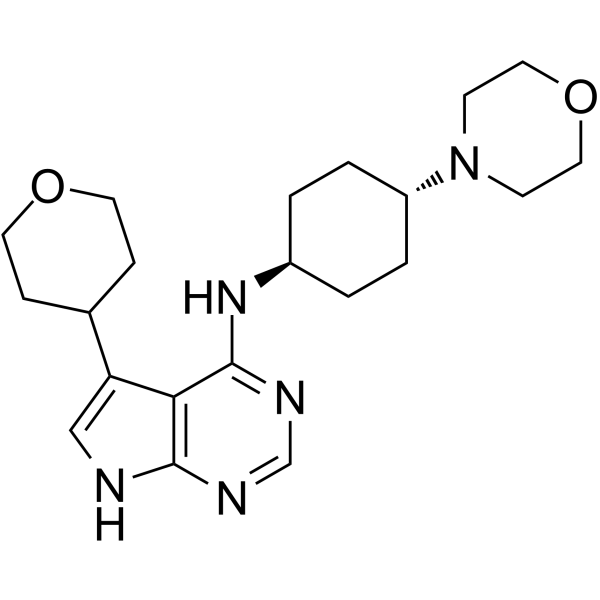
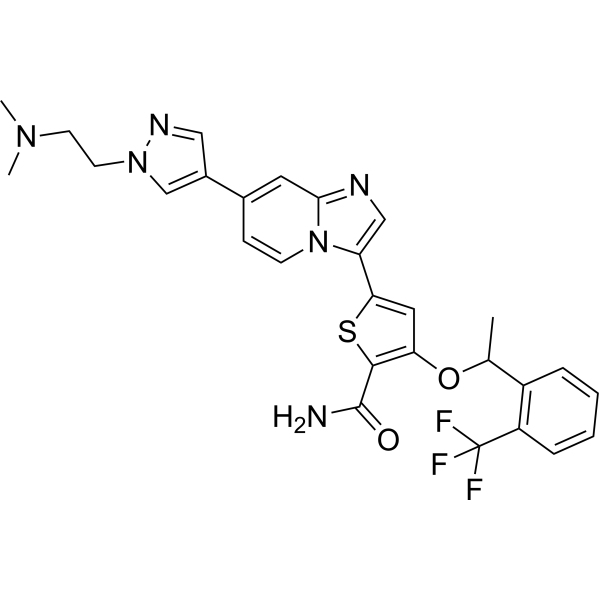
AZ1495, a weak base, is a potent orally active interleukin-1 receptor associated kinase 4 (IRAK4) inhibitor. AZ1495 has a favorable physicochemical and kinase selectivity for IRAK4 and IRAK1 with IC50 values of 0.005 μM and 0.023 μM, respectively. AZ1495 has IRAK4 inhibition with a Kd value of 0.0007 μM. AZ1495 can be used for the research of diffuse large B-cell lymphoma (DLBCL) .
|
-
-
- HY-147091
-
|
|
Ligands for Target Protein for PROTAC
|
Cancer
|
|
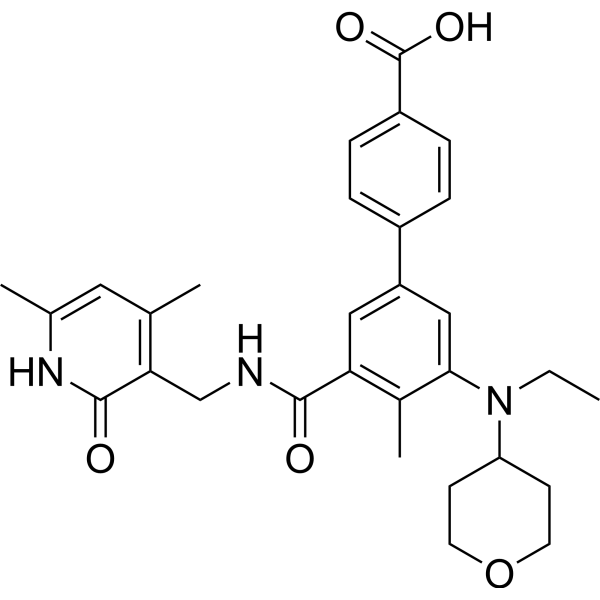
Tazemetostat de(methyl morpholine)-COOH (compound 7) is a ligand for the PROTAC target protein EZH2, which can be used to synthesis of EZH2 degraders (PROTACs). EZH2 degraders have potent cell viability inhibition in diffuse large B-cell lymphoma (DLBCL) and other subtypes of lymphoma .
|
-
-
- HY-160698
-
|
|
MALT1
Apoptosis
|
Cancer
|
|
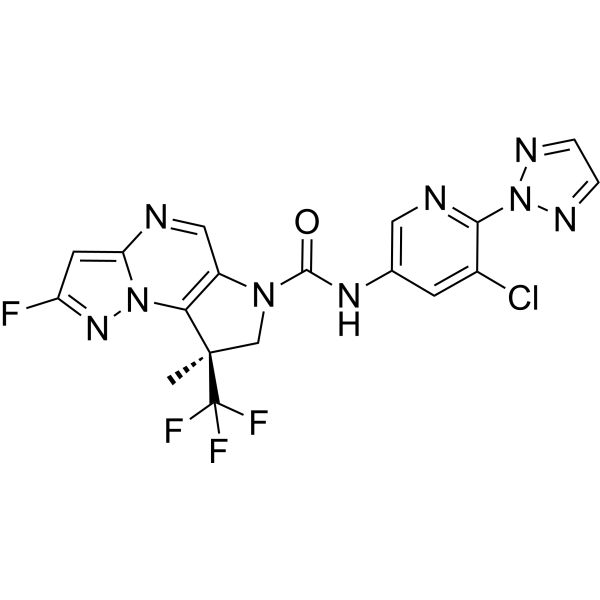
SGR-1505 is an oral small molecule MALT1 inhibitor with anti-proliferative and antitumor activity.SGR-1505 inhibits MALT1 enzymatic activity to modulate NF-κB pathway gene expression.SGR-1505 induces modulation of cell cycle, DNA damage, and apoptosis-related genes in in vivo tumor samples.SGR-1505 exerts tumorostatic and regressive activity in ABC-DLBCL xenograft models.SGR-1505 can be used for the research of activated B cell-like diffuse large B cell lymphoma, non-Hodgkin B-cell lymphomas, chronic lymphocytic leukemia, and mature B cell neoplasms .
|
-
-
- HY-156437
-
|
|
Apoptosis
Ser/Thr Protease
NEKs
Mitosis
|
Cancer
|
|
NBI-961 is a potent NEK2 inhibitor that inhibits proteasomal degradation. NBI-961 induces G2/mitosis arrest and apoptosis in diffuse large B cell lymphoma (DLBCL) cells .
|
-
-
- HY-121282A
-
|
Pecazine hydrochloride
|
MALT1
Apoptosis
|
Cancer
|
|
Mepazine hydrochloride (Pecazine hydrochloride) is a potent and selective MALT1 protease inhibitor with IC50s of 0.83 and 0.42 μM for GSTMALT1 full length and GSTMALT1 325-760, respectively. Mepazine hydrochloride affects viability of ABC-DLBCL cells by enhancing apoptosis .
|
-
-
- HY-160167
-
|
DZD8586
|
Src
Btk
|
Inflammation/Immunology
Cancer
|
|
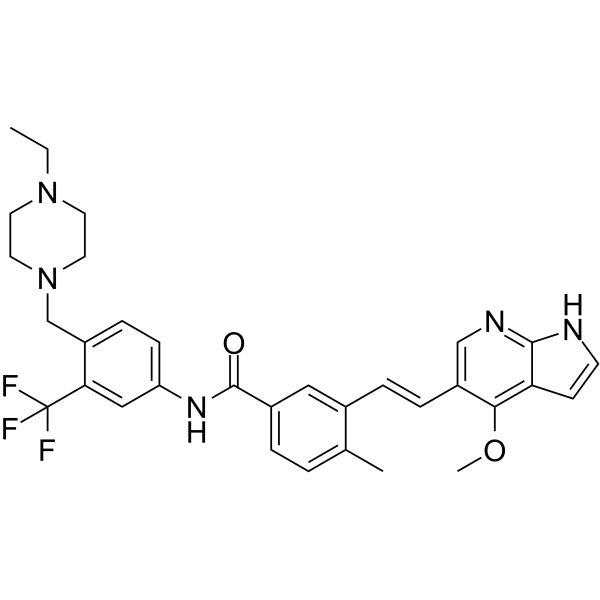
Birelentinib (DZD8586) is an orally effective, selective, non-covalent inhibitor targeting LYN tyrosine kinase and BTK tyrosine kinase, capable of penetrating the blood-brain barrier. Birelentinib exhibits concentration-dependent antiproliferative effects in RI-1 cells and diffuse large B-cell lymphoma (DLBCL) cell lines carrying BTK resistance mutations (such as C481X, V416L, etc.). Birelentinib blocks both BTK-dependent and independent signaling of the B-cell receptor (BCR), thereby inhibiting tumor cell proliferation and inducing cell death. Birelentinib can be used in research to overcome resistance to existing covalent and non-covalent BTK inhibitors in B-cell non-Hodgkin lymphoma (B-NHL) .
|
-
-
- HY-12291
-
|
HMSL 10017-101-1
|
Raf
Apoptosis
|
Cancer
|
|
HG6-64-1 (HMSL 10017-101-1) is a B-raf kinase modulator.HG6-64-1 modulates B-raf kinase activity, including the V600E mutant form and the drug-resistant gatekeeper mutation T529I. HG6-64-1 is a germinal center kinase inhibitor. HG6-64-1 induces cell cycle arrest and apoptosis. HG6-64-1 can be used for the research of diffuse large B-cell lymphoma (DLBCL) .
|
-
-
- HY-109585
-
|
|
IRAK
|
Inflammation/Immunology
Cancer
|
|
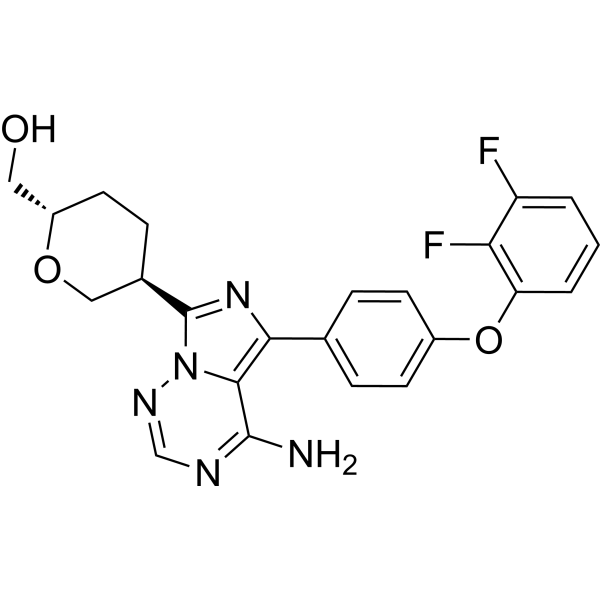
IRAK4-IN-7 is a selective, potent and orally active interleukin-1 receptor-associated kinase 4 (IRAK4) inhibitor, extracted from patent WO2015104688 (example 1). IRAK4-IN-7 has the potential for cancer and inflammatory diseases treatment .
|
-
-
- HY-153803
-
|
|
PROTACs
Molecular Glues
Btk
|
Cancer
|
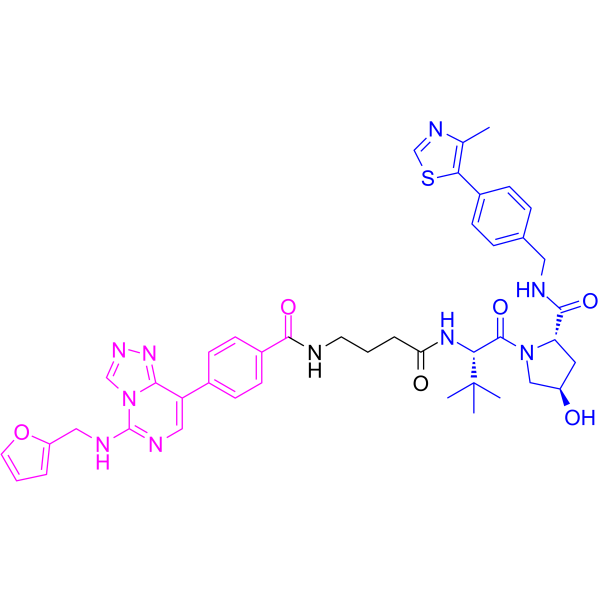
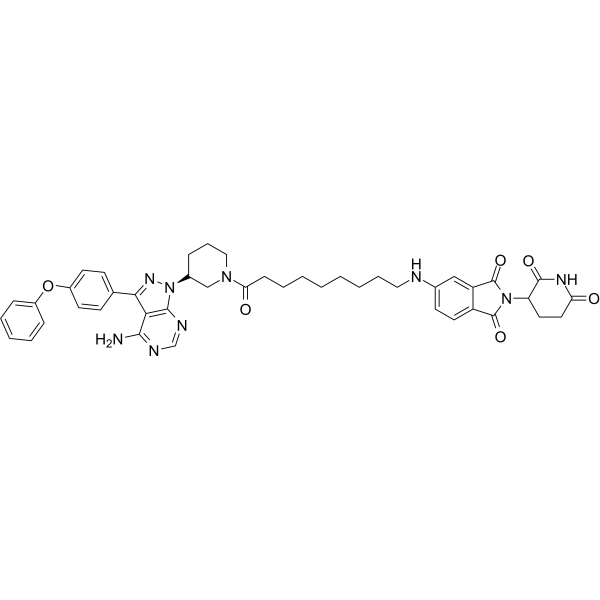
GBD-9 is a degrader based on the E3 ubiquitin ligase CRBN that targets BTK and the G1 to S phase transition protein GSPT1. GBD-9 has both PROTAC and molecular glue properties by inducing ubiquitination and proteasomal degradation of target proteins. GBD-9 can efficiently degrade wild-type and mutant BTK (such as C481S mutation) and GSPT1. GBD-9 significantly inhibits tumor cell proliferation by inducing G1 phase arrest in cancer cells, downregulating anti-apoptotic proteins (BCL-2, MCL-1) and activating Caspase-3 to induce apoptosis. GBD-9 is mainly used in the research of hematological tumors such as diffuse large B-cell lymphoma (DLBCL) and acute myeloid leukemia (AML) .
GBD-9 is composed of E3 ubiquitin ligase ligand (pink part) 5-Aminothalidomide (HY-W023573), target protein ligand (blue part) Btk Inhibitor: IBT6A (HY-13036A), and PROTAC linker (black part) Nonanoic acid (HY-N7057).
|
-
-
- HY-131246
-
|
|
Histone Methyltransferase
|
Cancer
|
|
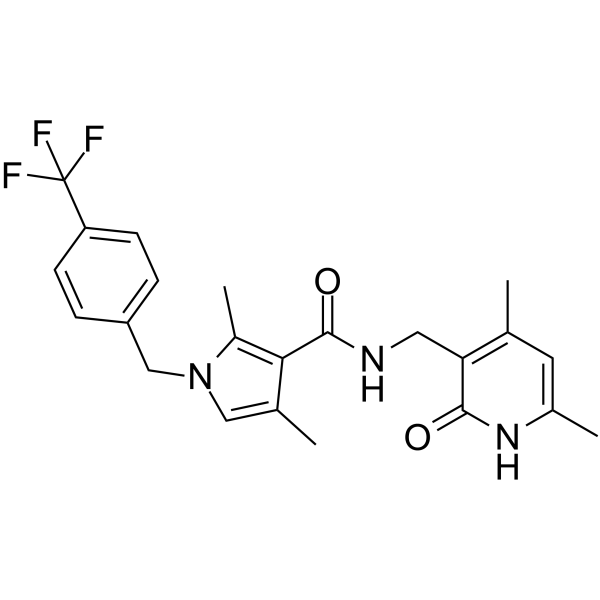
DM-01 is a powerful and selective EZH2 inhibitor for the research of diffuse large B-cell lymphoma (DLBCL), follicular lymphoma (FL), and SNF5/INI-1/SMARCB1 genetically defined solid tumors .
|
-
-
- HY-173552
-
|
|
Molecular Glues
Histone Acetyltransferase
BCL6
|
Cancer
|
|
TCIP3 is a bivalent molecular glue with with dual binding to p300/CBP and BCL6. TCIP3 redirects p300 and CBP to activate programmed cell death genes normally repressed by the oncogenic driver, BCL6. TCIP3 can be used for the study of diffuse large B cell lymphomas (DLBCLs). TCIP3 exhibits no toxicity in non-transformed tonsillar lymphocytes or fibroblasts .
|
-
-
- HY-15805
-
|
|
Src
Btk
|
Cancer
|
|
KIN-8194 is an orally active dual inhibitor of HCK and BTK, with IC50 values of 0.915 and <0.495 nM, respectively. KIN-8194 impairs growth and integrin-mediated adhesion of BTKi-resistant mantle cell lymphoma (MCL). KIN-8194 overcomes ibrutinib (HY-10997) resistance with a survival benefit in TMD-8 ABC DLBCL xenografted mice .
|
-
-
- HY-19916
-
|
BAL-101553
|
Microtubule/Tubulin
Checkpoint Kinase (Chk)
|
Cancer
|
|
Lisavanbulin (BAL-101553) is the prodrug of the microtubule targeting agent Avanbulin (BAL 27862) (HY-106008). Lisavanbulin is a BBB-penetrant and orally active antitumor agent, especially in tumors that express high levels of end-binding protein 1. Lisavanbulin has ability to target tumor cell proliferation and affects the tumor microenvironment by reducing tumor microvasculature. Lisavanbulin is also a spindle assembly checkpoint activator. Lisavanbulin induces cell cycle arrest and subsequent death or aberrant chromosome segregation. Lisavanbulin can be studied in research for diffuse large B cell lymphoma (DLBCL) and glioblastoma .
|
-
-
- HY-122829
-
|
|
PROTACs
BCL6
|
Cancer
|
|
BCL6 PROTAC 1 is a selective B-cell lymphoma 6 (BCL6) PROTAC. BCL6 PROTAC 1 inhibits BCL6 cell reporter with an IC50 value of 8.8 µM. BCL6 PROTAC 1 significantly degrades BCL6 in diffuse large B-cell lymphoma (DLBCL) cell lines. BCL6 PROTAC 1 can be used in tumor related research .
|
-
-
- HY-12422A
-
|
|
CDK
|
Cancer
|
|
Voruciclib hydrochloride is an orally active and selective CDK inhibitor with Ki values of 0.626 nM-9.1 nM. Voruciclib hydrochloride potently blocks CDK9, the transcriptional regulator of MCL-1. Voruciclib hydrochloride represses expression of MCL-1 in multiple models of diffuse large B-cell lymphoma (DLBCL) .
|
-
-
- HY-168929
-
|
|
SHP1
Fluorescent Dye
Phosphatase
STAT
Apoptosis
|
Cancer
|
|
SHP1 activator 1 (Compound 3n) is an activator for src homology-2 domain-containing protein tyrosine phosphatase 1(SHP1) with an EC50 of 17.66 μM. SHP1 activator 1 inhibits the proliferation of ABC-DLBCL cells, induces apoptosis by inhibiting STAT3 signaling pathway. SHP1 activator 1 emitts blue and green fluorescence signalis in MDA-MB-231 cell, and can be used as a cell imaging agent .
|
-
-
- HY-173097
-
|
VH032-Boc derivative 1
|
MALT1
|
Cancer
|
|
(S,R,S)-AHPC-Boc derivative 1 (Compound 80-9; VH032-Boc derivative 1) is a selective proteasomal degrader targeting MALT1, which recruits the E3 ubiquitin ligase CRBN to form a ternary complex with MALT1, leading to ubiquitination and subsequent proteasomal degradation of MALT1. (S,R,S)-AHPC-Boc derivative 1 inhibits the NF-κB signaling pathway by disrupting the CBM complex, demonstrating potential for inducing apoptosis in ABC-DLBCL cells. (S,R,S)-AHPC-Boc derivative 1 is promising for research of MALT1-dependent cancers, such as diffuse large B-cell lymphoma (DLBCL) .
|
-
-
- HY-143653
-
|
|
BCL6
|
Cancer
|
|
BCL6-IN-6 is a potent inhibitor of transcriptional repressor B-cell lymphoma 6 (BCL6). BCL6-IN-6 significantly blocks the interaction of BCL6 with its corepressors and reactivates BCL6 target genes in a dose-dependent manner. BCL6-IN-6 has the potential for the research of diffuse large B-cell lymphoma (DLBCL) .
|
-
-
- HY-19916A
-
|
BAL-101553 dihydrochloride
|
Microtubule/Tubulin
Checkpoint Kinase (Chk)
|
Cancer
|
|
Lisavanbulin (BAL-101553) dihydrochloride is the prodrug of the microtubule targeting agent Avanbulin (BAL 27862) (HY-106008). Lisavanbulin dihydrochloride exhibits antitumor activity, especially in tumors that express high levels of end-binding protein 1. Lisavanbulin dihydrochloride has ability to target tumor cell proliferation and affects the tumor microenvironment by reducing tumor microvasculature. Lisavanbulin dihydrochloride is also a spindle assembly checkpoint activator. Lisavanbulin dihydrochloride induces cell cycle arrest and subsequent death or aberrant chromosome segregation. Lisavanbulin dihydrochloride can be studied in research for diffuse large B cell lymphoma (DLBCL) and glioblastoma .
|
-
-
- HY-177750
-
|
|
Molecular Glues
Apoptosis
|
Cancer
|
|
TD-522 is a potent and selective molecular glue GSPT1 degrader, with a DC50 of 0.269 nM. TD-522 exhibits strong anti-proliferative effects and induces apoptosis in acute myeloid leukemia (AML) and diffuse large B-cell lymphoma (DLBCL) cells. TD-522 suppresses tumor growth in a TMD-8 xenograft model. TD-522 can be used for AML and DLBCL research .
|
-
-
- HY-P991345
-
|
AMP-514
|
PD-1/PD-L1
|
Cancer
|
|
MEDI-0680 (AMP-514) is a human IgG4 monoclonal antibody (mAb) targeting PDCD1/PD-1/CD279. MEDI-0680 can be used in Diffuse Large B-Cell Lymphoma (DLBCL) research .
|
-
-
- HY-177755
-
|
|
Molecular Glues
BCL6
|
Cancer
|
|
BCL6-IN-10 (Compound 6) is a selective partially degradable molecular glue inhibitor that targets the BTB domain of BCL6 with an IC50 of 4 nM. BCL6-IN-10 shows anti-proliferative effect in diffuse large B-cell lymphoma (DLBCL) cell lines. BCL6-IN-10 can be used for the research of cancer .
|
-
-
- HY-175502
-
|
|
Molecular Glues
IKZF Family
Apoptosis
|
Cancer
|
|
MGD-22, a molecular glue, is an orally active IKZF1/2/3 degrader with DC50 values of 8.33 nM, 9.91 nM, and 5.74 nM, respectively. MGD-22 exhibits extremely potent anti-proliferative activity against diverse hematological cancer cells. MGD-22 induces apoptosis in cancer cells. MGD-22 demonstrates potent anti-tumor efficacy in mice bearing NCI-H929 xenografts or WSU-DLCL-2 xenografts. MGD-22 can be used for the study of hematological cancers, including multiple myeloma (MM), acute myeloid leukemia (AML), and diffuse large B-cell lymphoma (DLBCL) .
|
-
-
- HY-178777
-
|
|
PROTACs
BCL6
|
Cancer
|
|
BCL6-760 is an orally active BCL-6 PROTAC degrader with an EC50 of 0.8 nM. BCL6-760 only degrades BCL6 and has no effect on other CRBN substrates. BCL6-760 demonstrates significant efficacy in the orthotopic xenograft mouse model of OCI-LY-1 tumors. BCL6-760 can be used in the research of diffuse Large B-cell Lymphoma (DLBCL) (Pink: BCL-6 ligand (HY-179317); Blue: CRBN ligand (HY-179305); Black: Linker) .
|
-
-
- HY-13739
-
|
MCNU
|
DNA Alkylator/Crosslinker
|
Cancer
|
|
Ranimustine (MCNU) is a nitrosourea alkylating agent, can be used for research of chronic myelogenous leukemia and polycythemia vera .
|
-
-
- HY-164098
-
|
|
BCL6
Epigenetic Reader Domain
|
Cancer
|
|
JWZ-7-7-Neg1 is a transcriptional chemical inducers of proximity (TCIP) with negative chemical control. JWZ-7-7-Neg1 reduces the ability to bind to BRD4 or BCL6, so it has less cytotoxicity to DLBCL cells, in compared with JWZ-7-7 .
|
-
-
- HY-155574
-
|
|
IRAK
Apoptosis
|
Cancer
|
|
IRAK4-IN-27 (Compound 22) is a potent, selective inhibitor of IRAK4, with IC50 of 8.7 nM. IRAK4-IN-27 inhibits cell growth, and promotes apoptosis in MYD88 L265P diffuse large B-cell lymphoma (DLBCL) cell line. IRAK4-IN-27 can be used for DLBCL study .
|
-
-
- HY-150594
-
|
|
IRAK
NF-κB
|
Cancer
|
|
IRAK4-IN-17 (Compound 5) is a potent IRAK4 inhibitor with the IC50 of 1.3 nM . IRAK4-IN-17 can be used in large B-cell lymphoma (DLBCL) research .
|
-
-
- HY-117622
-
|
|
IRAK
|
Inflammation/Immunology
Cancer
|
|
ND-2110 is a selective IRAK4 inhibitor (Ki: 7.5 nM). ND-2110 binds to the ATP pocket of IRAK4. ND-2110 targets
the subset of activated B cell-like (ABC) subtype of diffuse large B cell lymphoma (DLBCL) cell lines with MYD88 L265P mutations,. ND-2110 inhibits LPS-induced TNF production, alleviates collagen-induced arthritis, and blocks gout formation in mouse models .
|
-
-
- HY-13518R
-
|
Astringenin (Standard); trans-Piceatannol (Standard)
|
Reference Standards
Syk
Autophagy
Apoptosis
Endogenous Metabolite
|
Cancer
|
|
Piceatannol (Standard) is the analytical standard of Piceatannol. This product is intended for research and analytical applications. Piceatannol is a well-known Syk inhibitor and reduces the expression of iNOS induced by TNF. Piceatannol is an effective agent for research of acute lung injury (ALI) . Piceatannol is a naturally occurring polyphenolic stilbene found in various fruits and vegetables and exhibits anticancer and anti-inflammatory properties . Piceatannol induces apoptosis in DLBCL cell lines . Piceatannol induces autophagy and apoptosis in MOLT-4 human leukemia cells .
|
-
-
- HY-178694
-
|
|
Histone Methyltransferase
|
Cancer
|
|
DC-PRC2in-01 is a potent EZH2-EED interaction inhibitor with an IC50 of 4.21 μM and a Kd of 4.56 μM. DC-PRC2in-01 disrupts the EZH2-EED interaction, leading to degradation of PRC2 core proteins and decrease of H3K27me3 levels, inhibition of PRC2-driven lymphoma cell proliferation, and cell cycle arrest. DC-PRC2in-01 can be used for the research of PRC2-related cancers, such as Diffuse Large B-cell Lymphoma (DLBCL) and follicular lymphoma (FL) .
|
-
-
- HY-179075
-
|
|
PROTACs
BCL6
IKZF Family
|
Cancer
|
|
PROTAC BCL6/IKZF1/3 Degrader-1 is a selective and orally active BCL6 and IKZF1/3 PROTAC degrader. PROTAC BCL6/IKZF1/3 Degrader-1 exhibits superior antiproliferative effects in various germinal center B-cell-like (GCB) and activated B-cell-like (ABC) diffuse large B-cell lymphoma (DLBCL) cell lines. PROTAC BCL6/IKZF1/3 Degrader-1 can be used for the research of cancer, such as lymphoma . (Structure Note: Pink: BCL6/IKZF1/3 ligand (HY-179064); Blue: CRBN ligand (HY-41547); Black: linker (HY-42427); CRBN ligand-Linker: (HY-179066))
|
-
-
- HY-13599R
-
|
2-Chloro-2′-deoxyadenosine (Standard); CldAdo (Standard); 2CdA (Standard)
|
Reference Standards
Adenosine Deaminase
Apoptosis
|
Cardiovascular Disease
Cancer
|
|
Cladribine (Standard) is the analytical standard of Cladribine. This product is intended for research and analytical applications. Cladribine (2-Chloro-2′-deoxyadenosine), a purine nucleoside analog, is an orally active adenosine deaminase inhibitor. Cladribine functions as an inhibitor of DNA synthesis to block the repair of the damaged DNA. Cladribine can inhibit DNA methylation. Cladribine has anti-lymphoma activity. Cladribine can be used for the research of several hematologic malignancies and multiple sclerosis .
|
-
-
- HY-172130
-
|
|
PI3K
Epigenetic Reader Domain
|
Cancer
|
|
PI3Kδ/BET-IN-1 (compound 10b) shows excellent and balanced activities against PI3Kδ (IC50 = 112 nM) and BRD4-BD1 (IC50 = 19 nM) and exhibits strong antiproliferative activities in DLBCL cells .
|
-
-
- HY-164462
-
|
|
PKC
NF-κB
Apoptosis
|
Cancer
|
|
BHA536 is an orally active selective inhibitor for PKCα/β and NF-kB signaling pathway. BHA536 inhibits the proliferation of CD79-mutated ABC DLBCL cell, arrests cell cycle at G1 phase, and induces apoptosis in TMD8 cell. BHA536 exhibits antitumor efficacy in mice .
|
-
-
- HY-173641
-
|
|
Molecular Glues
Histone Acetyltransferase
BCL6
|
Cancer
|
|
MNN-02-155 is a bivalent molecular glue with with dual binding to p300/CBP and BCL6. MNN-02-155 induces potent activation of the BCL6-target reporter gene and cell death. MNN-02-155 can be used for the study of diffuse large B cell lymphomas (DLBCLs) .
|
-
-
- HY-117540
-
|
|
Histone Methyltransferase
|
Cancer
|
|
ZLD10A is a highly potent and selective EZH2 inhibitor with the activity of inhibiting H3K27 methylation. ZLD10A can inhibit wild-type and mutant EZH2 with nanomolar potency and has more than 1000-fold selectivity for the other 10 histone methyltransferases. ZLD10A inhibited cell proliferation of DLBCL cell lines in a concentration- and time-dependent manner, showing a potential antiproliferative effect. ZLD10A can be used in the study of EZH2 mutant lymphomas .
|
-
-
- HY-P4544
-
|
|
MALT1
NF-κB
MMP
|
Cancer
|
|
Z-Val-Arg-Pro-DL-Arg-Fluoromethylketone is an irreversible MALT1 protein inhibitor. Z-Val-Arg-Pro-DL-Arg-Fluoromethylketone inhibits the growth and invasion of diffuse large B-cell lymphoma by inhibiting MALT1-induced NF-κB activation and MMP expression .
|
-
-
- HY-171131
-
|
|
Btk
|
Cancer
|
|
BTK-IN-41 (Compound 47) is the inhibitor for BTK with an IC50 of 5.4 nM. BTK-IN-41 inhibits the diffuse large B cell lymphoma cell TDM-8 with IC50 of 13.8 nM .
|
-
-
- HY-175002
-
|
|
PI3K
Akt
Apoptosis
|
Cancer
|
|
PI3Kδ-IN-24 is a selective PI3Kδ inhibitor (IC50 = 0.1 nM). PI3Kδ-IN-24 exhibits significant antiproliferative effects against PI3Kδ-overexpressing cancer cell lines. PI3Kδ-IN-24 reduces p-AKT levels and induces cell cycle arrest and apoptosis in tumor cells. PI3Kδ-IN-24 is useful in cancer research, such as diffuse large B-cell lymphoma (DLBCL) .
|
-
- HY-145483A
-
|
KYM-001 hydrochloride; PROTAC IRAK4 degrader-7 hydrochloride
|
PROTACs
IRAK
Apoptosis
|
Cancer
|
|
KT-474 (KYM-001; PROTAC IRAK4 degrader-7) hydrochloride is an orally active PROTAC IRAK4 degrader with anti-tumor effects. KT-474 inhibits the cell cycle and induces apoptosis. KT-474 induces tumor regression in a xenograft model of MYD88-mutated ABC DLBCL. KT-474 is a click chemistry reagent, containing an alkyne group, which can undergo copper-catalyzed azide-alkyne cycloaddition (CuAAc) with molecules containing azide groups .
|
-
- HY-148640
-
|
|
BCL6
MDM-2/p53
Histone Methyltransferase
CXCR
Apoptosis
|
Cancer
|
|
WK500B is a potent and orally active BCL6 inhibitor with a KD of 1.61 μM. WK500B engages intracellular BCL6 and disrupts BCL6‑corepressor interactions to reactivate BCL6 target genes. WK500B exerts cytotoxicity against diffuse large B‑cell lymphoma cells and induces apoptosis and cell cycle arrest. WK500B suppresses germinal center formation in C57BL/6 mice and DLBCL tumor growth in SCID xenograft models without observable toxicity. WK500B can be used for the study of diffuse large B‑cell lymphoma (DLBCL) .
|
-
- HY-P991899
-
|
LCB73 Antibody
|
ADC Antibody
CD19
|
Cancer
|
|
IKS03 Antibody (LCB73 Antibody) is an anti-human CD19 antibody. IKS03 Antibody can generate antibody drug conjugate (ADC) (IKS03) with a pyrrolobenzodiazepine (PBD) dimer payload. IKS03 Antibody can be used for the study of diffuse large B-cell lymphoma (DLBCL) and mantle cell lymphoma (MCL) .
|
-
- HY-182671
-
|
|
PI3K
Btk
Apoptosis
|
Cancer
|
|
SRX3305 is an BTK/PI3K/BRD4 inhibitor with IC50s of 6.5 nM, 15 nM, and 4 nM toward BTK, PI3Kɑ and PI3Kδ, respectively. SRX3305 attenuates chronic lymphocytic leukemia (CLL) and mantle cell lymphoma (MCL) cell proliferation and promotes apoptosis in a dose-dependent fashion. SRX3305 yields potent anti-tumor effects but spares healthy bystander cells. SRX3305 inhibits the activation-induced proliferation of primary CLL cells in vitro and effectively blocks microenvironment-mediated survival signals. SRX3305 blocks CLL cell migration toward CXCL-12 and CXCL-13. SRX3305 maintains its anti-tumor effects in Ibrutinib (HY-10997)-resistant CLL cells. SRX3305 can be used for research in CLL, diffuse large B-cell lymphoma (DLBCL) and MCL .
|
-
- HY-181084
-
|
|
PROTACs
BCL6
Aquaporin
PARP
Caspase
CDK
|
Cancer
|
|
PROTAC BCL6/GSPT1 Degrader-1 is a dual-target PROTAC degrader that targets BCL6 and GSPT1. PROTAC BCL6/GSPT1 Degrader-1 inhibits cell proliferation, promotes DNA damage, and induces cell cycle arrest and apoptosis in diffuse large B-cell lymphoma. PROTAC BCL6/GSPT1 Degrader-1 can be used for research on tumors such as lymphoma .
|
-
- HY-182706
-
|
|
G-quadruplex
Bcl-2 Family
c-Myc
Ras
|
Cancer
|
|
NSC 373981 is a CARD11 G4 stabilizer. NSC 373981 stabilizes the CARD11 G4 structure and inhibits CARD11 transcription in cells. NSC 373981 also inhibits BCL2 and MYC. NSC 373981 suppresses the transcription of KRAS and TERT. NSC 373981 exhibits anticancer activity against diffuse large B-cell lymphoma .
|
-
- HY-182009
-
|
|
DNA Methyltransferase
Apoptosis
Caspase
Mitochondrial Metabolism
|
Cancer
|
|
DNMT-IN-6 is a DNA methyltransferase inhibitor with activity against DNMT1, DNMT3A, and DNMT3B. DNMT-IN-6 drives demethylation, and restores TMS1 tumor suppressor gene expression. DNMT-IN-6 induces apoptosis, causes G2/M phase arrest, disrupts mitochondrial integrity, and activates the intrinsic caspase cascade (3/7/9). DNMT-IN-6 inhibits tumor growth, and improves survival in xenograft models. DNMT-IN-6 can be used for the research of cancer, such as diffuse large B-cell lymphoma .
|
-
| Cat. No. |
Product Name |
Target |
Research Area |
-
- HY-P4544
-
|
|
MALT1
NF-κB
MMP
|
Cancer
|
|
Z-Val-Arg-Pro-DL-Arg-Fluoromethylketone is an irreversible MALT1 protein inhibitor. Z-Val-Arg-Pro-DL-Arg-Fluoromethylketone inhibits the growth and invasion of diffuse large B-cell lymphoma by inhibiting MALT1-induced NF-κB activation and MMP expression .
|
| Cat. No. |
Product Name |
Target |
Research Area |
Image |
-
- HY-P99055
-
|
|
TNF Receptor
|
Inflammation/Immunology
Cancer
|
|
Urelumab, a fully human, non-ligand binding, CD137 agonist IgG4 monoclonal antibody, enhances T-cell and natural killer-cell antitumor activity, and may enhance cytotoxic activity of Rituximab (HY-P9913). Urelumab can be used for the research of diffuse large B-cell lymphoma (DLBCL), follicular lymphoma (FL), and other types of non-Hodgkin lymphoma (NHL) .
|
-
(5)
-
- HY-P991028
-
|
AZD0486; TNB-486
|
CD3
CD19
Interleukin Related
TNF Receptor
IFNAR
|
Cancer
|
|
Surovatamig (AZD0486; TNB-486) is a fully human anti-CD19/CD3 IgG4 bispecific antibody. Surovatamig triggers T cell activation, releases cytotoxic granules, and induces T cell-dependent cellular cytotoxicity and tumor cell lysis. Surovatamig can reduces release of pro-inflammatory cytokines including IL-2, IFNγ, TNF. Surovatamig can be used for the research of cancer, such as B cell non-Hodgkin lymphoma .
|
-
(5)
-
- HY-P99711
-
|
RB4v1.2
|
CD19
ADC Antibody
|
Cancer
|
|
Loncastuximab (RB4v1.2) is an anti-CD19 monoclonal antibody. Loncastuximab has antitumor activity and can be used in the research of Non-Hodgkin Lymphoma (NHL) and Diffuse Large B-cell Lymphoma (DLBCL). Loncastuximab is capable of synthesizing the ADC molecule Loncastuximab tesirine (HY-P99349) .
|
-
(5)
-
- HY-P991345
-
|
AMP-514
|
PD-1/PD-L1
|
Cancer
|
|
MEDI-0680 (AMP-514) is a human IgG4 monoclonal antibody (mAb) targeting PDCD1/PD-1/CD279. MEDI-0680 can be used in Diffuse Large B-Cell Lymphoma (DLBCL) research .
|
-
(5)
-
- HY-P991899
-
|
LCB73 Antibody
|
ADC Antibody
CD19
|
Cancer
|
|
IKS03 Antibody (LCB73 Antibody) is an anti-human CD19 antibody. IKS03 Antibody can generate antibody drug conjugate (ADC) (IKS03) with a pyrrolobenzodiazepine (PBD) dimer payload. IKS03 Antibody can be used for the study of diffuse large B-cell lymphoma (DLBCL) and mantle cell lymphoma (MCL) .
|
-
(5)
| Cat. No. |
Product Name |
Category |
Target |
Chemical Structure |
| Cat. No. |
Product Name |
|
Classification |
-
- HY-145483
-
KT-474
1 Publications Verification
KYM-001; PROTAC IRAK4 degrader-7
|
|
PROTAC Synthesis
|
|
KT-474 (KYM-001; PROTAC IRAK4 degrader-7) is an orally active PROTAC IRAK4 degrader with anti-tumor effects. KT-474 inhibits the cell cycle and induces apoptosis. KT-474 induces tumor regression in a xenograft model of MYD88-mutated ABC DLBCL. KT-474 is a click chemistry reagent, containing an alkyne group, which can undergo copper-catalyzed azide-alkyne cycloaddition (CuAAc) with molecules containing azide groups .
|
Your information is safe with us. * Required Fields.
Inquiry Information
- Product Name:
- Cat. No.:
- Quantity:
- MCE Japan Authorized Agent:

