56 Results for "

EMT pathway

" in MedChemExpress (MCE) Product Catalog:
Products (56)

56 Results for "EMT pathway" in MCE Product Catalog:

192
192 Publications Verification
Cat. No.: HY-W008923
CAS No.: 17086-28-1
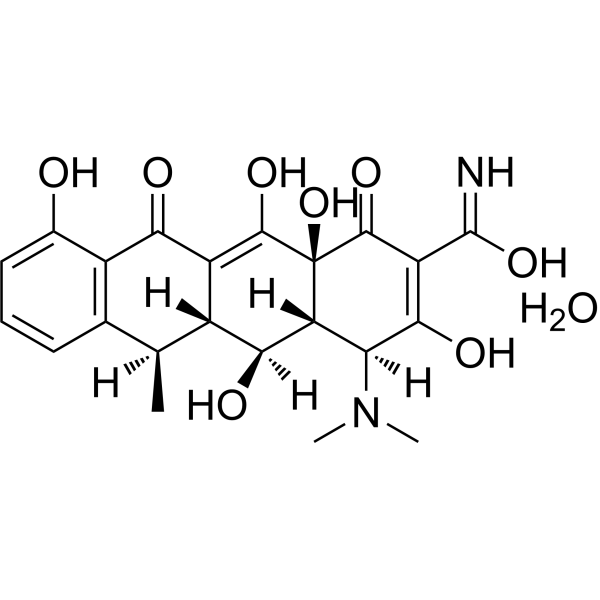
Doxycycline monohydrate is an orally active highly lipophilic, tissue-permeable MMP inhibitor with broad-spectrum antibacterial activity. Doxycycline monohydrate is also a semi-synthetic antibiotic with chelating properties, which blocks bacterial protein synthesis and inhibits extracellular matrix degradation through interactions with zinc and calcium atoms. Doxycycline monohydrate also inhibits mitochondrial biogenesis, translation, and the expression of respiratory chain proteins. Doxycycline monohydrate induces apoptosis, inhibits autophagy and EMT, downregulates stem cell markers, and activates the PI3K-AKT pathway, thereby effectively inhibiting the viability and proliferation of cancer cells such as breast cancer cells. Doxycycline monohydrate also promotes the survival and self-renewal of embryonic stem cells and neural stem cells, and reduces the frequency of medium changes in culture. Doxycycline monohydrate has been applied in studies related to breast cancer, prostate cancer, bladder cancer, and other cancers .
loading...
    loading...
132
132 Cited Publications
Cat. No.: HY-15244
CAS No.: 1217486-61-7
Pureté:  99.88%
Synonyms: BYL-719
Target:  

PI3K Apoptosis

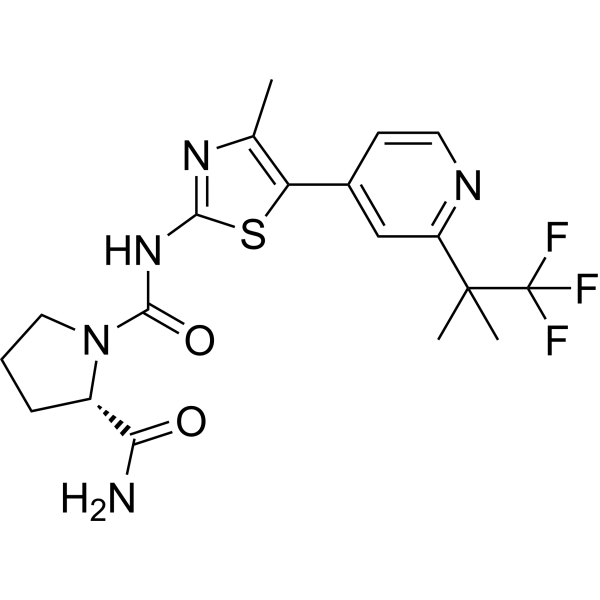
Alpelisib (BYL-719) is an orally active PI3Kα-selective inhibitor that blocks the conversion of PIP2 to PIP3, thereby inhibiting pathways including PI3K/AKT/mTOR, MAPK/ERK, Notch and JAK-STAT. Alpelisib also induces apoptosis, G0/G1 phase arrest and senescence; it significantly inhibits the proliferation, self-renewal, stemness and epithelial-mesenchymal transition (EMT) of tumor cells, reduces cancer stem cell populations and decreases the expression of stem cell markers. Alpelisib not only enhances the sensitivity to Eribulin (HY-13442) and exerts a synergistic effect with Paclitaxel (HY-B0015), but may also induce drug resistance by upregulating the SGK3/GSK3β/β-catenin signaling pathway. Alpelisib can be applied to research related to breast cancer, gastric cancer and lipomas associated with PTEN hamartoma tumor syndrome .
loading...
    loading...
132
132 Cited Publications
Cat. No.: HY-15244A
CAS No.: 1584128-91-5
Synonyms: BYL-719 hydrochloride
Target:  

PI3K Apoptosis

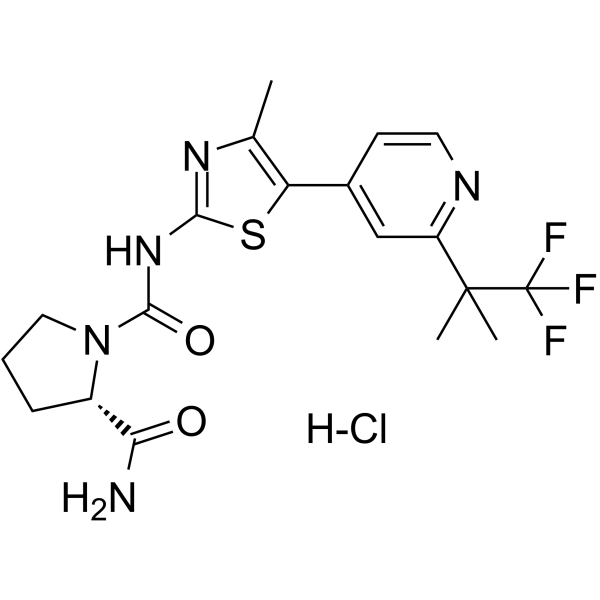
Alpelisib (BYL-719) hydrochloride is an orally active PI3Kα-selective inhibitor that blocks the conversion of PIP2 to PIP3, thereby inhibiting pathways including PI3K/AKT/mTOR, MAPK/ERK, Notch and JAK-STAT. Alpelisib hydrochloride also induces apoptosis, G0/G1 phase arrest and senescence; it significantly inhibits the proliferation, self-renewal, stemness and epithelial-mesenchymal transition (EMT) of tumor cells, reduces cancer stem cell populations and decreases the expression of stem cell markers. Alpelisib hydrochloride not only enhances the sensitivity to Eribulin (HY-13442) and exerts a synergistic effect with Paclitaxel (HY-B0015), but may also induce drug resistance by upregulating the SGK3/GSK3β/β-catenin signaling pathway. Alpelisib hydrochloride can be applied to research related to breast cancer, gastric cancer and lipomas associated with PTEN hamartoma tumor syndrome .
loading...
    loading...
8
8 Cited Publications
Cat. No.: HY-B1037
CAS No.: 18559-94-9
Synonyms: Albuterol; AH-3365
Target:  

Adrenergic Receptor ERK

Domaines de recherche:  

Inflammation/Immunology Cancer

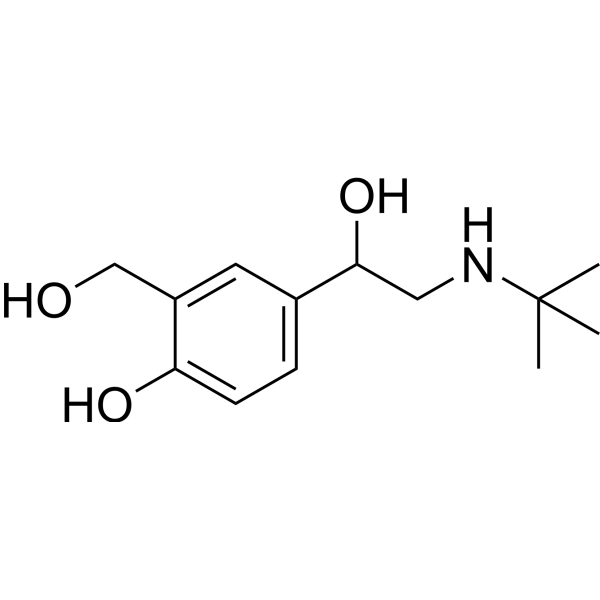
Salbutamol (Albuterol) is an orally active short-acting β2-adrenergic receptor agonist. Salbutamol promotes tumorigenesis in gastric cancer cells through the β2-AR/ERK/EMT pathway. Salbutamol can relax bronchial smooth muscle and is used to study bronchospasm induced by asthma and chronic obstructive pulmonary disease .
loading...
    loading...
8
8 Cited Publications
Cat. No.: HY-B0436
CAS No.: 51022-70-9
Synonyms: Albuterol hemisulfate; AH-3365 hemisulfate
Target:  

Adrenergic Receptor ERK

Domaines de recherche:  

Inflammation/Immunology Cancer

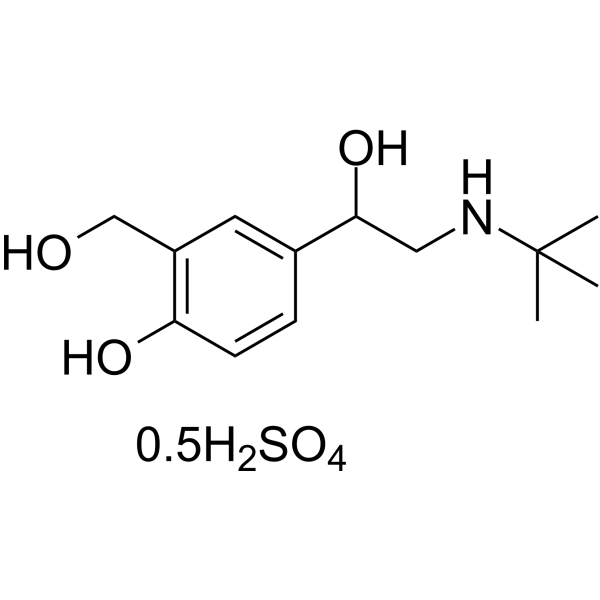
Salbutamol (Albuterol) hemisulfate is an orally active short-acting β2-adrenergic receptor agonist. Salbutamol hemisulfate promotes tumorigenesis in gastric cancer cells through the β2-AR/ERK/EMT pathway. Salbutamol hemisulfate can relax bronchial smooth muscle and is used to study bronchospasm induced by asthma and chronic obstructive pulmonary disease .
loading...
    loading...
6
6 Cited Publications
Cat. No.: HY-111431
CAS No.: 3233-58-7
Pureté:  99.87%
Synonyms: p-Tolyl sulfate
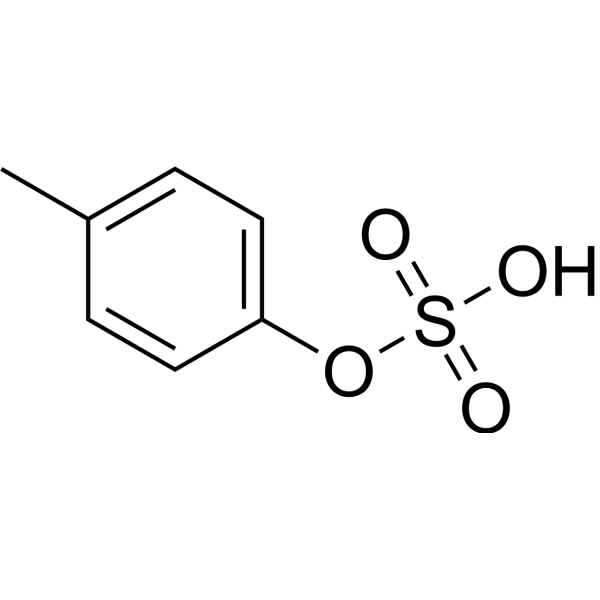
p-Cresyl sulfate (p-Tolyl sulfate) is a uremic toxin, that can cause renal damage and dysfunction. p-Cresyl sulfate shows antiproliferation activity. p-Cresyl sulfate increases the protein expression of HIF-1α and VHL, decreases the protein expression of HIF-2α. p-Cresyl sulfate induces epithelial-mesenchymal transition (EMT). p-Cresyl sulfate activates the JNK and p38 MAPK signaling pathways .
loading...
    loading...
4
4 Cited Publications
Cat. No.: HY-101275
CAS No.: 1638526-21-2
Pureté:  99.45%
Domaines de recherche:  

Cancer

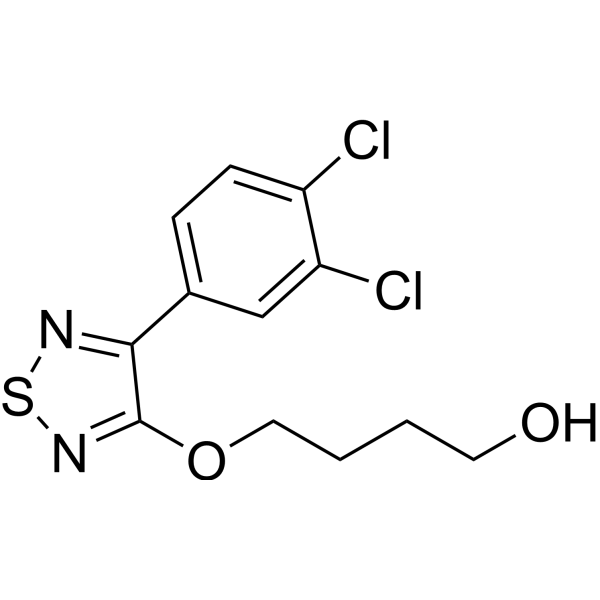
EMT inhibitor-1 is an inhibitor of of Hippo, TGF-β, and Wnt signaling pathways with antitumor activities.
loading...
    loading...
3
3 Cited Publications
Cat. No.: HY-N4185
CAS No.: 61153-77-3
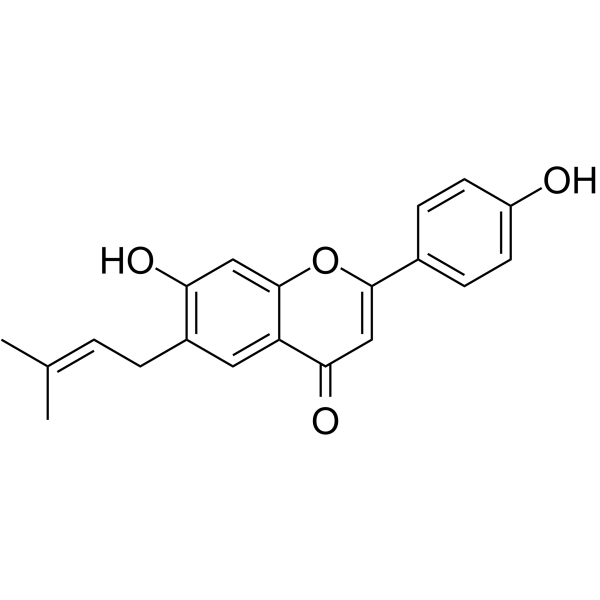
Licoflavone A is an orally active PTP1B/VEGFR-2 inhibitor, with an IC50 of 54.5 μM against PTP1B, an IC50 of 14.36 μM and a Kd of 142.38 nM against human VEGFR-2. Licoflavone A blocks the PI3K/AKT and MEK/ERK signaling pathways. Licoflavone A induces G1 phase cell cycle arrest, apoptosis via the intrinsic mitochondrial pathway (apoptosis), and inhibits migration, invasion and epithelial-mesenchymal transition (EMT) of gastric cancer cells. Licoflavone A inhibits the proliferation of gastric cancer cells in vitro and in xenograft models. Licoflavone A reduces the expression levels of HIF-1α, GLUT1, LDHA, PKM2 and HK2 in hypoxic gastric cancer cells, decreases glucose uptake and suppresses glycolysis. Licoflavone A can be used in research related to gastric cancer, type 2 diabetes and obesity .
loading...
    loading...
1
1 Cited Publications
Cat. No.: HY-N0837
CAS No.: 60-70-8
Synonyms: NSC17821; NSC23880
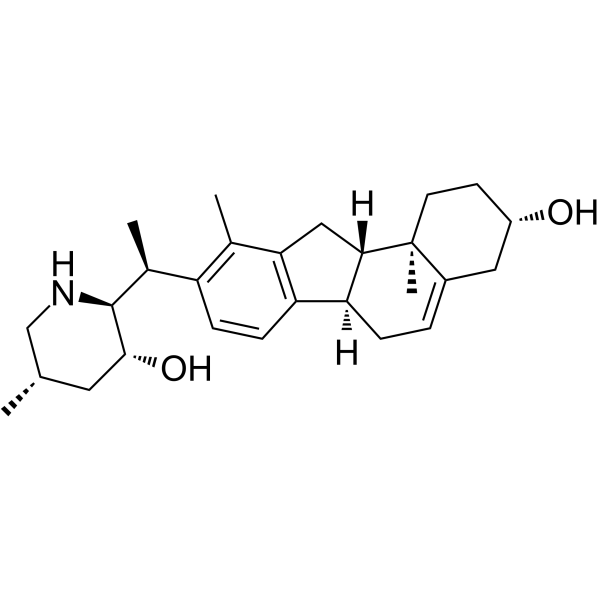
Veratramine (NSC17821; NSC23880) is an orally active inhibitor of the PI3K/Akt/mTOR signaling pathway and a SIGMAR1 modulator. Veratramine induces autophagic apoptosis of tumor cells, arrests the cell cycle at the G0/G1 phase, and inhibits epithelial-mesenchymal transition (EMT)-related proteins to reduce tumor migration. Veratramine reduces spinal cord and sciatic nerve pathological damage in a neuropathy model by inhibiting SIGMAR1 binding to NMDAR and phosphorylation of NMDAR Ser896. Veratramine has anti-tumor proliferation, apoptosis induction, anti-inflammatory and neuroprotective activities, and can be used in the study of cancers such as liver cancer and osteosarcoma, as well as diabetic peripheral neuropathy .
loading...
    loading...
Cat. No.: HY-170035
CAS No.: 95119-86-1
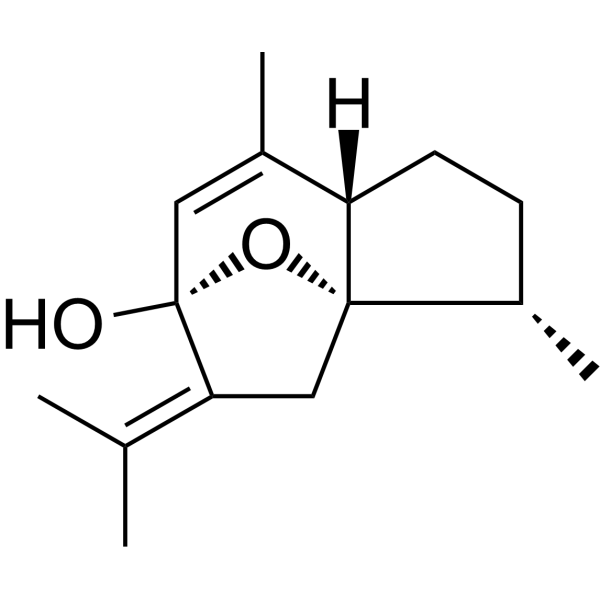
Synonyms: C18 Glucosyl(β) ceramide (d18:1/18:0); D-glucosyl-β-1,1' N-stearoyl-D-erythro-sphingosine
Target:  

Fungal Wnt β-catenin

Domaines de recherche:  

Infection Neurological Disease Cancer

GlcCer (d18:1/18:0) (C18 Glucosyl(β) ceramide (d18:1/18:0)) is a glycosphingolipids that activates the Wnt/β-catenin pathway by targeting LRP6. GlcCer (d18:1/18:0) drives EMT, migration, invasion and GBA1-mediated liver cancer metastasis. GlcCer (d18:1/18:0) accumulates to impair lysosomal function and induce toxic α-synuclein aggregation. GlcCer (d18:1/18:0) supports growth, sporulation, germination and virulence in Penicillium digitatum. GlcCer (d18:1/18:0) is reduced in demyelinated mouse corpus callosum. GlcCer (d18:1/18:0) can be used for the research of liver cancer, synucleinopathies, fungal, Parkinson’s disease and Gaucher disease .
loading...
    loading...
Cat. No.: HY-N0565S1
Doxycycline-d3 hyclate (major) is the deuterium labeled Doxycycline hyclate (HY-N0565B). Doxycycline hyclate is an orally active highly lipophilic, tissue-permeable MMP inhibitor with broad-spectrum antibacterial activity. Doxycycline hyclate is also a semi-synthetic antibiotic with chelating properties, which blocks bacterial protein synthesis and inhibits extracellular matrix degradation through interactions with zinc and calcium atoms. Doxycycline hyclate also inhibits mitochondrial biogenesis, translation, and the expression of respiratory chain proteins. Doxycycline hyclate induces apoptosis, inhibits autophagy and EMT, downregulates stem cell markers, and activates the PI3K-AKT pathway, thereby effectively inhibiting the viability and proliferation of cancer cells such as breast cancer cells. Doxycycline hyclate also promotes the survival and self-renewal of embryonic stem cells and neural stem cells, and reduces the frequency of medium changes in culture. Doxycycline hyclate has been applied in studies related to breast cancer, prostate cancer, bladder cancer, and other cancers .
loading...
    loading...
Cat. No.: HY-B1037S
CAS No.: 1219798-60-3
Synonyms: Albuterol-d3; AH-3365-d3
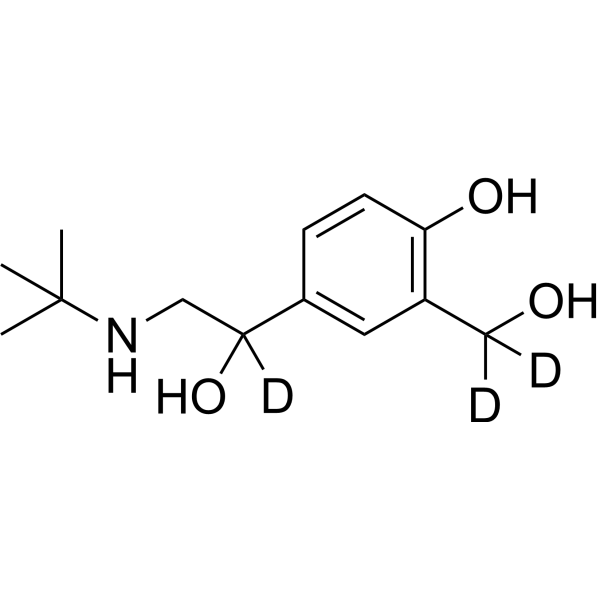
Salbutamol-d3 (Albuterol-d3) is the deuterium labeled Salbutamol (HY-B1037). Salbutamol (Albuterol) is an orally active short-acting β2-adrenergic receptor agonist. Salbutamol promotes tumorigenesis in gastric cancer cells through the β2-AR/ERK/EMT pathway. Salbutamol can relax bronchial smooth muscle and is used to study bronchospasm induced by asthma and chronic obstructive pulmonary disease .
loading...
    loading...
Cat. No.: HY-B1037S2
CAS No.: 1173021-73-2
Synonyms: Albuterol-d9; AH-3365-d9
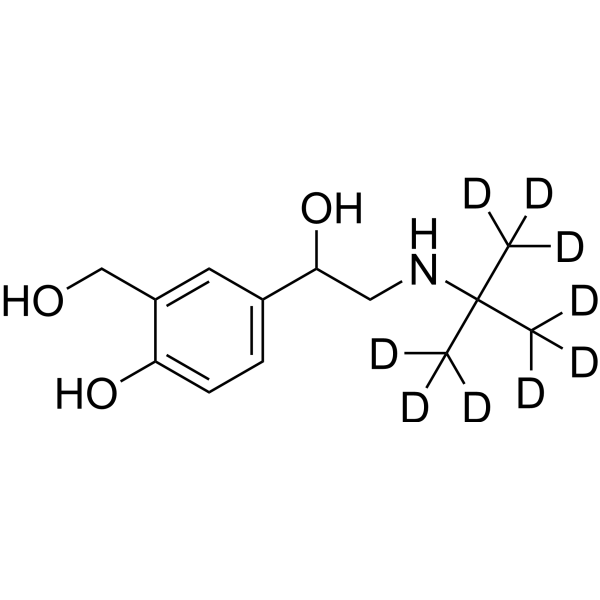
Salbutamol-d9 (Albuterol-d9) is the deuterium labeled Salbutamol (HY-B1037). Salbutamol (Albuterol) is an orally active short-acting β2-adrenergic receptor agonist. Salbutamol promotes tumorigenesis in gastric cancer cells through the β2-AR/ERK/EMT pathway. Salbutamol can relax bronchial smooth muscle and is used to study bronchospasm induced by asthma and chronic obstructive pulmonary disease .
loading...
    loading...
Cat. No.: HY-N3463
CAS No.: 5835-26-7
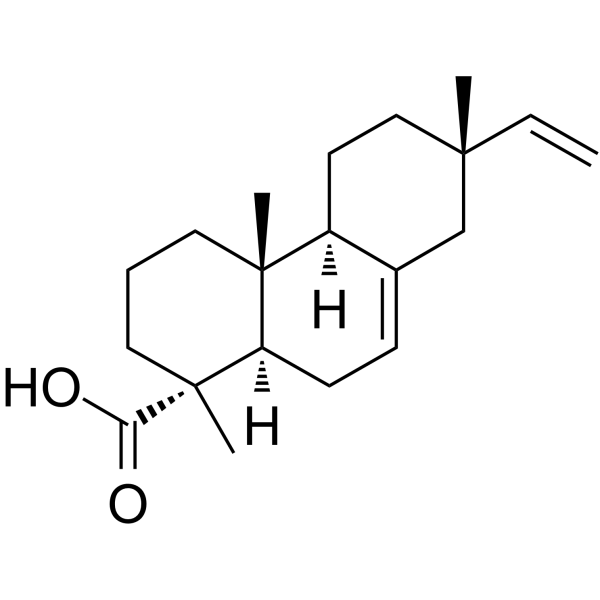
Isopimaric acid is a coniferous tree defense compound. Isopimaric acid binds to AKT and inhibits mTOR phosphorylation, thereby regulating the AKT/mTOR pathway. Isopimaric acid inhibits oxidative stress, inflammation, microglial migration, apoptosis, autophagic flux, ornithine decarboxylase activity, breast cancer proliferation and metastasis, and fungal spore germination. Isopimaric acid also induces M2 microglial polarization, mitochondrial damage, ROS accumulation, starvation-induced colon cancer cell apoptosis, and breast cancer cell cycle arrest. Isopimaric acid activates potassium channels, regulates sodium channels and calcium channels, reduces myocardial excitability, and improves arrhythmia. Isopimaric acid acts as an oxidative substrate for CYP6BW1/3, down-regulates PINK1/Parkin, and regulates calcium homeostasis, oxidative phosphorylation, EMT, and the Wnt pathway. Isopimaric acid exhibits activity against drug-resistant Staphylococcus aureus, repels feeding, and promotes the growth of rice seedlings. Isopimaric acid is suitable for research related to epilepsy, tumors, drug-resistant bacterial infections, atrial fibrillation, hypertension, hyperlipidemia, pulmonary tuberculosis, etc .
loading...
    loading...
Cat. No.: HY-15244R
CAS No.: 1217486-61-7
Synonyms: BYL-719 (Standard)
Alpelisib (BYL-719) (Standard) is the analytical standard of Alpelisib (HY-15244). This product is intended for research and analytical applications. Alpelisib (BYL-719) is an orally active PI3Kα-selective inhibitor that blocks the conversion of PIP2 to PIP3, thereby inhibiting pathways including PI3K/AKT/mTOR, MAPK/ERK, Notch and JAK-STAT. Alpelisib also induces apoptosis, G0/G1 phase arrest and senescence; it significantly inhibits the proliferation, self-renewal, stemness and epithelial-mesenchymal transition (EMT) of tumor cells, reduces cancer stem cell populations and decreases the expression of stem cell markers. Alpelisib not only enhances the sensitivity to Eribulin (HY-13442) and exerts a synergistic effect with Paclitaxel (HY-B0015), but may also induce drug resistance by upregulating the SGK3/GSK3β/β-catenin signaling pathway. Alpelisib can be applied to research related to breast cancer, gastric cancer and lipomas associated with PTEN hamartoma tumor syndrome .
loading...
    loading...
Cat. No.: HY-N0565AR
CAS No.: 10592-13-9
Doxycycline hydrochloride (Standard) is the analytical standard of Doxycycline hydrochloride (HY-N0565A). This product is intended for research and analytical applications. Doxycycline hydrochloride is an orally active highly lipophilic, tissue-permeable MMP inhibitor with broad-spectrum antibacterial activity. Doxycycline hydrochloride is also a semi-synthetic antibiotic with chelating properties, which blocks bacterial protein synthesis and inhibits extracellular matrix degradation through interactions with zinc and calcium atoms. Doxycycline hydrochloride also inhibits mitochondrial biogenesis, translation, and the expression of respiratory chain proteins. Doxycycline hydrochloride induces apoptosis, inhibits autophagy and EMT, downregulates stem cell markers, and activates the PI3K-AKT pathway, thereby effectively inhibiting the viability and proliferation of cancer cells such as breast cancer cells. Doxycycline hydrochloride also promotes the survival and self-renewal of embryonic stem cells and neural stem cells, and reduces the frequency of medium changes in culture. Doxycycline hydrochloride has been applied in studies related to breast cancer, prostate cancer, bladder cancer, and other cancers .
loading...
    loading...
Cat. No.: HY-N0565R
CAS No.: 564-25-0
Doxycycline (Standard) is the analytical standard of Doxycycline (HY-N0565). This product is intended for research and analytical applications. Doxycycline is an orally active highly lipophilic, tissue-permeable MMP inhibitor with broad-spectrum antibacterial activity. Doxycycline is also a semi-synthetic antibiotic with chelating properties, which blocks bacterial protein synthesis and inhibits extracellular matrix degradation through interactions with zinc and calcium atoms. Doxycycline also inhibits mitochondrial biogenesis, translation, and the expression of respiratory chain proteins. Doxycycline induces apoptosis, inhibits autophagy and EMT, downregulates stem cell markers, and activates the PI3K-AKT pathway, thereby effectively inhibiting the viability and proliferation of cancer cells such as breast cancer cells. Doxycycline also promotes the survival and self-renewal of embryonic stem cells and neural stem cells, and reduces the frequency of medium changes in culture. Doxycycline has been applied in studies related to breast cancer, prostate cancer, bladder cancer, and other cancers .
loading...
    loading...
Cat. No.: HY-N0565BR
CAS No.: 24390-14-5
Synonyms: Doxycycline (hydrochloride hemiethanolate hemihydrate) (Standard); WC2031 (Standard)
Doxycycline hyclate (Standard) is the analytical standard of Doxycycline hyclate (HY-N0565B). This product is intended for research and analytical applications. Doxycycline hyclate is an orally active highly lipophilic, tissue-permeable MMP inhibitor with broad-spectrum antibacterial activity. Doxycycline hyclate is also a semi-synthetic antibiotic with chelating properties, which blocks bacterial protein synthesis and inhibits extracellular matrix degradation through interactions with zinc and calcium atoms. Doxycycline hyclate also inhibits mitochondrial biogenesis, translation, and the expression of respiratory chain proteins. Doxycycline hyclate induces apoptosis, inhibits autophagy and EMT, downregulates stem cell markers, and activates the PI3K-AKT pathway, thereby effectively inhibiting the viability and proliferation of cancer cells such as breast cancer cells. Doxycycline hyclate also promotes the survival and self-renewal of embryonic stem cells and neural stem cells, and reduces the frequency of medium changes in culture. Doxycycline hyclate has been applied in studies related to breast cancer, prostate cancer, bladder cancer, and other cancers .
loading...
    loading...
Cat. No.: HY-W005379
CAS No.: 162401-62-9
Target:  

TGF-beta/Smad

Domaines de recherche:  

Inflammation/Immunology

DGM is an inhibitor of the TGF-β1/Smad signaling pathway with significant antifibrotic effects. DGM inhibits the epithelial-mesenchymal transition (EMT) process in alveolar epithelial cells and slows the progression of pulmonary fibrosis in vivo by reducing lung inflammation, improving lung function, and decreasing extracellular matrix (ECM) remodeling. DGM can be used in research on idiopathic pulmonary fibrosis (IPF) and EMT-related diseases .
loading...
    loading...
Cat. No.: HY-B1037R
CAS No.: 18559-94-9
Synonyms: Albuterol (Standard); AH-3365 (Standard)
Salbutamol (Standard) is the analytical standard of Salbutamol. This product is intended for research and analytical applications. Salbutamol (Albuterol) is a short-acting beta-2 adrenergic receptor agonist with oral activity. Salbutamol promotes tumorigenesis of gastric cancer cells through the β2-AR/ERK/EMT pathway. Salbutamol is used to study bronchospasms caused by asthma and chronic obstructive pulmonary disease (COPD) .
loading...
    loading...

