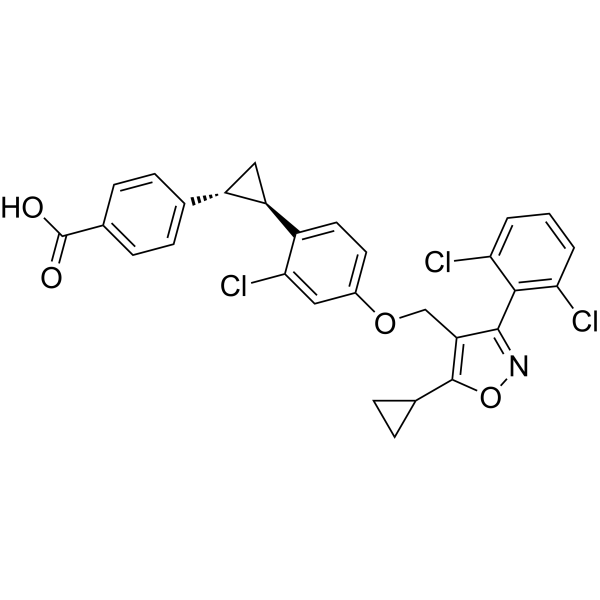
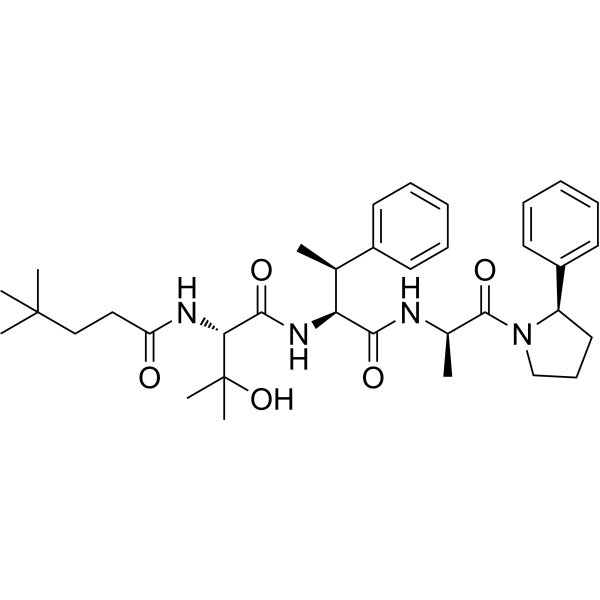
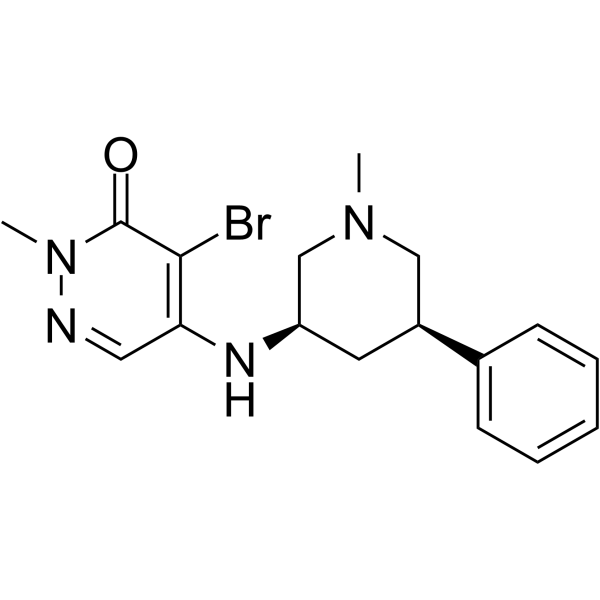
Search Result
Results for "
FRET
" in MedChemExpress (MCE) Product Catalog:
1
Biochemical Assay Reagents
1
Isotope-Labeled Compounds
| Cat. No. |
Product Name |
Target |
Research Areas |
Chemical Structure |
-
- HY-101533
-
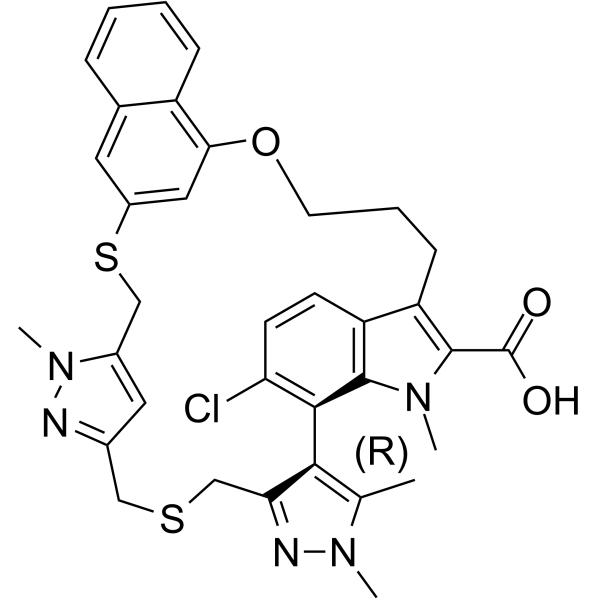
AZD-5991
Maximum Cited Publications
19 Publications Verification
|
Bcl-2 Family
|
Cancer
|
|
AZD-5991 is a potent and selective Mcl-1 inhibitor with an IC50 of 0.7 nM in FRET assay and a Kd of 0.17 nM in surface plasmon resonance (SPR) assay .
|
-
-
- HY-P5354
-
|
|
Fluorescent Dye
|
Cardiovascular Disease
|
|
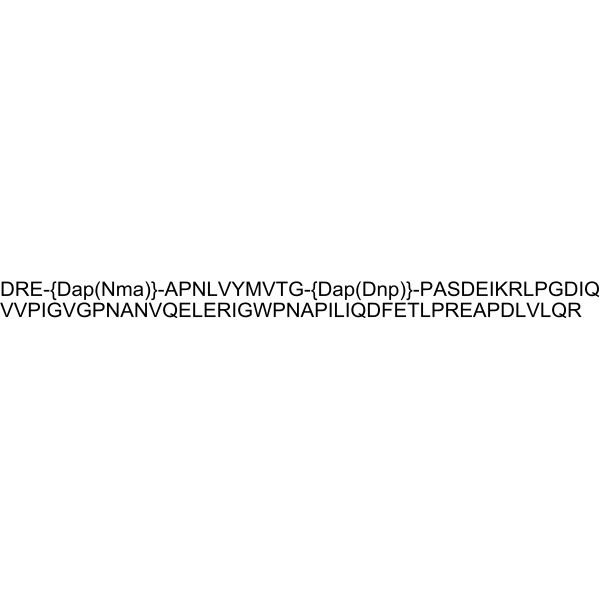
FRETS-VWF73, a 73-amino-acid peptide, is a fluorogenic substrate for ADAMTS13 assay (Ex = 340 nm; Em = 450 nm). FRETS-VWF73 is a predictive tool for thrombotic thrombocytopenic purpura .
|
-
-
- HY-108435
-
-
-
- HY-15943
-
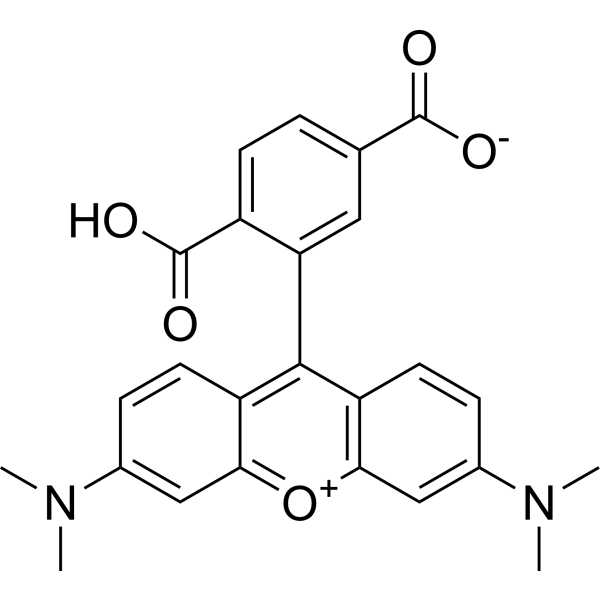
6-TAMRA
1 Publications Verification
6-Carboxytetramethylrhodamine
|
Fluorescent Dye
|
Others
|
|
6-TAMRA (6-Carboxytetramethylrhodamine) is a fluorescent dye. 6-TAMRA is often used in combination with 6-FAM (HY-66021) as an acceptor or fluorescence quencher for fluorescence resonance energy transfer (FRET) in biochemical studies such as potassium ion detection and ribonuclease activity assays .
|
-
-
- HY-108696
-
GNE-781
5 Publications Verification
|
Epigenetic Reader Domain
Histone Acetyltransferase
|
Cancer
|
|
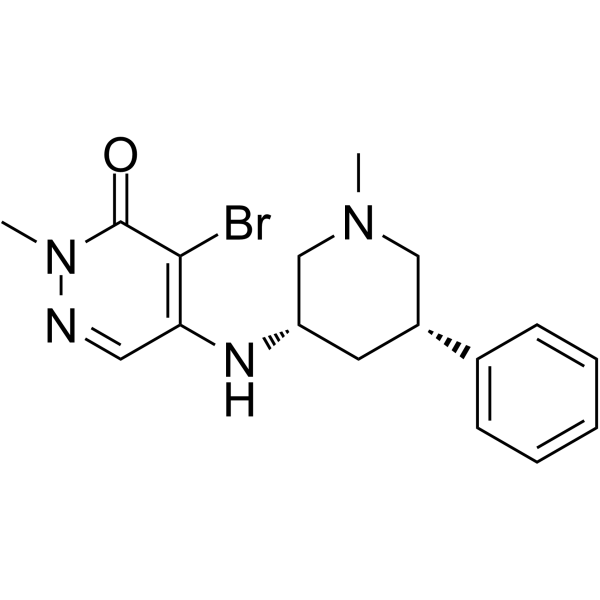
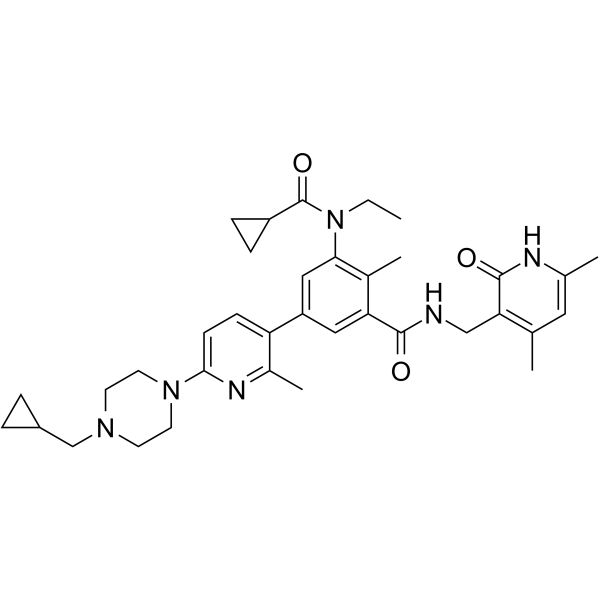
GNE-781 is an orally active, highly potent and selective CBP inhibitor with an IC50 of 0.94 nM in TR-FRET assay. GNE-781 also inhibits BRET and BRD4(1) with IC50s of 6.2 nM and 5100 nM, respectively. GNE-781 displays antitumor activity in an MOLM-16 AML xenograft model .
|
-
-
- HY-162289
-
|
|
DNA/RNA Synthesis
|
Neurological Disease
Cancer
|
|
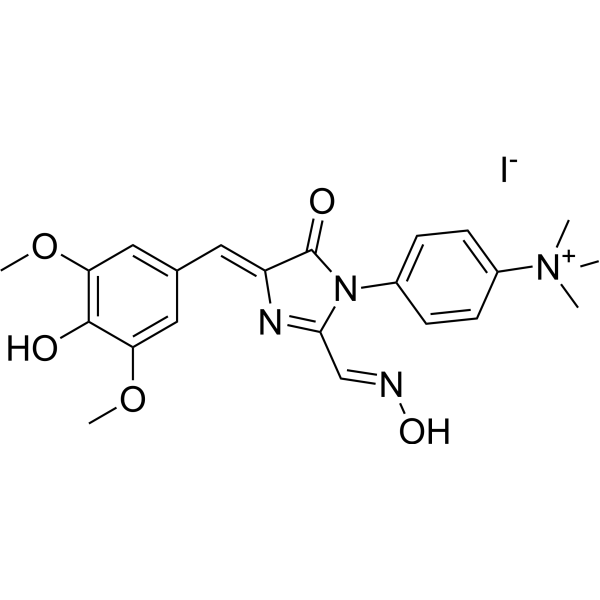
FAZ-3780 is an inhibitor that binds to the NTF2L domain of G3BP1/2. FAZ-3780 binds to the NTF2L nsP3 of G3BP1 with high affinity, with a Kd of 0.15 μM and a Pep-FRET IC50 of 0.7 μM. FAZ-3780 targets the protein-protein interaction domain of G3BP1/2, and specifically inhibits the co-condensation of G3BP1, caprin 1 and RNA in vitro. FAZ-3780 inhibits stress granule formation and disassembles pre-formed stress granules. FAZ-3780 can be used in studies related to cancer and neurodegenerative diseases .
|
-
-
- HY-W027544
-
|
7-Methoxycoumarin-4-acetic acid
|
Fluorescent Dye
|
Others
|
|
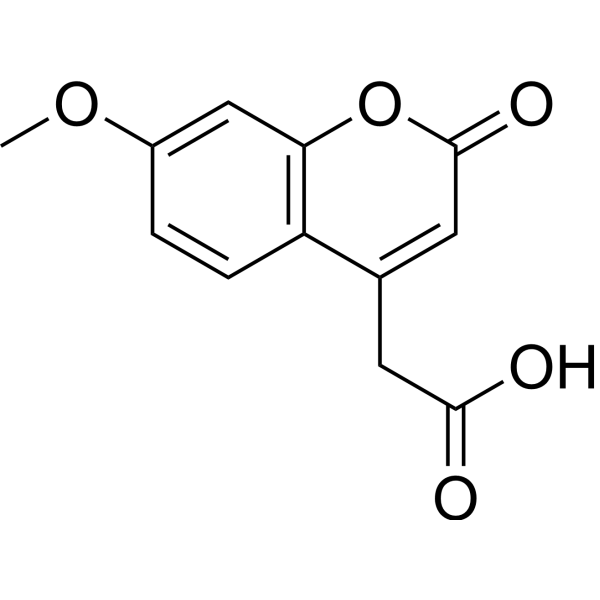
MCA (7-Methoxycoumarin-4-acetic acid) is a Coumarin (HY-N0709) derivative. MCA quantitates platelet-activating factor (PAF) by high-performance liquid chromatography with fluorescent detection. MCA can modify FRET peptide substrates for analyzing protease activities .
|
-
-
- HY-101027
-
-
-
- HY-W800703
-
|
|
Fluorescent Dye
|
Others
|
|
Alexa Fluor 594 azide is an azide-modified fluorescent dye and also a FRET acceptor reactant. Owing to its negligible direct absorption under 488 nm excitation light, excellent photostability, and the ability of its azide group to participate in the CuAAC reaction, Alexa Fluor 594 azide can be paired with a donor dye for single-molecule imaging via TIRFM, thereby enabling the visual monitoring of CuNP-catalyzed click reactions .
|
-
-
- HY-D2365
-
|
|
Fluorescent Dye
|
Others
|
|
QSY 21 NHS is a dark quencher and an efficient energy transfer acceptor for far-red and near-infrared fluorescent probes. QSY 21 NHS operates at a wavelength range of 540-750 nm and is commonly used in FRET applications. QSY 21 NHS does not fluoresce under normal conditions. The NHS ester can be used to label primary amines (R-NH2) of proteins, amine-modified oligonucleotides and other amine-containing molecules. QSY 21 NHS can be conjugated with dendritic poly-L-lysine to achieve intramolecular quenching of Cy5 fluorescence .
|
-
-
- HY-152231
-
|
|
Fluorescent Dye
Ligands for E3 Ligase
|
Others
|
|
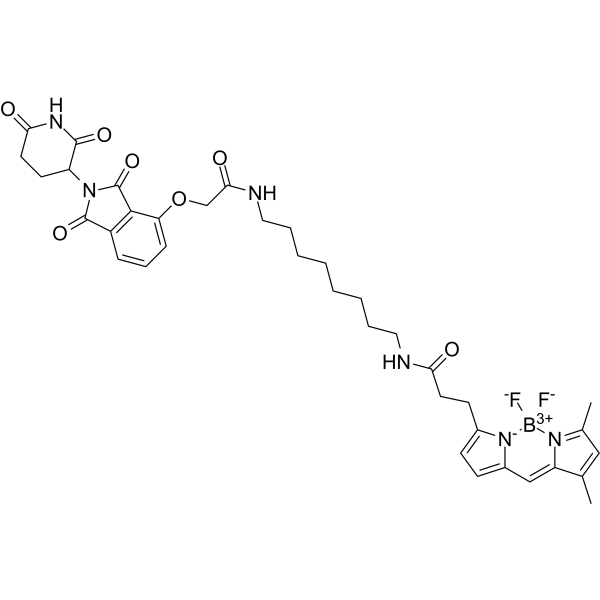
BODIPY FL thalidomide is a high-affinity and selective human cereblon (CRBN)-targeting fluorescent probe with a Kd of 3.6 nM. BODIPY FL thalidomide enables use as a probe in time-resolved fluorescence resonance energy transfer (TR-FRET) binding assays for cereblon ligands. BODIPY FL thalidomide supports development of highly sensitive, selective, stable cereblon TR-FRET binding assays (Ex/Em = 502/510 nm) .
|
-
-
- HY-135710
-
|
|
ADAMTS
Bacterial
|
Infection
Inflammation/Immunology
|
|
ADAMTS-5-IN-2 is an inhibitor of ADAMTS-5 (IC50: 9.6 μM) and BoNT/A LC (IC50: 0.71 μM). ADAMTS-5-IN-2 can be used in research related to botulism, osteoarthritis, and other conditions .
|
-
-
- HY-100522
-
FMK 9a
2 Publications Verification
|
Atg4
Autophagy
|
Cancer
|
|
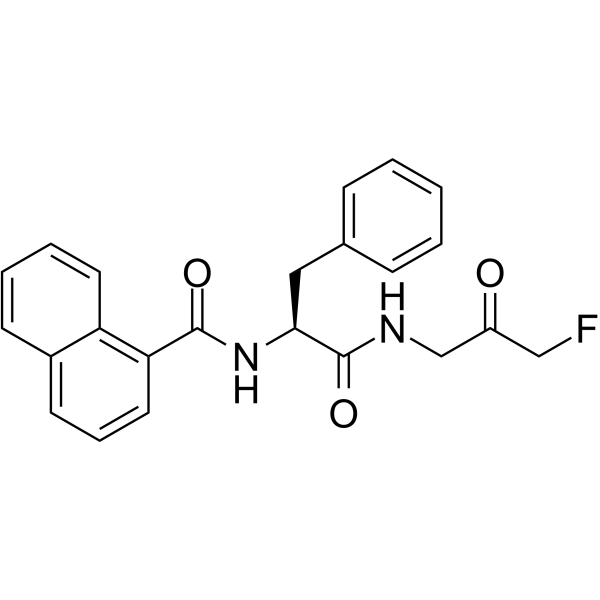
FMK 9a is an autophagin-1 inhibitor with IC50 values of 80 and 73 μM in FRET and LRA assay.
|
-
-
- HY-P99900
-
|
MSL-109
|
CMV
|
Infection
|
|
Sevirumab (MSL-109) is a human IgG1 neutralizing monoclonal antibody against cytomegalovirus (CMV). Sevirumab recognizes CMV gH complexes and inhibits CMV replication with an EC50 of 0.3 μg/mL .
|
-
-
- HY-101027A
-
-
-
- HY-A0298
-
|
|
Histone Methyltransferase
|
Cancer
|
|
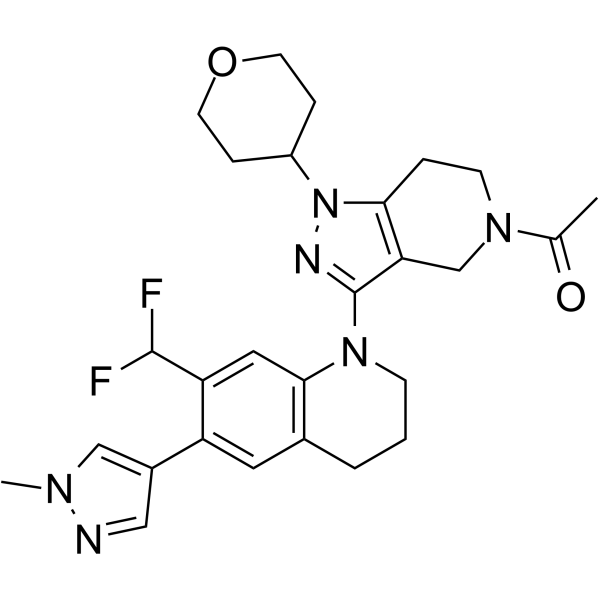
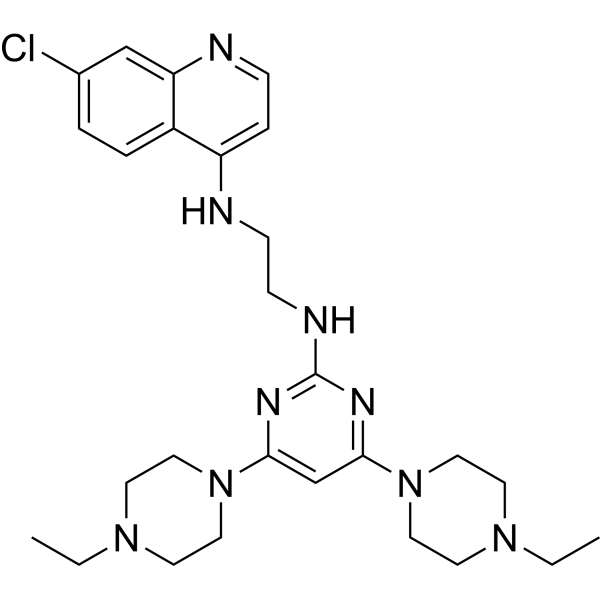
EZH2-IN-2 (Example 69) is a EZH2 inhibitor with an IC50 and a TR-FRET IC50 of 64 nM and 20 nM. EZH2-IN-2 can be used for the research of cancer or precancerous condition related to EZH2 activity .
|
-
-
- HY-139561
-
-
-
- HY-102075A
-
-
-
- HY-P5354A
-
|
|
Fluorescent Dye
|
Others
|
|
FRETS-VWF73 TFA, a 73-amino-acid peptide, is a fluorogenic substrate for ADAMTS13 assay (Ex=340 nm; Em=450 nm) .
|
-
-
- HY-42984
-
|
|
Biochemical Assay Reagents
|
Others
|
|
BHQ-2 NHS is a dark quencher with no native emission due to the polyaromatic-azo backbone and a terminal NHS ester. UBHQ-2 NHS has a wide and intense quenching range from 560-670 nm, which makes it useful as an acceptor in fluorescence resonance energy transfer (FRET) applications in conjunction with orange to far-red emitting dyes. The NHS ester can be applied to label the primary amines (-NH2) of proteins, amine-modified oligonucleotides, and other amine-containing molecules.
|
-
-
- HY-D1773
-
|
|
Fluorescent Dye
DNA Alkylator/Crosslinker
|
Others
|
|
YOYO-3 is a trimethine cyanine homodimer dye. YOYO-3 intercalates into AF488-tagged dsDNA molecules at the single-molecule level. YOYO-3 has a greater affinity for DNA than do EB and other Cyanine dyes .
|
-
-
- HY-P2498A
-
|
|
Cathepsin
|
Cancer
|
|
Cathepsin D and E FRET Substrate acetate is a fluorogenic substrate for cathepsins D and E and not for B, H or L. The cleavage occurs at the Phe-Phe amide bond resul. Cathepsin D and E FRET Substrate is a valuable tool for routine assays and for mechanistic studies on cathepsins E and D .
|
-
-
- HY-P3792
-
|
|
Biochemical Assay Reagents
|
Others
|
|
Mca-Pro-Leu-Gly-Pro-D-Lys(Dnp) is a FRET substrate of Thimet oligopeptidase. Mca-Pro-Leu-Gly-Pro-D-Lys(Dnp) can be used for the determination of Thimet oligopeptidase activity .
|
-
-
- HY-151412
-
-
-
- HY-D1682
-
|
|
Fluorescent Dye
|
Others
|
|
NFQ1 is a non-fluorescent quencher (absorption wavelength: 474 nm), and is used for a new type of One Sample Fluorescence Resonance Energy Transfer (OS-FRET) method. OS-FRET enable measurement of unquenched donor emission in the same sample. NFQ1 shows broad absorption spectrum ensuring its utility as a dark acceptor for many donors .
|
-
-
- HY-D0053A
-
|
6-Carboxy-X-rhodamine hydrochloride
|
Fluorescent Dye
|
Others
|
|
6-ROX (6-Carboxy-X-rhodamine) hydrochloride, a fluorescent marker of oligonucleotides, acts as a receptor coupled to 5-FAM and as a donor in FRET imaging. Excitation wavelength: 568 nm. Emission wavelength: 568 nm.
|
-
-
- HY-155312
-
|
|
C-type Lectin-like Receptors (CTLRs)
|
Cancer
|
|
NKG2D-IN-2 (compound 47) is a natural killer group 2D receptor (NKG2D) inhibitor with IC50s of 0.1 µM and 0.2 µM in NKG2D/MICA and ULBP6 TR-FRET assays, respectively .
|
-
-
- HY-D1050
-
|
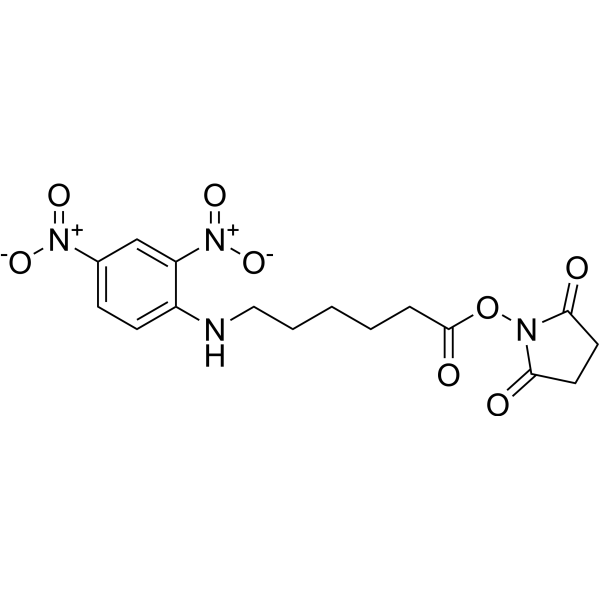
6-(2,4-Dinitrophenyl)aminohexanoic acid, succinimidyl ester
|
Fluorescent Dye
|
Metabolic Disease
|
|
DNP-X, SE (6-(2,4-Dinitrophenyl)aminohexanoic acid, succinimidyl ester), the DNP-X acid modified by succinimidyl ester, is an amine-reactive building block for developing a probe, which can be recognized by anti-DNP antibodies. DNP-X, SE (6-(2,4-Dinitrophenyl)aminohexanoic acid, succinimidyl ester) is also an excellent amine-reactive FRET quencher paired with Trp or Tyr.
|
-
-
- HY-P5485
-
|
|
Bacterial
|
Others
|
|
Dabcyl-QALPETGEE-Edans is a synthetic peptide substrate for fluorescence resonance energy transfer (FRET) detection of Sortase A (SrtA) enzymatic activity. Dabcyl-QALPETGEE-Edans is labeled at both ends with the fluorescent group Edans (donor) and the quencher Dabcyl (acceptor), respectively. Dabcyl-QALPETGEE-Edans's central sequence contains a conserved motif specifically recognized by SrtA. Dabcyl-QALPETGEE-Edans demonstrates high sensitivity in vitro assays, enabling precise determination of the half-maximal inhibitory concentration of SrtA .
|
-
-
- HY-D2413
-
|
BODIPY FL PEG4-VH032
|
Fluorescent Dye
|
Others
|
|
BODIPY FL VH032 is a high-affinity VHL fluorescent probe with a Kd value of 3.01 nM. BODIPY FL VH032 consists of von Hippel-Lindau (VHL) ligand VH032 (HY-120217) and BODIPY FL (HY-43520). BODIPY FL VH032 can be used for time-resolved fluorescence resonance energy transfer (TR-FRET) detection for high-throughput identification and characterization of VHL ligands with maximum excitation emission wavelength: 504/520 nm .
|
-
-
- HY-P1859
-
-
-
- HY-101533A
-
|
|
Bcl-2 Family
|
Cancer
|
|
AZD-5991 Racemate is the racemate of AZD-5991. AZD-5991 Racemate is a Mcl-1 inhibitor with an IC50 of <3 nM in FRET assay.
|
-
-
- HY-161159
-
DMHBO+
1 Publications Verification
|
Fluorescent Dye
|
Others
|
|
DMHBO+ is a cationic chromophore that binds to the Chili aptamer with a Kd of 12 nM. The Chili-DMHBO+ complex is an ideal fluorescence donor for FRET to the rhodamine dye Atto 590, suitable for imaging RNA in cells. Ex/Em=456/592 nm .
|
-
-
- HY-157558
-
|
8SGE
|
Ligands for E3 Ligase
|
Others
|
|
KDRLKZ-1 is a KLHDC2 ligand (Kd = 0.36 μM), with IC50s of 0.21 μM and 0.31 μM in alphaLISA and time-resolved fluorescence resonance energy transfer (TR-FRET) displacement assays .
|
-
-
- HY-101533B
-
|
|
Bcl-2 Family
|
Cancer
|
|
AZD-5991 S-enantiomer is the less active enantiomer of AZD-5991. AZD-5991 S-enantiomer is a Mcl-1 inhibitor with an IC50 of 6.3 μM in FRET assay and a Kd of 0.98 μM in surface plasmon resonance (SPR) assay.
|
-
-
- HY-P5419A
-
|
|
Biochemical Assay Reagents
|
Others
|
|
WAAG-3R TFA is a biological active peptide. (Aggrecanases belong to the ADAMTS (A disintegrin and metalloprotease with thrombospondin motif) family of proteases. Aggrecanases cleave aggrecan, the major structural component of cartilage. Aggrecanase-1 (ADAMTS-4) is a major aggrecanase in human osteoarthritic cartilage. This FRET peptide was used in an ADAMTS-4 (Aggrecanase-1) and ADAMTS-5 (Aggrecanase-2) assay . (Ex/Em = 340/420 nm)
|
-
-
- HY-P2498
-
|
|
Cathepsin
|
Others
|
|
Cathepsin D and E FRET Substrate is a fluorogenic substrate for cathepsins D and E and not for B, H or L. The cleavage occurs at the Phe-Phe amide bond resul. Cathepsin D and E FRET Substrate is a valuable tool for routine assays and for mechanistic studies on cathepsins E and D .
|
-
-
- HY-100443A
-
|
trans-PX-102
|
FXR
Autophagy
|
Metabolic Disease
|
|
PX20606 trans racemate (PX-102 trans racemate) is a FXR agonist with EC50s of 32 and 34 nM for FXR in FRET and M1H assay, respectively .
|
-
-
- HY-D2274
-
|
|
Fluorescent Dye
|
Others
|
|
EZH2-AF647 is a fluorescent probe derived from UNC2239 that improves receptor TR-FRET properties by using Alexa 647 dye .
|
-
-
- HY-D1079
-
|
|
DNA Stain
|
Others
|
|
EDANS sodium is a potent fluorogenic substrates. EDANS sodium is a donor for FRET-based nucleic acid probes and protease substrates. EDANS sodium is often paired with DABCYL or DABSYL. The optimal absorbance and emission wavelengths of EDANS sodium are λabs = 336 nm and λem = 490 nm respectively .
|
-
-
- HY-D2167
-
|
|
Fluorescent Dye
|
Others
|
|
AF 568 alkyne is a derivative of the orange fluorescent dye AF 568. AF 568 has an absorption wavelength of 590-720 nm (FRET) and an emission wavelength of 515-720 nm. AF 568 alkyne can undergo copper-catalyzed azide-alkyne cycloaddition (CuAAc) via the Alkyne group and molecules containing Azide groups. To achieve specific coupling of dye labels and biomolecules .
|
-
-
- HY-173308
-
|
|
Fluorescent Dye
|
Others
|
|
QSY-21 is a fluorescence quencher. QSY-21 possesses broad absorption in far red and NIR range, and can quench fluorescence of dyes that emit in this region. This is a carboxylic acid derivative. QSY-21 has intense absorption maximum at 661 nm, making it useful as an acceptor in fluorescence resonance energy transfer (FRET) applications. It is a common quencher for Cyanine5, Cyanine5.5, AF 647, or other spectrally similar fluorescent dyes.
|
-
-
- HY-P11302
-
|
|
CHIKV
Virus Protease
|
Infection
|
|
DABCYL-RAGGYIFS-(E-EDANS)-NH2, an octapeptide, is a FRET-based substrate peptide of CHIKV nsP2protease with highly sensitivity. DABCYL-RAGGYIFS-(E-EDANS)-NH2 can be cleaved by the active CHIKV nsP2protease, separating fluorophore and quencher and resulting in an increase of fluorescence signal. DABCYL-RAGGYIFS-(E-EDANS)-NH2 can used for the determination of CHIKV nsP2protease activity .
|
-
-
- HY-161352
-
|
|
Virus Protease
|
Infection
|
|
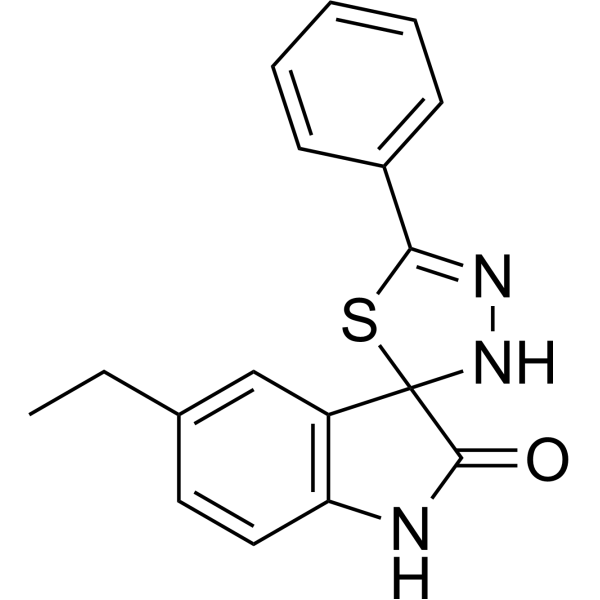
NPI52 (Compound E1) is a foot-and-mouth disease virus 3C protease (FMDV 3Cpro) inhibitor, with IC50 values of 0.05 and 0.11 µM in FRET and cell-based assay, respectively .
|
-
-
- HY-P10344
-
|
|
Fluorescent Dye
|
Infection
|
|
MCA-AVLQSGFR-Lys(Dnp)-Lys-NH2 is a fluorescent substrate used for fluorescence resonance energy transfer (FRET) protease assays. This substrate is employed to measure the activity of SARS-CoV-2 3CLpro .
|
-
-
- HY-144127
-
|
|
Androgen Receptor
|
Cancer
|
|
AR antagonist 3 is a potent and selective androgen receptor (AR) antagonist with an IC50 of 0.47 µM. AR antagonist 3 exhibits a dose-dependent decrease of the FRET signal (IC50= 18.05 μM). AR antagonist 3 shows effective inhibition on tumor growth when administered intratumorally .
|
-
-
- HY-148643
-
|
|
STING
|
Inflammation/Immunology
|
|
STING modulator-5 (compound 38) is a STING modulator with a pIC50 value of 9.5. STING modulator-5 antagonizes peripheral blood mononuclear cells (PBMC) with a pIC50 value of 8.1. STING modulator-5 is a antagonist of THP-1 cells, it can be used for immunological disease research .
|
-
-
- HY-P4787A
-
|
|
Cathepsin
|
Others
|
|
Ac-Glu-Asp(EDANS)-Lys-Pro-Ile-Leu-Phe-Phe-Arg-Leu-Gly-Lys(DABCYL)-Glu-NH2 acetate is a Cathepsin D substrate, that can be used for cathepsin D FRET assay .
|
-
-
- HY-P4787
-
|
|
Cathepsin
|
Others
|
|
Ac-Glu-Asp(EDANS)-Lys-Pro-Ile-Leu-Phe-Phe-Arg-Leu-Gly-Lys(DABCYL)-Glu-NH2 is a cathepsin D substrate, that can be used for cathepsin D FRET assay .
|
-
-
- HY-176955
-
|
|
Estrogen Receptor/ERR
|
Cancer
|
|
ER degrader 12 (Example 1) is an estrogen receptor (ER) degrader with IC50 values for ERα and ERβ of 2.3 and 80.2 nM respectively (TR-FRET experiment). ER degrader 12 inhibits the proliferation of MCF-7 cells, with an IC50 of 1.53 nM. ER degrader 12 can be used for research on breast cancer .
|
-
- HY-153114
-
|
|
FXR
|
Inflammation/Immunology
|
|
HEC96719 is a selective and orally active tricyclic farnesoid X receptor (FXR) agonist with EC50 values of 1.37 and 1.55 nM by time-resolved fluorescence energy transfer (TR-FRET) and luciferase reporter assays, respectively. HEC96719 significantly improves non-alcoholic steatohepatitis (NASH) and liver fibrosis with favorable tissue distribution in liver and intestine. HEC96719 can be used for the research of non-alcoholic steatohepatitis .
|
-
- HY-D2735
-
|
|
Fluorescent Dye
|
Others
|
|
QSY-9-succinimidyl ester is a nonfluorescent acceptor molecule with a terminal NHS ester group. QSY-9-succinimidyl ester has a wide and intense quenching range from 500-600 nm that makes it useful as an acceptor in fluorescence resonance energy transfer (FRET) applications in conjunction with fluorescent dyes at 500 nm to 600 nm. The NHS ester can be applied to label the primary amines (-NH2) of proteins, amine-modified oligonucleotides, and other amine-containing molecules.
|
-
- HY-P2492
-
|
|
Angiotensin Receptor
|
Metabolic Disease
|
|
Renin FRET Substrate I is a substrate of human renin. Renin FRET Substrate I is designed to incorporate the renin cleavage site that occurs in the N-terminal peptide of human angiotensinogen .
|
-
- HY-D1916A
-
|
|
Fluorescent Dye
|
Others
|
|
ATTO 594 TEA is a highly hydrophilic fluorescent dye used to label the outermost position of the glycan moiety of glycosphingolipids to retain the biophysical and biochemical properties of native glycosphingolipids .
|
-
- HY-P5377
-
|
Cathepsin K substrate
|
Ser/Thr Protease
|
Others
|
|
Abz-HPGGPQ-EDDnp (Cathepsin K substrate) is a biological active peptide. (Cathepsins are a class of globular lysosomal proteases, playing a vital role in mammalian cellular turnover. They degrade polypeptides and are distinguished by their substrate specificities. Cathepsin K is the lysosomal cysteine protease involved in bone remodeling and resorption. It has potential as a drug target in autoimmune diseases and osteoporosis.This FRET peptide can be used to monitor selectively cathepsin K activity in physiological fluids and cell lysates. Abz-HPGGPQ-EDDnp [where Abz represents o-aminobenzoic acid and EDDnp represents N -(2, 4-dinitrophenyl)-ethylenediamine], a substrate initially developed for trypanosomal enzymes, is efficiently cleaved at the Gly-Gly bond by cathepsin K. This peptide is resistant to hydrolysis by cathepsins B, F, H, L, S and V, Ex/Em=340 nm/420 nm.)
|
-
- HY-160276
-
|
|
Liposome
|
Others
|
|
DOPE-PEG5000-Fluor 555 is consist of a DOPE phospholipid which is an unsaturated phospholipid and a Fluor 555 dye which is a bright orange cyanine dye that can be used in fluorescence microscopy, FRET and other in vivo imaging techniques.
|
-
- HY-160943A
-
|
|
SARS-CoV
|
Infection
|
|
F594-1001 (compound 6) hydrochloride is a potent and highly selective SARS-CoV-2 Mac1-ADP-ribose inhibitor with IC50s of 8.5 μM, 68 μM and 45 μM for SARS-CoV-2 in AS, FP, and FRET assays, respectively. F594-1001 hydrochloride directly binds to SARS-CoV-2 Mac1 and exhibits a dose-dependent inhibition of Mac1 ADP-ribosylhydrolase activity .
|
-
- HY-160943
-
|
|
SARS-CoV
|
Infection
|
|
F594-1001 (compound 6) is a potent and highly selective SARS-CoV-2 Mac1-ADP-ribose inhibitor with IC50s of 8.5 μM, 68 μM and 45 μM for SARS-CoV-2 in AS, FP, and FRET assays, respectively. F594-1001 directly binds to SARS-CoV-2 Mac1 and exhibits a dose-dependent inhibition of Mac1 ADP-ribosylhydrolase activity .
|
-
- HY-147366
-
|
|
Lipocalin Family
|
Metabolic Disease
|
|
RBP4 ligand-1 is a non-retinoid ligands for (RBP4) retinol-binding protein 4. The hRBP4SPA IC50 and RBP4-TTR FRET IC50 values are 0.23±0.11 and 0.13±0.12 μM in the radioligand binding assay and FRET assay, respectively .
|
-
- HY-W998662
-
|
|
Fluorescent Dye
|
Others
|
|
Coumarin 343 X carboxylic acid is a blue emitting fluorophore used as a laser dye. The fluorophore can serve as a FRET donor for FAM (fluorescein).
|
-
- HY-100443B
-
-
- HY-125452
-
|
|
Fluorescent Dye
|
Others
|
|
DiSBAC10 is a voltage-sensitive fluorescent probe used to study cell membrane electrical activity in FRET assays. In a resting polarized cell, DiSBAC10 resides on the outer leaflet of the membrane where it accepts photons from excited fluorescein-labeled proteins and re-emits the photons at a higher wavelength. Depolarization of the cell causes rapid translocation of DiSBAC10 to the inner leaflet of the membrane, thereby increasing the distance between fluorophores and reducing the FRET signal.
|
-
- HY-168536
-
|
|
Ligands for E3 Ligase
|
Cancer
|
|
SJ46411 is a potent ligand for KLHDC2, with a Kd of ~260 nM measured by isothermal titration calorimetry (SPR Kd = 0.5 μM, TR-FRET IC50 = 3.9 μM, ΔTm = 6.0 °C) .
|
-
- HY-149233
-
-
- HY-D1049
-
|
6-((2,4-Dinitrophenyl)amino)hexanoic acid
|
Fluorescent Dye
|
Metabolic Disease
|
|
DNP-X acid (6-((2,4-Dinitrophenyl)amino)hexanoic acid), an amine-reactive building block for developing a probe, can be recognized by anti-DNP antibodies. DNP-X acid is also an excellent amine-reactive FRET quencher paired with Trp or Tyr.
|
-
- HY-172932
-
|
|
YAP
|
Cancer
|
|
TEAD-IN-20 is a TEAD inhibitor. The IC50 values of TEAD-IN-20 in TEAD4 FRET and TEAD4 MCF7-Tead cell lines are 0.021 and 0.044 μM, respectively. TEAD-IN-20 can be used in cancer research .
|
-
- HY-173426
-
|
|
SARS-CoV
|
Infection
|
|
SARS-CoV-2 Mpro-IN-40 (compound 119) is an inhibitor of SARS-CoV-2 Mpro, with an IC50 value of 15.7 nM against Mpro Fret. SARS-CoV-2 Mpro-IN-40 exhibits low metabolic stability in human microsomes .
|
-
- HY-149245
-
|
|
Keap1-Nrf2
|
Inflammation/Immunology
|
|
Keap1-Nrf2-IN-15 (Compound 24a) is a potent Keap1-Nrf2 protein-protein interaction inhibitor with IC50s of 77 nM and 2.5 nM in FP assay and TR-FRET assay, respectively .
|
-
- HY-P5323
-
|
|
Bacterial
|
Others
|
|
Dabcyl-AGHDAHASET-Edans is a biological active peptide. (This is a type I signal peptidase (SPase1) substrate peptide labeled with EDANS/ DABCYL FRET pair, and contains a crucial cleavage site derived from the C-terminal region of the Staphylococcus epidermidis pre-SceD protein. Abs/Em = 340/490 nm.)
|
-
- HY-D2579
-
|
|
Biochemical Assay Reagents
|
Others
|
|
Sulfo DBCO-UBQ-2 is a click chemistry reagent combining a dark quencher, UBQ-2, with a polyaromatic-azo backbone, offering no native emission. UBQ-2 effectively quenches fluorescence in the 560-670 nm range, ideal for qPCR probes and FRET applications with orange to far-red dyes .
|
-
- HY-D2742
-
|
BHQ-1 DMT amidite
|
Fluorescent Dye
|
Others
|
|
DMT-BH1 amidite (BHQ-1 DMT amidite) is a true dark quencher with broad absorption curve which covers the visible spectrum with maximum in green to yellow region. It is used for the synthesis of dual labeled oligonucleotide probes for qPCR bearing 5'-quencher DusQ 1 and other FRET applications for multiplexing assays.
|
-
- HY-170831
-
|
|
Histone Methyltransferase
GLP Receptor
|
Others
|
|
DS79932728 is an orally active inhibitor for G9a and GLP with IC50 of 12.6 nM and 75.7 nM. DS79932728 induces the production of γ-globin, thereby increasing the level of fetal hemoglobin (HbF). DS79932728 increases F-reticulocytes (F-rets) proportion and exhibits good oral absorption characteristics in cynomolgus monkey models .
|
-
- HY-168713
-
|
|
FXR
|
Metabolic Disease
|
|
LZ-007 is an agonist for farnesoid X receptor (FXR) with an EC50 of 51 nM measuring by TR-FRET assay, or an EC50 of 76 nM in HepG2 cell. LZ-007 exhibits good pharmacokinetic characheristics in SD rats. LZ-007 ameliorates western diet and CCl4 (HY-Y0298)-induced mice metabolic dysfunction-associated steatohepatitis
|
-
- HY-W027544S
-
|
7-Methoxycoumarin-4-acetic acid-d3
|
Isotope-Labeled Compounds
Fluorescent Dye
|
Others
|
|
MCA-d3 (7-Methoxycoumarin-4-acetic acid3) is the deuterium labeled MCA (HY-W027544) . MCA is a Coumarin (HY-N0709) derivative. MCA quantitates platelet-activating factor (PAF) by high-performance liquid chromatography with fluorescent detection. MCA can modify FRET peptide substrates for analyzing protease activities .
|
-
- HY-P5344
-
|
Fluorigenic PEXEL peptide
|
Parasite
|
Others
|
|
Dabcyl-LNKRLLHETQ-Edans (Fluorigenic PEXEL peptide) is a biological active peptide. (This FRET substrate peptide for Plasmepsin V (PMV) is derived from the conserved Plasmodium Export Element (PEXEL) motif of Histidine-Rich Protein II (HRPII). PMV is an ER aspartic protease that recognizes and cleaves the RXL sequence within the PEXEL motif of proteins exported by human malaria parasite Plasmodium falciparum, allowing them to translocate into host erythrocytes.)
|
-
- HY-D2168
-
|
|
Fluorescent Dye
|
Others
|
|
AF 568 azide is an azide derivative of the orange fluorescent dye AF 568. AF 568 has an absorption wavelength of 590-720 nm (FRET) and an emission wavelength of 515-720 nm. AF 568 alkyne can undergo copper-catalyzed azide-alkyne cycloaddition (CuAAc) via the Azide group and molecules containing Alkyne groups. Strain-promoted alkyne-azide cycloaddition (SPAAC) can also occur with molecules containing DBCO or BCN groups. To achieve specific coupling of dye labels and biomolecules .
|
-
- HY-P4919
-
|
|
Beta-secretase
|
Others
|
|
Mca-SEVNLDAEFK(Dnp) is a Beta-secretase 1 (BACE-1) peptide FRET substrate, containing the 'Swedish' Lys-Met/Asn-Leu mutation of the amyloid precursor protein (APP) β-secretase cleavage site. Cleavage at -Leu-Asp- of Mca-SEVNLDAEFK(Dnp) liberates the highly fluorescent 7-methoxycoumarin (Mca) fragment from the proximity quenching effect of the 2,4-dinitrophenyl (Dnp) internal quencher resulting in a large and easily detectable increase in fluorescence intensity.
|
-
- HY-D2169
-
|
|
Fluorescent Dye
|
Others
|
|
AF 568 carboxylic acid is the non-reactive form of the orange fluorescent dye AF 568. AF 568 has an absorption wavelength of 590-720 nm (FRET) and an emission wavelength of 515-720 nm. AF 568 alkyne forms stable covalent bonds by reacting carboxylic acid groups with molecules bearing amino groups. Copper-catalyzed azide-alkyne cycloaddition (CuAAc) can occur with molecules containing Alkyne groups. Strain-promoted alkyne-azide cycloaddition (SPAAC) can also occur with molecules containing DBCO or BCN groups .
|
-
- HY-172309
-
|
|
Fluorescent Dye
|
Others
|
|
UBQ-3 NHS Ester is a fluroescent agent with a terminal NHS ester group. UBQ-3 NHS Ester has a wide quenching range from 620-730 nm, which makes the compound useful as an acceptor in fluorescence resonance energy transfer (FRET) applications in conjunction with far-red to near-IR emitting dyes such as Cy5, Cy5.5, Alexa Fluor 633, 647, 700. The NHS ester can be applied to label the primary amines (-NH2) of proteins, amine-modified oligonucleotides, and other amine-containing molecules.
|
-
- HY-175178
-
|
|
Arrestin
Adrenergic Receptor
|
Endocrinology
|
|
Arrestin-3 modulator-1 (Compound LSH-3) is an arrestin-3 modulator. Arrestin-3 modulator-1 binds arrestin-3 at the interdomain interface. Arrestin-3 modulator-1 enhances recruitment of arrestin-3 to phosphorylation-deficient β2AR in cells with increase of FRET levels. Arrestin-3 modulator-1 can be used for congenital disorders like retinal degeneration, hyperthyroidism and obesity research .
|
-
- HY-146578
-
|
|
Keap1-Nrf2
|
Inflammation/Immunology
|
|
Keap1-Nrf2-IN-8 (compound 12d) is a potent Keap1-Nrf2 PPI (Keap1-Nrf2 protein−protein interaction) inhibitor with IC50s of 64.5 nM and 14.2 nM for FP and TR-FRET assays, respectively. Keap1-Nrf2-IN-8 significantly increases the mRNA levels of Nrf2 downstream genes, GSTM3, HMOX2 and NQO1 .
|
-
- HY-P5415
-
|
|
HIV
|
Others
|
|
DABCYL-GABA-Ser-Gln-Asn-Tyr-Pro-Ile-Val-Gln-EDANS is a biological active peptide. (DABCYL-GABA-Ser-Gln-Asn-Tyr-Pro-Ile-Val-Gln-EDANS is also called HIV protease substrate I in some literature. It is widely used for the continuous assay for HIV protease activity. The 11-Kd protease (PR) encoded by the human immunodeficiency virus 1 (HIV-1) is essential for the correct processing of viral polyproteins and the maturation of infectious virus, and is therefore a target for the design of selective acquired immunodeficiency syndrome (AIDS) therapeutics. The FRET-based fluorogenic substrate is derived from a natural processing site for HIV-1 PR. Incubation of recombinant HIV-1 PR with the fluorogenic substrate resulted in specific cleavage at the Tyr-Pro bond and a time-dependent increase in fluorescence intensity that is linearly related to the extent of substrate hydrolysis. The fluorescence quantum yields of the HIV-1 PR substrate in the FRET assay increased by 40.0- and 34.4-fold, respectively, per mole of substrate cleaved. Because of its simplicity and precision in the determination of reaction rates required for kinetic analysis, this substrate offers many advantages over the commonly used HPLC or electrophoresis-based assays for peptide substrate hydrolysis by retroviral PRs. Abs/Em = 340nm/490nm.)
|
-
- HY-D3310
-
|
|
Fluorescent Dye
|
Others
|
|
Fluorescein-12-dGTP is a fluorescein-labeled deoxyguanosine triphosphate. Fluorescein-12-dGTP incorporates into complementary allele-specific primers at SNP sites, enabling FRET with cationic conjugated polymer PFP via DNA-PFP electrostatic interactions. Fluorescein-12-dGTP incorporates into G-allele-specific primers for homozygous G/G SNP genotypes to enable genotype discrimination. Fluorescein-12-dGTP serves as a fluorescently labeled nucleotide for homogeneous solution-based SNP and FRET genotyping assays (Ex/Em = 498/517 nm) .
|
-
- HY-D3404
-
|
|
DNA Stain
|
Others
|
|
BODi-1 is a fluorescent modulator targeting dsDNA, which binds to dsDNA via a bis-intercalation mechanism (Ex=465 nm, Em=490 nm). BODi-1 exhibits a fluorescence enhancement effect upon binding to nucleic acids, but its fluorescence intensity, anisotropy and average lifetime decrease at higher dye/DNA ratios. When BODi-1 binds to DNA in liposome complexes, it also shows red-shifted emission spectra, along with reduced quantum yield and average lifetime. BODi-1 does not induce significant DNA conformational changes when the dye/DNA ratio is below 0.01. BODi-1 can be used as a fluorescent probe for the characterization of liposome complexes and FRET studies at this ratio .
|
-
- HY-102075AR
-
|
|
Reference Standards
ROR
|
Inflammation/Immunology
|
|
TMP778 (Standard) is the analytical standard of TMP778 (HY-102075A). This product is intended for research and analytical applications. TMP778 is a potent and selevtive RORγt inverse agonist, with an IC50 of 7 nM in FRET assay.
|
-
- HY-D3275
-
|
|
Fluorescent Dye
|
Others
|
|
PE-Cy5.5 is a far-red emitting tandem dye designed based on the principle of fluorescence resonance energy transfer (FRET), and is widely used in multicolor flow cytometry. PE-Cy5.5 consists of phycoerythrin (PE) as the energy donor and the cyanine dye Cy5.5 as the energy acceptor. Upon excitation by blue or green laser light, PE absorbs energy and transfers it to Cy5.5 via FRET, ultimately resulting in Cy5.5 emitting characteristic far-red fluorescence (Ex/Em = 450-500 nm/698 nm) .
|
-
- HY-P1859A
-
|
|
Biochemical Assay Reagents
|
Others
|
|
MCA-SEVNLDAEFR-K(Dnp)-RR, amide (acetate) is synthesized from MCA-SEVNLDAEFR-K(Dnp)-RR, amide (HY-P1859) by losing the H of the -OH group of acetic acid. MCA-SEVNLDAEFR-K(Dnp)-RR, amide is a FRET-based substrate.
|
-
- HY-D3346
-
|
|
Fluorescent Dye
|
Others
|
|
Dusquench1 NHS ester is an amino-reactive fluorescent quencher (it does not emit light and has no emission wavelength, Ex = 480-580 nM), specially designed for labeling proteins, oligonucleotides and other biopolymers containing primary amines. It is a core reagent in the fields of qPCR probes, FRET detection and molecular beacons.
|
-
- HY-101533R
-
|
|
Bcl-2 Family
Reference Standards
|
Cancer
|
|
AZD-5991 (Standard) is the analytical standard of AZD-5991 (HY-101533). This product is intended for research and analytical applications. AZD-5991 is a potent and selective Mcl-1 inhibitor with an IC50 of 0.7 nM in FRET assay and a Kd of 0.17 nM in surface plasmon resonance (SPR) assay .
|
-
- HY-101027R
-
-
- HY-186126
-
|
|
CDK
|
Cancer
|
|
CDK2 modulator 1 is a CDK2 modulator with an EC50 < 100 nM and an Emax > 100% of positive control in a TR-FRET proximity assay. CDK2 modulator 1 induces ternary complex formation with CDK2/CCNE1 and CRBN. CDK2 modulator 1 can be used for the research of cancer .
|
-
- HY-101027AR
-
-
- HY-108435R
-
|
|
Reference Standards
Epigenetic Reader Domain
Histone Acetyltransferase
|
Cancer
|
|
GNE-049 (Standard) is the analytical standard of GNE-049 (HY-108435). This product is intended for research and analytical applications. GNE-049 is a highly potent and selective CBP inhibitor with an IC50 of 1.1 nM in TR-FRET assay. GNE-049 also inhibits BRET and BRD4(1) with IC50s of 12 nM and 4200 nM, respectively .
|
-
- HY-181345
-
|
|
Estrogen Receptor/ERR
|
Cancer
|
|
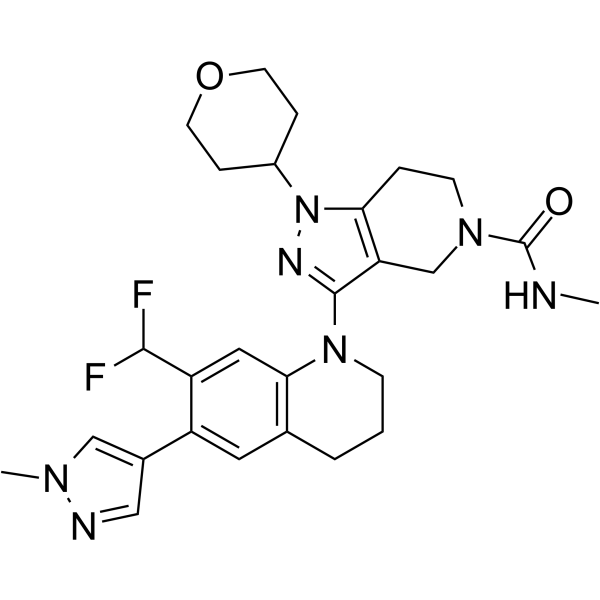
OP-1690 is a complete estrogen receptor (ERα) antagonist (CERAN), with pIC50 values of 7.5 and 7.9 in alkaline phosphatase (AP) activity assay and TR-FRET assay, respectively. OP-1690 modulates receptor function by inducing ERα tetramerization, effectively induces ERα degradation, inhibits target gene transcription, but exhibits low antiproliferative potency. OP-1690 can be used for breast cancer research .
|
-
- HY-108696R
-
|
|
Reference Standards
Epigenetic Reader Domain
Histone Acetyltransferase
|
Cancer
|
|
GNE-781 (Standard) is the analytical standard of GNE-781 (HY-108696). This product is intended for research and analytical applications. GNE-781 is an orally active, highly potent and selective CBP inhibitor with an IC50 of 0.94 nM in TR-FRET assay. GNE-781 also inhibits BRET and BRD4(1) with IC50s of 6.2 nM and 5100 nM, respectively. GNE-781 displays antitumor activity in an MOLM-16 AML xenograft model .
|
-
- HY-D3277
-
|
|
Fluorescent Dye
|
Others
|
|
PE-VF594 is a high-brightness fluorescent dye used in flow cytometry, primarily for labeling antibodies or streptavidin to help identify specific cell subpopulations. PE-VF594 is a tandem dye composed of two covalently linked fluorescent groups: one is phycoerythrin (PE), responsible for absorbing laser energy; the other is the receptor molecule VF594. Energy is transferred from PE to VF594 via fluorescence resonance energy transfer (FRET) mechanism (Ex/Em = 450-500 nm/614 nm) .
|
-
- HY-182026
-
|
|
FXR
G protein-coupled Bile Acid Receptor 1
TNF Receptor
Reactive Oxygen Species (ROS)
|
Inflammation/Immunology
|
|
FXR agonist 17 is an orally active, steroidal FXR agonist with EC50 values of 42.2 nM (TR-FRET) and 176.4 nM (luciferase reporter assay), respectively. FXR agonist 17 activates TGR5 (EC50 = 2.6 μM) but does not activate hMRGPRX4. FXR agonist 17 exerts anti-inflammatory, hepatoprotective and antifibrotic effects, improves the non-alcoholic steatohepatitis (NAFLD) activity score and reduces the severity of liver fibrosis. FXR agonist 17 can be used for the research of NAFLD, cholestatic liver disease and liver fibrosis .
|
-
- HY-181226
-
|
|
LXR
|
Metabolic Disease
|
|
LXR modulator-1 (Compound 21/3) is a LXR modulator with an EC50 of less than 100 nM. LXR modulator-1 can be used for studying LXR-mediated diseases such as non-alcoholic fatty liver disease .
|
-
- HY-D2924
-
|
|
Fluorescent Dye
|
Others
|
|
CBG-549-QSY7 is a Dylight 549-labeled SNAP tag fluorescent probe (Ex/Em: 546 nm/580 nm), specially designed for non-washable fluorescence imaging applications. CBG-549-QSY7 employs an intramolecular FRET quenching mechanism: intramolecular fluorescence quenching occurs before binding to the SNAP tag, and upon binding, the quenching group is cleaved, releasing fluorescence. The background fluorescence of CBG-549-QSY7 is extremely low, and clear cell membrane images can be obtained after 5 minutes of incubation .
|
-
- HY-P11800A
-
|
|
Exosomes
MMP
|
Inflammation/Immunology
|
|
GPLGVRGC is a cysteine-tagged variant of GPLGVRG (HY-P11800). GPLGVRGC is hydrolyzable by MMP13. GPLGVRGC mediates the disassembly of micelle-exosome systems, enhances chondrocyte endocytosis, and promotes responsive system uptake. GPLGVRGC confers targeted delivery and responsive release properties to micelle-exosome systems. GPLGVRGC is applicable to the research of osteoarthritis .
|
-
| Cat. No. |
Product Name |
Type |
-
- HY-15943
-
6-TAMRA
1 Publications Verification
6-Carboxytetramethylrhodamine
|
Fluorescent Dye
|
|
6-TAMRA (6-Carboxytetramethylrhodamine) is a fluorescent dye. 6-TAMRA is often used in combination with 6-FAM (HY-66021) as an acceptor or fluorescence quencher for fluorescence resonance energy transfer (FRET) in biochemical studies such as potassium ion detection and ribonuclease activity assays .
|
-
- HY-W027544
-
|
7-Methoxycoumarin-4-acetic acid
|
Fluorescent Dye
|
|
MCA (7-Methoxycoumarin-4-acetic acid) is a Coumarin (HY-N0709) derivative. MCA quantitates platelet-activating factor (PAF) by high-performance liquid chromatography with fluorescent detection. MCA can modify FRET peptide substrates for analyzing protease activities .
|
-
- HY-D2365
-
|
|
Fluorescent Dye
|
|
QSY 21 NHS is a dark quencher and an efficient energy transfer acceptor for far-red and near-infrared fluorescent probes. QSY 21 NHS operates at a wavelength range of 540-750 nm and is commonly used in FRET applications. QSY 21 NHS does not fluoresce under normal conditions. The NHS ester can be used to label primary amines (R-NH2) of proteins, amine-modified oligonucleotides and other amine-containing molecules. QSY 21 NHS can be conjugated with dendritic poly-L-lysine to achieve intramolecular quenching of Cy5 fluorescence .
|
-
- HY-42984
-
|
|
Fluorescent Dye
|
|
BHQ-2 NHS is a dark quencher with no native emission due to the polyaromatic-azo backbone and a terminal NHS ester. UBHQ-2 NHS has a wide and intense quenching range from 560-670 nm, which makes it useful as an acceptor in fluorescence resonance energy transfer (FRET) applications in conjunction with orange to far-red emitting dyes. The NHS ester can be applied to label the primary amines (-NH2) of proteins, amine-modified oligonucleotides, and other amine-containing molecules.
|
-
- HY-D1773
-
|
|
Fluorescent Dye
|
|
YOYO-3 is a trimethine cyanine homodimer dye. YOYO-3 intercalates into AF488-tagged dsDNA molecules at the single-molecule level. YOYO-3 has a greater affinity for DNA than do EB and other Cyanine dyes .
|
-
- HY-D1682
-
|
|
Fluorescent Dye
|
|
NFQ1 is a non-fluorescent quencher (absorption wavelength: 474 nm), and is used for a new type of One Sample Fluorescence Resonance Energy Transfer (OS-FRET) method. OS-FRET enable measurement of unquenched donor emission in the same sample. NFQ1 shows broad absorption spectrum ensuring its utility as a dark acceptor for many donors .
|
-
- HY-D1050
-
|
6-(2,4-Dinitrophenyl)aminohexanoic acid, succinimidyl ester
|
Fluorescent Dye
|
|
DNP-X, SE (6-(2,4-Dinitrophenyl)aminohexanoic acid, succinimidyl ester), the DNP-X acid modified by succinimidyl ester, is an amine-reactive building block for developing a probe, which can be recognized by anti-DNP antibodies. DNP-X, SE (6-(2,4-Dinitrophenyl)aminohexanoic acid, succinimidyl ester) is also an excellent amine-reactive FRET quencher paired with Trp or Tyr.
|
-
- HY-D2413
-
|
BODIPY FL PEG4-VH032
|
Fluorescent Dye
|
|
BODIPY FL VH032 is a high-affinity VHL fluorescent probe with a Kd value of 3.01 nM. BODIPY FL VH032 consists of von Hippel-Lindau (VHL) ligand VH032 (HY-120217) and BODIPY FL (HY-43520). BODIPY FL VH032 can be used for time-resolved fluorescence resonance energy transfer (TR-FRET) detection for high-throughput identification and characterization of VHL ligands with maximum excitation emission wavelength: 504/520 nm .
|
-
- HY-D2274
-
|
|
Fluorescent Dye
|
|
EZH2-AF647 is a fluorescent probe derived from UNC2239 that improves receptor TR-FRET properties by using Alexa 647 dye .
|
-
- HY-D2167
-
|
|
Fluorescent Dye
|
|
AF 568 alkyne is a derivative of the orange fluorescent dye AF 568. AF 568 has an absorption wavelength of 590-720 nm (FRET) and an emission wavelength of 515-720 nm. AF 568 alkyne can undergo copper-catalyzed azide-alkyne cycloaddition (CuAAc) via the Alkyne group and molecules containing Azide groups. To achieve specific coupling of dye labels and biomolecules .
|
-
- HY-173308
-
|
|
Fluorescent Dye
|
|
QSY-21 is a fluorescence quencher. QSY-21 possesses broad absorption in far red and NIR range, and can quench fluorescence of dyes that emit in this region. This is a carboxylic acid derivative. QSY-21 has intense absorption maximum at 661 nm, making it useful as an acceptor in fluorescence resonance energy transfer (FRET) applications. It is a common quencher for Cyanine5, Cyanine5.5, AF 647, or other spectrally similar fluorescent dyes.
|
-
- HY-D2735
-
|
|
Fluorescent Dye
|
|
QSY-9-succinimidyl ester is a nonfluorescent acceptor molecule with a terminal NHS ester group. QSY-9-succinimidyl ester has a wide and intense quenching range from 500-600 nm that makes it useful as an acceptor in fluorescence resonance energy transfer (FRET) applications in conjunction with fluorescent dyes at 500 nm to 600 nm. The NHS ester can be applied to label the primary amines (-NH2) of proteins, amine-modified oligonucleotides, and other amine-containing molecules.
|
-
- HY-D1916A
-
|
|
Fluorescent Dye
|
|
ATTO 594 TEA is a highly hydrophilic fluorescent dye used to label the outermost position of the glycan moiety of glycosphingolipids to retain the biophysical and biochemical properties of native glycosphingolipids .
|
-
- HY-W998662
-
|
|
Fluorescent Dye
|
|
Coumarin 343 X carboxylic acid is a blue emitting fluorophore used as a laser dye. The fluorophore can serve as a FRET donor for FAM (fluorescein).
|
-
- HY-125452
-
|
|
Fluorescent Dye
|
|
DiSBAC10 is a voltage-sensitive fluorescent probe used to study cell membrane electrical activity in FRET assays. In a resting polarized cell, DiSBAC10 resides on the outer leaflet of the membrane where it accepts photons from excited fluorescein-labeled proteins and re-emits the photons at a higher wavelength. Depolarization of the cell causes rapid translocation of DiSBAC10 to the inner leaflet of the membrane, thereby increasing the distance between fluorophores and reducing the FRET signal.
|
-
- HY-D1049
-
|
6-((2,4-Dinitrophenyl)amino)hexanoic acid
|
Fluorescent Dye
|
|
DNP-X acid (6-((2,4-Dinitrophenyl)amino)hexanoic acid), an amine-reactive building block for developing a probe, can be recognized by anti-DNP antibodies. DNP-X acid is also an excellent amine-reactive FRET quencher paired with Trp or Tyr.
|
-
- HY-D2579
-
|
|
Fluorescent Dye
|
|
Sulfo DBCO-UBQ-2 is a click chemistry reagent combining a dark quencher, UBQ-2, with a polyaromatic-azo backbone, offering no native emission. UBQ-2 effectively quenches fluorescence in the 560-670 nm range, ideal for qPCR probes and FRET applications with orange to far-red dyes .
|
-
- HY-D2168
-
|
|
Fluorescent Dye
|
|
AF 568 azide is an azide derivative of the orange fluorescent dye AF 568. AF 568 has an absorption wavelength of 590-720 nm (FRET) and an emission wavelength of 515-720 nm. AF 568 alkyne can undergo copper-catalyzed azide-alkyne cycloaddition (CuAAc) via the Azide group and molecules containing Alkyne groups. Strain-promoted alkyne-azide cycloaddition (SPAAC) can also occur with molecules containing DBCO or BCN groups. To achieve specific coupling of dye labels and biomolecules .
|
-
- HY-D2169
-
|
|
Fluorescent Dye
|
|
AF 568 carboxylic acid is the non-reactive form of the orange fluorescent dye AF 568. AF 568 has an absorption wavelength of 590-720 nm (FRET) and an emission wavelength of 515-720 nm. AF 568 alkyne forms stable covalent bonds by reacting carboxylic acid groups with molecules bearing amino groups. Copper-catalyzed azide-alkyne cycloaddition (CuAAc) can occur with molecules containing Alkyne groups. Strain-promoted alkyne-azide cycloaddition (SPAAC) can also occur with molecules containing DBCO or BCN groups .
|
-
- HY-D3310
-
|
|
Fluorescent Dye
|
|
Fluorescein-12-dGTP is a fluorescein-labeled deoxyguanosine triphosphate. Fluorescein-12-dGTP incorporates into complementary allele-specific primers at SNP sites, enabling FRET with cationic conjugated polymer PFP via DNA-PFP electrostatic interactions. Fluorescein-12-dGTP incorporates into G-allele-specific primers for homozygous G/G SNP genotypes to enable genotype discrimination. Fluorescein-12-dGTP serves as a fluorescently labeled nucleotide for homogeneous solution-based SNP and FRET genotyping assays (Ex/Em = 498/517 nm) .
|
-
- HY-D3404
-
|
|
Fluorescent Dye
|
|
BODi-1 is a fluorescent modulator targeting dsDNA, which binds to dsDNA via a bis-intercalation mechanism (Ex=465 nm, Em=490 nm). BODi-1 exhibits a fluorescence enhancement effect upon binding to nucleic acids, but its fluorescence intensity, anisotropy and average lifetime decrease at higher dye/DNA ratios. When BODi-1 binds to DNA in liposome complexes, it also shows red-shifted emission spectra, along with reduced quantum yield and average lifetime. BODi-1 does not induce significant DNA conformational changes when the dye/DNA ratio is below 0.01. BODi-1 can be used as a fluorescent probe for the characterization of liposome complexes and FRET studies at this ratio .
|
-
- HY-D3275
-
|
|
Fluorescent Dye
|
|
PE-Cy5.5 is a far-red emitting tandem dye designed based on the principle of fluorescence resonance energy transfer (FRET), and is widely used in multicolor flow cytometry. PE-Cy5.5 consists of phycoerythrin (PE) as the energy donor and the cyanine dye Cy5.5 as the energy acceptor. Upon excitation by blue or green laser light, PE absorbs energy and transfers it to Cy5.5 via FRET, ultimately resulting in Cy5.5 emitting characteristic far-red fluorescence (Ex/Em = 450-500 nm/698 nm) .
|
-
- HY-D3346
-
|
|
Fluorescent Dye
|
|
Dusquench1 NHS ester is an amino-reactive fluorescent quencher (it does not emit light and has no emission wavelength, Ex = 480-580 nM), specially designed for labeling proteins, oligonucleotides and other biopolymers containing primary amines. It is a core reagent in the fields of qPCR probes, FRET detection and molecular beacons.
|
-
- HY-D3277
-
|
|
Fluorescent Dye
|
|
PE-VF594 is a high-brightness fluorescent dye used in flow cytometry, primarily for labeling antibodies or streptavidin to help identify specific cell subpopulations. PE-VF594 is a tandem dye composed of two covalently linked fluorescent groups: one is phycoerythrin (PE), responsible for absorbing laser energy; the other is the receptor molecule VF594. Energy is transferred from PE to VF594 via fluorescence resonance energy transfer (FRET) mechanism (Ex/Em = 450-500 nm/614 nm) .
|
-
- HY-D2924
-
|
|
Fluorescent Dye
|
|
CBG-549-QSY7 is a Dylight 549-labeled SNAP tag fluorescent probe (Ex/Em: 546 nm/580 nm), specially designed for non-washable fluorescence imaging applications. CBG-549-QSY7 employs an intramolecular FRET quenching mechanism: intramolecular fluorescence quenching occurs before binding to the SNAP tag, and upon binding, the quenching group is cleaved, releasing fluorescence. The background fluorescence of CBG-549-QSY7 is extremely low, and clear cell membrane images can be obtained after 5 minutes of incubation .
|
| Cat. No. |
Product Name |
Type |
-
- HY-160276
-
|
|
Biochemical Assay Reagents
|
|
DOPE-PEG5000-Fluor 555 is consist of a DOPE phospholipid which is an unsaturated phospholipid and a Fluor 555 dye which is a bright orange cyanine dye that can be used in fluorescence microscopy, FRET and other in vivo imaging techniques.
|
| Cat. No. |
Product Name |
Target |
Research Area |
-
- HY-P5354
-
|
|
Fluorescent Dye
|
Cardiovascular Disease
|
|
FRETS-VWF73, a 73-amino-acid peptide, is a fluorogenic substrate for ADAMTS13 assay (Ex = 340 nm; Em = 450 nm). FRETS-VWF73 is a predictive tool for thrombotic thrombocytopenic purpura .
|
-
- HY-P5354A
-
|
|
Fluorescent Dye
|
Others
|
|
FRETS-VWF73 TFA, a 73-amino-acid peptide, is a fluorogenic substrate for ADAMTS13 assay (Ex=340 nm; Em=450 nm) .
|
-
- HY-P5481
-
|
|
Peptides
|
Others
|
|
DABCYL-LPETG-EDANS is a biological active peptide. (This 5-amino acid peptide is a sortase substrate, C-terminal sorting signal. Sortase cleaves surface proteins at the LPXTG motif and catalyzes the formation of an amide bond between the carboxyl group of threonine and the amino group of cell-wall crossbridges. Sortases are a family of Gram-positive transpeptidases responsible for anchoring surface protein virulence factors to the peptidoglycan cell wall layer. Cleavage of this FRET substrate by sortase reveals the fluorescent signal, Abs/Em = 340/490 nm.)
|
-
- HY-P2498A
-
|
|
Cathepsin
|
Cancer
|
|
Cathepsin D and E FRET Substrate acetate is a fluorogenic substrate for cathepsins D and E and not for B, H or L. The cleavage occurs at the Phe-Phe amide bond resul. Cathepsin D and E FRET Substrate is a valuable tool for routine assays and for mechanistic studies on cathepsins E and D .
|
-
- HY-P3792
-
|
|
Biochemical Assay Reagents
|
Others
|
|
Mca-Pro-Leu-Gly-Pro-D-Lys(Dnp) is a FRET substrate of Thimet oligopeptidase. Mca-Pro-Leu-Gly-Pro-D-Lys(Dnp) can be used for the determination of Thimet oligopeptidase activity .
|
-
- HY-P5485
-
|
|
Bacterial
|
Others
|
|
Dabcyl-QALPETGEE-Edans is a synthetic peptide substrate for fluorescence resonance energy transfer (FRET) detection of Sortase A (SrtA) enzymatic activity. Dabcyl-QALPETGEE-Edans is labeled at both ends with the fluorescent group Edans (donor) and the quencher Dabcyl (acceptor), respectively. Dabcyl-QALPETGEE-Edans's central sequence contains a conserved motif specifically recognized by SrtA. Dabcyl-QALPETGEE-Edans demonstrates high sensitivity in vitro assays, enabling precise determination of the half-maximal inhibitory concentration of SrtA .
|
-
- HY-P1859
-
-
- HY-P5419A
-
|
|
Biochemical Assay Reagents
|
Others
|
|
WAAG-3R TFA is a biological active peptide. (Aggrecanases belong to the ADAMTS (A disintegrin and metalloprotease with thrombospondin motif) family of proteases. Aggrecanases cleave aggrecan, the major structural component of cartilage. Aggrecanase-1 (ADAMTS-4) is a major aggrecanase in human osteoarthritic cartilage. This FRET peptide was used in an ADAMTS-4 (Aggrecanase-1) and ADAMTS-5 (Aggrecanase-2) assay . (Ex/Em = 340/420 nm)
|
-
- HY-P2498
-
|
|
Cathepsin
|
Others
|
|
Cathepsin D and E FRET Substrate is a fluorogenic substrate for cathepsins D and E and not for B, H or L. The cleavage occurs at the Phe-Phe amide bond resul. Cathepsin D and E FRET Substrate is a valuable tool for routine assays and for mechanistic studies on cathepsins E and D .
|
-
- HY-P11302
-
|
|
CHIKV
Virus Protease
|
Infection
|
|
DABCYL-RAGGYIFS-(E-EDANS)-NH2, an octapeptide, is a FRET-based substrate peptide of CHIKV nsP2protease with highly sensitivity. DABCYL-RAGGYIFS-(E-EDANS)-NH2 can be cleaved by the active CHIKV nsP2protease, separating fluorophore and quencher and resulting in an increase of fluorescence signal. DABCYL-RAGGYIFS-(E-EDANS)-NH2 can used for the determination of CHIKV nsP2protease activity .
|
-
- HY-P10344
-
|
|
Fluorescent Dye
|
Infection
|
|
MCA-AVLQSGFR-Lys(Dnp)-Lys-NH2 is a fluorescent substrate used for fluorescence resonance energy transfer (FRET) protease assays. This substrate is employed to measure the activity of SARS-CoV-2 3CLpro .
|
-
- HY-P4787A
-
|
|
Cathepsin
|
Others
|
|
Ac-Glu-Asp(EDANS)-Lys-Pro-Ile-Leu-Phe-Phe-Arg-Leu-Gly-Lys(DABCYL)-Glu-NH2 acetate is a Cathepsin D substrate, that can be used for cathepsin D FRET assay .
|
-
- HY-P4787
-
|
|
Cathepsin
|
Others
|
|
Ac-Glu-Asp(EDANS)-Lys-Pro-Ile-Leu-Phe-Phe-Arg-Leu-Gly-Lys(DABCYL)-Glu-NH2 is a cathepsin D substrate, that can be used for cathepsin D FRET assay .
|
-
- HY-P2492
-
|
|
Angiotensin Receptor
|
Metabolic Disease
|
|
Renin FRET Substrate I is a substrate of human renin. Renin FRET Substrate I is designed to incorporate the renin cleavage site that occurs in the N-terminal peptide of human angiotensinogen .
|
-
- HY-P5377
-
|
Cathepsin K substrate
|
Ser/Thr Protease
|
Others
|
|
Abz-HPGGPQ-EDDnp (Cathepsin K substrate) is a biological active peptide. (Cathepsins are a class of globular lysosomal proteases, playing a vital role in mammalian cellular turnover. They degrade polypeptides and are distinguished by their substrate specificities. Cathepsin K is the lysosomal cysteine protease involved in bone remodeling and resorption. It has potential as a drug target in autoimmune diseases and osteoporosis.This FRET peptide can be used to monitor selectively cathepsin K activity in physiological fluids and cell lysates. Abz-HPGGPQ-EDDnp [where Abz represents o-aminobenzoic acid and EDDnp represents N -(2, 4-dinitrophenyl)-ethylenediamine], a substrate initially developed for trypanosomal enzymes, is efficiently cleaved at the Gly-Gly bond by cathepsin K. This peptide is resistant to hydrolysis by cathepsins B, F, H, L, S and V, Ex/Em=340 nm/420 nm.)
|
-
- HY-P5970
-
|
TACE Substrate
|
Peptides
|
Cancer
|
|
DABCYL-TNF-α-EDANS (-4 to +6) (human) is a FRET peptide substrate of tumor necrosis factor convertase (TACE) .
|
-
- HY-P10196
-
|
|
Peptides
|
Others
|
|
DABCYL-SEVNLDAEF-EDANS is a substrate of FRET. DABCYL-SEVNLDAEF-EDANS can be used in the BACE activity assay .
|
-
- HY-P5323
-
|
|
Bacterial
|
Others
|
|
Dabcyl-AGHDAHASET-Edans is a biological active peptide. (This is a type I signal peptidase (SPase1) substrate peptide labeled with EDANS/ DABCYL FRET pair, and contains a crucial cleavage site derived from the C-terminal region of the Staphylococcus epidermidis pre-SceD protein. Abs/Em = 340/490 nm.)
|
-
- HY-P5344
-
|
Fluorigenic PEXEL peptide
|
Parasite
|
Others
|
|
Dabcyl-LNKRLLHETQ-Edans (Fluorigenic PEXEL peptide) is a biological active peptide. (This FRET substrate peptide for Plasmepsin V (PMV) is derived from the conserved Plasmodium Export Element (PEXEL) motif of Histidine-Rich Protein II (HRPII). PMV is an ER aspartic protease that recognizes and cleaves the RXL sequence within the PEXEL motif of proteins exported by human malaria parasite Plasmodium falciparum, allowing them to translocate into host erythrocytes.)
|
-
- HY-P5419
-
|
|
Peptides
|
Others
|
|
WAAG-3R is a biological active peptide. (Aggrecanases belong to the ADAMTS (A disintegrin and metalloprotease with thrombospondin motif) family of proteases. Aggrecanases cleave aggrecan, the major structural component of cartilage. Aggrecanase-1 (ADAMTS-4) is a major aggrecanase in human osteoarthritic cartilage. This FRET peptide was used in an ADAMTS-4 (Aggrecanase-1) and ADAMTS-5 (Aggrecanase-2) assay . (Ex/Em = 340/420 nm)
|
-
- HY-P5528
-
|
|
Peptides
|
Others
|
|
2Abz-SLGRKIQIK(Dnp)-NH2 is a biological active peptide. (This peptide is a second complement component (C2), the physiological substrate for the proenzyme Cls, first complement component. The complement system is a central component of host defense but can also contribute to the inflammation seen in pathological conditions. The C1s protease of the C1 complex initiates the host defense pathway. This peptide employs 2Abz/Dnp FRET pair for quantitation of complement enzyme activity.)
|
-
- HY-P4919
-
|
|
Beta-secretase
|
Others
|
|
Mca-SEVNLDAEFK(Dnp) is a Beta-secretase 1 (BACE-1) peptide FRET substrate, containing the 'Swedish' Lys-Met/Asn-Leu mutation of the amyloid precursor protein (APP) β-secretase cleavage site. Cleavage at -Leu-Asp- of Mca-SEVNLDAEFK(Dnp) liberates the highly fluorescent 7-methoxycoumarin (Mca) fragment from the proximity quenching effect of the 2,4-dinitrophenyl (Dnp) internal quencher resulting in a large and easily detectable increase in fluorescence intensity.
|
-
- HY-P5415
-
|
|
HIV
|
Others
|
|
DABCYL-GABA-Ser-Gln-Asn-Tyr-Pro-Ile-Val-Gln-EDANS is a biological active peptide. (DABCYL-GABA-Ser-Gln-Asn-Tyr-Pro-Ile-Val-Gln-EDANS is also called HIV protease substrate I in some literature. It is widely used for the continuous assay for HIV protease activity. The 11-Kd protease (PR) encoded by the human immunodeficiency virus 1 (HIV-1) is essential for the correct processing of viral polyproteins and the maturation of infectious virus, and is therefore a target for the design of selective acquired immunodeficiency syndrome (AIDS) therapeutics. The FRET-based fluorogenic substrate is derived from a natural processing site for HIV-1 PR. Incubation of recombinant HIV-1 PR with the fluorogenic substrate resulted in specific cleavage at the Tyr-Pro bond and a time-dependent increase in fluorescence intensity that is linearly related to the extent of substrate hydrolysis. The fluorescence quantum yields of the HIV-1 PR substrate in the FRET assay increased by 40.0- and 34.4-fold, respectively, per mole of substrate cleaved. Because of its simplicity and precision in the determination of reaction rates required for kinetic analysis, this substrate offers many advantages over the commonly used HPLC or electrophoresis-based assays for peptide substrate hydrolysis by retroviral PRs. Abs/Em = 340nm/490nm.)
|
-
- HY-P1859A
-
|
|
Biochemical Assay Reagents
|
Others
|
|
MCA-SEVNLDAEFR-K(Dnp)-RR, amide (acetate) is synthesized from MCA-SEVNLDAEFR-K(Dnp)-RR, amide (HY-P1859) by losing the H of the -OH group of acetic acid. MCA-SEVNLDAEFR-K(Dnp)-RR, amide is a FRET-based substrate.
|
-
- HY-P11800A
-
|
|
Exosomes
MMP
|
Inflammation/Immunology
|
|
GPLGVRGC is a cysteine-tagged variant of GPLGVRG (HY-P11800). GPLGVRGC is hydrolyzable by MMP13. GPLGVRGC mediates the disassembly of micelle-exosome systems, enhances chondrocyte endocytosis, and promotes responsive system uptake. GPLGVRGC confers targeted delivery and responsive release properties to micelle-exosome systems. GPLGVRGC is applicable to the research of osteoarthritis .
|
| Cat. No. |
Product Name |
Target |
Research Area |
Image |
-
- HY-P99900
-
|
MSL-109
|
CMV
|
Infection
|
|
Sevirumab (MSL-109) is a human IgG1 neutralizing monoclonal antibody against cytomegalovirus (CMV). Sevirumab recognizes CMV gH complexes and inhibits CMV replication with an EC50 of 0.3 μg/mL .
|
-
(5)
| Cat. No. |
Product Name |
Chemical Structure |
-
- HY-W027544S
-
|
|
|
MCA-d3 (7-Methoxycoumarin-4-acetic acid3) is the deuterium labeled MCA (HY-W027544) . MCA is a Coumarin (HY-N0709) derivative. MCA quantitates platelet-activating factor (PAF) by high-performance liquid chromatography with fluorescent detection. MCA can modify FRET peptide substrates for analyzing protease activities .
|
-
| Cat. No. |
Product Name |
|
Classification |
-
- HY-W800703
-
|
|
|
Azide
|
|
Alexa Fluor 594 azide is an azide-modified fluorescent dye and also a FRET acceptor reactant. Owing to its negligible direct absorption under 488 nm excitation light, excellent photostability, and the ability of its azide group to participate in the CuAAC reaction, Alexa Fluor 594 azide can be paired with a donor dye for single-molecule imaging via TIRFM, thereby enabling the visual monitoring of CuNP-catalyzed click reactions .
|
-
- HY-D2167
-
|
|
|
Alkynes
|
|
AF 568 alkyne is a derivative of the orange fluorescent dye AF 568. AF 568 has an absorption wavelength of 590-720 nm (FRET) and an emission wavelength of 515-720 nm. AF 568 alkyne can undergo copper-catalyzed azide-alkyne cycloaddition (CuAAc) via the Alkyne group and molecules containing Azide groups. To achieve specific coupling of dye labels and biomolecules .
|
-
- HY-D2579
-
|
|
|
DBCO
|
|
Sulfo DBCO-UBQ-2 is a click chemistry reagent combining a dark quencher, UBQ-2, with a polyaromatic-azo backbone, offering no native emission. UBQ-2 effectively quenches fluorescence in the 560-670 nm range, ideal for qPCR probes and FRET applications with orange to far-red dyes .
|
| Cat. No. |
Product Name |
|
Classification |
-
- HY-160276
-
|
|
|
Pegylated Lipids
Fluorescent Lipids
|
|
DOPE-PEG5000-Fluor 555 is consist of a DOPE phospholipid which is an unsaturated phospholipid and a Fluor 555 dye which is a bright orange cyanine dye that can be used in fluorescence microscopy, FRET and other in vivo imaging techniques.
|
Your information is safe with us. * Required Fields.
Inquiry Information
- Product Name:
- Cat. No.:
- Quantity:
- MCE Japan Authorized Agent:

