
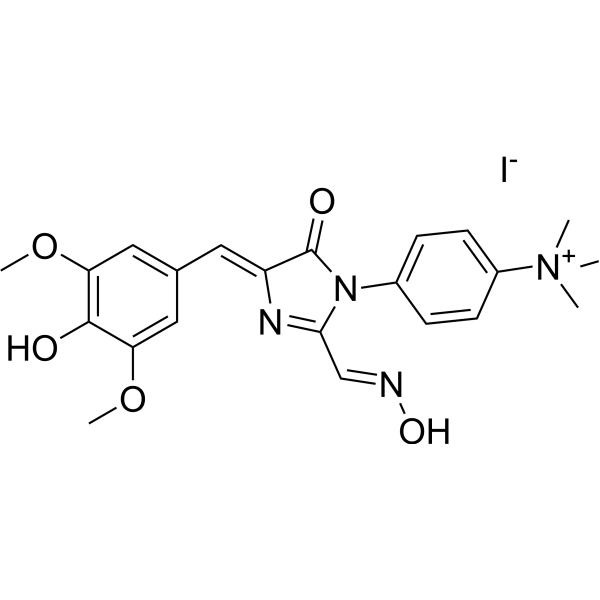
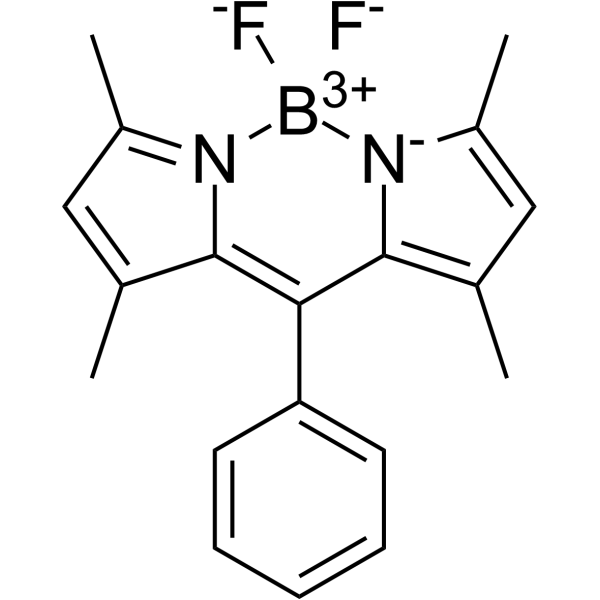
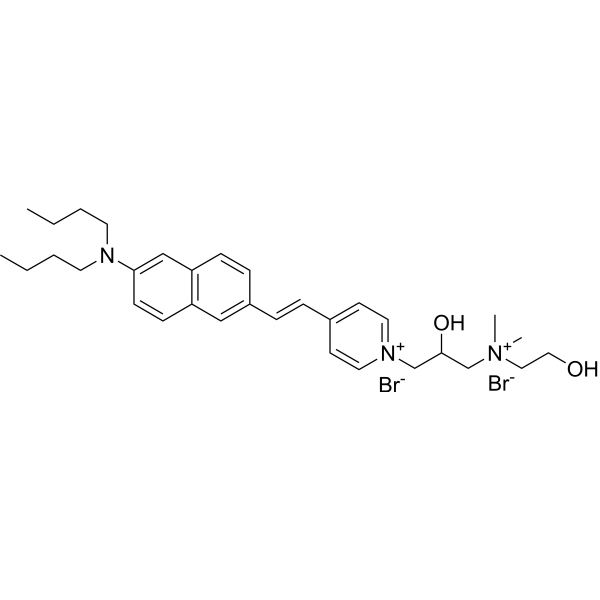
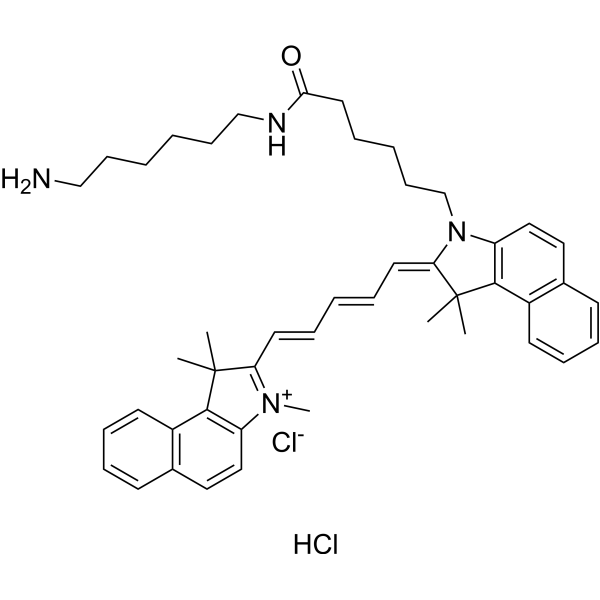
1. Search Result
Search Result
Results for "

Fluorescence imaging

" in MedChemExpress (MCE) Product Catalog:

221

Inhibitors & Agonists

142

Fluorescent Dye

26

Biochemical Assay Reagents

10

Peptides

1

MCE Kits

2

Inhibitory Antibodies

1

Natural
Products

1

Isotope-Labeled Compounds

7

Click Chemistry

25

Oligonucleotides

Cat. No. Product Name Target Research Areas Chemical Structure
  • HY-111330
    Hydroxyphenyl Fluorescein
    10+ Cited Publications

    HPF; 3'-p-(Hydroxyphenyl) fluorescein

    Fluorescent Dye Reactive Oxygen Species (ROS) Others
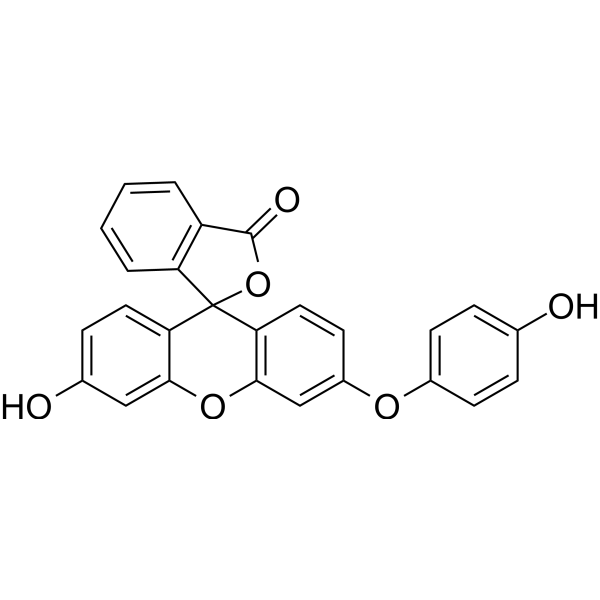
    Hydroxyphenyl Fluorescein (HPF) is a stable ROS fluorescent probe dye. Hydroxyphenyl Fluorescein has stronger specificity and stability than H2DCFDA (HY-D0940). Hydroxyphenyl Fluorescein can produce strong green fluorescence through hydroxyl radical reaction with intracellular peroxynitroso. Hydroxyphenyl Fluorescein can be applied for fluorescence microscopy, high-throughput imager, luciferase microplate reader or flow cytometry. Ex/Em=490/515 nm .
    Hydroxyphenyl Fluorescein
  • HY-110251
    DFHBI-1T
    Maximum Cited Publications
    17 Publications Verification

    DNA Stain Others
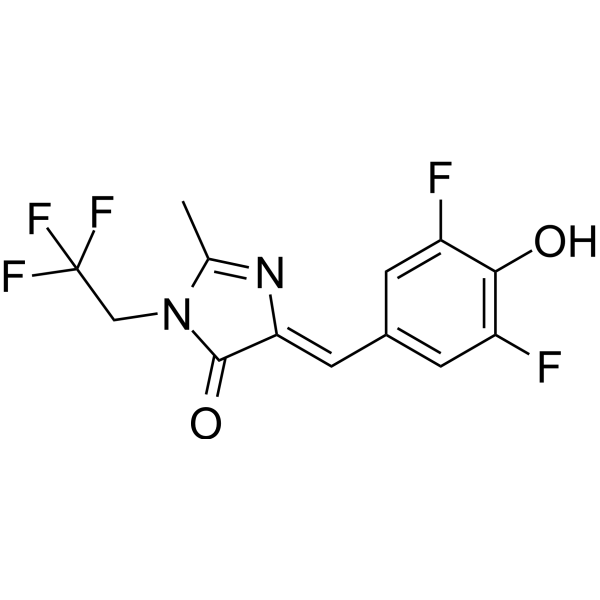
    DFHBI-1T is a membrane-permeable RNA aptamers-activated fluorescence probe (ex/em=472 nm/507 nm). DFHBI-1T binds to RNA aptamers (Spinach, Spinach2, iSpinach, and Broccoli) and causes specific fluorescence and lower background fluorescence. DFHBI-1T is used to image RNA in live cells .
    DFHBI-1T
  • HY-D1373
    HBC
    3 Publications Verification

    HBC 530

    Fluorescent Dye Others
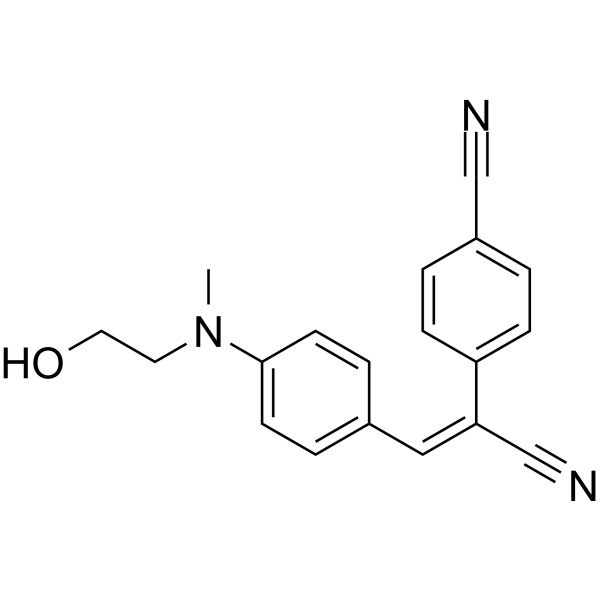
    HBC (HBC 530) is a GFP fluorophore-like synthetic dye, with a structurally rigid electron acceptor and a strong electron donor. HBC has a low fluorescence background, and when combined with Pepper (RNA aptamer), HBC forms a tight complex and activates and emits bright fluorescence (Kd of ~3.5 nM). HBC emission peaks vary in different complexes and covers the spectrum from cyan to red. HBC can be used in the live cell imaging of RNA (Em/Ex = 530/485 nm) .
    HBC
  • HY-D1817
    Vari Fluor 488-Phalloidin
    2 Publications Verification

    Fluorescent Dye Others
    Vari Fluor 488-Phalloidin is a fluorescent derivative of Phalloidin that specifically labels myofilament proteins and exhibits green fluorescence when labeled, allowing for fluorescence imaging using FITC channels (Ex/Em=488 nm/513 nm) .
    Vari Fluor 488-Phalloidin
  • HY-145746

    Fluorescent Dye PD-1/PD-L1 Inflammation/Immunology Cancer
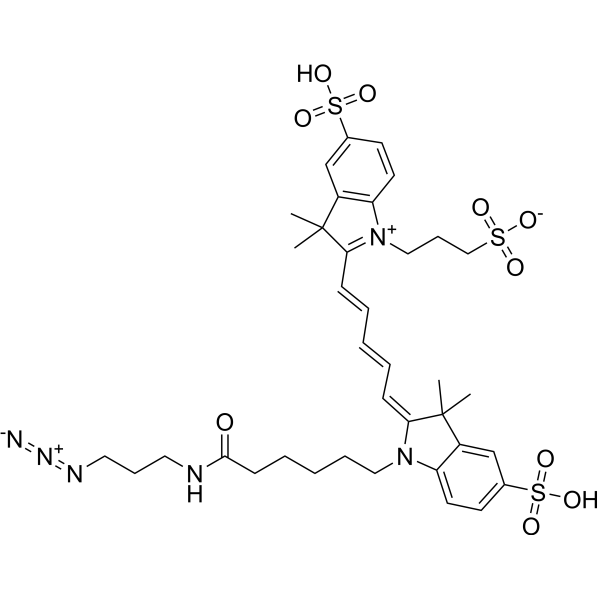
    Sulfo-Cy5 azide is a near-infrared fluorescent probe with favorable click chemistry reactivity. Sulfo-Cy5 azide enables fluorescence imaging, tissue and cellular visualization of PD-L1 in tumors, and site-specific modification of anti-PD-L1 antibodies. Sulfo-Cy5 azide has been employed for RNA labeling and imaging. Sulfo-Cy5 azide can be conjugated to targeting agents for fluorescence imaging in atherosclerosis and breast cancer models (Ex/Em = 645/670 nm) .
    Sulfo-Cy5 azide
  • HY-119287
    TSQ
    5 Publications Verification

    Fluorescent Dye Others
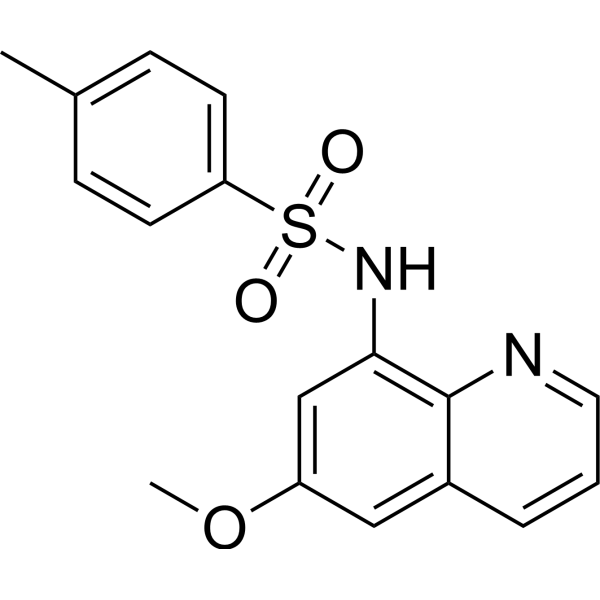
    TSQ is a cytosolic zinc ion fluorescence probe that is membrane permeable and can be used for intracellular imaging of zinc proteins (λmax ~470 nm). TSQ can combine with Zn 2+ in the presence of Ca 2+ and Mg 2+ to produce blue fluorescence (Ex/Em = 334/495 nm) .
    TSQ
  • HY-D1378

    Fluorescent Dye Others
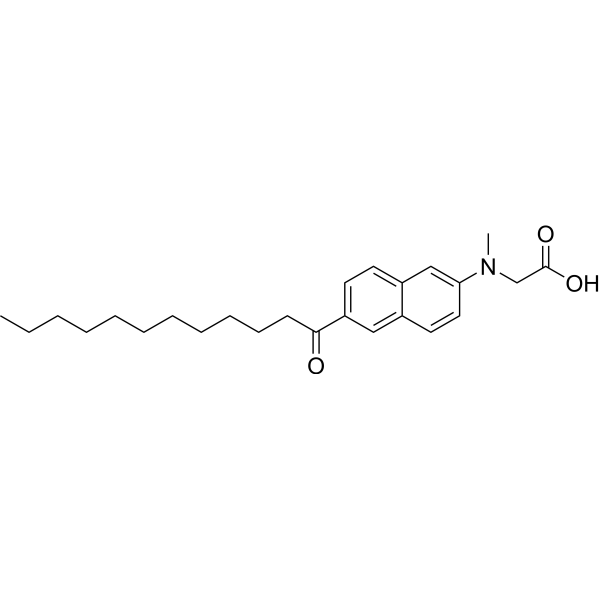
    C-Laurdan is a modified Laurdan (HY-D0080) probe that imaging lipid rafts with environmentally sensitive fluorescence. C-Laurdan can be used in research of lipid arrangement and fluidity in biological membranes or artificial lipid membranes .
    C-Laurdan
  • HY-D0791
    TRITC
    1 Publications Verification

    5(6)-Tetramethylrhodamine isothiocyanate

    Fluorescent Dye Others
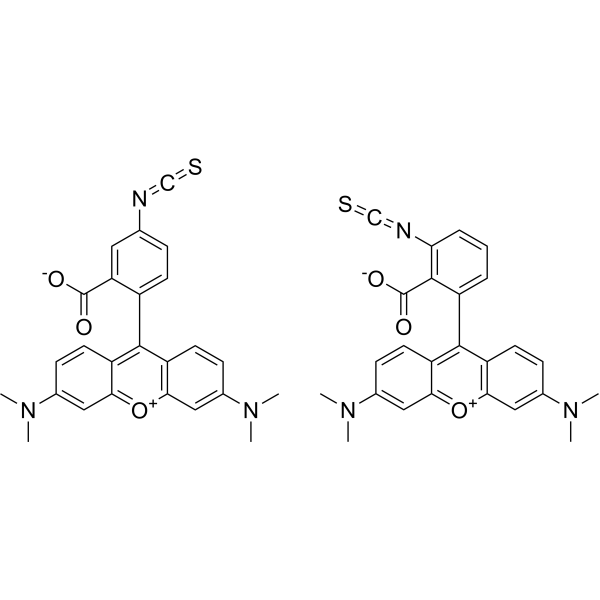
    TRITC (5(6)-Tetramethylrhodamine isothiocyanate) is a commonly used fluorescent dye, belonging to the Rhodamine derivative family. It exhibits red fluorescence properties (Ex/Em ≈ 550/580 nm). TRITC can be used for cell labeling and imaging .
    TRITC
  • HY-D0286

    2,8-Dimethylnaphtho[3,2,1-kl]xanthene

    Fluorescent Dye Others
    Fluorol Yellow 088 is a fluorescent dye that can be used as a biological material or an organic compound for life science research. Fluorol Yellow 088 is suitable for lipid staining in plant tissues, particularly for the fluorescence imaging of suberized cell walls and hydrophobic structures, with an excitation wavelength of 365 nm and an emission wavelength of ≥420 nm .
    Fluorol Yellow 088
  • HY-P4154

    ALM-488

    Fluorescent Dye Neurological Disease Cancer
    Bevonescein (ALM-488) is a fluorescein-conjugated peptide that facilitates the targeted delivery of a fluorescent moiety (5-FAM (HY-66022)) to nerves after intravenous (IV) administration. Bevonescein binds nerve-associated connective tissue, labels peripheral nerves under real-time fluorescence imaging (FL) in living mice and human ex vivo nerve tissue. Bevonescein is a peptide-linked tracer which fluorescently labeled both intact and degenerated nerves (Ex/Em = 480/530 nm) .
    Bevonescein
  • HY-D1872

    Fluorescent Dye Others
    800CW NHS ester is a near-infrared fluorescent dye active ester that can conjugate with amine-containing small molecules, antibodies, peptides, and other substances to form fluorescent conjugates. 800CW NHS ester exhibits high fluorescence quantum yield and low non-specific binding properties. 800CW NHS ester can be used in biomedical research such as microbial infection imaging, tumor imaging, and biochemical detection .
    800CW NHS ester
  • HY-D1816
    Vari Fluor 555-Phalloidin
    1 Publications Verification

    Fluorescent Dye Others
    Vari Fluor 555-Phalloidin is a fluorescent derivative of Phalloidin that specifically labels myofilament proteins and exhibits red fluorescence when labeled, allowing for fluorescence imaging using the PE channel (Ex/Em=550 nm/561 nm) .
    Vari Fluor 555-Phalloidin
  • HY-D1429

    Fluorescent Dye Others
    ER-Tracker dye is a derivative of BODIPY series dyes coupled with Glibenclamide (HY-15206), highly selective binding to the endoplasmic reticulum, non-toxic to cells at low concentrations, this type of dye is an environmentally sensitive probe, and formaldehyde treatment can still retain part of the fluorescence, with high fluorescence life, good extinction coefficient and other characteristics. Glibenclamide is an atp-dependent K + channel blocker (Kir6, KATP) and CFTR Cl-channel blocker that binds in the endoplasmic reticulum. ER-Tracker is not suitable for staining fixed cells. Staining followed by fixation is possible, but cells fixed with aldehydes will only retain partial fluorescence (Ex/Em = 374/ 430-640 nm) .
    ER-Tracker Blue-White DPX
  • HY-D0077

    Oregon green 488

    Fluorescent Dye Others
    2',7'-Difluorofluorescein (Oregon green 488) is a fluorescein derivative and a pH-sensitive fluorescent probe (pKa ~4.7). Upon excitation at 488 nm, 2',7'-Difluorofluorescein exhibits pH-sensitive fluorescence intensity through the formation of dianions, while its pH sensitivity decreases under excitation at 450 nm, allowing its use in ratiometric pH analysis. 2',7'-Difluorofluorescein can be used for the quantitative analysis of pH values in the range of 2-7 in submicron aerosol particles. 2',7'-Difluorofluorescein undergoes buffer-mediated and buffer-free excited-state proton transfer between different protonated forms, and its cationic form undergoes rapid excited-state deprotonation. 2',7'-Difluorofluorescein is resistant to photodegradation, maintains stable absorption and fluorescence properties within the physiological pH range, and serves as a fluorescent protein label, a component of Ca 2+ indicators, a fluorescent imaging agent, and an anisotropy probe .
    2',7'-Difluorofluorescein
  • HY-D1445
    LysoSensor PDMPO
    1 Publications Verification

    Fluorescent Dye Metabolic Disease
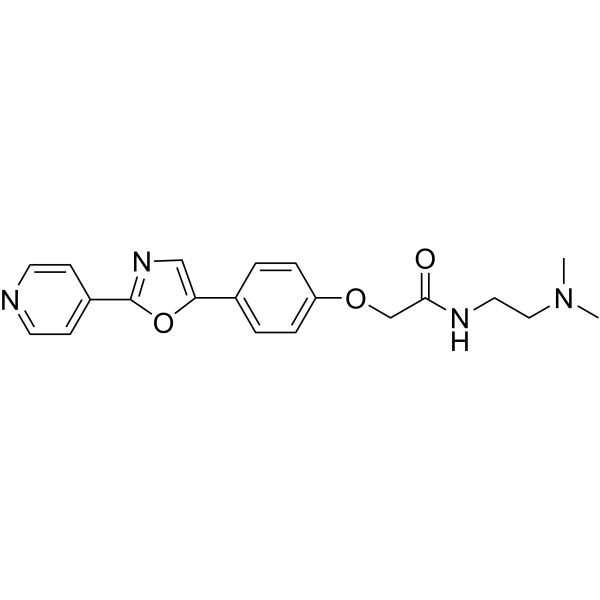
    PDMPO, a lysosome pH indicator, is an excellent fluorescent acidotropic reagent for fluorescence imaging. PDMPO is a potent tool with which to study acidic organelles of live cells. PDMPO exhibits pH-dependent dual-excitation and dual-emission spectral peaks. PDMPO produces a blue fluorescence in weakly acidic organelles and shifts to yellow in more acidic lysosomes. (Abs=329 nm; Em=440/540 nm) .
    LysoSensor PDMPO
  • HY-113870

    Fluorescent Dye Others
    6-NBDG is a fluorescent glucose analogue, it can be used for fluorescence imaging and monitoring glucose transport and uptake. 6-NBDG can be used as a fluorescent probe for detecting macrophage-rich atherosclerotic plaques .
    6-NBDG
  • HY-D1251

    Fluorescent Dye Others
    TRFS-red, a red fluorescence emission off-on probe, is selective for thioredoxin reductase (TrxR). TRFS-red exhibits high response rate and sensitivity. TRFS-red can be used for imaging live cells .
    TRFS-red
  • HY-D0029
    5(6)-Aminofluorescein
    1 Publications Verification

    5(6)-AFM; Fluoresceinamine mixed isomers

    Fluorescent Dye Others
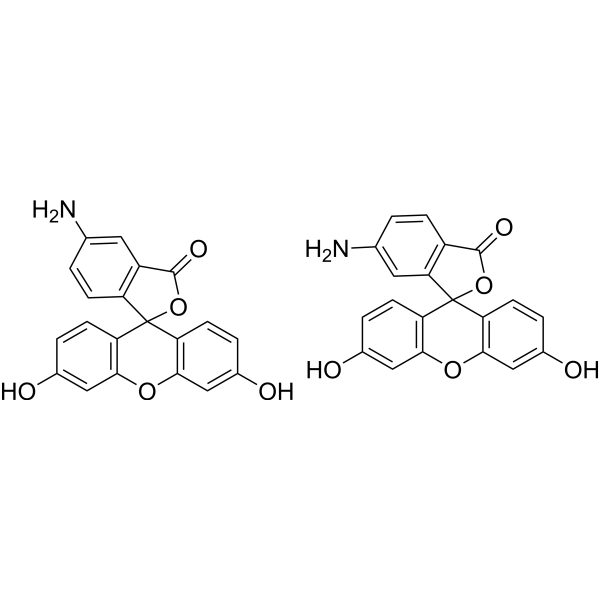
    5(6)-Aminofluorescein (5(6)-AFM) is an amino-containing fluorescein dye primarily used for biomolecular labeling, fluorescence imaging, and as a precursor for the synthesis of fluorescent probes (Ex/Em = 495/515 nm).
    5(6)-Aminofluorescein
  • HY-D1353

    Fluorescent Dye Others
    LipidGreen 2 is a second generation small molecule probe for lipid imaging. LipidGreen 2 has a better fluorescence signal compared with the previous LipidGreen, and selectively stains neutral lipids in cells and fat deposits in live zebrafish .
    LipidGreen 2
  • HY-152073

    Fluorescent Dye Others
    BETA-1 is the first twisted intramolecular charge transfer (TICT)-aggregation-induced emission (AIE) integration molecule. BETA-1 emits cyan fluorescence in lipid droplets (LDs) and red fluorescence in mitochondria. BETA-1 can be used for the simultaneous and dual-color imaging of LDs and mitochondria in vivo and in vitro .
    BETA-1
  • HY-DY1074

    Fluorescent Dye Others
    ER-Tracker dye is a derivative of BODIPY series dyes coupled with Glibenclamide (HY-15206) , highly selective binding to the endoplasmic reticulum, non-toxic to cells at low concentrations, this type of dye is an environmentally sensitive probe, and formaldehyde treatment can still retain part of the fluorescence, with high fluorescence life, good extinction coefficient and other characteristics. Glibenclamide is an atp-dependent K + channel blocker (Kir6, KATP) and CFTR Cl-channel blocker that binds in the endoplasmic reticulum. ER-Tracker is not suitable for staining fixed cells. Staining followed by fixation is possible, but cells fixed with aldehydes will only retain partial fluorescence .
    Solvent and concentration: DMSO: 1 mM
    ER-Tracker Blue-White DPX (solution)
  • HY-W008048

    Nucleoside Antimetabolite/Analog Others
    2',3'-O-Isopropylideneadenosine is a nucleoside compound and also a Golgi-targeting moiety. 2',3'-O-Isopropylideneadenosine constitutes a furanose ribose group that undergoes cyclization at the O (2') and O (3') atoms. As a component of the fluorescent probe TPE-Ade, 2',3'-O-Isopropylideneadenosine enables specific Golgi localization for fluorescence imaging. 2',3'-O-Isopropylideneadenosine participates in the synthesis of aggregation-induced emission (AIE) fluorescent probes .
    2',3'-O-Isopropylideneadenosine
  • HY-DY1047

    DNA Stain Others
    DFHBI-1T (solution) is a membrane-permeable RNA aptamers-activated fluorescence probe (ex/em=472 nm/507 nm). DFHBI-1T binds to RNA aptamers (Spinach, Spinach2, iSpinach, and Broccoli) and causes specific fluorescence and lower background fluorescence. DFHBI-1T is used to image RNA in live cells .
    Solvent and concentration: DMSO: 20 mM
    DFHBI-1T (solution)
  • HY-D2346
    HBmito Crimson
    3 Publications Verification

    Fluorescent Dye Others
    HBmito Crimson is a deep red fluorescent probe (λex: 658 nm, λem: 678 nm) for the inner mitochondrial membrane. HBmito Crimson is a cell membrane-permeable probe with high selectivity for the mitochondrial inner membrane, suitable for specific fluorescence staining of the inner mitochondrial membrane in living cells. HBmito Crimson has high photostability and brightness, suitable for long-term dynamic fluorescence imaging.
    HBmito Crimson
  • HY-D2062

    Fluorescent Dye Integrin Cancer
    ATTO 740 NHS ester is a near-infrared fluorescent dye and a multimodal fluorescence/photoacoustic contrast agent with excellent near-infrared emission properties and extremely high photostability. The photoacoustic signal of ATTO 740 NHS ester shows no significant decrease after continuous irradiation with a 750 nm laser for 30 min, making it suitable for in vivo fluorescence imaging and photoacoustic contrast imaging. When conjugated with the cystine knot peptide R01, ATTO 740 NHS ester enables precise detection of integrin αvβ6-positive cells and tumors in nude mouse xenograft models .
    ATTO 740 NHS ester
  • HY-P11057

    Fluorescent Dye Others
    FGGH is a water-soluble peptide-based probe. FGGH performs the sequential detection of Cu 2+ and S 2- by fluorescence and colorimetry with high sensitivity (LOD: 1.42 and 22.2 nM for Cu 2+ and S 2-, respectively) (Ex=488 nm, Em=525 nm), and images both two ions in living cells and zebrafish models with low cytotoxicity. FGGH can be used for in vivo imaging and environmental pollution monitoring research .
    FGGH
  • HY-P6083

    Biochemical Assay Reagents Others Cancer
    RTSPSSR is synthesized peptide, which binds specifically to claudin-1 and visulizes the CRC tumor in mice, through near-infrared fluorescence imaging .
    RTSPSSR
  • HY-D2344

    3-Benzothiazole-daphnetin

    Fluorescent Dye Others
    3-BTD (3-Benzothiazole-daphnetin) is a Catechol-O-methyltransferase (COMT) two-photon fluorescence probe. 3-BTD can also be used for biological imaging of endogenous COMT in living cells and tissue sections .
    3-BTD
  • HY-110251A

    DNA Stain Others
    DFHBI-2T is a membrane-permeable RNA aptamers-activated fluorescence probe (ex/em=500 nm/523 nm). DFHBI-2T is used to image RNA in live cells .
    DFHBI-2T
  • HY-D0110A

    Fluorescent Dye Others
    Fura-2 pentapotassium is a cell-impermeable scaled fluorescent dye that can be used for intracellular calcium imaging. Fura-2 pentapotassium has an emission wavelength of 510 nm and excitation wavelengths of 340 nm or 380 nm and the ratio of 340/380 fluorescence intensity is proportional to the intracellular Ca 2+ level .
    Fura-2 pentapotassium
  • HY-148796

    GE3126

    Fluorescent Dye Others
    Rizedisben (GE3126) is a fluorophore that can be used in fluorescence image-guided surgery. Rizedisben reduces non-specific adipose tissue fluorescence intensity and enhances nerve visibility .
    Rizedisben
  • HY-D1450

    S01448

    Fluorescent Dye Cancer
    IR-1048 is a nitroreductase (NTR)-responsive near-infrared fluorescence (NIR)/photoacoustic (PA) imaging probe and photothermal agent. IR-1048 is coupled with a nitroimidazole group to form IR-1048-MZ. IR-1048-MZ is catalytically reduced by NTR in a hypoxic environment, restoring strong near-infrared absorption and fluorescence emission (NIR II window), while activating the photothermal effect. IR-1048 relies on NTR-mediated electron transfer to relieve intramolecular fluorescence quenching, achieving specific imaging and photothermal ablation of tumor hypoxic areas. IR-1048 is mainly used for high-contrast NIR II/photoacoustic imaging and photothermal therapy research and tumor diagnosis of the tumor hypoxic microenvironment .
    IR-1048
  • HY-161159
    DMHBO+
    1 Publications Verification

    Fluorescent Dye Others
    DMHBO+ is a cationic chromophore that binds to the Chili aptamer with a Kd of 12 nM. The Chili-DMHBO+ complex is an ideal fluorescence donor for FRET to the rhodamine dye Atto 590, suitable for imaging RNA in cells. Ex/Em=456/592 nm .
    DMHBO+
  • HY-DY1035

    Reactive Oxygen Species (ROS) Fluorescent Dye Others
    Hydroxyphenyl Fluorescein (HPF) (solution) is a stable ROS fluorescent probe dye. Hydroxyphenyl Fluorescein has stronger specificity and stability than H2DCFDA (HY-D0940). Hydroxyphenyl Fluorescein can produce strong green fluorescence through hydroxyl radical reaction with intracellular peroxynitroso. Hydroxyphenyl Fluorescein can be applied for fluorescence microscopy, high-throughput imager, luciferase microplate reader or flow cytometry. Ex/Em=490/515 nm .
    Solvent and concentration: DMSO: 10 mM
    Hydroxyphenyl Fluorescein (solution)
  • HY-DY1055

    Fluorescent Dye Others
    TSQ (solution) is a cytosolic zinc ion fluorescence probe that is membrane permeable and can be used for intracellular imaging of zinc proteins (λmax ~470 nm). TSQ can combine with Zn 2+ in the presence of Ca 2+ and Mg 2+ to produce blue fluorescence (Ex/Em = 334/495 nm) .
    Solvent and concentration: DMSO: 10 mM
    TSQ (solution)
  • HY-D2444

    Fluorescent Dye Cancer
    AF555 NHS is a red fluorescent dye with excellent fluorescence properties and light stability. The excitation wavelength is 556 nm and the emission wavelength is 571 nm, which can be used for protein labeling, antibody labeling, and cell imaging .
    AF555 NHS
  • HY-D2506

    Fluorescent Dye Others
    Cy3-PEG3400-NH2 is a polyethylene glycol derivative containing Cy3 (HY-D0822) fluorescent dye and polyethylene glycol (PEG) and an amino group. The Cy3 fluorophore is commonly used in applications such as immunolabeling, nucleic acid labeling, fluorescence microscopy, and flow cytometry. Cy3 has an emission maximum around 562-570 nm. Cy3-PEG3400-NH2 can be used for fluorescence imaging, fluorescence tracing and fluorescence labeling .
    Cy3-PEG3400-NH2
  • HY-D1615

    Fluorescent Dye Others
    BODIPY 530/550 NHS ester can be used for the stain of protein. BODIPY 530/550 NHS ester can be used for fluorescence OIM (oblique illumination microscopic) image .
    BODIPY 530/550 NHS ester
  • HY-D2971

    Fluorescent Dye Autophagy Neurological Disease
    NCIC-VIS is a lysosome-targeted, viscosity-sensitive two-photon near-infrared fluorescent probe. NCIC-VIS has a rigid structure that can restrict molecular torsion, thereby increasing the fluorescence quantum yield and two-photon absorption cross-section. NCIC-VIS enables real-time imaging of the autophagy process in cells .
    NCIC-VIS
  • HY-D1391

    PbS/CdSe QD

    Fluorescent Dye Others
    PbS/CdS QDs (PbS/CdSe QD) is a fluorescent probe that can be used for in vivo fluorescence imaging in the second near-infrared window .
    PbS/CdS QDs
  • HY-D2599

    Fluorescent Dye Others
    ICG PEG1000 NH2 is a polyethylene glycol derivative containing Indocyanine green (ICG) (HY-D0711) fluorescent dye and polyethylene glycol (PEG) and an amino group. The Indocyanine green fluorophore is commonly used in applications such as immunolabeling, nucleic acid labeling, fluorescence microscopy, and flow cytometry. ICG PEG1000 NH2 can be used for fluorescence imaging, fluorescence tracing and fluorescence labeling (Ex/Em=785/813 nm).
    ICG PEG1000 NH2
  • HY-D2602

    Fluorescent Dye Others
    ICG PEG5000 NH2 is a polyethylene glycol derivative containing Indocyanine green (ICG) (HY-D0711) fluorescent dye and polyethylene glycol (PEG) and an amino group. The Indocyanine green fluorophore is commonly used in applications such as immunolabeling, nucleic acid labeling, fluorescence microscopy, and flow cytometry. ICG PEG5000 NH2 can be used for fluorescence imaging, fluorescence tracing and fluorescence labeling (Ex/Em=785/813 nm).
    ICG PEG5000 NH2
  • HY-163618

    Fluorescent Dye Monoamine Oxidase Cancer
    DHMQ is a NIR fluorescent probe that binds to the propylamino group of monoamine oxidase A (MAO-A). DHMQ tracks MAO-A activity in real-time by using fluorescence imaging on mice and cells .
    DHMQ
  • HY-D2552

    Fluorescent Dye Others
    Cy5.5-PEG1000-NH2 is a polyethylene glycol derivative containing Cy5.5 (HY-D0924) fluorescent dye and polyethylene glycol (PEG) and an amino group. The Cy5.5 fluorophore is commonly used in applications such as immunolabeling, nucleic acid labeling, fluorescence microscopy, and flow cytometry. Cy5.5 has an emission maximum around 710 nm. Cy5.5-PEG1000-NH2 can be used for fluorescence imaging, fluorescence tracing and fluorescence labeling.
    Cy5.5-PEG1000-NH2
  • HY-D2553

    Fluorescent Dye Others
    Cy5.5-PEG3400-NH2 is a polyethylene glycol derivative containing Cy5.5 (HY-D0924) fluorescent dye and polyethylene glycol (PEG) and an amino group. The Cy5.5 fluorophore is commonly used in applications such as immunolabeling, nucleic acid labeling, fluorescence microscopy, and flow cytometry. Cy5.5 has an emission maximum around 710 nm. Cy5.5-PEG3400-NH2 can be used for fluorescence imaging, fluorescence tracing and fluorescence labeling.
    Cy5.5-PEG3400-NH2
  • HY-D2555

    Fluorescent Dye Others
    Cy5.5-PEG10000-NH2 is a polyethylene glycol derivative containing Cy5.5 (HY-D0924) fluorescent dye and polyethylene glycol (PEG) and an amino group. The Cy5.5 fluorophore is commonly used in applications such as immunolabeling, nucleic acid labeling, fluorescence microscopy, and flow cytometry. Cy5.5 has an emission maximum around 710 nm. Cy5.5-PEG10000-NH2 can be used for fluorescence imaging, fluorescence tracing and fluorescence labeling.
    Cy5.5-PEG10000-NH2
  • HY-D2554

    Fluorescent Dye Others
    Cy5.5-PEG5000-NH2 is a polyethylene glycol derivative containing Cy5.5 (HY-D0924) fluorescent dye and polyethylene glycol (PEG) and an amino group. The Cy5.5 fluorophore is commonly used in applications such as immunolabeling, nucleic acid labeling, fluorescence microscopy, and flow cytometry. Cy5.5 has an emission maximum around 710 nm. Cy5.5-PEG5000-NH2 can be used for fluorescence imaging, fluorescence tracing and fluorescence labeling.
    Cy5.5-PEG5000-NH2
  • HY-P991650

    PSMA Cancer
    MDX1201 is a humanized monoclonal antibody targeting PSMA1/7. MDX1201 conjugated with a fluorescent dye AlexaTM488 can be used as a probe for near-infrared fluorescence imaging (NIRF) imaging of prostate cancer .
    MDX1201
  • HY-164867

    Amino Acid Derivatives Others
    Fmoc-L-Dap(NBSD)-OH is a benzodiazole amino acid that can be used as a building block for constructing background-free peptide probes for fluorescence imaging .
    Fmoc-L-Dap(NBSD)-OH
  • HY-149765

    Fluorescent Dye Others
    Bone-1064 is a EuK-based PSMA tetramer bone probe for high-contrast visualization of bone in surrounding tissue. Bone-1064 specifically binds hydroxyapatite in bone tissue and can be used for NIR-II fluorescence imaging in animal models .
    Bone-1064

Inquiry Online

Your information is safe with us. * Required Fields.

Salutation


Country or Region *

Applicant Name *


Organization Name *

Department *


Email Address *


Product Name *

Cat. No.


Requested quantity *

Phone Number *


Remarks

Inquiry Online

Inquiry Information

Product Name:
Cat. No.:
Quantity:
MCE Japan Authorized Agent:

