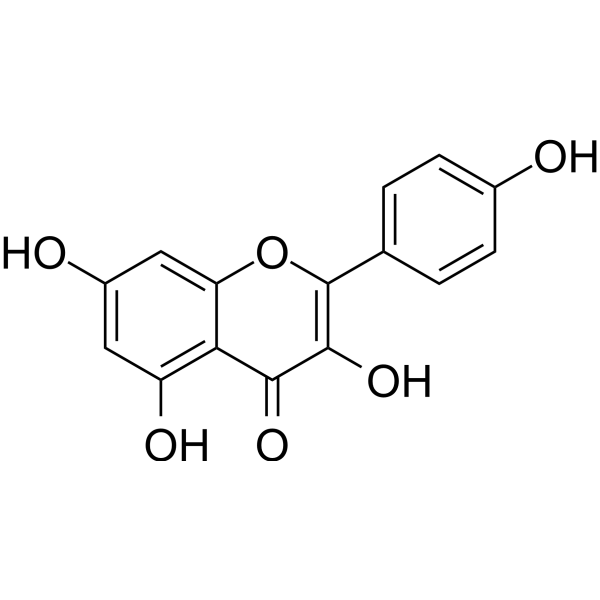
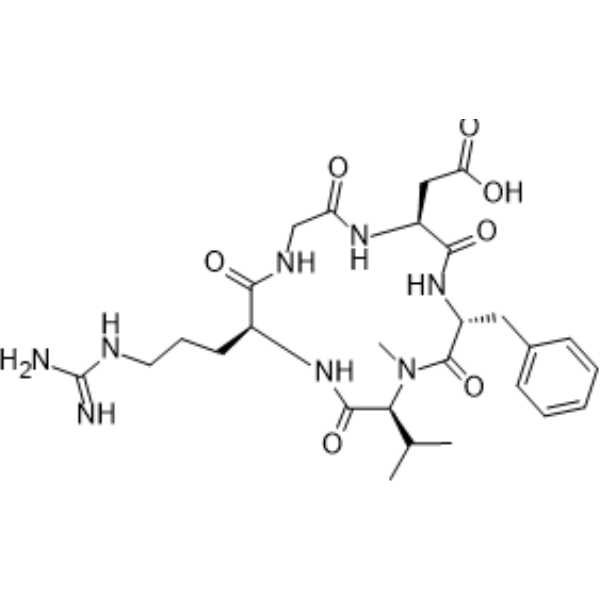
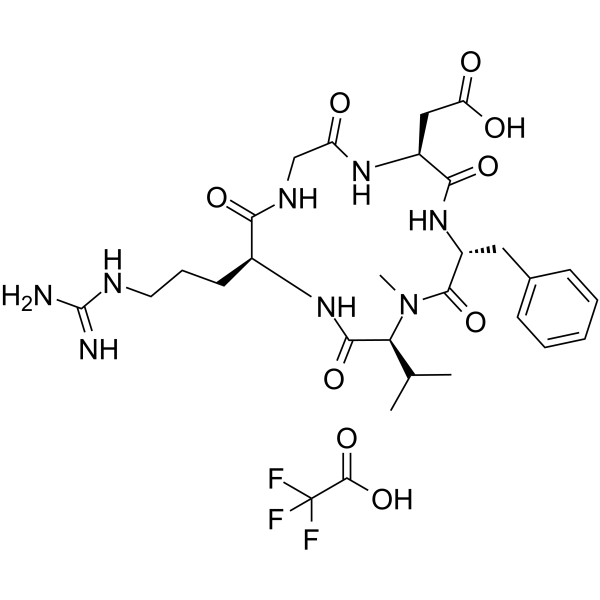
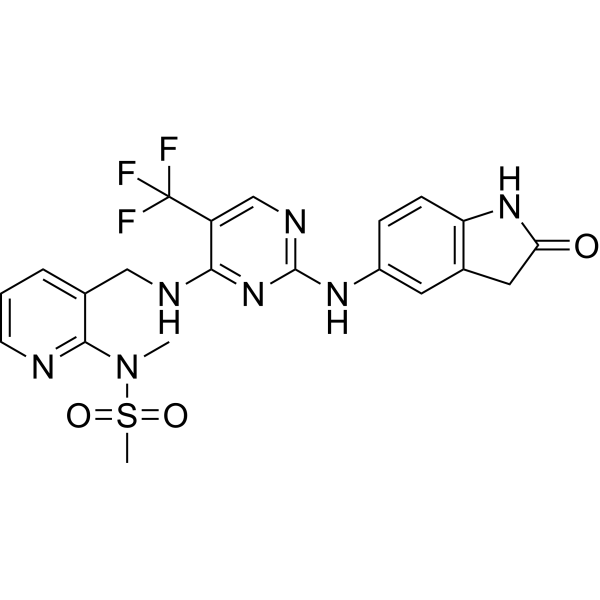
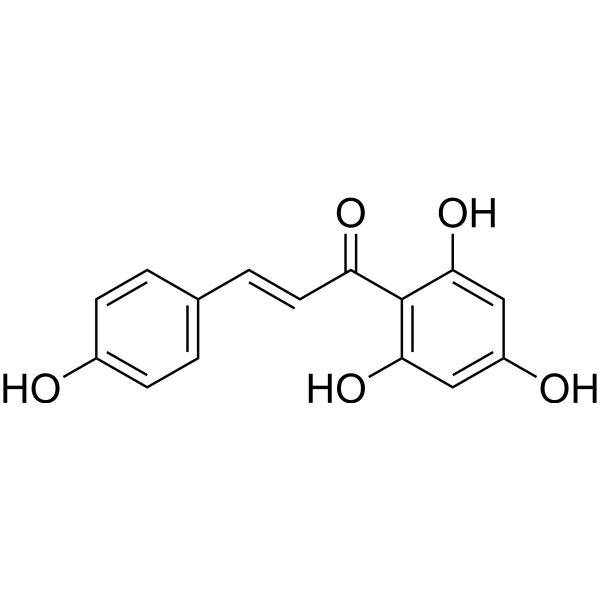
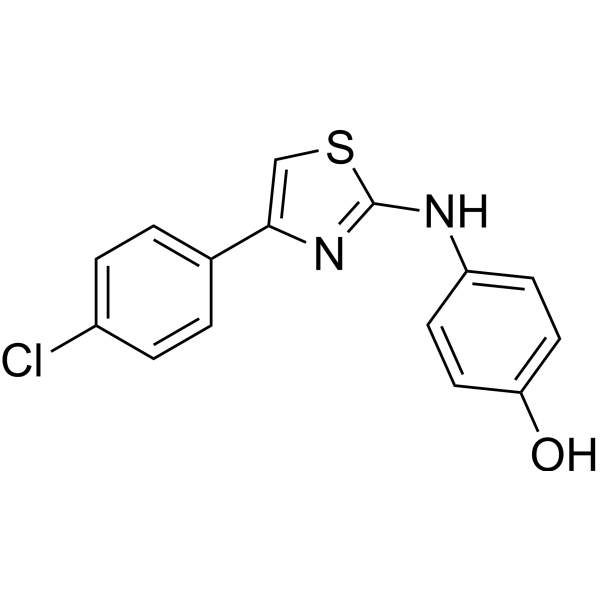
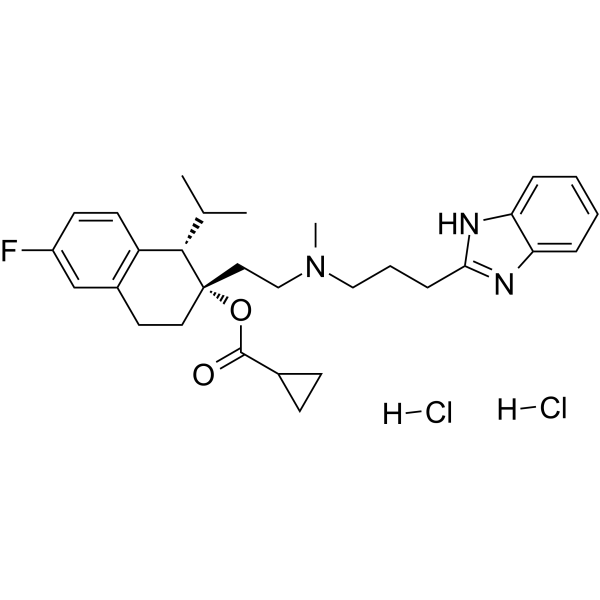
1. Search Result
Search Result
Results for "

Glioblastoma Inhibitors

" in MedChemExpress (MCE) Product Catalog:

270

Inhibitors & Agonists

2

Fluorescent Dyes

3

Biochemical Assay Reagents

12

Peptides

2

Inhibitory Antibodies

25

Natural
Products

14

Isotope-Labeled Compounds

1

Click Chemistry

1

Oligonucleotides

1

GMP Molecules

Targets Recommended:
Cat. No. Product Name Target Research Areas Chemical Structure
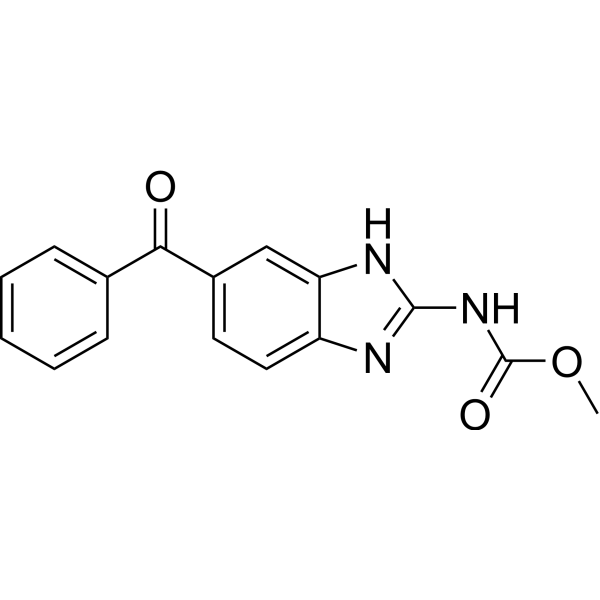
  • HY-17595
    Mebendazole
    5+ Cited Publications

    Parasite Apoptosis Microtubule/Tubulin Infection Cancer
    Mebendazole is a highly effective, broad-spectrum antihelmintic against nematode infestations. Mebendazole also exhibits inhibitory effect against glioblastoma multiforme (GBM), inhibits Hedgehog pathway and tubulin polymerization. Mebendazole is orally active and can cross CNS penetration .
    Mebendazole
  • HY-111651
    Gboxin
    4 Publications Verification

    Oxidative Phosphorylation ATP Synthase Mitochondrial Metabolism Cancer
    Gboxin is an oxidative phosphorylation (OXPHOS) inhibitor that targets glioblastoma. Gboxin inhibits the activity of F0F1 ATP synthase. Antitumour activity .
    Gboxin
  • HY-B0114
    Oxcarbazepine
    2 Publications Verification

    GP 47680

    Sodium Channel Apoptosis Neurological Disease Cancer
    Oxcarbazepine is a sodium channel blocker . Oxcarbazepine significantly inhibits glioblastoma cell growth and induces apoptosis or G2/M arrest in glioblastoma cell lines . Anti-cancer and anticonvulsant effects .
    Oxcarbazepine
  • HY-100475
    KYP-2047
    1 Publications Verification

    Apoptosis MDM-2/p53 Prolyl Endopeptidase (PREP) Neurological Disease Inflammation/Immunology Cancer
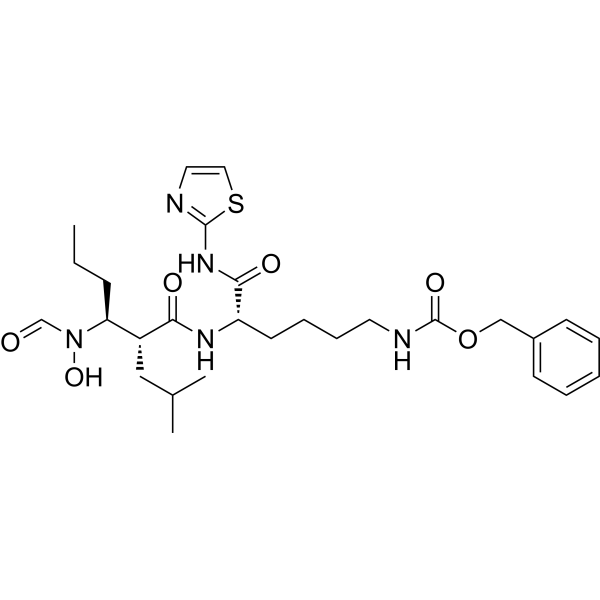
    KYP-2047 is a potent and BBB-penetrating prolyl-oligopeptidase (POP) inhibitor, with an Ki value of 0.023 nM. KYP-2047 reduces glioblastoma proliferation through angiogenesis and apoptosis modulation .
    KYP-2047
  • HY-174406

    Myosin PDGFR Reactive Oxygen Species (ROS) Ferroptosis Akt mTOR ERK Cancer
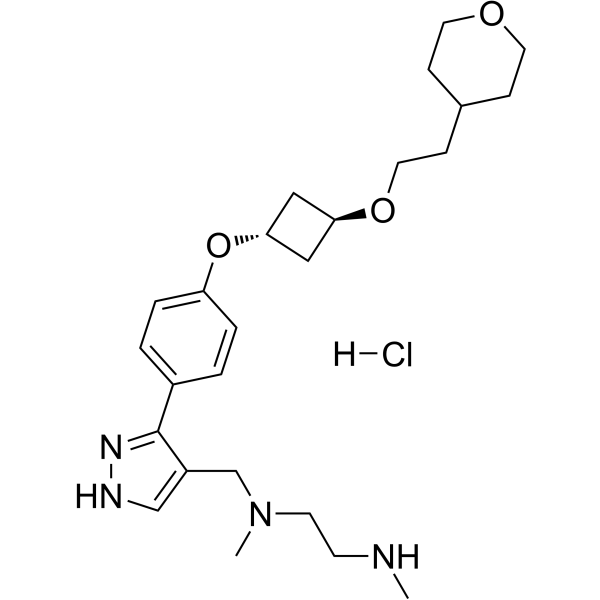
    MT-125 is a specific and well-tolerated inhibitor of non-muscle myosin IIA (Ki,NMIIA = 2.7 μM) and IIB (EC50 = 1.7 μM). MT-125 can pass through the blood-brain barrier. MT-125 induces ferroptosis and DNA damage by increasing the levels of reactive oxygen species (ROS) within tumor cells. MT-125 can enhance the PDGFR signaling pathway. MT-125 can be used for research on glioblastoma.
    MT-125
  • HY-107643

    CBLC4H10

    P-glycoprotein Cancer
    Reversan (CBLC4H10) inhibits drug efflux mediated by P-glycoprotein (Pgp) and multidrug resistance protein 1 (MRP1), and exhibits oral activity. Reversan shows activity against glioblastoma multiforme and neuroblastoma models .
    Reversan
  • HY-175476

    IPK Superfamily Cancer
    UNC7437 is a inositol phosphate multikinase (IPMK) inhibitor, with an IC50 value of 26.2 nM. UNC7437 exhibits anti-proliferative activity against glioblastoma cells. UNC7437 decreases the accumulation of InsP4, InsP5, and InsP6 in cells. UNC7437 can be used for the study of TEN-negative glioblastoma models .
    UNC7437
  • HY-111652
    S-Gboxin
    2 Publications Verification

    Drug Derivative Cancer
    S-Gboxin is a functional analog of the oxidative phosphorylation (OXPHOS) inhibitor Gboxin and has antitumor activity. S-Gboxin inhibits the growth of mouse and human glioblastoma with an IC50 of 470 nM. S-Gboxin has antitumor activity .
    S-Gboxin
  • HY-13661
    7-Hydroxystaurosporine
    1 Publications Verification

    UCN-01; KRX-0601

    PKC CDK Apoptosis Cadherin Neurological Disease Cancer
    7-Hydroxystaurosporine (UCN-01), a derivative of Staurosporine (HY-15141), is a selective protein kinase C (PKC) inhibitor with antitumor activity. 7-hydroxystaurosporine induces apoptosis and inhibits cell proliferation in colon carcinoma and leukemia cells, suppresses invasion and migration in glioblastoma cells. 7-Hydroxystaurosporine exhibits efficacy in breast cancer xenograft mouse models. 7-Hydroxystaurosporine can be used for colon carcinoma, breast cancer, glioblastoma and leukemia research .
    7-Hydroxystaurosporine
  • HY-154954
    Ogremorphin
    2 Publications Verification

    OGM; GPR68-IN-1; OGM-8345

    GPR68 Ferroptosis Inflammation/Immunology Cancer
    Ogremorphin (OGM) is a G protein coupled sensor GPR68 inhibitor with anti-inflammatory and anti-tumor activities. Ogremorphin can inhibit the migration of human melanoma cells and induce ferroptosis in glioblastoma cells .
    Ogremorphin
  • HY-160972

    LXR Neurological Disease Cancer
    MM0299 is a selective lanosterol synthase (LSS) inhibitor with an IC50 value of 2.22 μM. MM0299 depletes intracellular cholesterol and acts as a growth inhibitor for glioma stem-like cells. MM0299 exhibits anti-glioblastoma activity. MM0299 is applicable to research related to glioblastoma .
    MM0299
  • HY-109127
    Berotralstat
    1 Publications Verification

    BCX7353

    Kallikrein Cardiovascular Disease Cancer
    Berotralstat (BCX7353) is an orally active plasma kallikrein inhibitor. Berotralstat can reduce brain edema and is being studied for glioblastoma and hereditary angioedema .
    Berotralstat
  • HY-174406A

    Myosin PDGFR Reactive Oxygen Species (ROS) Ferroptosis Akt mTOR ERK Inflammation/Immunology Cancer
    MT-125 free base is a specific and well-tolerated inhibitor of non-muscle myosin IIA (Ki,NMIIA = 2.7 μM) and IIB (EC50 = 1.7 μM). MT-125 free base can pass through the blood-brain barrier. MT-125 free base induces ferroptosis and DNA damage by increasing the levels of reactive oxygen species (ROS) within tumor cells. MT-125 free base can enhance the PDGFR signaling pathway. MT-125 free base can be used for research on glioblastoma.
    MT-125 free base
  • HY-118545

    STAT Inflammation/Immunology Cancer
    Butamirate is an orally active antitussive agent that acts centrally through the receptors in the brainstem. Butamirate also reduces the resistance in the airways by inhibiting bronchospasm and anti-inflammatory effect. Butamirate inhibits glioblastoma (GBM) growth and STAT3 activity. Butamirate can be used for the study of glioblastoma .
    Butamirate
  • HY-125427

    OLIG2 Cancer
    SKOG102 is a potent OLIG2 inhibitor that is directly engaging OLIG2 and interferes with the ability of OLIG2 to bind DNA. SKOG102 can be used for the research of glioblastoma (GBM) .
    SKOG102
  • HY-P99768

    TTAC-0001; Tanibirumab

    VEGFR Cancer
    Olinvacimab (TTAC-0001) is a fully human anti-VEGFR2 monoclonal antibody. Olinvacimab inhibits VEGF binds to KDR with a Kd value of 0.23 nM. Olinvacimab has antiangiogenic activity. Olinvacimab can be used for the research of recurrent glioblastoma and breast cancer .
    Olinvacimab
  • HY-167832

    JNK SGK ROCK Tau Protein MMP DNA/RNA Synthesis Pyruvate Kinase NF-κB COX NO Synthase Reactive Oxygen Species (ROS) Neurological Disease Cancer
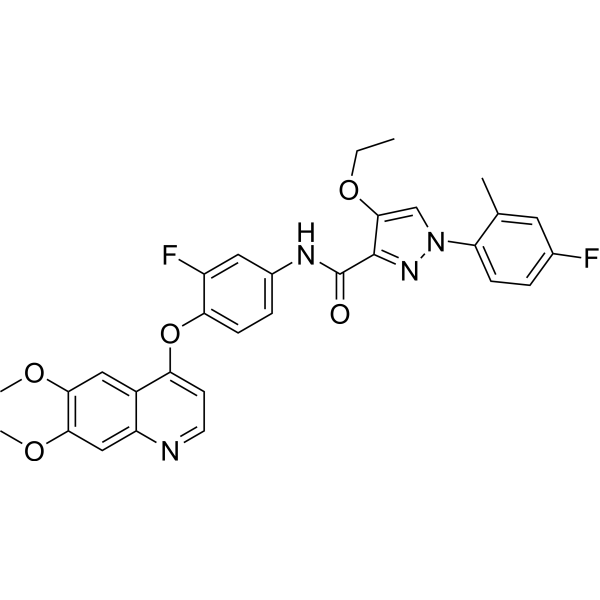
    PT109 is an orally active, blood-brain barrier permeable multi-kinase inhibitor. By inhibiting PTBP1, PT109 promotes the switch of pyruvate kinase isoform from PKM2 to PKM1, thereby effectively inhibiting the proliferation and migration of glioblastoma multiforme and inducing its reprogramming into oligodendrocytes. PT109 also targets and regulates key signaling molecules such as JNK, SGK1, GSK3β to exert neuroprotective effects including promoting neurogenesis, inducing synapse formation and alleviating neuroinflammation. In Alzheimer's disease models, PT109 exhibits significant efficacy in improving spatial learning ability, along with excellent in vivo pharmacokinetic properties. PT109 can be used to investigate metabolic reprogramming of glioblastoma multiforme and neuroprotective mechanisms of Alzheimer's disease .
    PT109
  • HY-118545A

    STAT Inflammation/Immunology Cancer
    Butamirate citrate is an orally active antitussive agent that acts centrally through the receptors in the brainstem. Butamirate citrate also reduces the resistance in the airways by inhibiting bronchospasm and anti-inflammatory effect. Butamirate citrate inhibits glioblastoma (GBM) growth and STAT3 activity. Butamirate citrate can be used for the study of glioblastoma .
    Butamirate citrate
  • HY-153773
    Z4P
    3 Publications Verification

    IRE1 Cancer
    Z4P is a BBB-penetrable IRE1 inhibitor with an IC50 of 1.13 μM. Z4P in combination with Temozolomide (HY-17364) inhibits the growth and recurrence of glioblastoma and has anti-tumor activity .
    Z4P
  • HY-116273

    Phospholipase Cancer
    ML299 is a selective allosteric modulator and a dual inhibitor of phospholipases D1 and D2 (IC50 values are 6 and 12 nM, respectively). ML299 decreases invasive migration in U87-MG glioblastoma cells .
    ML299
  • HY-169884
    MCI-INI-3
    1 Publications Verification

    Aldehyde Dehydrogenase (ALDH) Cancer
    MCI-INI-3 is a selective competitive inhibitor of human ALDH1A3 (with a Ki value of 0.55 μM for ALDH1A3 and a Ki value of 78.2 μM for ALDH1A1). MCIINI-3 inhibits the biosynthesis of retinoic acid and reduces the viability of GSC-83 and GSC-326 glioblastoma cells .
    MCI-INI-3
  • HY-109127A
    Berotralstat dihydrochloride
    1 Publications Verification

    BCX7353 dihydrochloride

    Kallikrein Cardiovascular Disease Cancer
    Berotralstat dihydrochloride (BCX7353 dihydrochloride) is an orally active plasma kallikrein inhibitor. Berotralstat can reduce brain edema and is being studied for glioblastoma and hereditary angioedema .
    Berotralstat dihydrochloride
  • HY-176537

    Microtubule/Tubulin Cancer
    RGN6024 is a brain-penetrant, orally active and reversible small molecule tubulin destabilizer. RGN6024 inhibits microtubule polymerization both in biochemical and cellular assays, binds to the colchicine binding pocket of β-tubulin (SPR: Kd = 6.7 μM; tryptophan assay: Kd = 7.4 μM), and triggers G2/M arrest in glioblastoma (GB) cells. RGN6024 retains activity in βIII-tubulin overexpressing cells. RGN6024 inhibits tumor growth in a GB xenograft mouse model. RGN6024 can be used for the study of glioblastoma (GB) .
    RGN6024
  • HY-153708

    CAF-170

    CDK Cancer
    SGC-CLK-1, a chemical probe, is a potent and selective inhibitor of Cdc2-like kinases CLK1, CLK2, and CLK4. SGC-CLK-1 can inhibit the growth of melanoma and glioblastoma cells .
    SGC-CLK-1
  • HY-149145

    Anaplastic lymphoma kinase (ALK) Fat Mass and Obesity-associated Protein (FTO) Cancer
    Ena15 is an ALKBH5 inhibitor. Ena15 enhances the demethylase activity of FTO. Ena15 increases m 6A RNA level, and stabilizes FOXM1 mRNA. Ena15 suppresses the growth activity of glioblastoma multiforme .
    Ena15
  • HY-149530

    EGFR Apoptosis Cancer
    EGFR-IN-86 (compound 4i) is an EGFR inhibitor (IC50: 1.5 nM) with high activity against glioblastoma. EGFR-IN-86 induces apoptosis and arrests the U87 cell cycle in the G2/M phase .
    EGFR-IN-86
  • HY-125964

    Survivin Cancer
    LLP-3 is a potent Survivin inhibitor that disrupts the Survivin-Ran interaction in cancer cells. LLP-3 can be used in the research of Glioblastoma multiforme (GBM) .
    LLP-3
  • HY-P4115

    FABP Cancer
    CooP is a linear glioblastoma-targeting nonapeptide. CooP binds to the mammary-derived growth inhibitor/fatty acid binding protein 3 (FABP3) in the glioblastoma cells and its associated vasculature. CooP is used for the targeted delivery of chemotherapy and different nanoparticles .
    CooP
  • HY-132865

    Fat Mass and Obesity-associated Protein (FTO) Cancer
    FTO-IN-3 is a FTO inhibitor that impair self-renewal in glioblastoma stem cells.
    FTO-IN-3
  • HY-B0114R

    GP 47680 (Standard)

    Reference Standards Sodium Channel Apoptosis Neurological Disease Cancer
    Oxcarbazepine (Standard) is the analytical standard of Oxcarbazepine. This product is intended for research and analytical applications. Oxcarbazepine is a sodium channel blocker . Oxcarbazepine significantly inhibits glioblastoma cell growth and induces apoptosis or G2/M arrest in glioblastoma cell lines . Anti-cancer and anticonvulsant effects .
    Oxcarbazepine (Standard)
  • HY-118545AR

    Reference Standards STAT Inflammation/Immunology Cancer
    Butamirate citrate (Standard) is the analytical standard of Butamirate citrate (HY-118545A). This product is intended for research and analytical applications. Butamirate citrate is an orally active antitussive agent that acts centrally through the receptors in the brainstem. Butamirate citrate also reduces the resistance in the airways by inhibiting bronchospasm and anti-inflammatory effect. Butamirate citrate inhibits glioblastoma (GBM) growth and STAT3 activity. Butamirate citrate can be used for the study of glioblastoma .
    Butamirate citrate (Standard)
  • HY-142683

    Phosphatase Neurological Disease Cancer
    SCP1-IN-2 (Compound SH T-65) is a potent and selective covalent inhibitor against SCP1. SCP1-IN-2 promotes REST degradation and reduces transcriptional activity. A high level of REST protein drives the tumor growth in some glioblastoma cells. SCP1-IN-2 has the potential for the research of glioblastoma whose growth is driven by REST transcription activity .
    SCP1-IN-2
  • HY-116165

    Phospholipase Cancer
    ML298 is a potent and selective inhibitor of Phospholipase D2 (PLD2) with an IC50 of 355 nM. ML298 decreases invasive migration in U87-MG glioblastoma cells .
    ML-298
  • HY-124582
    NEO214
    1 Publications Verification

    Autophagy mTOR Cancer
    NEO214 is an autophagy inhibitor and a covalent conjugate of the PDE4 inhibitor Rolipram (HY-16900) and perillyl alcohol (HY-N7000). It has anti-cancer activity and blood-brain barrier (BBB) permeability. Over sex. NEO214 prevents autophagy-lysosome fusion, thereby blocking autophagic flux and triggering glioma cell death. The process involves mTOR activation, andTFEB(Transcription Factor EB) aggregation. NEO214 inhibitionMacroautophagy/autophagy in glioblastoma cells has the potential to overcome chemotherapy resistance in glioblastoma .
    NEO214
  • HY-152203

    Drug Derivative Cancer
    Mitochondrial respiration-IN-2 is the fluorine derivative of Virginiamycin M1 (HY-N6686). Mitochondrial respiration-IN-2 can inhibit mitochondrial translation of glioblastoma stem cells .
    Mitochondrial respiration-IN-2
  • HY-125199

    ULK Cancer
    ULK-100 is a highly selective and potent ULK1 kinase inhibitor with an IC50 value of 1.6 nM. ULK-100 is promising for research of autophagy-related diseases (e.g., KRAS-mutant lung cancer, glioblastoma) .
    ULK-100
  • HY-168883

    Apoptosis Pyruvate Kinase Cancer
    PKM2 modulator 2 (compound C599) is a potent PKM2 inhibitor. PKM2 modulator 2 shows antiproliferative activity. PKM2 modulator 2 induces apoptosis. PKM2 modulator 2 has the potential for the research of glioblastoma .
    PKM2 modulator 2
  • HY-157975

    Glutaminase Cancer
    LM11 is an inhibitor of transglutaminase 2 (TG2) with an activity of killing glioblastoma cells by maintaining TG2 in a cytotoxic conformational state .
    LM11
  • HY-146275

    LXR Cancer
    LXRβ agonist-3 (compound 4-13) is a potent and selective LXRβ (liver X receptor β) agonist, with an EC50 of 0.095 μM. LXRβ agonist-3 efficiently inhibits U87EGFRvIII cell, with an IC50 of 3.75 μM. LXRβ agonist-3 shows antitumor activity, and can inhibit glioblastoma .
    LXRβ agonist-3
  • HY-163193

    Atg4 Autophagy Cancer
    MJO445 (Compound 7) is a ATG4B inhibitor, which inhibits the autophagy of glioblastoma .
    MJO445
  • HY-N8835

    p38 MAPK Neurological Disease
    Cannabisin D inhibits proliferation and migration of glioblastoma cells through MAPKs signaling .
    Cannabisin D
  • HY-B0114S

    GP 47680-d4

    Isotope-Labeled Compounds Sodium Channel Apoptosis Neurological Disease Cancer
    Oxcarbazepine-d4 (GP 47680-D4) is the deuterium labeled Oxcarbazepine. Oxcarbazepine is a sodium channel blocker . Oxcarbazepine significantly inhibits glioblastoma cell growth and induces apoptosis or G2/M arrest in glioblastoma cell lines . Anti-cancer and anticonvulsant effects .
    Oxcarbazepine-d4
  • HY-123903

    Quinone Reductase Cancer
    Tanshindiol B, a naphthaquinone diterpene, inhibits glioblastoma (GBM) growth by induction of noptosis (NQO1-dependent necrosis) .
    Tanshindiol B
  • HY-133570

    HSP ADC Payload Cancer
    17-AEP-GA, an HSP90 antagonist, is a potent inhibitor of glioblastoma cell proliferation, survival, migration and invasion. ADCs Toxin .
    17-AEP-GA
  • HY-164527

    Src FAK EGFR Cancer
    Si306 is a Src inhibitor with antitumor activity. Si306 reduces the phosphorylation of focal adhesion kinase (FAK) and the expression of epidermal growth factor receptor (EGFR), and inhibits the invasion of human glioblastoma (GBM) .
    Si306
  • HY-128685

    Ac12Az9

    P-glycoprotein BCRP Cancer
    FD 12-9 is a flavonoid dimer, acts as a dual inhibitor of P-gp and BCRP, with EC50s of 285 nM and 0.9 nM, respectively. Anti-glioblastoma activity .
    FD 12-9
  • HY-163835

    Ephrin Receptor Cancer
    UniPR1454 targets EphA2 receptor, inhibits the EphA2-ephrin A1 interaction with an IC50 of 2.6 μM. UniPR1454 inhibits the proliferation of glioblastoma cell U251 .
    UniPR1454
  • HY-163121

    Glycosyltransferase TGF-β Receptor FAK Galectin Collagen Endocrinology Cancer
    PST3.1a is an orally active and brain-penetrant N-acetylglucosamine glycosyltransferase (MGAT5) inhibitor with a human IC50 of 2 µM. PST3.1a inhibits TGFβR and FAK signaling pathway activity. PST3.1a alters β1,6-GlcNAc N-glycans and microtubule/microfilament integrity, increases OLIG2 expression, and inhibits proliferation, migration, invasiveness, and clonogenic capacities of glioblastoma initiating cells. PST3.1a reduces invasive and proliferative capacity of glioblastoma initiating cells in orthotopic graft models, increases overall survival of orthotopic graft model mice. PST3.1a blunts MGAT5 overexpression, decreases renal fibrosis via collagen 1, collagen 4, and galectin 3 downregulation in a rat chronic kidney disease model. PST3.1a can be used for the research of glioblastoma multiforme and chronic kidney disease .
    PST3.1a
  • HY-172586

    GSK-3 PKA Neurological Disease Cancer
    GSK-3α/β-IN-1 is GSK-3α/β inhibitor with IC50 s of 0.265 μM and 0.255 μM for GSK-3α and GSK-3β, respectively. GSK-3α/β-IN-1 also inhibits PKA with an IC50 of 0.188 μM. GSK-3α/β-IN-1 potently inhibits cell viability of three Glioblastoma (GBM) cell lines (IC50 : 3-6 μM, 72 h) with no toxicity to human astrocytes and good metabolic stability. GSK-3α/β-IN-1 has potential CNS activity in all-human blood-brain barrier (BBB) model of GBM .
    GSK-3α/β-IN-1
  • HY-12401A
    Mps1-IN-3 hydrochloride
    1 Publications Verification

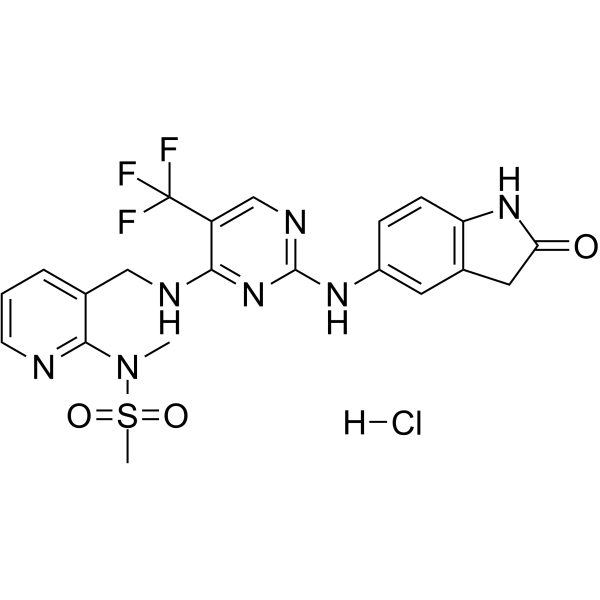
    Mps1 Cancer
    Mps1-IN-3 hydrochloride is a potent and selective Mps1 inhibitor with an IC50 value of 50 nM. Mps1-IN-3 hydrochloride can inhibit the proliferation of glioblastoma cells, and effectively sensitizes glioblastomas to Vincristine in orthotopic glioblastoma xenograft model .
    Mps1-IN-3 hydrochloride

Inquiry Online

Your information is safe with us. * Required Fields.

Salutation


Country or Region *

Applicant Name *


Organization Name *

Department *


Email Address *


Product Name *

Cat. No.


Requested quantity *

Phone Number *


Remarks

Inquiry Online

Inquiry Information

Product Name:
Cat. No.:
Quantity:
MCE Japan Authorized Agent:

